11 Pro Tips for Stylish Bookshelf Decorating
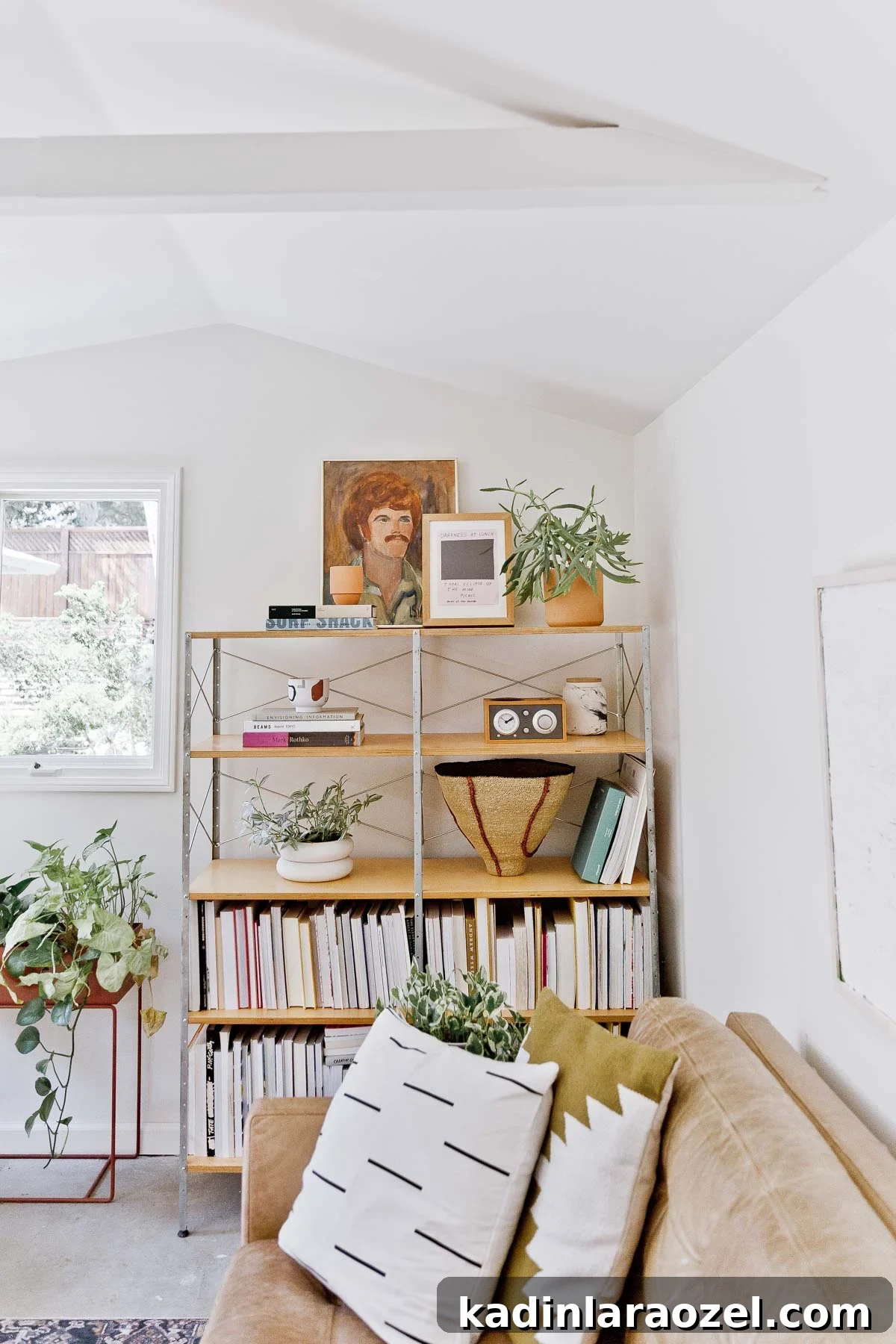
Book shelf styling 101.
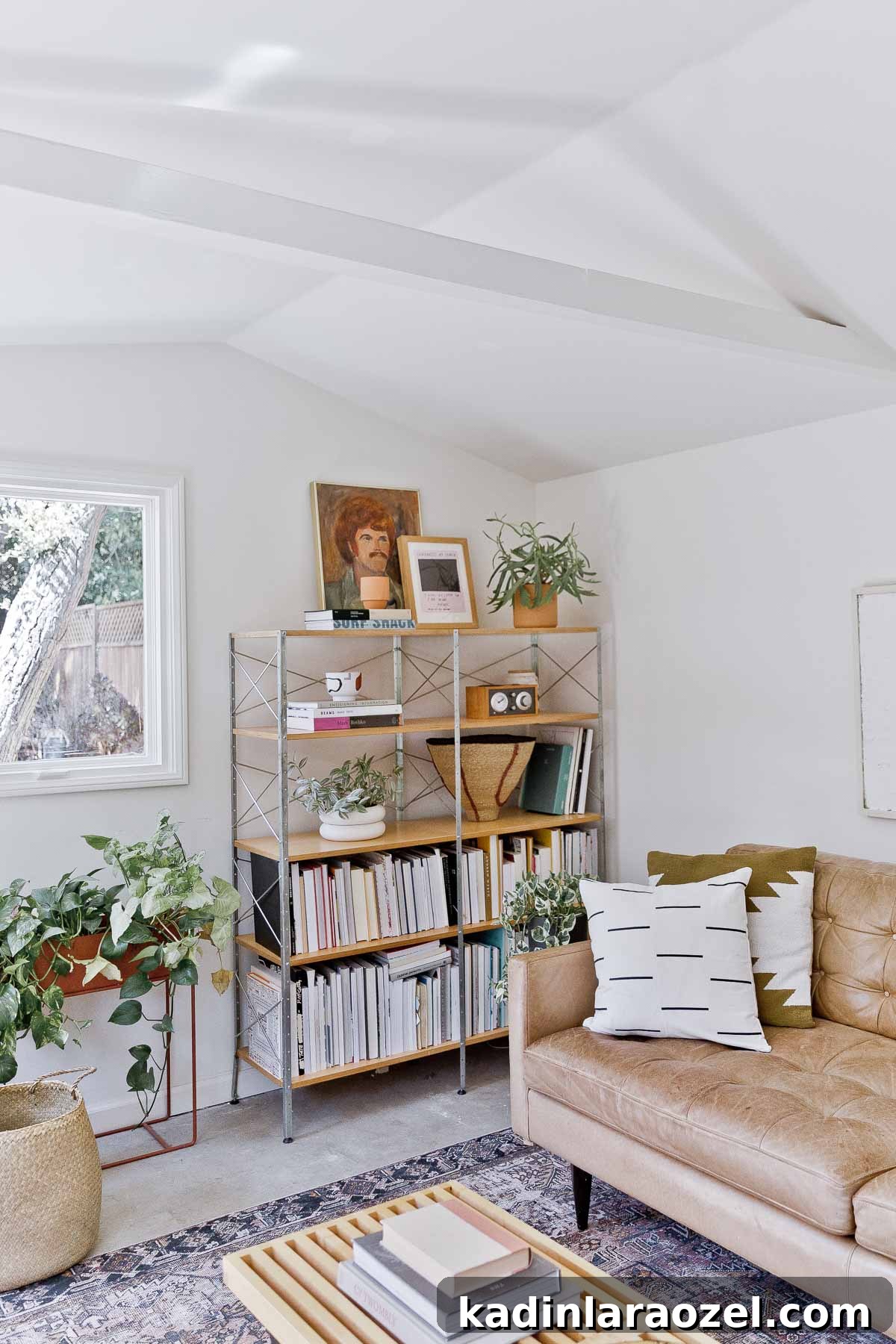
Three words: bookshelf styling.
Whether you’re filling built-in shelving or adding an extra bookcase for storage, there are lots of thoughtful ways to style your shelves so they look balanced and feel useful.
Staring at empty shelves can feel intimidating — six rows waiting to be filled with books, plants, and objects. To make the process easier, here are 11 practical, stylish tips that blend form and function so your shelves look curated and work for your life.
Book Shelf Styling 101
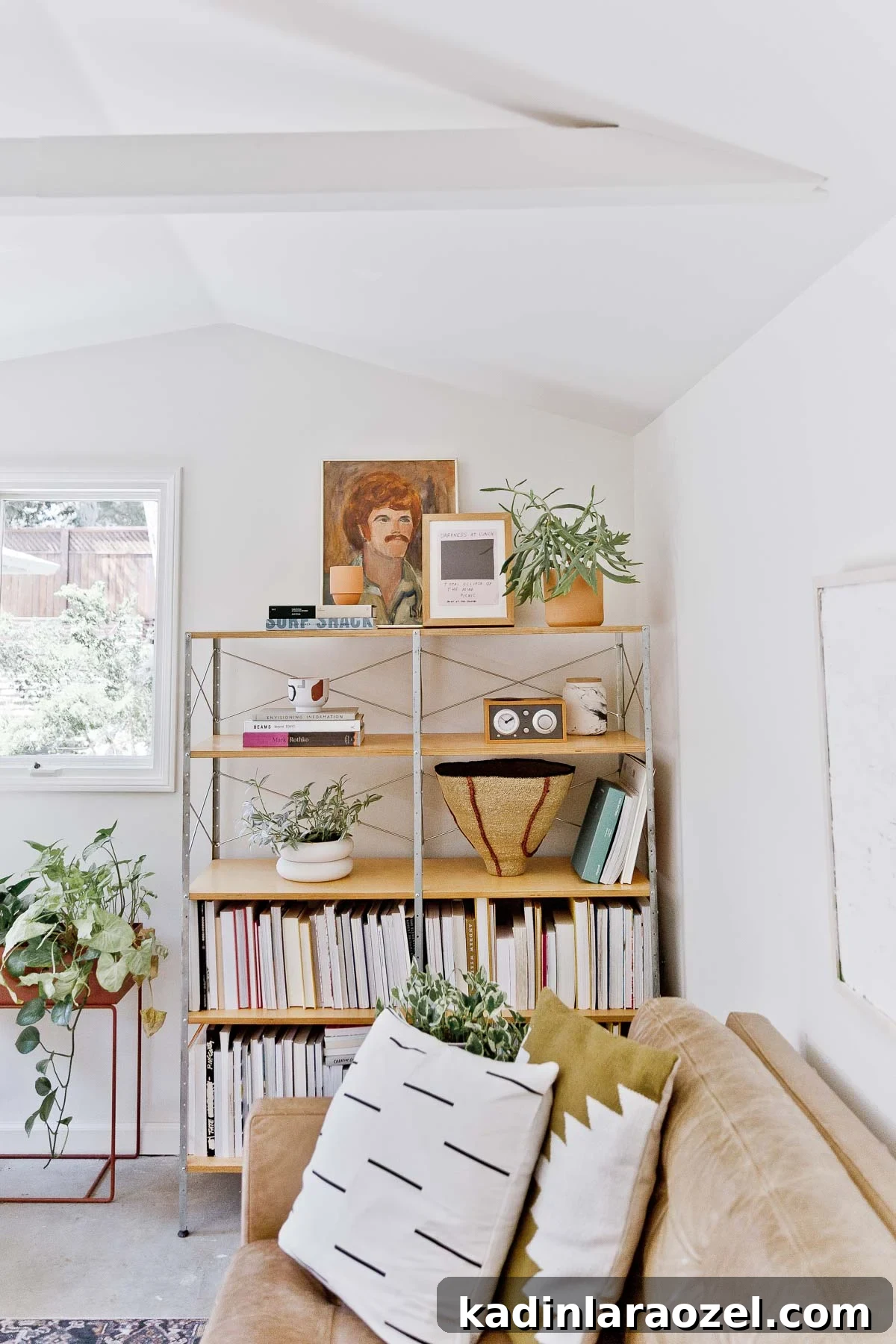
1. Sort books by color
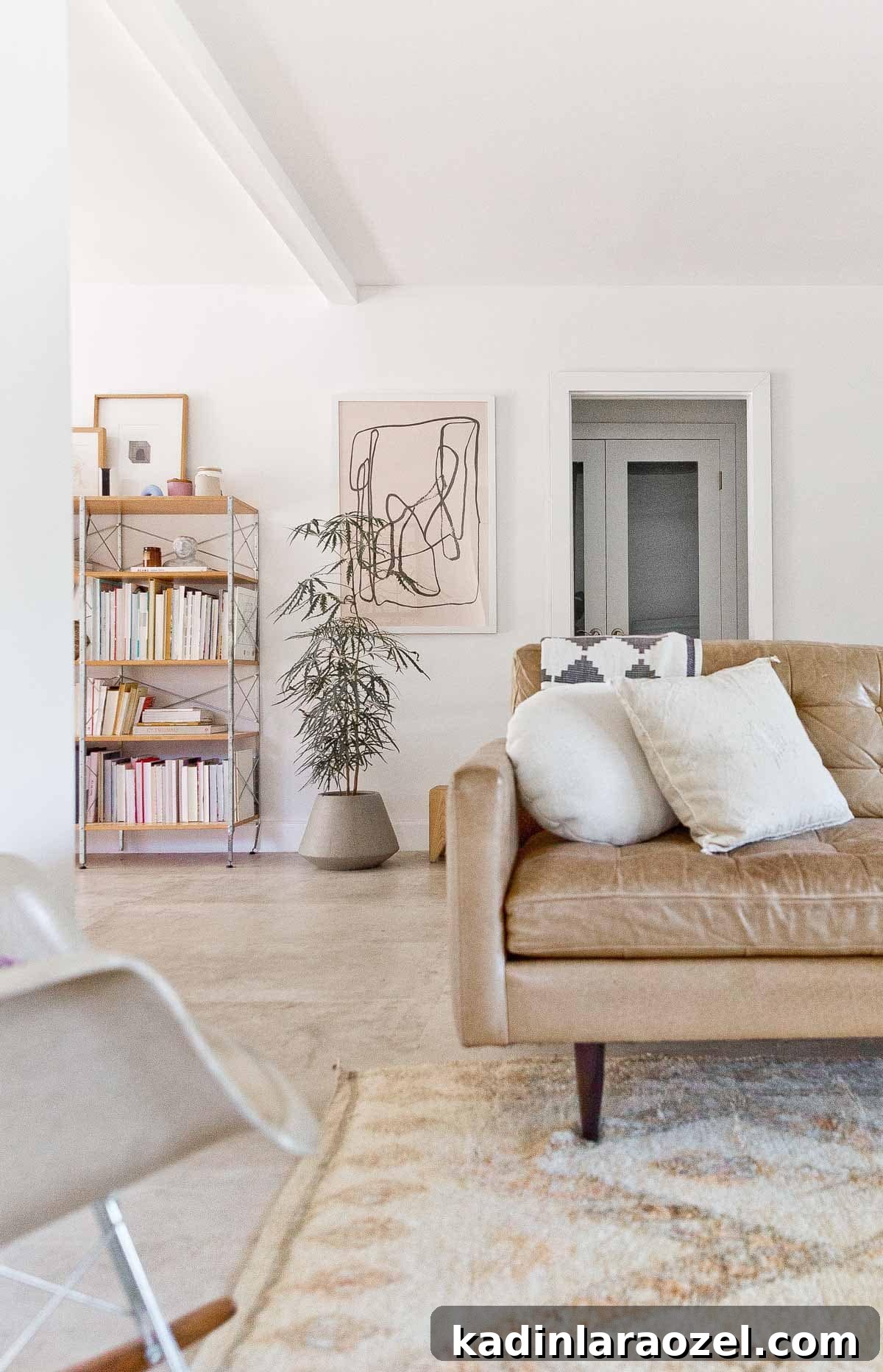
If you have a lot of books, organizing them by spine color creates immediate harmony. This approach is very visual — if you think in colors, you’ll often find the book you want faster because you remember the color rather than the title.
Color groups to try: whites/creams/taupes, blacks/charcoals, reds/pinks, oranges/yellows, greens/teal/mint, and dark blues/purples. Once grouped, you can dedicate each shelf to a color or arrange colors so they flow down the unit.
Decide what to highlight based on your room’s palette. In a neutral room, use whites and blacks near the top and save vibrant hues for lower shelves. If your rug or artwork has warm tones, consider arranging warm-to-cool from top to bottom for a cohesive look.
2. Turn some or all book spines inward
For a softer, more neutral look, flip book spines inward and display the pages. This gives shelves an old-library, cozy feel and tones down visual clutter.
This method isn’t for everyone — do what looks right to you. A practical tip: leave the spines of books you’re currently reading or will reread soon facing outward so you can find them quickly.
3. Accessorize
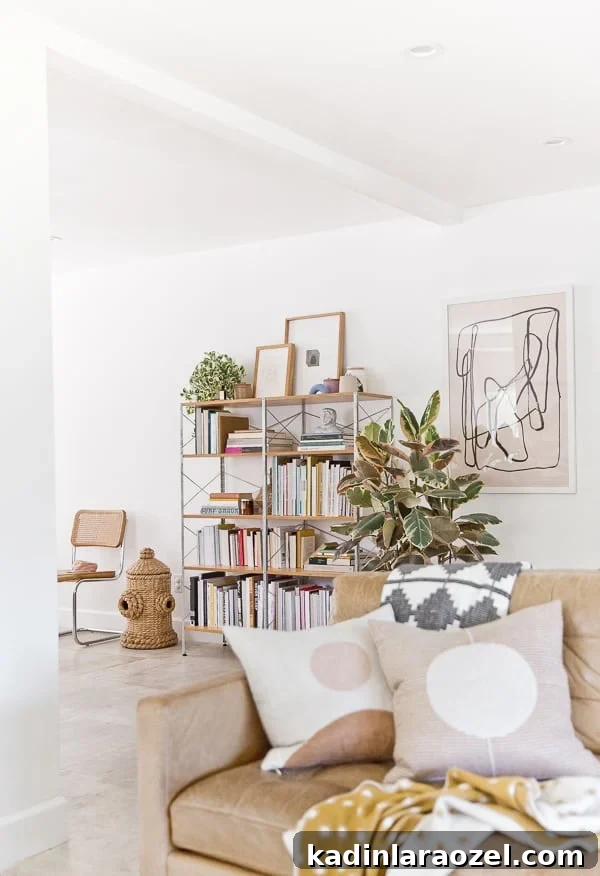
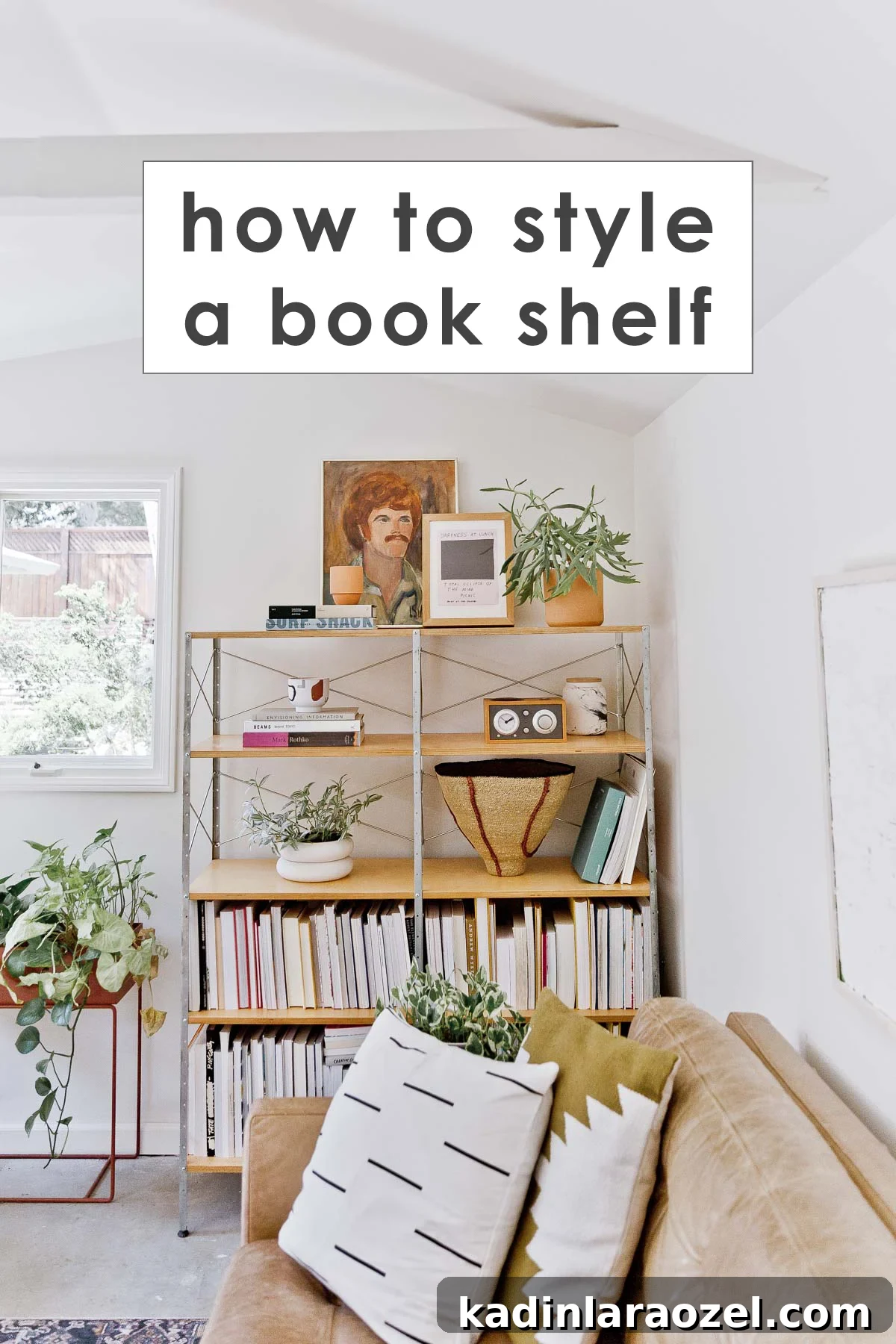
Bookshelves shouldn’t be only books. Soften and personalize the arrangement with vases, bowls, small sculptures, framed art, or candles. A mostly neutral accessory palette often helps the eye rest, but colorful accessories can amplify colorful spines if you prefer a livelier display.
4. Balance visual weight
Visual weight describes how the eye moves across a display. Balance the shelves by distributing stacks and objects across opposing areas instead of clustering everything in one spot.
Try alternating horizontal stacks with vertical rows of books to create rhythm and interest. Move stacks to opposite corners and fill gaps with decorative pieces so the arrangement feels deliberate, not repetitive.
5. Bring in living plants
Plants add scale, texture, and life to shelves. Trailing varieties like pothos or ivy work especially well, as they can cascade down a shelf edge. Larger potted plants or a small cluster of succulents break up the lines of books and introduce natural color.
6. Make it functional
If storage is a priority, use the lower shelves for baskets to hide blankets, games, toys, or photo albums. Baskets keep things tidy while maintaining a layered, styled look. If your furniture has high legs, small baskets can be stored underneath for extra concealed storage.
7. No books? No problem
If you read mostly digitally or don’t own many physical books, thrift stores are a great source for attractive hardcover books you can use purely for decoration. Choose thicker, heavier volumes to fill space efficiently and give the shelves a fuller appearance without buying many items.
8. Add wood or seasonal touches
Stacked firewood or decorative logs instantly warm up a shelf and add organic texture. If you have a fireplace, storing a few logs on the lower shelf feels authentic; even decorative logs on a faux fireplace make the space cozier. This idea works particularly well seasonally — around the holidays or in winter it creates a cabin-like warmth.
9. Remove a shelf for variety
You don’t have to use every shelf. If your shelves are adjustable, remove one to create a tall opening for art, a large plant, or a tall vase with pampas grass. Larger negative space becomes a focal point and prevents the unit from feeling monotonous.
10. Shelves don’t have to hold only books
Use shelving for what matters to you. If you collect records, display them alongside a few decorative objects. Turn part of the shelf into a bar with decanters and vintage bottles. Mixing categories — books, records, objects — keeps the look personal and interesting.
11. Display the best pieces
If your shelf’s purpose is decorative as well as practical, be selective. Store damaged or unattractive books in closed storage and put forward only the ones with appealing spines or unique character. Curating highlights prevents clutter and makes the arrangement feel intentional.
If most spines are hidden by showing pages instead of covers, you have more flexibility with which books are visible, so don’t worry about perfection.
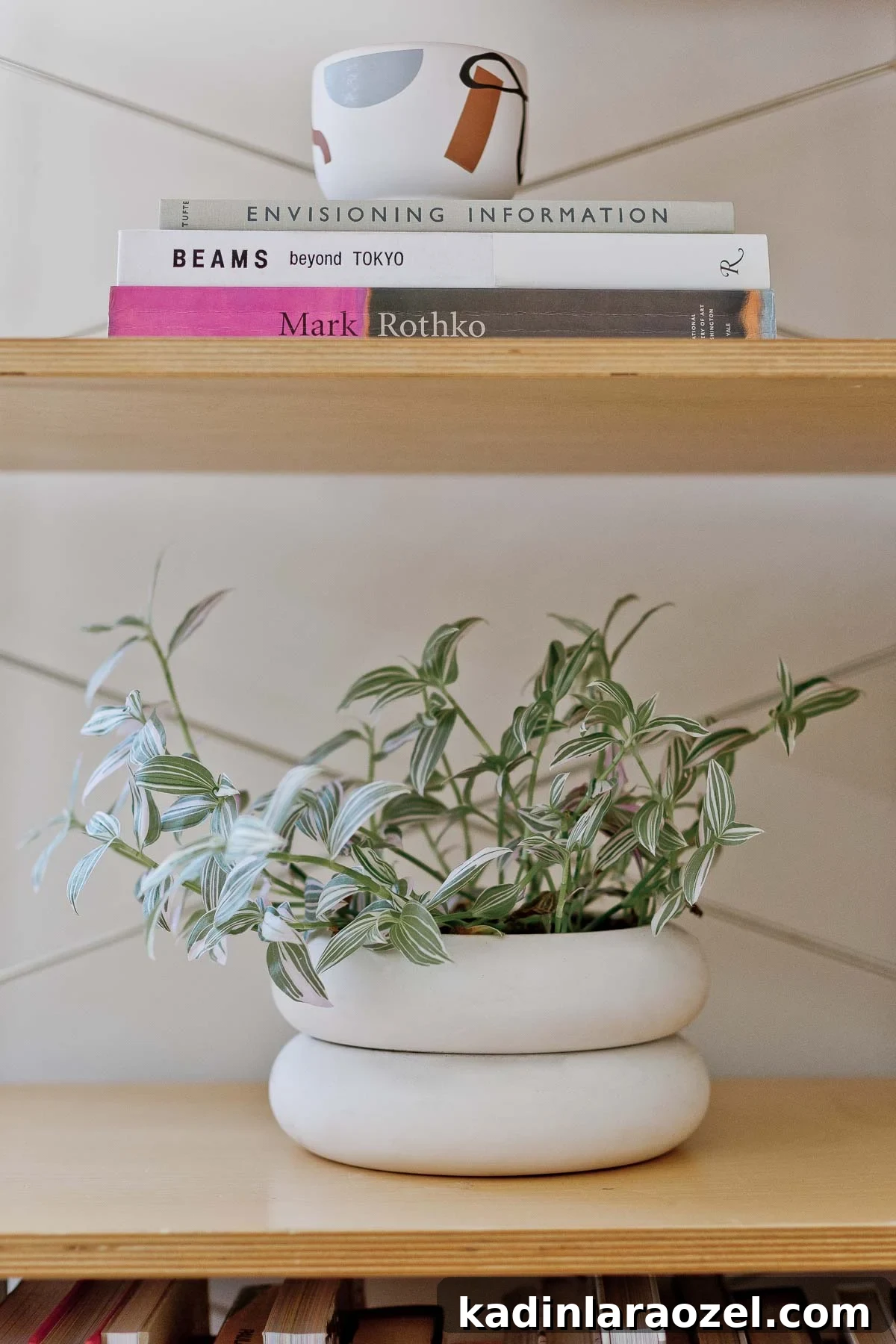
How to Style a Book Shelf
Whether you’re filling built-ins or adding extra shelving, these ideas will help you style shelves that are both beautiful and useful. The tips below focus on simple, high-impact moves you can make right away.
Instructions
Sort books by color
- Group books by spine color to create a calm, cohesive look and make visually searching easier.
- Style each shelf with a single color or arrange colors to flow through the unit.
- Match top-shelf highlights to your room’s palette—neutrals up top, color below, or warm-to-cool transitions as needed.
Flip some or all spines inward
- For a quieter, neutral display show pages instead of spines. Keep spines visible for books you’re currently using.
Accessorize
- Mix in vases, bowls, art, and small objects. A restrained accessory palette helps the eye rest, but color can be used intentionally.
Distribute visual weight
- Balance stacks and objects across opposing spaces. Vary horizontal and vertical arrangements to add interest.
Bring in plants
- Use trailing plants or potted greenery to add texture and life to your shelves.
Make it functional
- Use baskets on lower shelves to hide items and keep surfaces tidy.
- Choose thicker decorative books if you need volume without buying many titles.
If you could, wood you?
- Decorative logs or stacked wood add warmth and seasonal charm to lower shelves.
Take a shelf out
- Remove a shelf to create a tall space for art or a large arrangement and add a focal point.
Use shelves creatively
- Display records, barware, or other collections alongside decor for a personalized look.
Display the best of the best
- Be selective: show books and objects with visual appeal and store the rest out of sight to avoid clutter.
How do you style your bookshelves? Do any of these ideas feel like a good fit, or does flipping spines make you cringe? Share what works for you — a well-styled shelf is one that reflects your taste and needs.