4 Desk Organization Ideas to Improve Your Work-from-Home Setup
Working from home for the foreseeable future? Here are four simple, practical suggestions to keep your desk organized and make working from home easier.
I’ve worked from home for more than ten years (including time spent in a studio), so I’ve picked up a few habits and helpful tricks along the way.
Here’s what I’ve learned over time: if you’re stuck and struggling to focus at home, don’t force yourself to grind—try organizing your workspace first. A clean, orderly desk can reset your mind and make it easier to get back into productive flow.
For me, a cluttered desk is the biggest distraction. When I clear the surface and put nonessential items away, I almost always feel less overwhelmed and more motivated to work.
Below are four quick, effective steps to tame desk clutter and create a more functional, pleasant workspace.
4 Quick Steps to Desk Organization
Step 1: Clear and clean your desktop
Start by removing everything from the top of your desk. Yes—everything. A fully cleared surface makes it easier to see what you actually need to keep within reach and helps you prioritize.
Once cleared, wipe down the surface to remove dust and spills. A simple cleaner—commercial or homemade—works fine. Let the desk air dry, and only return items you use daily: your computer, a notebook, one pen cup, and perhaps a small lamp or plant.
This minimal surface reduces visual clutter and helps your brain focus. Even a short ten-minute reset can make a big difference when you’re feeling stagnant.
Step 2: Organize drawers
Next, tackle desk drawers and any filing cabinets. Drawers are prime real estate for small items, so use them intentionally. If drawers are overflowing, take five minutes to sort and group similar items—pens, charging cables, sticky notes, scissors, etc.
Drawer organizers, dividers, or even homemade cubbies can keep small items from becoming a jumbled mess. When everything has a designated spot, you’ll spend less time searching and more time working.
Step 3: Contain the clutter
Not everything needs to live on your desktop. Use containers, boxes, and desktop organizers to corral supplies. Choose a few attractive, functional organizers that match your style so storage looks intentional rather than thrown together.
Desktop organizers are especially useful if your desk lacks built-in drawers. Simple wooden organizers, stackable drawers, or small cubbies keep essentials accessible without taking over the workspace. If you have limited desk space, consider moving some items to a nearby shelf or closet.
Some container ideas to consider:
- Small wooden or plastic organizers for pens and tools
- Stackable drawers for categorized supplies (e.g., sewing tools, art supplies, stamps)
- Fabric-covered boxes or baskets for bulk items you want hidden but accessible
- A small tray or dish to hold loose items like paperclips and rubber bands
Adding a small plant to a section of your organizer can also brighten the space and boost mood and creativity.
Step 4: Use vertical space
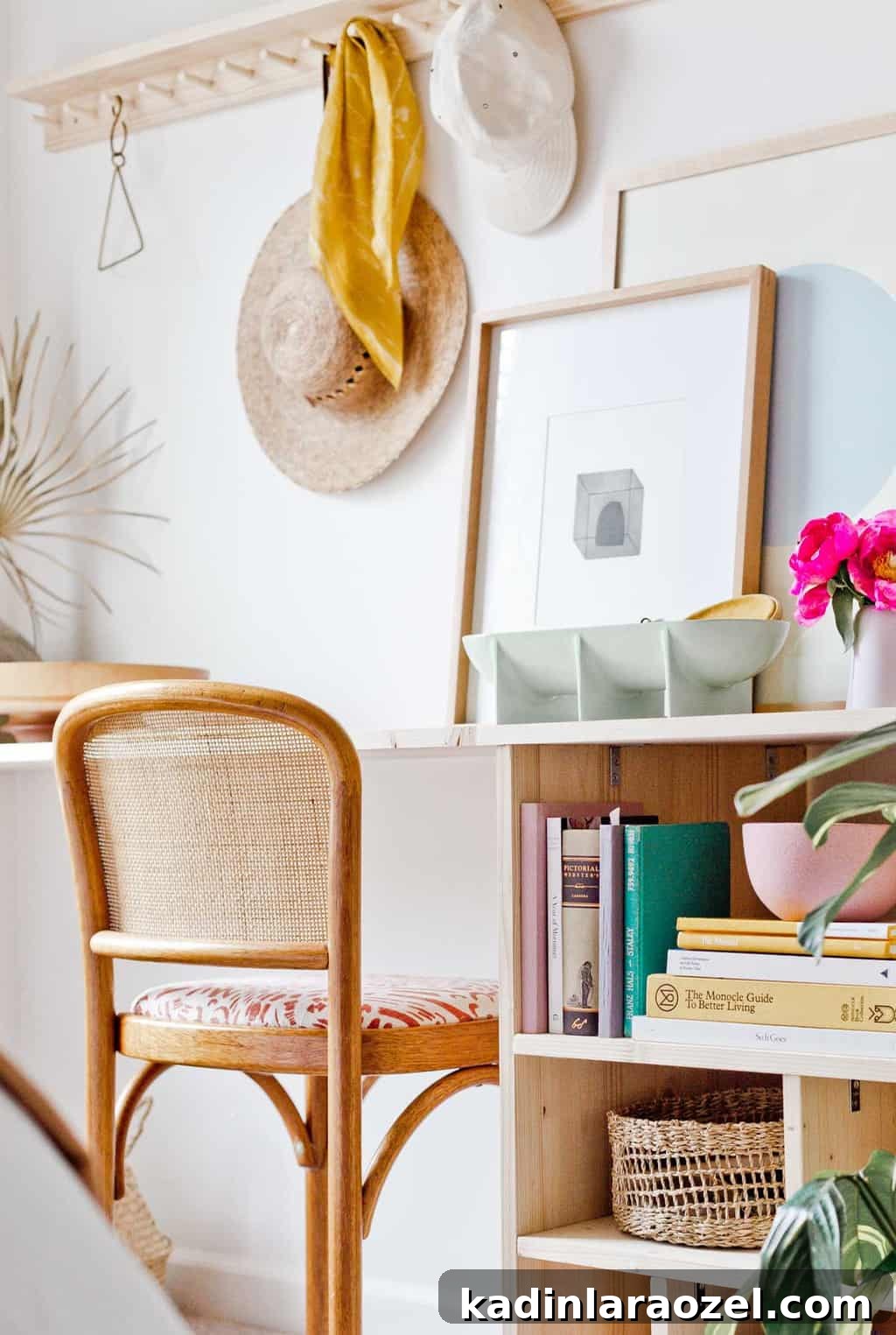
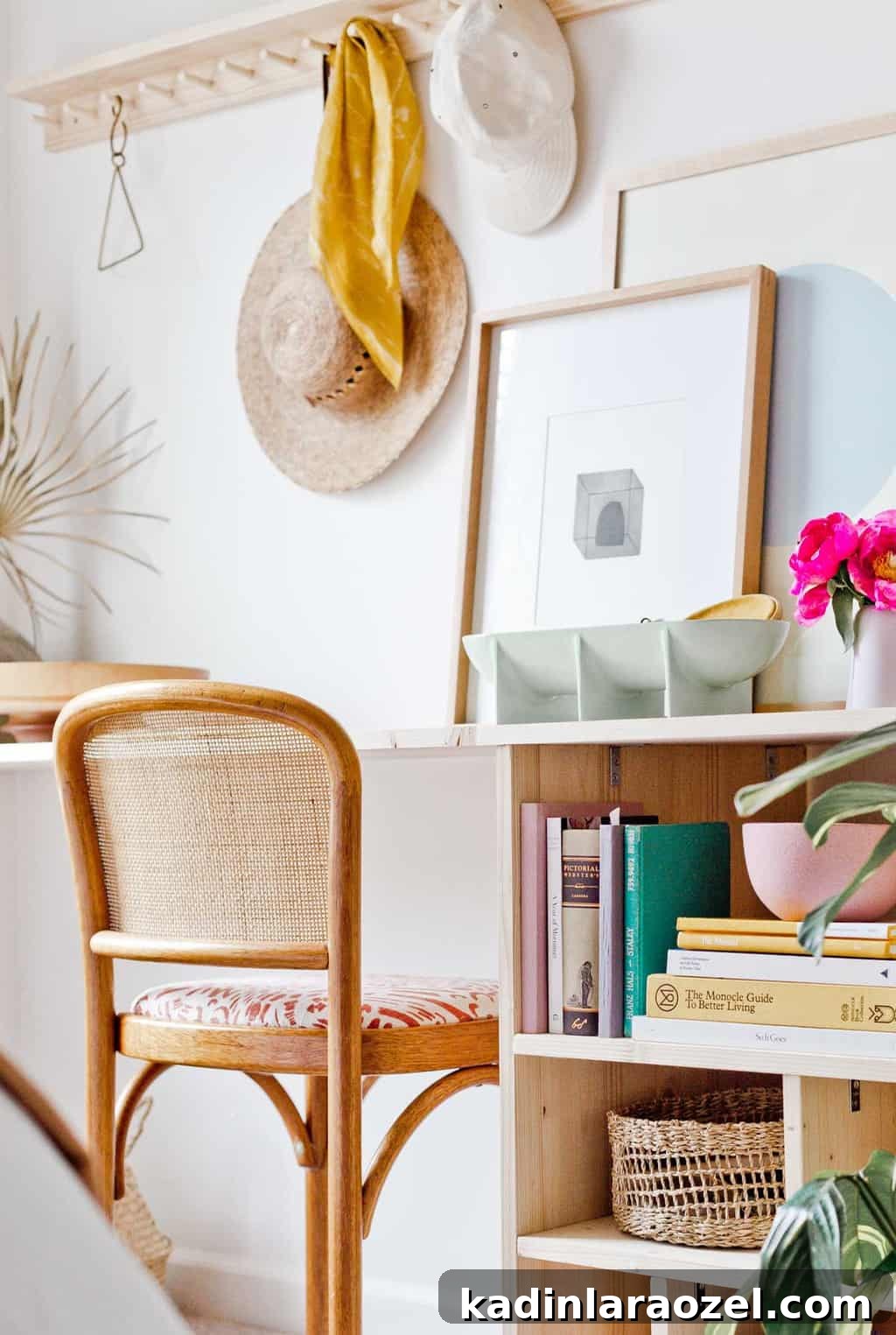
If your desk area lacks horizontal storage, go vertical. Walls offer excellent opportunities for organization: peg rails, hooks, shelves, and hanging organizers keep tools and supplies visible and easy to reach while freeing up your desk surface.
Simple options include a pegboard or a hanging canvas organizer for frequently used items. For a bigger change, built-in shelving or custom storage units can dramatically increase organization and transform a cramped workspace into an efficient, attractive studio.
Even small wall-mounted solutions can make a difference for compact offices or shared rooms, helping you keep essential items off the desk while maintaining quick access.
Bonus idea: Choose a desk with storage—or build one
Buying or building a desk with integrated storage is not a quick fix, but it’s worth considering if your current desk consistently fails to meet your needs. A desk with drawers, closed cabinets, or shelving can keep clutter hidden and provide ample space for supplies.
If you enjoy DIY projects, building a custom desk lets you tailor storage to your routines and tools. Even a modest DIY desk can be budget-friendly and highly functional: add drawers, cubbies, or a raised shelf to create more useful surface area.
Alternatively, repurpose cabinets or small filing units under or beside your desk for large-capacity storage. Closed storage is especially helpful if you prefer a tidy appearance; you can store the mess behind doors and open drawers only when you need them.
Final thought: small, consistent habits keep your workspace functioning long-term. Spend a few minutes at the end of each day returning items to their places, wipe down surfaces weekly, and reassess your storage when new clutter appears.
What tips do you use to keep your office organized? How do you maintain a balance between style and functionality in your workspace?