7 Pro Flower Arrangement Tips for Stunning Home Displays
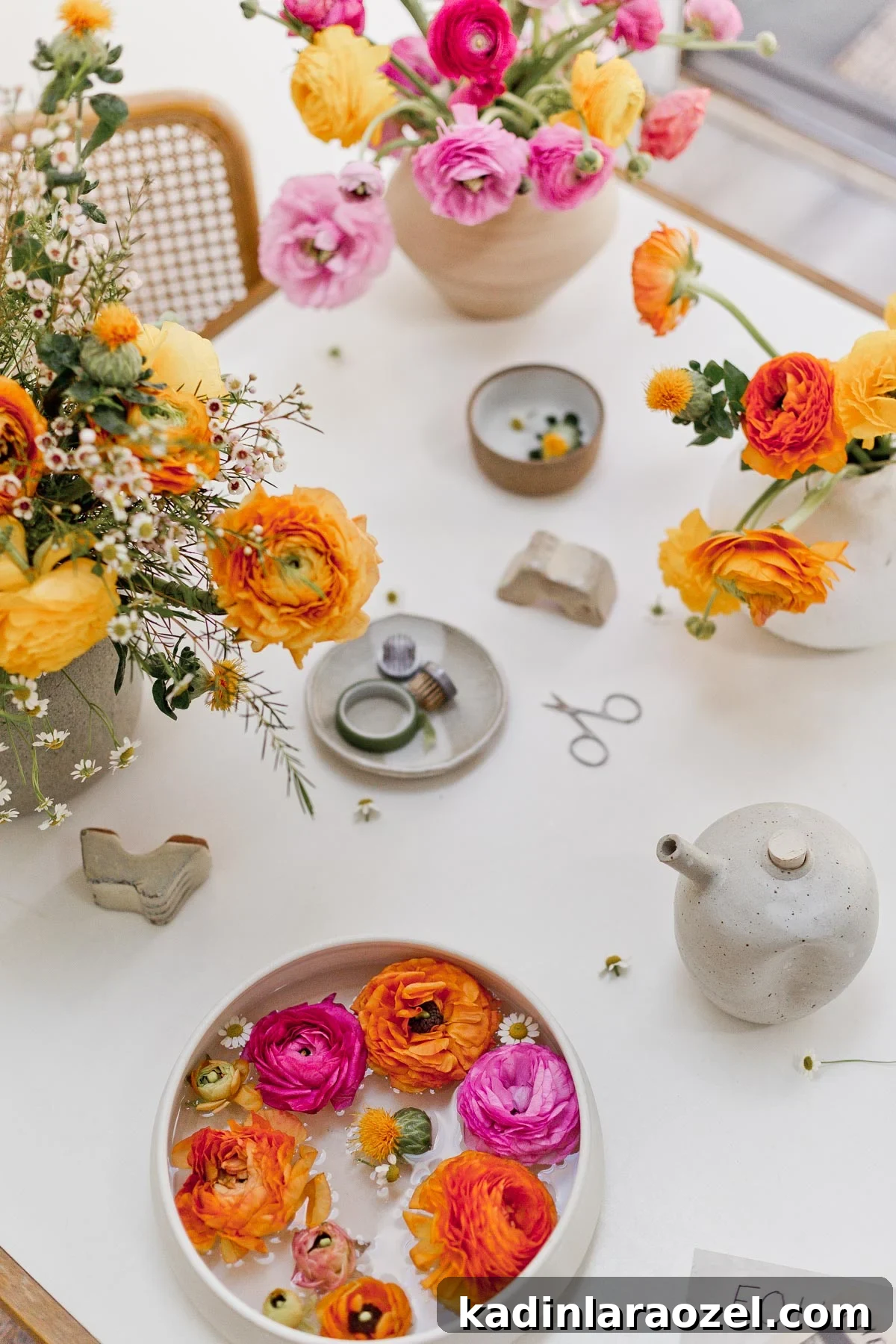
7 flower hacks for arranging flowers at home like a pro.
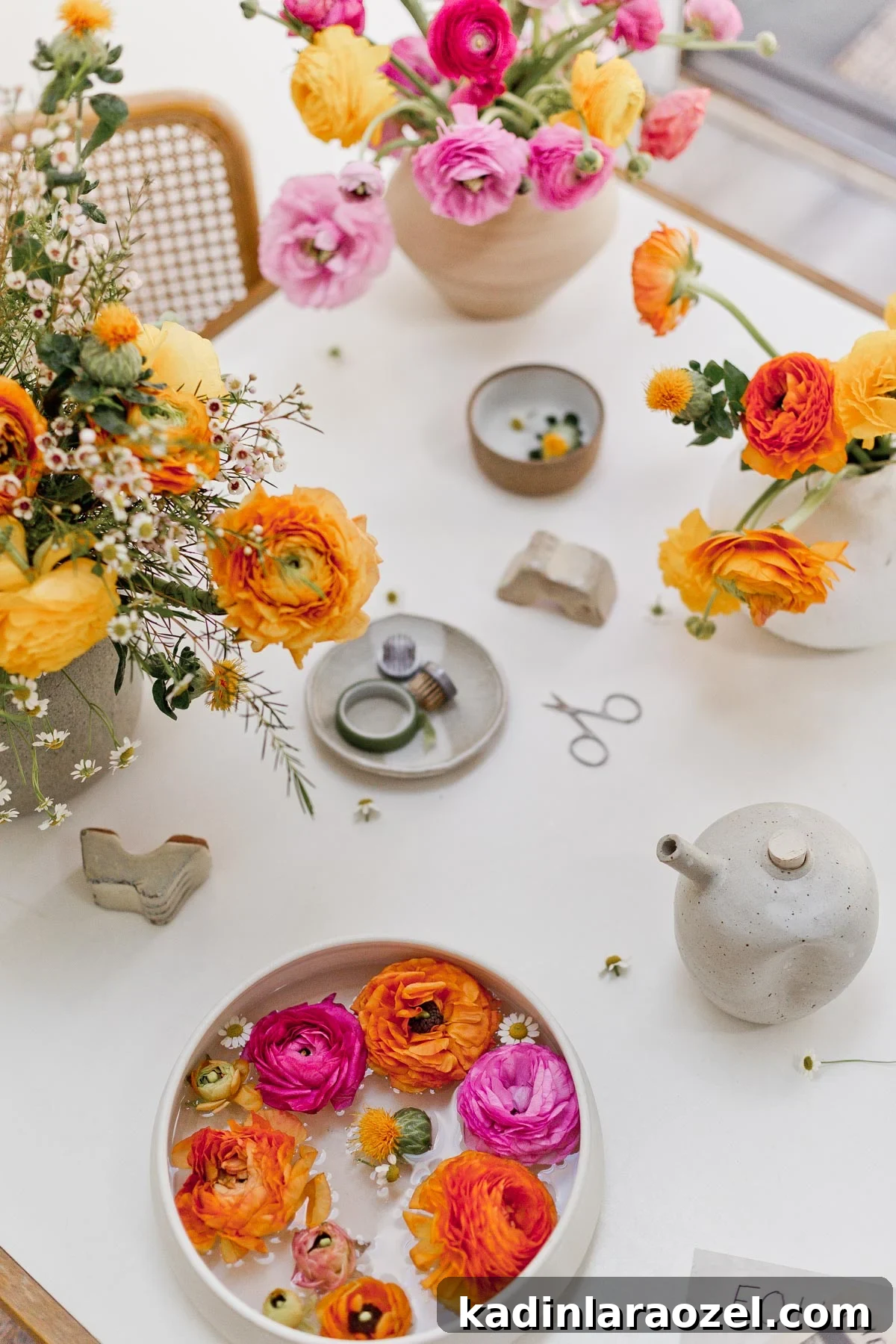
I’ve been arranging flowers at home since I was a kid—just for fun, for parties, and even for friend’s weddings. I’m not a professional florist, but I’ve practiced a lot and learned plenty through trial and error. I also arranged all the bouquets, boutonnieres, and centerpieces for my own wedding, which taught me a ton.
Below are seven practical flower hacks I’ve picked up that will help you create professional-looking arrangements in under ten minutes, using grocery store flowers—no fancy supplies required.
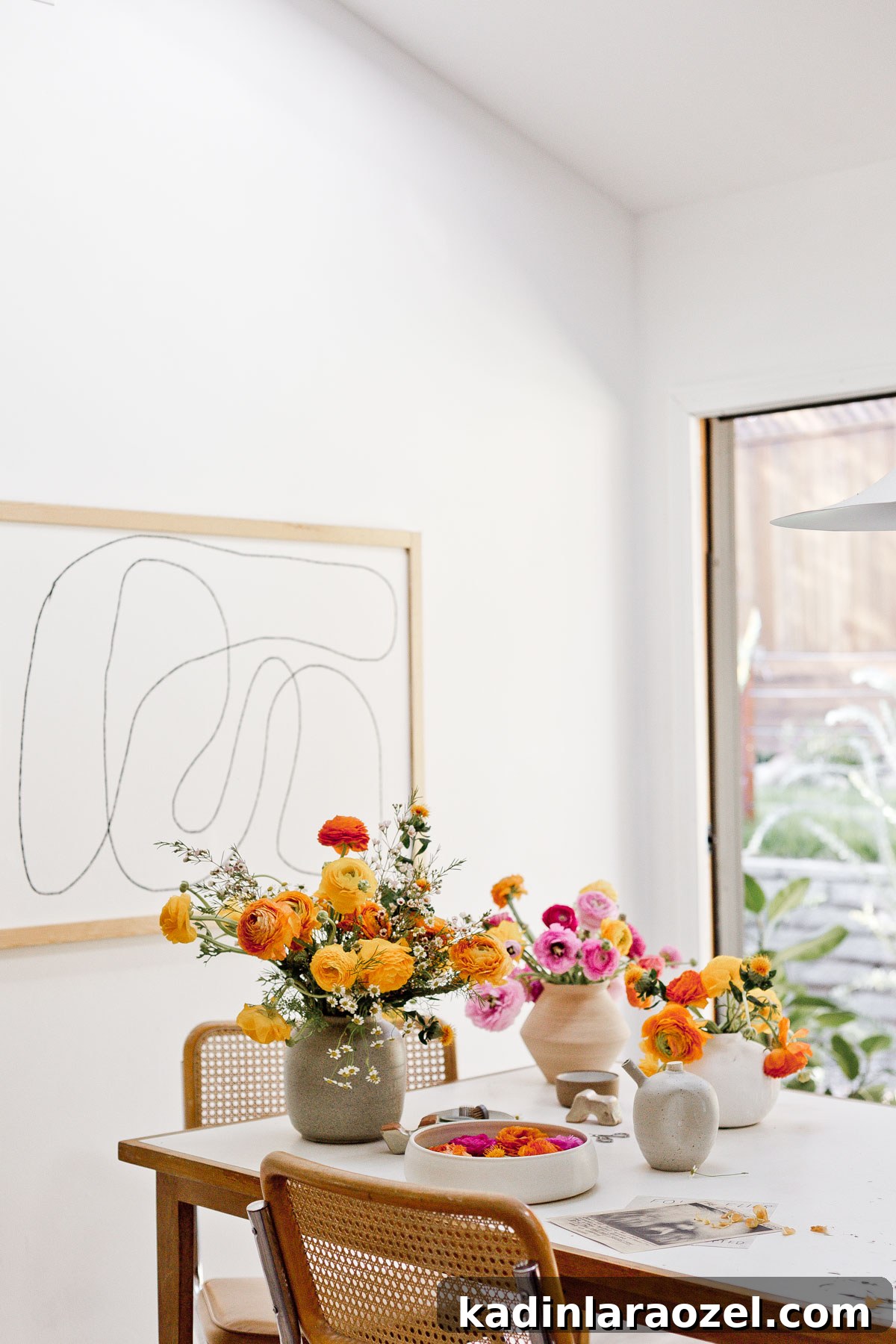
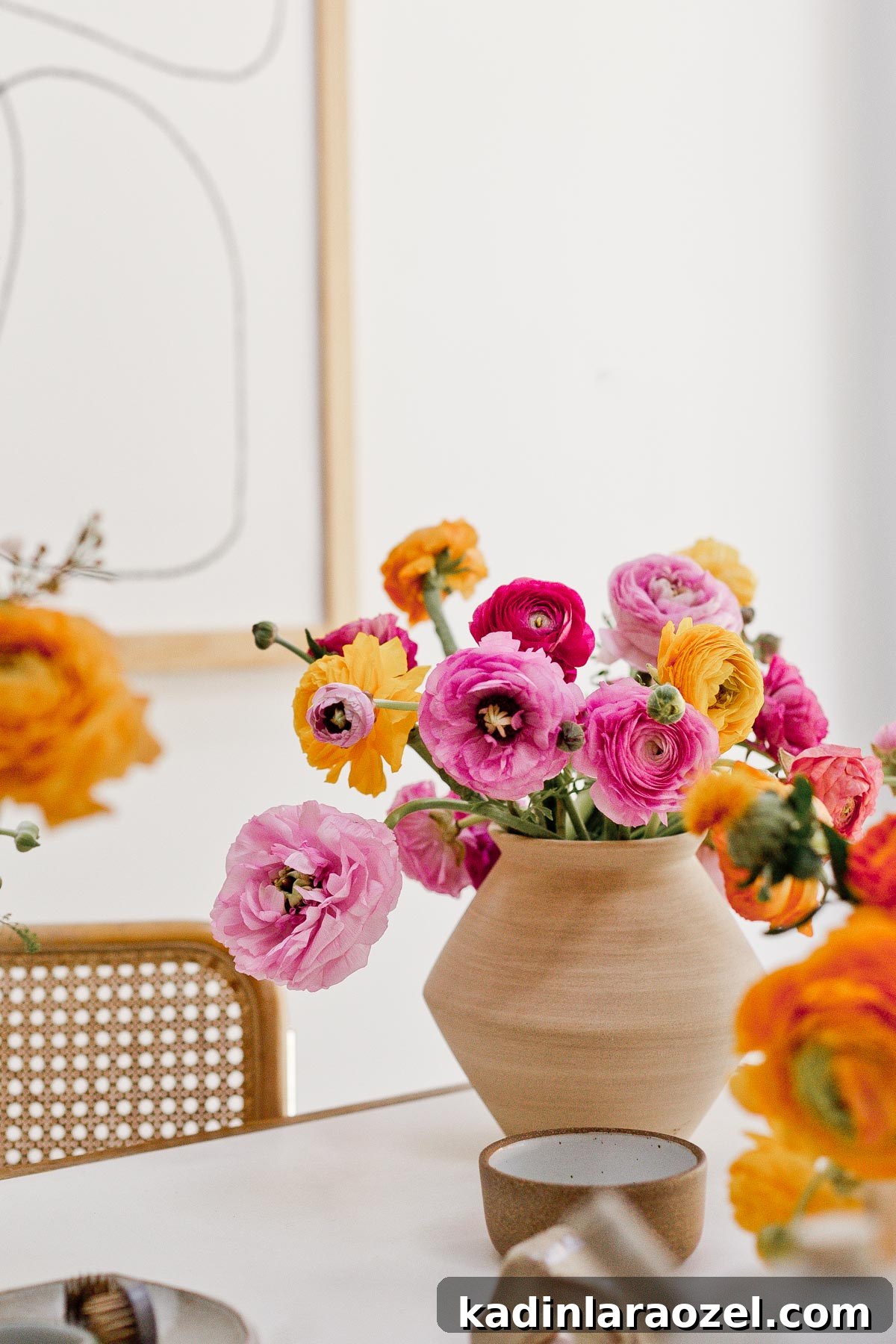
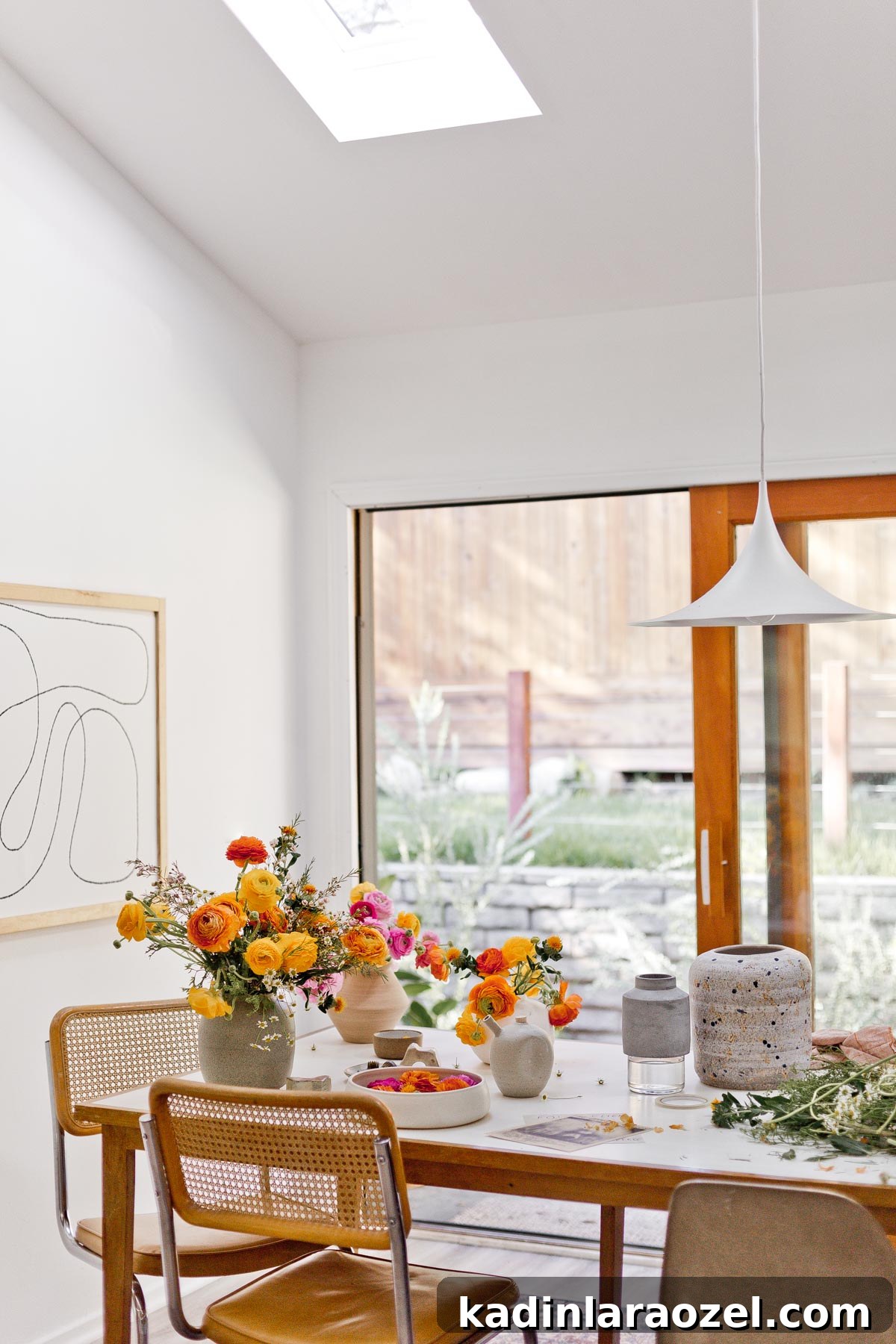
Most of my grocery-store stems come from Trader Joe’s. Their selection is usually better than an average supermarket and their prices are hard to beat—ranunculus for about $5.99 a bunch is an excellent value. For the arrangements shown here I used:
- Ranunculus (about six bunches)
- Lepidium (green filler)
- Chamomile
- Waxflower
- Safflower (the spiky, pod-like variety)
Ten bunches total cost roughly $65 and made four arrangements. If you don’t have a Trader Joe’s nearby, Whole Foods or other local florists usually have good options too.
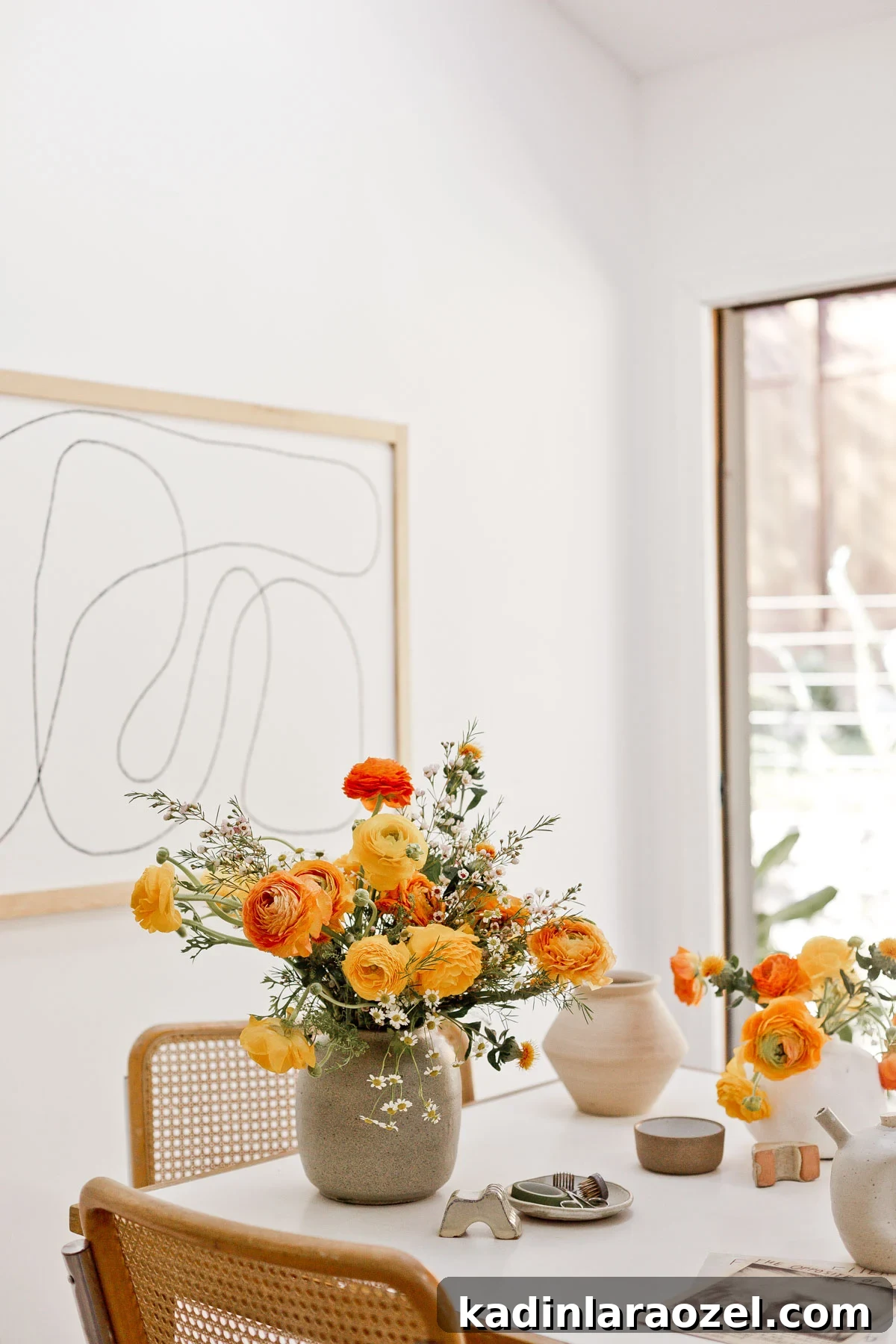
7 Flower Hacks for Arranging Like a Pro
1. Keep things loose and asymmetrical.
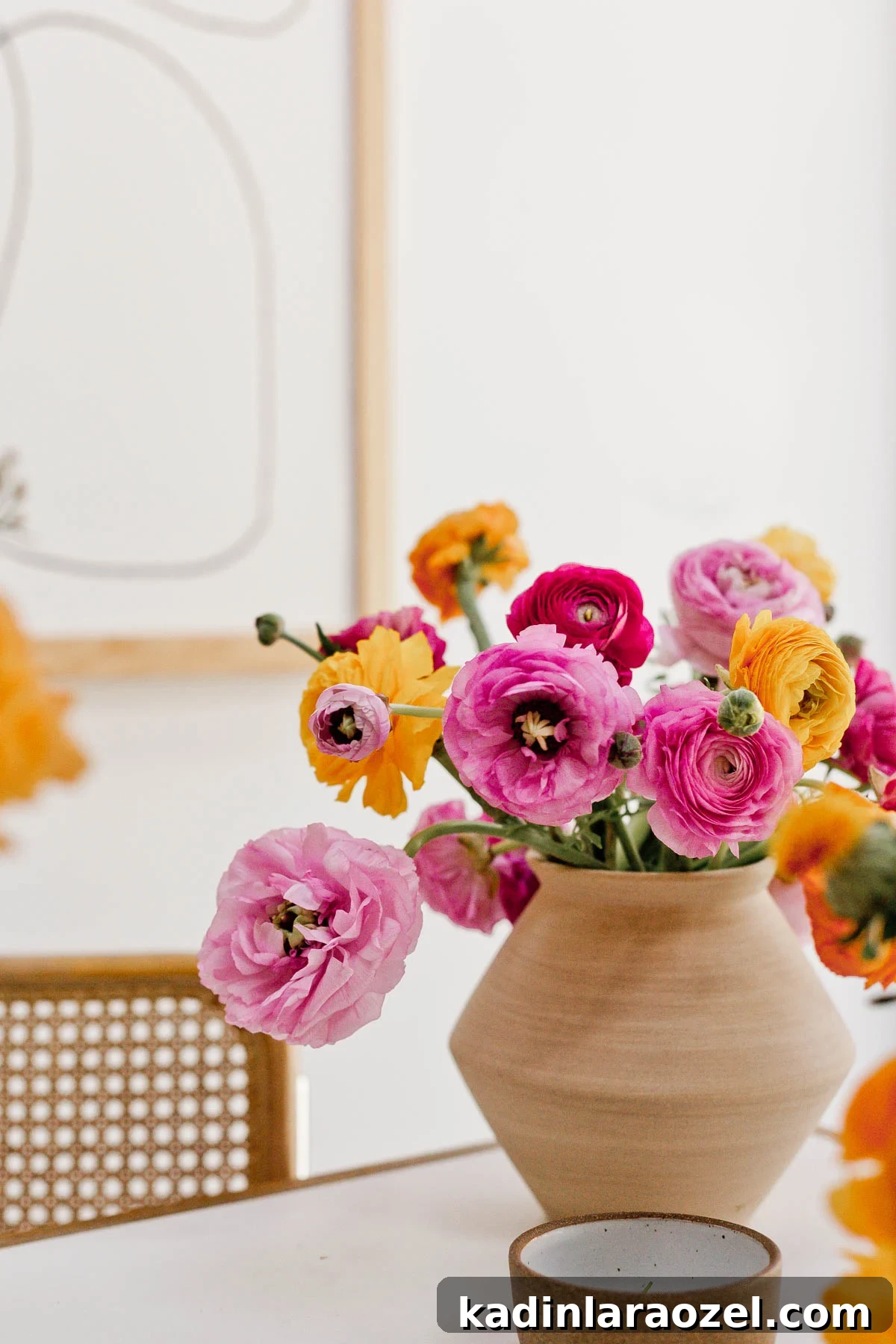
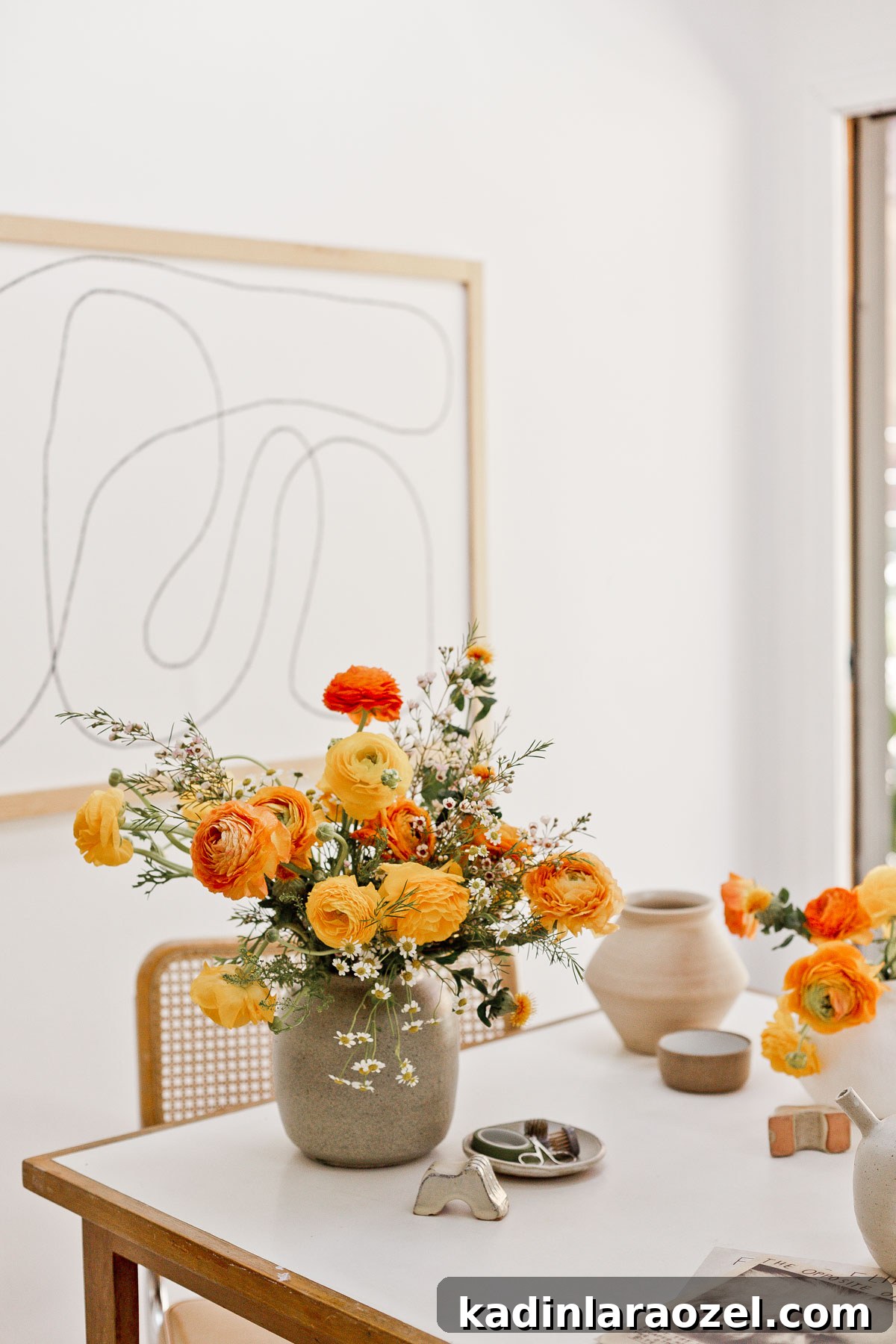
Think organic: let stems move naturally. A slightly wild, unstructured look often reads as more artful than a perfectly symmetrical bouquet. Trim some stems short, leave others long, and vary the heights. If a ranunculus stem curves in a lovely way, let it extend outward as if it’s growing in a field—these little imperfections create charm.
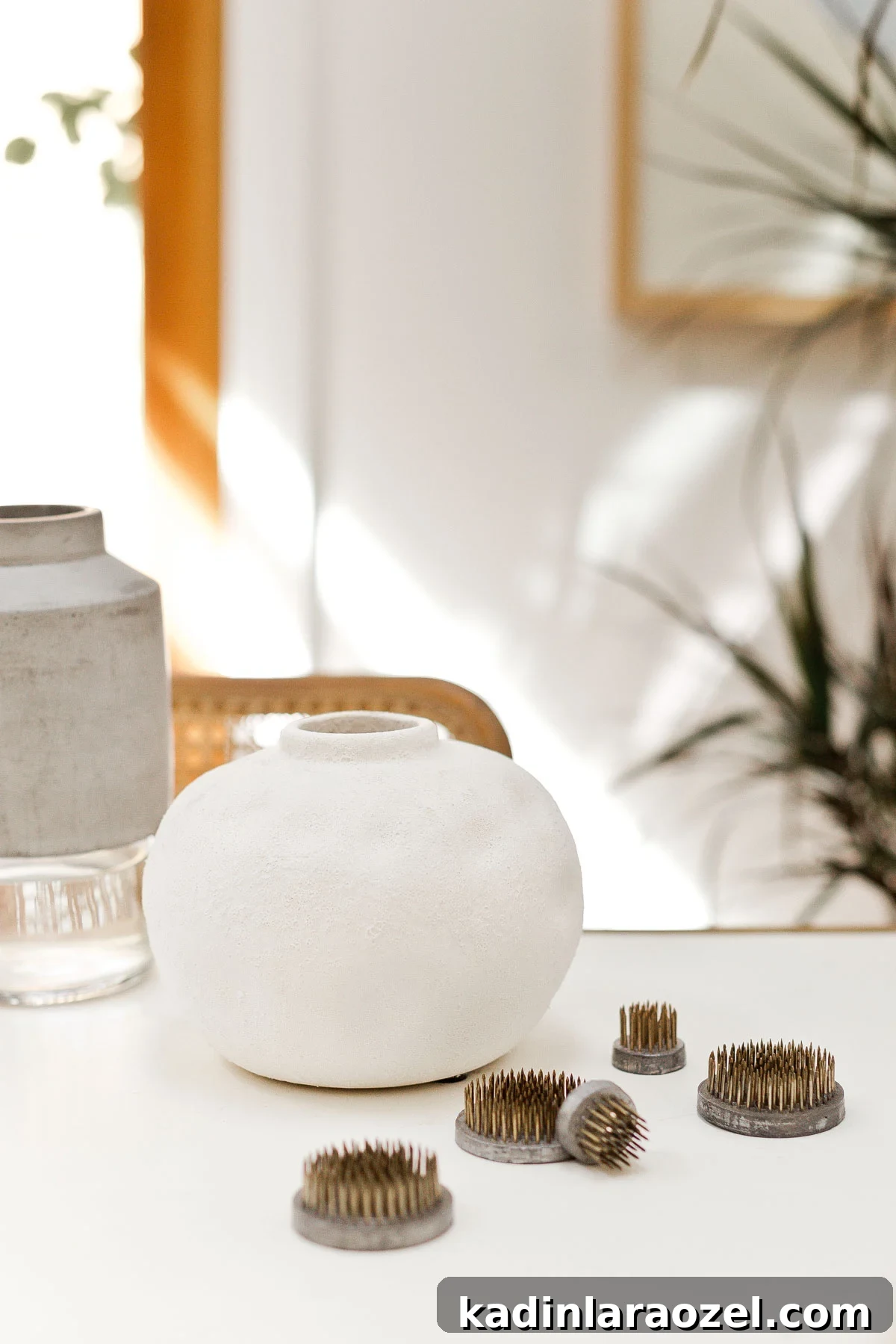
2. Whenever possible, use a flower frog.
Flower frogs (especially pin-holder styles that look like a bed of small spikes) are fantastic for keeping stems where you want them. They’re available in different shapes—cage styles, pin holders, and more. I keep a few sizes on hand so they fit most vases. In non-clear vases you can hide them entirely. They help support wide-mouth vessels and make it easier to maintain that loose, asymmetrical look.
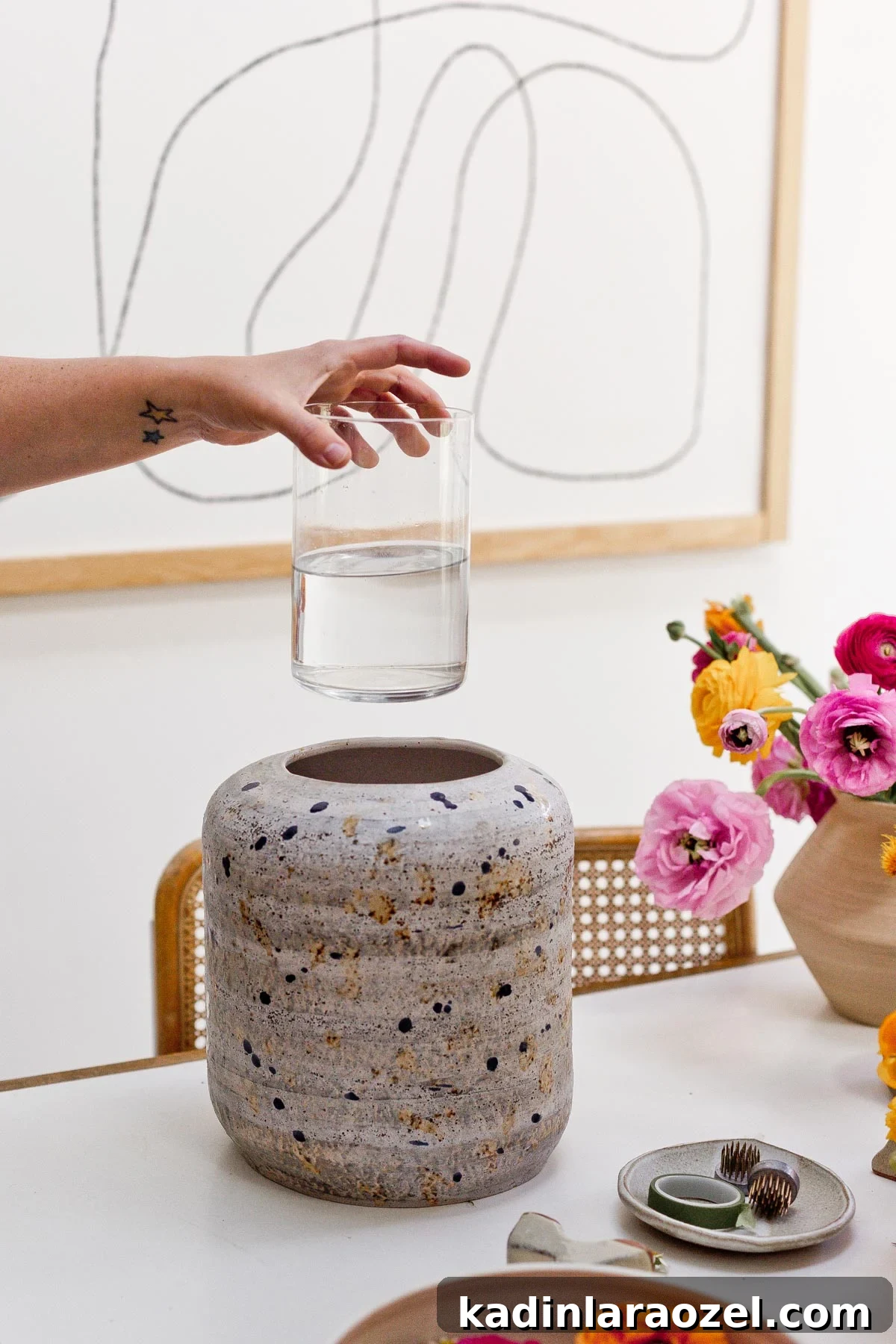
3. Add a smaller vase inside a large vase.
Placing a small vase inside a larger container solves two problems: it makes water changes easier and visually reduces the mouth of the container, so you won’t need to cram in dozens of stems to fill a huge opening. This trick turns unconventional vessels—baskets, decorative bowls, or woven containers—into easy vases without leaks or awkward gaps.
4. Use the grid taping method.
If you prefer not to nest vases, try creating a tape grid across the top of the vase opening. Waterproof floral tape works well. The grid stabilizes stems and is especially helpful for wide-mouthed vessels, letting you place each stem precisely and keep the overall shape balanced without bulky mechanics showing.
5. Keep floral tape and wire on hand.
Clear, waterproof floral tape is ideal for grids, while green floral tape works for wrapping stems. Floral wire is handy for reinforcing weak or hollow stems (ranunculus can be delicate). To support a fragile bloom, insert a thin U-shaped piece of wire into the center of the flower so it hooks into the base, then thread the longer wire down the stem for added strength.
6. Store arrangements in the fridge.
If you’re prepping arrangements ahead of an event, storing finished bouquets in the refrigerator overnight keeps them fresher. Take care not to let flowers touch the fridge walls—freezing contact points will turn petals brown or black. This technique has saved many arrangements for me, including wedding centerpieces.
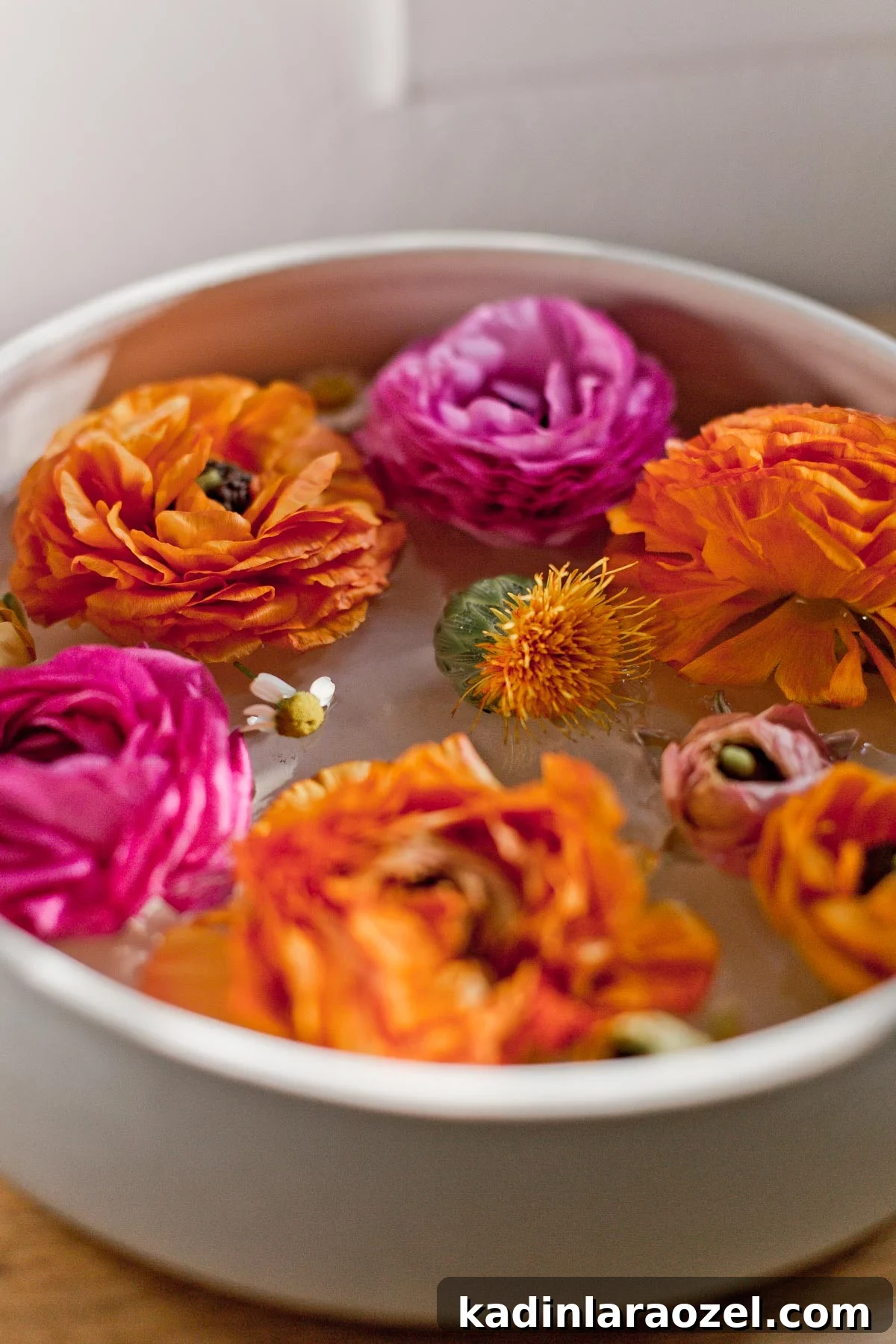
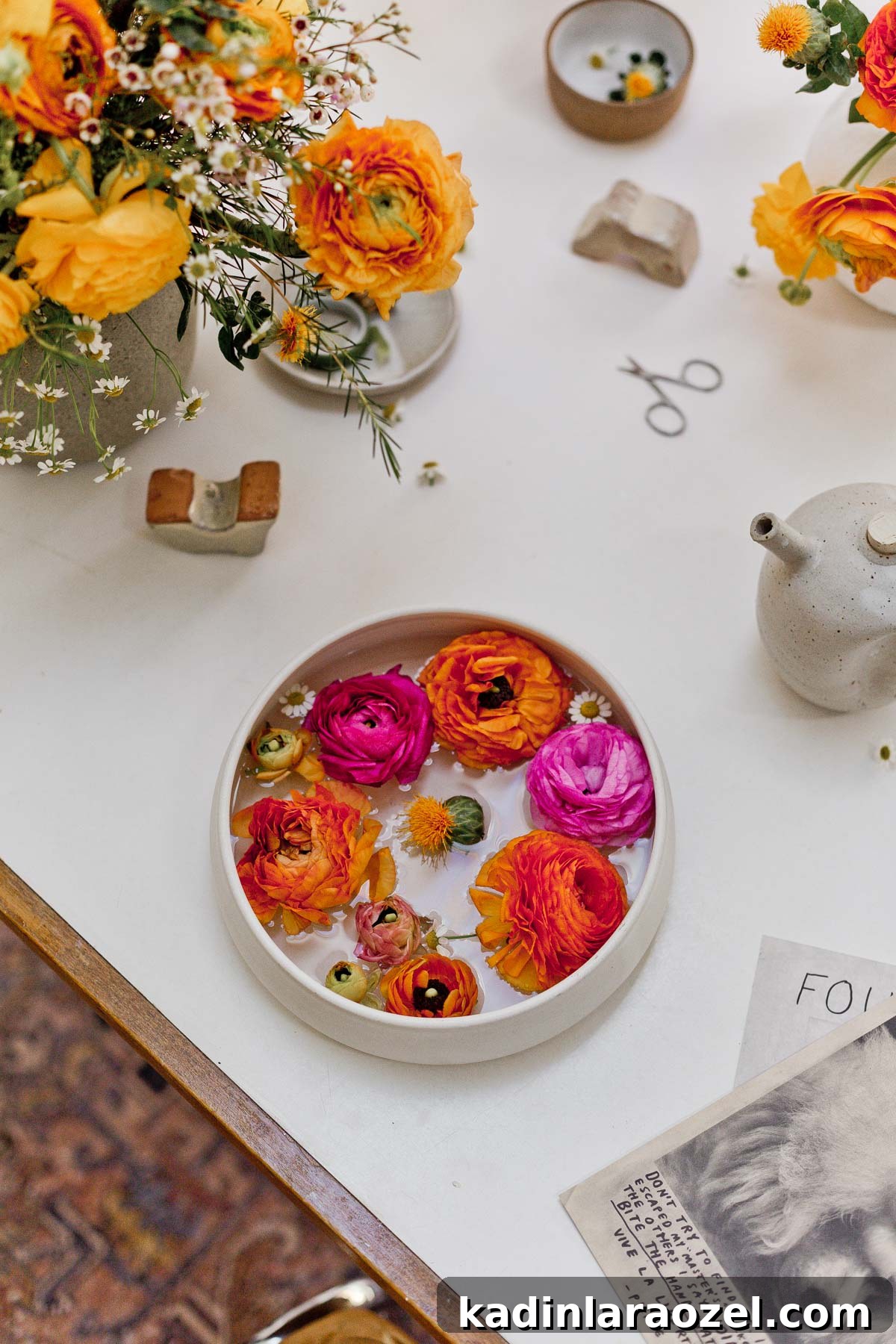
7. Use broken-stem blooms in a shallow bowl of water.
Don’t toss stems that break off—cut the tops and float them in a shallow bowl filled with water. These floating blooms make pretty low arrangements for coffee tables or mantels. Change the water every couple of days and they’ll stay attractive for around four to five days.
Bonus tip: Add greenery from your yard.
If an arrangement needs extra texture or volume, snip a few lightweight greens from your garden. Choose branches with small or medium leaves that complement your flowers rather than overpower them. Garden foliage is a free and effective way to add depth, contrast, and a natural feel to your designs.
Those are my seven go-to flower hacks for making grocery-store flowers look like they came from a florist. They’re simple, inexpensive, and rely more on technique than pricey blooms. Try a few of these next time you’re arranging and you’ll see a big difference.
Support and thanks
If you enjoy helpful blog posts and want to show extra appreciation, some sites offer ways to send small donations or tokens of thanks. These features help creators continue producing content you like. Thank you for reading and for supporting creators you love.