8 Budget-Friendly Furniture Hacks to Revamp What You Already Own
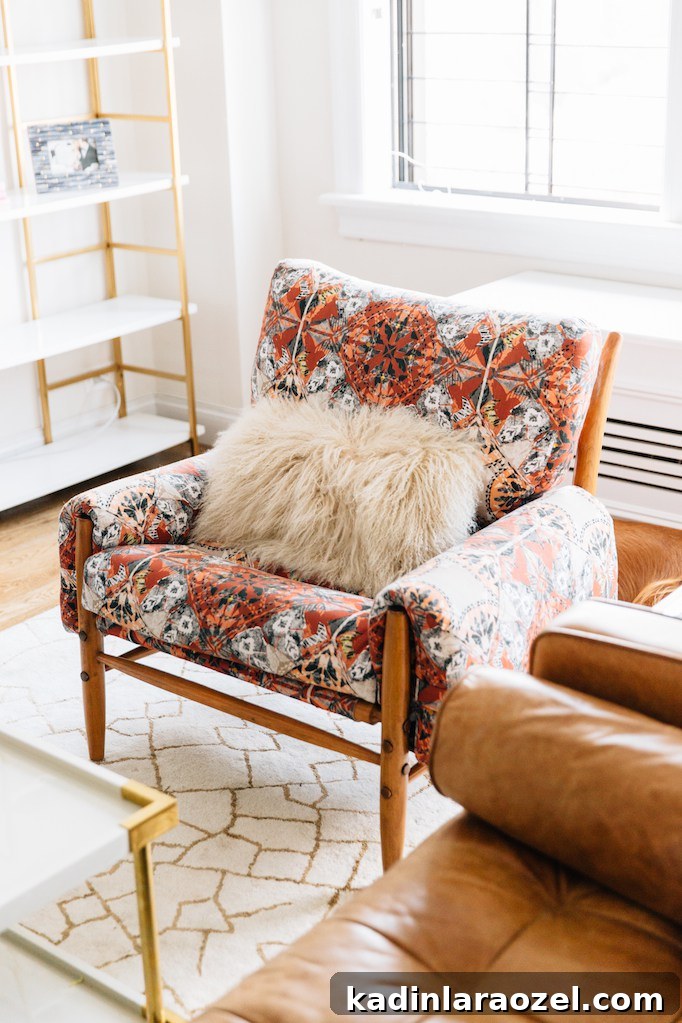
Furniture hacks your wallet will love.
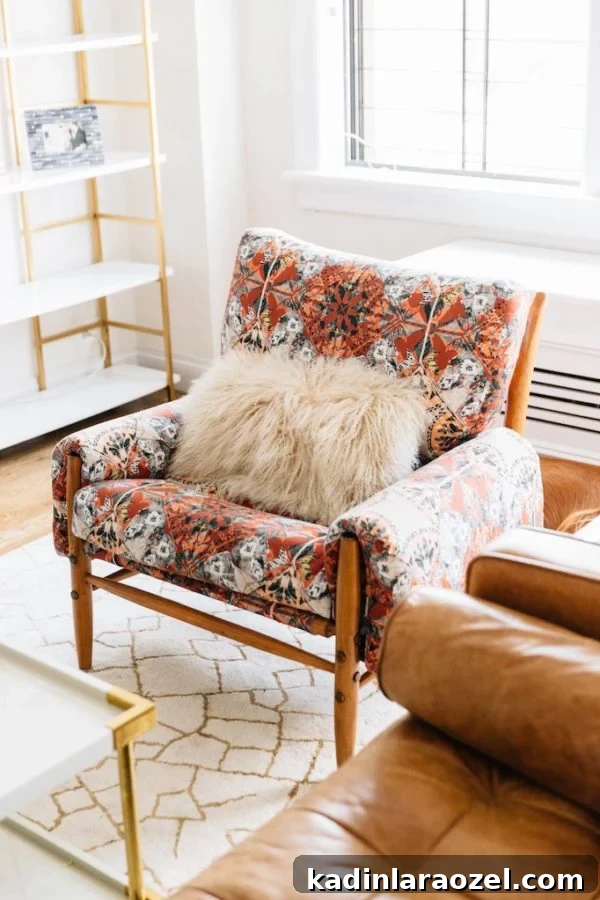
I love changing up my home. I’m always rearranging furniture and swapping artwork—you could say redecorating is my hobby. That said, I don’t want to buy new pieces every time I want a fresh look. My budget (and sanity) thanks me for finding low-cost ways to refresh what I already own.
Over time I developed a list of budget-friendly furniture hacks that upcycle existing items for little to no cost. These ideas let you give a piece—or an entire room—a noticeable facelift without a big investment. Below are eight practical ways to revamp furniture even when money is tight.
Furniture Audit: 3 Questions to Ask Before Getting Started
Before you begin any project, do a quick furniture audit. Ask yourself these three questions:
1. Do I like the overall shape and proportions of this piece? If not, can I adjust them easily (for example with new legs or trim)?
2. Will this piece still serve a useful purpose in the new layout? If not, can I repurpose it for another function?
3. Can I complete this project myself for far less than buying a replacement?
Budget-Friendly Furniture Hacks
1. Paint an existing piece
Painting is the go-to upgrade because it’s accessible and transformative. Most solid wood furniture can be sanded and painted with minimal effort. For metal, lacquer, or other coated surfaces, you may need an extra prep step (like a primer) but the technique is still achievable for beginners.
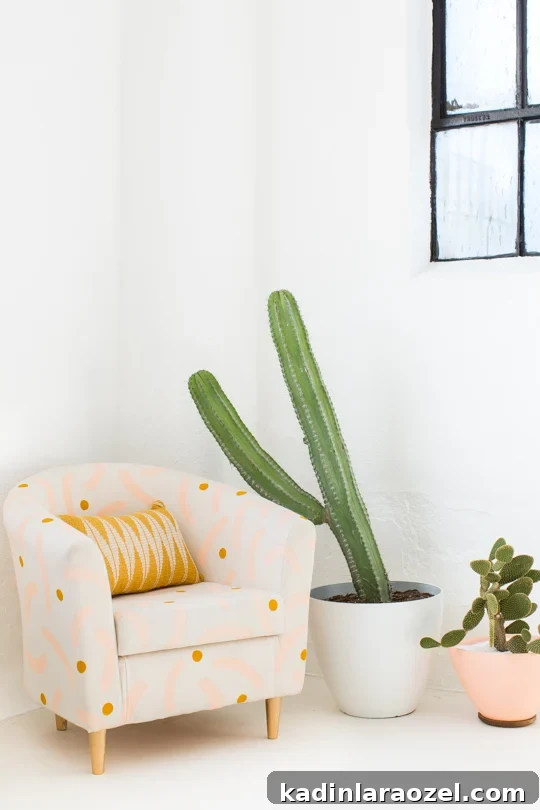
Don’t overlook painted upholstery: fabric paint or specialized techniques can salvage stained or outdated chairs and breathe new life into them. A fresh coat of paint plus updated hardware can turn a dated piece into a statement item.
2. Strip or re-stain a piece
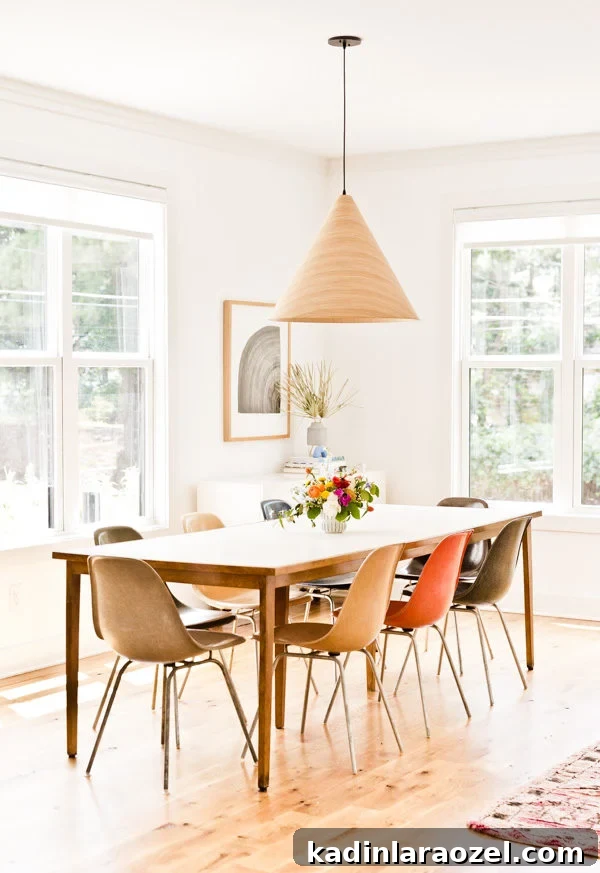
If fading, yellowing, or an outdated stain is the problem, stripping and re-staining can restore wood to its former glory. This option takes more time and elbow grease than painting, but the result can be a beautifully renewed, natural finish that looks like a much more expensive piece.
With patience and the right supplies, re-staining is an economical way to keep the original character of the wood while updating its tone to suit your space.
3. Change out the hardware
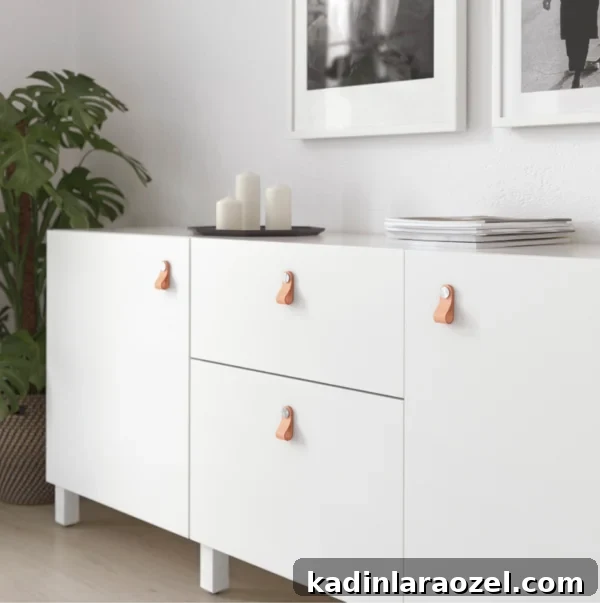
Swapping drawer pulls, knobs, and hinges is one of the simplest and most cost-effective updates. New hardware instantly modernizes dressers, cabinets, and side tables. You can use the existing holes or fill and redrill for a cleaner look. Consider making your own pulls for a custom touch using leather, wood, or metal.
Hardware is a small detail with a big impact—an inexpensive way to elevate a piece without heavy labor.
4. Swap out the textile
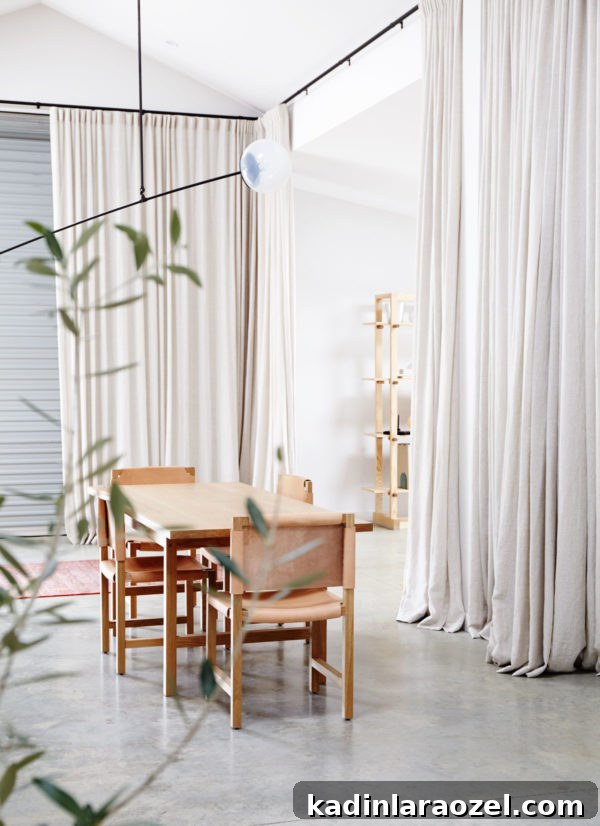
Changing upholstery fabric or adding leather panels can dramatically update chairs and benches. Leather adds warmth and durability, while a modern fabric pattern or texture can refresh a tired silhouette. If you like the idea but want to keep costs down, focus on smaller pieces like dining chairs before tackling larger items.
Replacing a textile changes both the look and feel of a piece, making it feel custom and new.
5. Add new legs
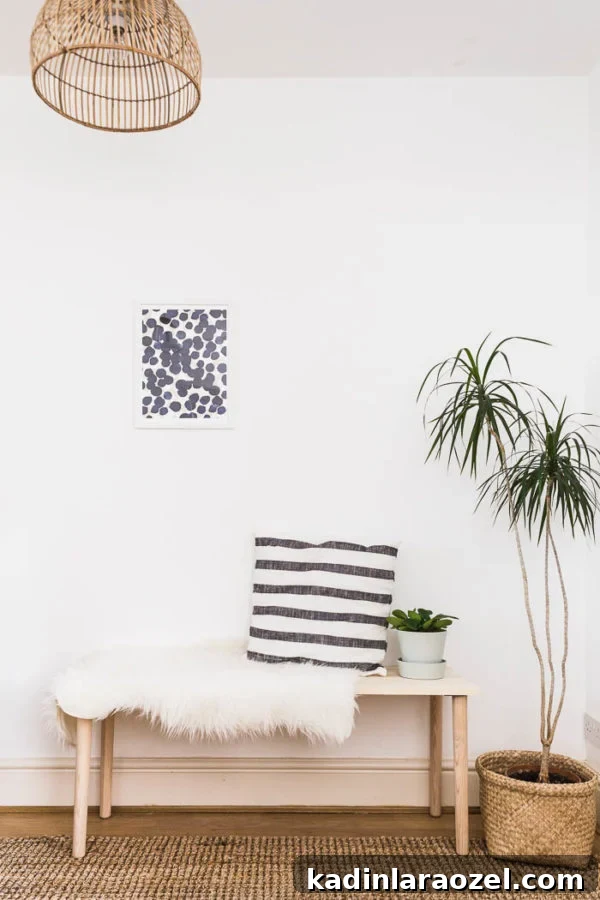
Changing the legs of a sofa, dresser, or table is an inexpensive way to alter scale and style. Swapping short, blocky legs for taller, tapered, or hairpin legs can make a piece feel lighter and more modern. Many retailers sell affordable pre-cut legs designed for easy installation, and prices vary widely so you can find an option that fits your budget.
New legs are a straightforward upgrade with an outsized effect on the overall aesthetic.
6. Add new fronts
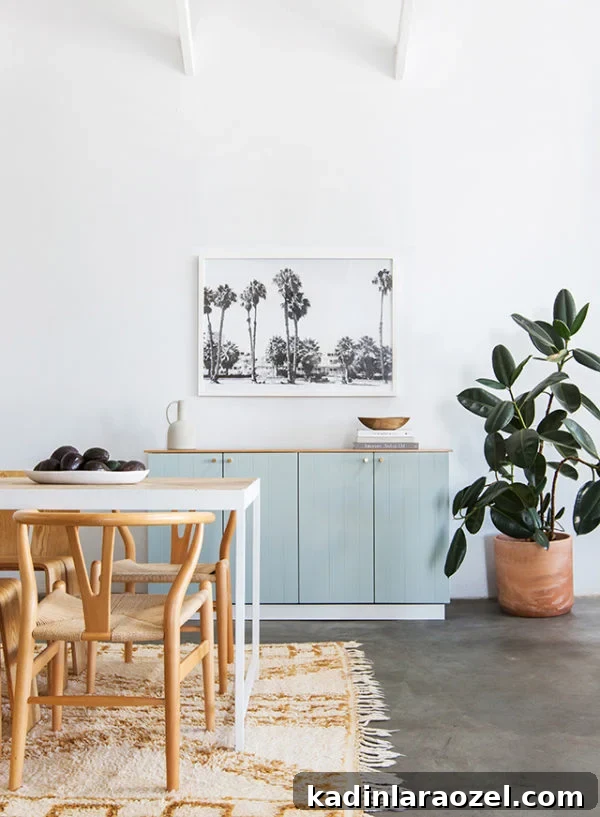
Replacing or covering cabinet fronts and drawer faces is a booming trend that can make IKEA or basic-built furniture feel bespoke. You can purchase custom fronts for a clean, high-end transformation, or create your own with plywood, trim, or paint for a DIY version. This approach completely changes the personality of a piece without replacing the entire unit.
New fronts are ideal when the structure is sound but the details feel dated or generic.
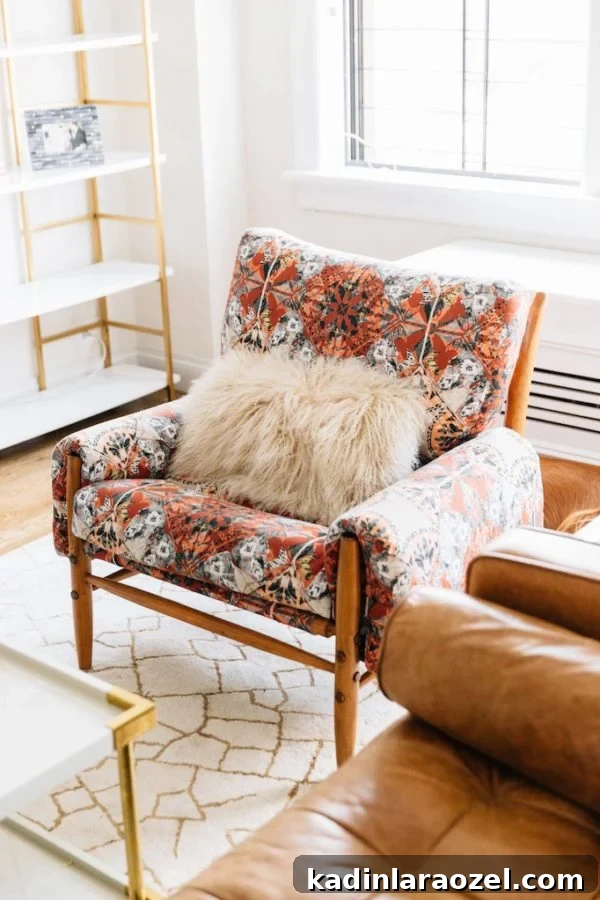
7. Reupholster
Reupholstery can completely revive a favorite piece, but it can also be challenging for beginners. If you’re new to upholstery, start with smaller projects—like replacing the seat of a dining chair—before tackling a sofa. Simple cushion projects, such as boxed seat cushions, are a good place to learn basic techniques and build confidence.
When done well, reupholstering preserves the original form while giving you total control over fabric, comfort, and style.
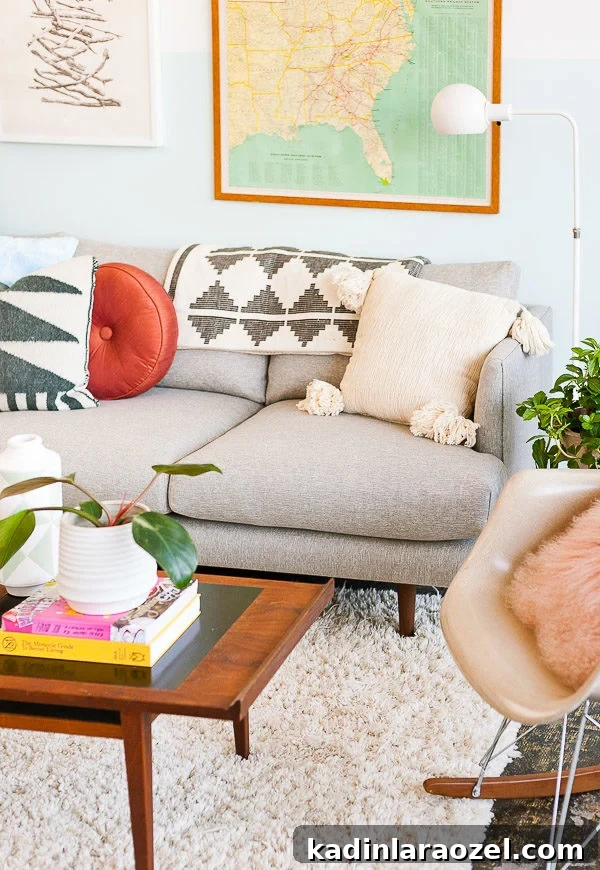
8. Cover without reupholstering
If full reupholstery feels daunting, covering furniture with throws, slipcovers, or large textiles is a fast, reversible solution. A well-chosen blanket or fabric can hide stains, protect seating, and introduce pattern or texture. This method works especially well for rentals or for testing a look before committing to permanent changes.
Covering is inexpensive, nonpermanent, and often the quickest way to refresh a room.
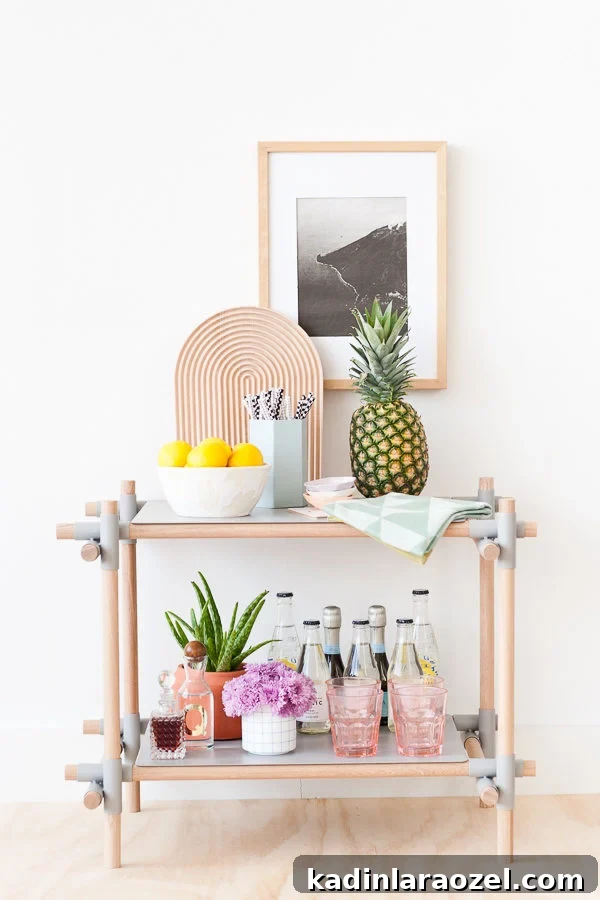
9. Repurpose
Sometimes the best solution is to give a piece a new role. A bookshelf can become a bar cart, an old dresser can function as a bathroom vanity, and a sideboard can serve as media storage. Repurposing leverages what you already own and often requires only small adjustments to make the piece fit its new purpose.
Be open to creative uses—reimagining a piece’s function can yield surprisingly fresh results.
Have you tried any of these DIY furniture upgrades?
Which of these ideas feel most doable for you? If you have other creative, budget-friendly hacks for upcycling furniture, I’d love to hear them.