Upgrade Any Tote Instantly with a Sewn Leather Handle Tutorial
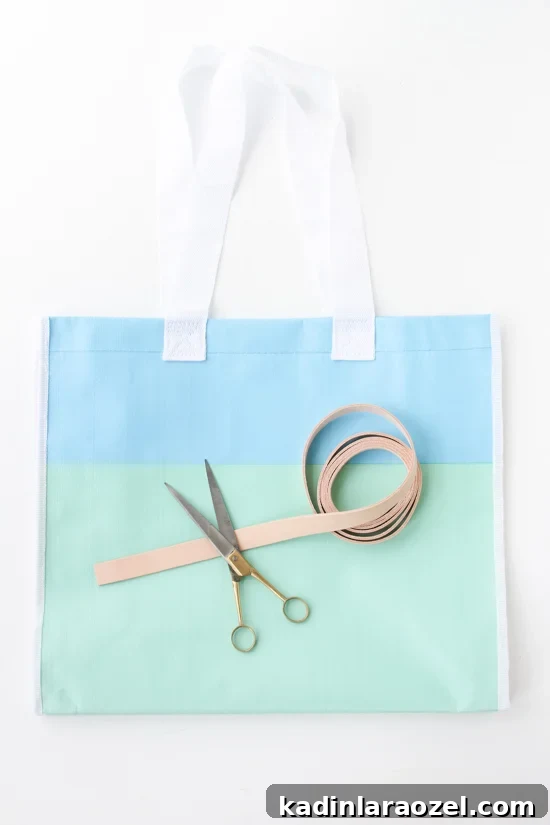
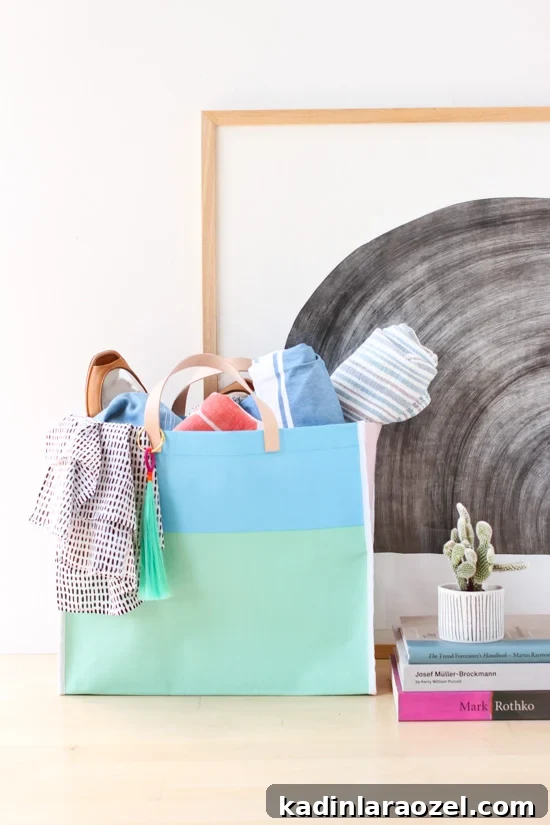
Not long ago I bought a large, budget-friendly shopping tote you’ve probably seen: it’s color blocked, from a popular brand, and was only nine dollars. The only detail I didn’t love was the thin nylon straps. They were functional, but didn’t match the look or durability I wanted, so I decided to replace them with short leather handles for a cleaner, more finished appearance.
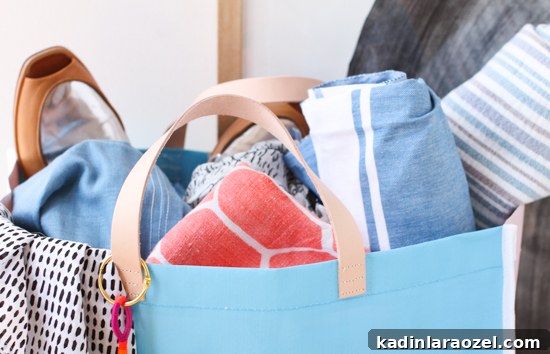

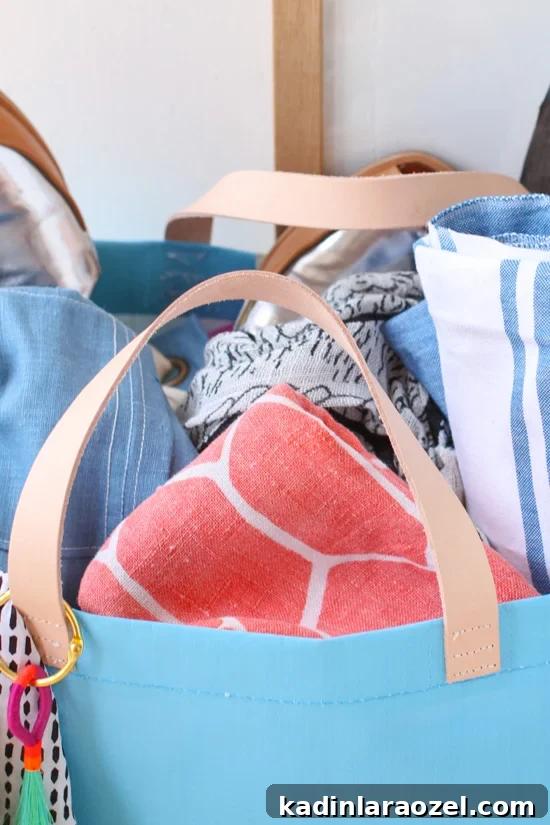
I ordered vegetable-tanned leather straps online to save a trip to the craft store. The strip I bought was inexpensive and I used less than half of it for the handles—bringing the total cost of this upgrade to about $14. Using leather instantly improves the look and feel of an inexpensive bag and makes it more durable for everyday use.
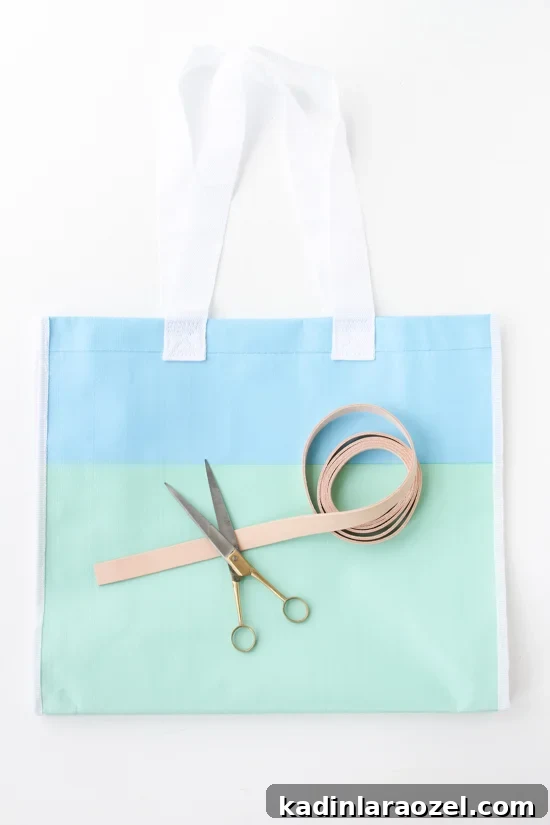
Materials
– tote bag
– 3/4 inch wide leather strap
– seam ripper
– upholstery thread
– size 18/110 sewing machine needle (jean & denim)
– heavy-duty or industrial sewing machine capable of sewing through leather
Notes
If you plan to carry heavy loads often, choose sturdier cowhide straps for extra strength. Thicker leather looks great and lasts longer but is harder to sew; a powerful machine is necessary. Test your sewing machine on a scrap of the leather before starting to ensure it can handle the thickness and to determine stitch length and tension settings. A Bernina 5 Series worked well in this project, but results will vary by machine.
Instructions
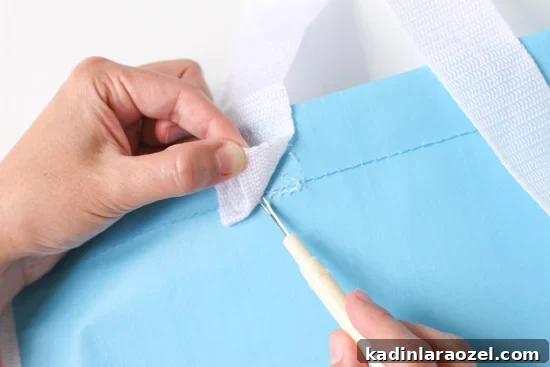
1. Remove the existing nylon handles with a seam ripper. Carefully undo the stitches where the straps attach so you don’t damage the tote fabric.
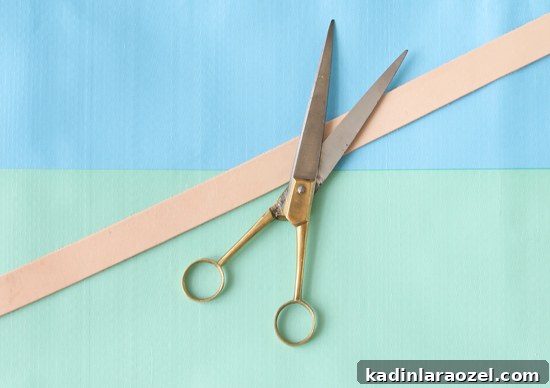
2. Measure and cut the leather straps to your preferred handle length. Consider how the bag will be carried—by hand or over the shoulder—and add a small allowance if you’ll stitch the ends down.
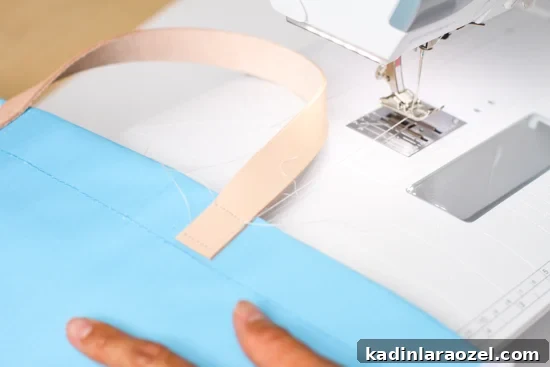
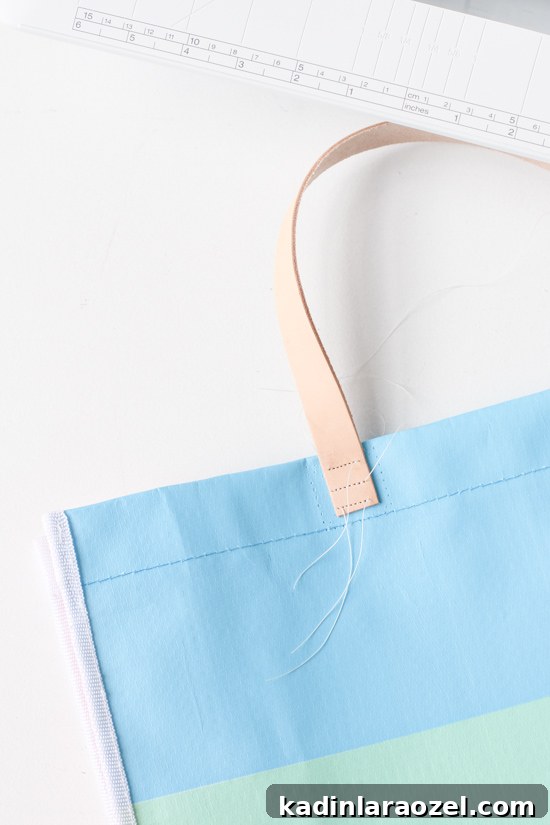
3. Position the leather straps where the original handles were attached and stitch them in place. Use upholstery thread and a heavy-duty needle. Back-tack several stitches at the beginning and end of each seam so the stitches don’t unravel. For both strength and aesthetics, sew three parallel lines for each attachment point, or opt for common reinforcement patterns like a rectangle or an X. Whatever pattern you choose, make sure the top and bottom of each stitch group are symmetrical to avoid uneven strain that can cause stitches to break.
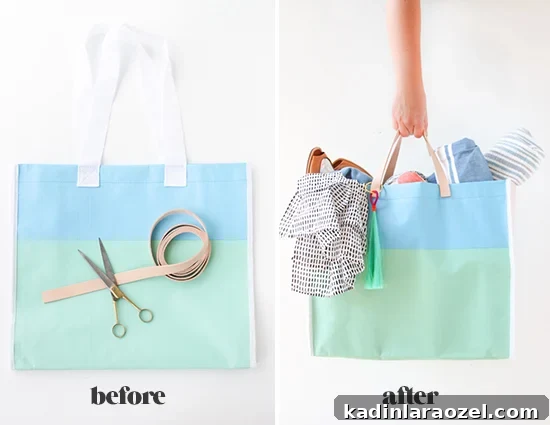

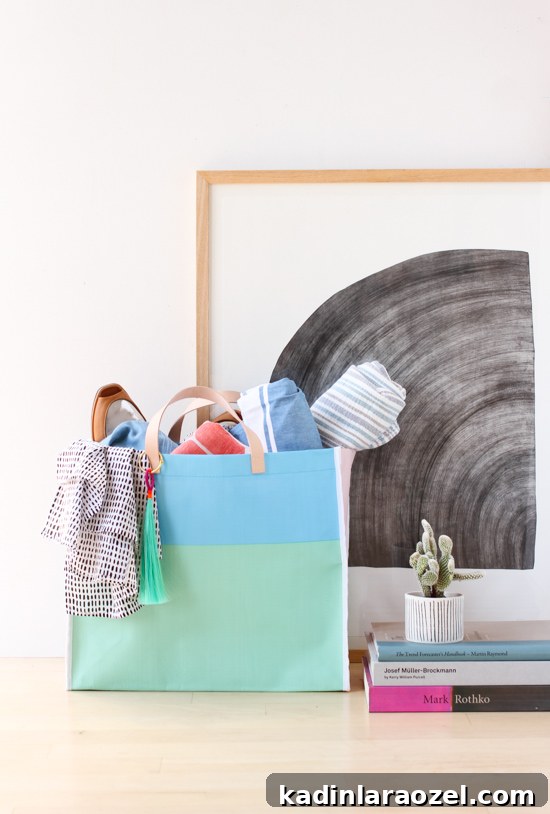
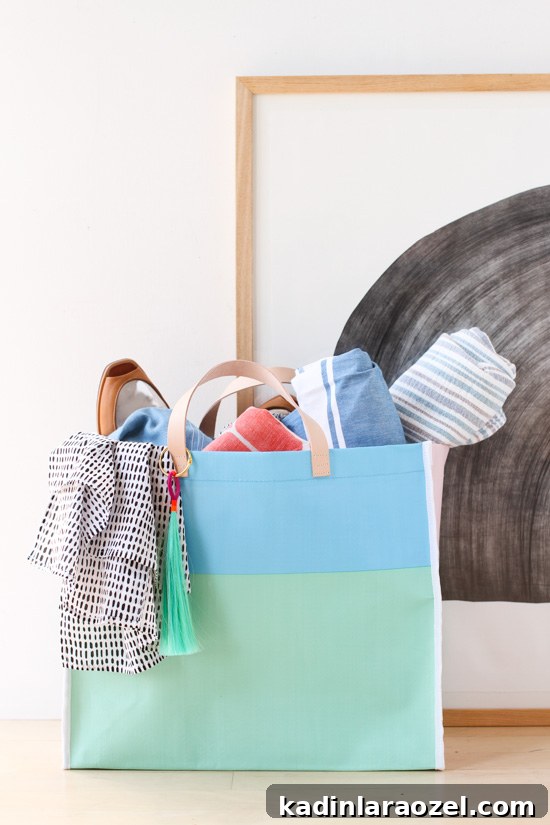
This is an accessible project for anyone who has a spare tote and a sewing machine that can handle leather. It’s also an excellent way to revive a favorite bag whose strap has failed—replacing frayed or broken fabric straps with leather instantly elevates the bag’s look and extends its life.
Sewing by Linda Jednaszewski
Concept, styling and photography by Brittni Mehlhoff
Will you try this DIY? Replacing basic straps is a quick upcycle that makes an inexpensive tote look custom and last longer. What other straightforward upgrades have you done to refresh a simple bag?