Shibori DIY: Three Textile Projects for Walls, Kitchen & Father’s Day
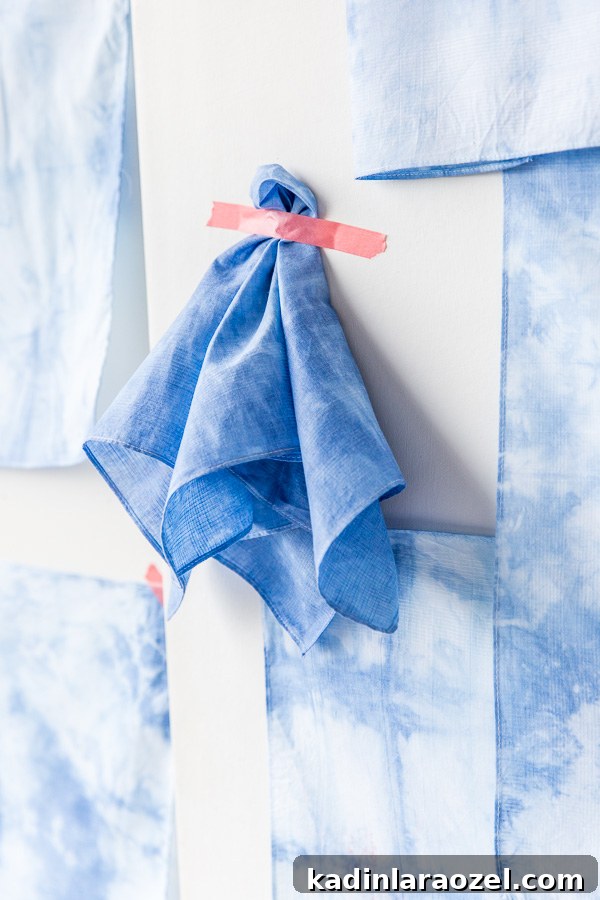
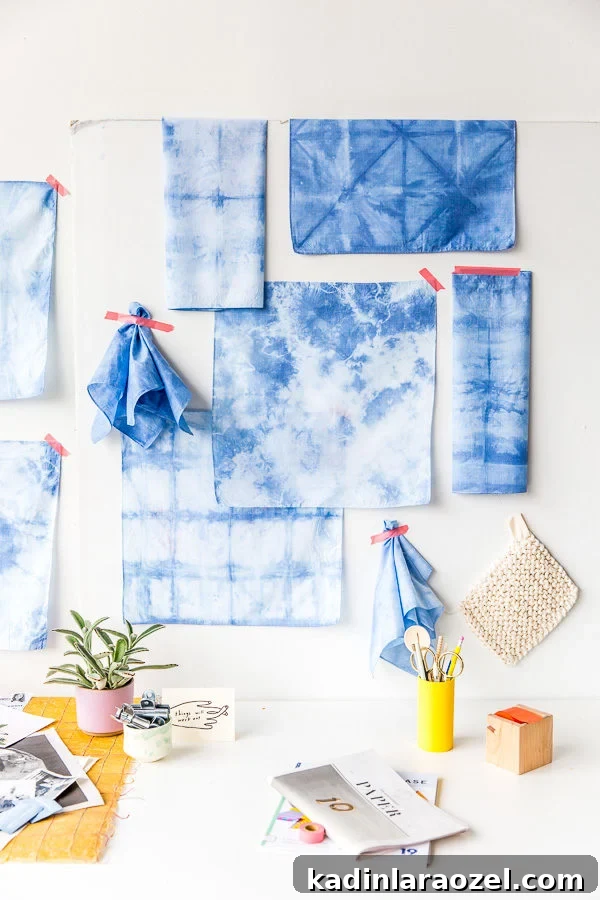
I’m always looking for an excuse to dye something, and with Father’s Day coming up this Sunday, I decided to do a last-minute DIY project for Dad. What started as a simple hankie idea quickly turned into wall hangings, tea towels, bandanas, and more. You can adapt these pieces however you like.
Whether you’re making a gift for Dad or treating yourself, here’s an easy-to-follow shibori-dyed textiles tutorial you can finish in an afternoon.
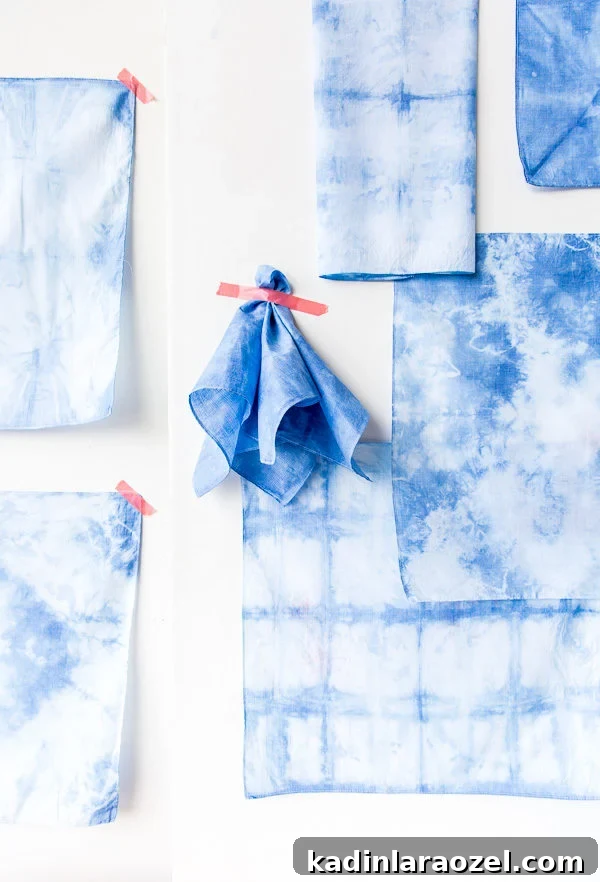
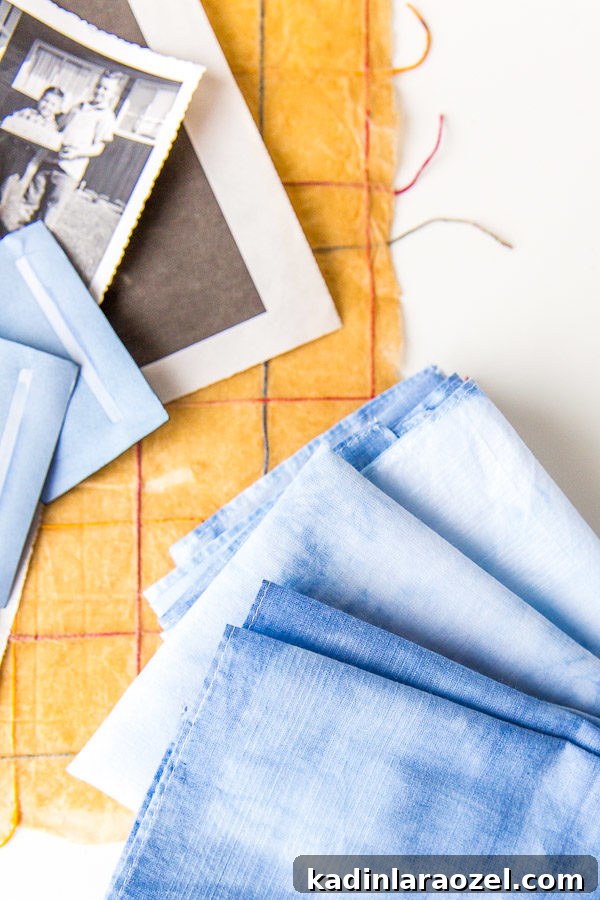
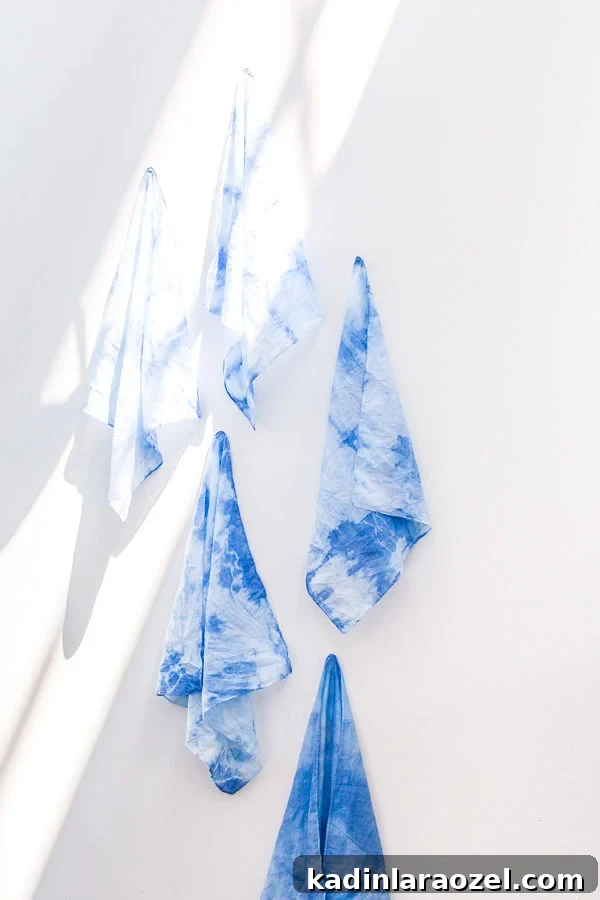
If “shibori” sounds intimidating, don’t worry — it’s just a Japanese word for resist dyeing. The method mainly uses folding, binding, and clamping techniques that are simple to learn. Promise.
Note: I skipped traditional indigo powder to keep the process cleaner and more accessible. Instead I used a liquid synthetic dye formulated for polyester blends, because the hankies I used are a polyester-cotton mix. Synthetic dyes are often used with stovetop methods, but to avoid boiling pots and pans I used a hot-water dye bath method that works very well.
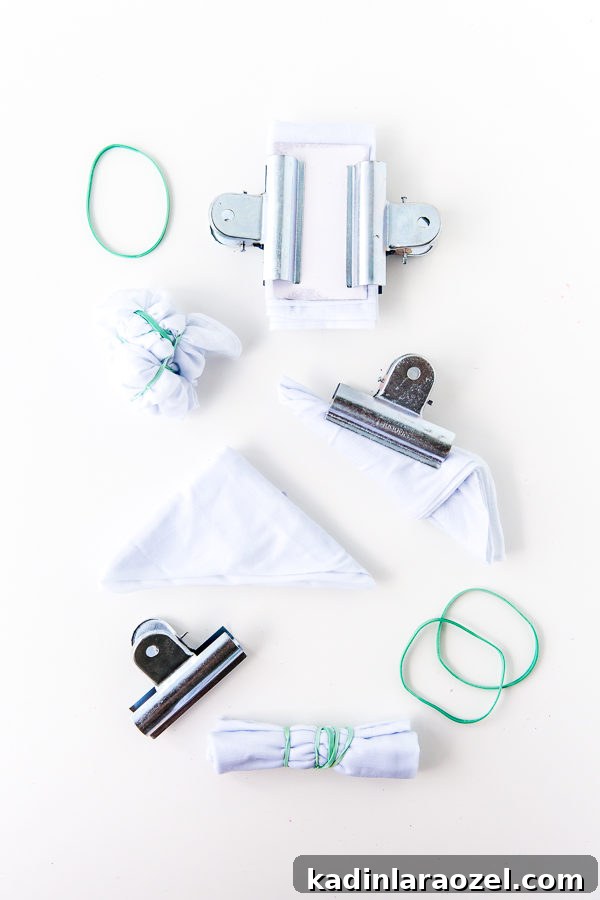
Materials
- Plain white hankies or small cloths (affordable packs work well)
- Synthetic fabric dye suitable for blends
- Small pieces of cardboard, rubber bands, and metal clips
- Medium-sized container or bowl
- Metal spoon for stirring
- Gloves (optional but recommended to protect your hands)
Instructions
1. Soak the hankies in water (a kitchen sink works fine), then wring out excess water. Fold each hankie into a different shape — squares, triangles, accordion folds, or scrunched balls. If you have a larger pack of hankies you can experiment freely without worrying about mistakes.
Use cardboard pieces on the front and back of folded hankies, secure folds with rubber bands, or clip sections with metal clips. There’s no single correct way to fold; the variations create different patterns.
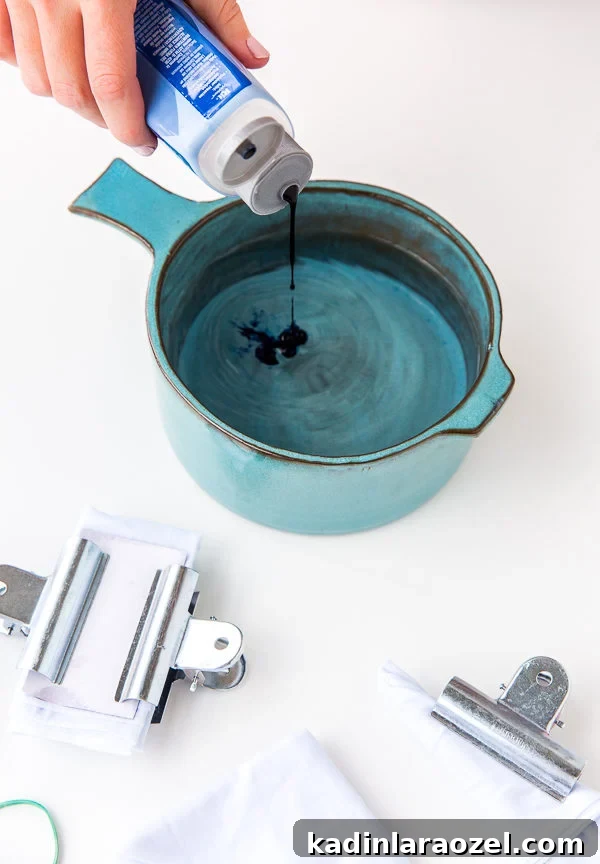
2. Prepare the dye bath by pouring about half a bottle of synthetic fabric dye into a medium bowl filled with the hottest tap water you can get. Hot water helps the synthetic dye penetrate the fibers.
3. Stir the dye bath thoroughly to ensure the color is evenly mixed.
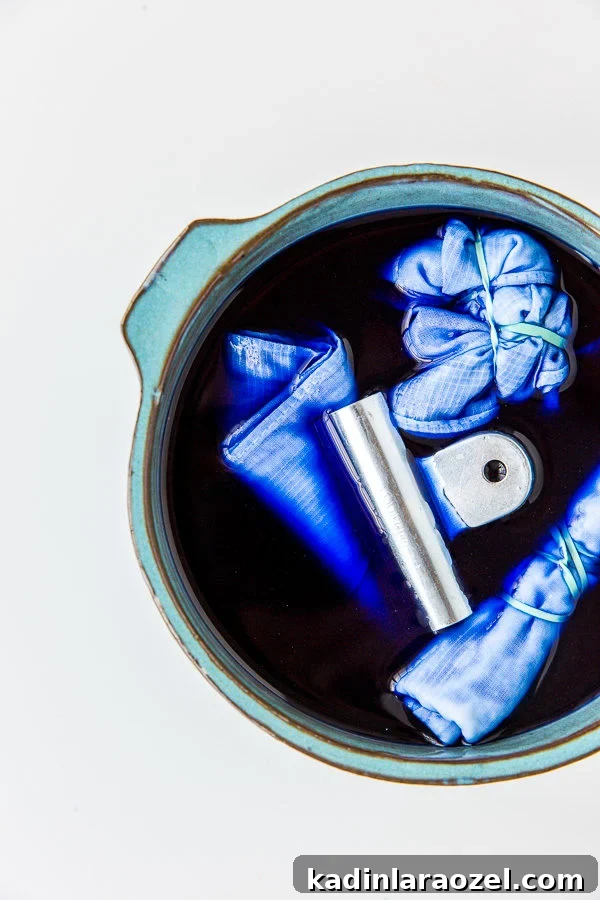
4. Wearing gloves, place the folded and secured hankies into the dye bath. Keep them submerged for 20–30 minutes. The longer they stay in the dye, the deeper and more saturated the color will be.
5. With gloves on, remove the hankies from the dye and rinse them under running water until the water runs clear. A stainless steel or utility sink is ideal so dye won’t stain sensitive surfaces.
6. Wash the pieces in the washing machine with no detergent, then tumble-dry to heat-set the color before using.
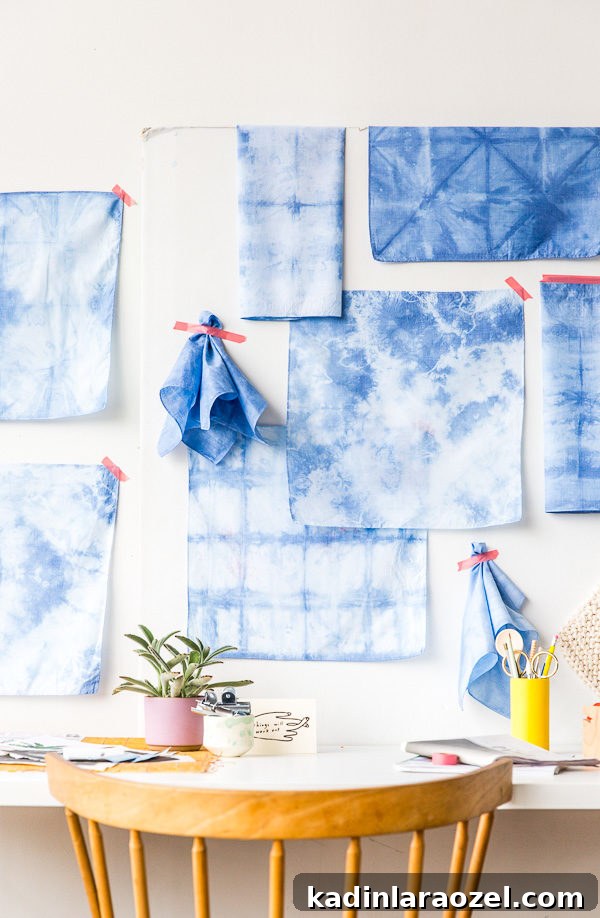
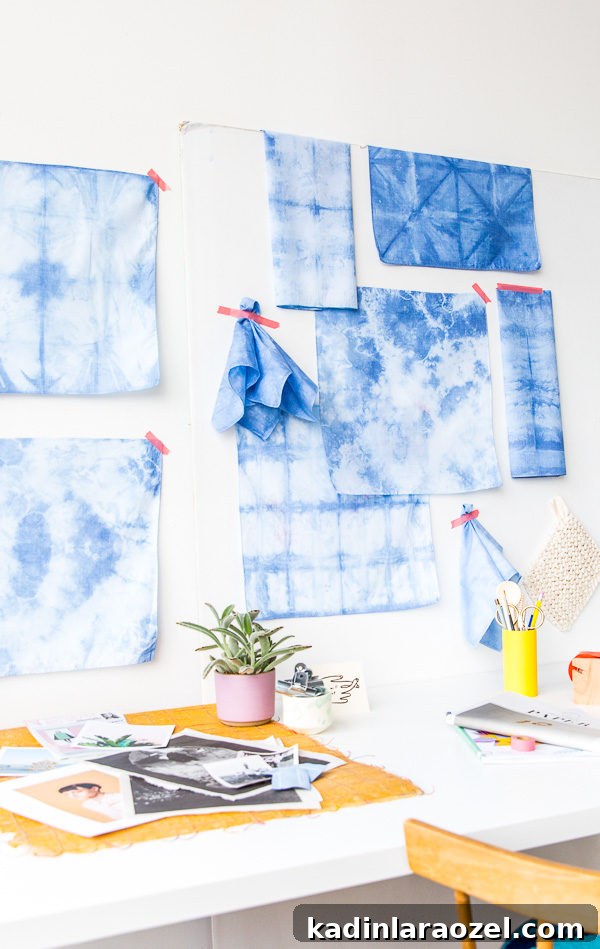
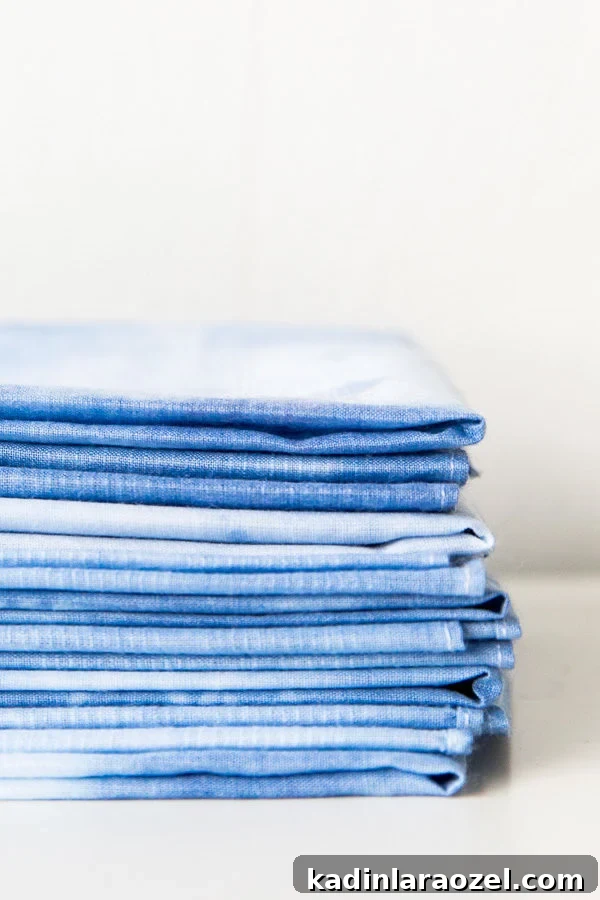
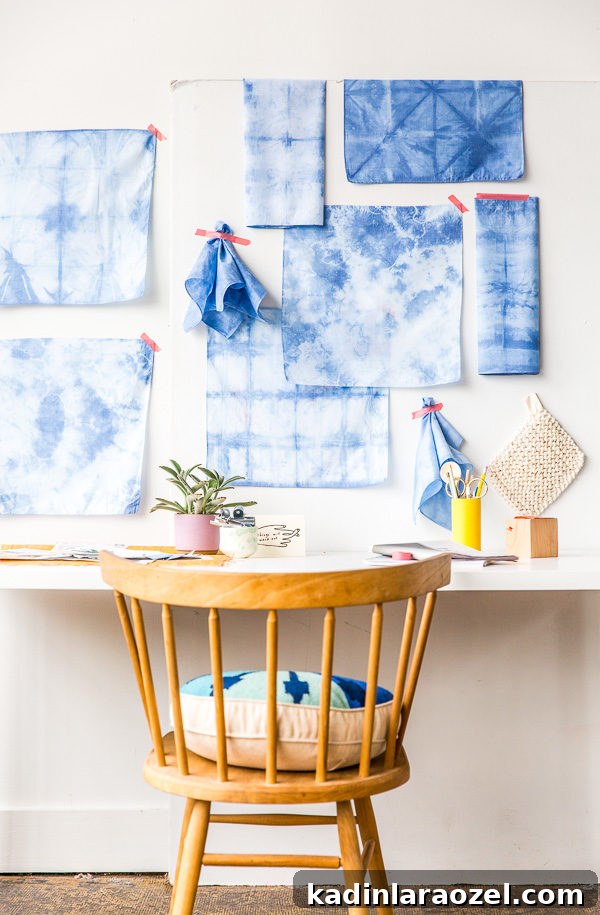
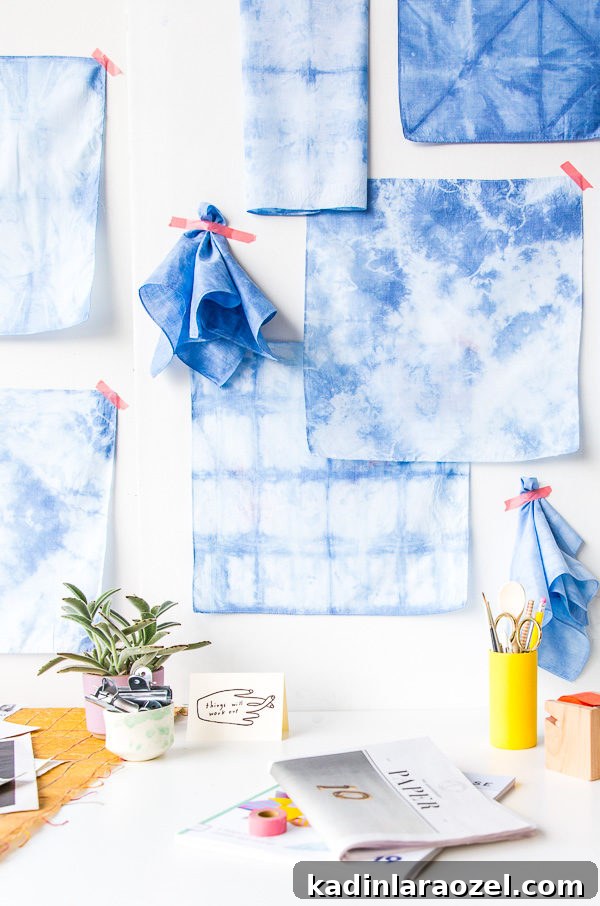
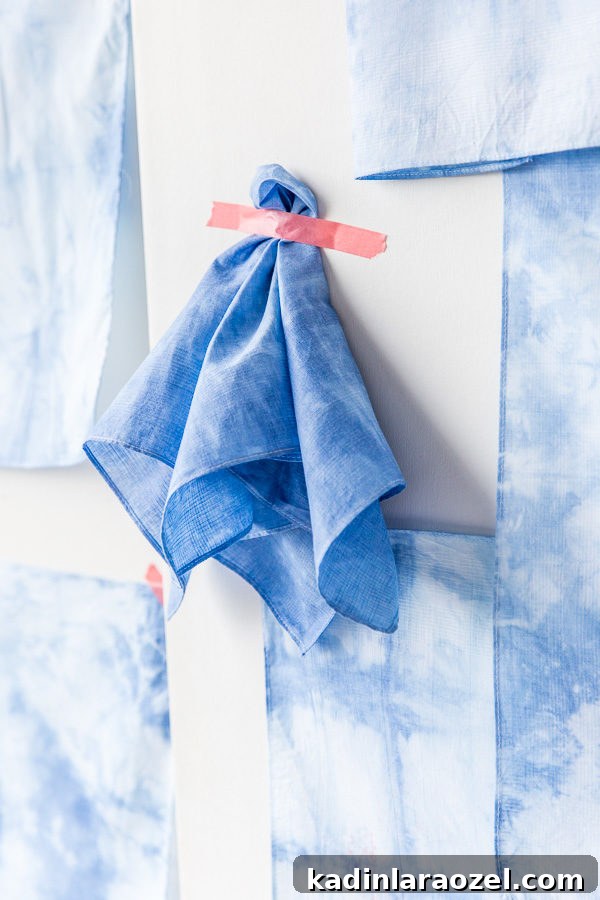
I had so many hankies left over that I kept several for studio use: tea towels, small wall hangings, and bandanas for my pets. They make lightweight, attractive tea towels — thinner than traditional towels but perfectly capable of drying hands.
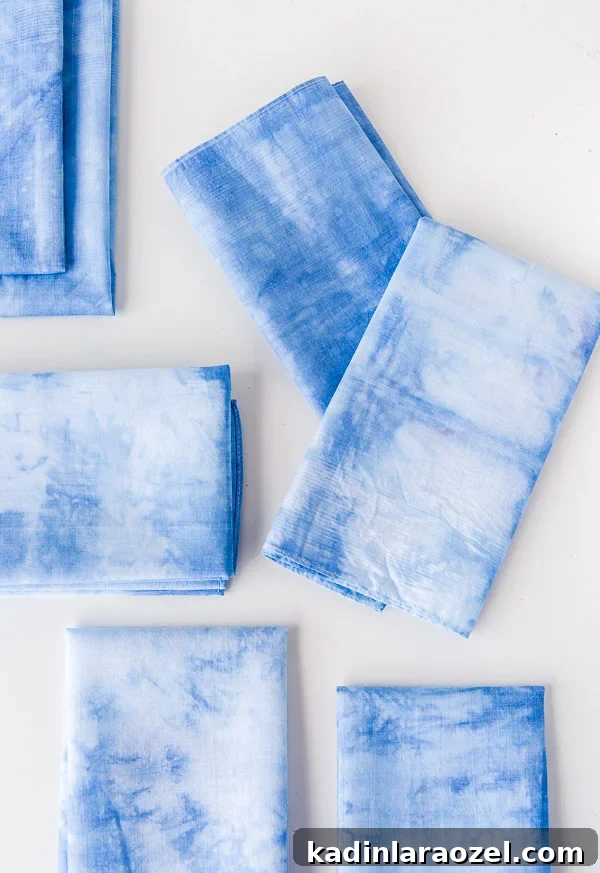
If you plan to use these as tea towels, be aware they’re thinner than standard tea towels but still very functional. As wall art, several folded pieces framed or mounted on a simple dowel make striking, handmade decor.
Photography by Amelia Tatnall and Brittni Mehlhoff