Coloring Concrete: Step-by-Step Guide to Make a Stylish Concrete Vase
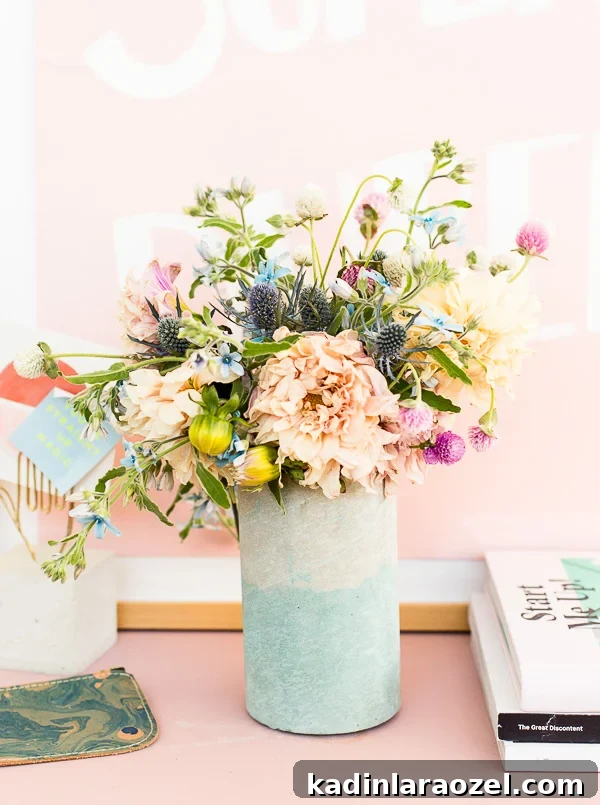
Ever wondered how to color concrete? Read this!
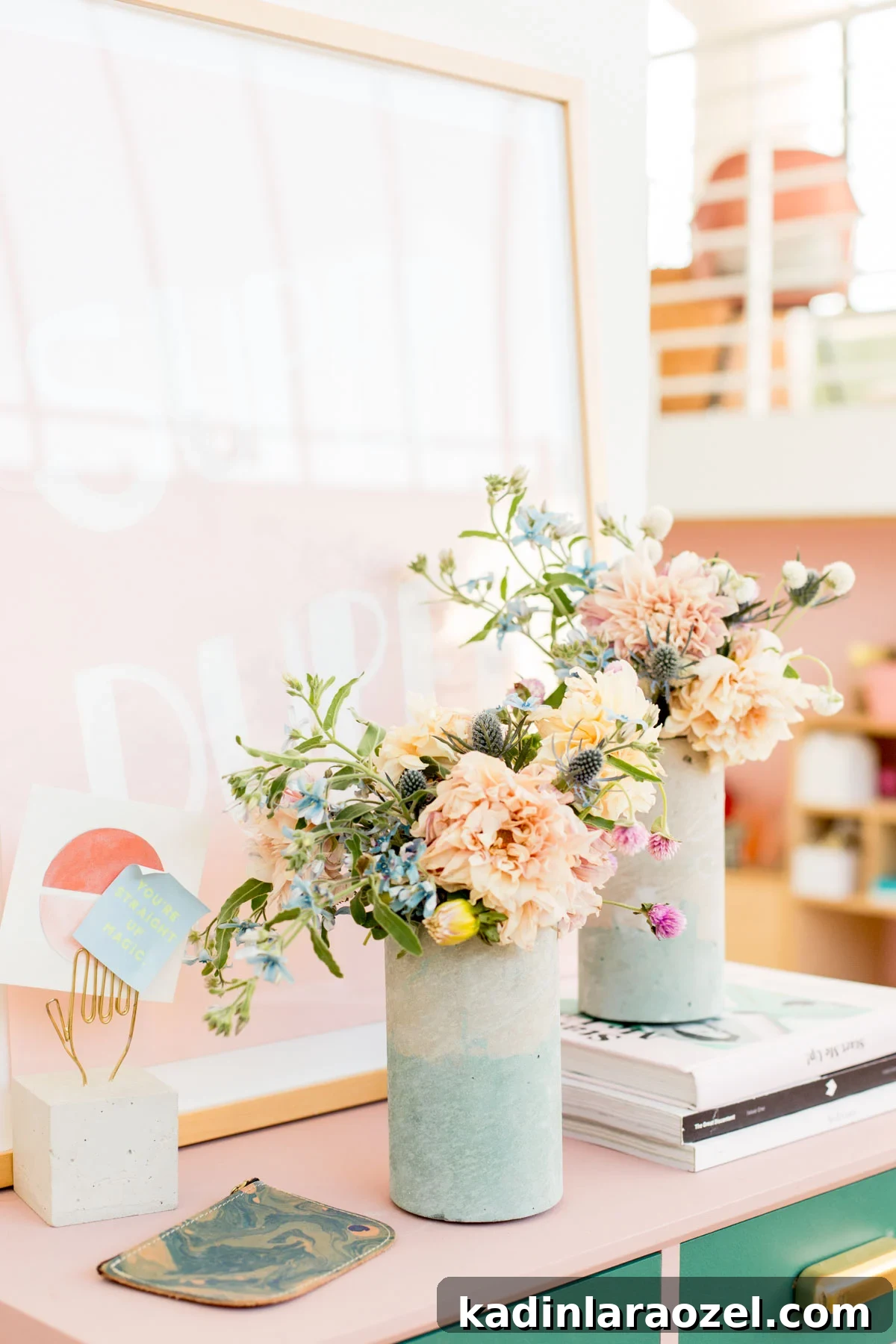
Coloring concrete is easier than it looks. This guide shows a straightforward method to tint concrete so you can make custom-colored pieces—start small with a color-blocked concrete vase, then apply the technique to any concrete DIY you want.
Full disclosure: making vases is an excellent excuse to buy fresh flowers and arrange them.
Below you’ll find step-by-step instructions for a two-toned concrete vase and tips on how to add any custom color to concrete before it sets.
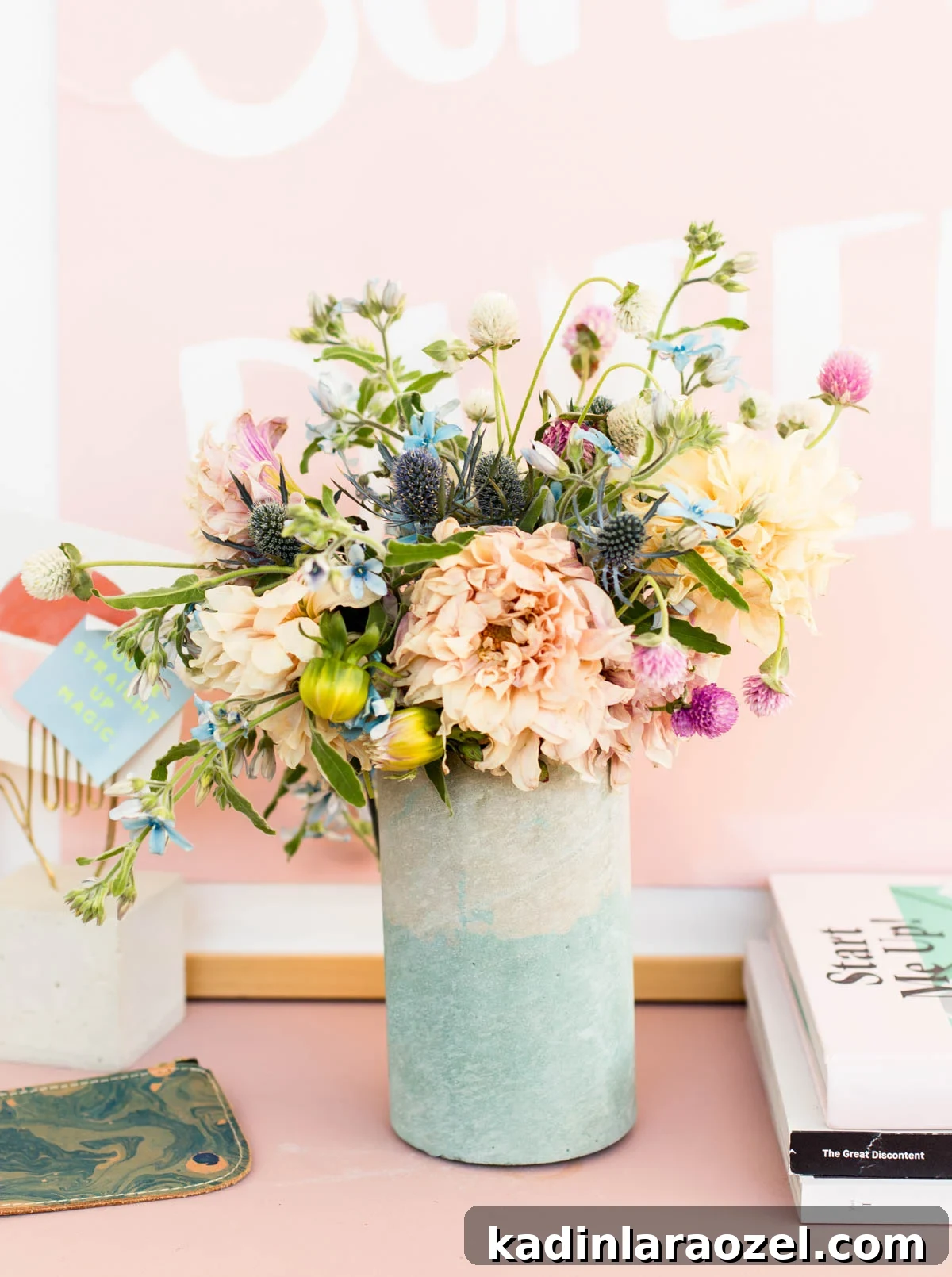
After experimenting with coloring plaster, I wondered whether paint could be mixed directly into concrete before pouring. It turns out you can tint rapid-setting concrete by mixing acrylic paint into the wet mix—just work quickly and use the right proportions. The result is a distinctive, color-blocked vase you can match to any palette.
Here’s a complete, easy-to-follow process so you can make your own colored concrete vase.
Materials
- Rapid-setting cement or concrete mix
- Acrylic paint (for tinting)
- Large, wide mailing tube (cardboard cylinder)
- Small juice glass (to form the interior)
- Cooking spray or mold release
- Two mixing buckets (they can get messy)
- Water
- Trowel, spoon, or mixing stick
- Electric sander or sandpaper
- Protective gloves and a dust mask
How to Add Color to Concrete (DIY Concrete Vase)
1. Trim the mailing tube to size
Cut the cardboard mailing tube to the height you want for your vase. I cut mine to about 10 inches. Make sure one end remains capped and the other end is open so you can pour into it and later remove the mold.
2. Prepare the tube interior
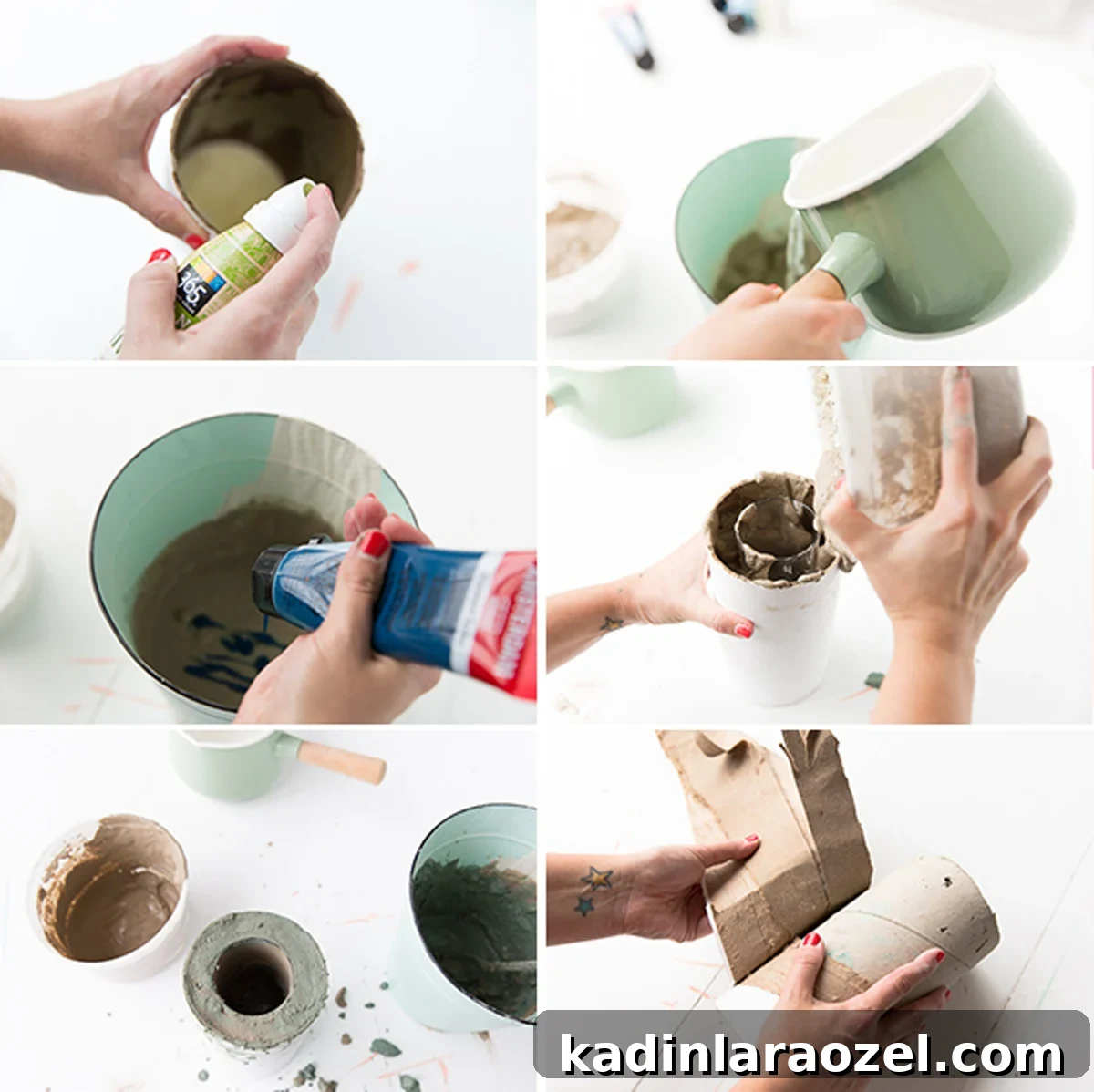
Spray the inside of the tube with cooking spray or another mold release, then spread it evenly with a rag or paper towel. This helps the concrete release cleanly from the cardboard after curing.
3. Put on protective gear and mix the concrete
Wear a mask and gloves. Measure the concrete mix into a bucket, then add water following the product instructions—many rapid-setting mixes call for roughly 4 parts dry mix to 1 part water, but check the bag. Mix thoroughly until uniform.
If you want a two-toned vase, pour a portion of the plain (uncolored) mix into the bottom of the tube now. For a single-colored vase, skip this partial pour and tint the entire batch in the next step.
4. Tint the remaining concrete with paint
Work quickly: rapid-setting concrete sets fast. Add acrylic paint to the remaining wet mix and stir until the color is even. Acrylics are thick enough that they won’t overly thin the concrete. Expect to use more paint than you might guess—roughly 2–4 ounces of acrylic for a vase the size shown; adjust for larger or smaller projects. Add more paint for deeper saturation, less for subtler tinting.
5. Pour the colored mix into the tube
Pour the colored concrete into the mailing tube on top of any plain layer you previously added. Fill a bit more than halfway and then place the small juice glass inside the tube. Press the glass down gently so the concrete moves up and forms the vase walls around the glass. Continue filling, taking care not to get concrete into the glass opening. Position the inner glass so it remains centered and straight.
6. Let the concrete cure
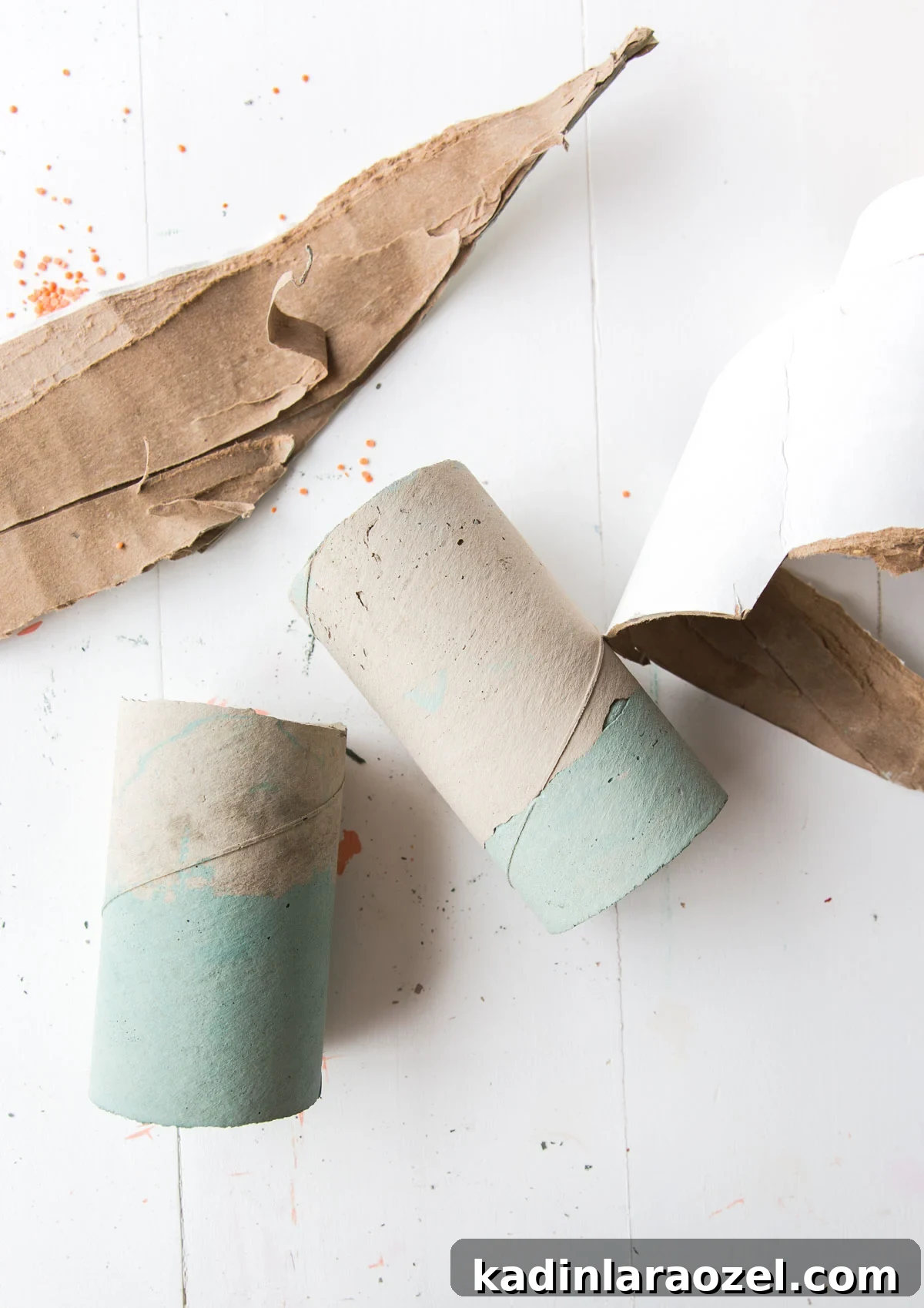
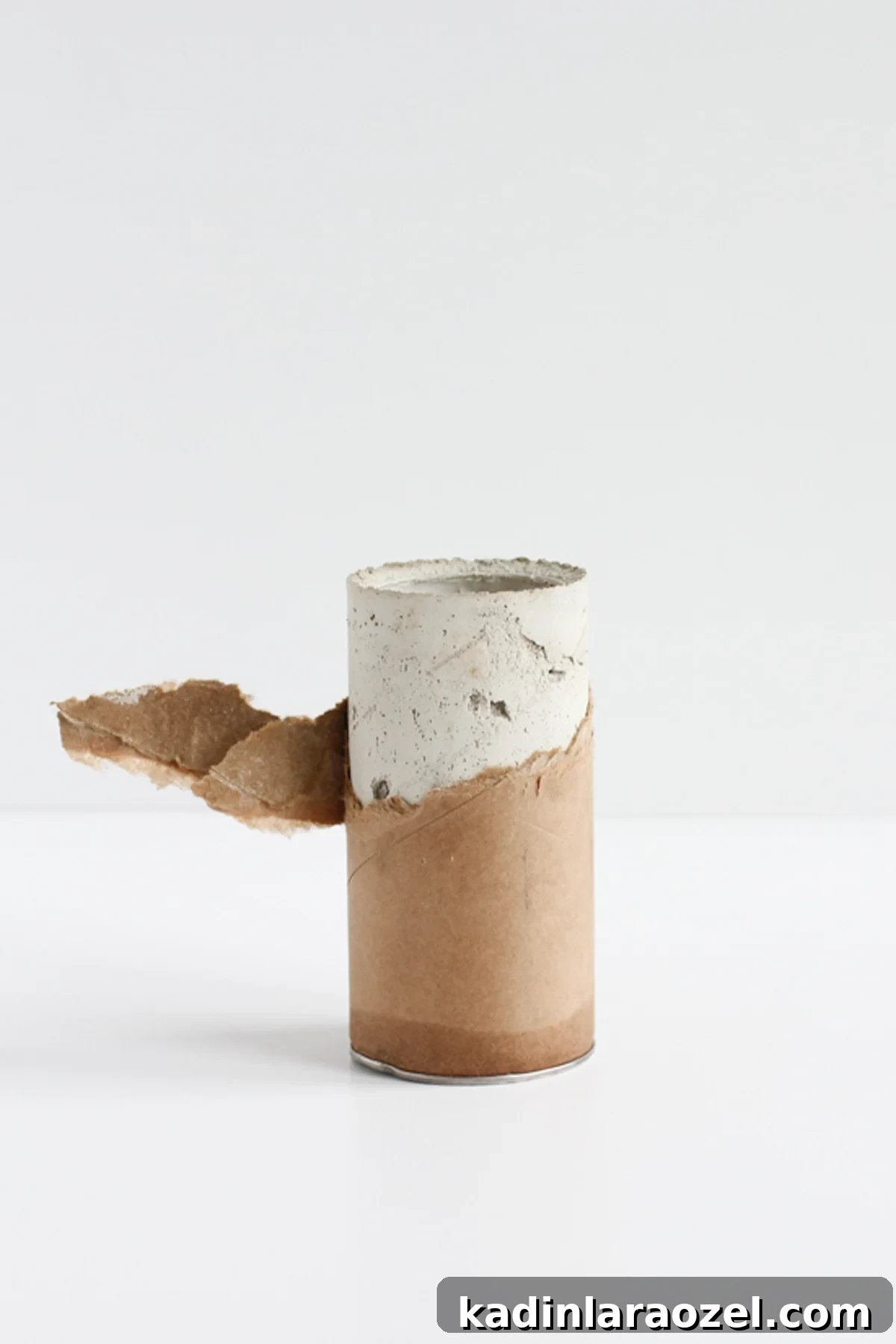
With rapid-setting cement, curing may finish in a couple of hours, though temperature and humidity affect drying time. Once the concrete is fully set, tear away the cardboard tube to reveal the vase form.
7. Finish and sand the base
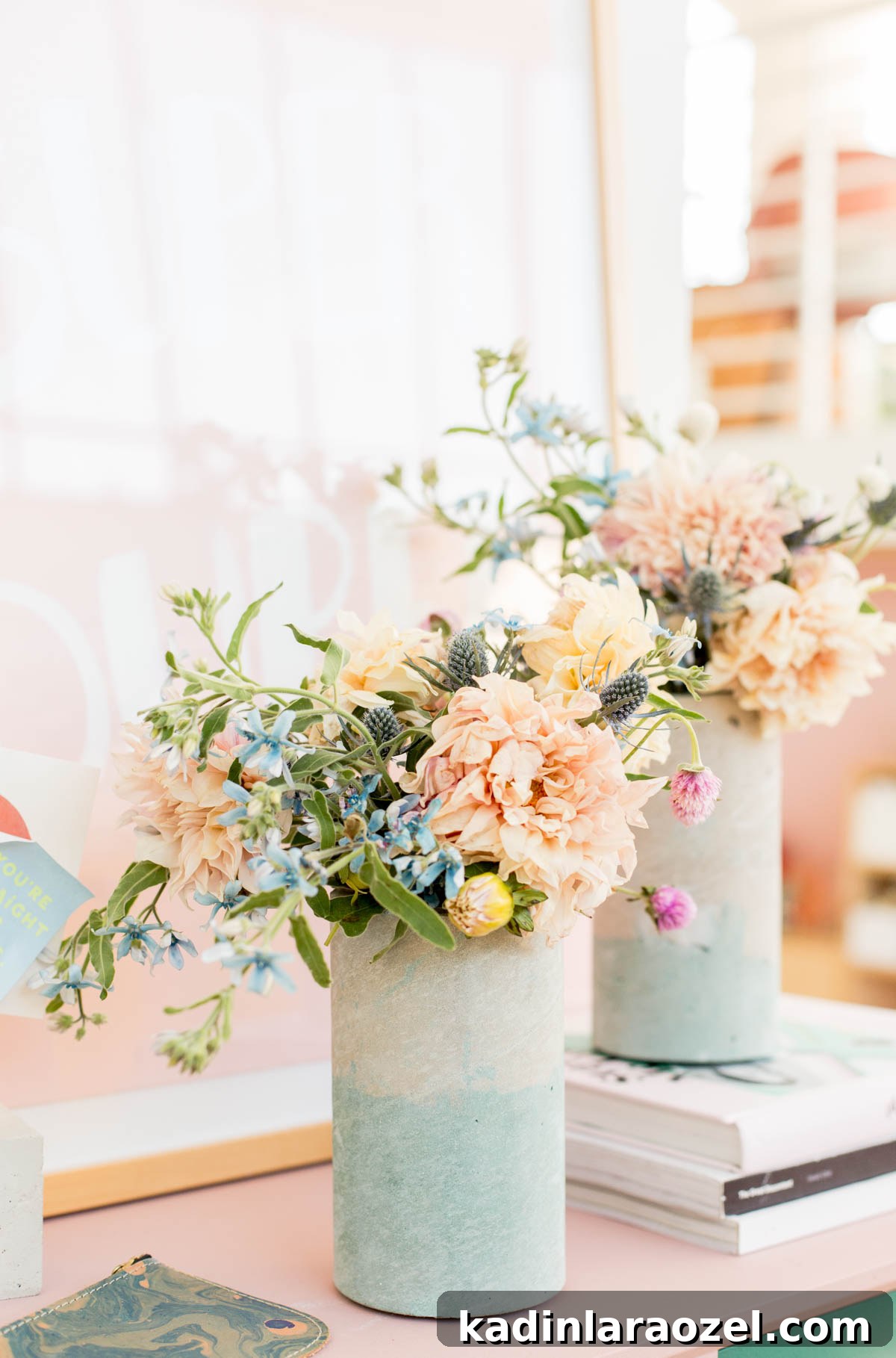
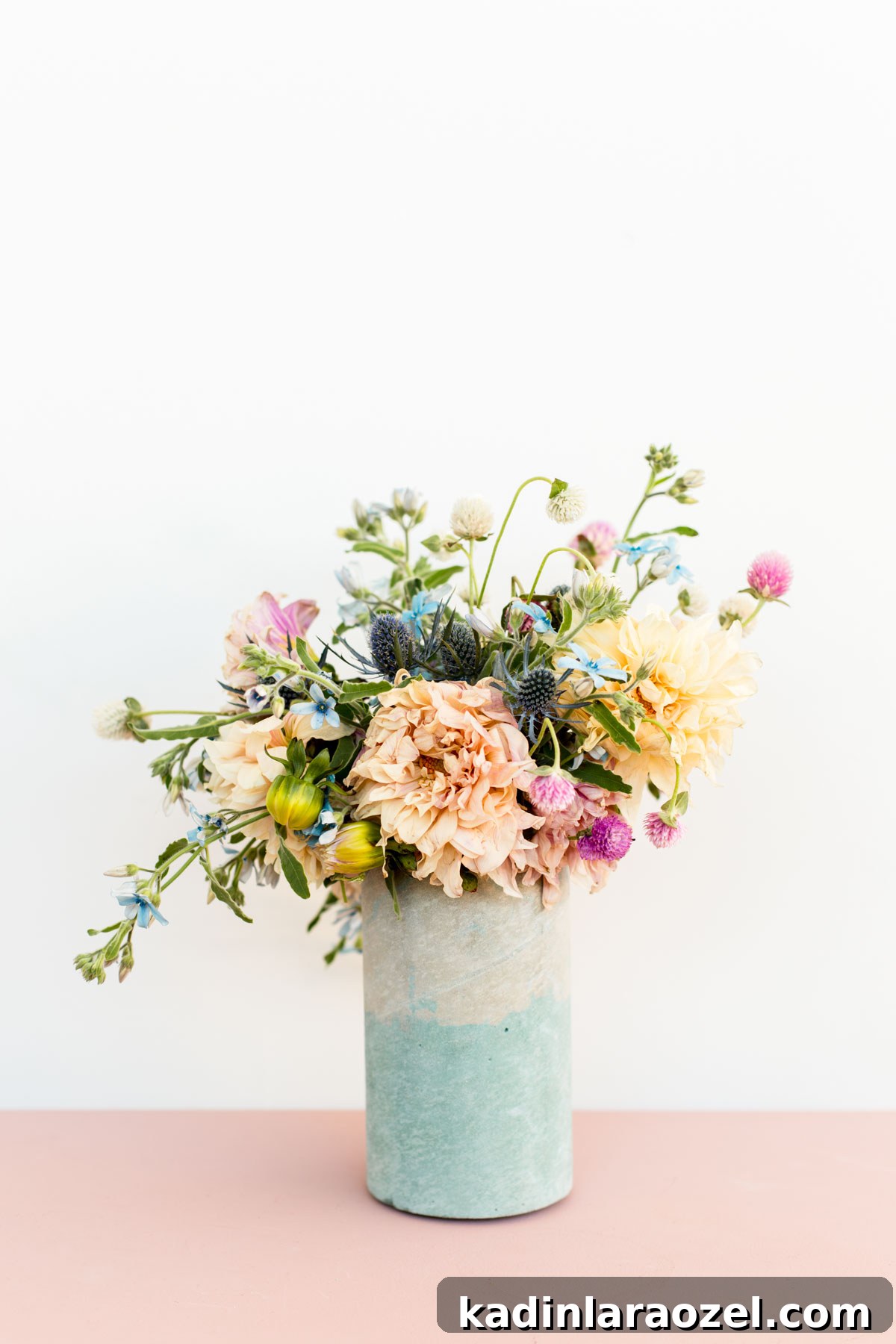
If the vase wobbles, sand the bottom flat with an electric sander or by hand. Clean any dried concrete from the inner glass before filling with water. Place the inner glass back in the vase, add flowers, and enjoy your new custom-colored concrete piece.
Quick Tips and Notes
- Use rapid-setting cement when you want fast results; it requires speedy mixing and pouring.
- Acrylic paint tints well, but deeper shades need noticeably more paint—test small batches if color precision matters.
- If you want crisp color separation for a two-tone vase, pour the first layer, allow it to firm slightly (but not fully cure), then pour the second tinted layer.
- Always wear a mask and gloves when mixing and sanding concrete to avoid inhaling dust or getting skin irritation.
- For other projects (planters, trays, decor), the same tinting approach applies—adjust container sizes and paint quantities.
Will you try this colored concrete project? I’d love to hear how your vases turn out and what colors you choose.

How to Add Color to Concrete (and DIY Concrete Vase)
Brittni
Equipment
- Rapid-setting cement mix
- Acrylic paint
- Large (wide) mailing tube
- Small juice glass
- Cooking spray
- 2 buckets
- Water
- Trowel or spoon for mixing
- Electric sander or sandpaper
- Gloves and mask
Instructions
Cut down a mail tube.
- Start by cutting the mailing tube down to the height you want.
- Make one end capped and the other end open for pouring and later removal.
Spray the inside of the tube.
- Coat the interior with cooking spray and wipe it evenly with a rag or paper towel.
- This prevents the concrete from sticking to the cardboard.
Put on protective gear and mix concrete.
- Wear a mask and gloves. Add cement mix to a bucket and stir in water according to package directions.
- Typical ratio for rapid-setting mixes is about 4 parts dry mix to 1 part water—mix until smooth.
- For a two-toned vase, pour some plain mix into the tube now. For a single color, tint the entire batch in step 4.
Add paint to concrete.
- Quickly add acrylic paint to the remaining concrete and mix thoroughly—work fast with rapid-setting cement.
- Acrylic paint is thick and won’t thin the concrete substantially.
- Expect to use about 2–4 ounces of paint for a vase similar to the examples; adjust for size and desired saturation.
Pour mixture into tube.
- Pour the colored mix into the tube. Fill slightly more than halfway, then insert the juice glass and press it down so the concrete forms around it.
- Continue filling, avoiding the glass opening and keeping the inner glass centered.
Wait for the concrete to dry.
- Rapid-setting concrete can be dry in a couple of hours depending on conditions.
- When fully cured, remove the cardboard to reveal the vase.
Sand the bottom if needed so the vase sits flat.
- Use an electric sander or sandpaper by hand to flatten the base if necessary.
- Clean the inner glass of debris before filling with water and flowers.
Have fun experimenting with color and scale—this method translates well to planters, candle holders, trays, and many other concrete projects. If you make one, share your color choices and how it turned out.