DIY Air-Dry Clay Paint Palettes: Step-by-Step Guide
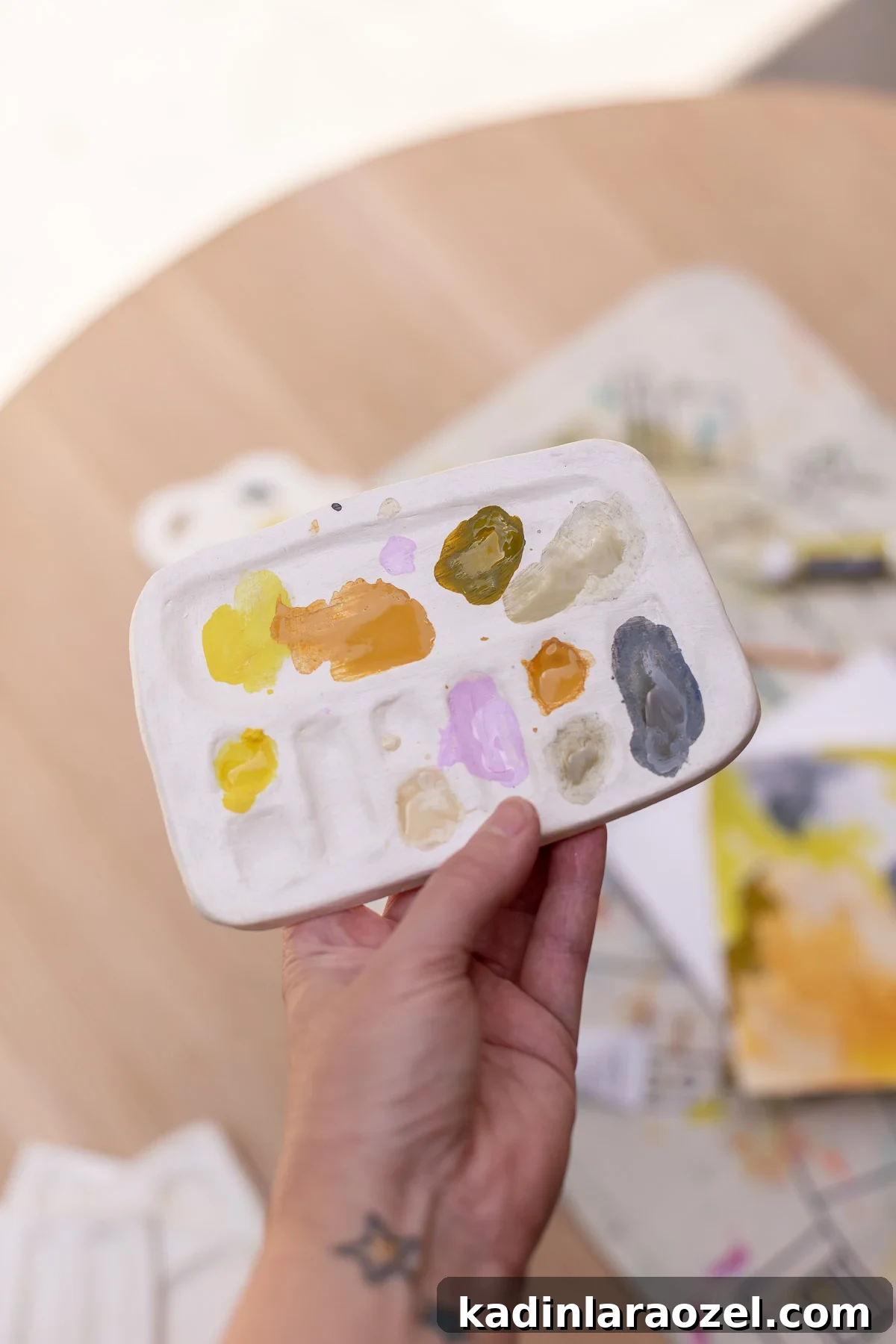
These DIY paint palettes are easy to make and can encourage kids (and adults) to pick up their brushes more often.
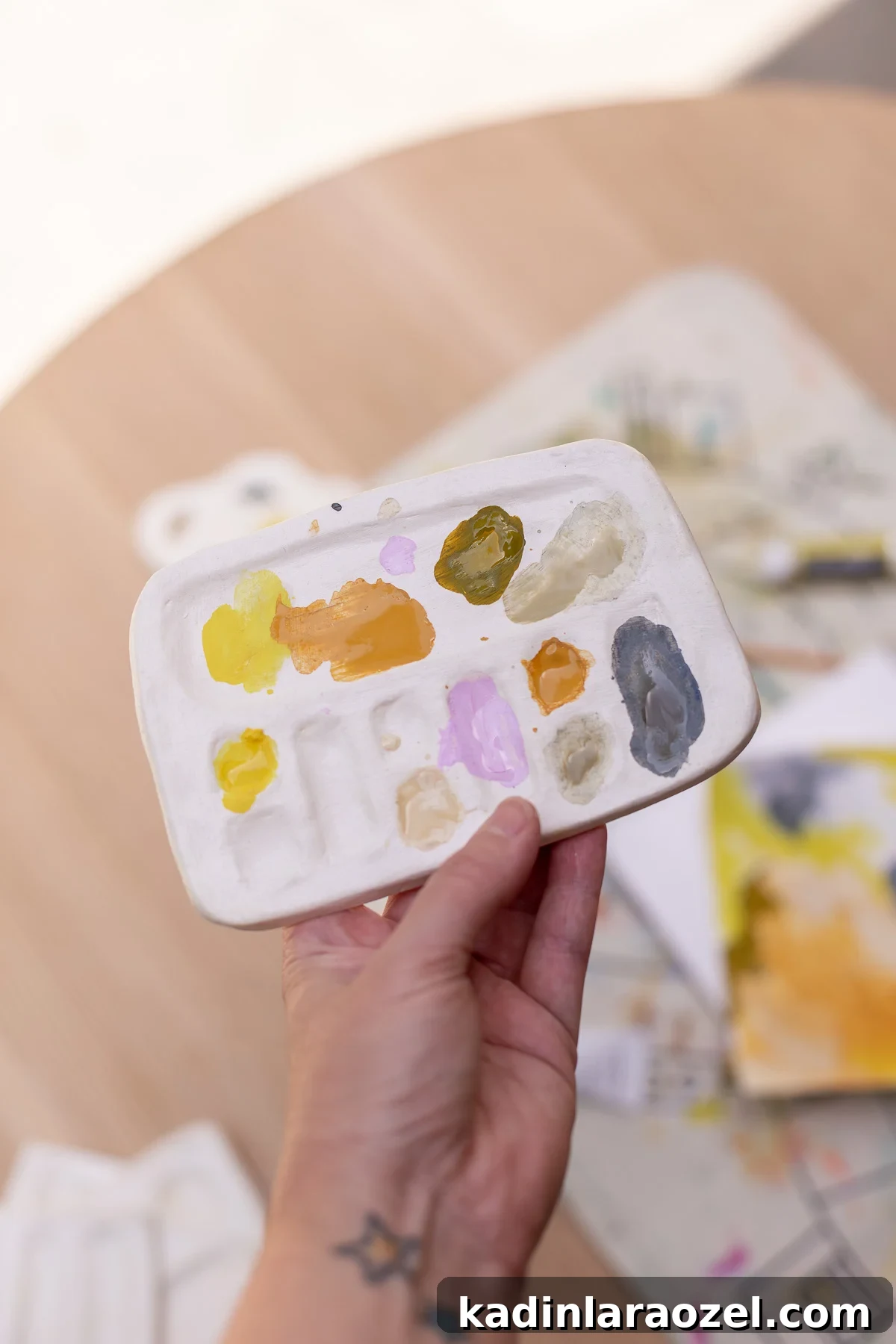
My son loves crafting, especially painting, so I made several small clay palettes just his size. They’re formed from air-dry clay, which means no kiln or oven is needed, and they require just a few inexpensive materials most households already have.
This is a great summer project to do with kids (or a creative adult). Once finished and sealed, these palettes are both charming and functional — they might even inspire more frequent painting sessions. Follow the step-by-step instructions below.
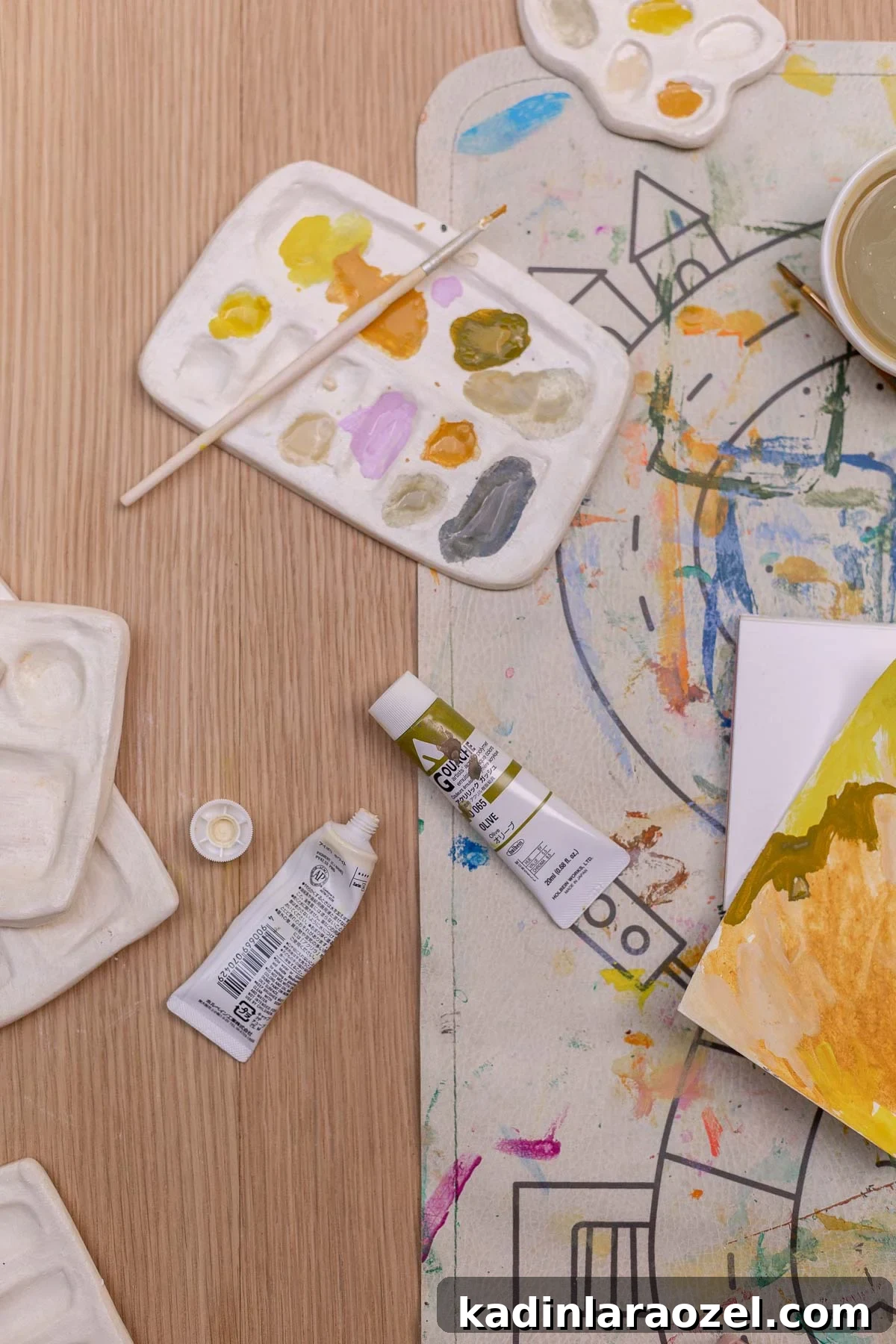
I plan to try kiln-fired palettes later, but for now air-dry versions are simple, useful, and especially kid-friendly. One of the best parts: they’re affordable. You can make several for under ten dollars in materials.
Materials
- air-dry clay (a small reusable tub is economical)
- wooden skewer or popsicle stick
- rolling pin — one kept for crafting
- sandpaper
- cup of water
- sealer such as acrylic sealer, clear polyurethane varnish, or clear nail polish
- old cookie rack, screen, or another raised surface for airflow while drying
You can use more specialized clay tools if you prefer, but I kept this project accessible and used a wooden skewer for most of the shaping.
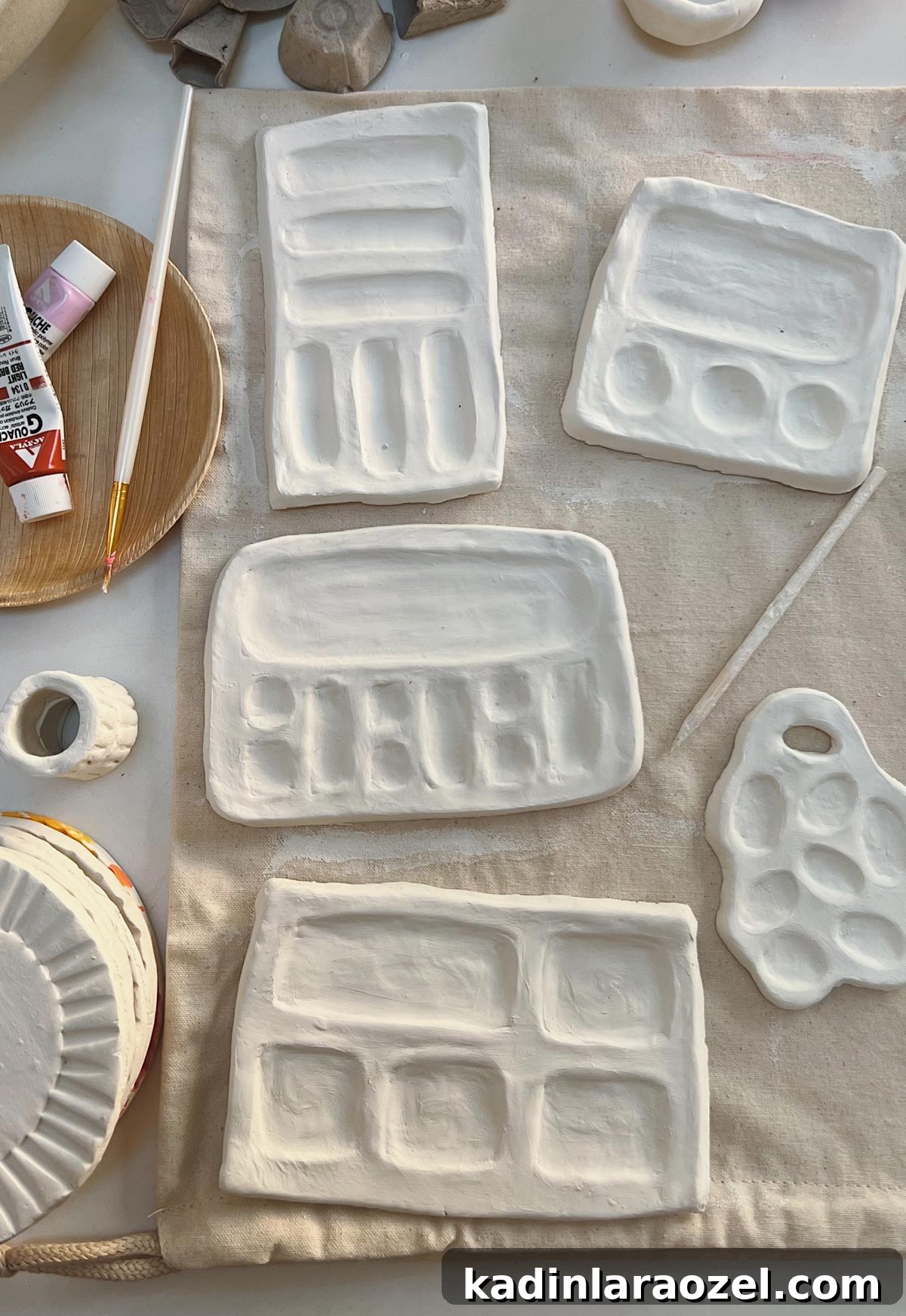
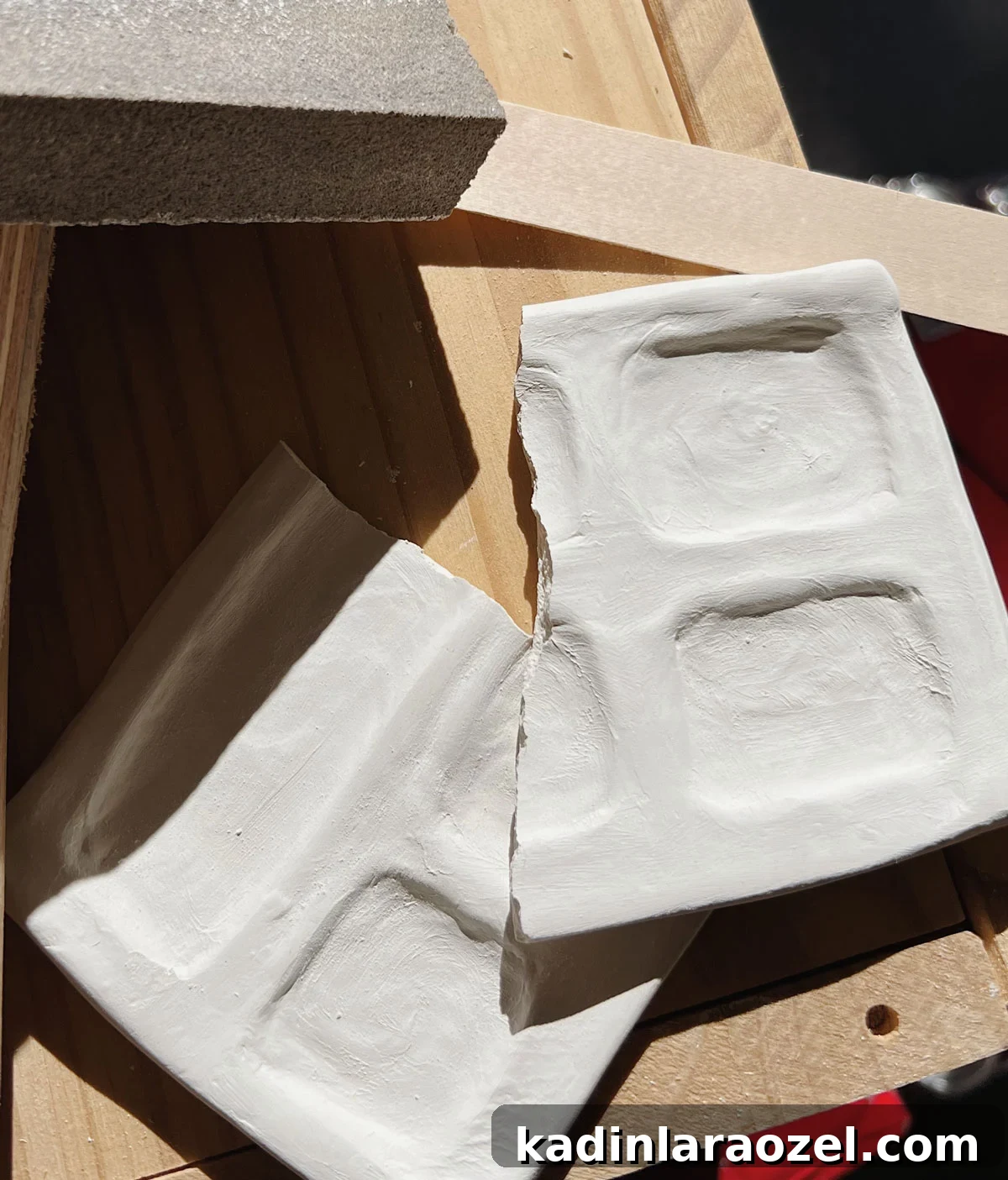
The photo above was taken before and during the smoothing stage.
How to Make a Paint Palette
1. Roll the clay into a ball and then flatten it.
Start with a palm-sized piece of clay and roll it into a ball. Use a rolling pin to roll it flat to about 1/2 inch (or thinner) thickness.
2. Cut the outer shape.
Use a popsicle stick, wooden skewer, or carving tool to cut the clay into your chosen palette shape: rectangle, circle, square, or an organic form. A large cookie cutter also works if you don’t want to freehand the outline.
3. Smooth the surface.
Dip your fingertips in a little water and gently rub the edges and surface to remove jagged bits and refine the shape.
4. Carve the paint wells.
Carve shallow wells for paint using your fingers, a carving tool, or the wooden skewer. Pressing a plastic spoon into the clay creates neat oval wells. After carving, smooth the wells and the rest of the palette with slightly wet fingers.
5. Refine and dry.
Alternate carving and smoothing until you’re satisfied. Let the pieces dry according to the clay manufacturer’s instructions — typically overnight or 24–48 hours depending on thickness. Place palettes on a rack or raised surface to allow airflow underneath so they dry evenly and remain flat.
6. Sand any rough areas.
Once dry, use sandpaper to smooth edges or any uneven spots. Wipe away dust with a rag. Be gentle while sanding — excessive pressure can weaken the piece and cause it to crack or break.
7. Seal the palette to make it waterproof.
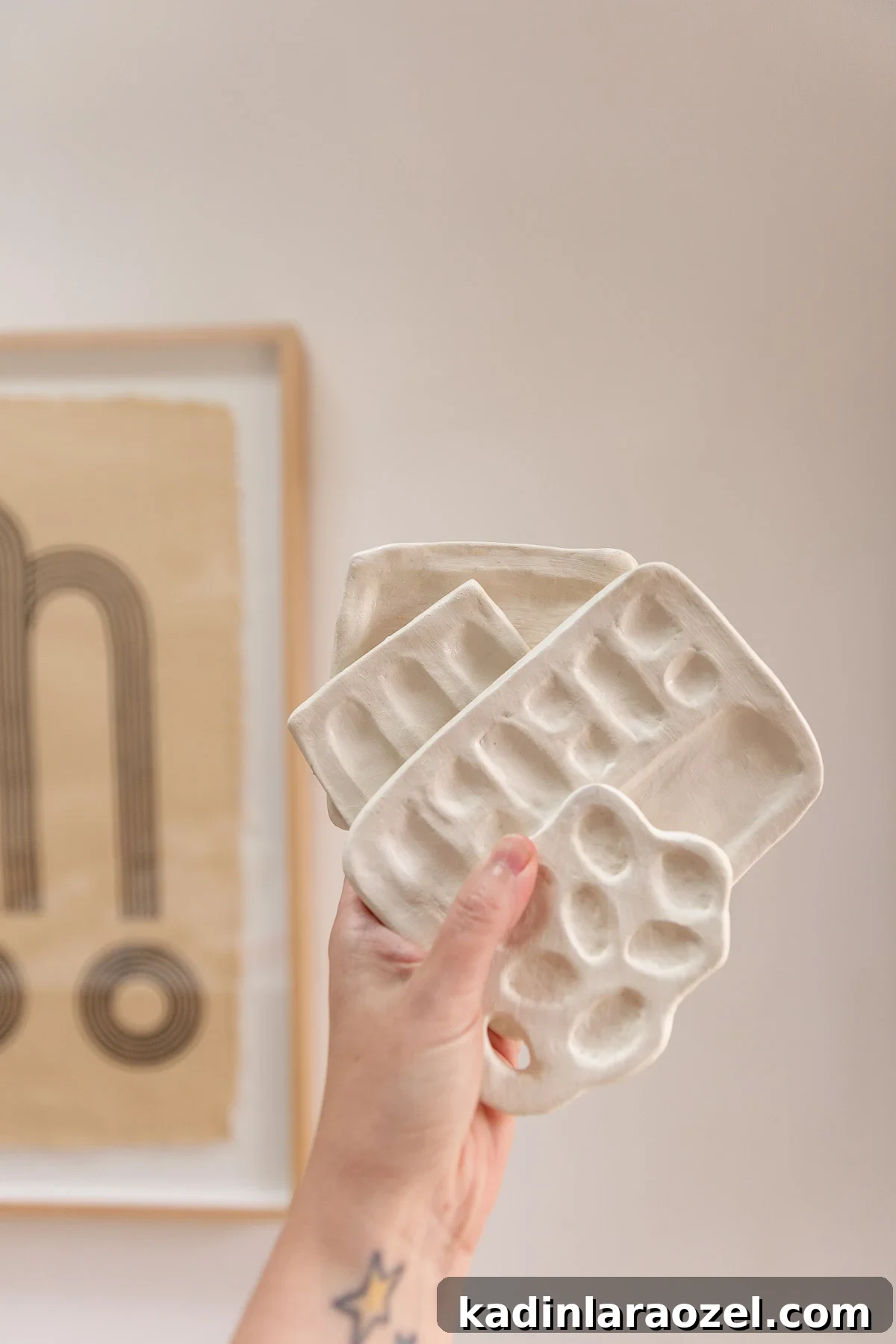
Seal the entire palette — top, sides, and bottom — with multiple coats so it withstands washing and prevents paint from soaking in. Options include acrylic sealer, clear polyurethane varnish, or clear nail polish. I found that two to three coats of clear nail polish worked especially well for resisting stains and allowing paint to wipe off easily.
Apply at least two coats regardless of the sealant you choose and make sure each coat covers the full surface. After the sealant fully dries, the palette is ready for use.
How much clay do I need?
Clay amount depends on the palette size. A helpful guideline is to start with a ball slightly larger than your fist, roll it out, and add more clay if needed. If it’s too small, re-ball it and add clay before rolling again.
How can I speed up drying time?
Speeding up drying isn’t generally recommended because rapid drying can cause cracking. Improving airflow around the piece helps it dry more evenly — elevating palettes on a cookie rack or screen so air circulates underneath is effective. Some people use fans, but be cautious and avoid concentrated heat or direct drying that could warp the clay.
Can I use polymer (oven-bake) clay instead?
Yes. Oven-bake clay can be used, but the process differs: you should not use water to smooth it. Instead, condition and shape the clay as instructed on the package and bake according to those directions. After baking, seal with a waterproof finish such as resin or varnish. (I haven’t tested dishwasher-safe Mod Podge, so I can’t confirm it as an option.)
How do I clean these palettes?
Clean palettes right after use to prevent paint from fully drying and staining. Run water over the wells and wipe them out with your fingers. For stubborn paint, mild soap and water usually work. Towel dry before storing.
What if paint stains won’t come off?
If the palette becomes stained, repaint the surface with two to three coats of white paint and then reseal it. That refreshes the palette and makes it look good as new.
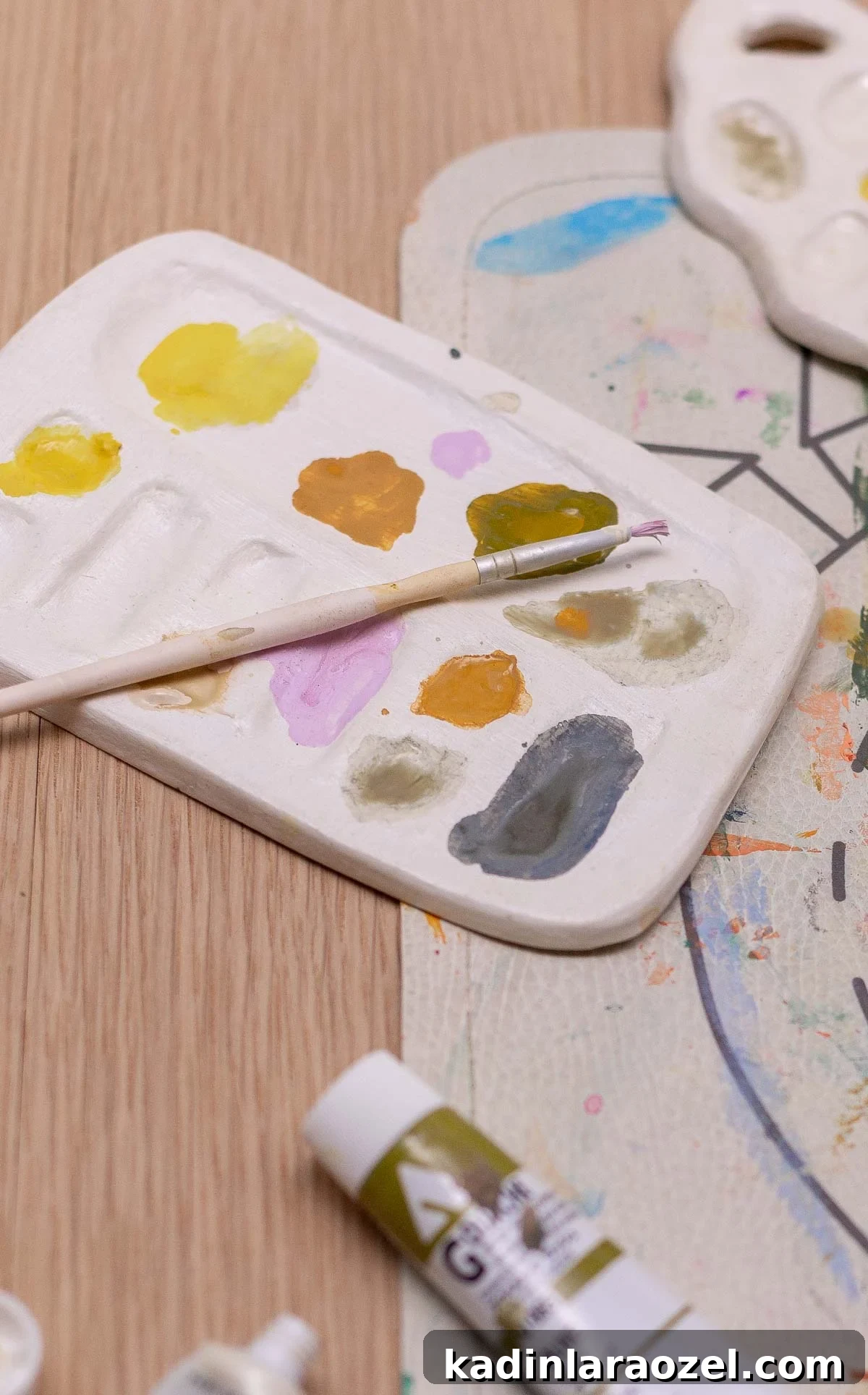
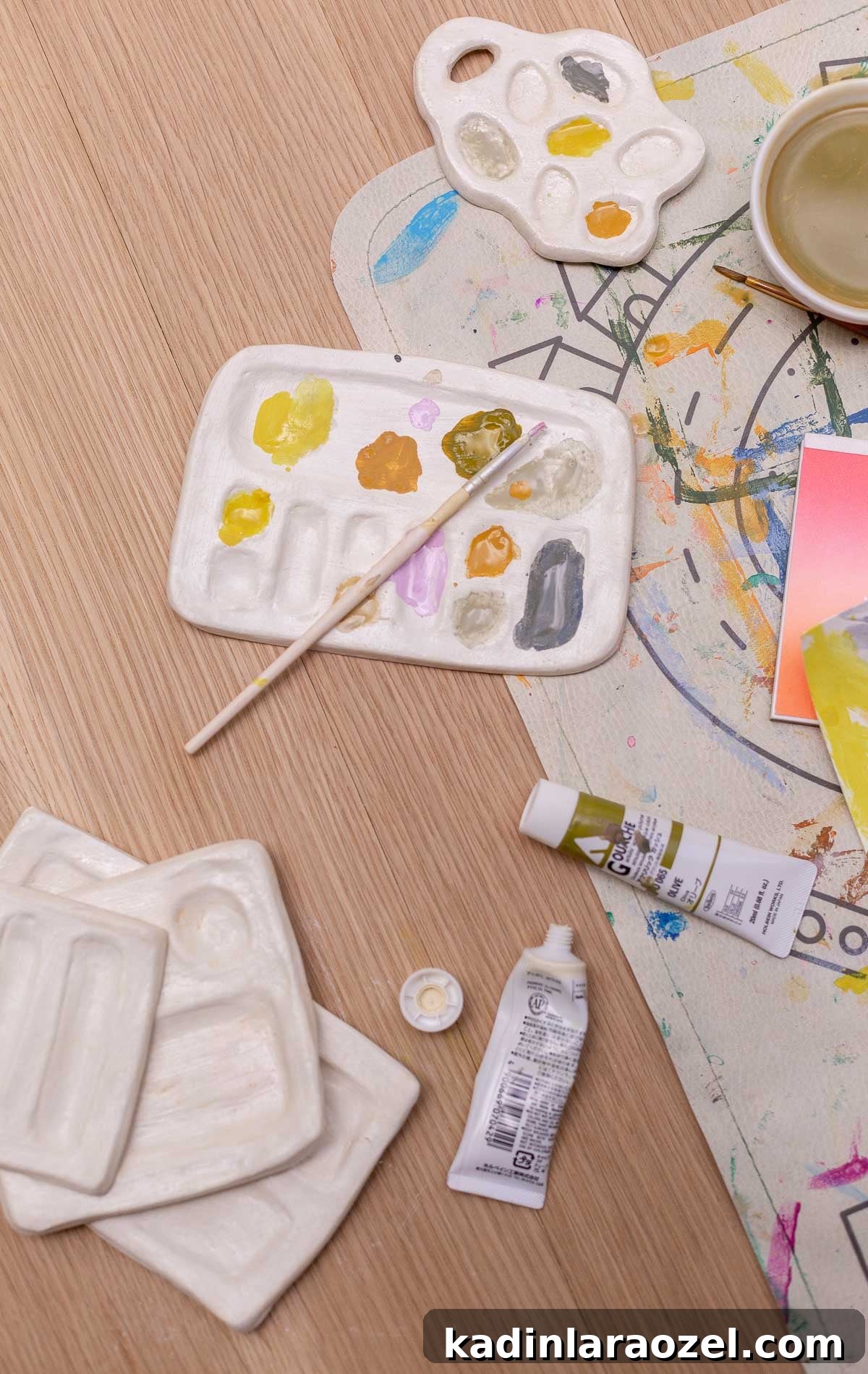
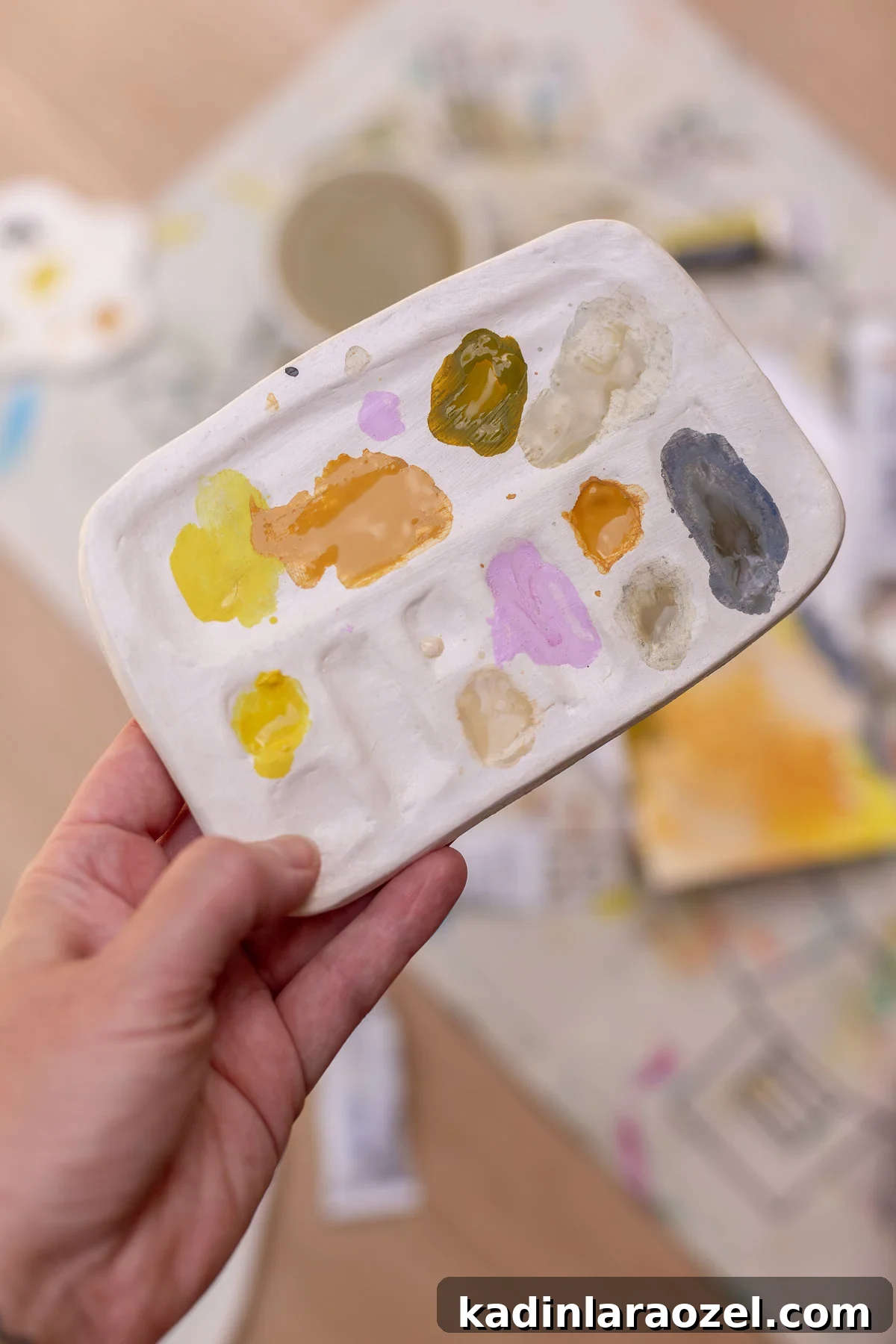
I hope this simple DIY paint palette project inspires you and your little ones to create more. These small, handmade tools make painting sessions feel special — and they can be used for months or even years with the right care.