DIY Biodegradable Confetti from Household Items (No Cost)
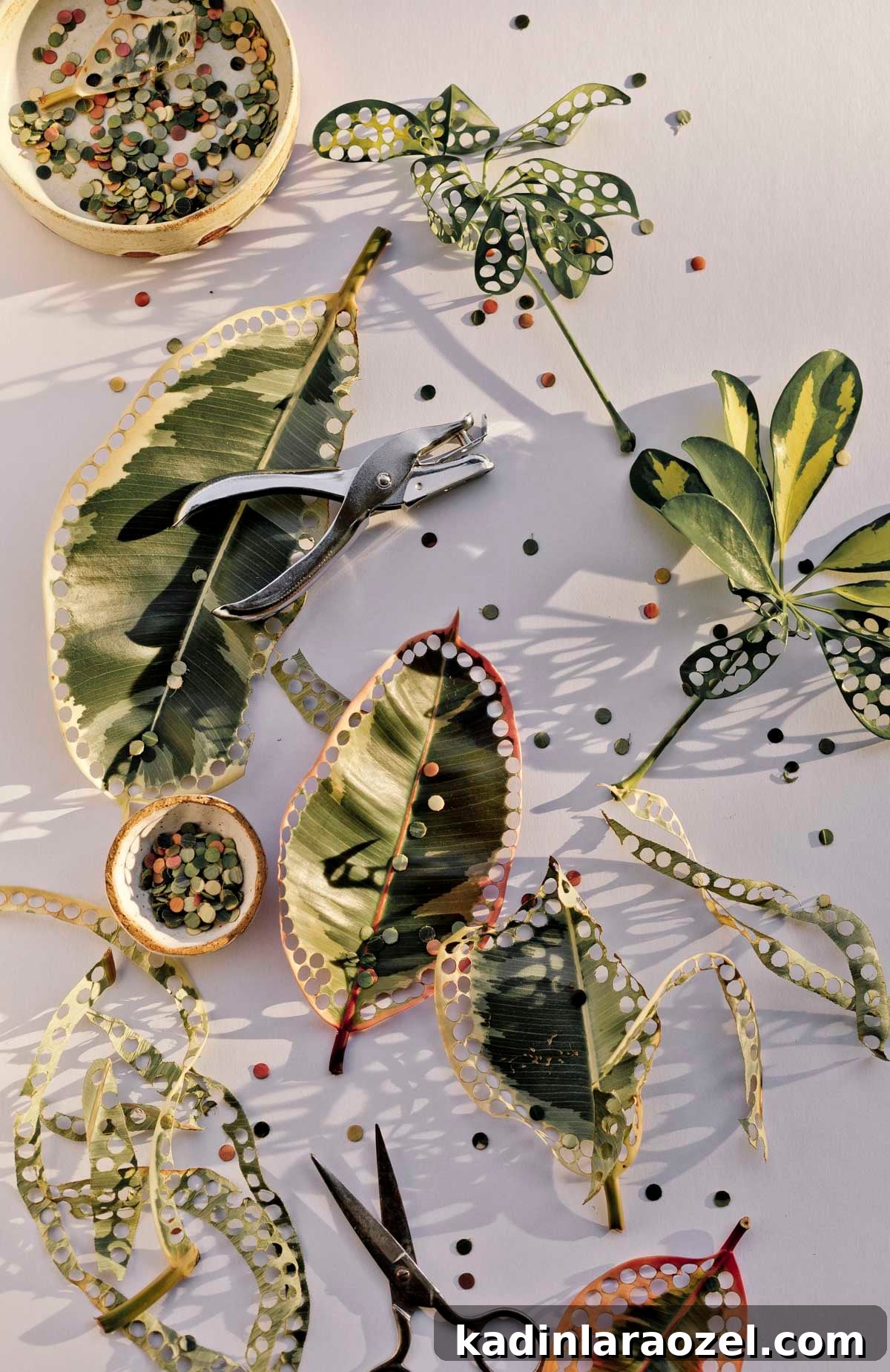
Biodegradable confetti is incredibly simple to make, and you probably already have everything you need at home. Want to learn how to make natural confetti in one minute or less? Read on.
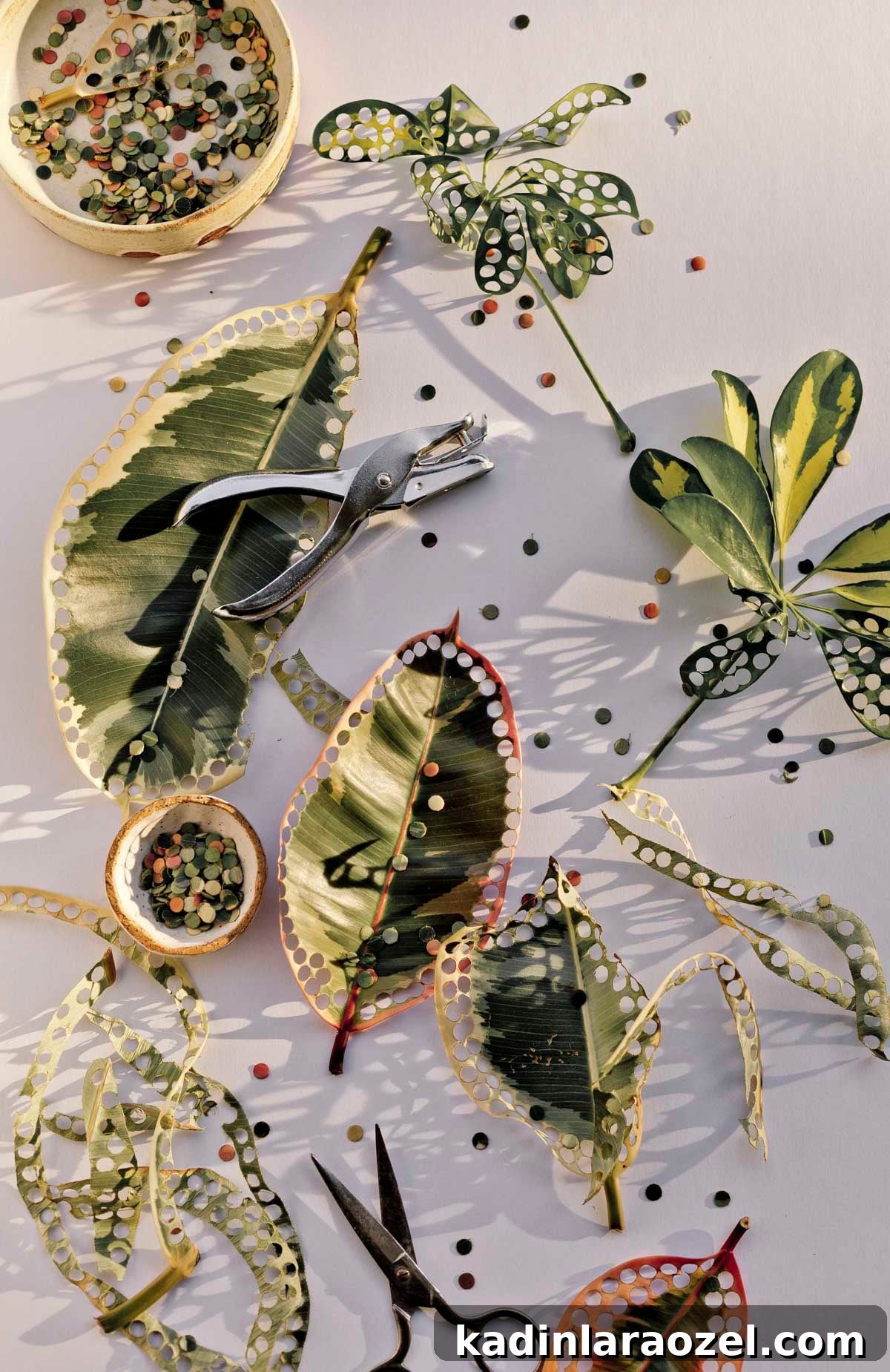
Biodegradable confetti is growing in popularity for parties and outdoor gatherings because it’s an eco-friendly choice that looks beautiful and doesn’t require cleanup. This type of confetti is made from leaves, so it breaks down naturally and leaves no trace—perfect for outdoor celebrations and events where you want to minimize waste.
Natural confetti is especially lovely for weddings, showers, birthdays, and other special moments. If you have an upcoming celebration, this quick and easy tutorial will show you how to turn leaves into charming natural confetti.
Why make eco-friendly confetti instead of buying it?
There are many good reasons to make your own biodegradable confetti:
- It’s better for the environment.
- Outdoors, you don’t need to worry about cleanup.
- It costs nothing if you already have a hole punch and suitable leaves.
- Leaf confetti is easy and quick to make.
- You reuse materials you already have instead of buying new items.
- The finished confetti is naturally beautiful and unique.
Making leaf confetti is a calm, repetitive DIY you can do while watching TV or chatting on the phone. It’s also a fun activity to involve kids—pair it with a nature walk to collect fallen leaves for an added outdoor adventure.
Occasions where natural confetti works well
- Weddings
- Birthday parties
- Valentine’s Day
- Graduations
- Baby showers
- Any celebration you want to mark in an eco-conscious way
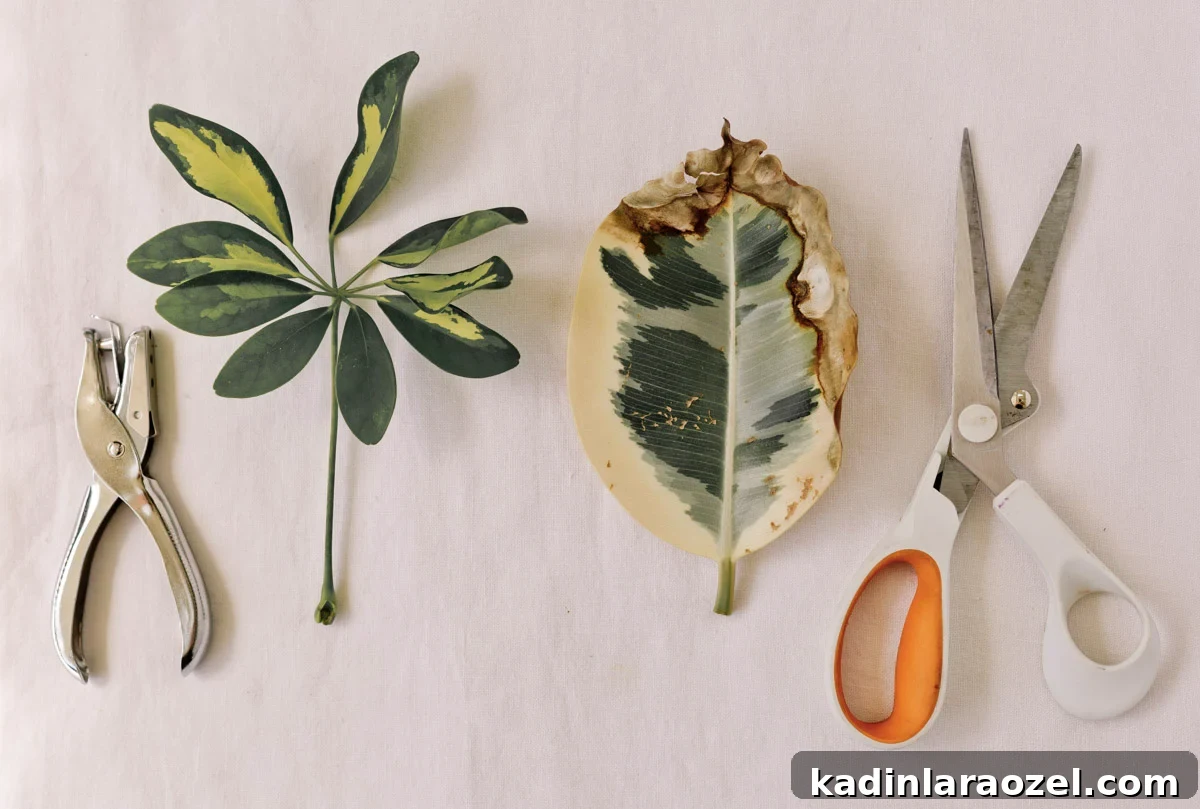
Supplies Needed for Biodegradable Confetti
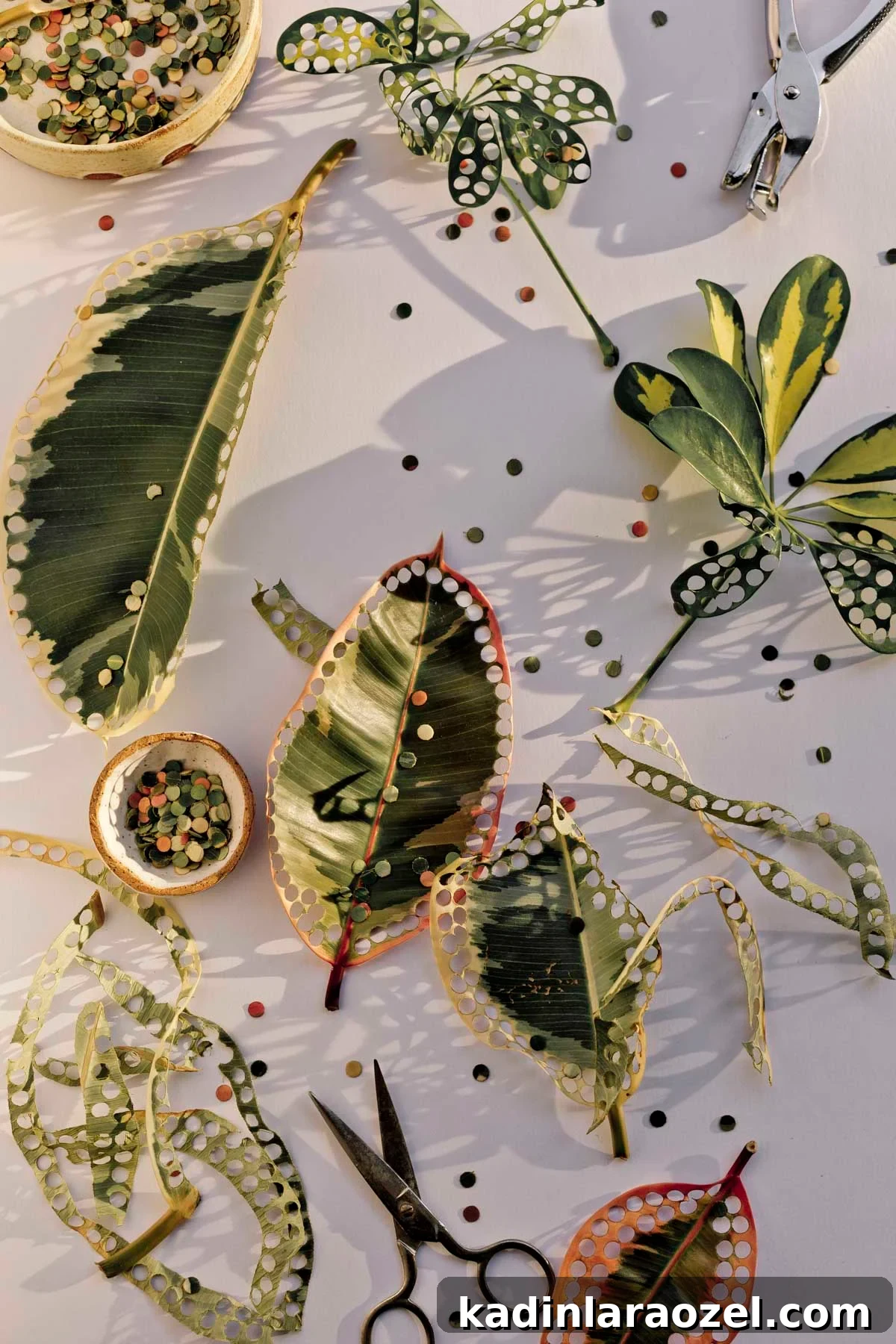
- Leaves in various colors and sizes — variegated rubber plant leaves work well.
- Hole punch — a standard single hole punch or a shaped punch (hearts, stars, etc.).
- Scissors
Which hole punch is best?
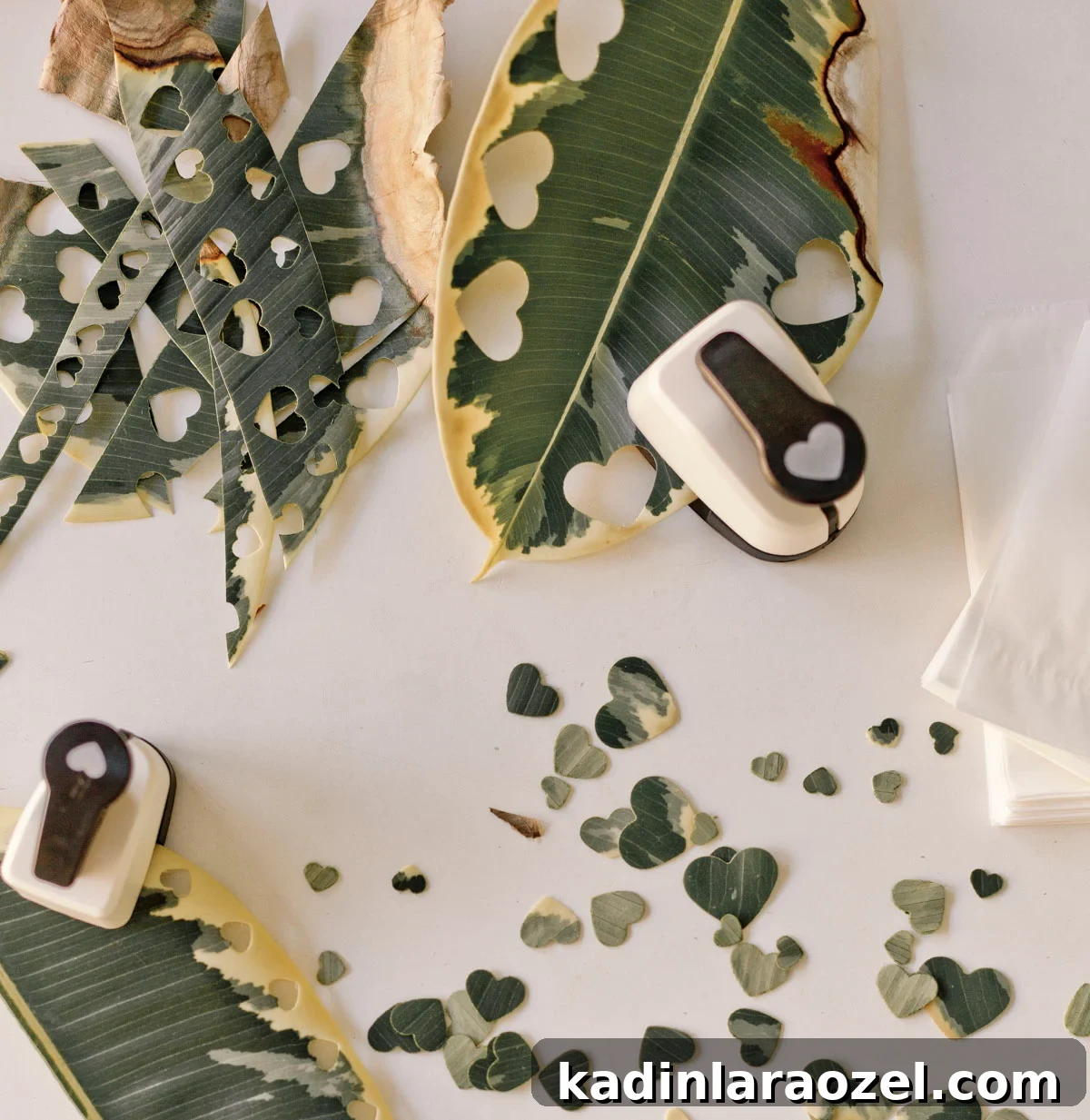
A basic single hole punch produces small round confetti similar to store-bought shapes. A decorative shape punch (heart, star, etc.) yields larger, more distinct pieces; just choose sizes smaller than the leaves you plan to use. Both types work great and can be used together for variety.
How to Make Biodegradable Confetti
1. Gather leaves
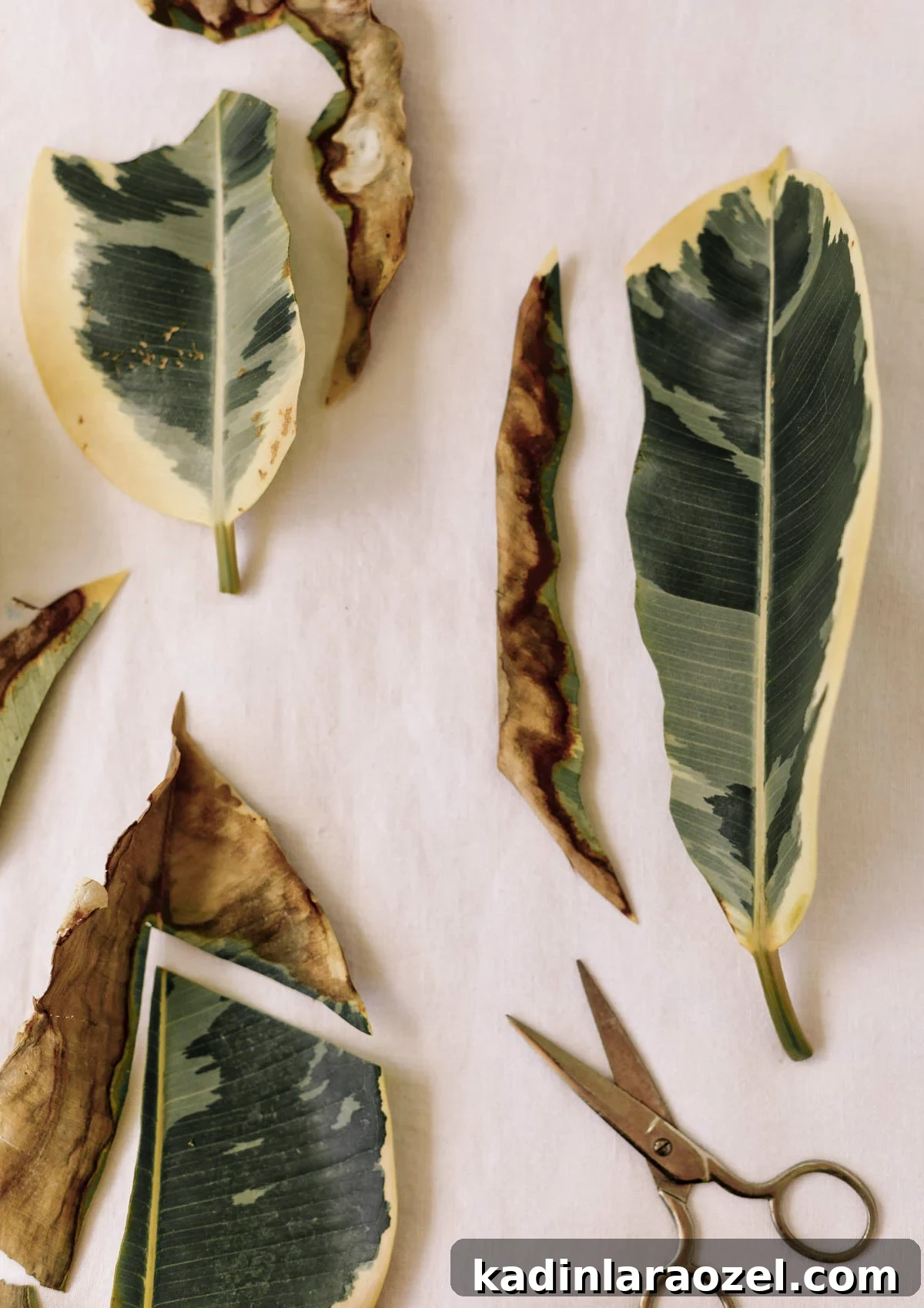
Collect leaves from indoor plants, outdoor shrubs, or fallen leaves from the ground. Fresh or partially dried leaves both work. I often use leaves that show minor damage or scorch—cut away the damaged edges and use the remaining healthy parts for confetti.
Fallen leaves can be browner and a bit more brittle, but they’re still fine to use and add an autumnal tone to your mix.
2. Clean the leaves
Wipe leaves gently with a damp cloth to remove dirt, dust, or tiny insects. Cleaning before punching ensures your confetti is fresh-looking and prevents having to clean tiny pieces later—an impractical and time-consuming task.
3. Punch the leaves
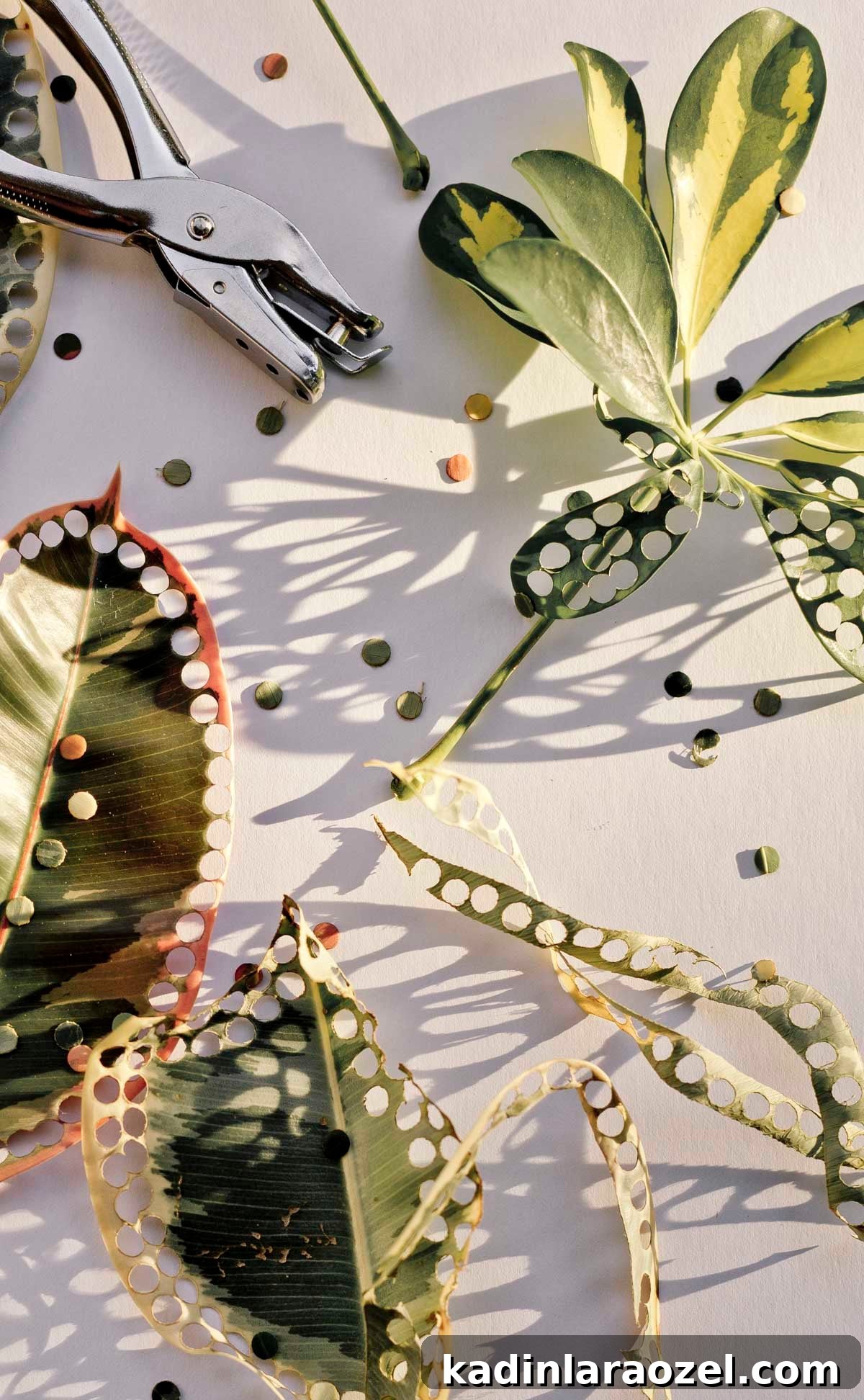
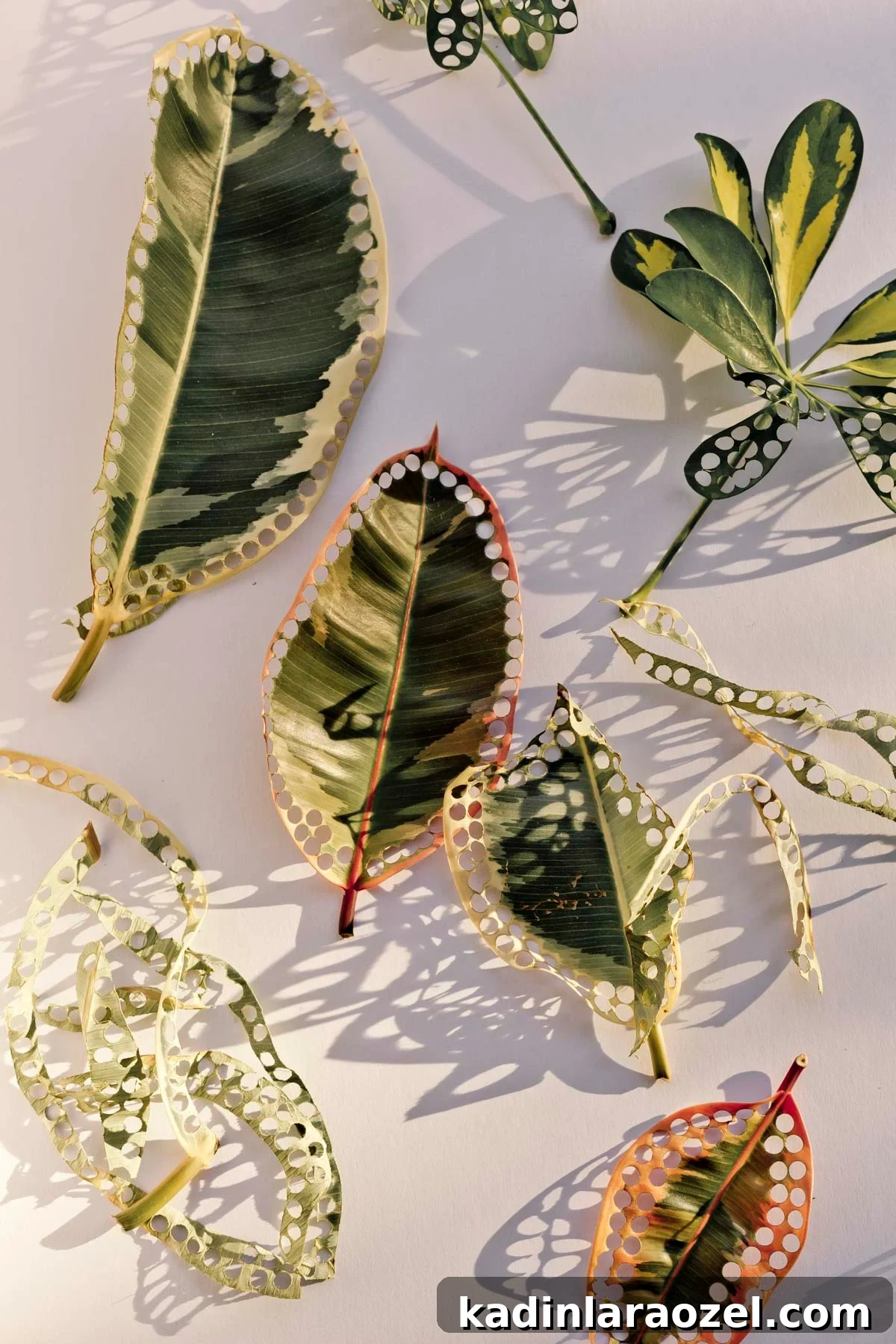
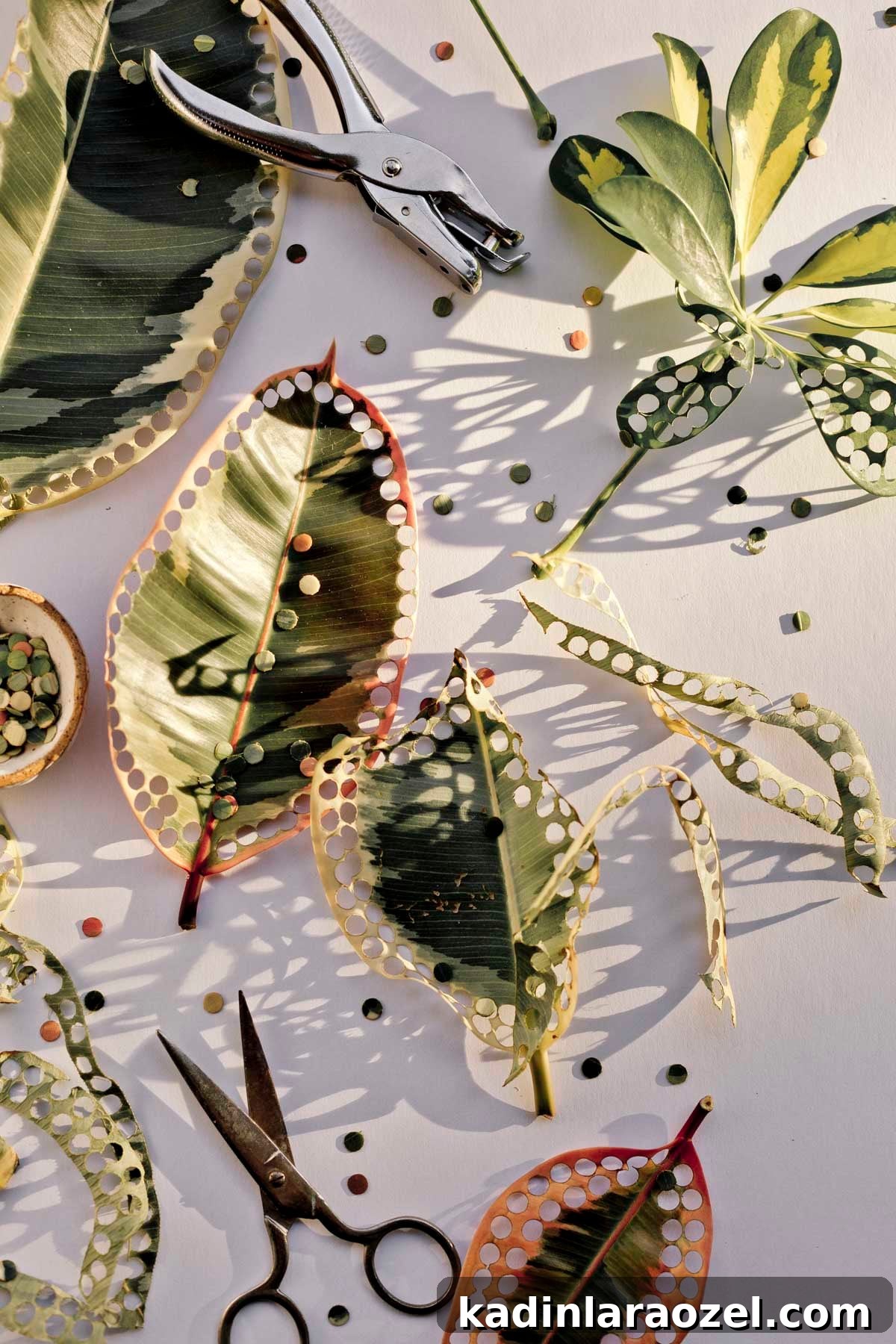
Use your hole punch to punch shapes along the leaf surface. Work around the leaf perimeter, punching as many shapes as the leaf allows. When you can’t reach further inside with the punch, trim the leaf with scissors and continue punching around the new edge.
Alternate punching and trimming until the leaf is used up. You can also cut remaining scraps into small bits to use as confetti, though they won’t match the punched shapes if you prefer uniform pieces.
4. Collect your confetti
Gather all the punched pieces from your workspace and store them in a dry container until your event. Your biodegradable confetti is ready to celebrate with.
How long does leaf confetti last?
Stored in a cool, dry place, leaf confetti usually lasts about 6–12 months. Over time it will dry out further and may change color or texture, but it generally remains usable for decorative use. If you’re preparing confetti for a wedding or event, you can start making it well in advance.
Best leaves for natural confetti
Choose fairly flat leaves with some substance so the punch cuts cleanly. Good options include:
- Rubber tree leaves
- Fiddle leaf fig
- Eucalyptus
- Elephant ear
- Bird of paradise
- Banana leaves
- Monstera
- Other common houseplants with broad leaves
Can flower petals be used instead of leaves?
Yes—real flower petals make lovely biodegradable confetti. Fresh petals can be used as-is for a soft, delicate effect, or you can dry petals first for a more preserved look. Drying petals is simple and can be done ahead of time if you prefer a less fragile option.
Store-Bought Biodegradable Confetti (if you prefer to buy)
If making confetti isn’t for you, retailers sell biodegradable petal confetti and paper-style eco confetti in a variety of colors and shapes. These purchased options are convenient and still environmentally friendly—just choose items labeled biodegradable or compostable.
How to Make Biodegradable Confetti
Brittni
Equipment
- Hole punch See post for recommended types.
- Scissors
Ingredients
- Leaves in various colors and sizes (variegated rubber plant leaves recommended)
Instructions
Pick and gather the leaves.
- Pluck leaves from plants or collect fallen leaves. Fresh or slightly dried leaves work well.
- Use leaves with minor damage by trimming away the damaged parts before punching.
- Fallen leaves are fine too, though they may be brown or more brittle.
Clean the leaves.
- Wipe leaves with a damp cloth to remove dirt and reveal color variations.
- Cleaning before cutting is easier than trying to clean tiny pieces later.
Punch the leaves.
- Use a hole punch to punch shapes across the leaf surface, working around the perimeter.
- Trim the leaf with scissors when you can no longer reach the center with the punch, then continue.
- Repeat until the leaf is used up; cut leftover scraps into small pieces if desired.
Collect your newly made confetti.
- Gather the punched pieces and store them in a dry container until your event.
If you’re planning an event, consider making biodegradable confetti instead of buying plastic-filled options. It’s a fast, cost-effective, and earth-friendly way to celebrate without the guilt of litter or long-lasting waste.