DIY Hanging Clay Planters: Step-by-Step Guide to Make Your Own
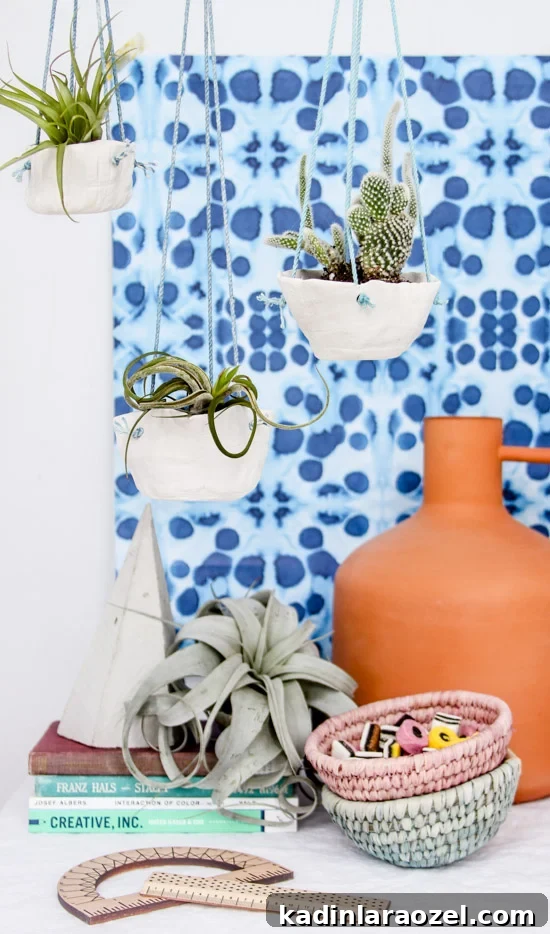
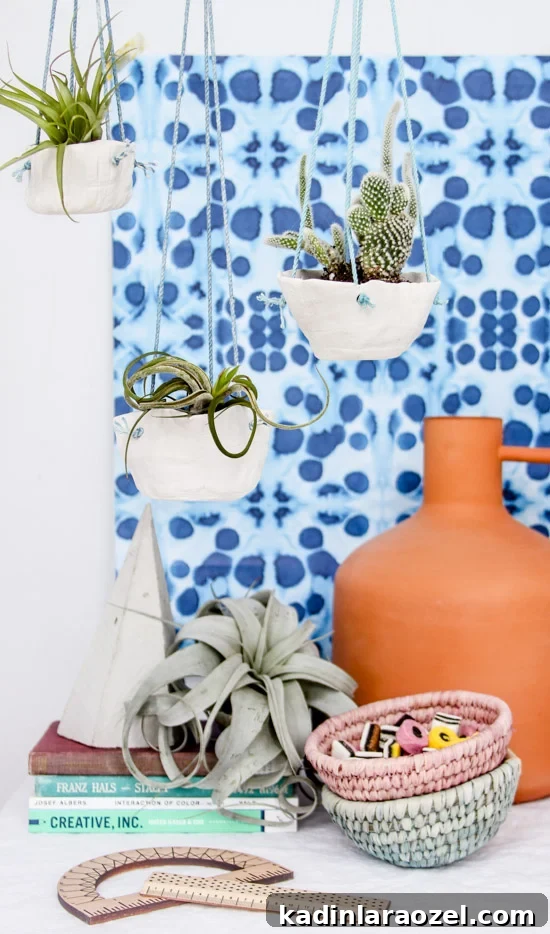
I’ve made DIY hanging planters before and was pleased with the result, but the materials I used previously weren’t ideal for everyone. This time I tried air-dry clay and a simple coil technique that’s easy and produces charming, rustic planters. Below is a clear step-by-step guide so you can make your own.
These planters are beginner-friendly. The coil method is similar to the clay techniques many of us used in school: roll, coil, stack, and smooth. Follow the directions below and you’ll have a unique hanging pot in no time.
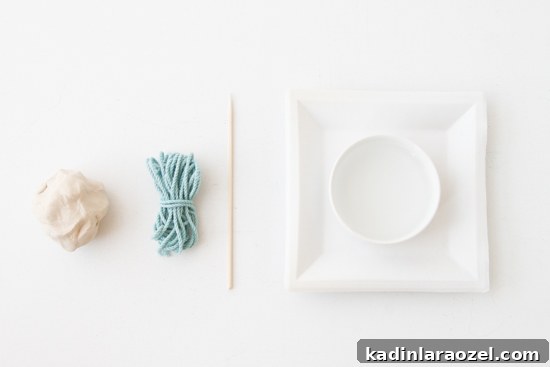
Materials
- Air-dry clay
- Toothpicks or a wooden skewer
- Strong string, thin rope, or cording
- Water (for smoothing)
- Knife or clay cutting tool (optional)
- Rolling pin (optional)
Instructions
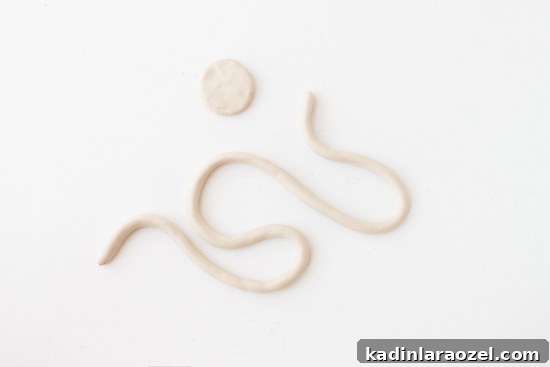
1. Prepare the base: Take a ball of air-dry clay and flatten it by pressing with your hands or rolling it out until it’s about 1/3 inch thick. Cut a circle about 2 inches in diameter from the slab for the planter’s bottom. A wooden skewer, knife, or clay tool will work to cut the shape.
2. Make the coil: Re-form the leftover clay into a ball and roll it with your hands into a long, even coil. Try to keep the thickness consistent so the planter walls maintain an even look and strength.
3. Build the walls: Place one end of the coil on the edge of the circular base and begin wrapping the coil around itself to build the planter’s walls. Continue layering until the pot reaches your desired height.
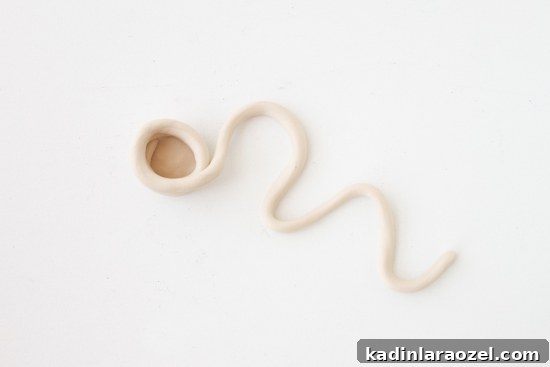
4. Bond and smooth: Pinch the coils together along the joins to create a secure bond. Dip your fingertips in a little water and smooth both the inside and outside surfaces to remove obvious seams and refine the shape.
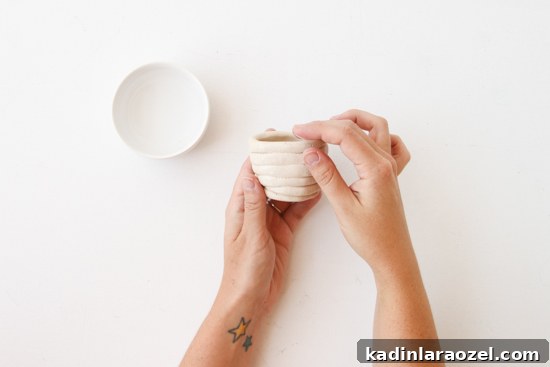
5. Shape and texture: You can leave the edges slightly wavy for an organic look or use a toothpick, skewer, or other tool to add texture or patterns on the exterior for visual interest.
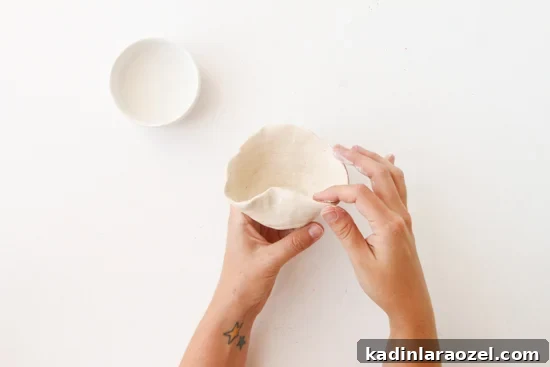
6. Add hanger holes and dry: Use a skewer to make four evenly spaced holes near the top of the planter for the hanging cords. Set the planter aside to air-dry. Drying typically takes about 24 hours, but you may need to flip the planter after the first day and let the bottom dry an additional 10–12 hours for complete dryness.
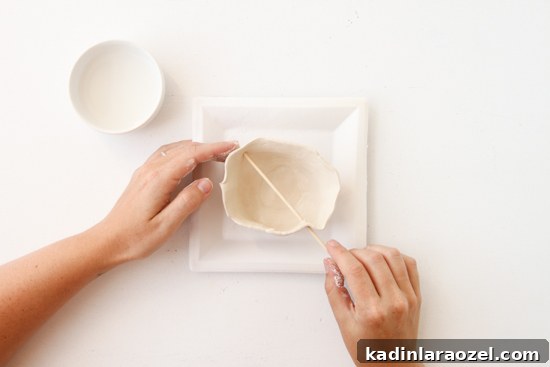
7. Finish and hang: When the clay is fully dry, thread thin rope or cord through the holes and tie securely. Adjust lengths as needed and hang your planter ready for a small potted plant or air plant.
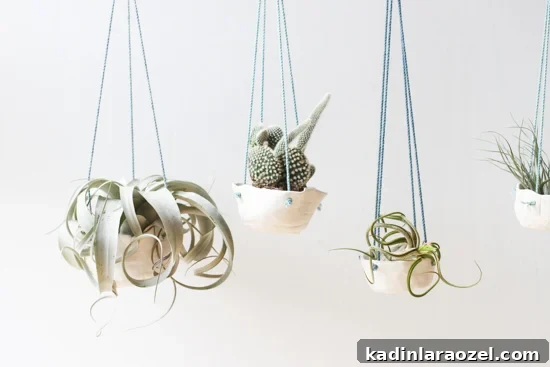
Notes on technique: This version of the coil method is simplified. Rather than attaching each coil individually as you build, we stack the coils, then pinch and smooth them together at the end. The condensed approach is quicker and still sturdy, producing a slightly more rustic texture than a fully refined coil construction.
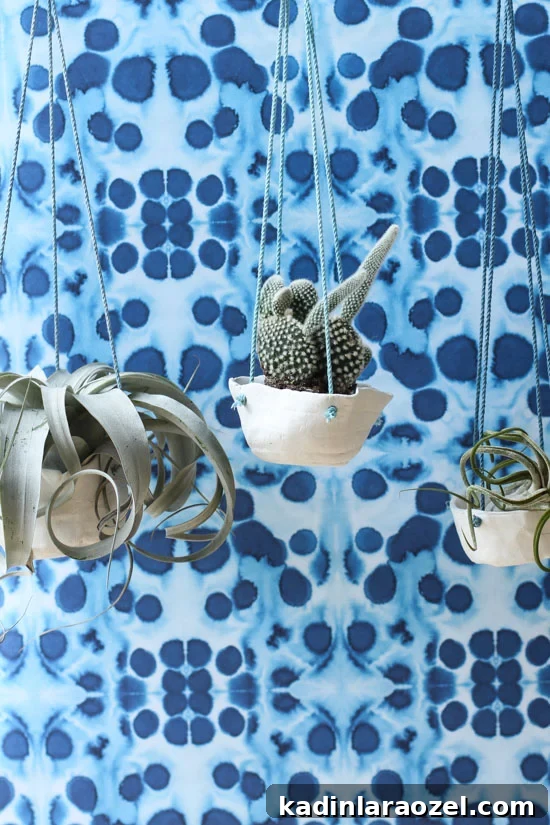
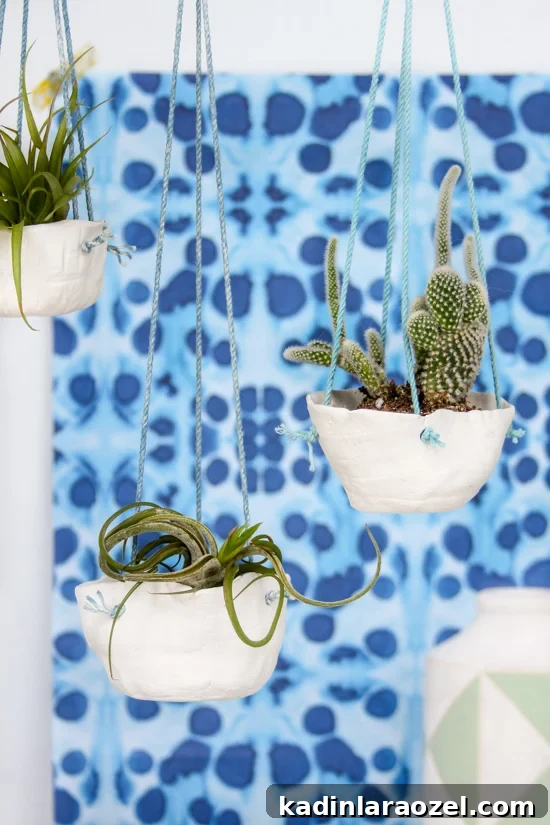
Assisted by Linda Jednaszewski
Photography and styling by Brittni Mehlhoff
Will you give this DIY a try? If you’ve worked with air-dry clay before, this is a great, low-mess project to refine your coil skills and create a set of hanging planters with personality.