DIY Leather Potholder: Step-by-Step Guide to Crafting Kitchen Accessories
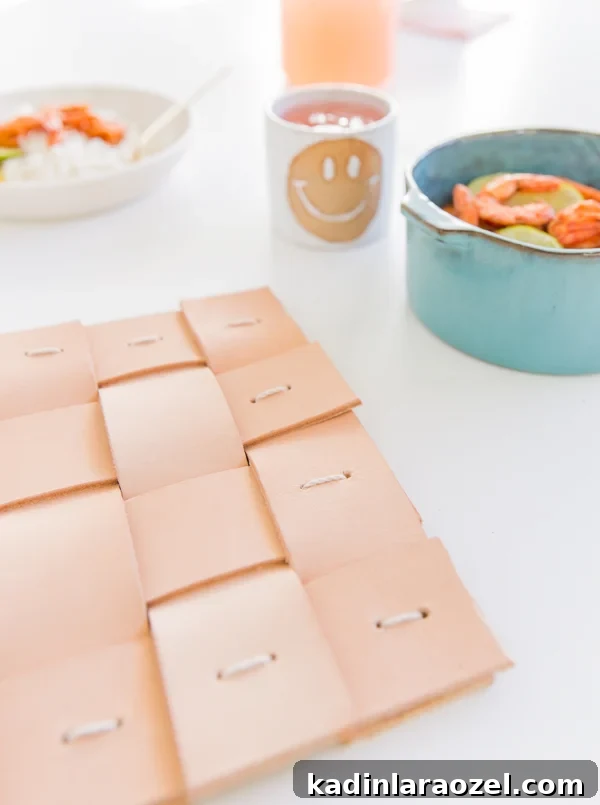
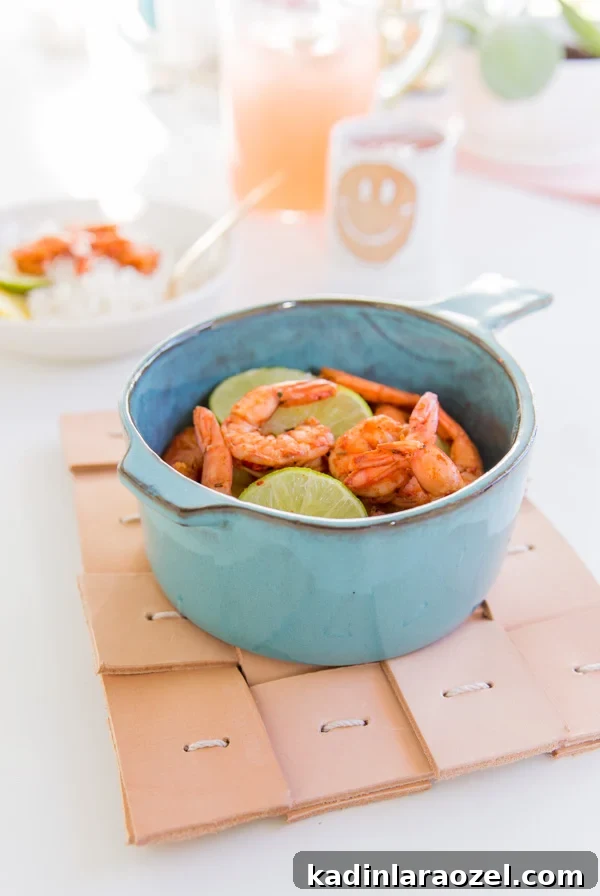
I had some leftover leather strips from a previous DIY leather frames project, so I turned them into a simple leather potholder—an attractive and durable heat pad to protect countertops, tables, and other surfaces from hot dishes.
I’m a fan of useful kitchen accessories, and this compact leather project felt like the perfect way to repurpose scraps into something practical and stylish.

Here’s how to make one yourself.
Materials
- Leather strips (mine are 1½ inches wide)
- Sharp blade or box cutter
- Leather hole punch
- Thick thread or strong cord
- Needle with an eye wide enough for the thread
- Mini clamps
Step-by-step Instructions
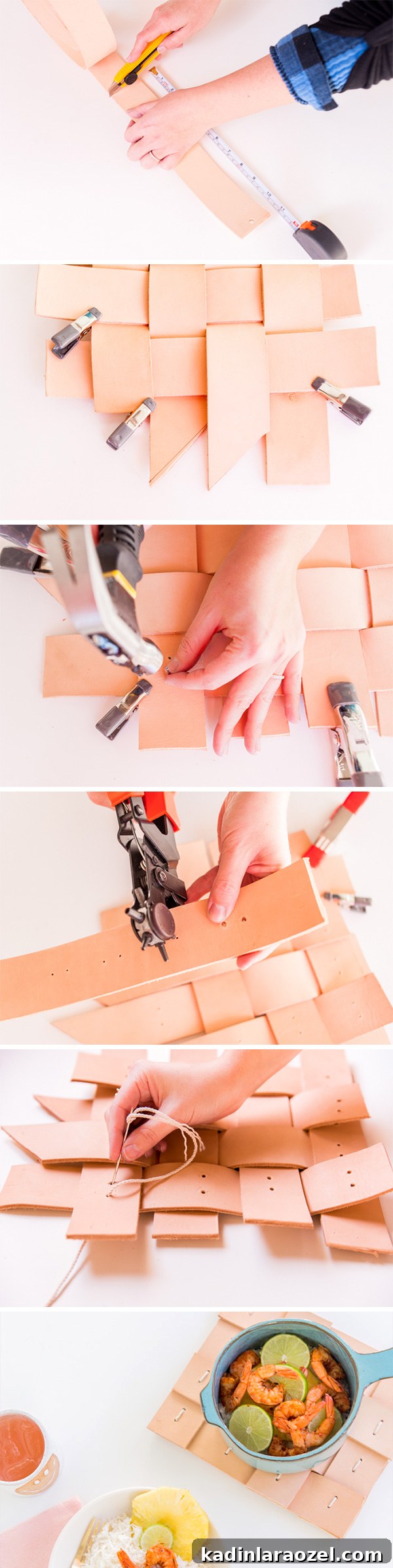
1. Measure and cut eight leather strips of equal length. For my potholder I cut each strip to 11 inches, but you can adjust the length to make a larger or smaller pad.
2. Lay four strips horizontally and four strips vertically, then weave them together by alternating over and under to form a tight square or rectangle. Leave some extra length on every side—you’ll trim the excess later.
3. Use mini clamps to hold the woven pieces firmly in place after you’ve tightened them by hand. This keeps the weave from shifting while you add the finishing touches.
4. With a hammer and a small nail, punch two small guide holes about 1/2 inch apart through both layers at each outer square along the perimeter. These pilot holes mark where your larger stitches will go and ensure consistent spacing. Be sure the nail goes through all layers where you plan to stitch.
5. Before taking the weave apart, number the strips lightly on the underside so you can reassemble them easily in the same order.
6. Disassemble the woven pad and use a leather hole punch to enlarge the guide holes you made with the nail. Punch through both layers where each stitch will pass.
7. Reweave the strips in their original order. Using a needle and sturdy thread or cord, stitch through the punched holes around the entire perimeter to bind the edges and secure the weave. Tie off the thread underneath with a double or triple knot and trim any excess.
8. Use a straightedge and a sharp blade to trim the excess leather from the edges for a clean, even finish. Optionally, attach a small loop of cord or leather to one corner so the potholder can be hung for storage.
This simple method creates a durable, heat-resistant pad that’s attractive and practical for everyday kitchen use.

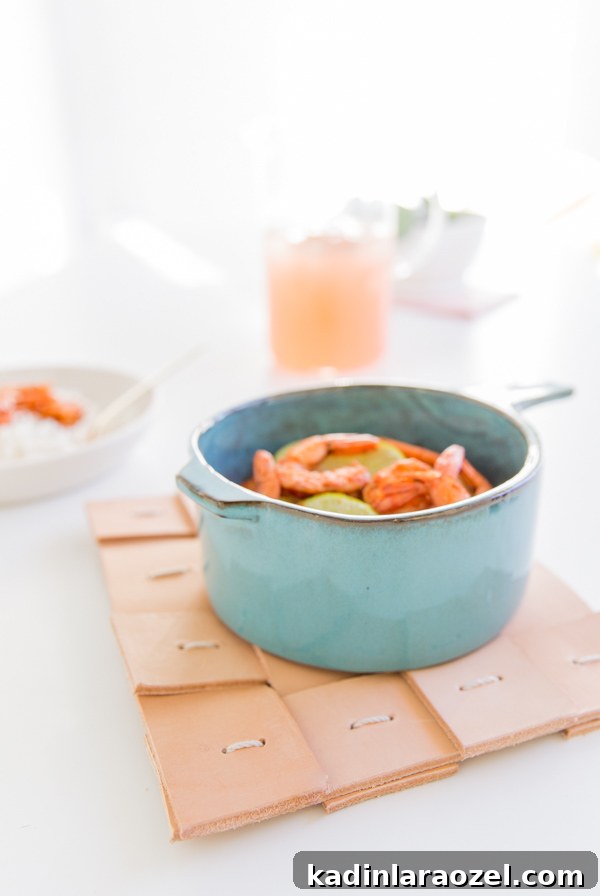
Photography by Amelia Tatnall and Brittni Mehlhoff
Will you try this project? What are your thoughts on leather kitchen accessories—do they work with your style and routine?