DIY Standing Desk Hack: Convert IKEA IVAR into a Sit-Stand Workstation
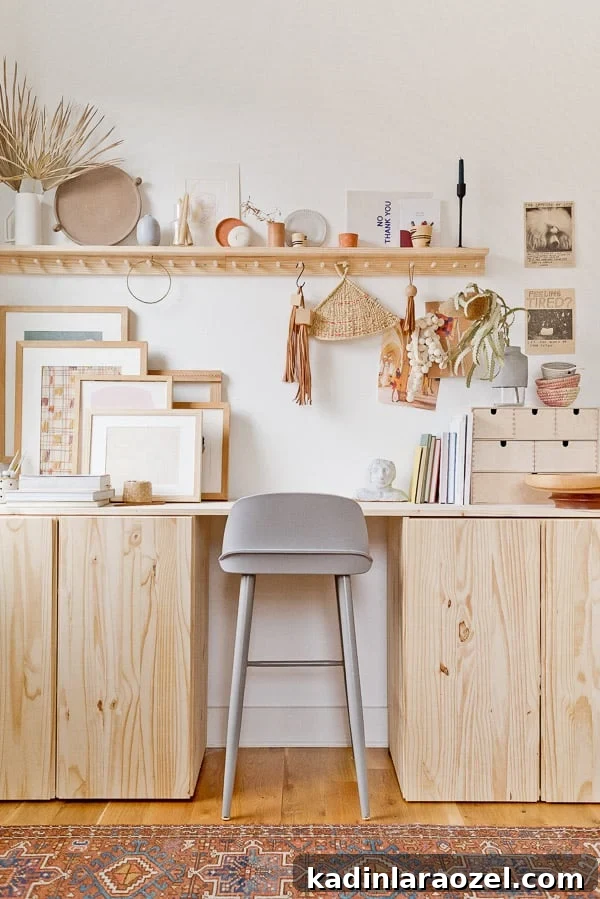
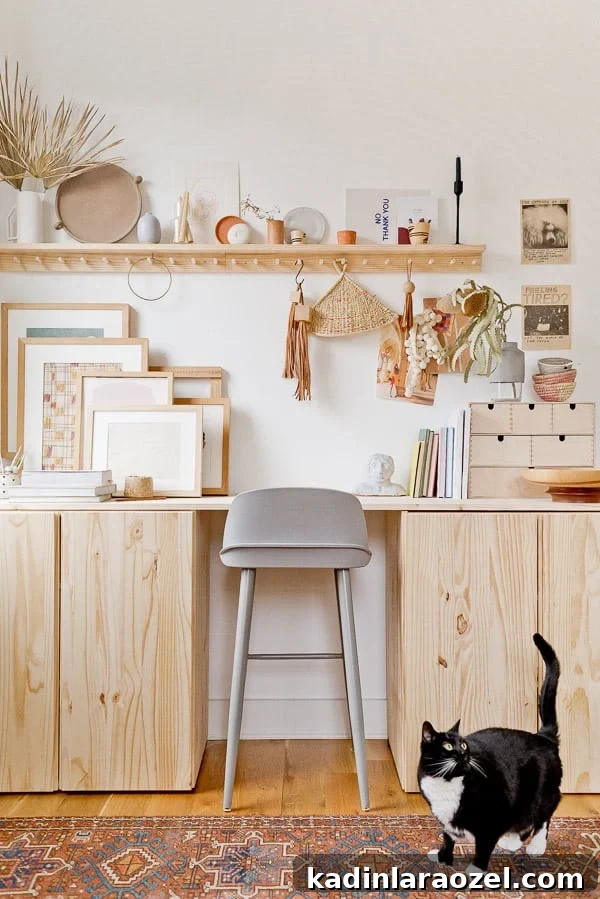
Ikea hacks are some of the best quick transformations you can do at home. Here’s a DIY standing desk (an IVAR Ikea hack) that completely transformed my home workspace.
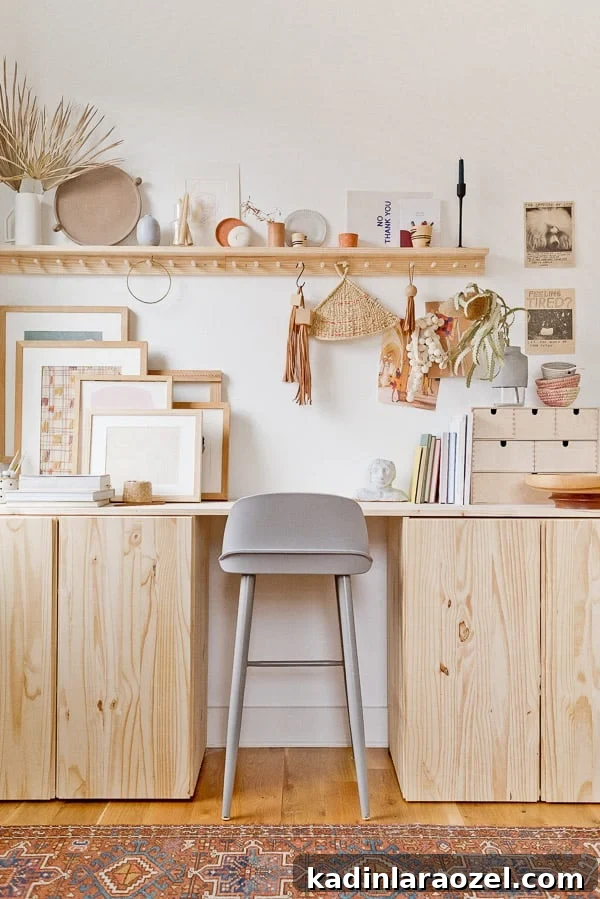
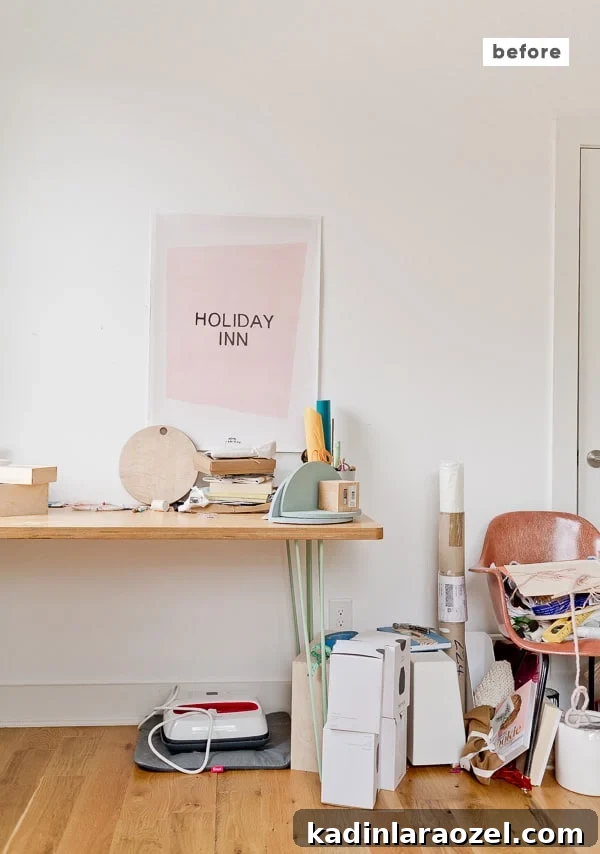
After building a previous DIY desk, I kept thinking about another version that would solve a problem I had: neither of the desks in my workspace had storage. I needed a solution that would organize and consolidate clutter while also looking better than what I had. That led to this IVAR Ikea hack standing desk.
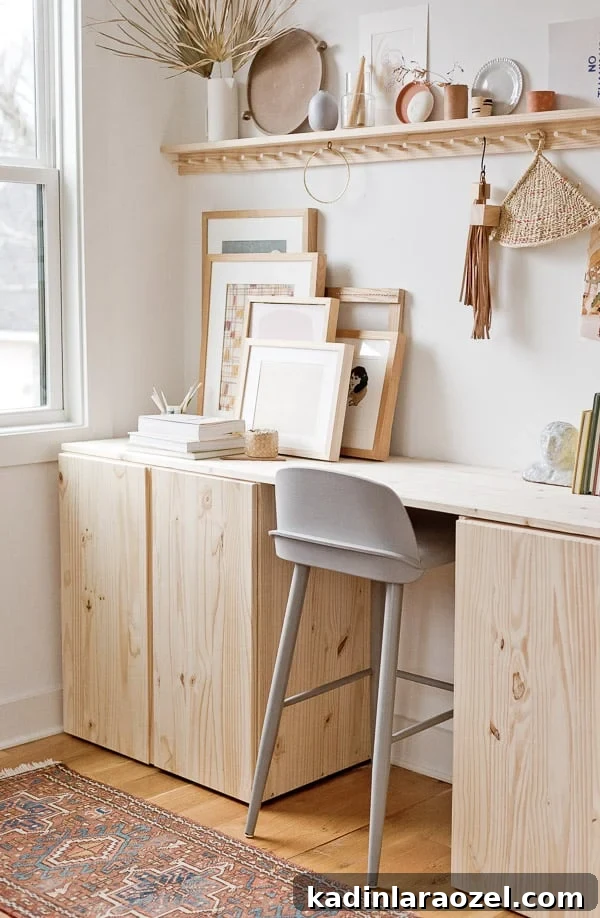
This design is highly functional, offers a lot of storage, and doesn’t take up excessive floor space. It also sits at a height that works well between a full standing desk and a traditional sitting desk, so you can use it either way. Tuck a counter stool underneath when you want to stand, and pull it out when you need to sit.
Why this DIY standing desk works so well
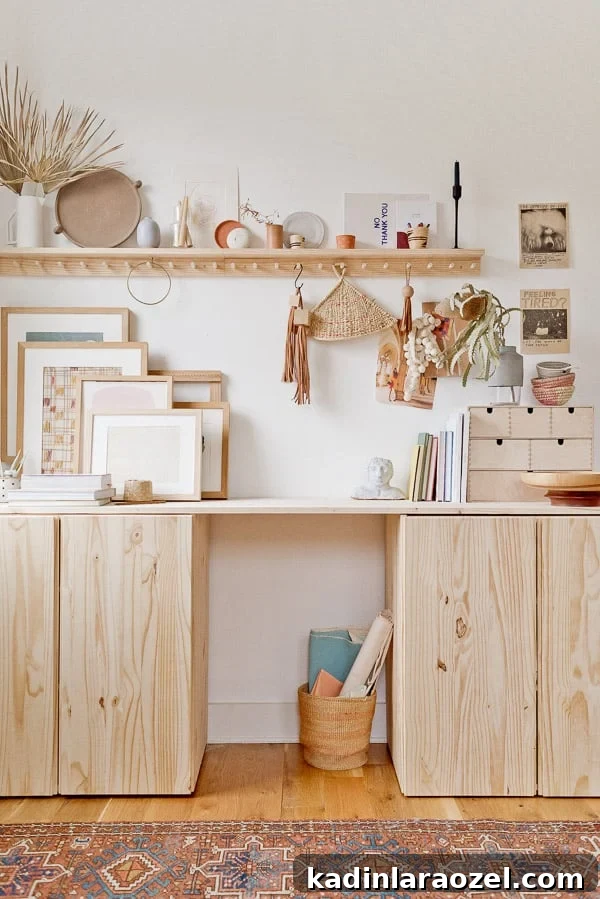
Adding cabinets beneath a tabletop changes everything when it comes to workspace organization. Unlike my previous DIY desk, these cabinets have doors, so you can quickly hide clutter without constant styling. The IVAR cabinets provide far more storage than I expected, which is a major advantage if you want a tidy, functional workspace.
Fits almost any space or style
The best part of this IVAR Ikea hack is how customizable it is. You can leave the pine as-is for a warm, raw wood look, or stain or paint the cabinets and/or the desktop to match your aesthetic. You might paint the cabinets and keep the top raw, or vice versa—there are many options.
Customizable features
- Length: Move the cabinets closer together or farther apart to change the desk length.
- Depth: IVAR cabinets come in two depths (12″ and 20″), so pick the one that fits your space and storage needs.
- Height: If you want a taller desk, add short legs to the cabinets before installing the tabletop. I prefer the finished height of about 34 inches, but you can adjust to a standard desk height if desired.
- Storage: Add more IVAR units to expand storage and lengthen the tabletop.
Materials needed
- 2 IVAR Ikea cabinets (20 inches deep recommended; 12 inches is an option for tight spaces)
- Pine board or similar solid wood for the desktop
- Drill with screw bits
- Screws (or nails) to attach the tabletop to the cabinets
- Furniture wall straps or other anchors if you plan to secure the desk to the wall
The 20-inch depth gives more storage and stability; the 12-inch depth works in narrow spaces but offers less usable surface area. If you want a longer desk, add more cabinets and lengthen the tabletop accordingly.
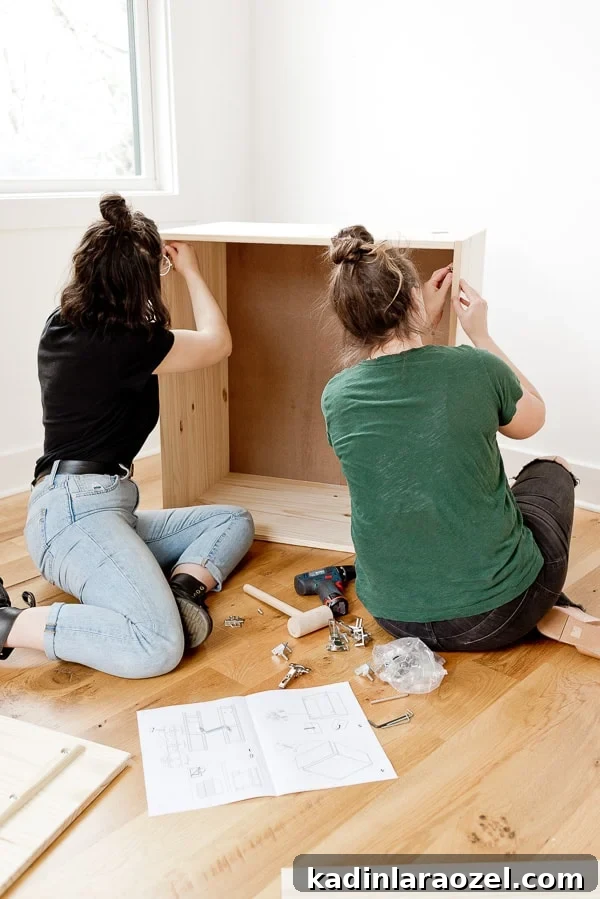
How to make the DIY standing desk (IVAR Ikea hack)
Assemble the cabinets
The main step is assembling the IVAR cabinets. These units are straightforward to build by following Ikea’s instructions, but a second pair of hands speeds things up considerably. If you like the finished height shown here, assemble the cabinets exactly as the instructions indicate.
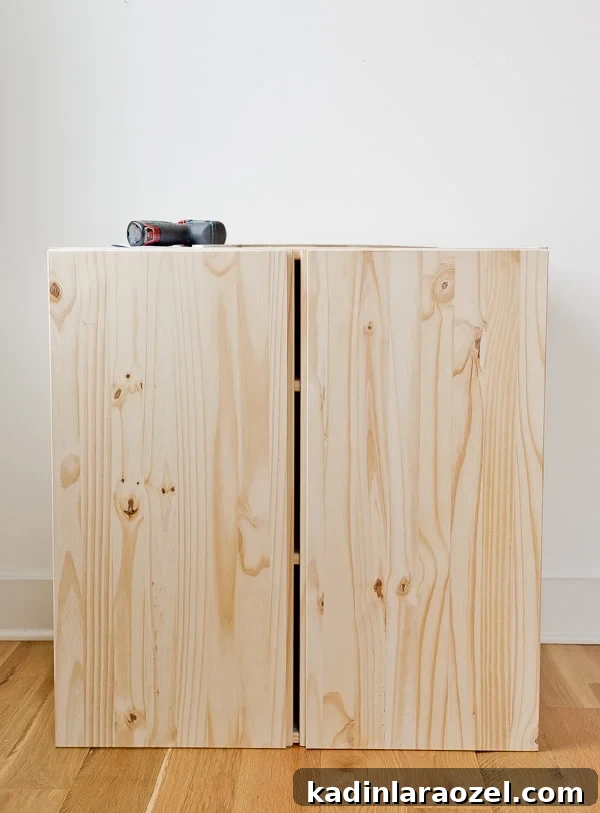
Fixing a gap between doors
One issue you may encounter is a visible gap between cabinet doors after assembly. Before adding decorative trim or handles, try these simple fixes: loosen the hinge screws slightly and test the alignment. If that doesn’t work, place small pieces of cardboard under the hinge plates to nudge the doors together. This quick trick is barely noticeable when the doors are open and invisible when closed.
Adjusting for a standard desk height
If you prefer a typical desk height (about 29–30 inches) instead of the taller standing height, you can cut down parts of the IVAR cabinets before assembly. The pieces to modify are the doors, the side panels, and the back. The cabinet back is masonite, while the rest is solid wood, so cuts are manageable. Trim a few inches from the doors and sides, assemble the cabinet, then reattach the hinges using newly drilled holes. If you’re comfortable with power tools, this is a quick job.
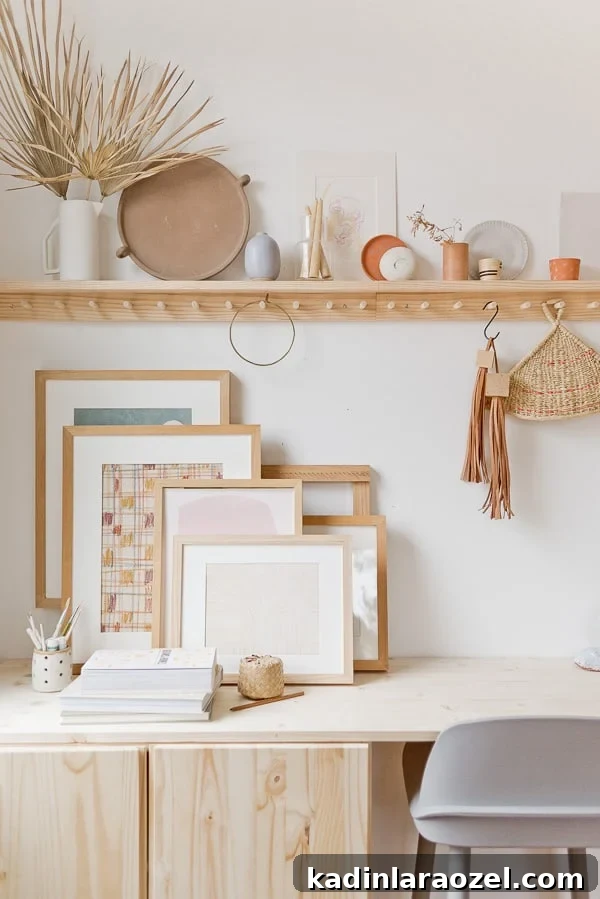
Measure and cut the desktop
Place the assembled cabinets where the desk will sit and space them to allow a standing gap or room for a stool. I spaced mine 24 inches apart. Measure from the outside edge of one cabinet to the outside edge of the other to determine the tabletop length, and measure from the wall to the front edge of the cabinets for the width.
I kept the tabletop the same width as the cabinet base with no overhang. My final tabletop dimensions were 20 inches wide by 87.5 inches long. Have the wood cut to size at a home improvement store for convenience, or cut at home and sand the edges to remove splinters.
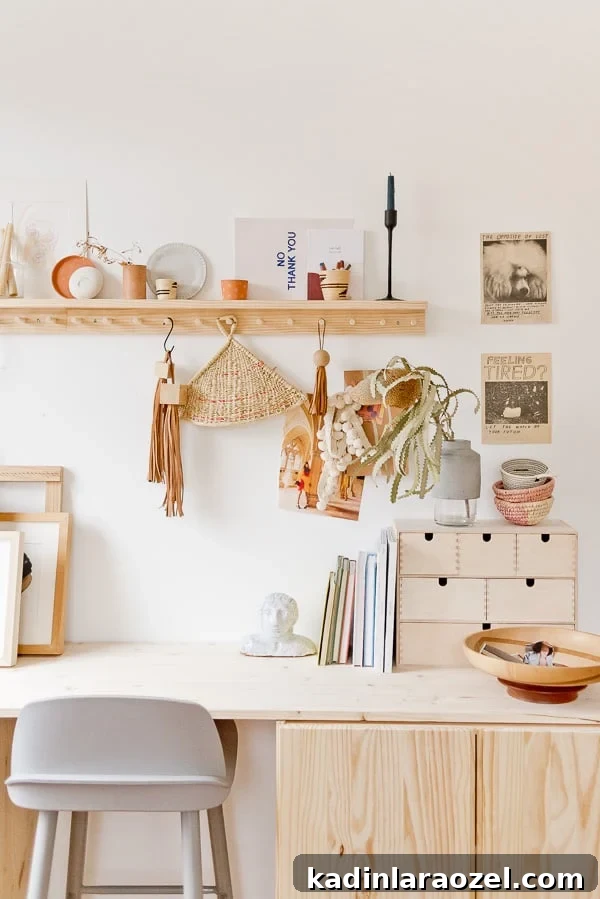
Secure the desktop to the cabinets
Set the tabletop on top of the cabinets and push it back against the wall. From inside the cabinets, add a single screw in each corner of the top to secure the tabletop and prevent shifting. Nails can also work for this purpose.
Anchor the desk to the wall
For safety—especially if you have children—anchor the assembled desk to the wall using furniture straps or similar hardware. The 20-inch deep cabinets create a stable and heavy base, but wall anchoring is still recommended as a precaution. If you choose the 12-inch deep cabinets, anchoring becomes even more important due to the reduced depth and stability.
Summary: Why this Ikea hack is worth it
This IVAR-based standing desk is affordable, adaptable, and functional. It offers hidden storage behind doors, a customizable tabletop, and the option to use it as a standing or sitting workspace. With a few basic tools, a pine board, and two IVAR cabinets, you can create a polished, practical desk that fits your space and style.
Thoughts? Do you prefer a standing desk or a traditional sitting desk? I now have both, so I don’t have to choose.
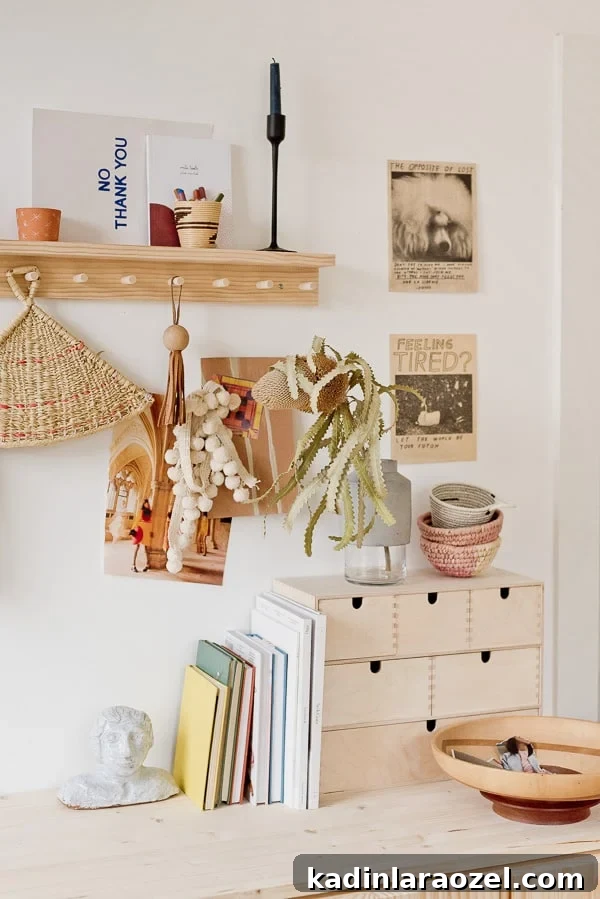
Update: A peg rail shelf shown above is sourced from a small maker; I used two 12-peg lengths joined together to create a long peg shelf for extra display and storage above the desk.