Essential Flower List for Stunning Floral Arrangements Every Time
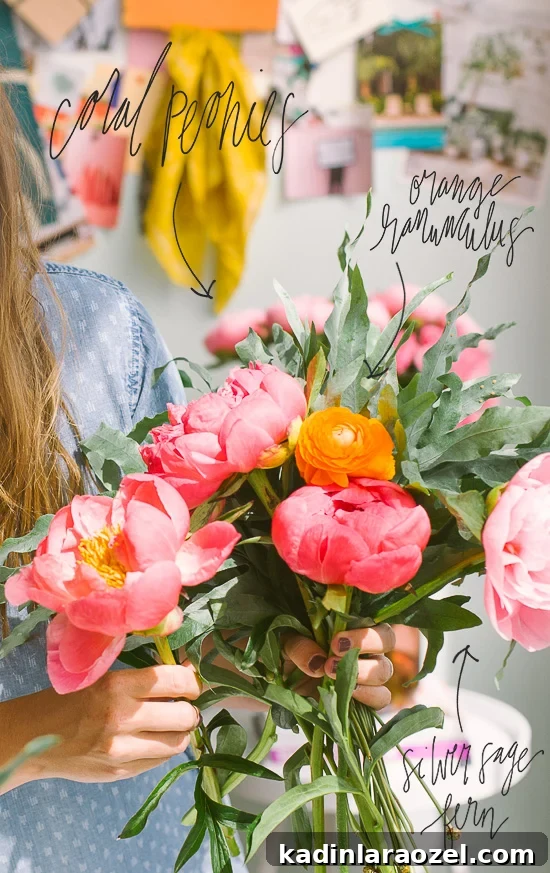
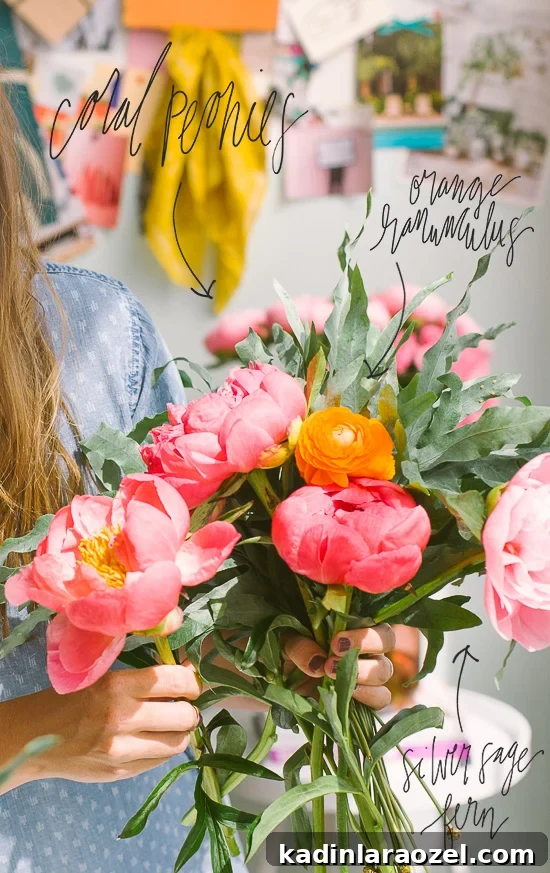
Over the years of doing flower DIYs, I’ve narrowed down a small list of blooms and foliage I reach for again and again. It’s not that I don’t love trying new varieties — I do — but there are a handful of reliable choices that make building a beautiful bouquet or centerpiece faster and more intuitive. Below is my go-to flower list with notes on why I use each one and how to combine them for consistent, gorgeous arrangements.
This collection is practical and flexible: it works for tight posies, romantic bridal bouquets, low table arrangements, and bold modern centerpieces. I’ve included photos because, well, flowers are more fun to see than to only read about.
 Peonies
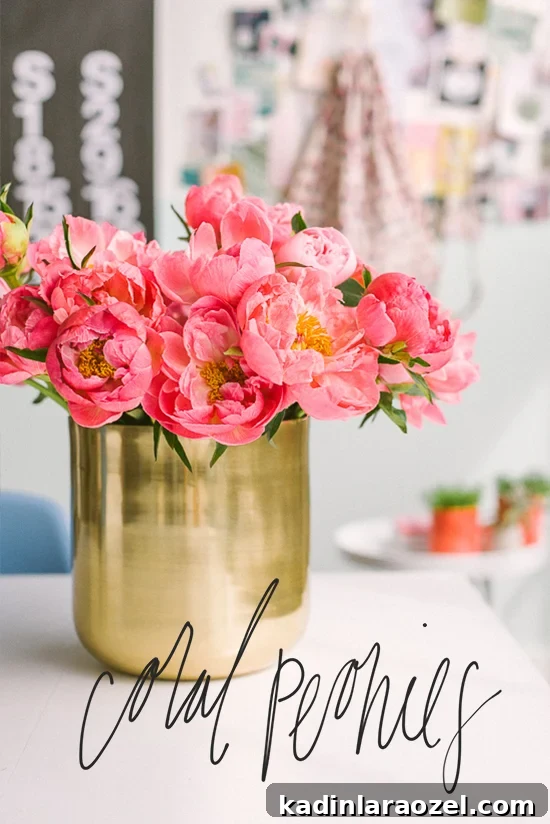 Peonies
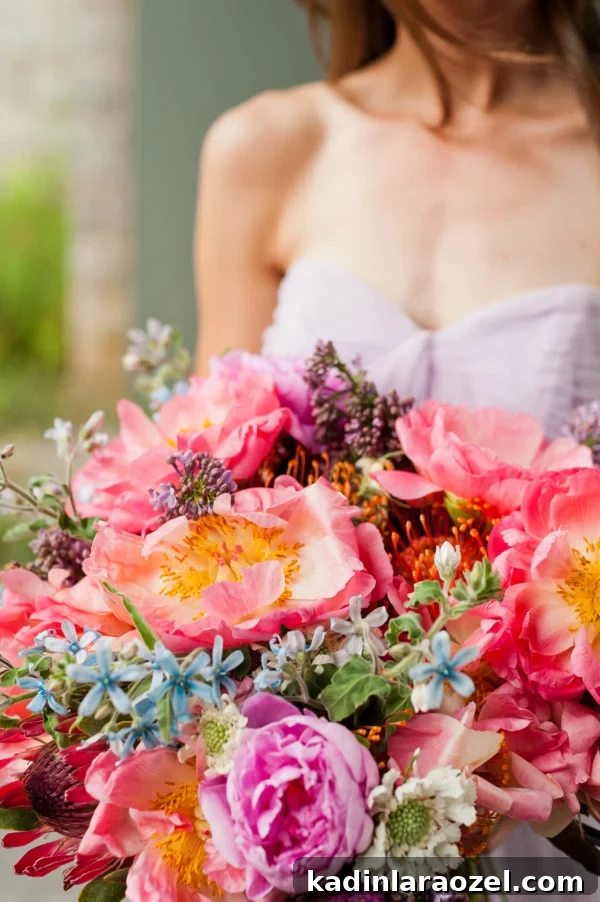
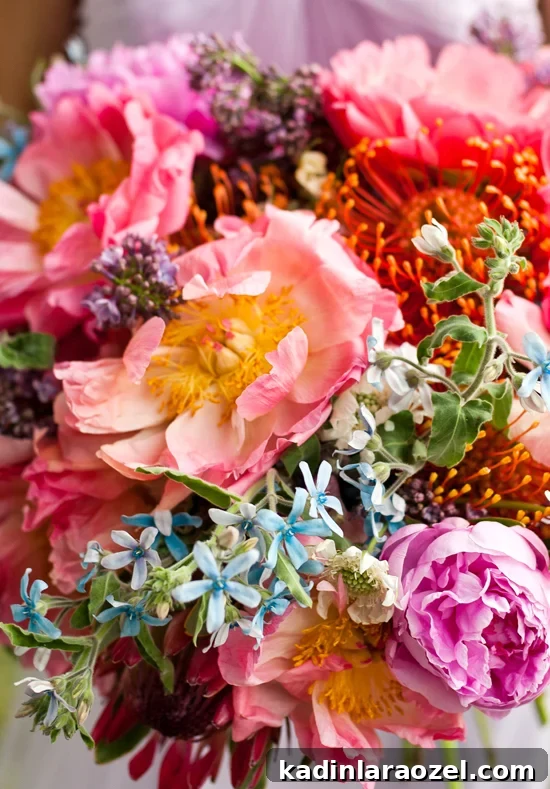
Peonies are a staple for a reason: they offer lush volume, soft texture, and a romantic silhouette. Coral and salmon-pink varieties are my favorites — they bring warmth and freshness to any palette. When in season you can often find white, pale pink, and deep burgundy peonies at grocery florists or markets, but the more unusual coral/salmon shades can be harder to source. If you’re struggling to find specific colors, reputable online vendors and wholesalers will usually have better availability.
I order from Flower Muse when I want a specific shade or high-quality stems shipped quickly. They consistently arrive in good shape and are a reliable source when local options are limited.
Blue Tweedia
Blue tweedia is one of my favorite accent flowers because its soft, powder-blue tone complements warm pinks, corals, and creams beautifully. It’s not widely used, so it often becomes a conversation piece when included in bouquets. Use sparingly as a pop of unexpected color to add depth to a composition.
Protea and King Protea
King protea is dramatic and sculptural; a single head can anchor an arrangement and create instant impact. It sits between tropical and modern-romantic in style and pairs well with airy fillers and large foliage. Regular protea (smaller pink protea) offers the same interesting texture on a smaller scale and can provide an unexpected focal without the full scale of a king protea.
Pincushion protea is another option for arrangements that lean tropical or whimsical; its spiky form adds contrast and tactile interest.
Ranunculus
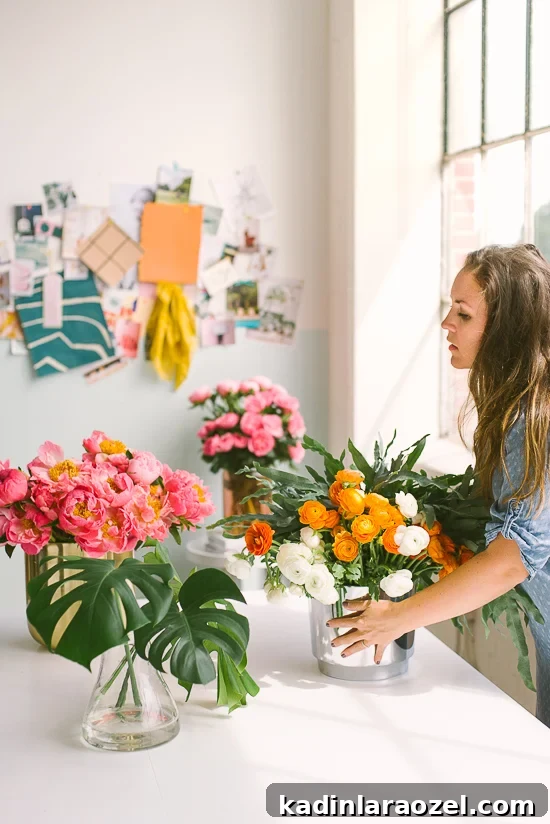
Ranunculus are reliable performers in both small posies and larger centerpieces. They have a delicate, layered look that can be the star in a compact bouquet or serve as an elegant filler in more expansive designs. Their variety of colors makes them versatile for many palettes.
Garden Roses
If you’re not a fan of standard hybrid roses, give garden roses a try. They have a softer, more ruffled form and a romantic, vintage feel. Garden roses come in a wide range of shapes and hues, so they’re a great choice when you want the classic rose look with a more textured, relaxed character.
Scabiosa
Scabiosa is my go-to filler for adding delicate texture and a slightly wild, organic feel to arrangements. Its small pincushion heads pair with almost any bloom and help knit together different flower types visually. Use it to add contrast without overpowering focal flowers.
Double Bloom and Parrot Tulips
Tulips are a dependable, budget-friendly option that bring movement and elegance. I especially like double-bloom tulips — they look almost like peonies at a fraction of the cost — and parrot tulips for their ruffled, painterly petals. Both types are excellent for achieving a soft, flowing look in season.
Lilac
Lilac brings fragrance and delicate texture. The tiny clustered blooms create volume and a soft, romantic cloud around focal flowers. When available, lilac is an easy way to add seasonal scent and a light, airy texture that harmonizes with roses, peonies, and ranunculus.
Monstera Leaves and Philodendron
Large tropical leaves like monstera and philodendron aren’t used in every arrangement, but when I want a clean, modern, minimal, or tropical look they’re perfect. They create bold shapes and last a long time if you recut stems and keep water fresh. Use them alone in a simple bold vase or mixed with flowers for high-contrast compositions.
Silver Sage Fern
Silver sage fern is uniquely sculptural; its muted, silvery foliage has an almost artistic quality that pairs well with contemporary and rustic styles alike. Use it to add softness, cool tones, and a drawn, linear texture that complements rounder blooms.
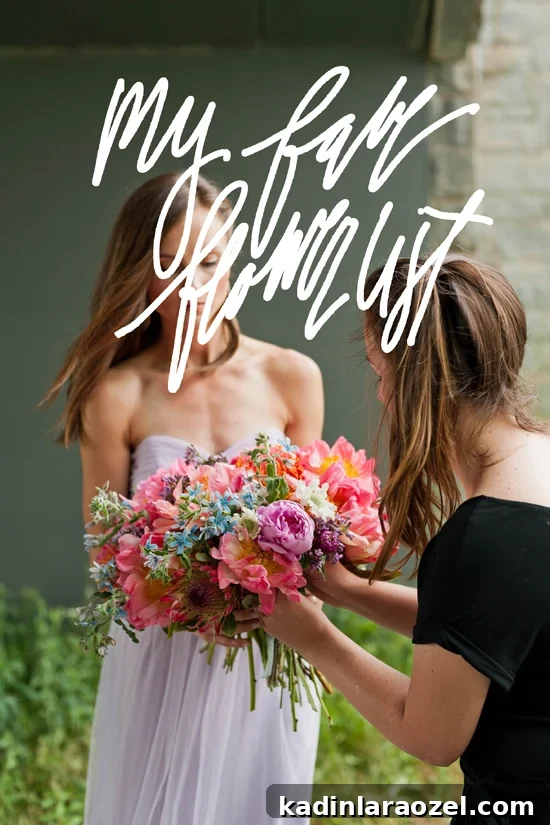
Photography Amelia Lawrence // Lettering Cori Maass
What flowers make your favorite list? I’d love to hear which blooms you reach for most — tell me in the comments below.