Grocery-Store Egg Dyeing Idea: Unique Easter Eggs with Simple Supplies
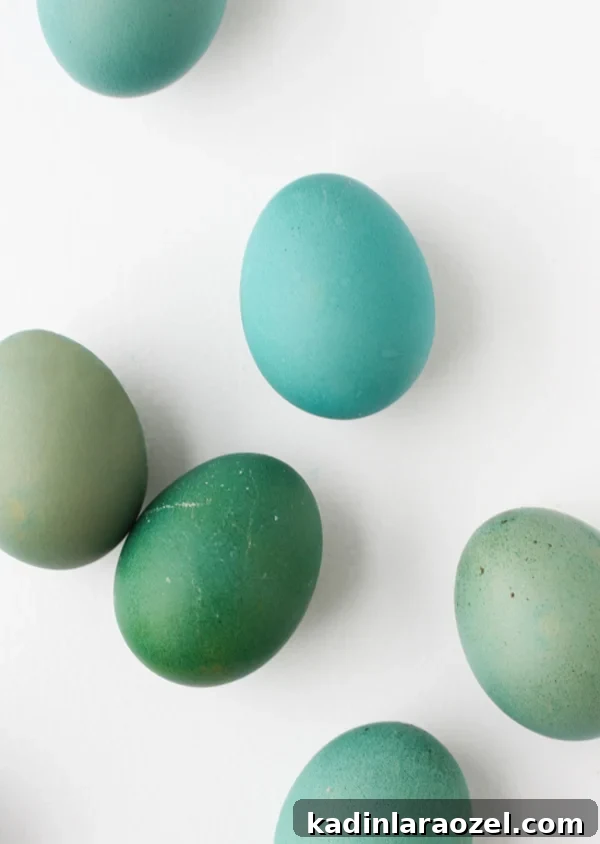
A simple egg-dyeing trick I’ve used for years.
I love how easy and affordable store-bought egg dye kits are every spring. They’re inexpensive and reliable, but I usually find the colors too bright for my taste. After years of experimenting, I discovered one small change that produces softer, more sophisticated hues: use brown eggs instead of white. I first tried this by accident in 2015 when no white eggs were available, and I’ve been dyeing eggs this way ever since.
Muted, Natural-Looking Egg Colors
If you prefer neutral, earthy tones over neon shades, dyeing brown eggs with a standard grocery-store kit is a great trick. The result is a range of subtle, imperfect tones that sit somewhere between natural and dyed colors. Each egg varies slightly, even within the same dye bath, which gives a handcrafted, organic look.
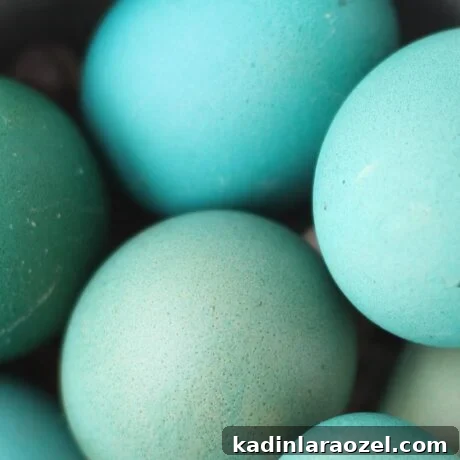
This method is simple, low-cost, and works with typical tablet-style dye kits you see at many supermarkets. Instead of bright primary colors, you’ll get desaturated blues, greens, and pastels that feel a bit more grown-up. The texture of the brown shells—small speckles or dots—often shows through the dye, adding charming variation.
Materials
To achieve these muted egg colors, you only need:
- 1 dozen brown eggs
- one standard dyeing kit
- vinegar
How to Dye Brown Eggs
1. Follow the dye kit instructions for mixing the dye. Typically this means dissolving a tablet in 1 tablespoon of vinegar, then adding about 1/2 cup of room-temperature water.
2. Dip the brown eggs into the dye. The longer they sit, the deeper the color becomes. Short dips of 30–60 seconds produce very light, whispery tones. Leaving eggs in a little longer yields richer, more saturated colors, and a few minutes (3–5) will produce the deepest shades.
3. Remove eggs when you’re happy with the hue and let them dry. The dye often lands less evenly on brown shells, which creates subtle mottling and texture that I find appealing. That imperfect look is part of the charm.
Blue tends to produce particularly pretty muted shades, but other colors from the kit will also yield pleasant, toned-down results on brown eggs. Expect variation within a batch—no two eggs will look exactly the same.
Unique Egg Dyeing with Inexpensive Grocery Store Supplies
Brittni
Ingredients
- 1 dozen brown eggs
- one standard dyeing kit
- vinegar
Instructions
Basic mixing and dyeing method
-
Dissolve the dye tablet in 1 tablespoon of vinegar, then add 1/2 cup of room-temperature water before dipping the eggs.
-
Adjust dipping time to control color depth: 30–60 seconds for pale tones, a bit longer for medium shades, and around 3–5 minutes for deeper colors.
-
Allow eggs to air dry. Embrace slight unevenness and shell texture showing through—the subtle imperfections give each egg character.
Concept, photography, and styling by Brittni Mehlhoff
Once the eggs are dry, you can leave them as they are or add simple decorations. A few low-effort ideas:
- doodle with a permanent marker
- add subtle portrait or sketch details with soft pastels
- create painterly, blended pastel effects
- add bold accents or graffiti-inspired marks for contrast
Will you try egg dyeing this year? Using brown eggs and a basic kit is a quick way to get more natural, varied colors without extra supplies or complicated steps.