How to Grow an Avocado Tree from a Pit: Step-by-Step Guide
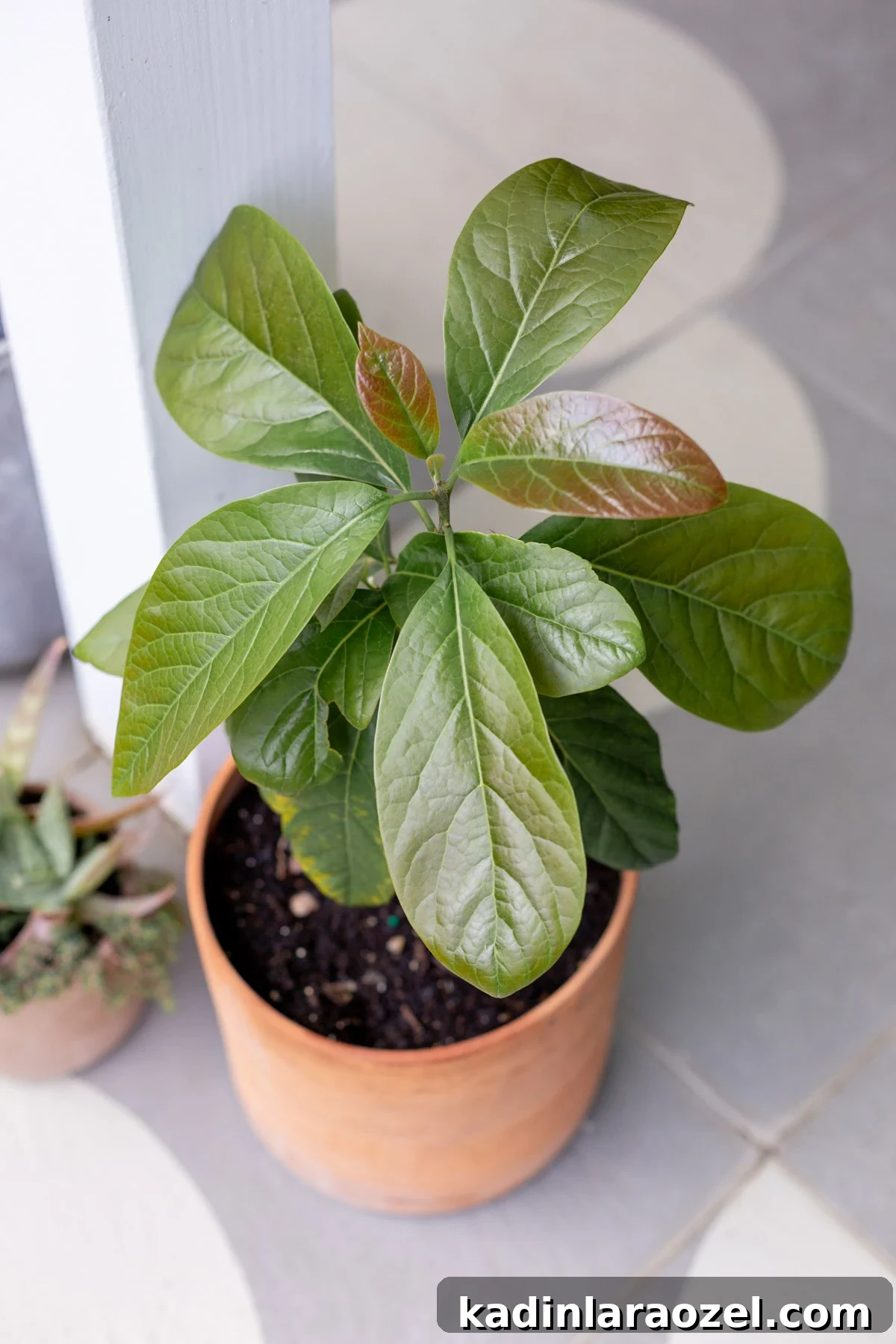
I’ve spent the last year experimenting with growing avocado plants from pits. Here’s what I learned from raising avocado seeds into young trees that may one day produce fruit.
Avocados are one of the few green foods my six-year-old eagerly eats, and I’d happily eat them at every meal if they didn’t spoil so quickly. About a year ago we decided to try propagating our own avocado tree from a pit. It worked so well that we’ve started four separate trees, hoping that at least a couple will survive long enough to produce fruit.
Even if none of them ever fruit, the process is rewarding and a great lesson in patience for children—and adults too. Here’s a straightforward method that produced the best results for me.
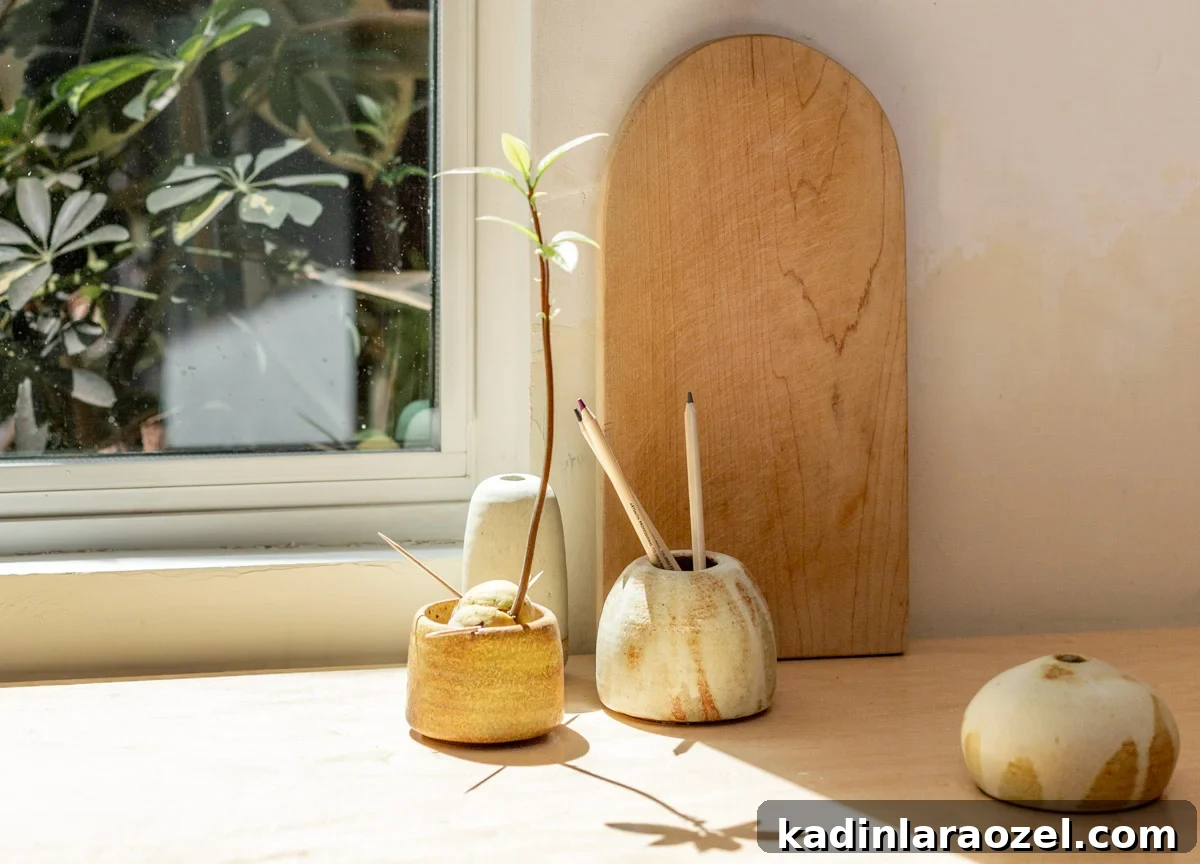
Avocado Plant Propagation
Propagating an avocado is different from propagating a cutting because you start with a pit rather than a piece of an existing plant. The good news is the method is simple and satisfying. Follow these steps to grow an avocado tree from a pit.

1) Remove the pit from the avocado and rinse it clean. You can peel off the thin brown skin on the pit if you want, but it isn’t necessary—either way can work.
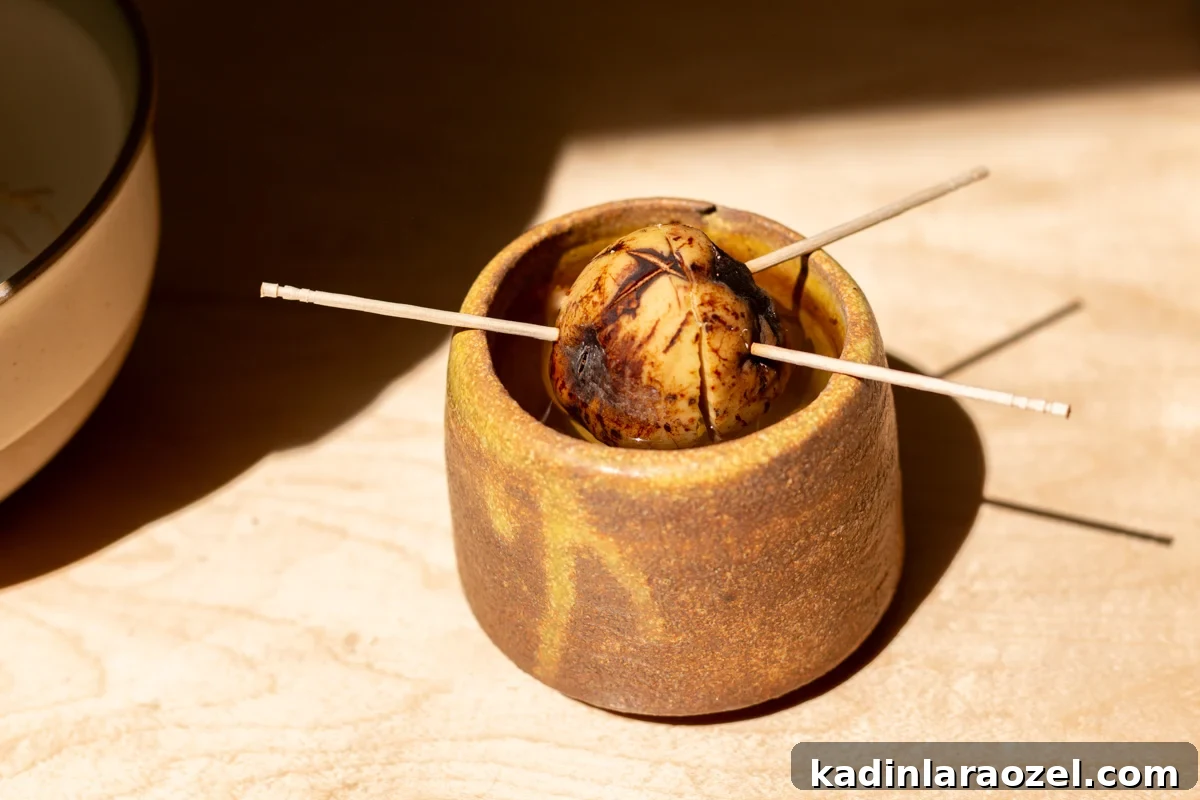
2) Push three or four toothpicks into the upper center of the pit, evenly spaced. Rest the toothpicks on the rim of a bowl or cup filled with water so the bottom of the pit is submerged while the top remains exposed. Make sure the rounded end is up and the pointed or flatter end is down—roots will emerge from the bottom.
Place the bowl near a window where the seed receives indirect natural light if possible.

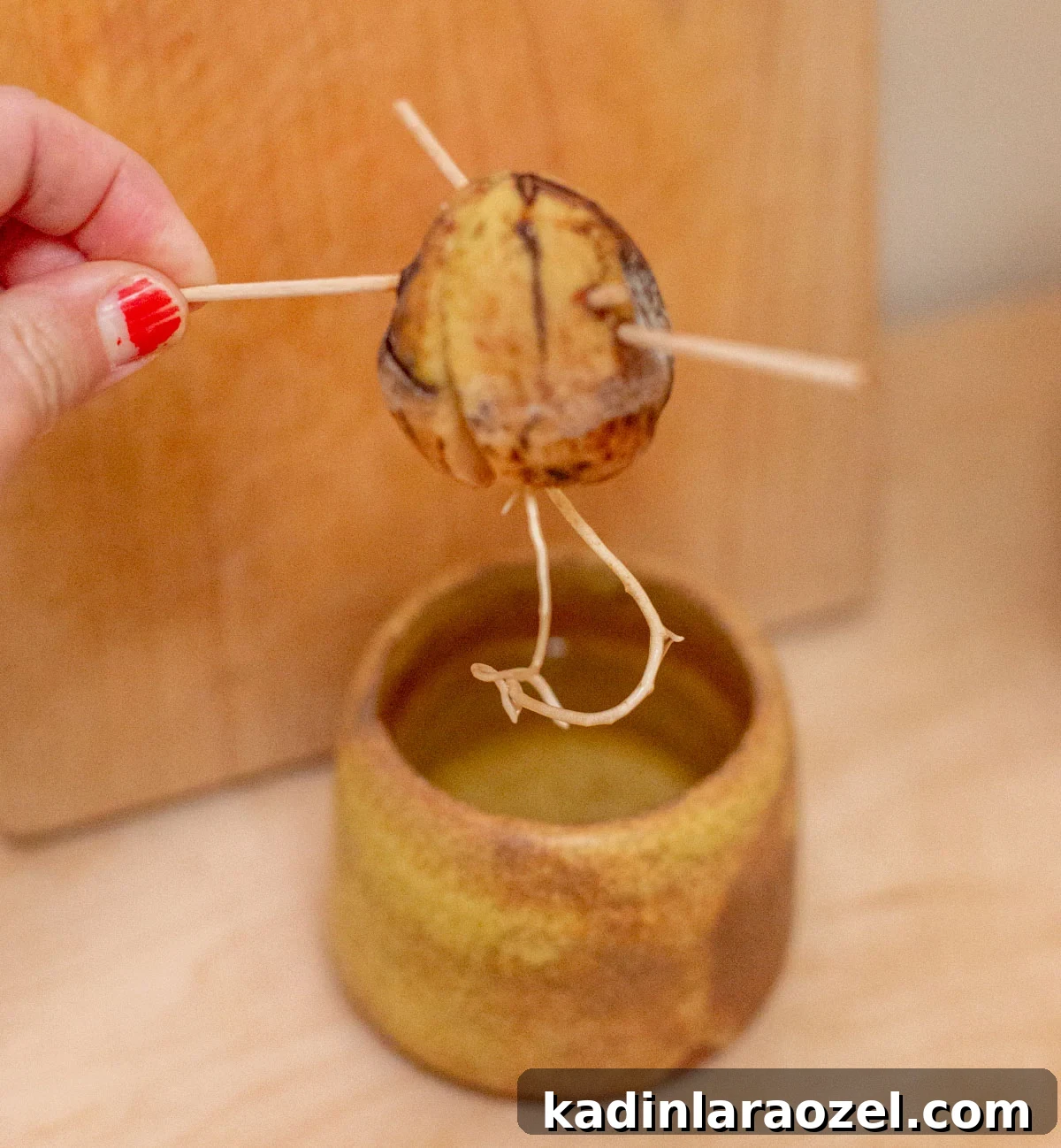
3) Change the water every few days and check daily that the bottom of the pit stays submerged. Other than refreshing the water, it’s largely a waiting game. Expect one to two months before you see progress. At first it may look like nothing is happening, but eventually the pit will split—after that the roots and then the stem typically follow.
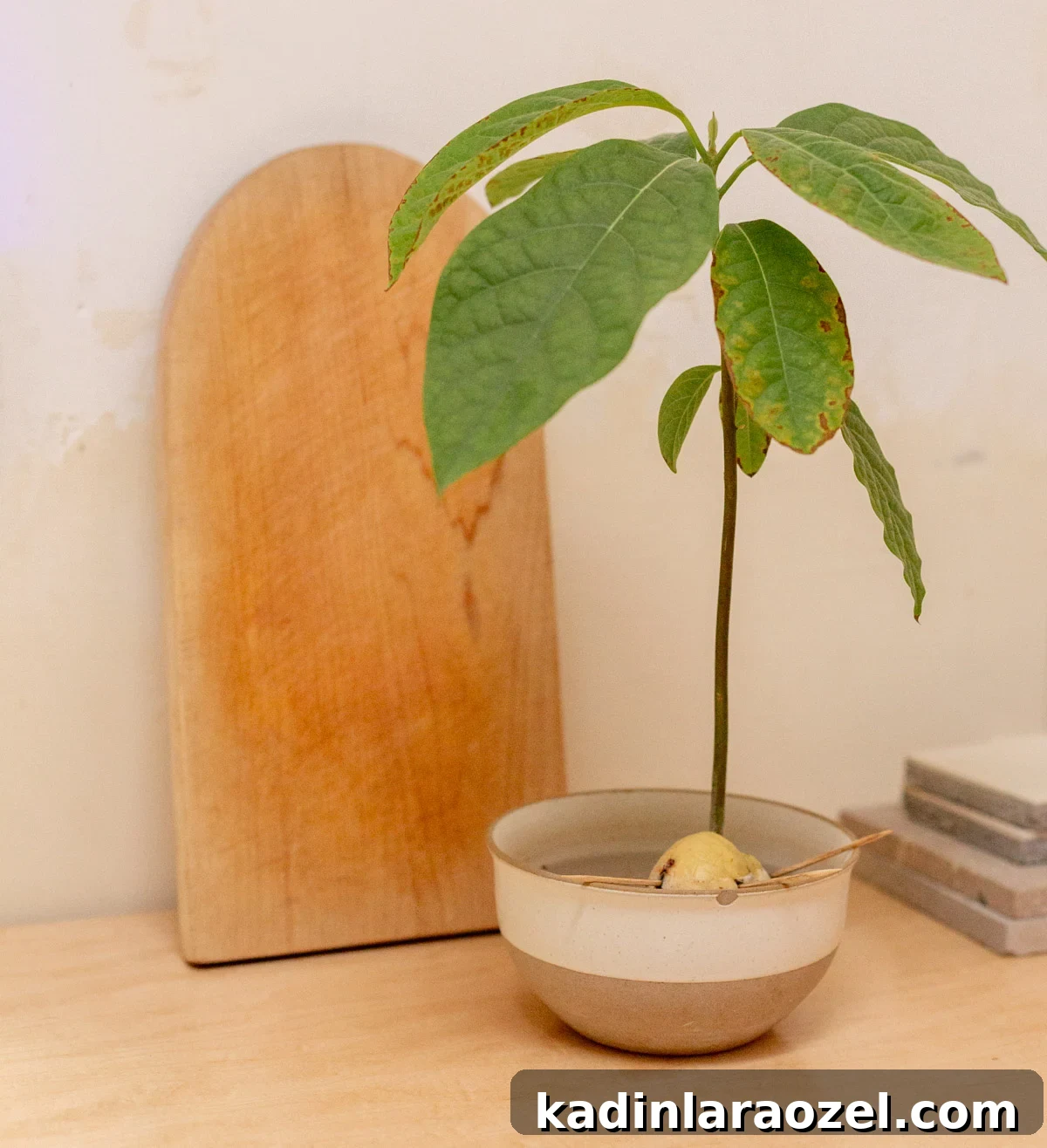
4) When the stem reaches about 6 inches tall, you can pinch or cut it back to encourage a bushier shape if desired. Plant the pit and established roots in a pot filled with well-draining soil once the roots are at least 1.5 to 2 inches long. Water and care for the young tree like any other houseplant—keep soil evenly moist but not waterlogged and provide plenty of bright, indirect light.
So what’s the best way to propagate avocados?
The success story
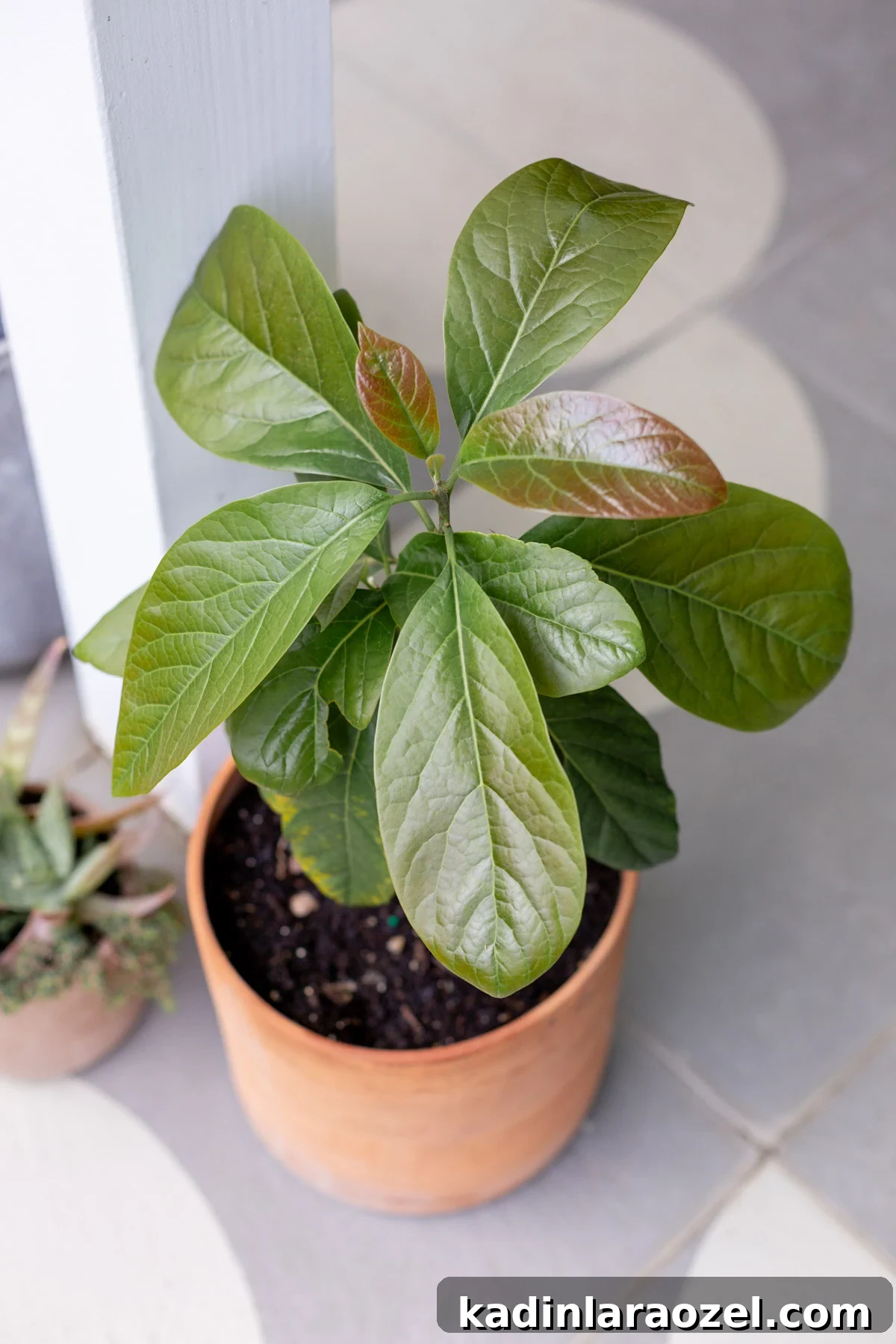
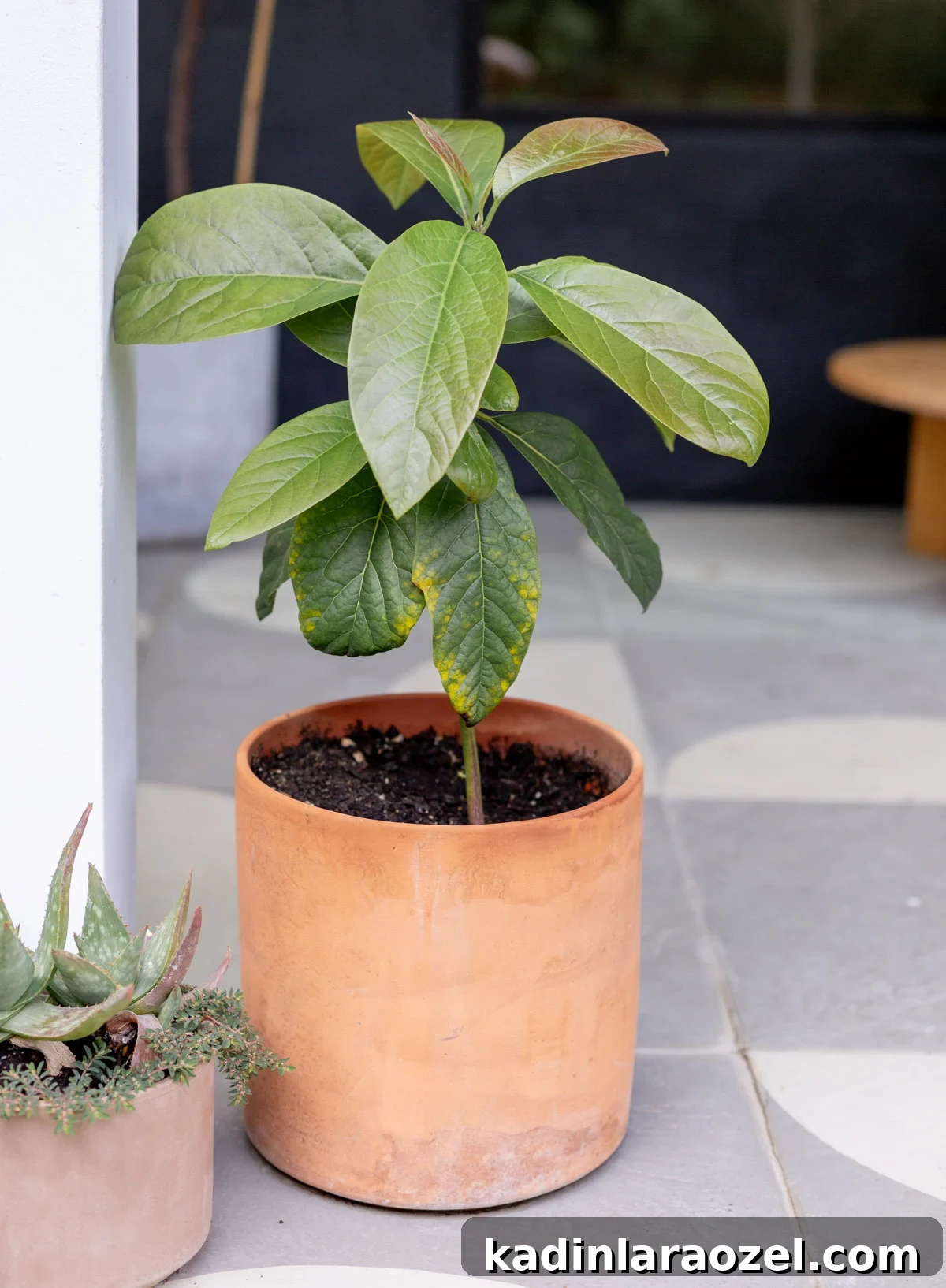
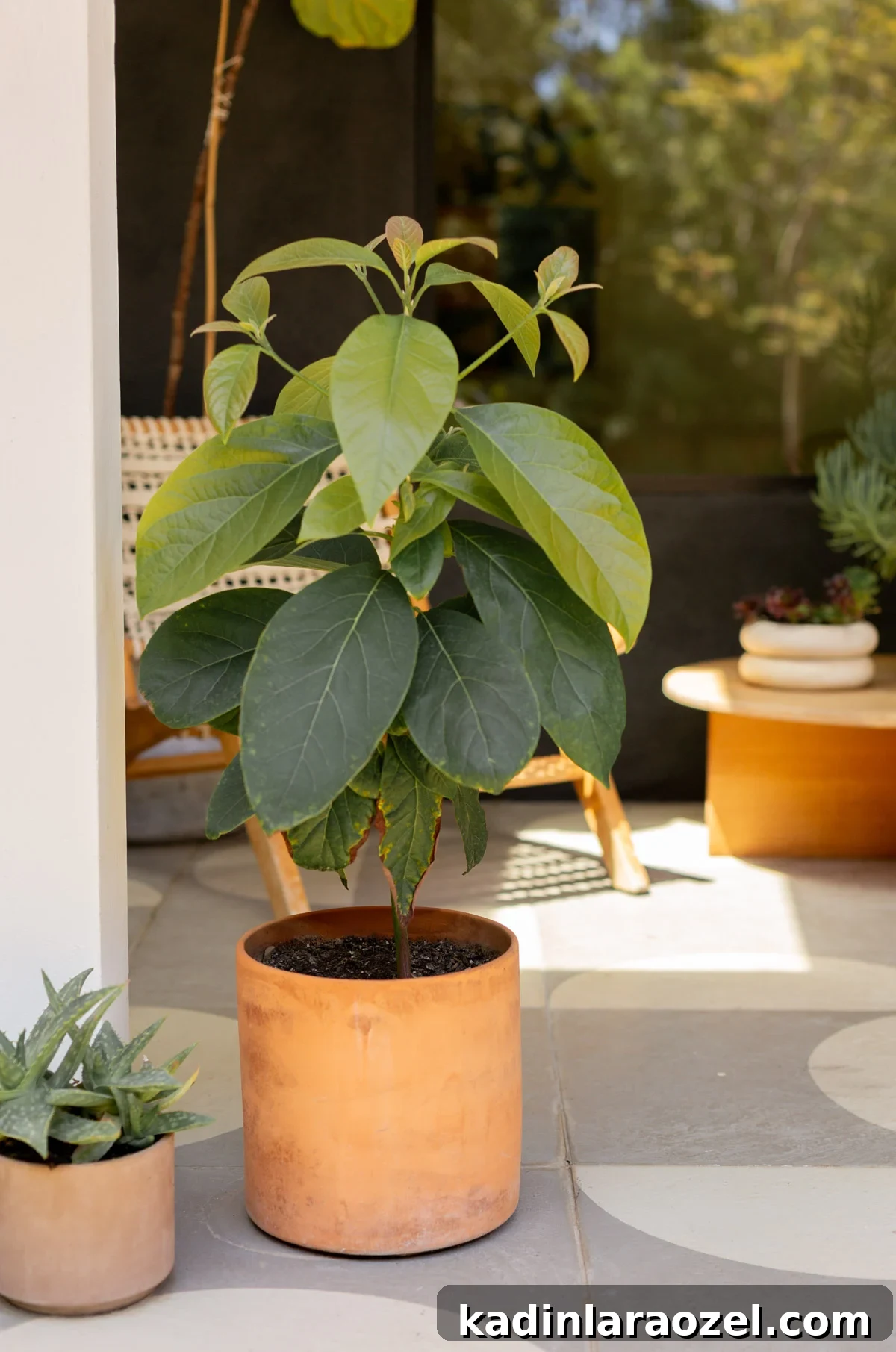
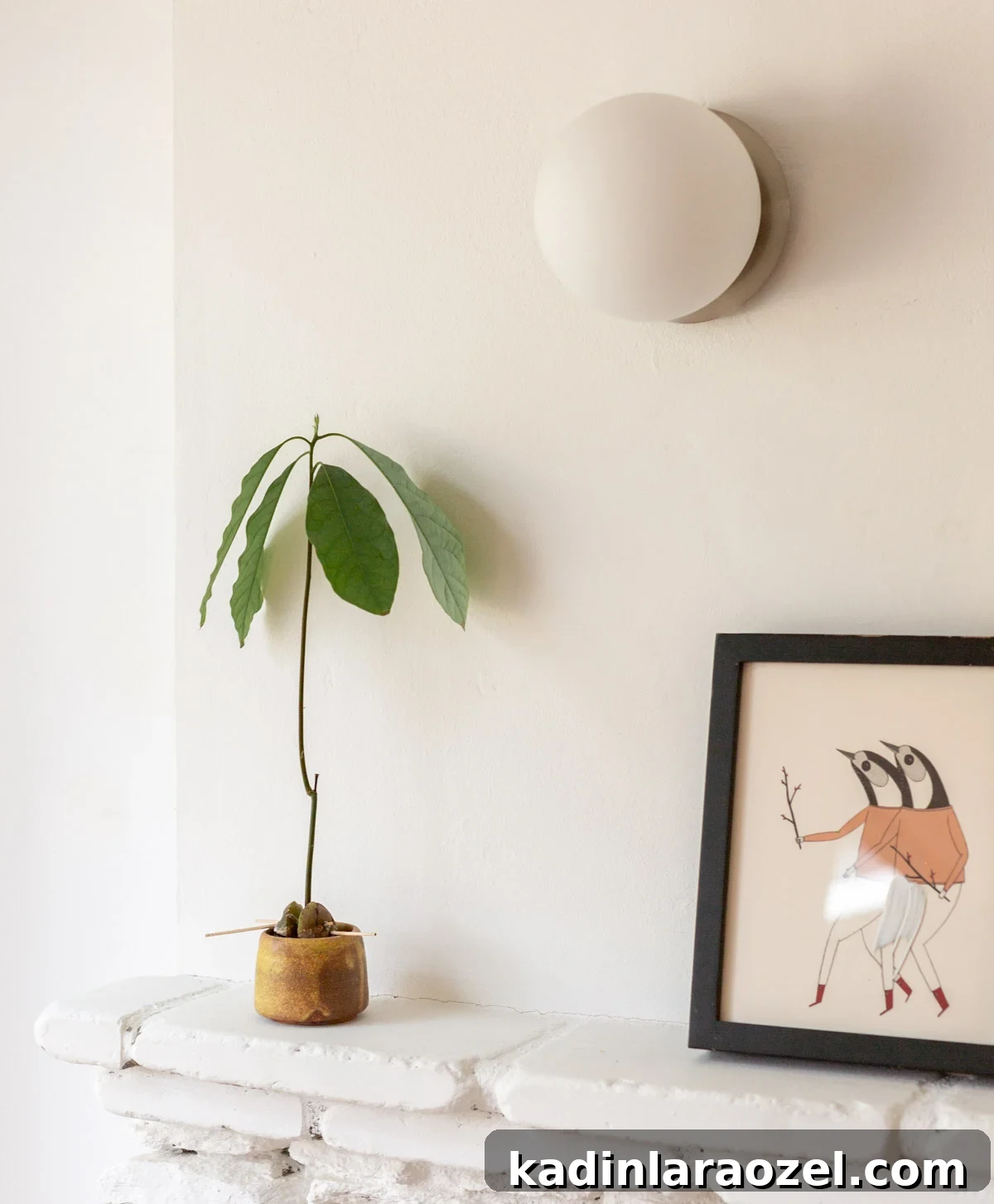
One pit I started about a year ago became my best success: it’s healthy and regularly producing new growth. I used the same approach outlined above for that pit, and it’s what I recommend based on my experience.
The first of the two comparison photos was taken in April and the second in June—showing significant new growth over just a couple of months.
The experiment
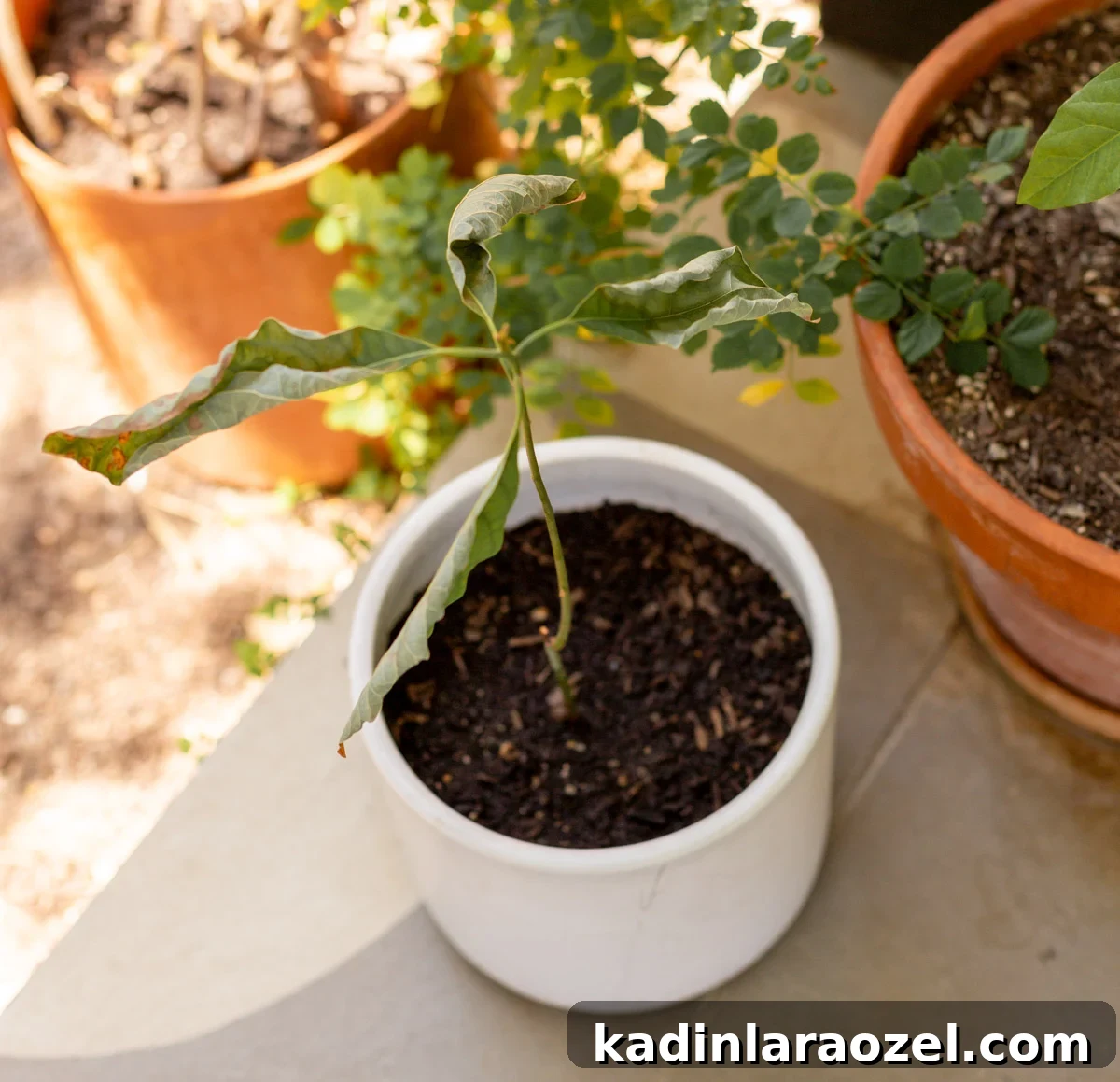
For an experiment I kept another seedling in a small water-filled container next to a window much longer than usual to see how long it would grow without potting. I had also pruned it earlier to try to encourage branching. Later I potted it and moved it to the porch with the others, but it failed to thrive and began to wilt. It’s still alive, but not vigorous—so I wouldn’t recommend leaving seedlings in water for too long before potting.
The in-between
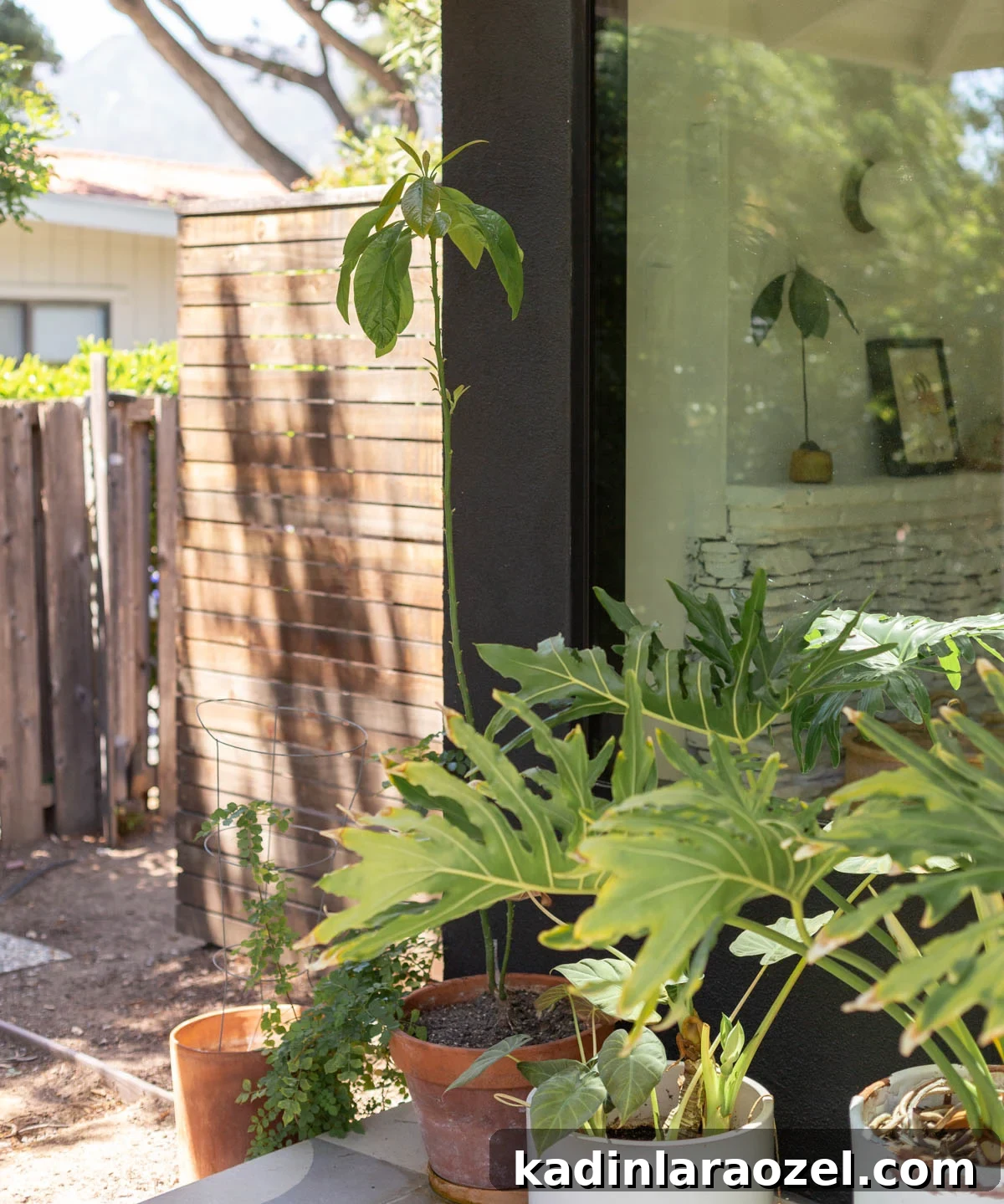
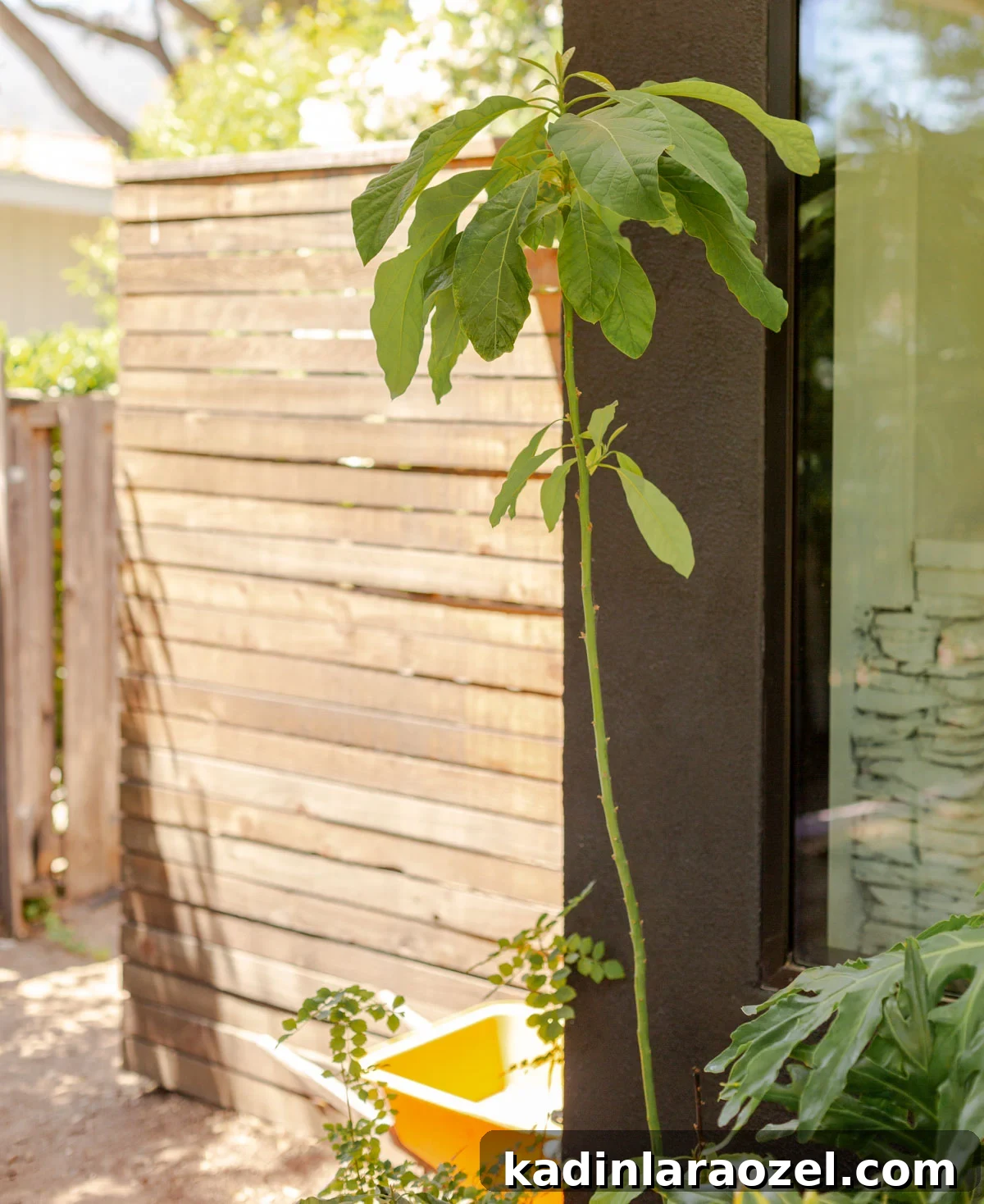
Finally, my mom gave me an avocado she started from a pit two years ago using this same method. It’s now nearly five feet tall. It dropped most of its leaves over winter but has pushed out new growth in spring. It’s leggier than my best specimen and doesn’t have as large leaves, but it’s healthy and keeps growing.
The idea of having an avocado tree in the yard that we could harvest from is appealing, so I’m hopeful we’ll see fruit in the coming years.
That’s my experience so far. Have you ever tried propagating plants from kitchen scraps or seeds?