How to Make Handmade Paper at Home: Step-by-Step Guide
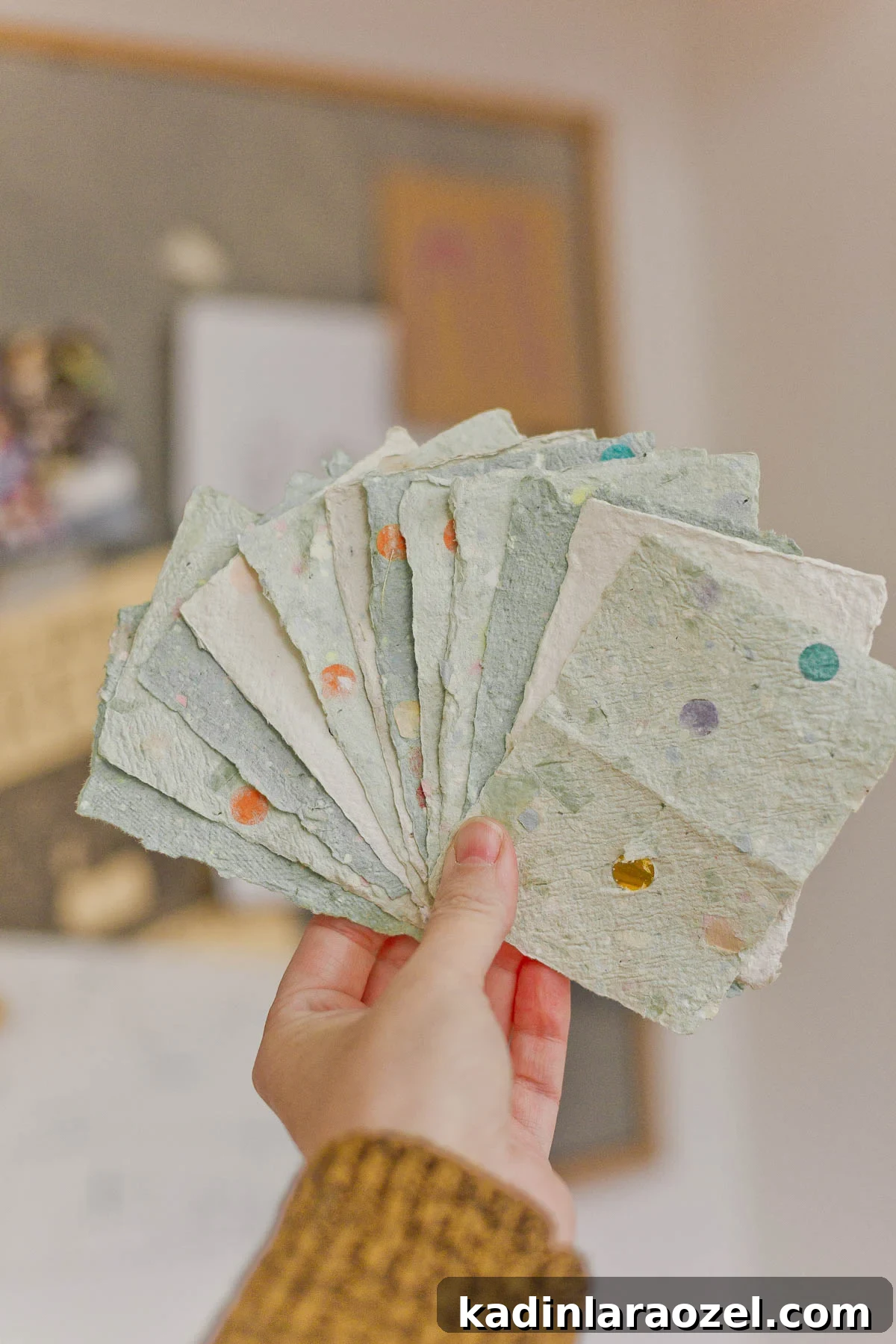
Want to learn how to make paper? It’s a fantastic way to reuse junk mail, paper scraps, old receipts, and more. It’s simple, relaxing, and yields beautiful handmade sheets that make thoughtful gifts year-round.
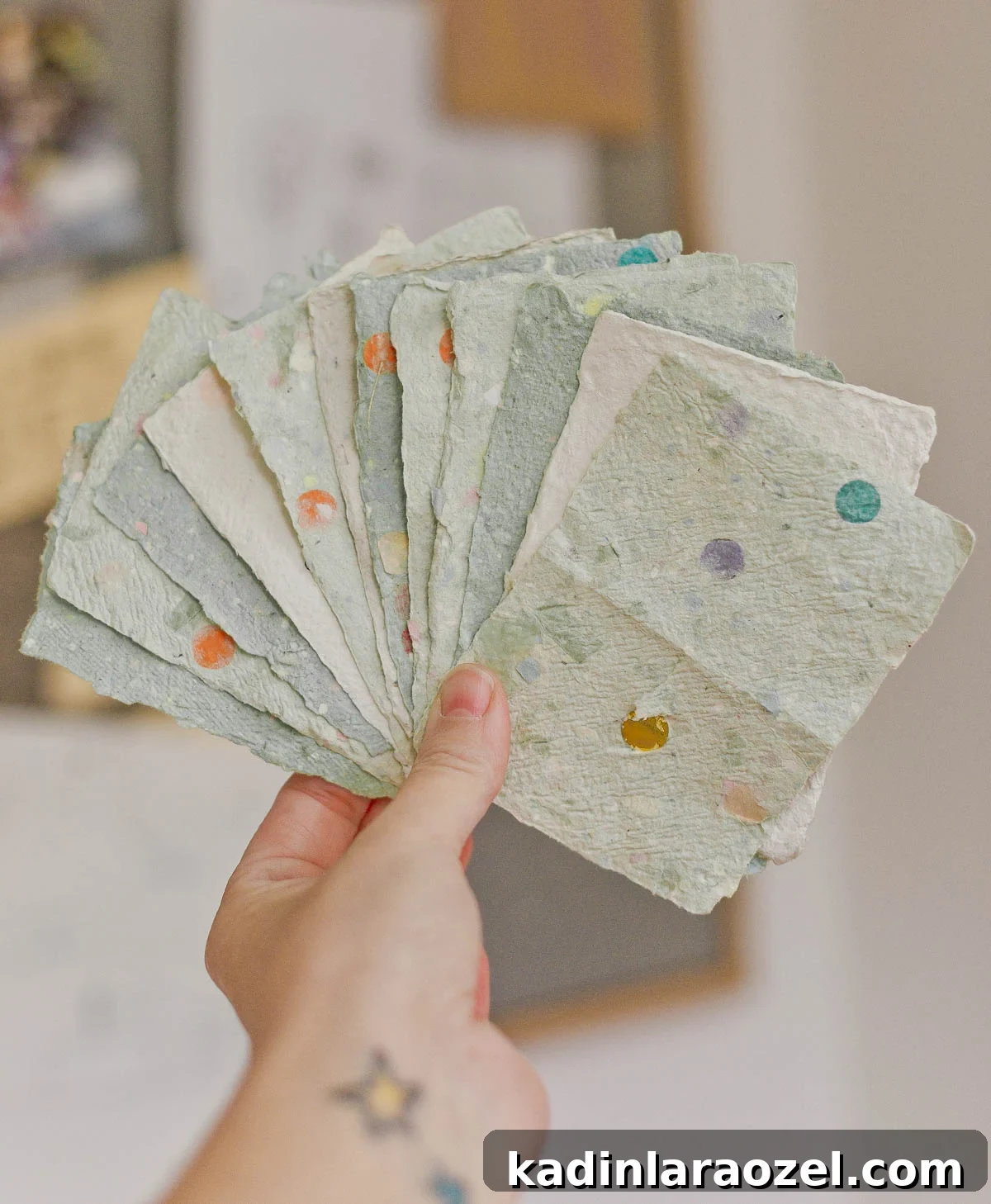
Handmade paper feels different from mass-produced paper: it has more weight, texture, and a distinctive handcrafted charm. The papermaking process is tactile and forgiving, which makes it both meditative and suitable for beginners.
Read on for a clear, step-by-step tutorial that will get you making your own paper.
I recently started teaching papermaking at my son’s school as a holiday activity—students made sheets for DIY notebooks and notes. I was surprised how engaged the kids were, and how children aged 4–12 were able to complete the entire process on their own.
The method is straightforward, fun, and a little messy—perfect for kids, and equally satisfying for adults who want a hands-on, low-stress craft.
Materials
- papermaking mould (screen and frame)
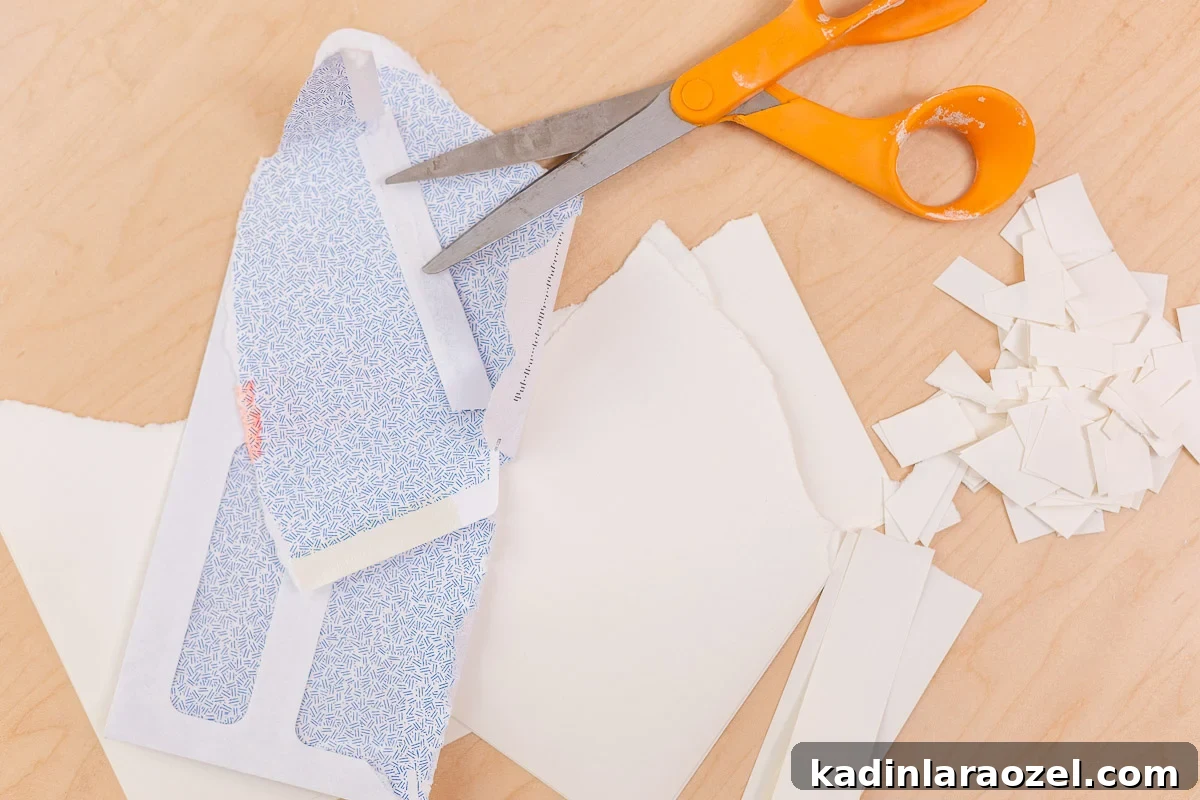
- scrap paper—junk mail, receipts, paper grocery bags, and similar
- old blender or immersion blender
- sponge or microfiber cloth
- containers or tubs for soaking and mixing
- old towels or rags for drying
Instructions
1. Cut or tear scrap paper into small pieces—aim for pieces under about two inches. They don’t need to be perfectly uniform.
2. Place the paper pieces in a container and add water so the paper is submerged by about an inch. The exact amount depends on how much paper you’re using.
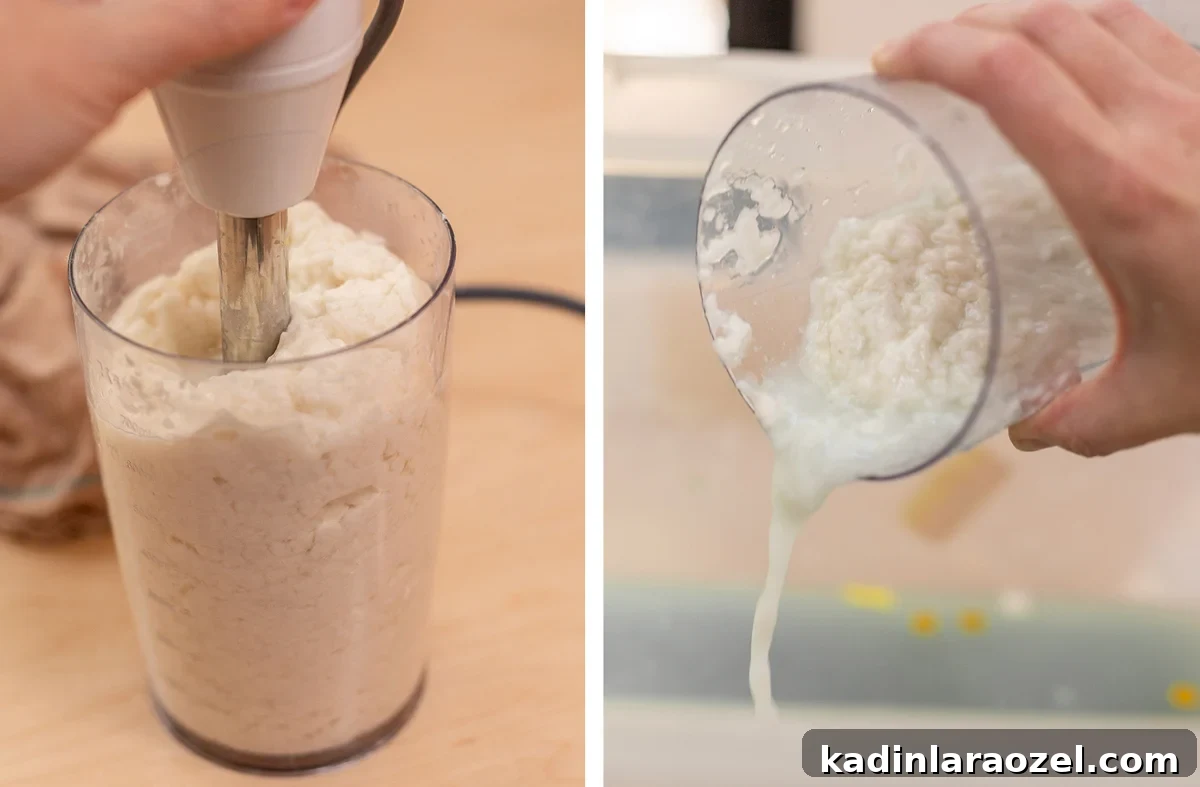
3. Blend the paper with water until it becomes a slurry. If the mixture is too thick, add a little more water. If you use a regular blender, you may need to soak the paper for an hour first; an immersion blender usually works immediately.
4. Fill a tub or large container with 2–3 inches of clean water—large enough for your papermaking mould. Pour the blended pulp into this tub and stir to create an even slurry.
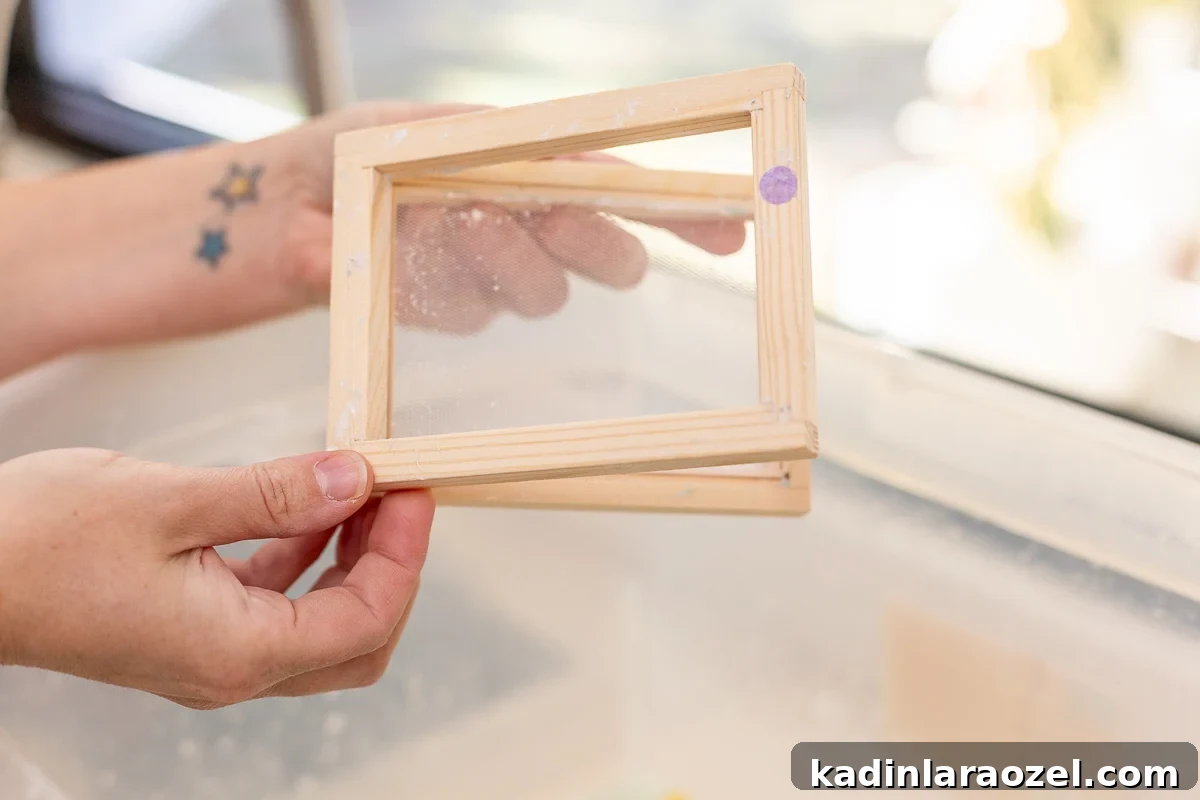
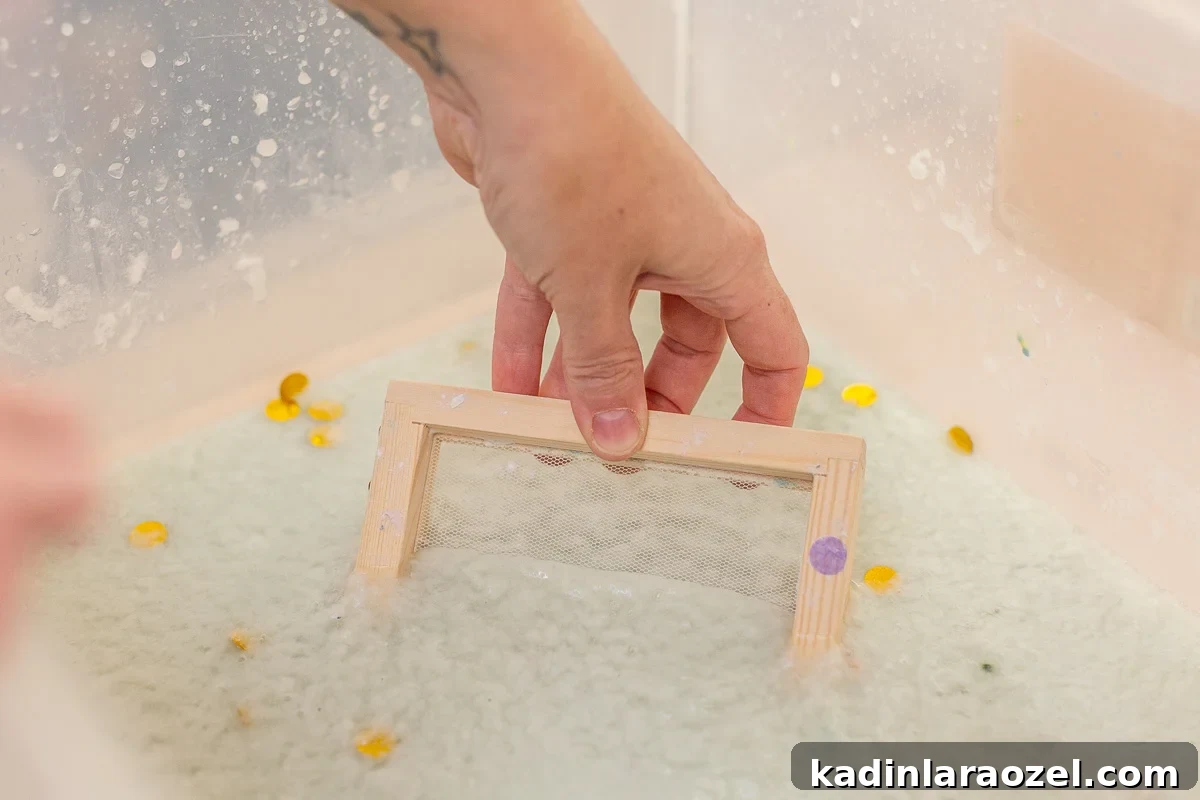
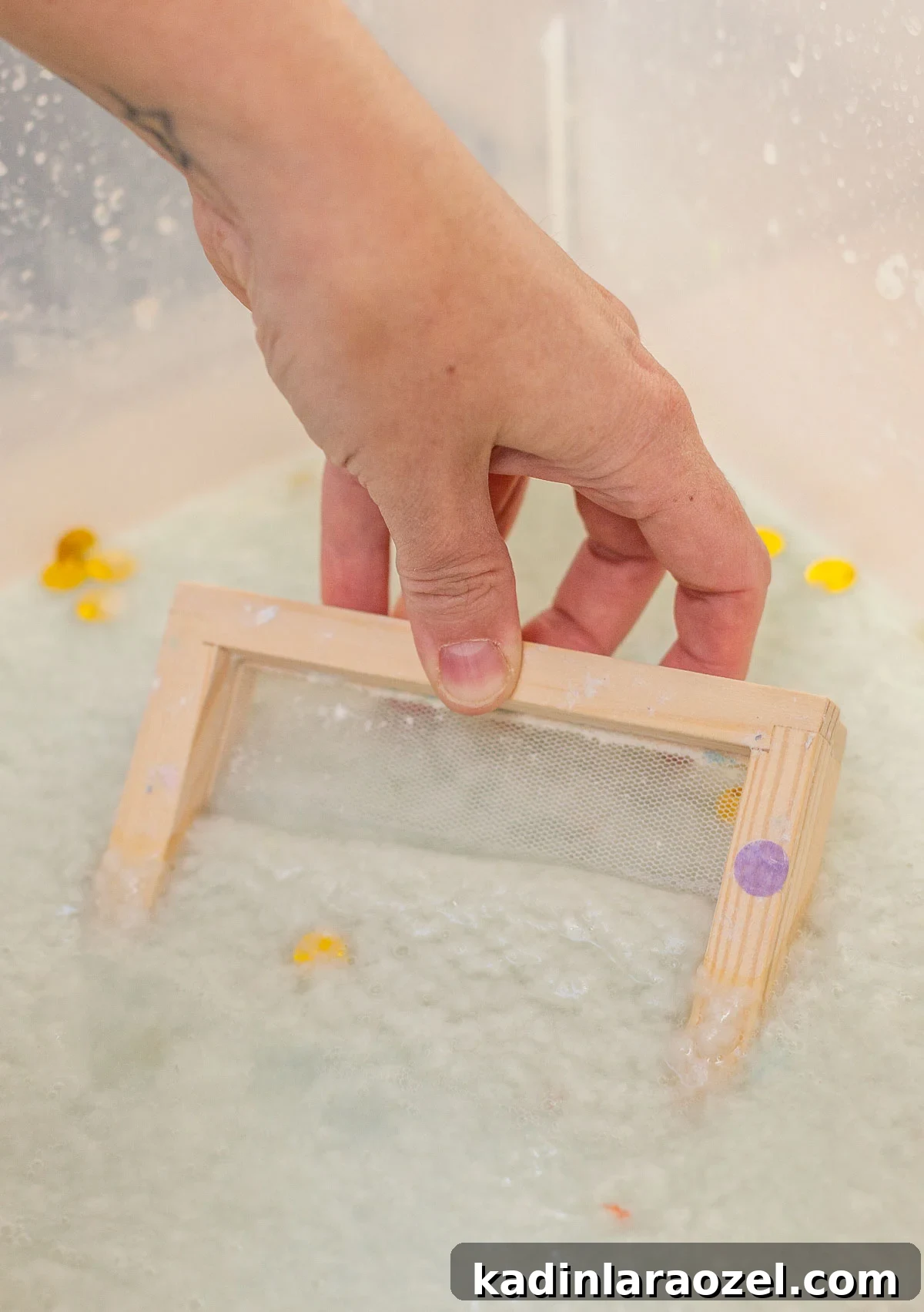
5. Submerge your papermaking mould into the slurry and lift it up level and slowly so a thin layer of pulp forms across the screen. Ensure the entire screen is covered and looks fairly even. If it’s patchy, try again.
Let excess water drip from the mould, then carry it to a towel, place the screen upside down so the wet pulp touches the towel, and allow it to settle.
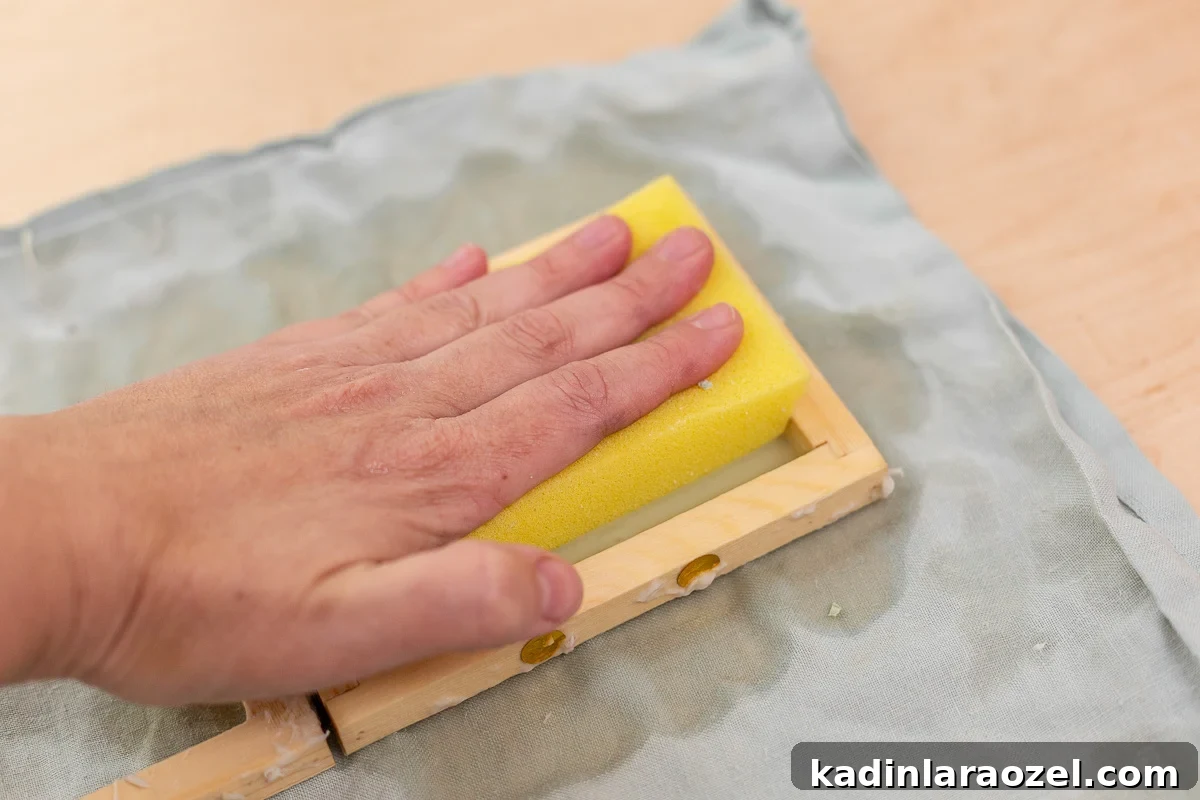
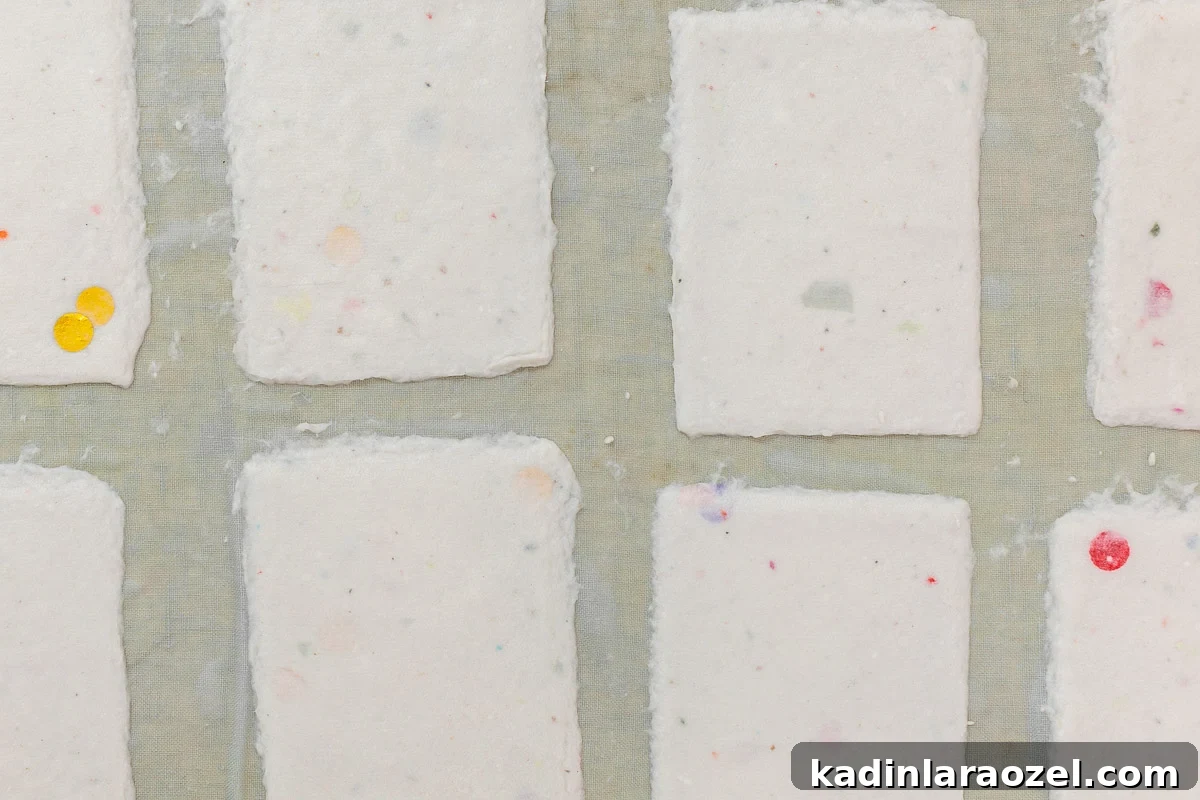
6. Press a sponge or microfiber cloth gently over the screen to absorb excess water and compact the sheet. Carefully remove the screen and leave the sheet to dry flat on the towel—typically overnight.
Other drying options include using a drying rack, a box fan, or a hair dryer to speed the process.
Faster Drying Options
If you need quicker results, use a fan or hair dryer to speed drying. You can also experiment with an oven set very low (around 200°F / ~95°C) for short periods, monitoring closely to avoid scorching.
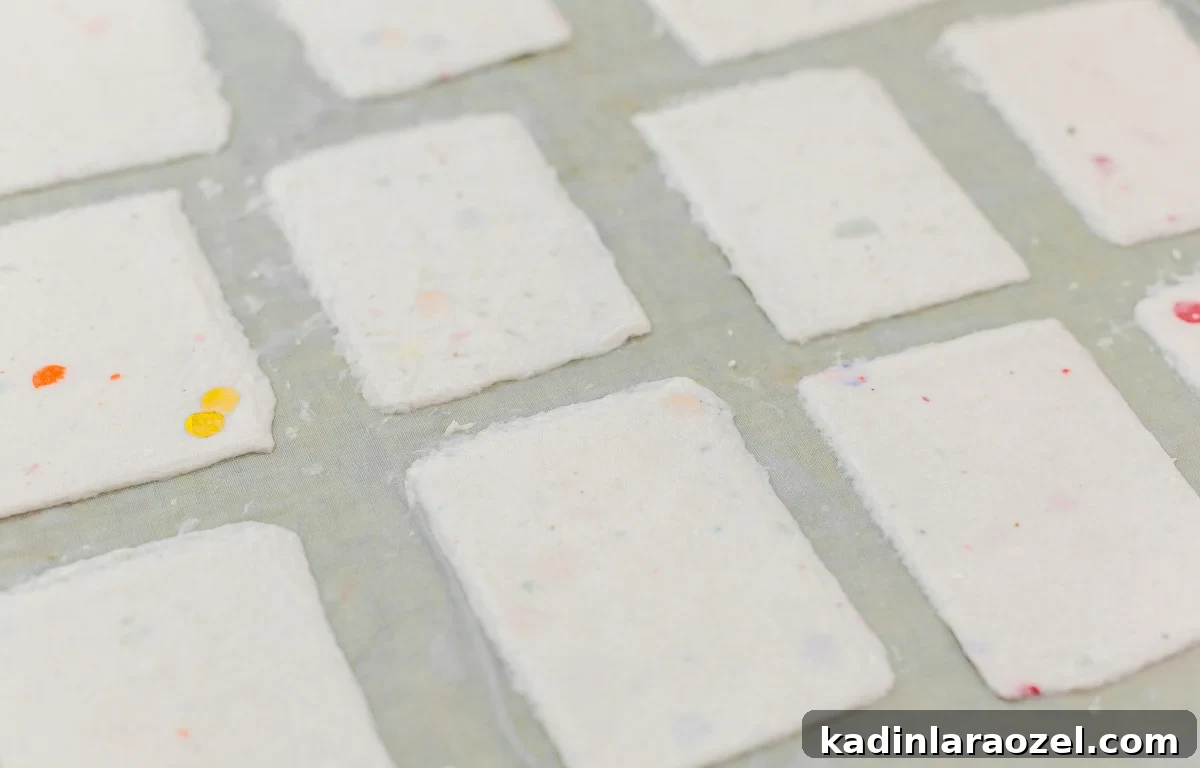
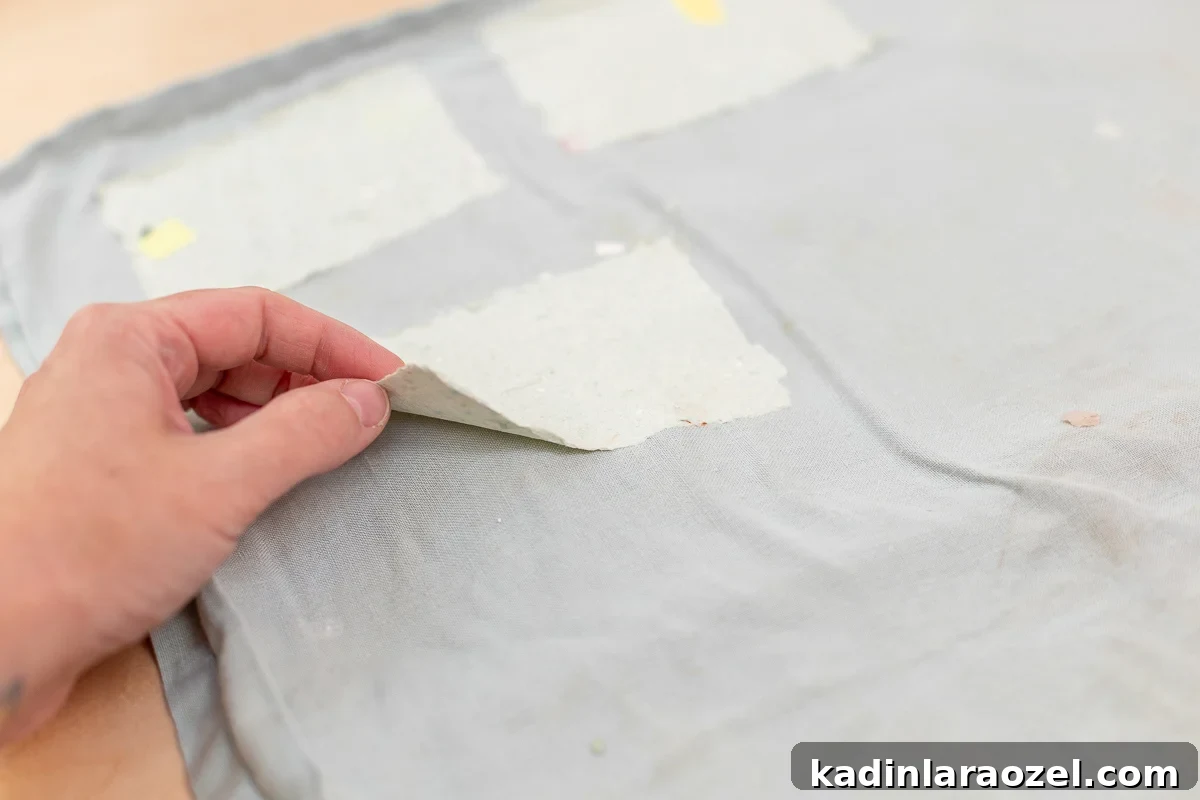
7. Once the sheet feels dry, carefully peel it from the towel. If a sheet curls or isn’t flat, press it under a heavy book for a few hours to flatten it.
Important: Do not pour leftover slurry or pulp down the drain. The fiber-rich water can clog pipes. Safely dispose of it in the garden (if you haven’t used paper with toxic inks or coatings), or strain and save the pulp for a future batch by passing it through mesh or cheesecloth.
Gifting Ideas
Handmade paper makes a lovely gift. Bundle a set of sheets with a ribbon for neighbors, teachers, or friends. Personalize the set with a name or stamped design to make it special. You can also color or embed small decorative elements like flower petals or threads while the pulp is wet for custom results.
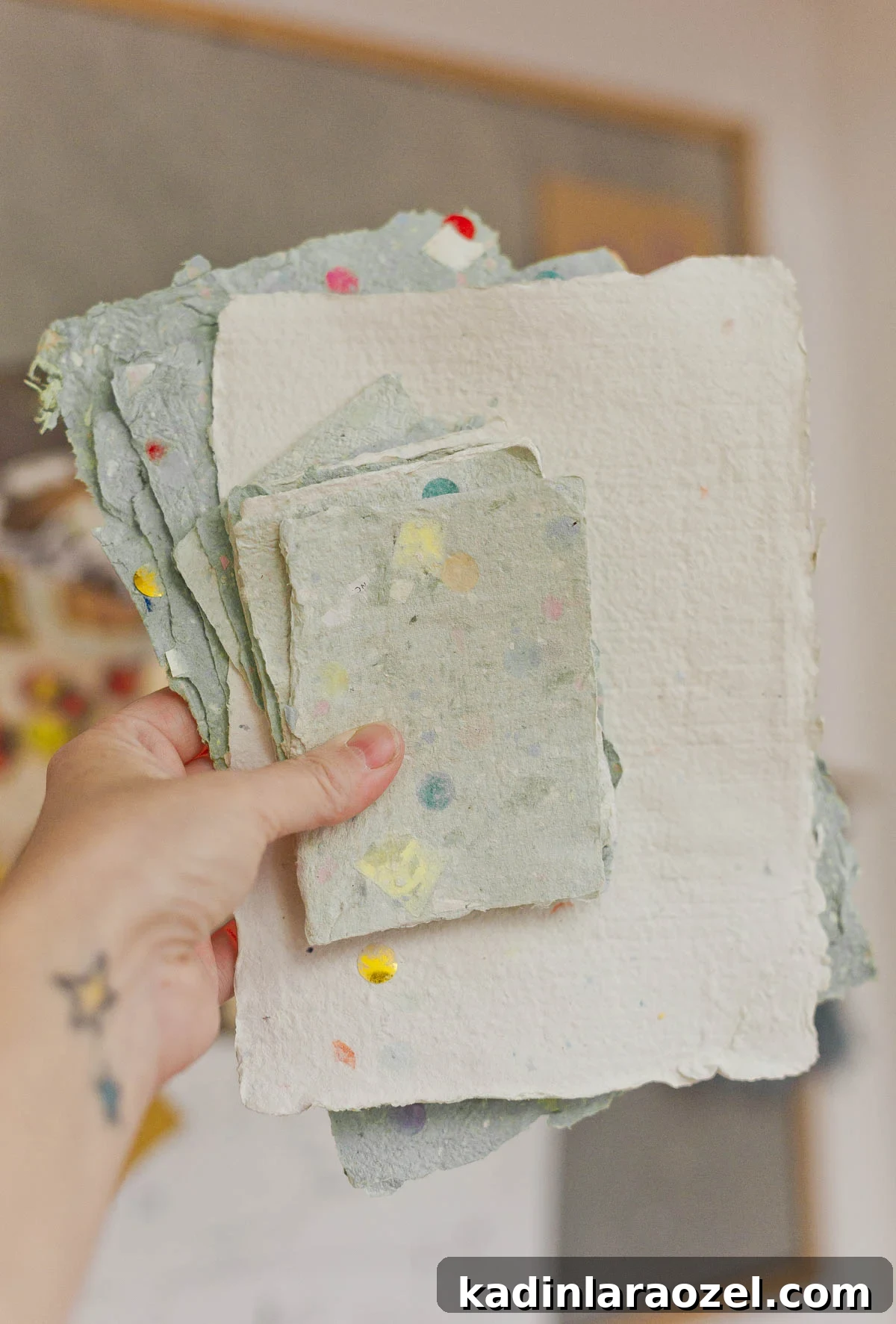
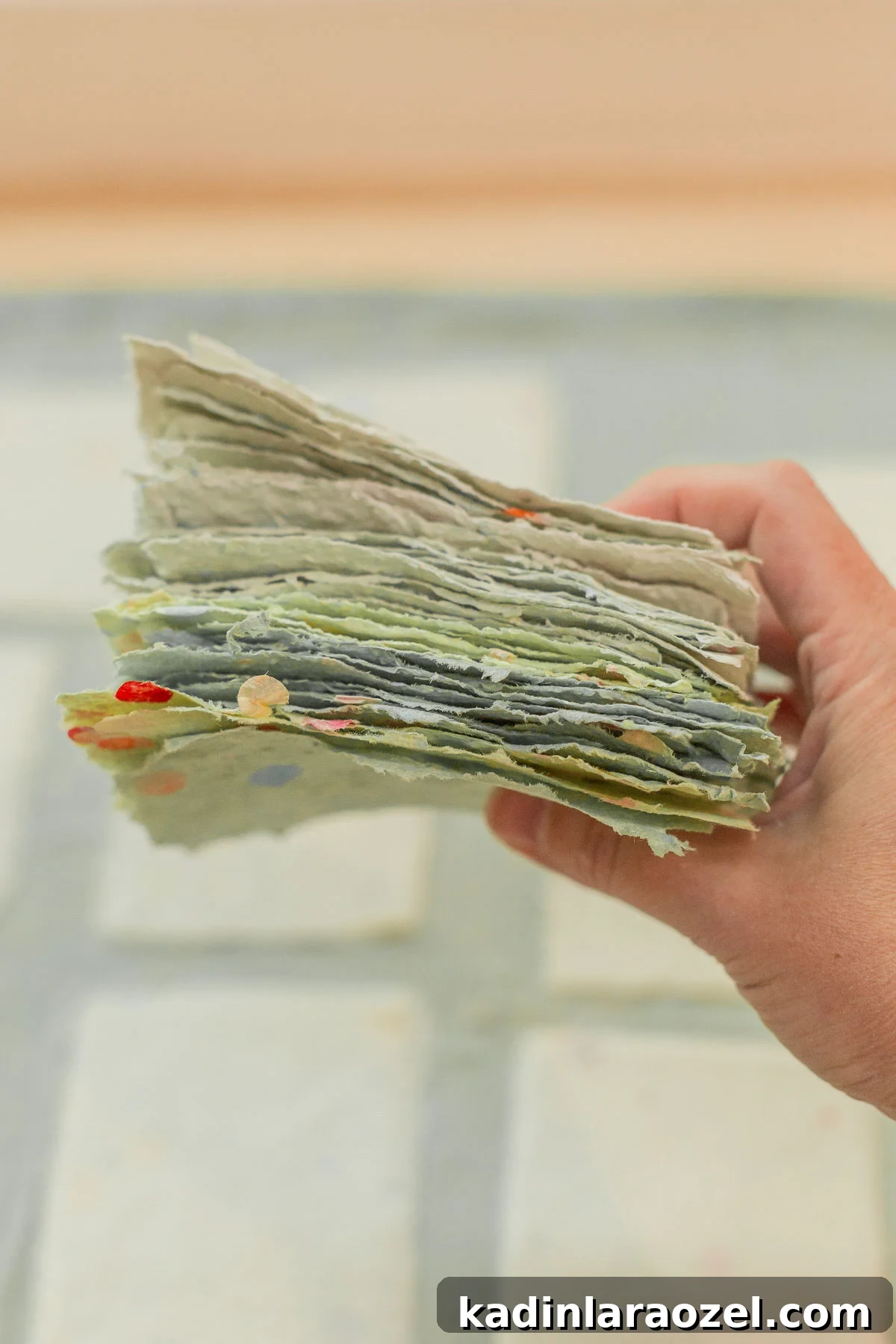
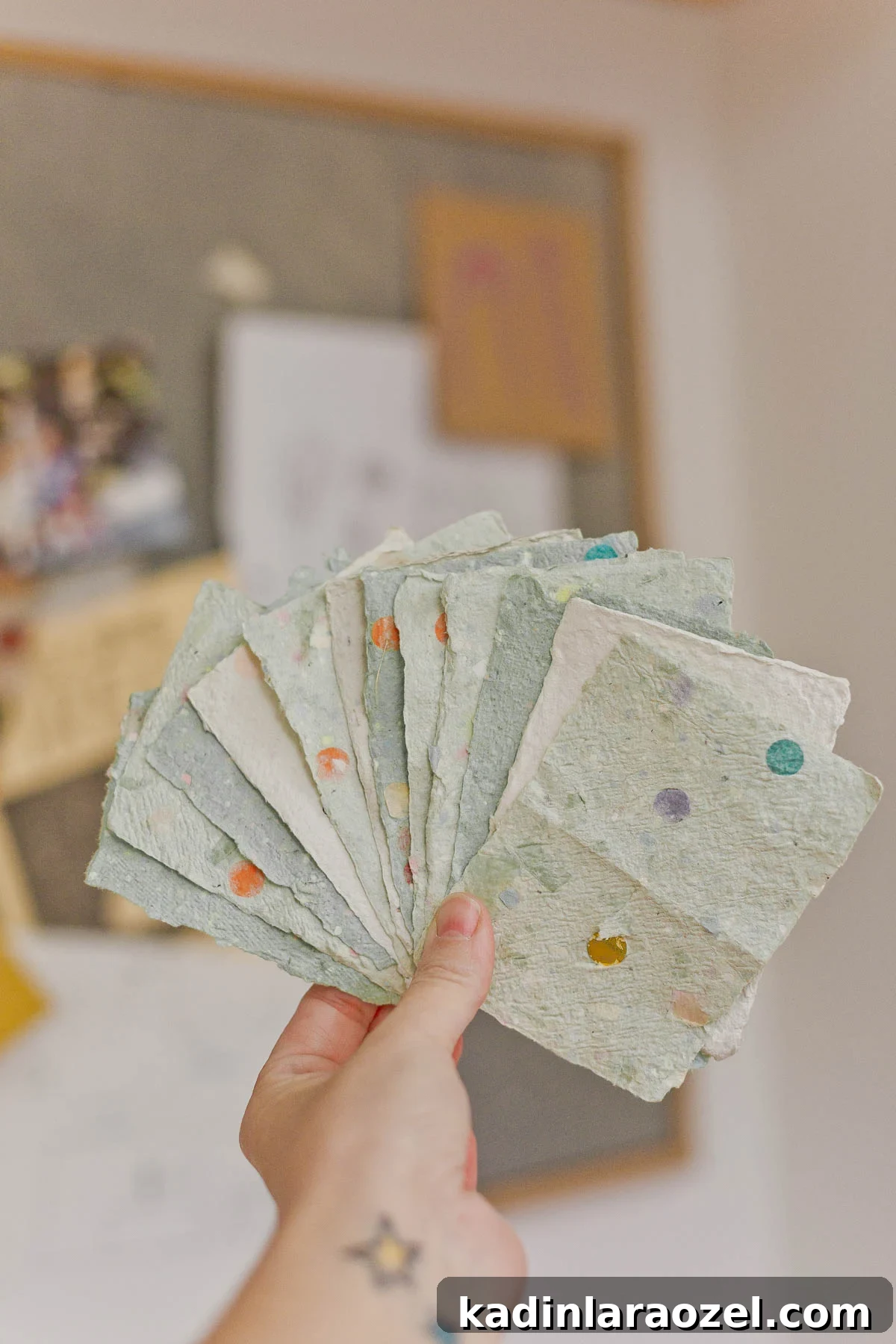
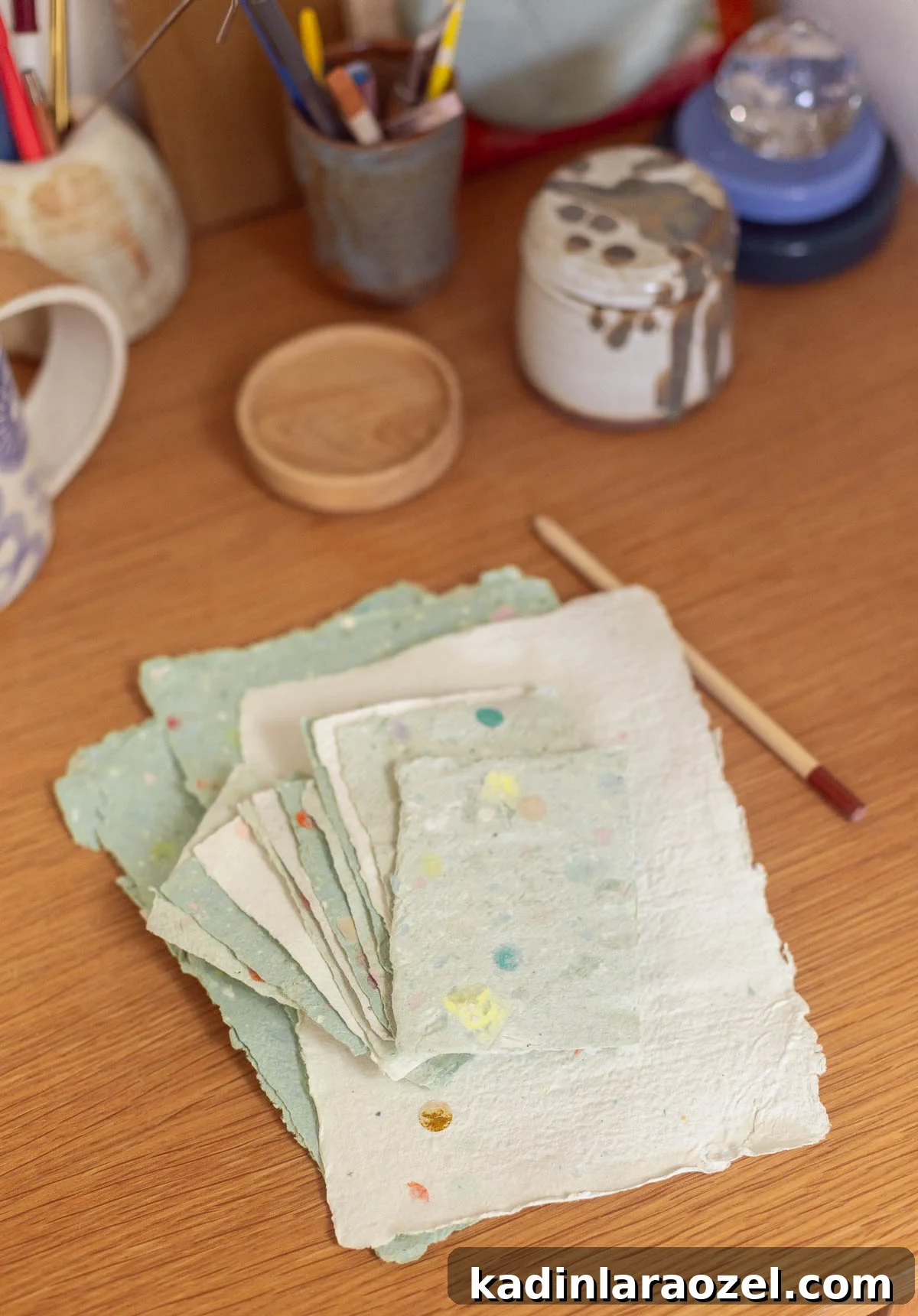
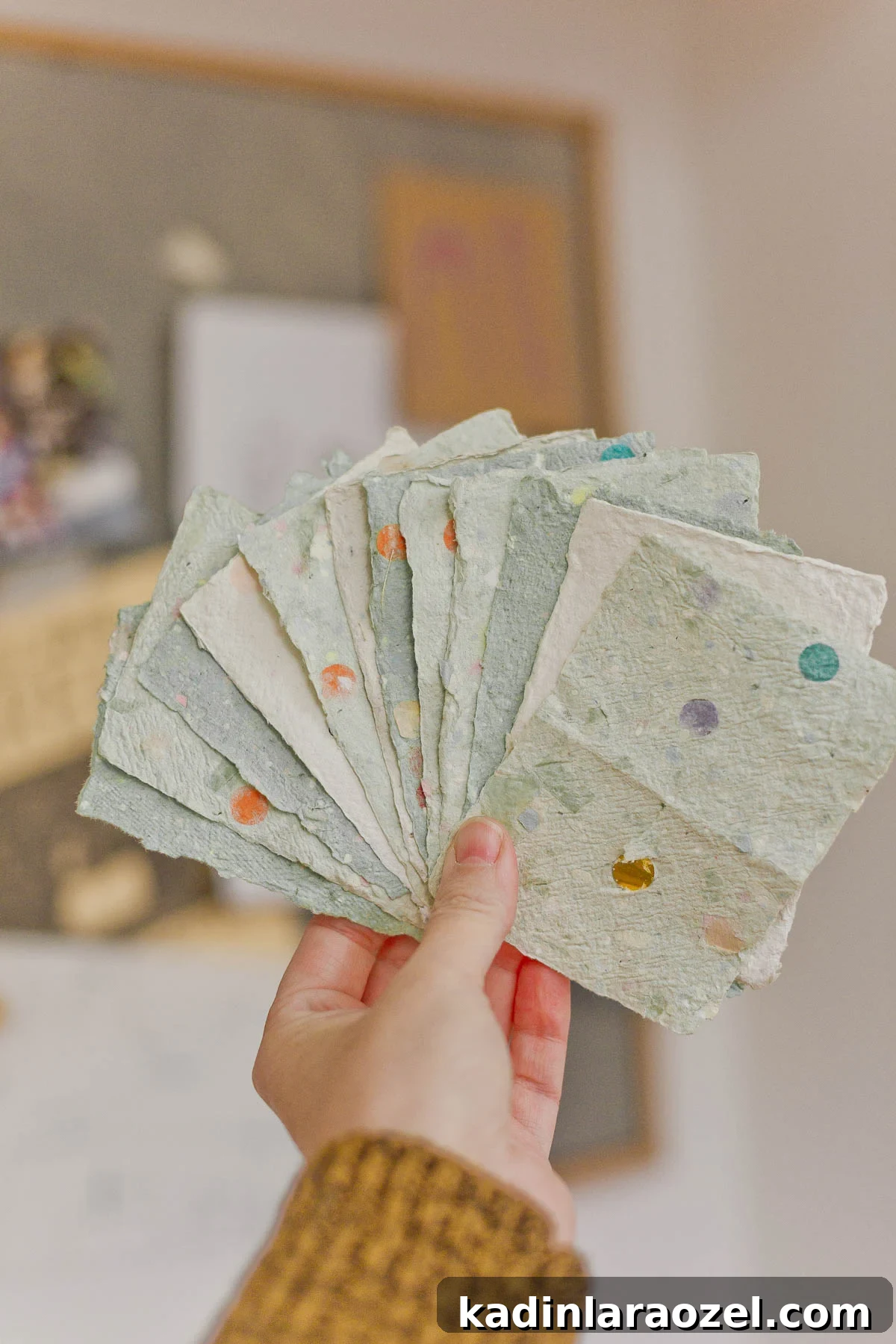
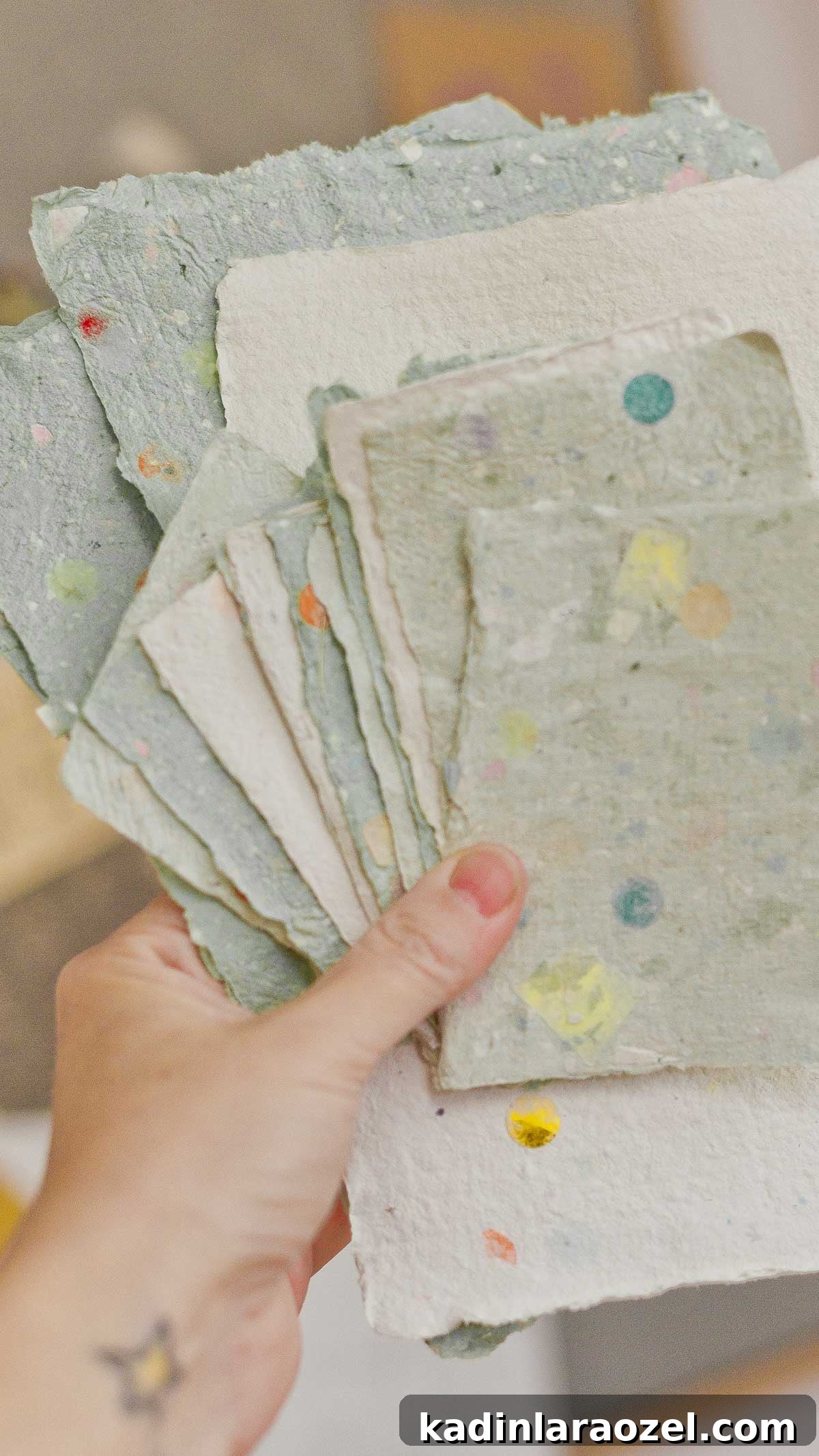
If you’ve never tried papermaking, give it a go—you’ll find it satisfying, eco-friendly, and addictive. Reusing scraps and turning them into beautiful, usable paper is both practical and creative.
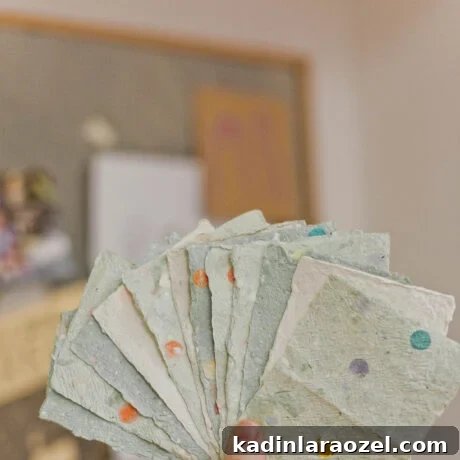
How to Make Paper
Brittni
Equipment
-
papermaking mould
-
scrap paper, junk mail, old receipts, paper grocery bags, etc.
-
old blender or immersion blender
-
sponge or microfiber towel
-
containers
-
old towel or rag
Instructions
-
Cut or tear scrap paper into small pieces—preferably under two inches.
-
Place the paper in a container and add enough water to cover it by about an inch.
-
Blend the paper with water until it forms a smooth pulp. Add water if the mixture becomes too thick. Soak first if using a regular blender; an immersion blender can be used immediately.
-
Add 2–3 inches of water to a tub larger than your mould, then pour in the pulp and stir to create a slurry.
-
Dunk the mould beneath the surface and lift it up evenly so a thin layer of pulp forms across the screen. If coverage isn’t even, try again.
-
Allow excess water to drip, then place the screen upside down on a towel so the wet sheet touches the fabric.
-
Press a sponge or microfiber cloth over the sheet to remove additional water and help the fibers bond.
-
Remove the screen and let the sheet dry flat on the towel overnight. For faster drying, use a fan, hair dryer, or try a low oven setting with careful monitoring.
-
When dry, peel the paper from the towel. Flatten any warped sheets by pressing them under a heavy book for a few hours.
Notes
You can save leftover pulp by straining the mixture and storing it in a sealed container in the fridge for a short time, then rehydrate for a future batch.