Make Reusable Produce Bags in 15 Minutes: DIY Sewing Guide
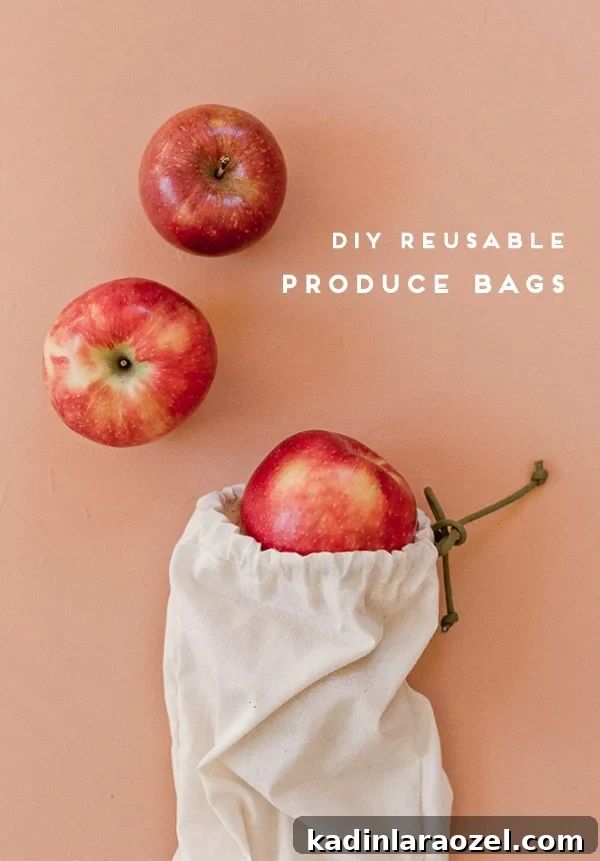
Reusable produce bags in 15 minutes (even if you’re a beginning sewer)!
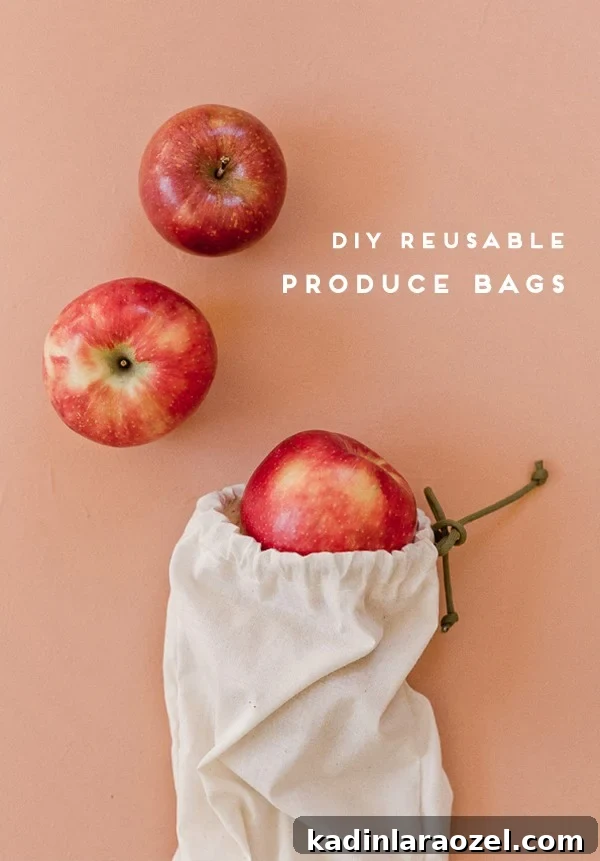
With many of us spending more time at home, here’s a quick, practical project you can make in about 10–15 minutes using items you likely already have. These reusable produce bags are a small, effective way to cut down on single-use plastic at the grocery store.
Over the past year I’ve been slowly replacing single-use items with reusable alternatives: unpaper towels, silicone food bags, and DIY sisal dish scrubbers are a few examples. These habits didn’t change overnight, but the small swaps added up and felt worthwhile. Reusable produce bags are another easy, low-cost change that can make a difference and are an ideal starter sewing project for beginners. They don’t need to look perfect—function matters most.
Should you DIY or buy reusable produce bags?
Reusable produce bags are widely available in a range of fabrics, sizes, and prices. I’ve seen sets priced around $10–$15. If you make your own, even buying all the supplies typically brings the cost to under $2 per bag, which is a nice saving. In my case I already had muslin and paracord leftover from other projects, so these bags cost me nothing.
Ways to save money and reduce waste while making these bags:
- Use a different drawstring if you have one on hand. I like paracord because it’s durable, but jute, cotton cord, or even upcycled shoelaces work fine.
- Any clean, untreated scrap fabric suitable for food contact will work. Upcycle old t-shirts or linens—just wash and dry the fabric before starting.
My take: Go DIY. These bags are lightweight, fold up small, and are easy and affordable to sew. Below are the materials and steps to make four bags in about 15 minutes.
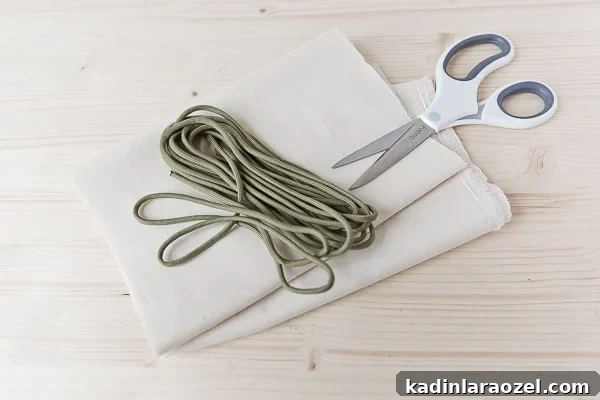
Materials to make DIY produce bags (makes 4 bags)
- 1 yard of muslin fabric (36″ wide)*
- Natural-color thread
- 8–10 ft of paracord or similar cord
- Sewing machine
- Safety pin
- Iron
*One yard of 36″ muslin yields four bags. Increase yardage and cord length if you want more bags.
Can you use fabric that isn’t muslin?
Yes. Use any clean, untreated fabric you’re comfortable having fruit and vegetables touch. Cotton works well, and old t-shirts or other upcycled textiles are a great option—just wash and dry them first. If you don’t have a full yard of fabric, you can reduce bag size or make fewer bags; the pattern is flexible and can be adjusted to fit the fabric you have.

Instructions: How to make produce bags
Step 1: Wash, dry, and iron your fabric. Fold the fabric in half widthwise twice and cut along the second fold so you have two folded pieces. Fold each piece so the selvages meet, cut along that fold, and repeat with the other piece. You should end up with four folded fabric pieces.
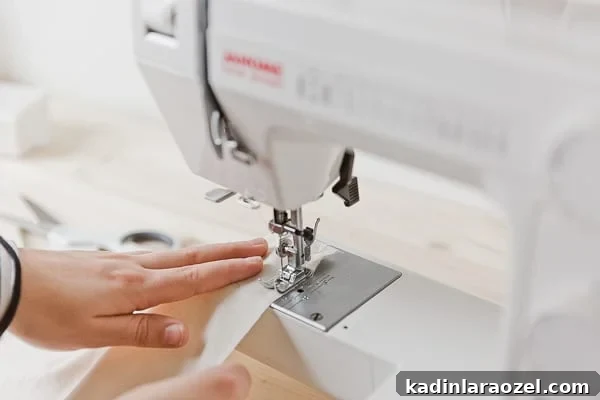
Step 2: Sew a line along each long side of each piece, leaving the top open.
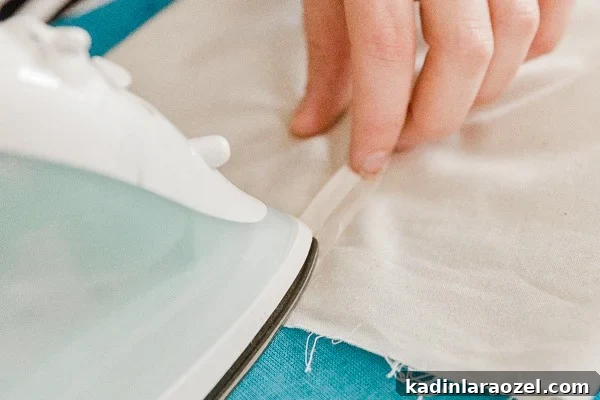
Step 3: Press the side seams open with an iron. Then fold the top edge down about 1.5″ and press to create the channel for the drawstring.

Step 4: Turn the bag right-side out and fold up the top hem. Sew a buttonhole or make a small reinforced slit just below the folded edge for the drawstring to pass through. If you prefer to avoid buttonholes, cut a neat slit and hand-sew the edges or install a grommet large enough for two cords.
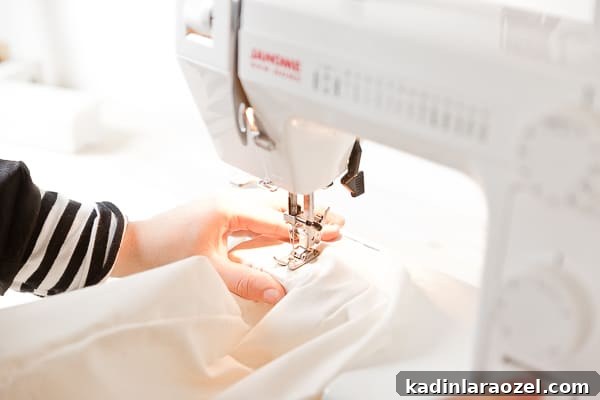
Step 5: Turn the bag wrong-side out again and sew the top hem closed, leaving the channel for the drawstring intact.
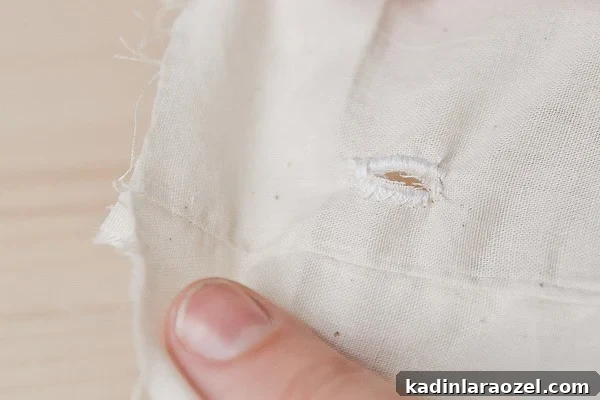
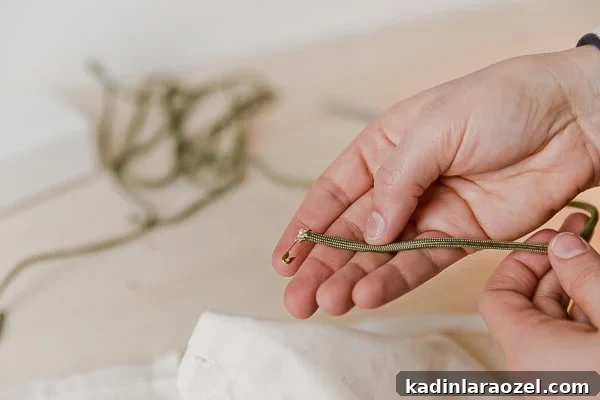
Step 6: Attach a safety pin to one end of the paracord and thread it through the buttonhole or slit, pushing the safety pin all the way around the top channel until it emerges on the other side. Make sure the top of the bag remains flat while you thread the cord. Measure about 8″ for each bag and cut two strands for each bag.
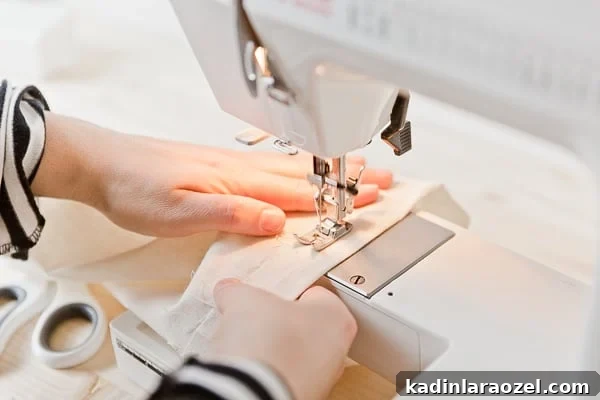
Step 7: Knot the cord ends to prevent fraying. For extra security, carefully melt synthetic cord ends with a lighter to fuse them (exercise caution). Pull the cord tight and tie to close the bag. These bags can be used just like plastic produce bags—remember to bring them with you when you shop.
Other uses for muslin
Muslin is a versatile fabric available in various weights and widths. By adjusting dimensions slightly, you can use the same method to make:
- Sandwich bags: Make a bag slightly taller and wider than your sandwich for a reusable lunch bag that can be washed and used again.
- Bulk bags: Use larger muslin bags for bulk items like rice, pasta, nuts, dried fruit, and candy. Take a photo of the SKU for the cashier to enter at checkout.
- Snack bags: Smaller bags are perfect for on-the-go snacks like popcorn or pretzels and fold up neatly to carry in a purse or backpack.
Making and using your own reusable produce bags is an easy step toward reducing single-use plastics. If you try this project, I’d love to hear how it goes and what modifications you make.


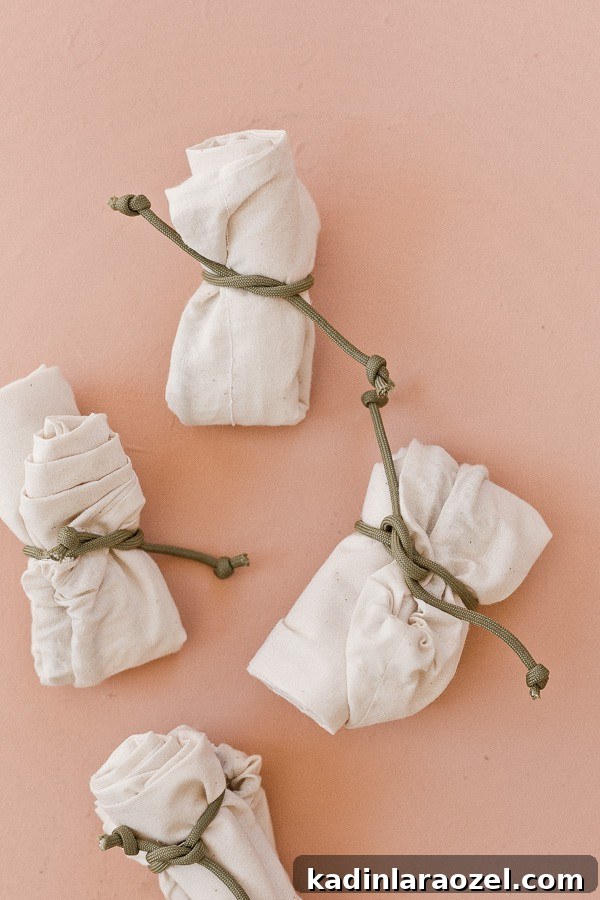
DIY Reusable Produce Bags for Veggies and Fruit at the Grocery Store
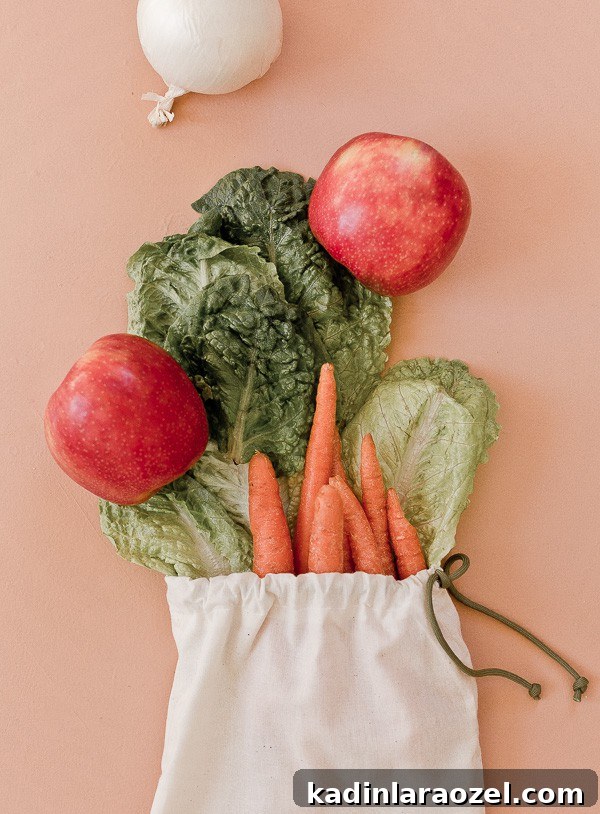
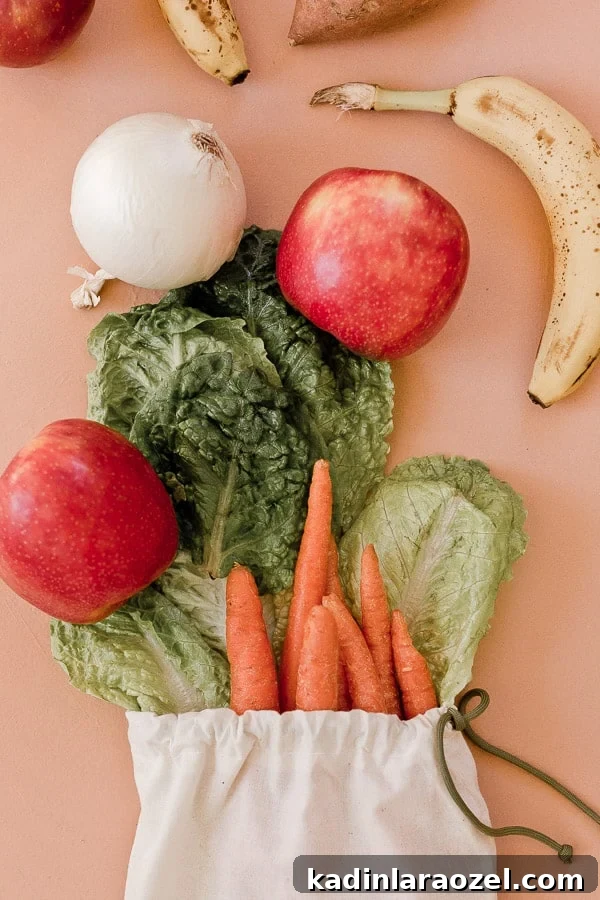
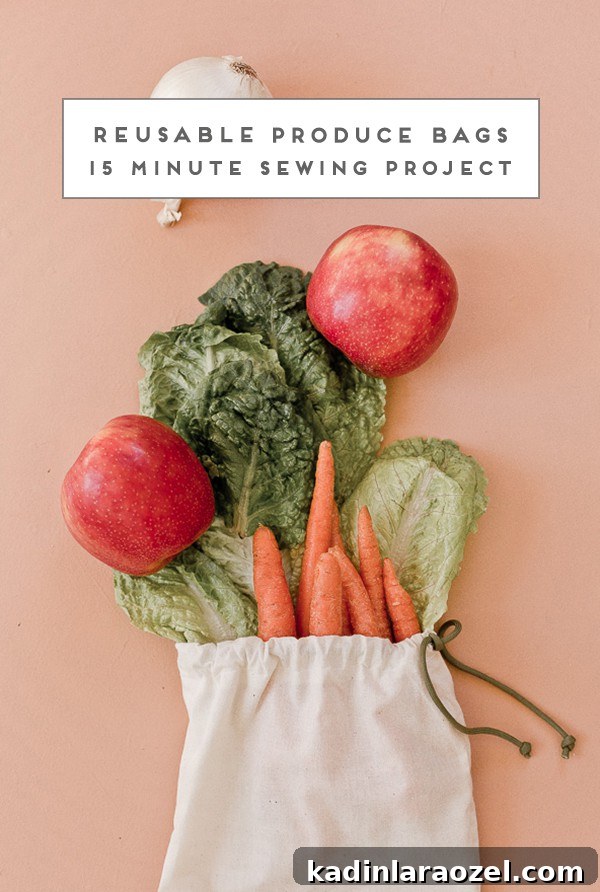
For a small family, groceries usually include a lot of loose produce—apples, oranges, potatoes, and more. Using lightweight reusable bags for produce makes it easy to skip single-use plastic and lets you choose individual pieces of fruit without relying on pre-bagged options.
Ingredients
- 1 yard of muslin fabric
- Natural-color thread
- 8–10 ft of paracord
- Sewing machine
- Safety pin
- Iron
Instructions
Step 1: Wash, dry, and iron the muslin. Fold the muslin in half widthwise twice and cut along the second fold to get two folded pieces. Fold each so the selvages meet, cut along that fold, and repeat. You should have four folded pieces.
Step 2: Sew a line along each long side of each piece, leaving the top open. Press the seams open, fold down the top about 1.5″ and press.
Step 3: Turn the bag right-side out, fold up the top hem, and make a buttonhole or reinforced slit below the fold for the drawstring. Turn the bag inside out again and sew the top hem closed.
Step 4: Attach a safety pin to one end of the paracord and thread it through the hole, pulling it around the top channel until it reaches the other side. Measure about 8″ and cut both strands. Knot the ends to prevent unraveling and, if desired, carefully melt synthetic cord ends with a lighter to secure them.
Step 5: Pull the cord tight and tie to secure produce inside. Use these bags in place of plastic produce bags at the store.
Looking for more eco-friendly projects? Try making reusable t-shirt grocery bags or other upcycled tote ideas to continue reducing single-use plastics.
P.S. If you try this project, tag your photos with a project or challenge you’re participating in to share your progress and inspire others.