Natural Fabric Dyeing: How to Dye Clothes with Plant-Based Colors
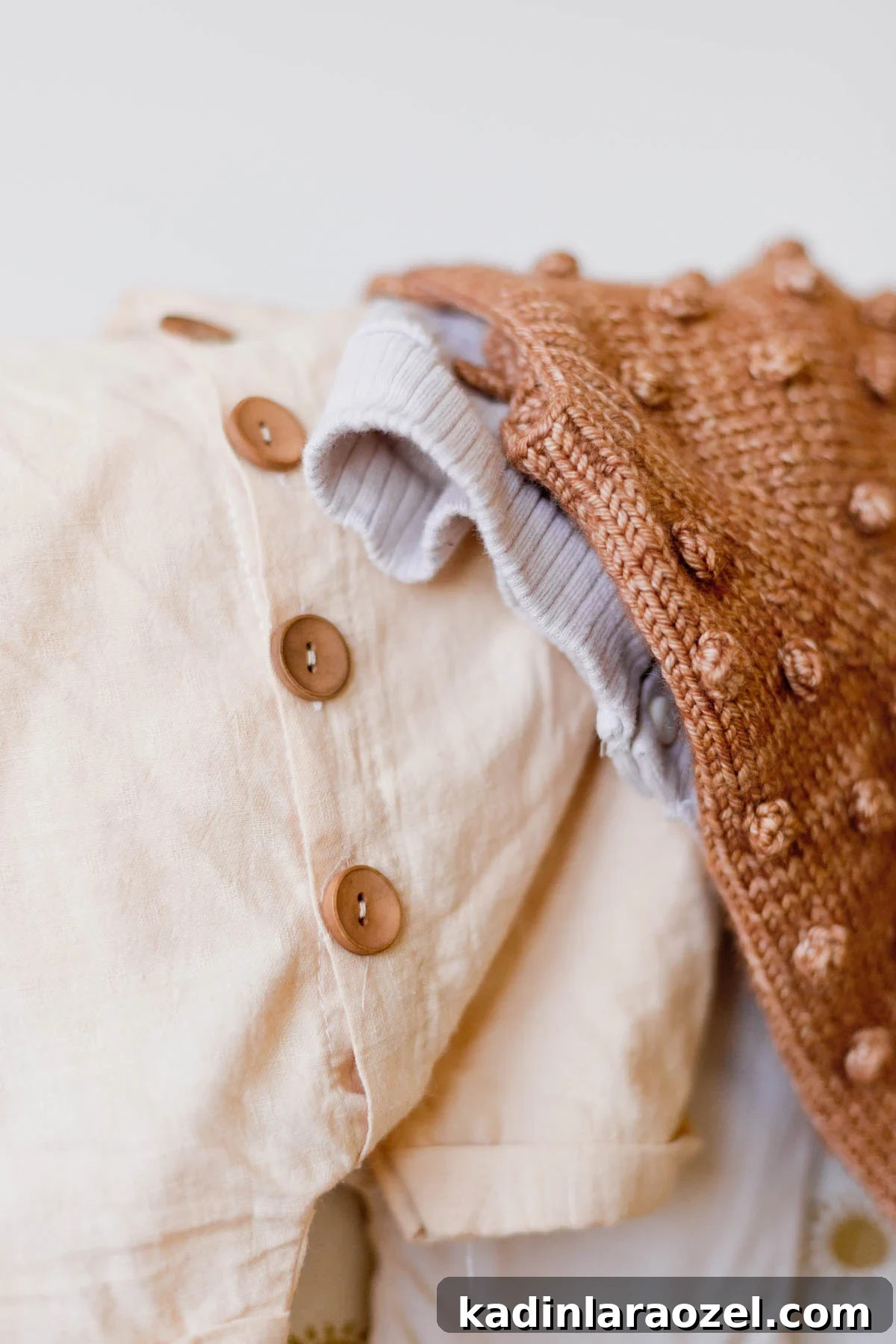
Learn how to dye clothes naturally — it’s easier than you think.
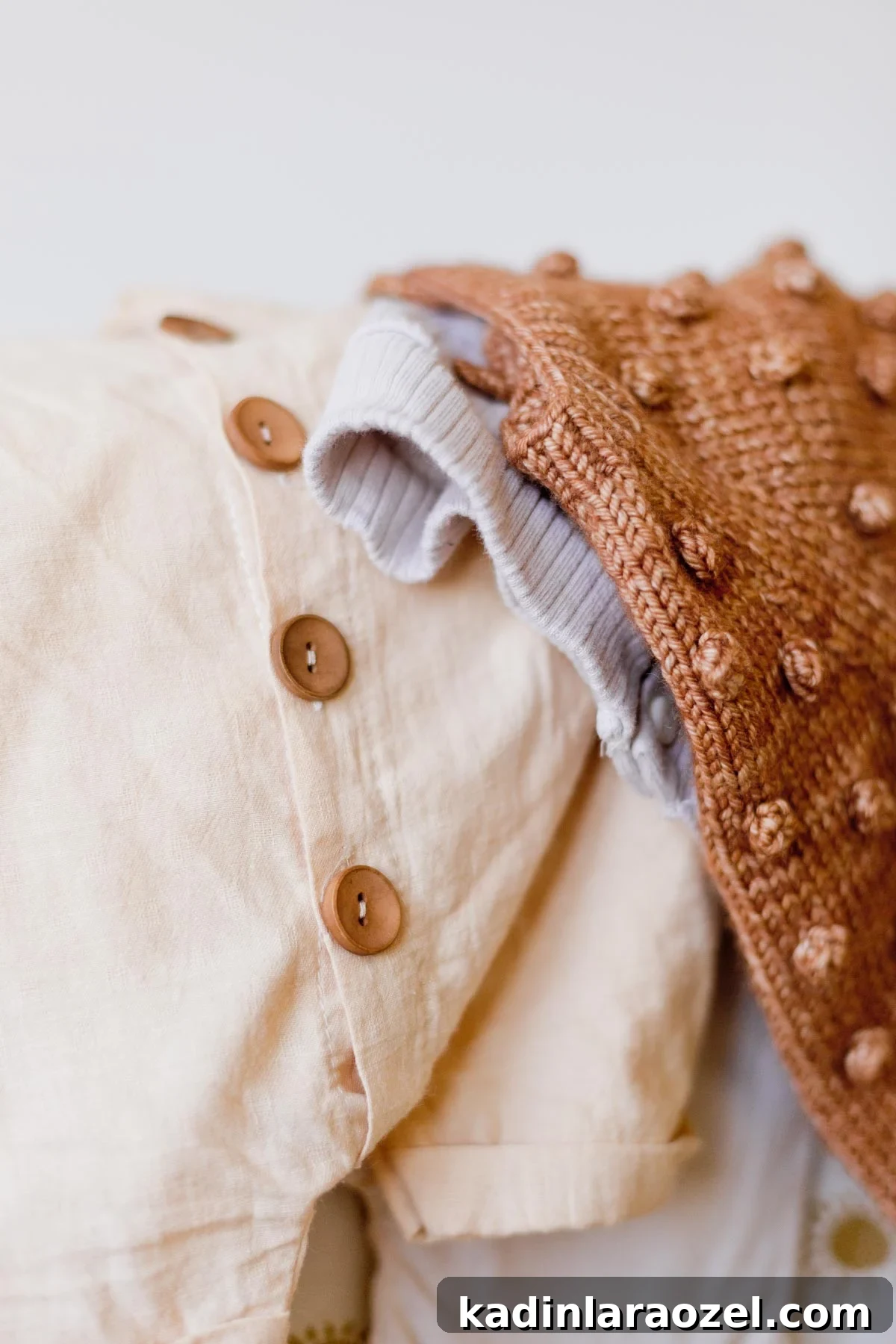
I’ve been experimenting with naturally dyeing inexpensive clothing to give it a cuter, more polished look. The results have been consistently pleasing, so I wanted to share a clear, practical guide to natural dyeing that you can use at home.
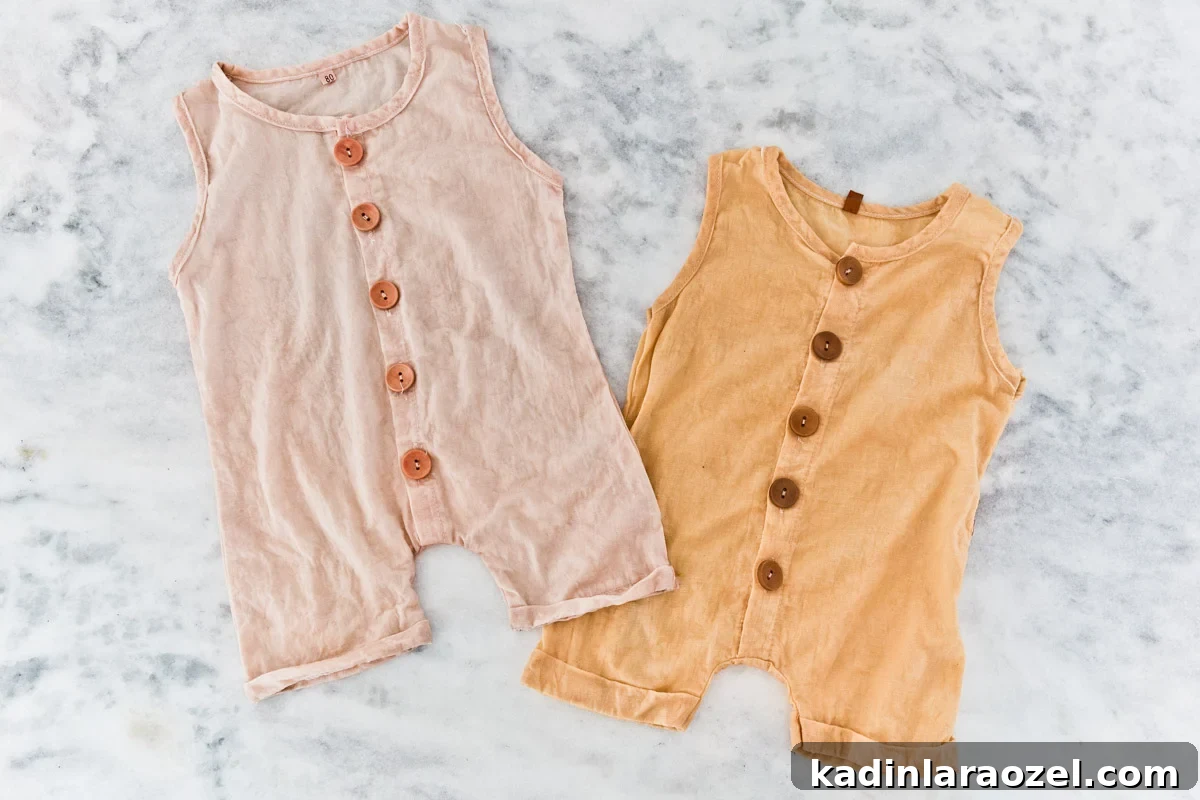
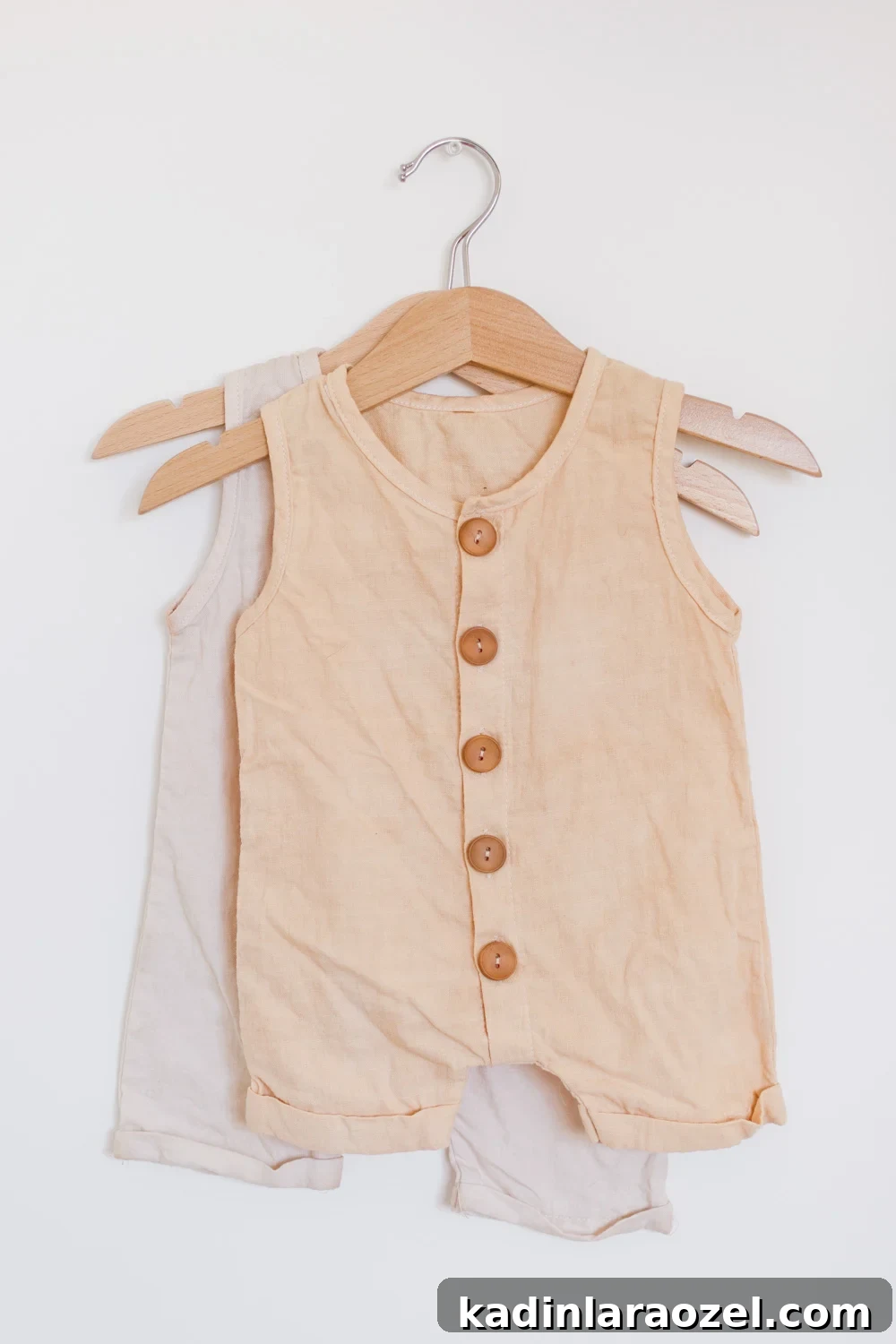
In these examples I used a few affordable baby jumpers (each was around $8–$12) to demonstrate a range of soft, muted colors. The same techniques work on adult clothing and larger garments as long as they’re made of natural fibers.
How to Dye Clothing Naturally
Natural dyes work best on fabrics made from natural fibers like cotton, linen, silk, or wool. Avoid fabrics with waterproof coatings, heavy finishes, or stain-resistant treatments that will prevent the dye from penetrating. Light-colored fabrics — white, cream, or pale neutrals — provide the best base for natural dyes.
Before you begin: Wash the garment to remove any finishes, dirt, or sizing that might block the dye. Dyeing works best when the fabric is damp, so you can start immediately after washing while the item is still wet.
General tips
- Use stainless steel, enamel, or non-reactive pots for dyeing. Avoid aluminum or copper pots, which can alter the dye color.
- Make sure the dye liquid completely covers the garment during the process.
- Heat setting helps the dye adhere—either air dry and press with a hot iron or put the item through a dryer before washing.
- Expect some variation between dye lots and some gradual fading with repeated washing; consider making the dye slightly stronger if you want a deeper shade.
1) Dyeing with Onion Skins
Materials
- 2–3 packed cups of yellow onion skins
- 5 cups of water
- 2 tablespoons vinegar
These quantities will comfortably dye one adult-sized t-shirt or two to three children’s garments. Ensure the fabric is fully submerged in the dye bath.
Instructions
- Put the onion skins and 5 cups of water in a pot and bring to a boil. Reduce heat and simmer for about 20 minutes to extract the color.
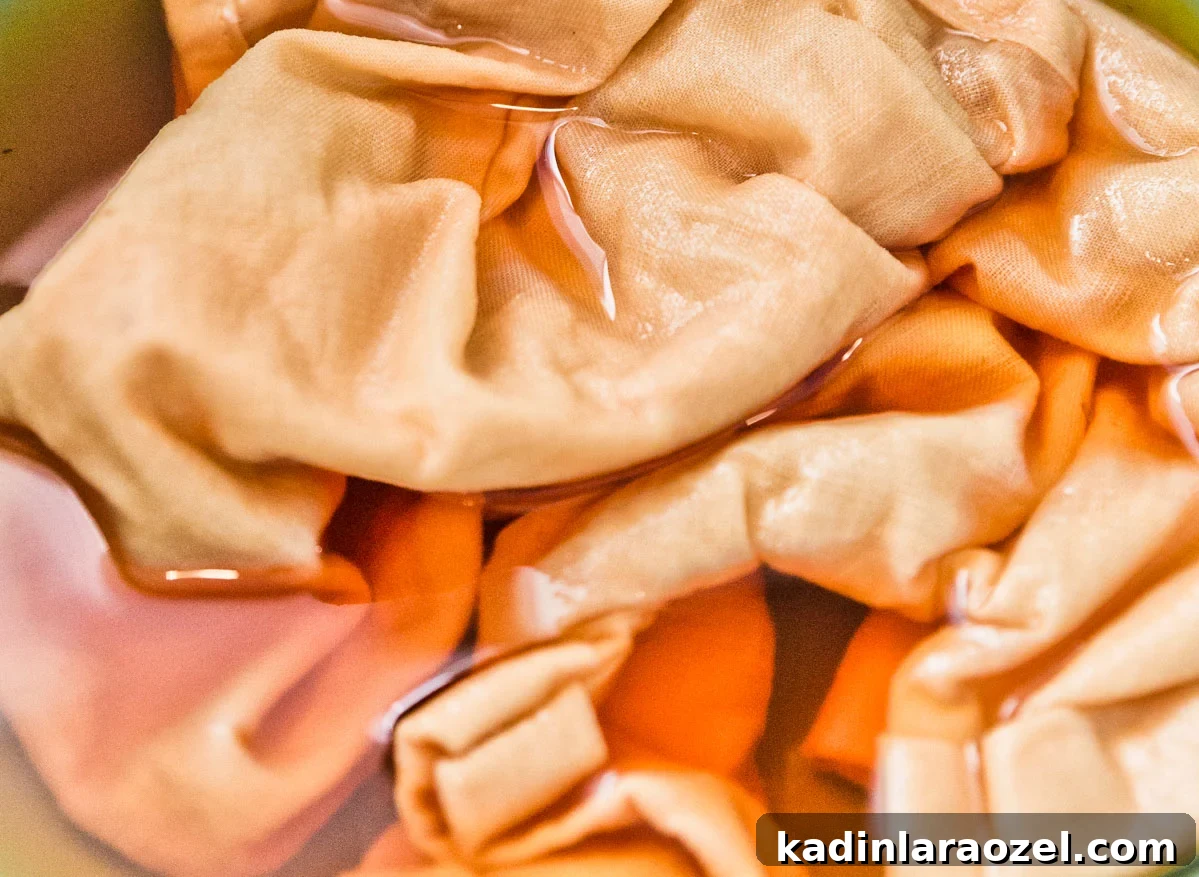
- Strain out the skins using a slotted spoon or sieve. Add the damp garment to the strained dye liquid and simmer gently for another 15 minutes.
- Remove the garment and rinse under cold water until the water runs clear.
- Heat set the dye by drying in a dryer or air drying and pressing with a hot iron before washing. This reduces the amount of dye that might wash out.
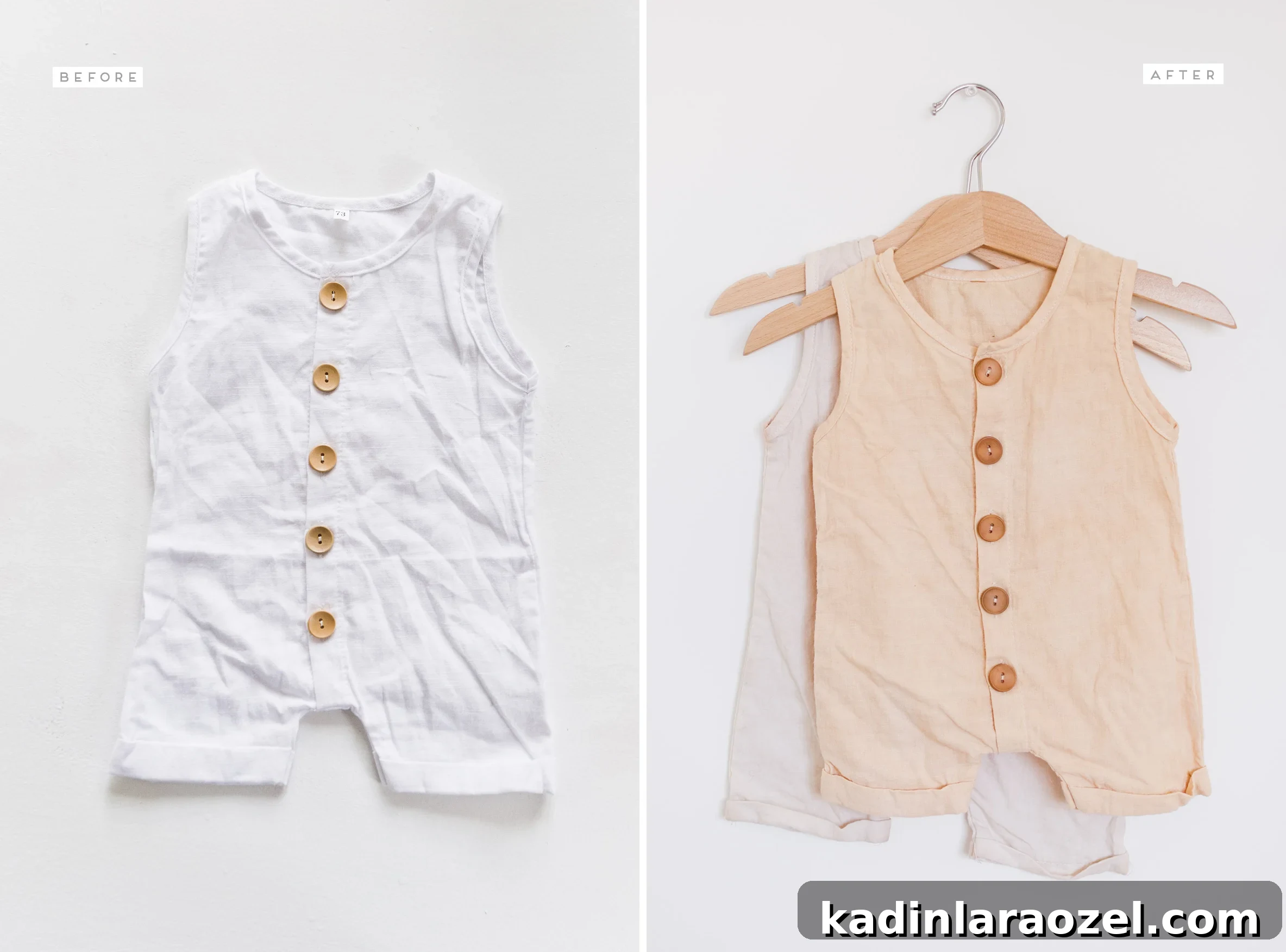
Onion skins produce warm yellow-to-golden-orange tones and are a great option if you want a soft, earthy shade.
2) Dyeing with Beet or Blueberry Juice
Materials
- 4 cups (32 ounces) of 100% beet juice or 100% blueberry juice
- 2 tablespoons vinegar or table salt
100% fruit juices (no additives) are available at many grocery stores; if you don’t find them locally, natural-food stores typically stock them. These juices yield pinks, mauves, and soft purples depending on concentration and fabric.
Instructions
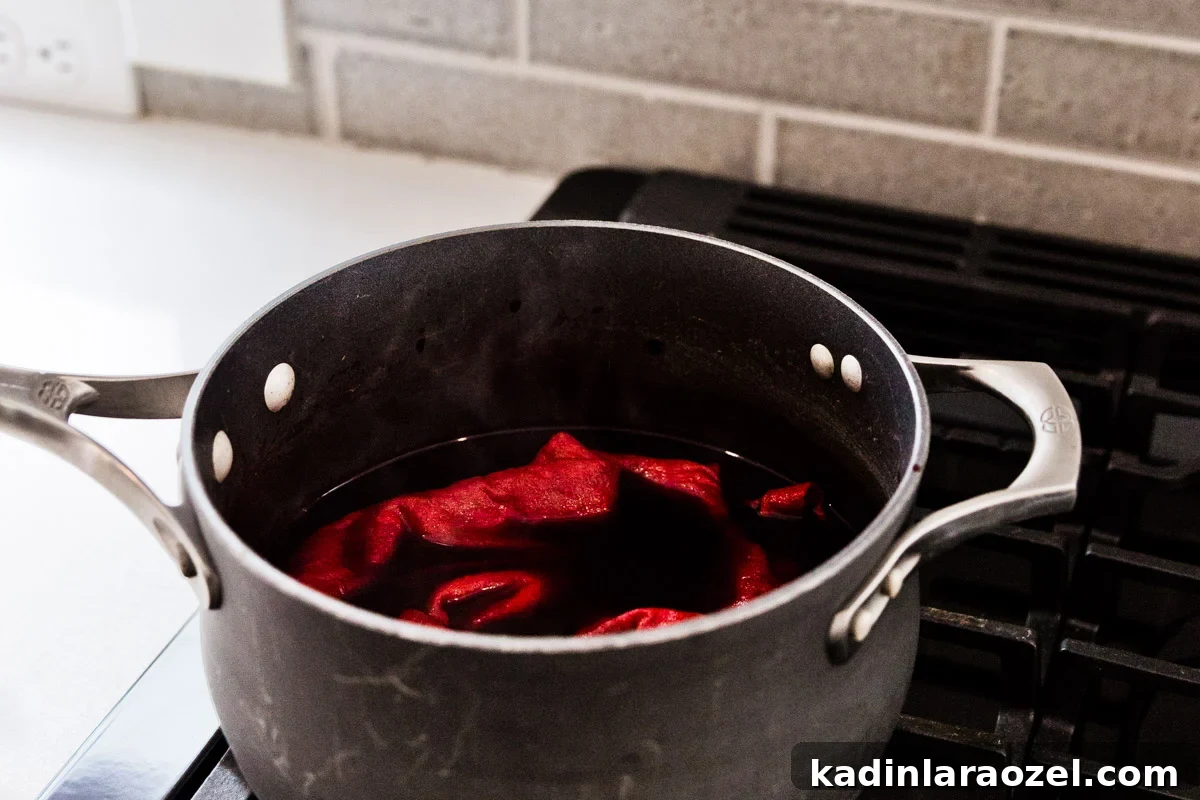
- Pour the fruit juice and vinegar (or salt) into a pot and bring just to a boil, then reduce heat and simmer for 15 minutes.
- Add the damp garment and simmer gently for about 35 minutes. For deeper color, turn off the heat and leave the garment in the pot while it cools.
- Rinse under cold water until the rinse water runs clear.
- Air dry and heat set with an iron for about five minutes, or tumble dry, before laundering in the washing machine.
You can mix beet and blueberry juices in different ratios to achieve a wider palette. For example, a garment dyed with 25% beet and 75% blueberry will read as a dusty mauve, while a higher beet ratio shifts toward pink.
Color Notes and Considerations
Natural dyes can vary in intensity between batches and may fade gradually with washing. To compensate, you can increase the concentration of your dye material (more onion skins, more juice, or longer steeping times) to achieve a richer color initially. Alternatively, embrace the subtle, lived-in look that natural dyes often develop over time.
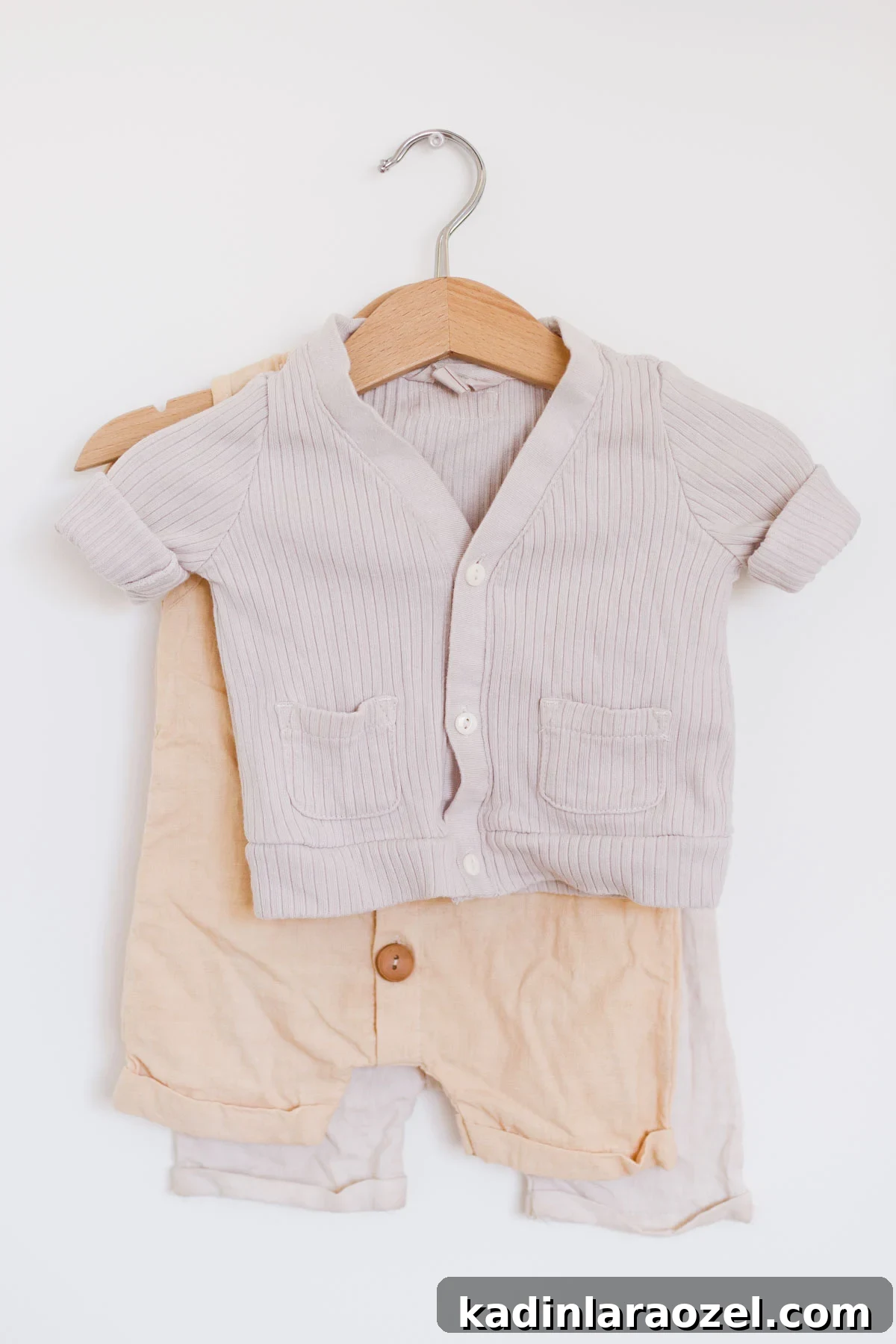
In the examples pictured: a cardigan was dyed with a mix of blueberry and beet juices (approximately 75% blueberry and 25% beet), one baby jumper was dyed with a higher beet ratio for a pink-ish tone, and another was dyed with onion skins for a warm yellow-orange hue. The onion-skin result was my favorite for its rich, organic warmth.
Care After Dyeing
- Always heat set the dye before laundering to help lock color in.
- Wash dyed garments on a gentle cycle with cold water for the first few washes to minimize fading and color transfer.
- Expect slight variations in tone between dye sessions; if you need a matched set, dye all pieces in the same batch when possible.
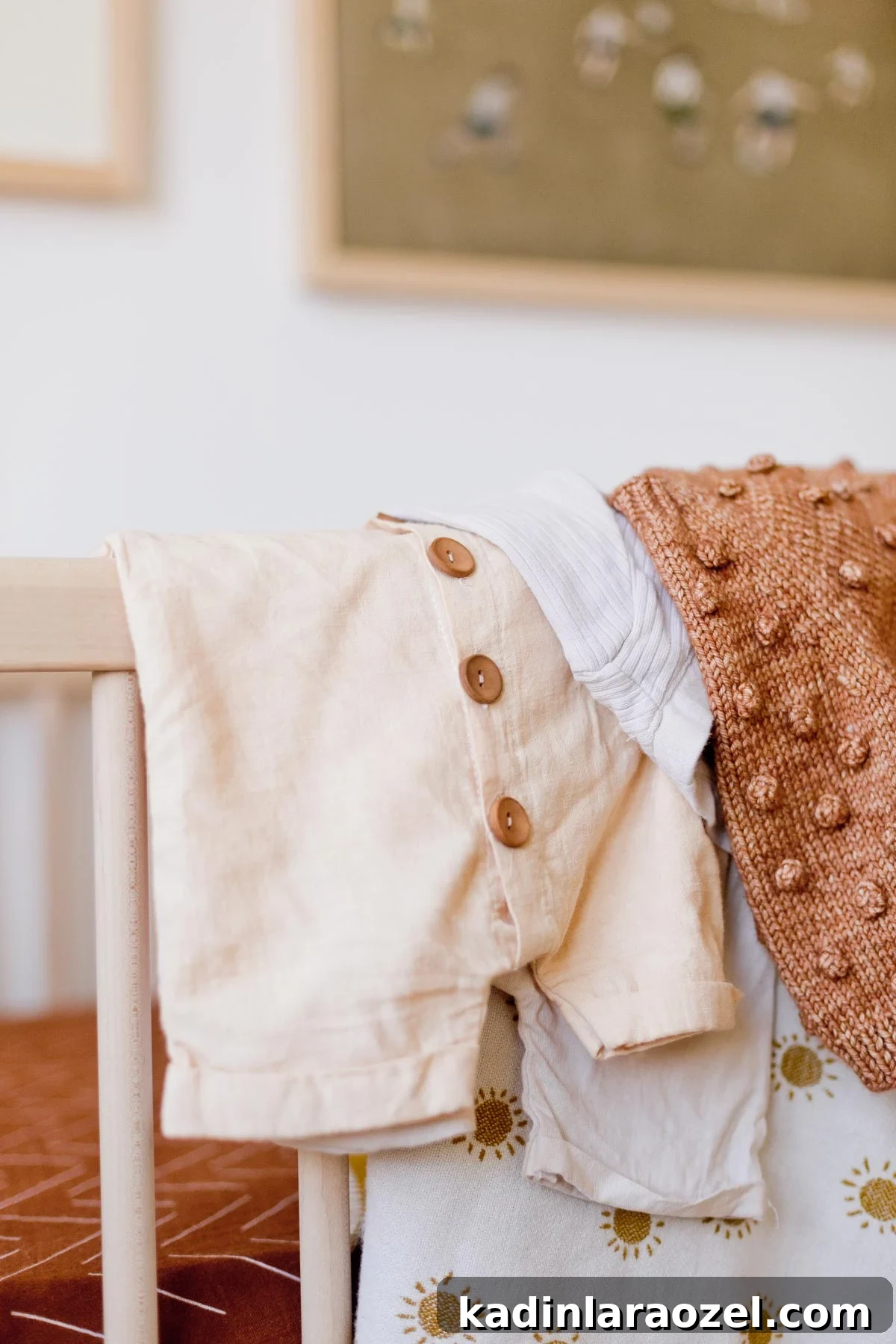

P.S. One of the rust-colored sweaters shown in a few photos wasn’t dyed as part of these projects — it was simply included for styling.
What kinds of garments are you thinking about dyeing this spring? Lightweight cotton tees, linen shirts, simple baby garments, knit scarves, and cotton canvas tote bags all respond nicely to these natural dye methods.