Plant One on Me: 3 Simple Steps for Plant Propagation
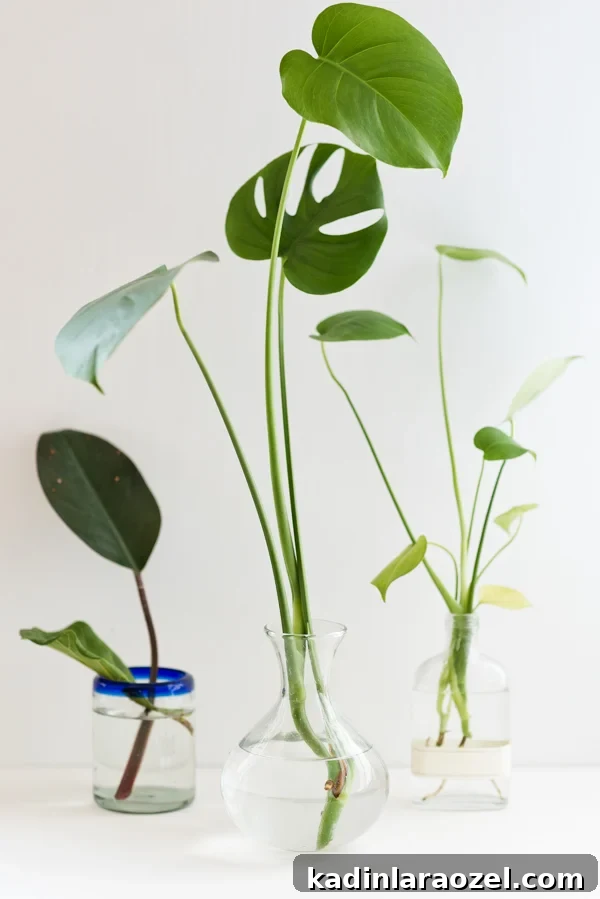
The foolproof guide to propagating plants with ease!
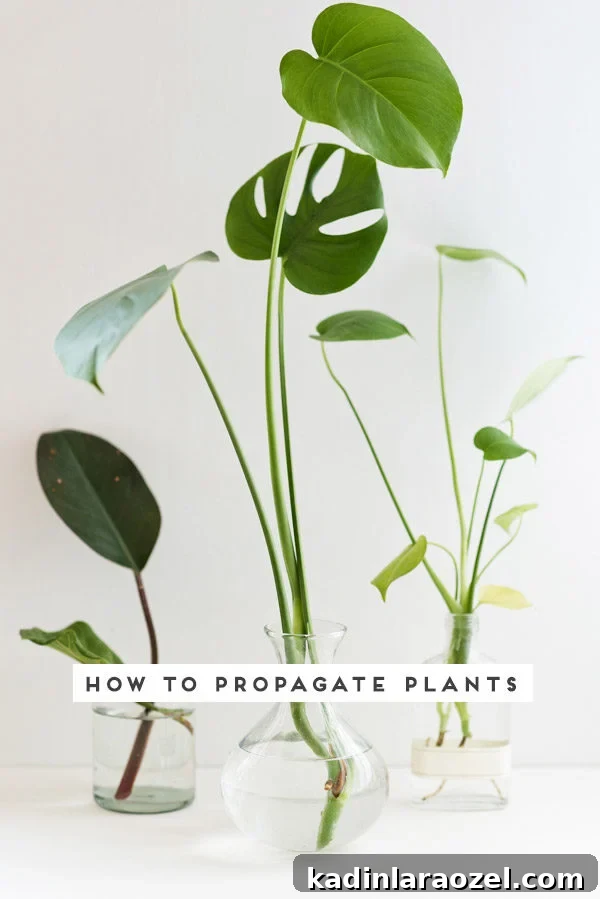
Spring is here, trees are in bloom, and many houseplants look like they’re shaking off winter dormancy. It’s the perfect time to learn how to propagate plants — creating new specimens from the ones you already own.
What does plant propagation mean? Simply put, propagation is the process of producing new plants from existing ones. It’s a budget-friendly way to expand your collection or control an overgrown plant.
Essential Things to Know About Propagating Plants
There’s a lot of information online about propagation, from varied techniques to products like rooting gel. While rooting aids can help in some cases, many houseplants root easily with a straightforward approach. I’ve had consistent success keeping things simple, especially with succulents, philodendrons, monsteras, and fiddle leaf figs.
This guide focuses on practical, easy methods rather than in-depth scientific detail. For most home growers, propagation aims to accomplish one of two goals:
- Grow more plants without spending much (or any) money.
- Keep existing houseplants manageable by removing excess growth.
If those sound like your goals, read on for three simple steps.
How to Propagate Plants — the Easy Way
Step 1: Leaf Cutting, Trimming, or Root Division
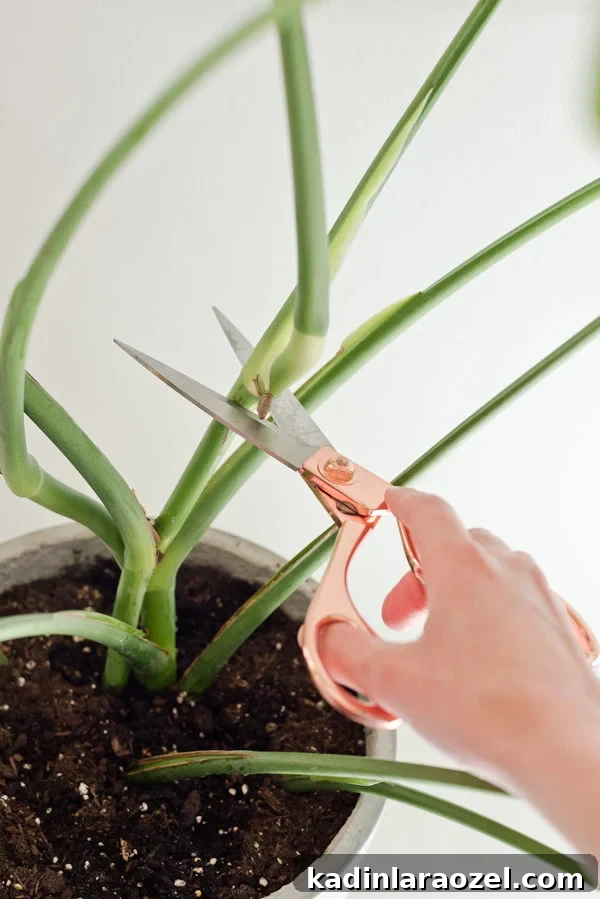
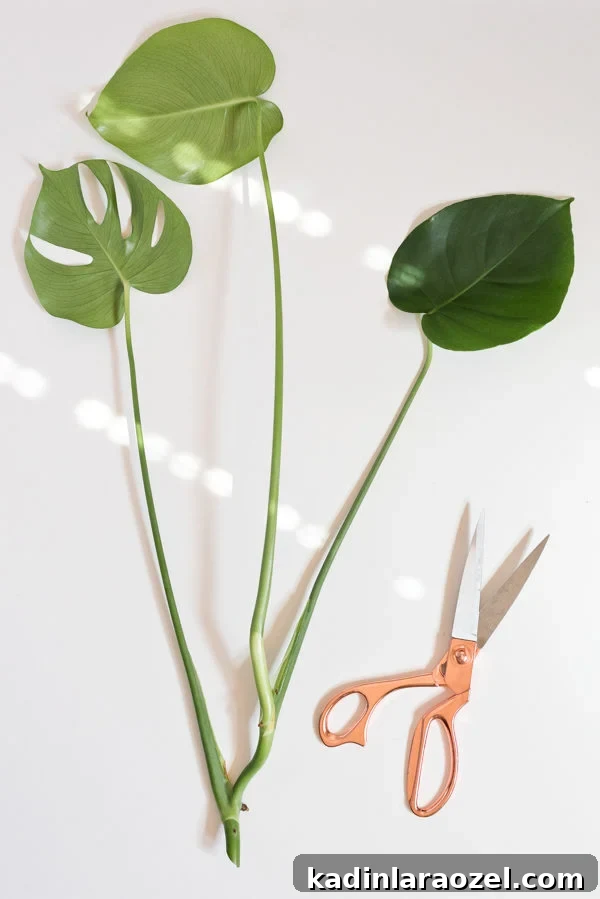
Start by taking a cutting or dividing the plant, depending on the species and growth habit.
Succulents
Succulents are commonly propagated from leaves. Gently twist or cut off healthy leaves, set them on a flat surface (a tray or cookie sheet works), and allow the cut ends to callus and dry for a few days. Once callused, place them on well-draining soil; small pups will form at the base over time.
Monsteras and Philodendrons
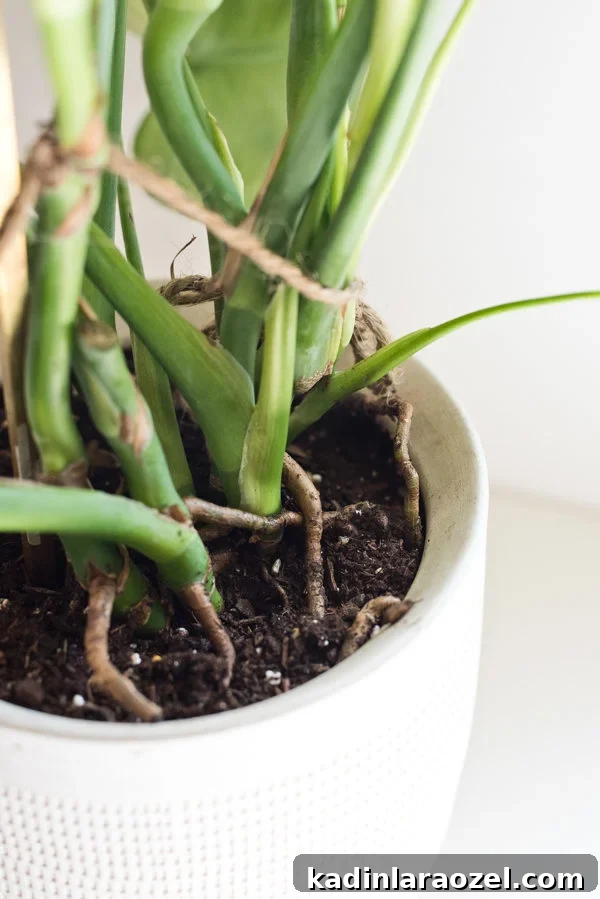
For vining aroids like monsteras and many philodendrons, take stem cuttings that include a node or two — the little bumps where aerial roots and new roots form. You can also divide plants with multiple stems by separating the root ball into smaller sections. Root division is ideal when you’re repotting, as it can be a bit messy.
Fiddle Leaf Figs
Fiddle leaf figs are often propagated by taking individual stem cuttings with leaves near the main stem or by air-layering (a technique not covered in detail here). Trimming back leggy growth and rooting those cuttings is a common home method.
There are additional techniques tailored to specific species, but these basic methods are a great place to start.
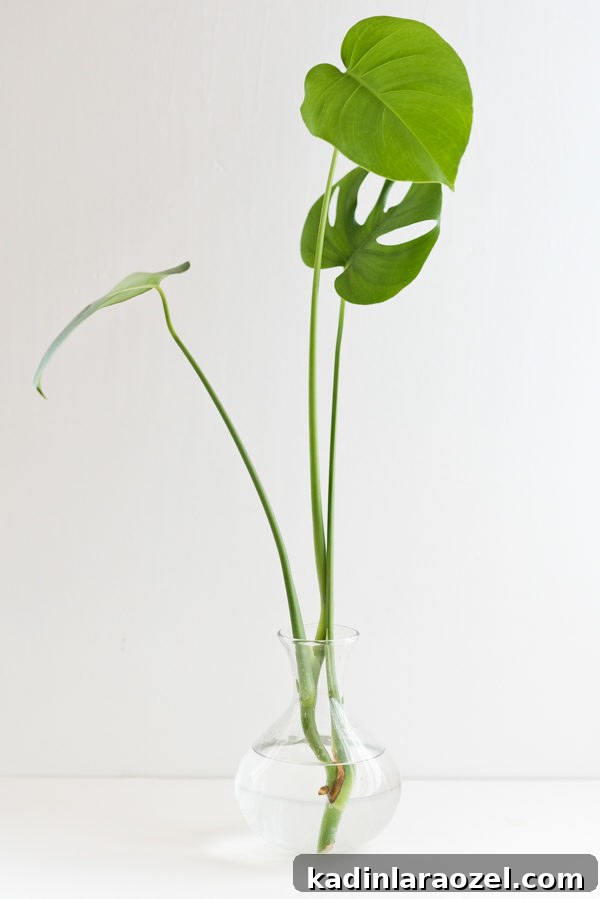
Step 2: Rooting
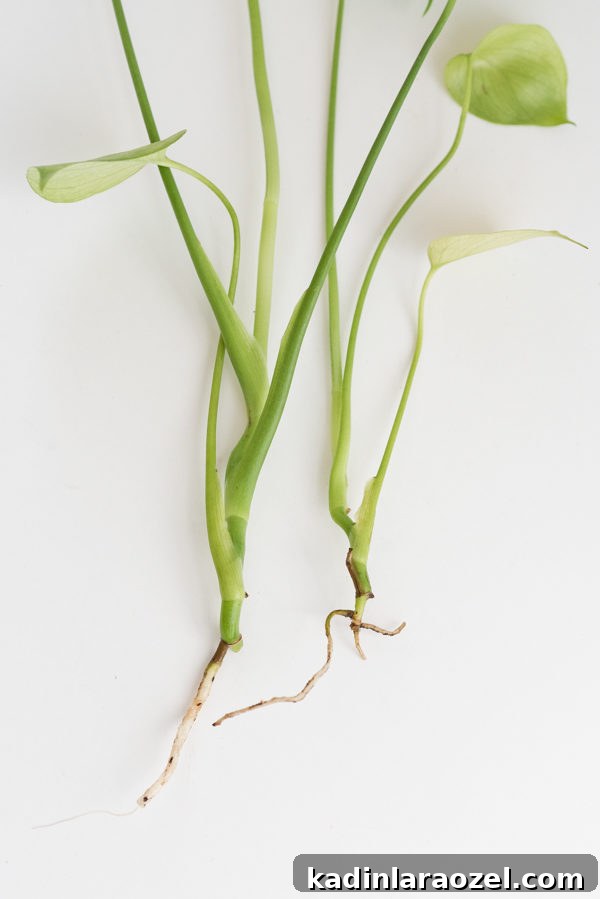
Once you’ve prepared cuttings or divided the plant, the next step is to encourage root growth. Rooting time varies by plant — from a couple of weeks to several months.
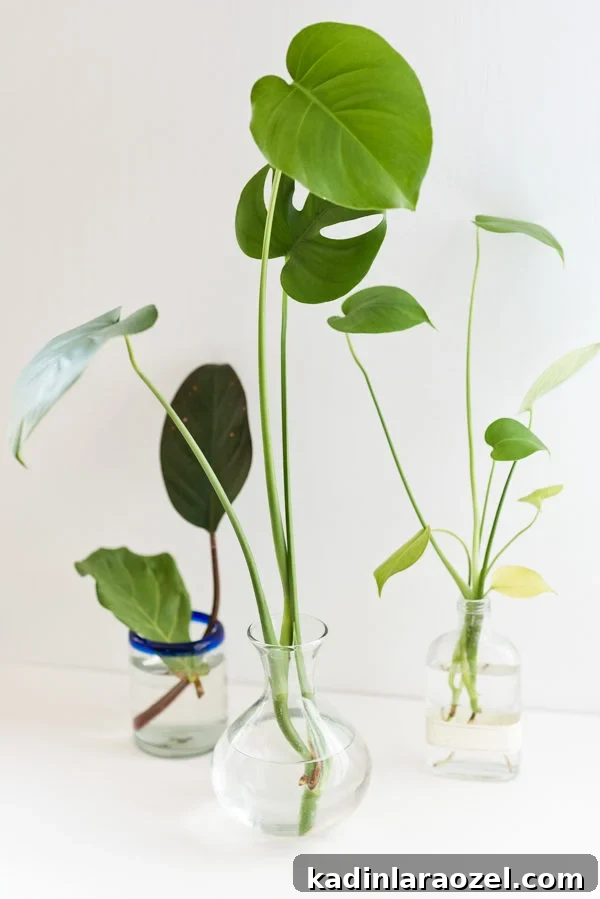
Aside from succulents (which need to dry and form a callus before being planted), a simple and reliable method is to root cuttings in clear jars of water. Water rooting lets you monitor root development without disturbing the cutting, and it can look attractive displayed in your home.
Keep cuttings in indirect light and change the water only if it becomes cloudy or low from evaporation. For many species, plain tap water works fine; some people prefer using filtered or distilled water if their tap water has high minerals.
Step 3: Potting
After the cuttings have developed a healthy root system, transfer them into pots with fresh soil. Use a potting mix appropriate for the plant type — well-draining mixes for succulents, and a peat- or coco-based mix with perlite for many tropical houseplants.
Plant into containers sized so the root ball can expand but not so large that the plant struggles to support itself. Water lightly after potting to settle the soil, and resume regular watering once the plant establishes. Fertilize sparingly once new growth appears, following the product directions for houseplants.
When potted and established, your new plants will keep growing and may be ready for another round of propagation by the next season.
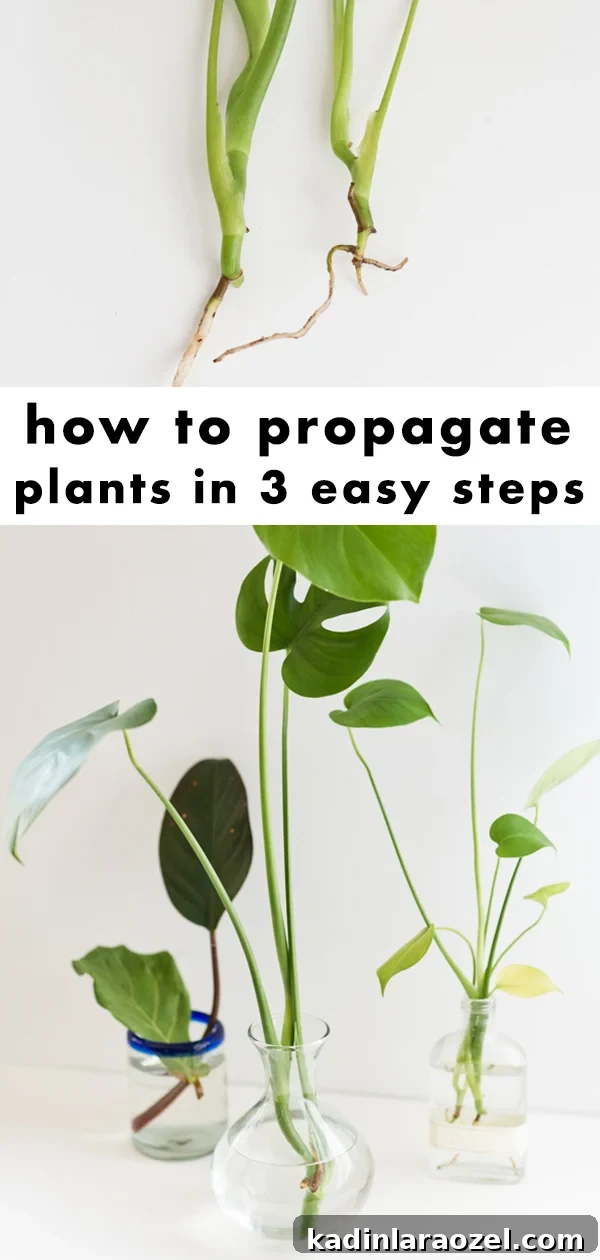
How to Propagate Plants
Instructions
Step 1: Leaf Cutting / Trimming / Root Division
- Choose the appropriate method for your plant: leaf cuttings for many succulents, stem cuttings with nodes for vining aroids, or root division for clumping specimens.
- For succulents: remove healthy leaves, let the cut ends callus for a few days, then place them on soil to grow pups.
- For monsteras and philodendrons: take stem cuttings that include nodes, or separate the plant into smaller sections when repotting.
- For fiddle leaf figs: trim stem cuttings near the main stem; other methods like air-layering can work for specific situations.
Step 2: Rooting
- Root growth can take weeks to months. Succulent leaves must callus before planting or watering.
- Many houseplant cuttings root well in clear jars of water, which lets you watch root development without disturbing the cutting.
- Keep cuttings in indirect light and change the water only if it becomes cloudy or evaporates significantly.
Step 3: Potting
- Once roots are strong, plant cuttings in fresh potting mix suitable for the species, water lightly, and provide space for growth without excessive pot size.
- When established, you can continue to propagate from these plants seasonally.
Have you tried propagating plants before? If not, give it a try the next time your plants need trimming or you want a new addition without spending much. Propagation is simple, rewarding, and a great way to grow your indoor garden.