Plaster Pusher: Make Mini Plaster Planters and Color Them with a Secret Ingredient
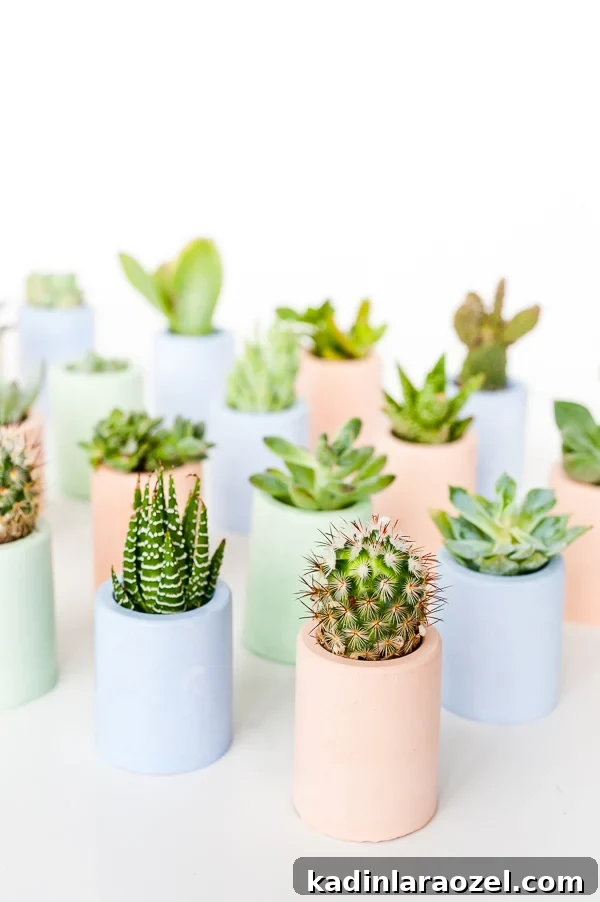
Mini planters made from colored plaster — a clever, colorful DIY you should try!
I used to work with Plaster of Paris a lot, but over time I switched to concrete for projects I once made with plaster. The process is almost the same and I like the concrete look better, so it felt natural to make the change.
Still, I kept wondering if I could color plaster itself for some tiny planters I had in mind. I searched online and didn’t find a straightforward method.
That’s likely because plaster’s powdered consistency is critical for proper setting. It’s not as simple as stirring in acrylic paint and calling it done.
Yes, you can always paint finished pieces afterward — I’ve done that — but I wanted the color to be part of the material, not just a surface treatment. Pigment in the mix changes the texture and look in a way paint can’t.
After some testing, I discovered a reliable method. It tints plaster virtually any color without altering its consistency. Once I found it, I wanted to share it and start using it on every small project I can justify. Below is the secret ingredient and a simple tutorial for pastel mini planters ideal for cacti and succulents.
Materials Needed for Mini Planters
- Plaster powder (Plaster of Paris)
- Powdered tempera paint — THIS IS THE SECRET INGREDIENT (available in many colors)
- Silicone or rubber molds (I used silicone shot glass molds)
- Matte medium (for sealing)
- Paint brush
- Fine-grit sandpaper
Where to Buy Plaster of Paris
If you don’t want to order online, Plaster of Paris is easy to find locally. Look for it at craft and art supply stores such as JoAnn’s, Michaels, and Dick Blick — sometimes it’s stocked in the kids’ crafts section. Home improvement stores like Lowe’s and Home Depot also carry it, and many general retailers stock it as well.
Where to Find Molds for Plaster
Any silicone or flexible rubber mold will work, whether it’s intended for food or crafting. If you use a food-grade mold for plaster, keep it dedicated to crafts afterward — don’t reuse it for food.
Silicone shot glass molds were a great shape for these planters, but you can also use ice cube trays, chocolate molds, or craft molds sold by independent sellers. Recycled containers around the house — like milk cartons or thin plastic cups from single-serve foods — can also be repurposed as molds.
You can even use larger items like a mailing tube (with proper release agent) if you want bigger shapes. There are endless possibilities with Plaster of Paris.
How to Make Colored Plaster
Use a 5:1 ratio of plaster powder to powdered tempera paint: scoop five parts plaster into a bowl and one part powdered tempera. Mix thoroughly until the color is uniform.
You can usually get away with less tempera than this; only a small amount is needed. The more pigment you add, the stronger the color, but too much can interfere with the plaster’s ability to set correctly.
How to Make Mini Planters from Colored Plaster
1. Mix the colored plaster.
Prepare the colored plaster blend you’d like to use, mixing the powdered tempera and plaster until even in color.
2. Add water.
Slowly stir water into the dry mix until you reach a pourable consistency similar to pancake batter (a slightly thicker texture is okay). Work quickly — plaster sets fast.
Tip: Have your molds ready before you add water so you can pour immediately.
3. Pour into molds.
Pour or spoon the mixture into silicone molds. Gently tap the mold on a flat surface to release any trapped air bubbles, then set the molds aside until the plaster hardens — about 1–2 hours.
4. Remove from molds.
When the pieces are hard to the touch, carefully demold each planter.
5. Sand the planters.
Use fine-grit sandpaper to smooth any uneven spots on the bottoms or edges. Allow the planters to finish drying in open air for 24 hours if possible.
6. Seal the planters.
Brush a coat of matte medium over each planter to seal the plaster. The matte medium creates a thin protective layer that prevents the plaster from dissolving when it gets damp — an important step before adding soil and plants.
Allow the sealant to dry completely before planting succulents or cacti. Small succulent cuttings work well in these starter planters; when the plant outgrows the pot, transplant it into a larger container.
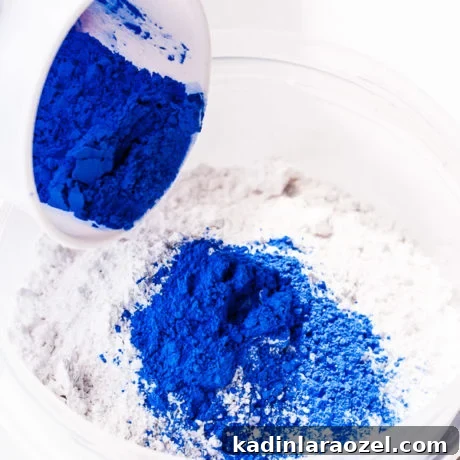
How to Make Colored Plaster
Brittni
Ingredients
- plaster powder (Plaster of Paris)
- powdered tempera paint — THIS IS THE SECRET INGREDIENT
Instructions
-
Measure using a 5:1 ratio — five parts plaster powder to one part powdered tempera. Mix until the pigment is evenly distributed.
-
Use only as much tempera as needed for the color you want. Adding too much can prevent the plaster from setting properly.
DIY Colored Plaster of Paris Mini Planters
Brittni
Ingredients
- plaster powder (Plaster of Paris)
- powdered tempera paint — secret ingredient
- silicone molds (shot glass shape or similar)
- matte medium (to seal)
- paint brush
- fine-grit sandpaper
Instructions
-
Mix the colored plaster you prepared for this project.
-
Add water while stirring until the mixture reaches a batter-like consistency.
-
Work quickly — plaster sets fast.
-
Pour the mixture into molds or spoon it in.
-
Tap the molds gently to release air bubbles and let them harden for 1–2 hours.
-
When firm, demold each planter.
-
Sand any rough spots with fine-grit sandpaper.
-
Allow the planters to air dry for 24 hours if possible.
-
Seal each planter with matte medium to make the surface non-soluble.
-
Wait for the sealant to dry fully before planting succulents or cacti.
-
Small succulent cuttings fit these planters perfectly; transplant when the plants become too large.
Photography: Amelia Tatnall
Styling: Brittni Mehlhoff
Will you try this mini planter project? What do you think of the pastel palette?