Quick DIY Statement Wall Art You Can Make in 30 Minutes
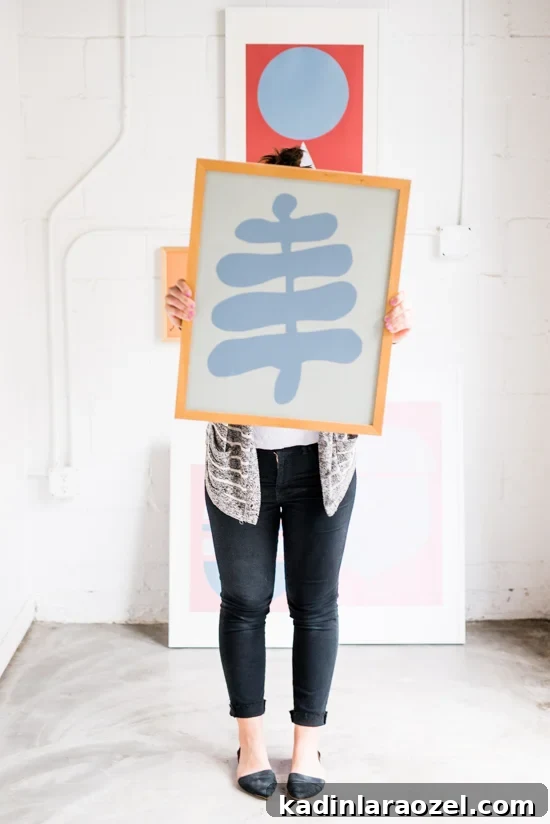
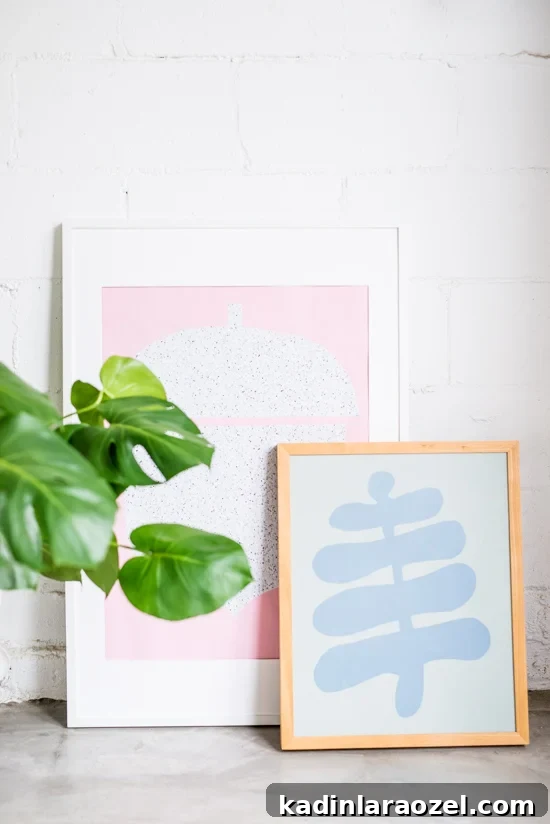
We’ve been making a lot of artwork for the studio lately—there are many blank walls to fill. Over time I’ve developed a few techniques that speed up the process while still delivering strong visual impact. If you need to create statement wall art quickly, my top tip is to limit the number of materials used to no more than two.
By materials I mean the actual components that form the piece—fabric, paper, paint, or similar—rather than the tools you use to assemble it. Sticking to one or two materials about nine times out of ten helps you work faster and keeps costs down, while still producing polished, dramatic results.
Recently I made a set of simple modern pieces for Curbly that follow this two-material rule. The approach is intentionally minimal: choose a primary material for the background and a contrasting secondary material or treatment for pattern, texture, or focal detail. The contrast between those two elements is what creates a bold, cohesive look without the need for a long list of supplies.
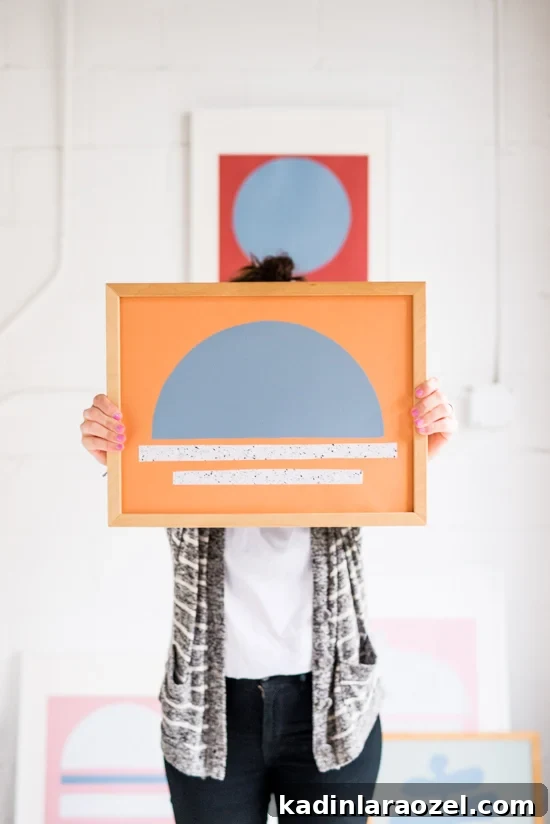
Here are a few practical, time-saving strategies that work well with this two-material philosophy:
- Start with a pre-stretched canvas, a framed panel, or a simple backing board so you don’t spend time constructing a base.
- Pick one dominant texture or color treatment—large swathes of painted color, a single piece of printed fabric, or a sheet of patterned paper—and let it establish the overall tone.
- Add one contrasting element: a strip of metallic paint, a geometric paper cutout, a contrasting fabric swatch, or a bold brushstroke. That single addition creates focal interest without complicating the process.
- Limit tools to what’s necessary: a brush or sponge, adhesive, a paper trimmer or scissors, and a ruler. Fewer tools mean faster execution and fewer decisions.
- Work in large shapes and simple compositions. Big forms read clearly from a distance and communicate impact more quickly than intricate details.
- Use repetition for cohesion—repeat a color, shape, or texture across multiple canvases to create a curated grouping that reads as a single installation.
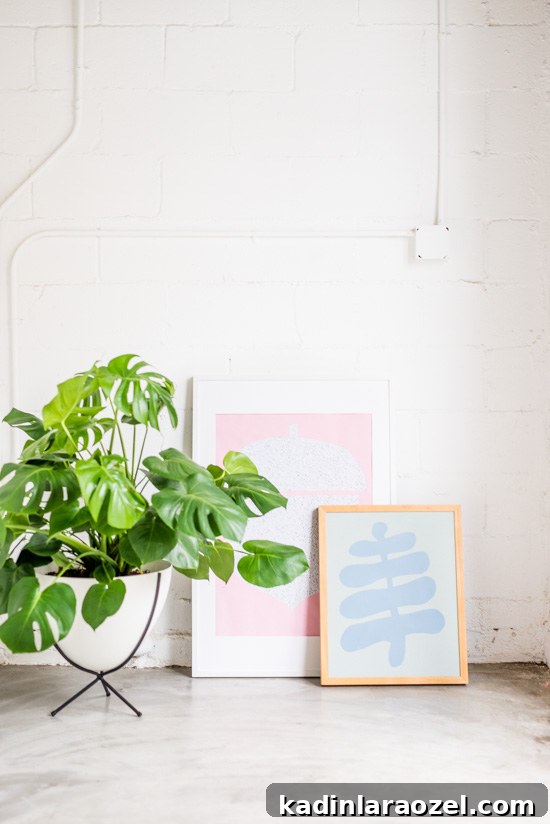
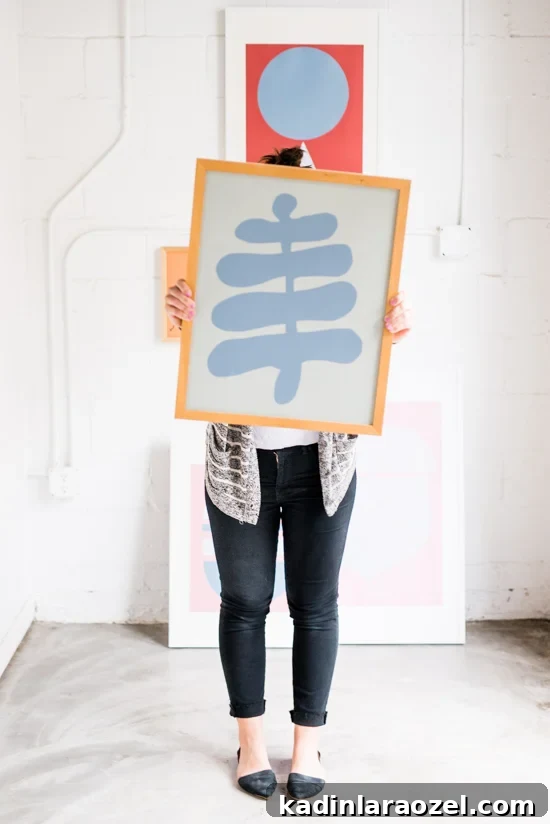
The goal is to keep the process intentional and streamlined: choose two materials that contrast in color, texture, or scale, set up a simple base, and execute bold, confident gestures. This approach lets you produce striking results in under 30 minutes—perfect for refreshing a room or filling a gallery wall without a huge investment of time or money.
You can find the full tutorial and additional photos on Curbly. If you have your own tips for creating quick, effective statement art, I’d love to hear them—simple tricks and smart shortcuts are always welcome.