Reverse Tie-Dye with Bleach: Step-by-Step Guide for Bold Patterns
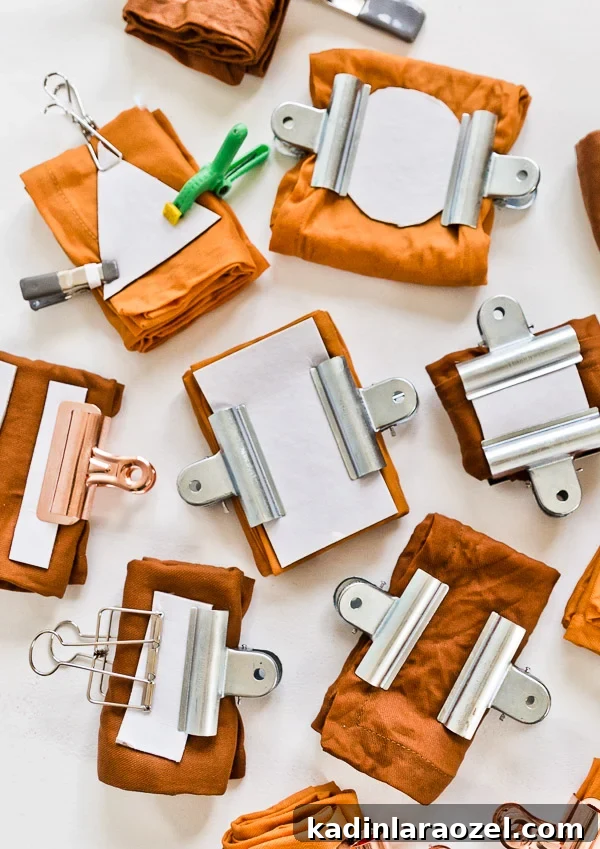
Have you heard of reverse tie-dye before? Stay with me—I’m sharing a DIY you can try today.
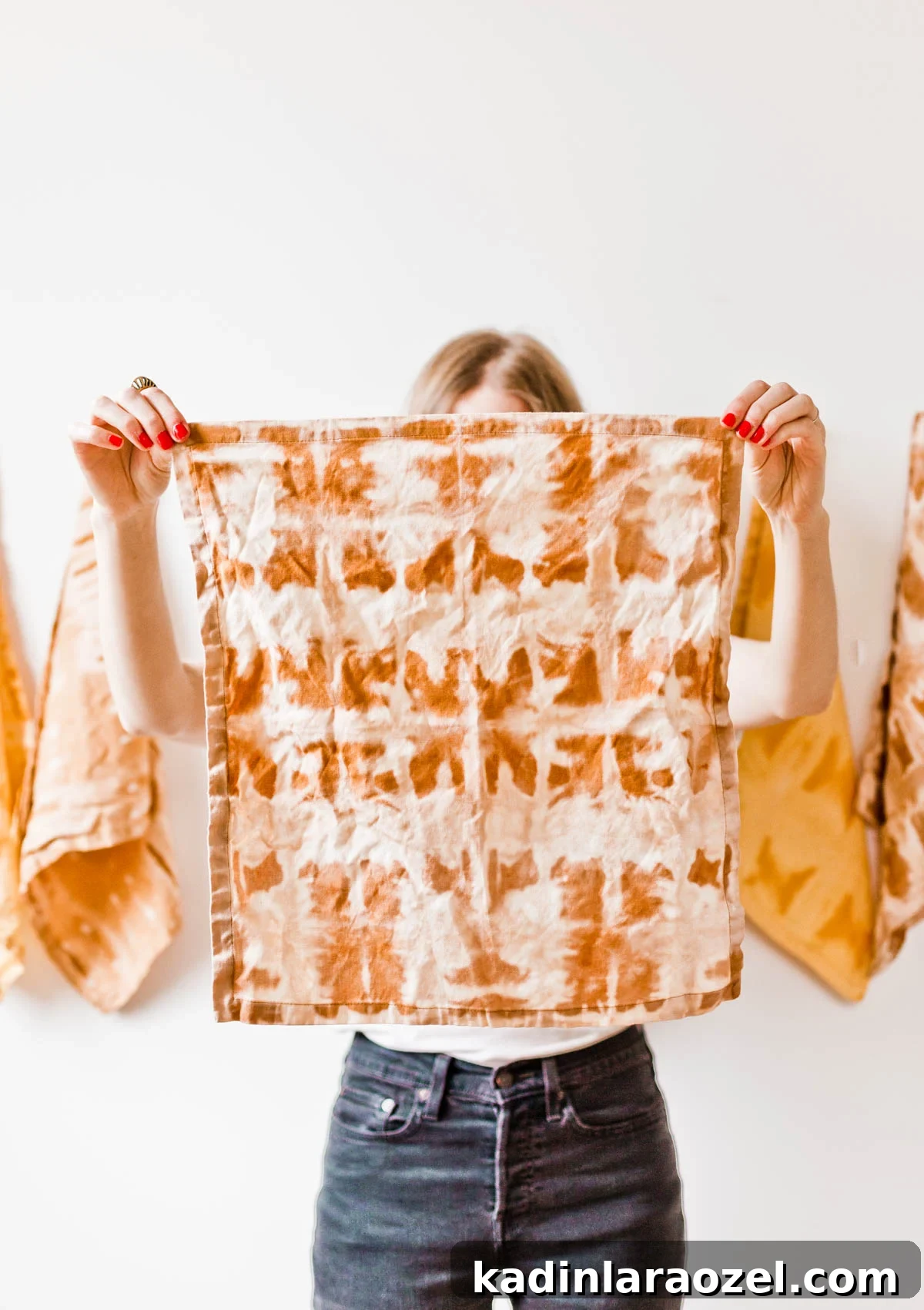
A few years ago I posted a method for bleaching linen that can transform tired textiles into something fresh and beautiful. I decided it was time to revisit that idea and push it a little further.
This time I experimented with pattern-making using a reverse tie-dye technique: instead of adding dye, you remove color with bleach to create striking patterns on clothing and home textiles.
Yes—the tea towel pictured above was made with bleach, not fabric dye. Bleach is surprisingly effective and often simpler and cheaper than traditional dyeing. If you want to try it, this guide walks through everything you need to know.
To recreate these looks at home you’ll need a single-color fabric (cotton, linen, etc.) and household bleach. You can work on light or dark colors. Below I explain three different reverse tie-dye techniques—submerging, pouring, and spraying—so you can pick the effect you like. It’s straightforward and fun.
What is Reverse Tie Dye?
Reverse tie-dye, also called bleach tie-dye, is exactly what it sounds like: you use bleach to remove color and form patterns instead of adding pigment. The folding, tying, and resist methods are similar to traditional tie-dye, but you don’t need dye kits or specialized products—just a bleach solution and some basic household supplies.
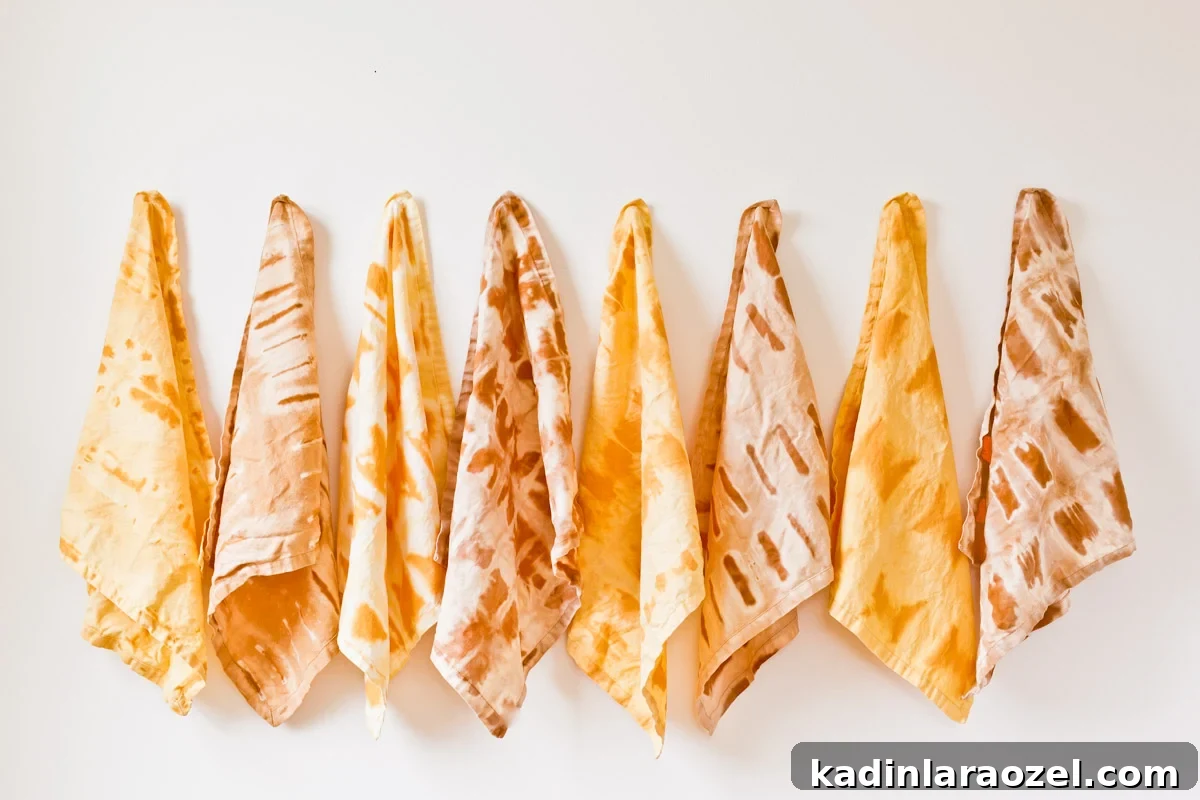
The results are often unexpected: the fabric won’t always turn pure white. Instead it develops nuanced, organic tones and patterns like the ones shown in the photos. The outcome is unique every time, which is part of the appeal.
What is the difference between shibori and tie dye?
Briefly, shibori is a Japanese resist-dyeing practice that uses folding, binding, stitching, or clamping to create intricate, repeating patterns. Tie-dye typically produces bolder, more randomized patterns. Shibori tends to be more deliberate and refined in technique, while tie-dye is often looser and more freeform. Bleach-based reverse tie-dye can mimic shibori patterns when you use resist methods like folding and clamping.
Materials Needed
- Household liquid bleach*
- Any textile you want to revamp (clothing, napkins, bandanas, pillow covers, etc.)
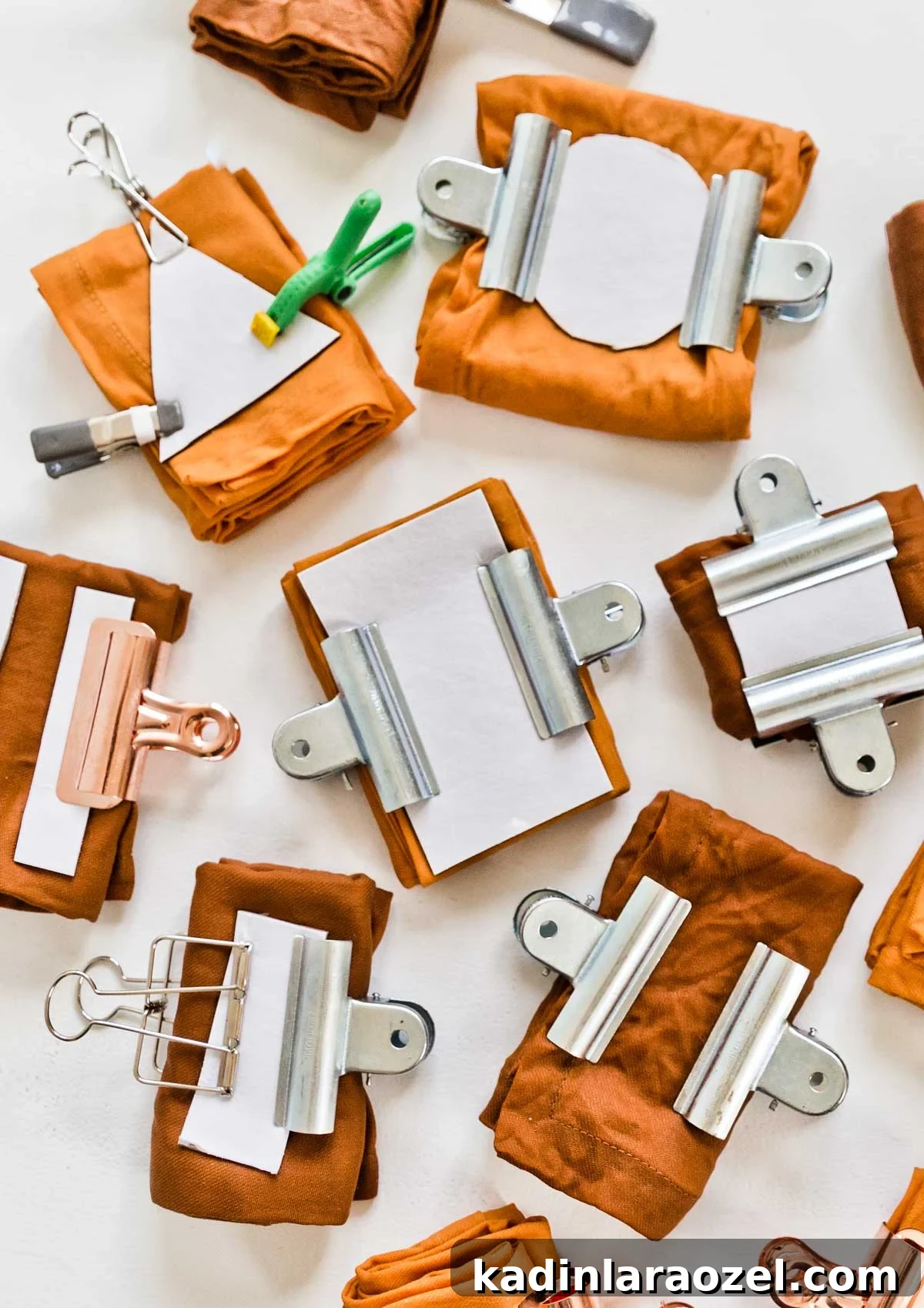
- Small pieces of cardboard, rubber bands, metal clips or clothespins
- Medium container for soaking (a plastic bin or small trash can works)
- Tongs and rubber gloves for handling bleached fabrics
- An old towel to protect your work surface outside
- A spray bottle or squeeze bottle (for the spraying technique)
*Safety note: Always wear gloves and work outdoors or in a well-ventilated area when using bleach. If you’re uncomfortable handling bleach, don’t attempt this project. For extra protection you can use a mask or respirator, though it’s optional if you’re outside.
What materials are best for reverse tie dye?
You can reverse tie-dye nearly any fabric: bandanas, napkins, t-shirts, sweatshirts, pillow covers, blankets and more. Natural fibers like 100% cotton or linen give the most predictable and vibrant results because they bleach more evenly than synthetics.
How to Tie Dye with Bleach
There are three easy techniques for reverse tie-dye covered here: submerging, spraying, and pouring. Each produces different textures and levels of contrast, so experiment to find the look you prefer. No matter which method you use, take proper safety precautions—work outdoors, wear gloves, and protect surfaces.
Technique #1: Submerging textile in bleach
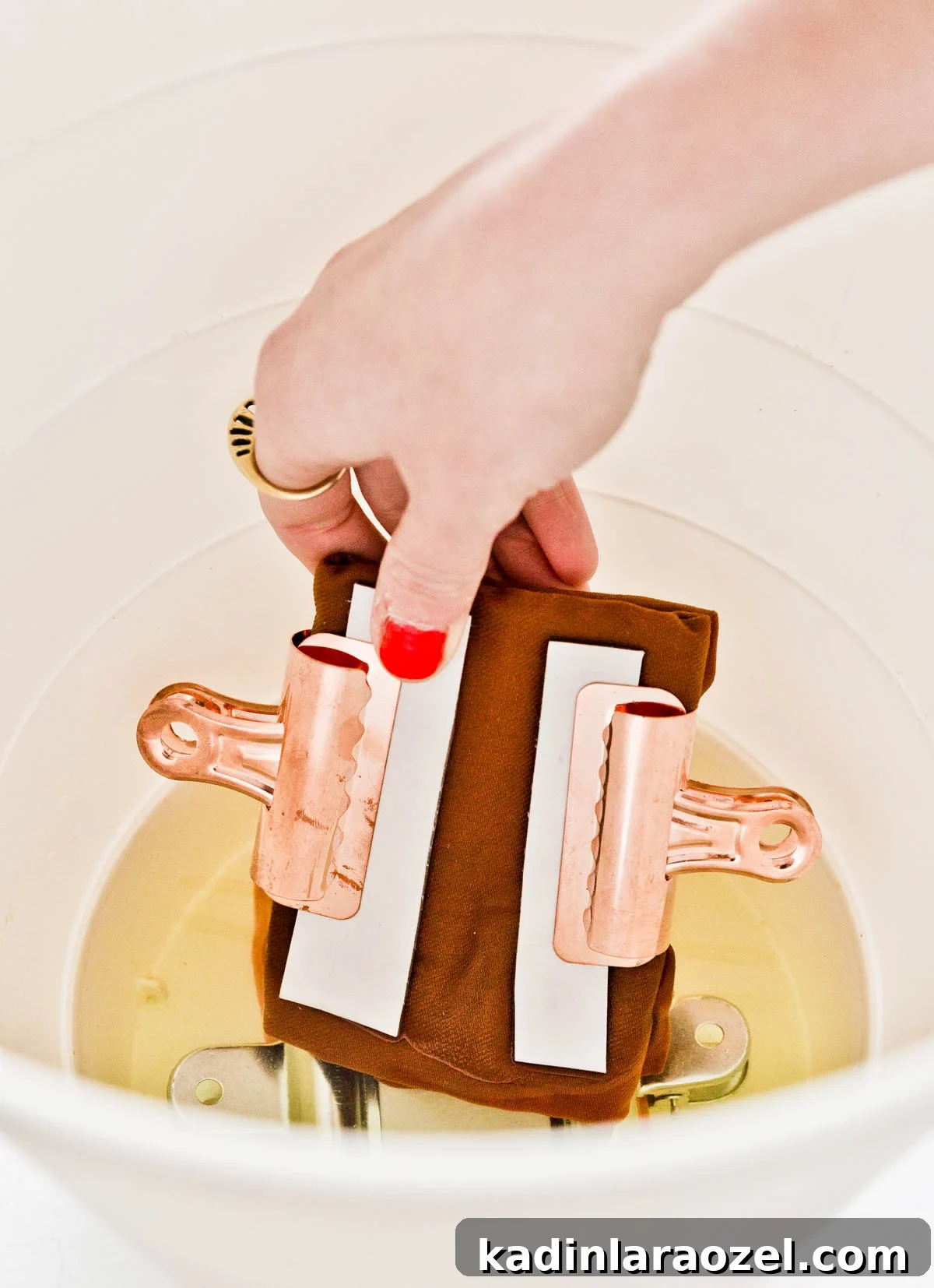
1. Work in a well-ventilated area. Optionally submerge the fabric in water and wring out the excess—wet fabric can produce softer transitions. Then fold or bind the fabric in the pattern you want: accordion folds, triangles, spirals, or clipped cardboard resists all work.
2. Put on gloves and pour bleach into a container reserved for crafting. Use enough to fully submerge your item. For small pieces like napkins or bandanas you may need only 10–15 ounces; larger items require more.
3. Place the folded fabric in the bleach and ensure it’s submerged. Set a timer for 2–20 minutes depending on fabric type and desired contrast. Natural linens and lightweight cottons bleach quickly; denser cotton blends may take longer.
4. Remove the fabric with tongs or with gloves on once the color shift looks right. Rinse thoroughly with water to remove all bleach and any clips or cardboard resists. Remember the fabric’s color may continue to change until it’s washed.
5. Wash the item in the washing machine (no soap necessary), then dry to heat-set the new look before using.
Technique #2: Spraying bleach with a spray bottle
1. Work outside or in a ventilated space. Wetting the fabric first is optional and gives a softer result. Fold, twist, or scrunch the textile and secure areas with rubber bands or clips to create pattern resist.
2. Pour bleach into a spray bottle or squeeze bottle intended for crafts. Spray the surface of the item and reapply in 5–10 minute intervals until the desired lightening appears. This is the slowest method because the bleach doesn’t saturate the fabric—color changes may take 30–60 minutes and multiple applications.
3. When you like the pattern, rinse thoroughly with water and let dry, then launder normally.
Technique #3: Pouring bleach directly onto fabric
1. Prepare the fabric by folding, scrunching, or adding cardboard resists. You can work with the fabric wet or dry; each produces different marks.
2. With gloves on, lay the item on an old towel and pour small amounts of bleach directly onto the folds and surfaces. Wait 5–10 minutes to see the color change before adding more. This method often takes longer than submerging but can give very detailed, controlled effects when combined with resists.
3. Remove any clips or cardboard once you’re happy with the lightening, rinse thoroughly, let dry, then wash and dry as usual. As with the other methods, the color can shift until the fabric has been washed.
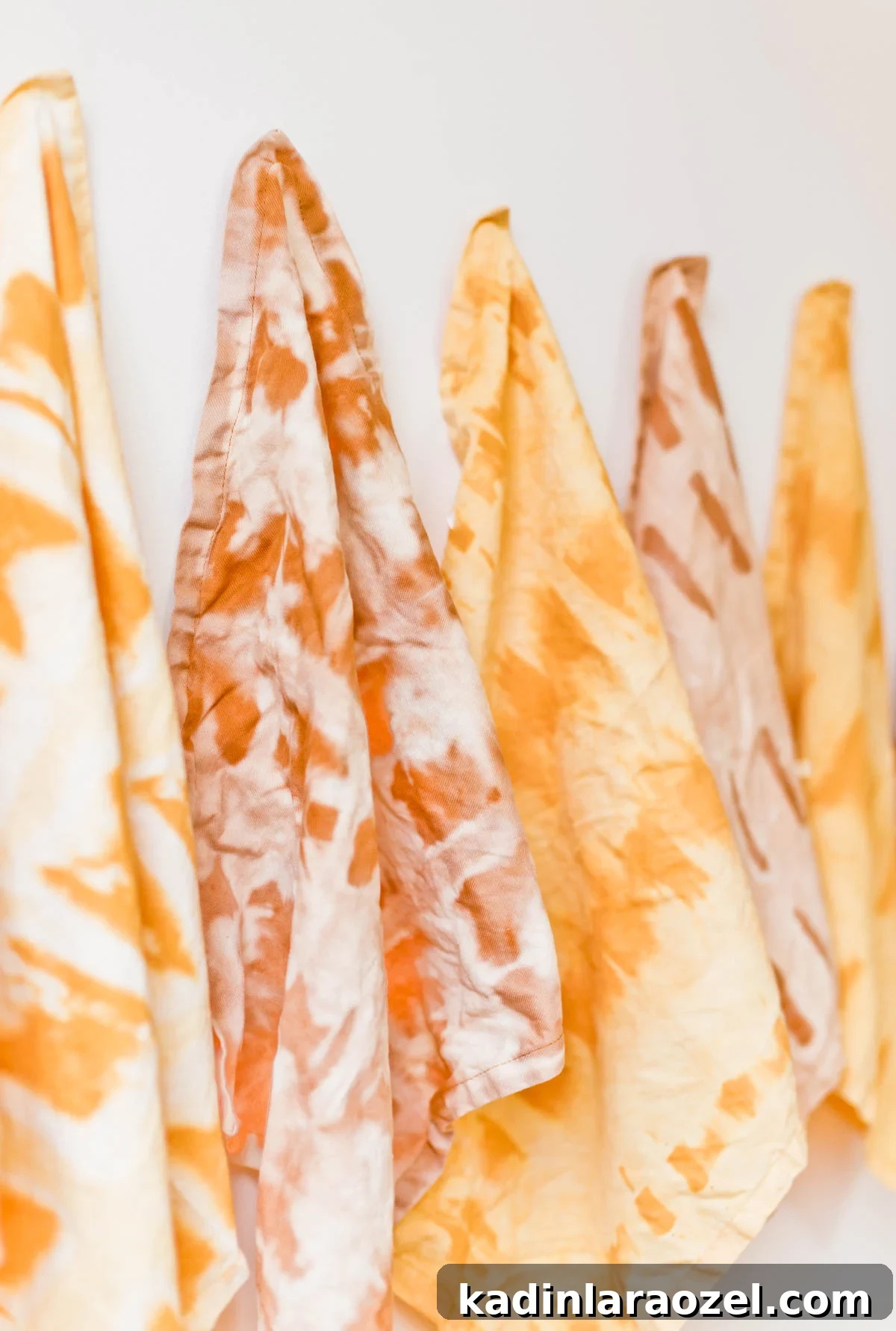
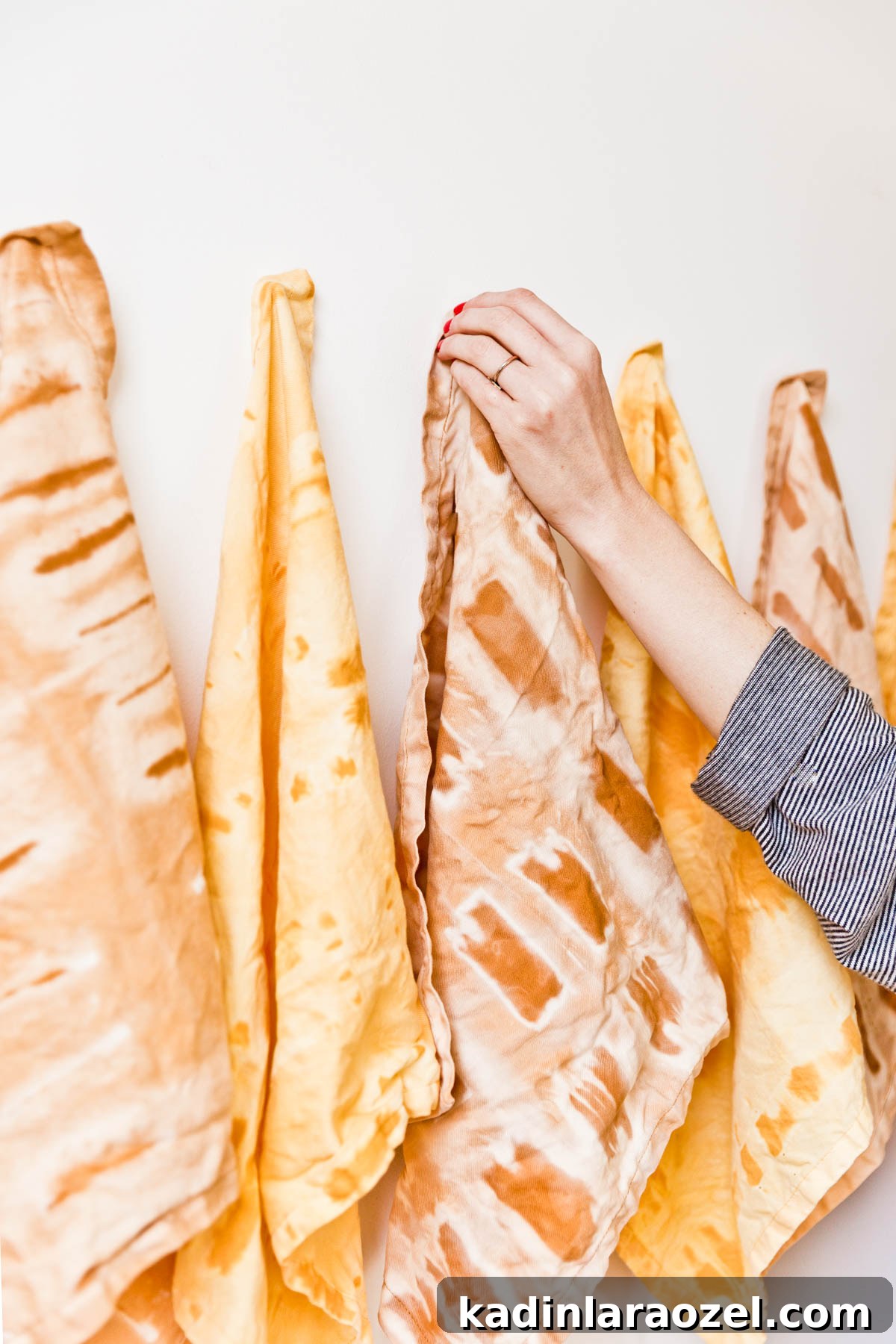
The finished patterns are organic and one-of-a-kind—a great way to add personality to inexpensive napkins, a plain tee, or any textile you want to refresh.
What else can I tie dye with bleach?
This technique works on nearly any textile. Try it on:
- Napkins
- T-shirts (including dark or black shirts)
- Tank tops
- Sweatshirts
- Pants
- Throw blankets
- Bandanas
- Pillow covers
Can I use a bleach pen for this technique?
Yes. A bleach pen functions like a precision squeeze bottle and is ideal for fine lines or small details. Use it on darker fabrics so the contrast is clear.
Can I use bleach toilet bowl cleaner?
Yes—many toilet bowl cleaners contain bleach and come with squeeze nozzles, which can make application convenient. As always, use proper precautions and test on a small area first.

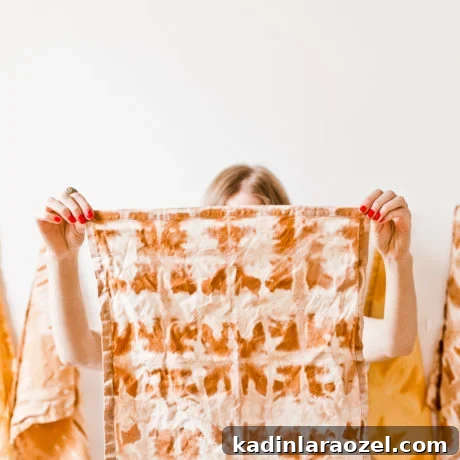
How to Reverse Tie Dye with Bleach
Brittni
To try this at home you’ll only need a solid-color cotton or linen item, some bleach, and a few common supplies. It’s an accessible way to refresh textiles and make unique, personalized pieces.
Equipment
- Medium container (a plastic desk trash can or bin)
- Tongs and gloves for handling bleached fabric
Ingredients
- Household bleach*
When using bleach always wear gloves and work in a well-ventilated area outdoors. If you feel uncomfortable handling bleach, do not recreate this project.
- Solid-color cotton or linen textiles (napkins, shirts, bandanas)
- Cardboard pieces, rubber bands, clips for resist techniques
Instructions
- First, work in a ventilated area and optionally wet the fabric, wring it out, and fold it into your desired pattern (squares, triangles, spirals, accordion folds).
- Add cardboard resists and secure folded sections with clips or rubber bands if using a resist method.
- Put on gloves and pour bleach into a container. Use enough to fully submerge the fabric. For small items a small amount will suffice.
- Submerge the folded fabric in the bleach and time it for anywhere from 2 to 20 minutes depending on fabric and desired contrast. Watch for visible color changes.
- Remove the fabric with gloves or tongs, rinse thoroughly to remove all bleach and resist materials. The color may continue to change until the fabric is washed.
- Wash the item in the washing machine, then dry to set the new appearance.
- The finished patterns are organic and unique—an easy way to personalize inexpensive textiles or update old favorites.
Notes
Photography Brittni Mehlhoff
Have you ever tried shibori dyeing? Will you try this bleached reverse tie-dye technique?