Sew a Cafe Apron in 10 Minutes: Quick Step-by-Step Guide
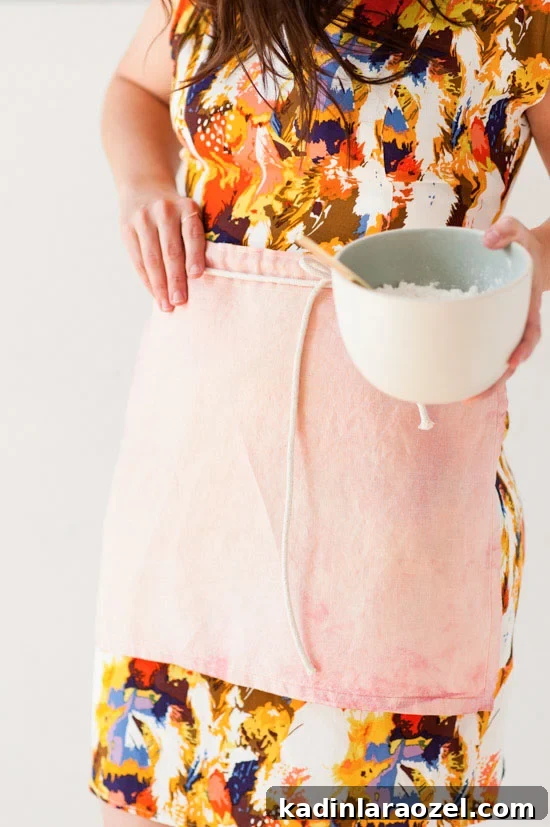
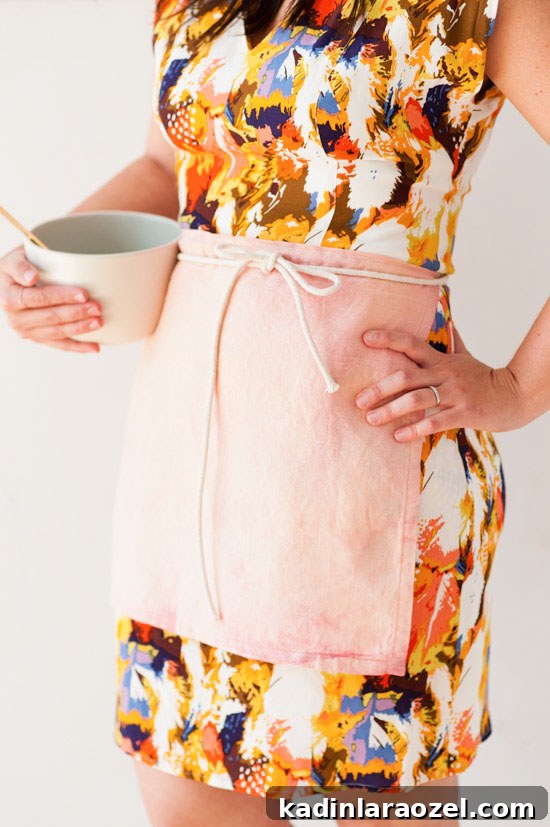
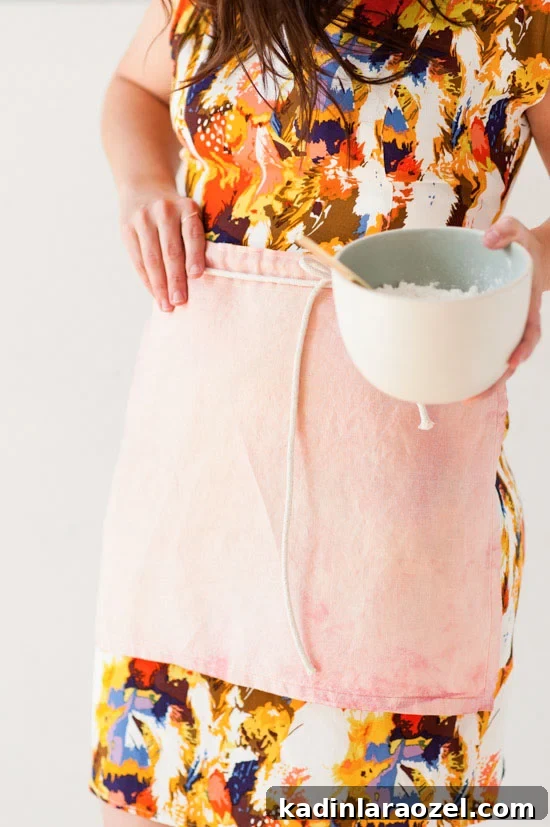
The cutest cafe apron can be made in just ten minutes.

With all the cooking happening lately, I decided I needed a fresh apron. I had a few spare linen napkins from a previous bleaching experiment, so I turned them into simple cafe aprons. They’re incredibly quick to make—two straight seams and you’re finished.
This tutorial walks you through everything you need and each easy step so you can whip up your own apron in minutes.

Materials for a Cafe Apron
- tea towel or linen napkin (leftover napkins from a bleaching project work well)
- cotton cord or rope long enough to tie around your waist
- sewing machine or a needle and all-purpose thread
- iron and ironing board
Cafe Apron Instructions
1. Fold the tea towel along the long edge.
Fold about 3 inches of the long edge of your towel or napkin with the wrong sides together. This folded section will form a channel for the waist tie.
2. Press the fold with an iron.
Press the folded edge to create a crisp crease—this makes sewing easier and neater.
3. Sew the first seam.
Sew along the folded edge, leaving roughly a 1/4″ seam allowance. This secures the fold and starts the channel.
4. Sew a second parallel seam.
Sew a second line of stitching about 1″ below the first seam, parallel to it. If you plan to use a thicker cord, make this second seam farther from the first so the cord fits easily.
5. Back-tack the seams.
Back-tack at the start and end of each seam to lock the stitches and prevent unraveling.
6. Prepare the cord.
Cut a length of cotton cord suitable for your waist and knot the ends to stop fraying.
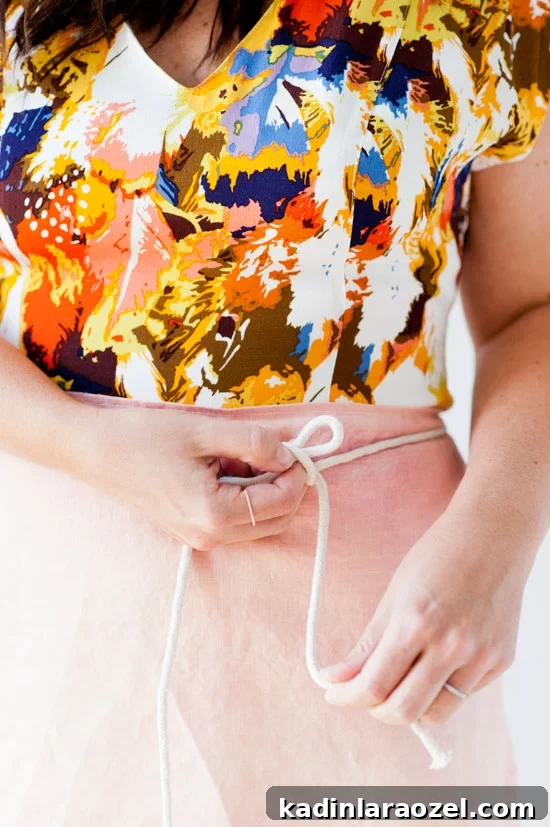
7. Feed the cord through the channel.
Pass the cord through the space between the two stitched lines so it sits in the channel along the top of the apron. If needed, attach a safety pin to one end of the cord to ease feeding it through.
Optional: Add a pocket
If you want to carry small tools, paintbrushes, or utensils, sew a pocket onto the apron front before creating the top channel. For a minimalist look, skip the pocket—fewer seams and a cleaner finish.
Why this works
This design relies on a single folded edge and two parallel seams to create a functional, attractive waist-tie channel. Using linen napkins or tea towels gives a lightweight, casual apron ideal for kitchen tasks and crafting. The technique is forgiving and fast, so it’s perfect for a quick handmade gift or to repurpose leftover fabric.
More apron ideas
- If you want a larger, full-coverage option, look for a simple full-apron pattern—many versions still take only a few minutes to cut and sew.
- For a sturdier waist apron with pockets, use heavier fabric and add reinforced seams and a sewn-on pocket for tools and supplies.
- Prefer not to sew? There’s also a no-sew cafe apron method that repurposes a scarf to create a similar look.
Not bad for two lines of sewing, right? I now have several of these aprons that I use for cooking and craft projects. They’re lightweight, practical, and quick to replace if you want a fresh color or pattern.
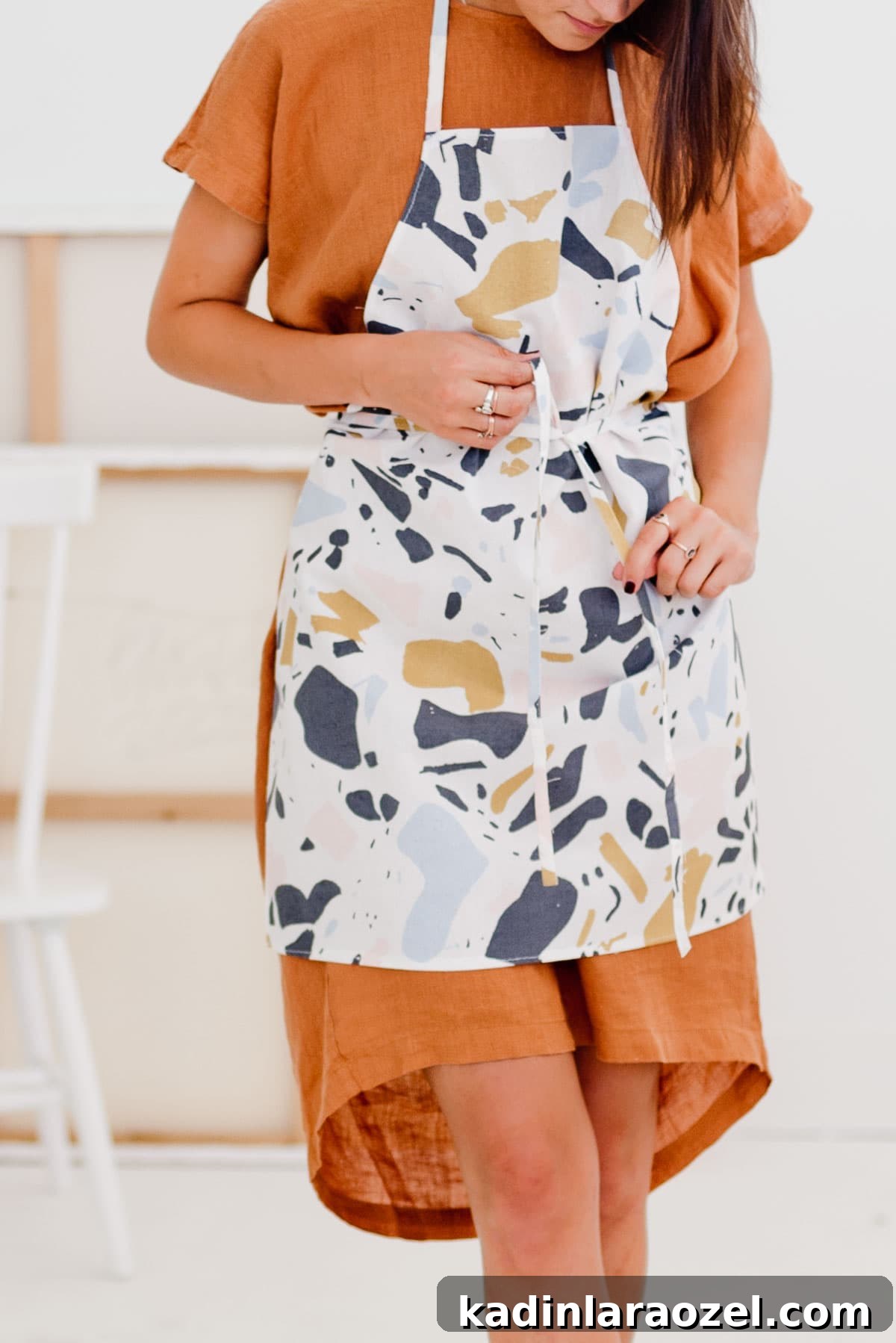
How to Make a Larger Apron Pattern in 10 Minutes
Step 1: Cut fabric pieces to size.
For a fuller apron, cut a rectangle approximately 27 inches high by 20 inches wide. Fold the fabric lengthwise (like a hot dog) with the wrong side out. Cut three long strips of fabric for ties and binding at this stage.
Once you have the pieces cut, press edges, sew hems, and attach straps to finish a fuller-coverage apron quickly.
Quick Recap: Tools and Supplies
- sewing machine or hand-sewing needle and thread
- iron and ironing board
- tea towel, linen napkin, or lightweight fabric
- cotton cord or rope for the waist tie
Photography by Amelia Tatnall
Sewing by Linda Jednaszewski
Step-by-step photos and styling by Brittni Mehlhoff
Want a no-sew version? Try a no-sew cafe apron made from a scarf for a similar look without a machine.