Step-by-Step Guide to Weaving a Colorful Potholder
Did you learn to weave a potholder as a child using those colorful polyester loops on a small square loom? Potholder weaving has evolved since then. It remains simple and accessible, but with today’s loop colors and materials you can make much cuter, more modern designs.
Previously I covered the history of potholder weaving, the tools you need, and the different looms available. In this article I’ll walk you through how to actually make a potholder using an inexpensive potholder loom.
I recently taught this project to elementary-aged kids (4–12) and they picked it up quickly. That makes this a great beginner-friendly craft: it’s fun, requires only two basic items to get started, and you can finish a potholder in under an hour. It’s also very satisfying—and a little addictive.
Whether you want a calming hands-on activity while watching TV, a simple craft to keep kids busy, or you just want a quick, functional handmade gift, follow the step-by-step instructions below.
Materials for Making a Potholder
- potholder loom
- potholder loops (also called loopers)
I recently found a large mixed bag of loopers on Amazon for under $20. For beginners or classroom settings, a bulk pack like this is an excellent, low-cost way to get started. If some colors aren’t to your taste, many loops—especially natural fiber ones—can be dyed, which I also cover below.
How to Make a Potholder
1. String the warp
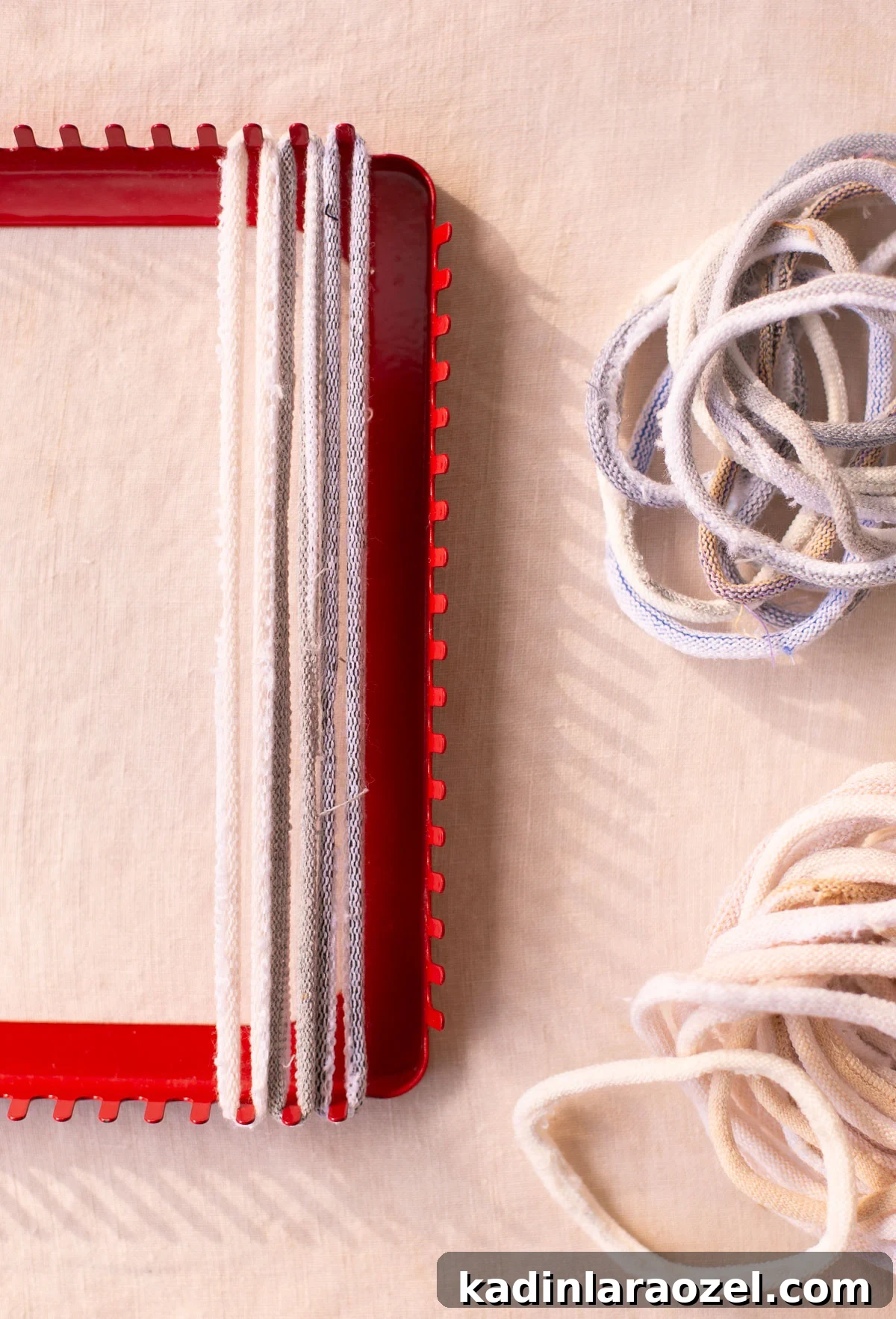
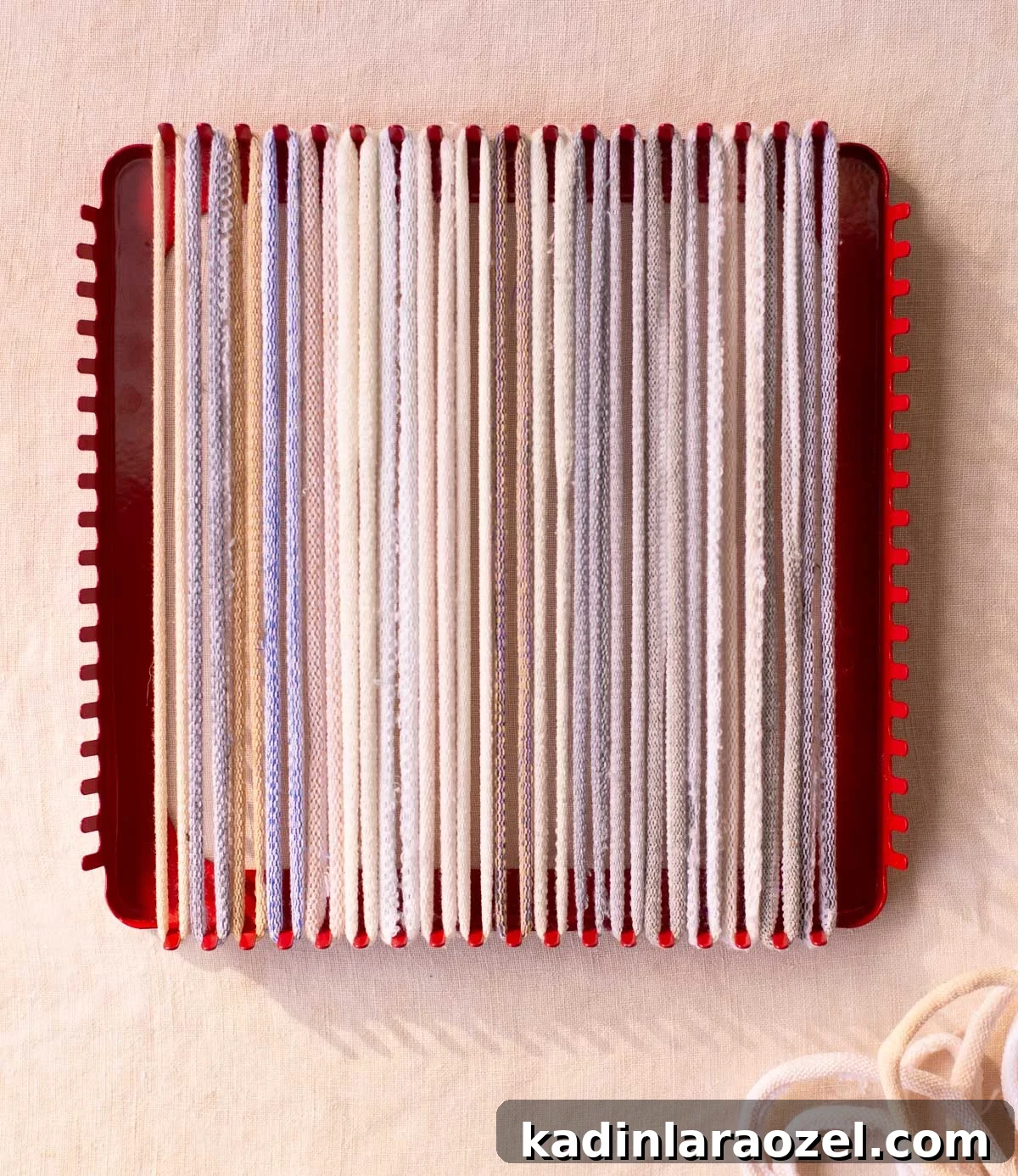
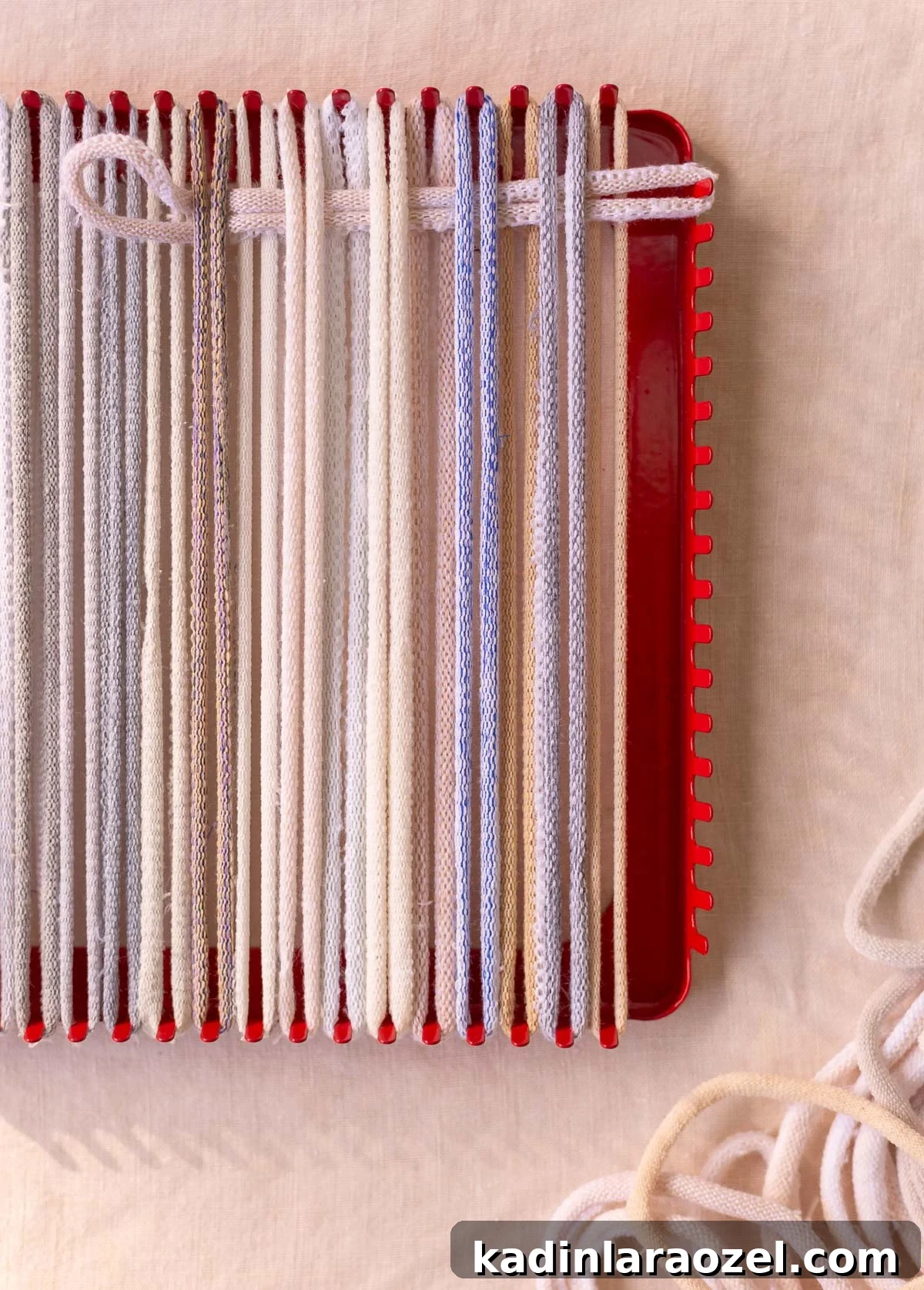
Place your first loop over the top-left peg and stretch it straight down to the corresponding bottom-left peg. Continue this process across the loom so there is one vertical loop for every pair of pegs and all loops run parallel. These vertical loops form the warp of your weaving.
2. Weave the weft
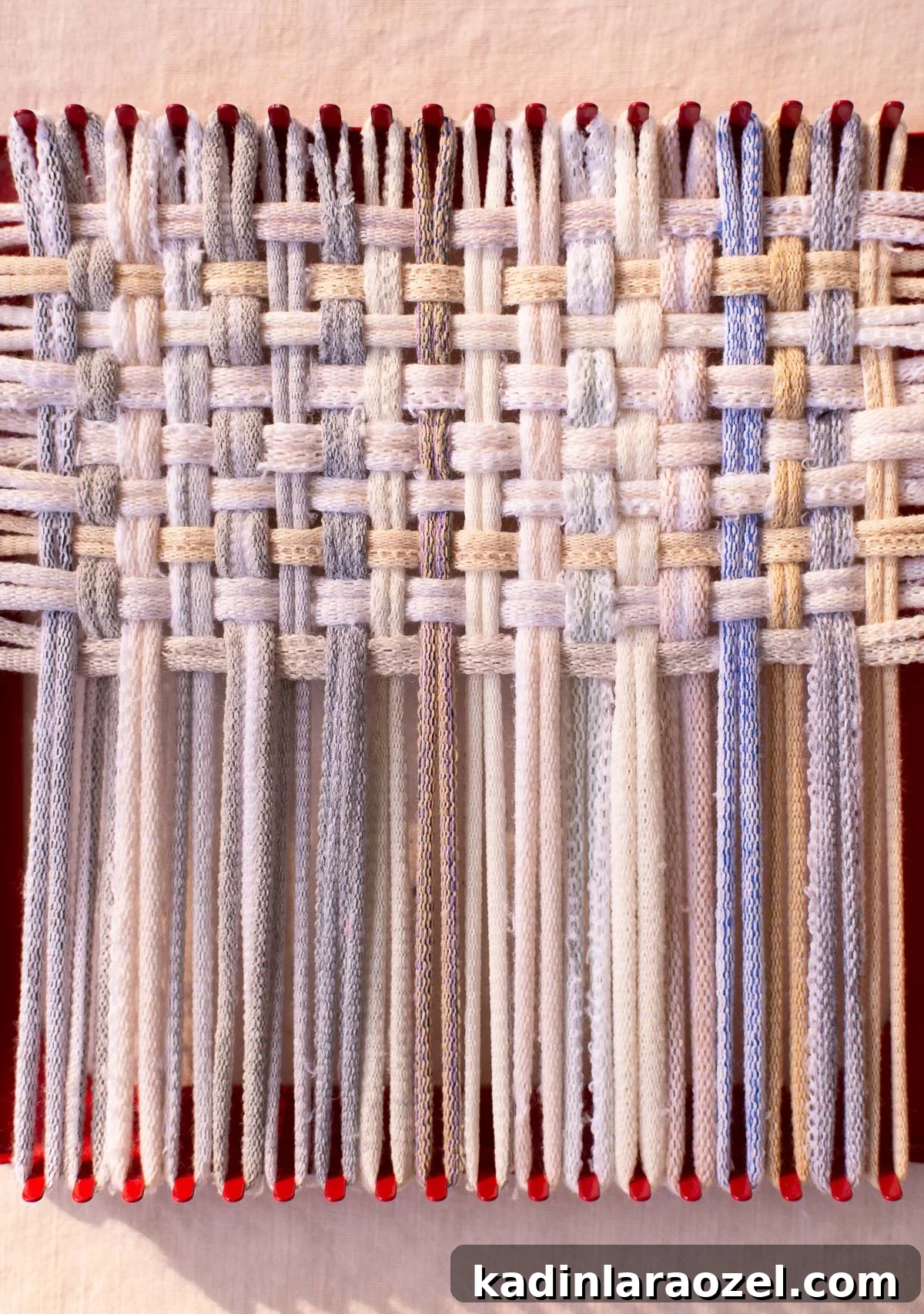
Now add the horizontal rows (the weft). This is a great point to introduce a different color if you want stripes or patterns. Attach a new loop to the top horizontal peg at either side. Pass it over the first vertical loop, under the next, then over the following one and under the next—continuing that alternating pattern across the row.
When the loop reaches the far side, secure its end to the peg, then begin the next horizontal loop.
3. Alternate the pattern on each row
For each new row, start the opposite of the previous row so the over-under pattern alternates. If the prior row began by going over the first vertical loop, begin the next row by going under the first vertical loop, then over the next, and so on. Continue across and attach each loop end to the peg.
4. Remove the weaving from the loom
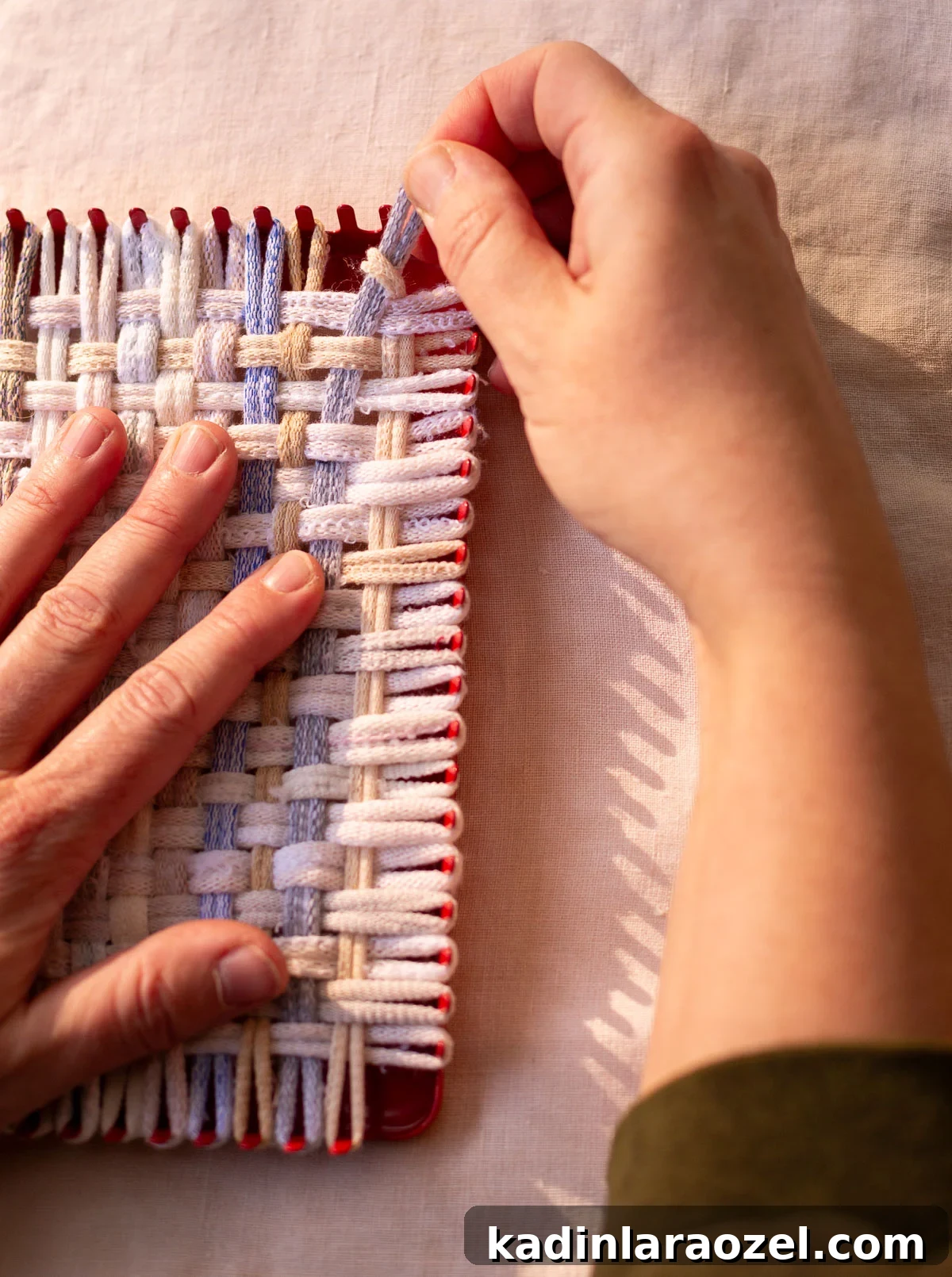
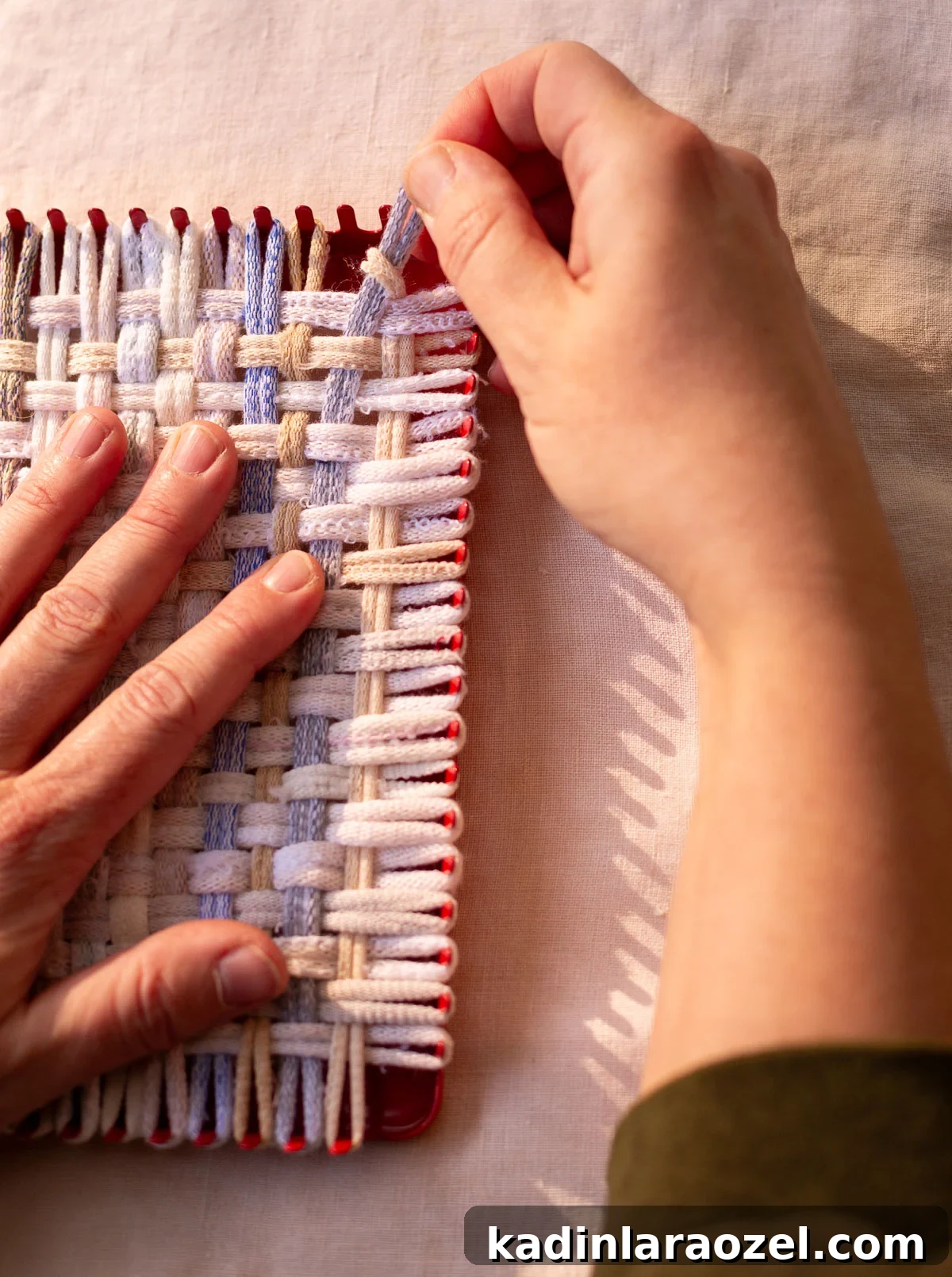
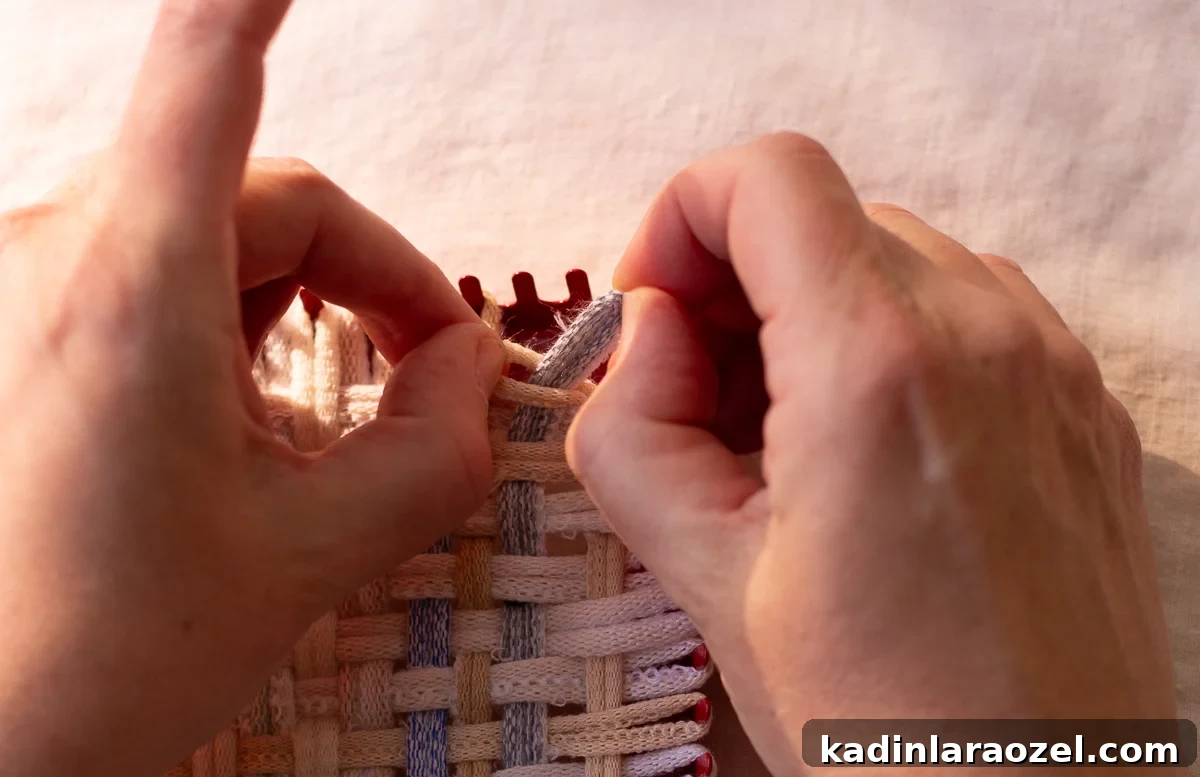
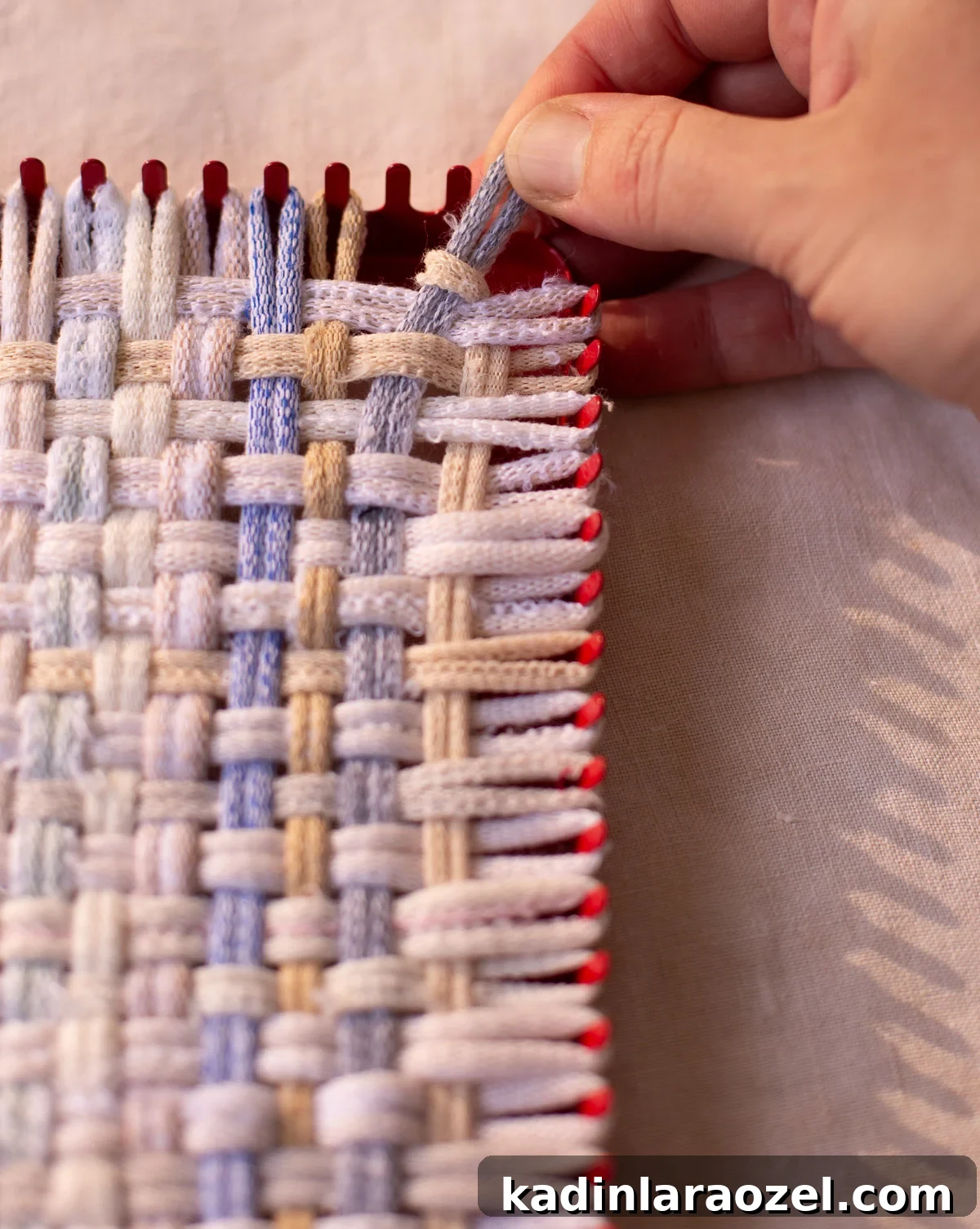
Repeat weaving rows until the frame is filled. To remove the finished piece, start in one corner (for example, the top right). Lift one loop off its peg, then lift the next adjacent loop and thread it through the first loop. Continue along that edge; this creates a braided or chain-stitch border.
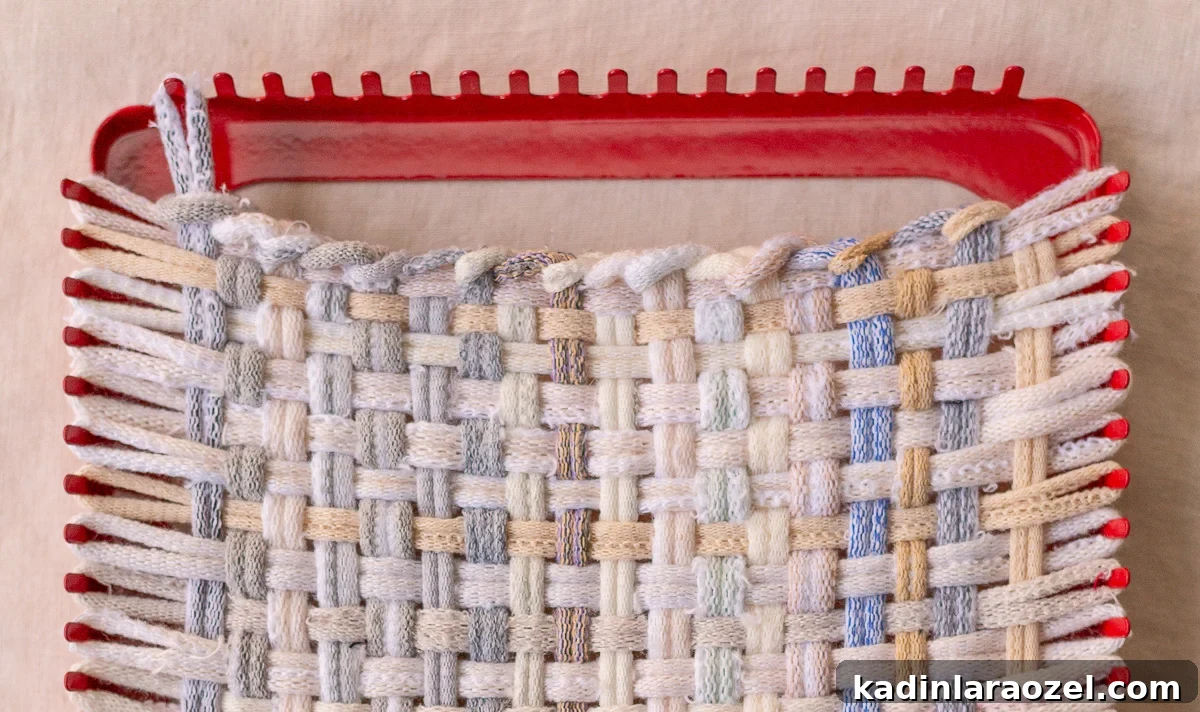
5. Finish the edges
Continue the same process around all four sides, always pulling each loop through the previous loop to form a tidy edge. When the final loop is secured, gently stretch and even out any uneven areas so the potholder lies flat.
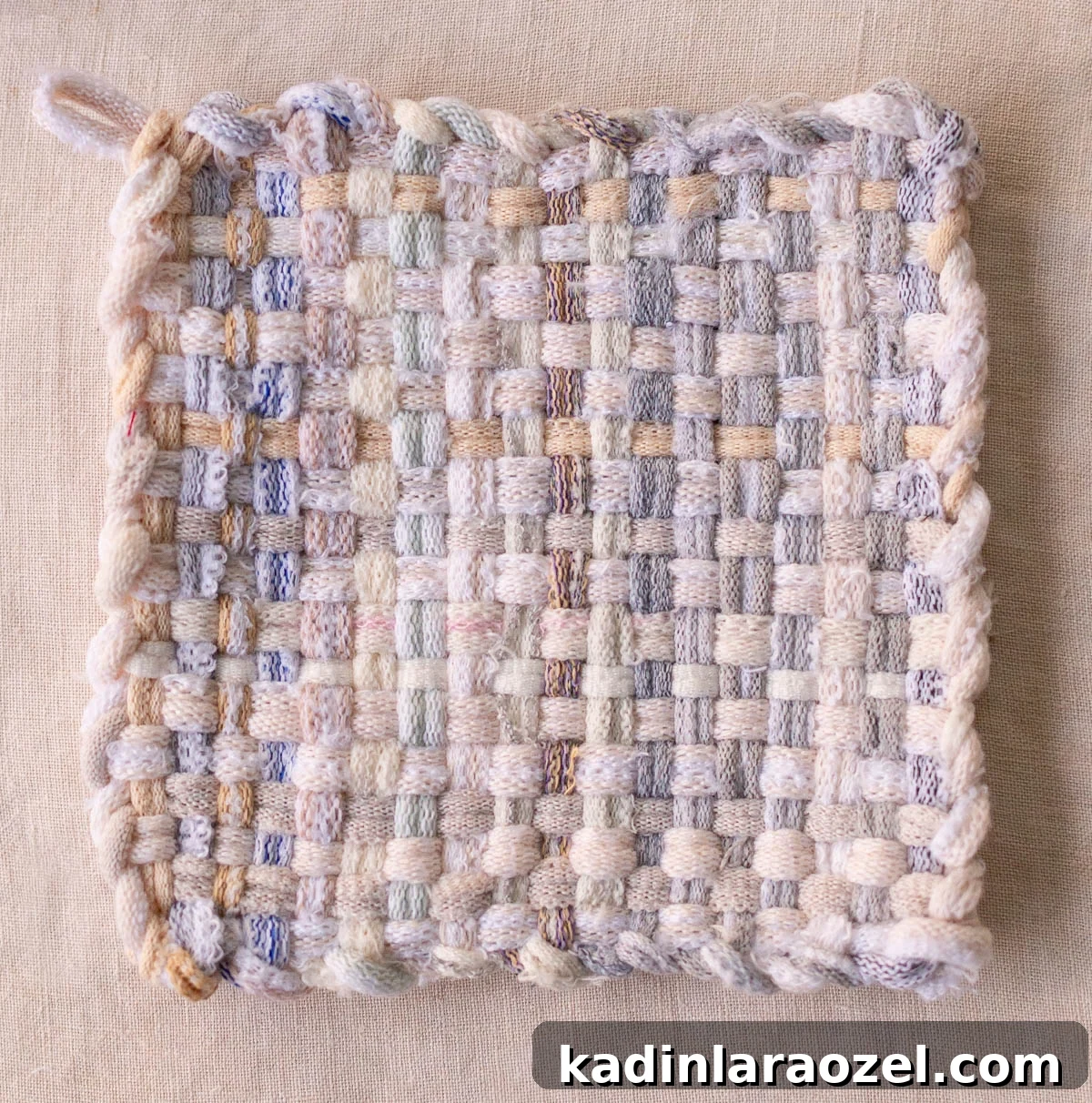
I enjoy making these functional little weavings and hope you do too—they make great gifts, classroom projects, or quick handmade accents for your kitchen.
More DIY weaving ideas
- Try making a potholder using only your hands, without a loom, for a different texture and look.
- Create a simple cardboard loom from recycled cardboard for larger or custom-sized weavings.
- If you’re interested in larger projects, build a budget-friendly traditional weaving loom for more ambitious wall hangings and textiles.
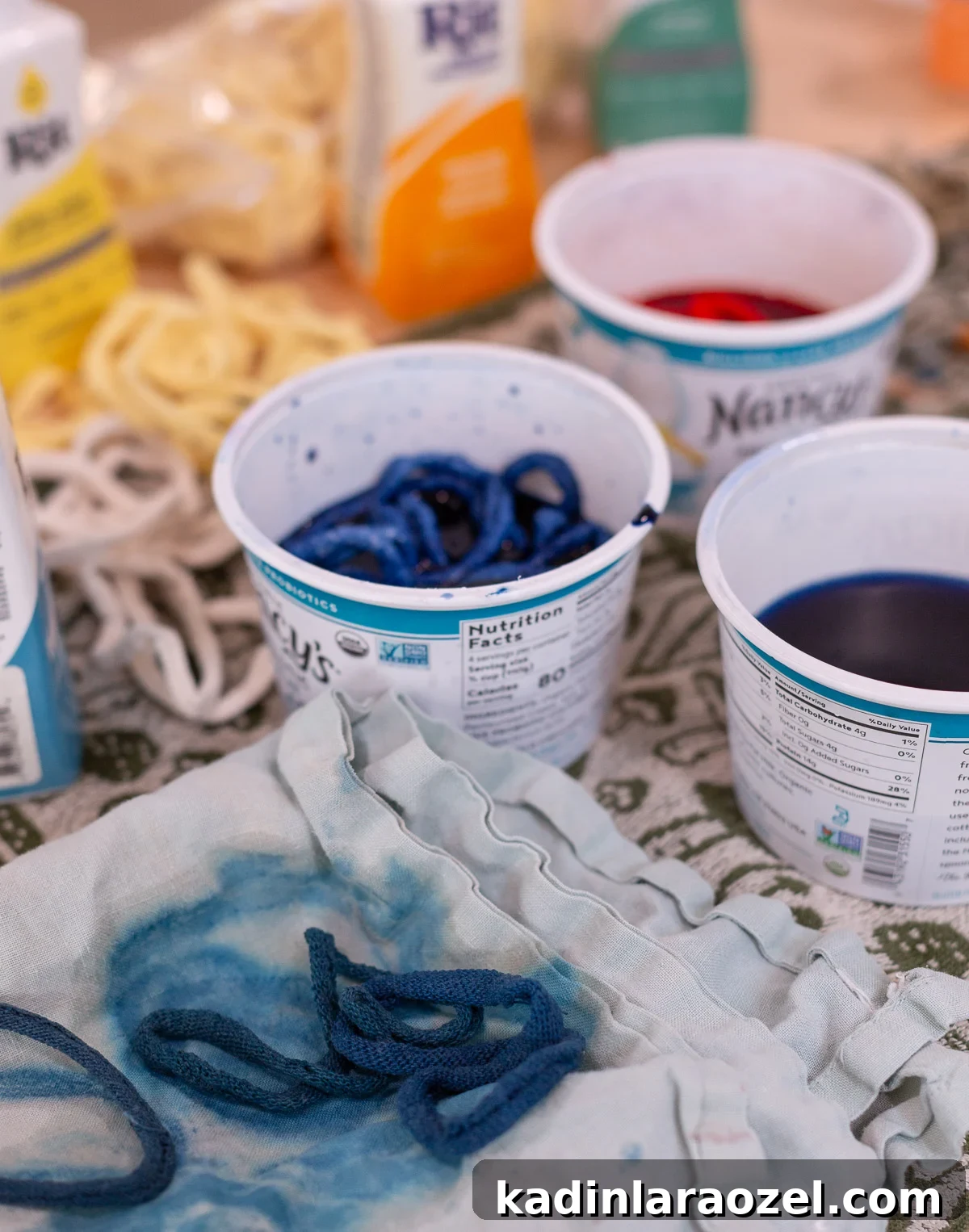
How to Dye Loops for Potholder Weaving
Dyeing potholder loops follows the same basic steps as dyeing larger fabrics, but you’ll use far less water and smaller containers, making the process quicker and more manageable.
- Natural dyes: Use plant-based materials like avocado pits or onion skins for subtle, eco-friendly tones. Treat the loops as you would any small fabric piece when preparing and simmering with natural dye.
- Reverse tie-dye (bleach): To create lighter accents or contrast on darker loop colors, consider a controlled bleach or reverse tie-dye technique. Take care and work in a well-ventilated area.
- Fiber-appropriate dyes: If your loops are cotton or other natural fibers, standard fabric dyes (such as Rit) work well. Follow the dye manufacturer’s instructions for best results.
- Synthetic fibers: For polyester or other synthetic loops, use a dye formulated for synthetics or follow specialized methods required for those materials.
Below are some loops I dyed with Rit dye; the process was easy and yielded vibrant, even colors.
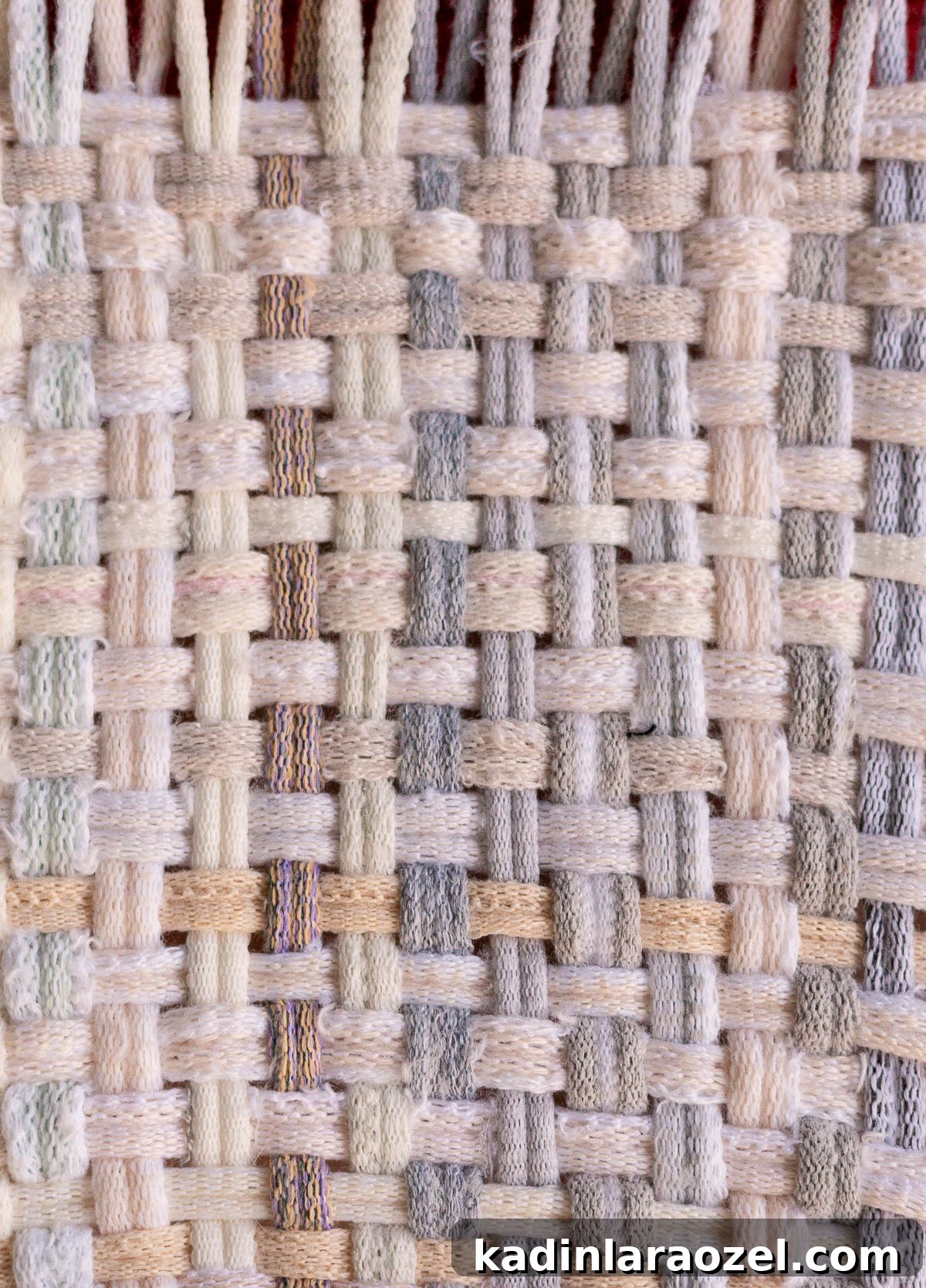
How to Make a Potholder
Equipment
- potholder loom
- potholder loops (loopers)
Instructions
- Slip your first loop over the top-left peg and stretch it down to the bottom-left peg. Repeat across the loom so each set of pegs has a vertical loop and all loops run parallel.
- Create the horizontal rows by attaching a loop to the top horizontal peg on either side. Weave over the first vertical loop, under the next, and continue alternating across the row. Secure the loop on the peg at the end.
- Start each new row opposite the previous row’s starting point so the over-under pattern alternates. Attach the end of each loop to the peg at the row’s end.
- When the loom is filled, begin removing loops from a corner. Pull the second loop through the first to form a braided edge. Continue along that side and then around all sides.
- After the final loop is secured, adjust and stretch any uneven areas to flatten and tidy the potholder.
Note: This post may include affiliate links. A small commission may be earned if you purchase through those links.