Styling a Mid-Century Sideboard: Tips for Timeless Decor
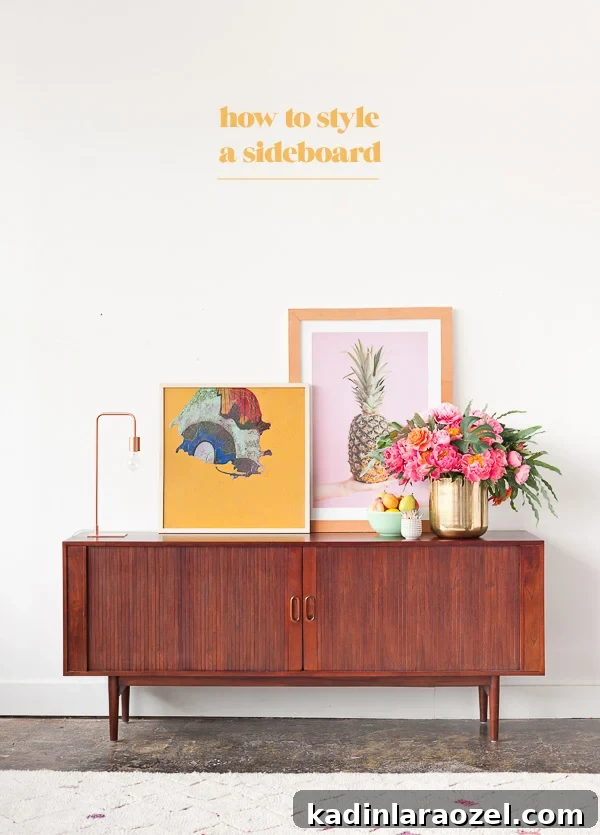
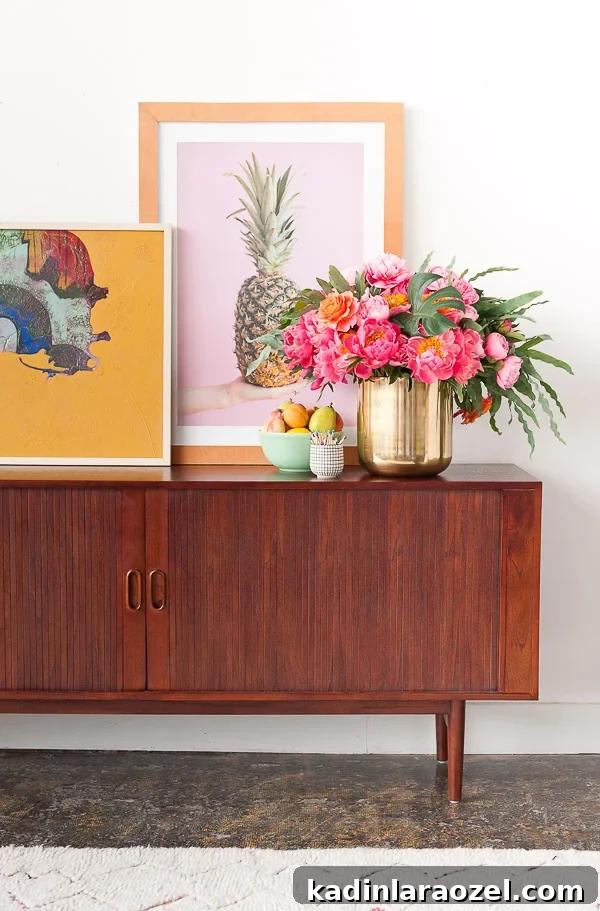
After months of searching for the perfect sideboard, credenza, or buffet for the studio, I finally found one. I wanted a piece with a mid-century vibe that was also highly practical. While I care about aesthetics, I also have a lot of gear and props in the studio, so maximizing storage without sacrificing style was essential.
I partnered with Ave Home, a New Orleans-based furniture company known for classic designs inspired by iconic eras, to show how to style a mid-century inspired sideboard both inside and out. This Anders Sideboard is a streamlined, functional take on a classic dining room piece—minimal, playful, and truly useful. Below are my practical tips, styling tricks, and photos to help you style a sideboard quickly and effectively.
What is a sideboard, exactly? The term gets used interchangeably with “buffet,” “credenza,” and other names, which can be confusing. A sideboard is typically a long, flat-topped piece of dining-room furniture with storage—drawers and cabinets—placed along a wall. It’s traditionally used to store dishes, glassware, and linens, and its top is often used for serving food during meals. The many names likely reflect regional language and design variations, but the function remains similar.
Why have a sideboard in a studio? I wanted a long piece of furniture that would anchor the living and seating area in the studio, look cohesive with the space, and add substantial storage for props and overflow items. The Anders Sideboard from Ave Home fit the brief perfectly: it has a clean mid-century silhouette and provides abundant storage, which was a lifesaver given how small my kitchen cabinets are.
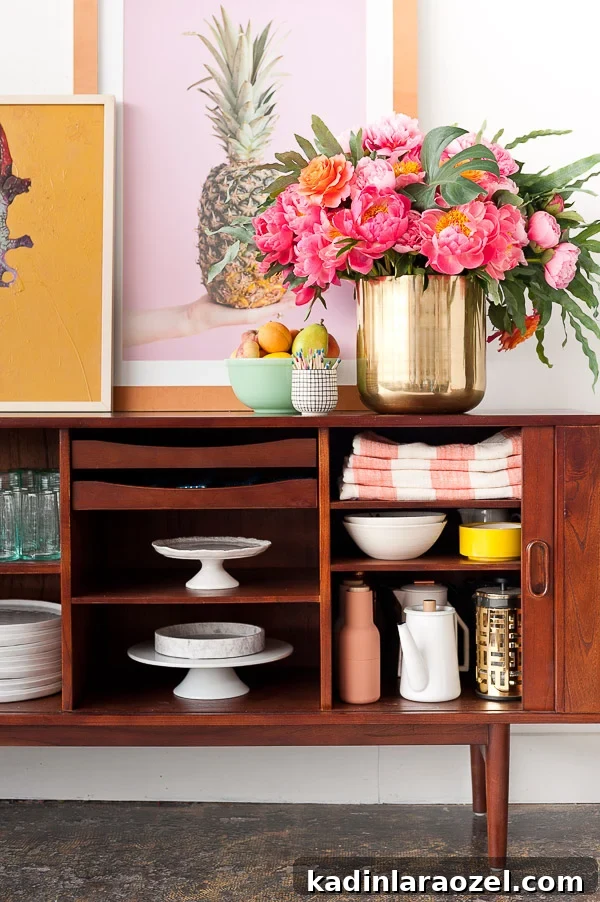
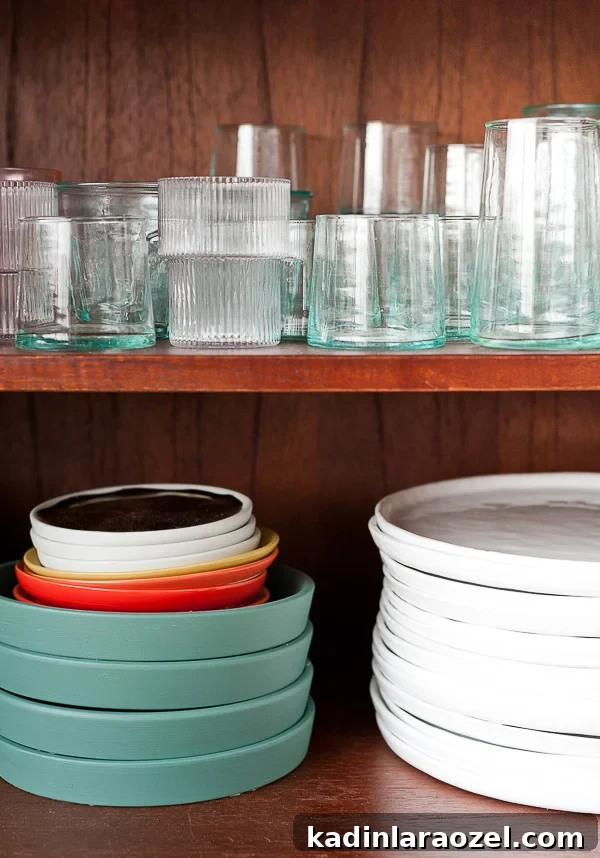
When the sideboard arrived, I packed it with glassware, cake plates, pitchers, and silverware. I closed the tambour doors, and everything disappeared from view—out of sight, out of mind. It instantly replaced the messy stacks of dishes and glassware that had been cluttering the counter.
How to Style a Sideboard: Interior Tips
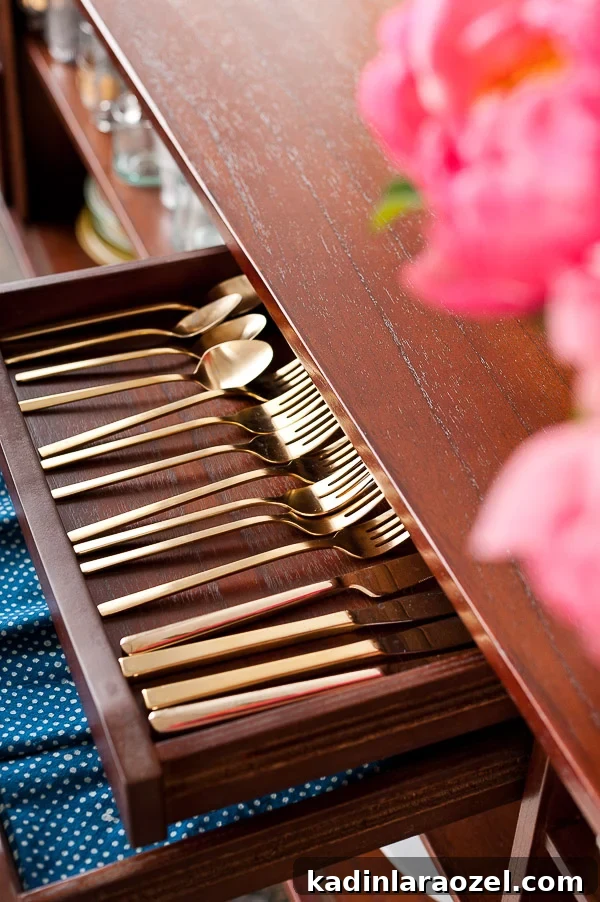
Styling the inside of a sideboard is mostly about efficient organization. Group like items together and make the best use of available space. My sideboard includes shallow drawers ideal for linens and silverware—perfect for smaller, flat items. For the cabinet shelves, place taller items toward the back and smaller items in front so everything is visible at a glance.
Take advantage of vertical space by stacking plates and trays where appropriate, and be willing to rearrange to accommodate taller pieces. If you plan to keep the doors closed most of the time, the interior needs only to be functional rather than decorative. If the doors are frequently open, maintain some visual order so it looks intentional.
How to Style a Sideboard: Exterior Tips
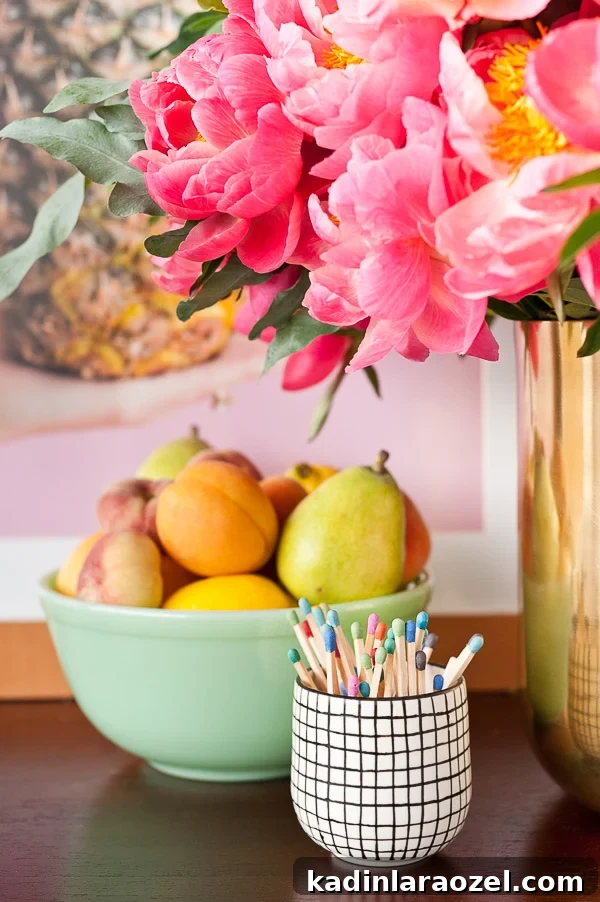
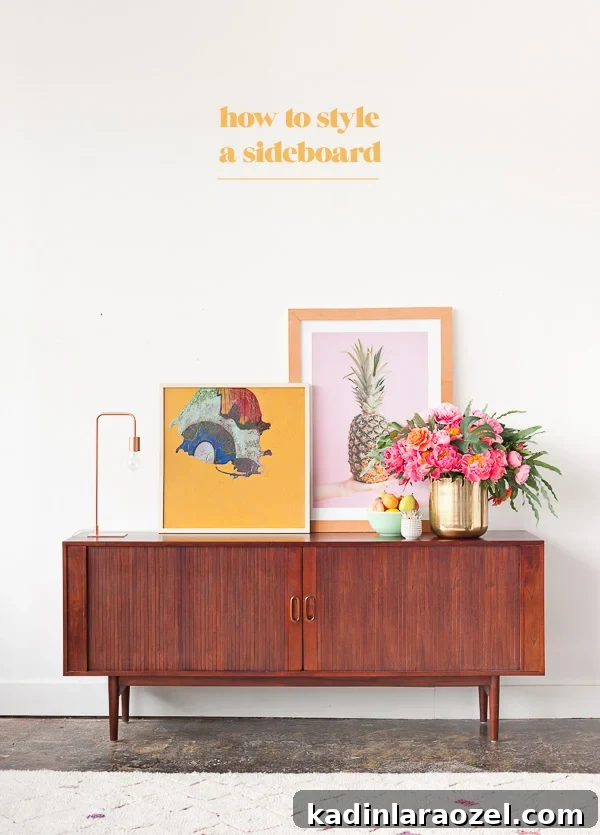
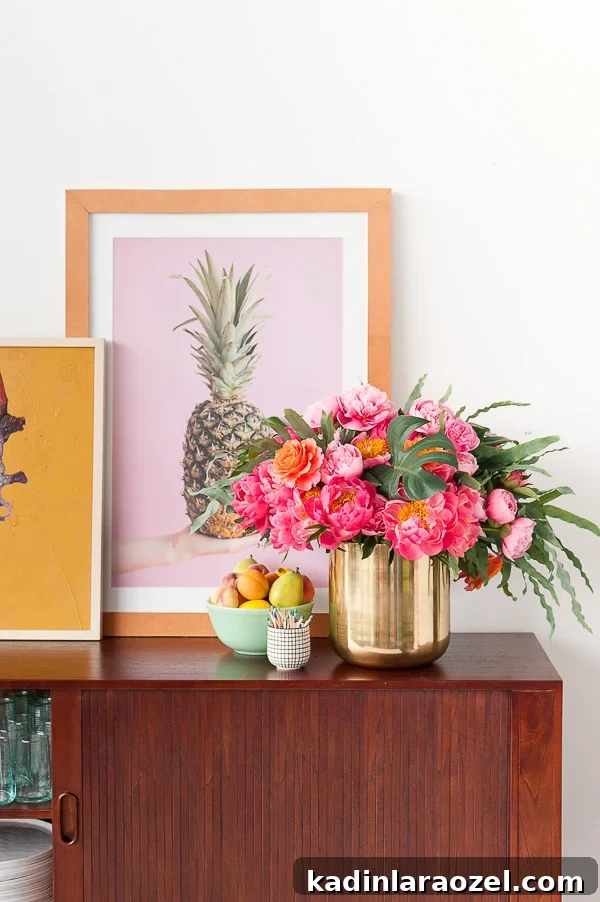
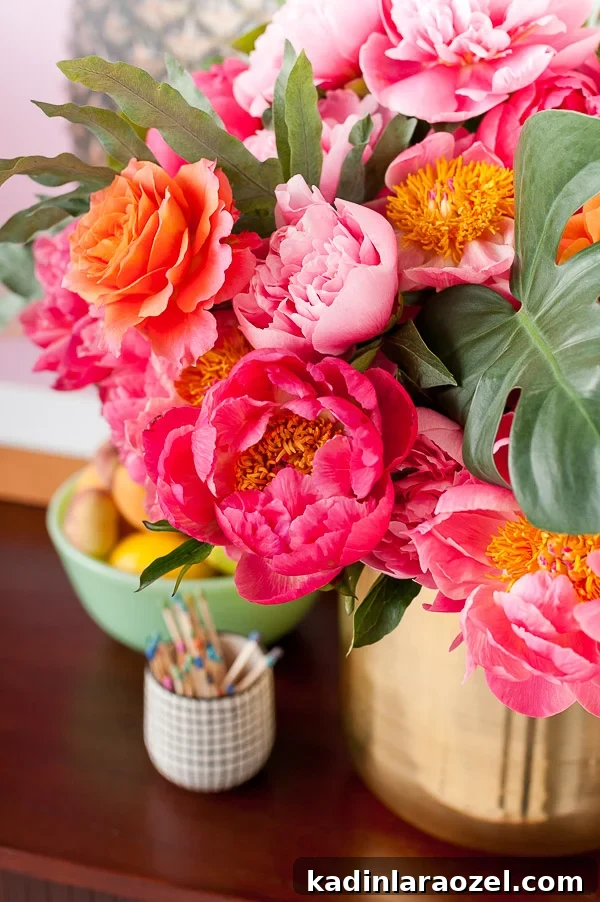
The exterior top is where you can make a design statement, but less is often more. Since sideboards traditionally serve food during gatherings, I avoid cluttering the surface with too many objects. For my arrangement I chose two pieces of artwork leaning on the wall, a large vase filled with coral peonies, a bowl of fruit, a small box of matches for lighting candles, and a lamp on the opposite side to balance the composition.
The goal is to keep the surface uncluttered while introducing variety in height and texture. Use a couple of taller items (like a vase and artwork), mid-height objects (a lamp or stack of books), and a small accessory or bowl to add interest. A balanced, asymmetrical layout often feels more dynamic than perfect symmetry.
Photography Amelia Lawrence
Source list: Anders sideboard from Ave Home / mustard yellow painting (made by me) / pink pineapple print (DIY leather wrapped frame project) / giant gold vase (base removed) / green fruit bowl / grid cup / colorful matches / copper light
That’s essentially it. I’m thrilled with this new piece and how much it helps keep the studio organized while adding character to the space. Do you have a sideboard in your home?
—
This post is in partnership with Ave Home. All opinions are my own. Thank you for supporting the brands that help keep Paper & Stitch running.