Top Business Card Designs to Inspire You This Week
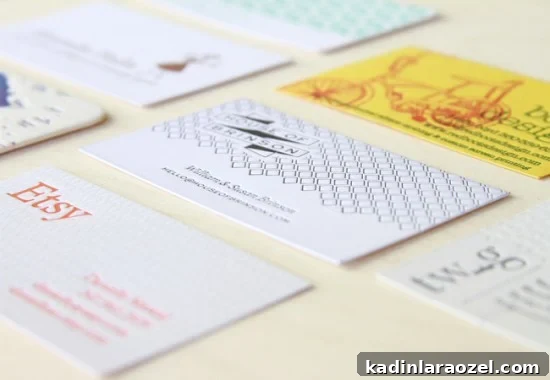
After my last business card roundup, I decided to make this a recurring feature on the blog—at least as often as I can based on the cards I collect at local meetups and conferences. I still have several favorites from Alt and a few other events I attended, so here’s a fresh batch of inspiration.
Strong, thoughtful use of color. Red Boots Design – I picked up this card nearly a year ago during a breakout session at CCE. The letterpress finish is lovely, but what stands out most is the color palette: it mirrors the vibrant items in the shop and reinforces the brand very effectively.
Community builders. The Stationery Place – Lindsey is a fellow Seattle blogger I met at Alt. Thanks to her I discovered a local Seattle blogging meetup that now gathers monthly. Lindsey manages a group of more than 100 members and her card reflects that approachable, community-oriented sensibility.
Try a vertical layout. Twig Creative – I met Twig Creative through the 15 Friends project earlier this year. Their card uses a clean, vertical format rather than the conventional horizontal layout. The simple design and letterpress finish make the card feel modern and tactile.
Simplify your information. House of Brinson – William and Susan taught a prop photography class at Alt that I attended. Their card keeps contact details minimal—just names and an email address—so it doesn’t overwhelm the recipient. This approach works well: anyone who wants more can use that single line to find their website or follow up by email.
Add personality with illustration. Alexandra Hedin – I met Alexandra briefly in the prop photography class. Her card features a charming illustration of her playing hostess in a party dress, which gives it instant personality. All of her contact information appears on the reverse, keeping the front playful and focused on brand.
Choose a unique format. Barral Creations – One of my favorites from this collection is Fabien’s card. Earlier in the year he sent an impressive letterpress calendar along with this coaster-sized business card. The gradient colors and bold design match his visual identity and make the piece unmistakable.
Whether you’re designing your first card or refreshing an existing design, these examples show several effective directions: a strong color story, thoughtful layout choices (including vertical formats), restrained information, hand-drawn personality, and unexpected formats that make a card memorable. Use these ideas to create a business card that reflects your brand and invites meaningful connections.