Make a Potholder Using Just One Material
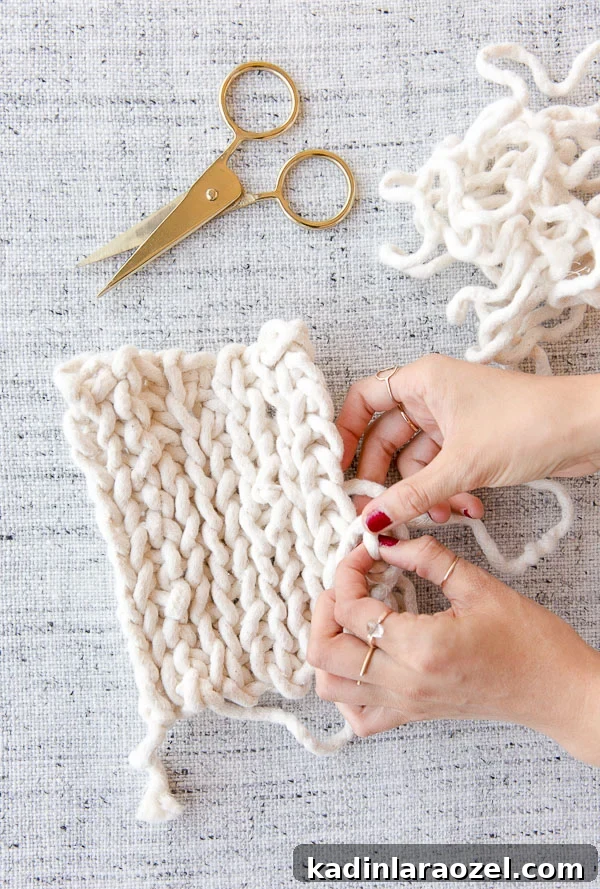
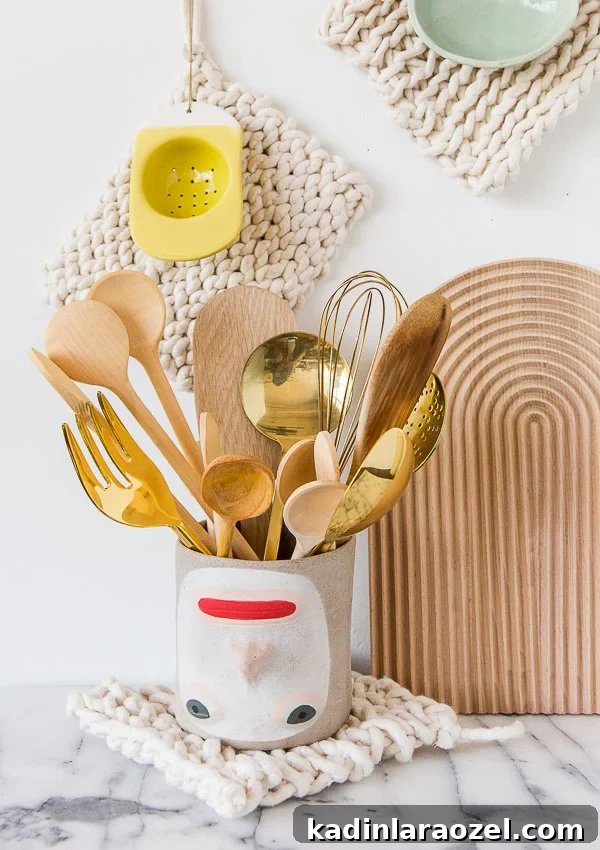
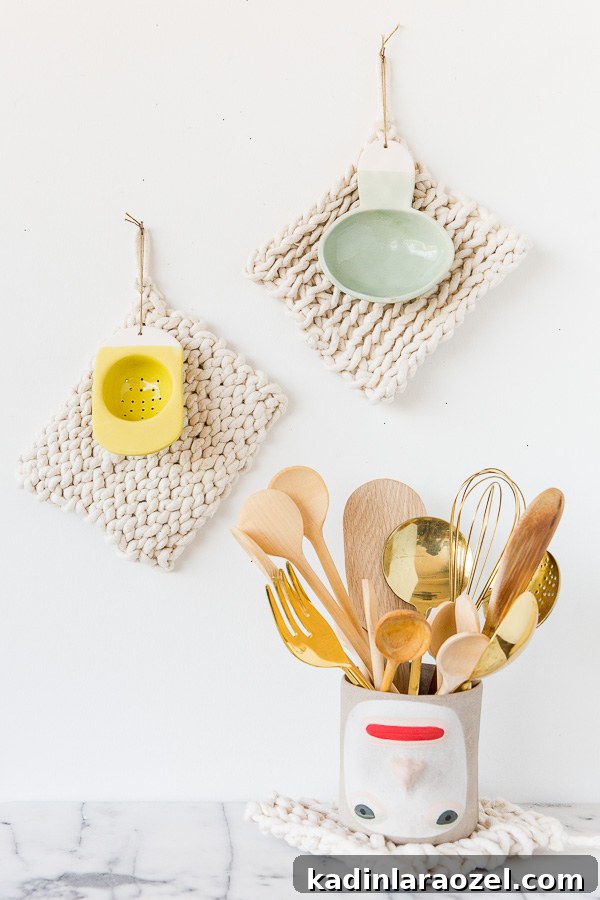
If you’ve ever wondered how to make a potholder, this simple DIY is for you. It’s quick, easy, and requires just one material—plus scissors. It really can’t be any simpler.
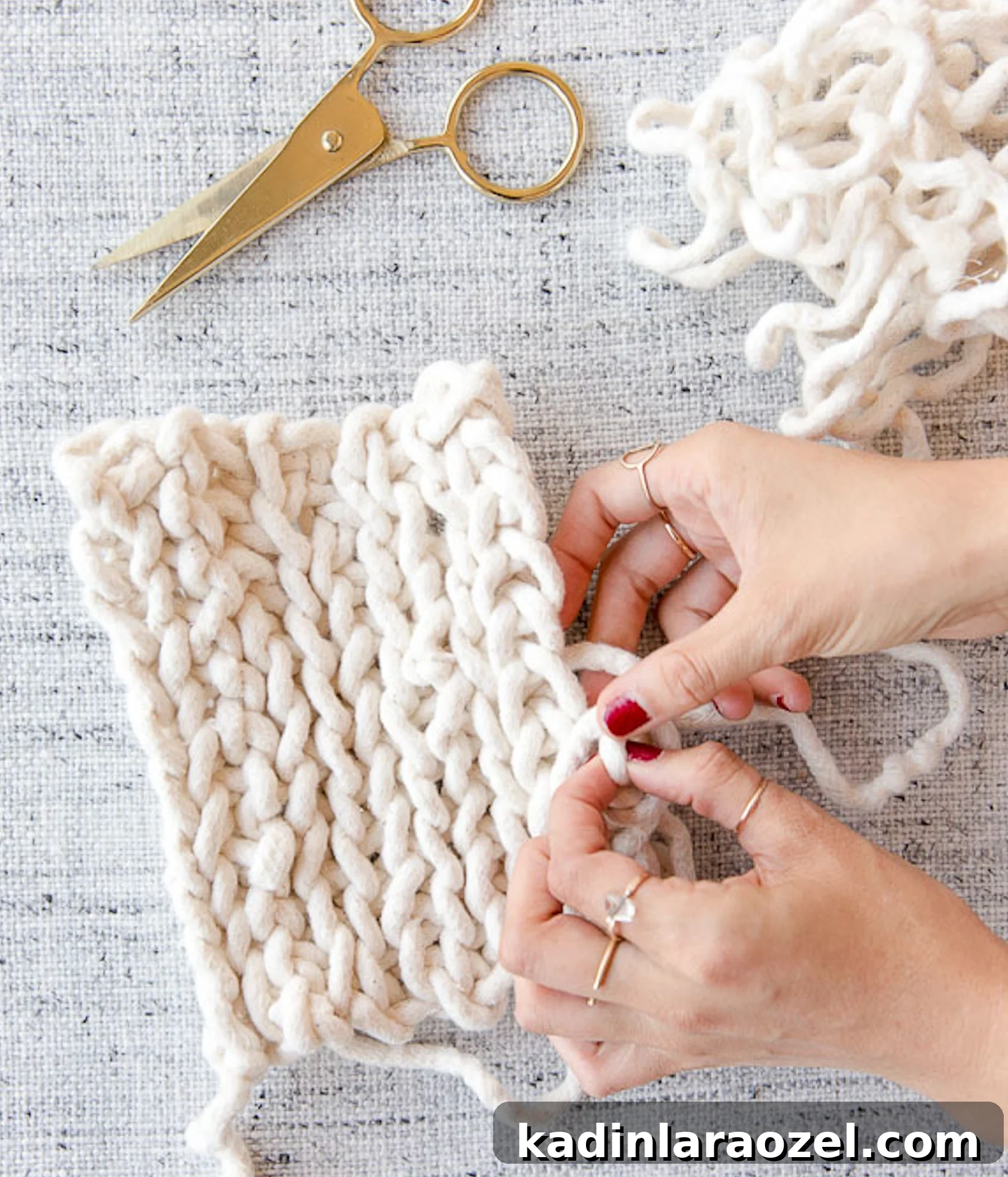
These finger-crocheted potholders are perfect year-round in the kitchen, though they have a cozy, autumnal feel that makes them especially nice for cooler months. If you enjoyed last week’s seasonal baking, this is a great craft to match the mood: quick, tactile, and useful.
The best part: you only need one main supply—cotton piping—and no special tools beyond scissors. The technique is essentially crochet with your fingers, so anyone can try it.
Why finger crochet? It’s fast and forgiving. No hooks, no needles, just your hands and a length of piping. Read on for a clear step-by-step guide to make a sturdy, heat-resistant potholder.
Another option: a potholder loom
If you’d prefer not to use your hands for finger crochet, a simple potholder loom is an easy alternative. Small looms are inexpensive (often under $20) and are straightforward to use for weaving loops into a square potholder. I enjoy using looms for compact weave projects and wrote a detailed post about the ones I own and where to source weaving loops if you want more background.
With that out of the way, here’s how to make this hand-crocheted potholder.
Materials
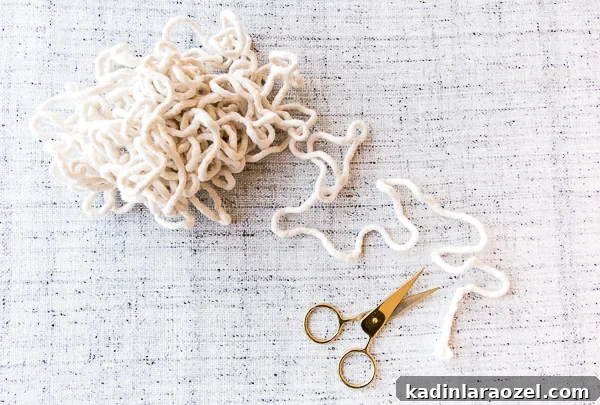
- Approximately 20 yards of cotton piping (I used 3/8 inch width)
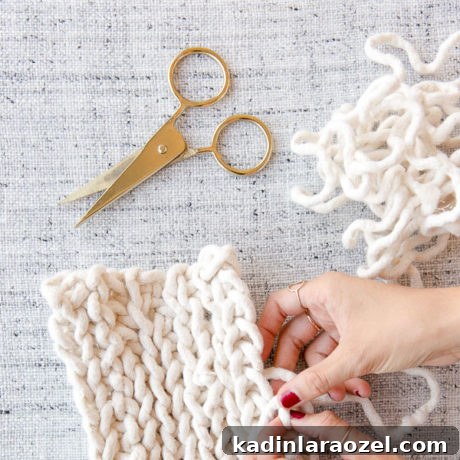
- Scissors
You can use any piping width you like; a thicker piping creates a denser, more heat-resistant potholder. I’ve used cotton piping for rugs and other home projects before—it’s inexpensive and very versatile.
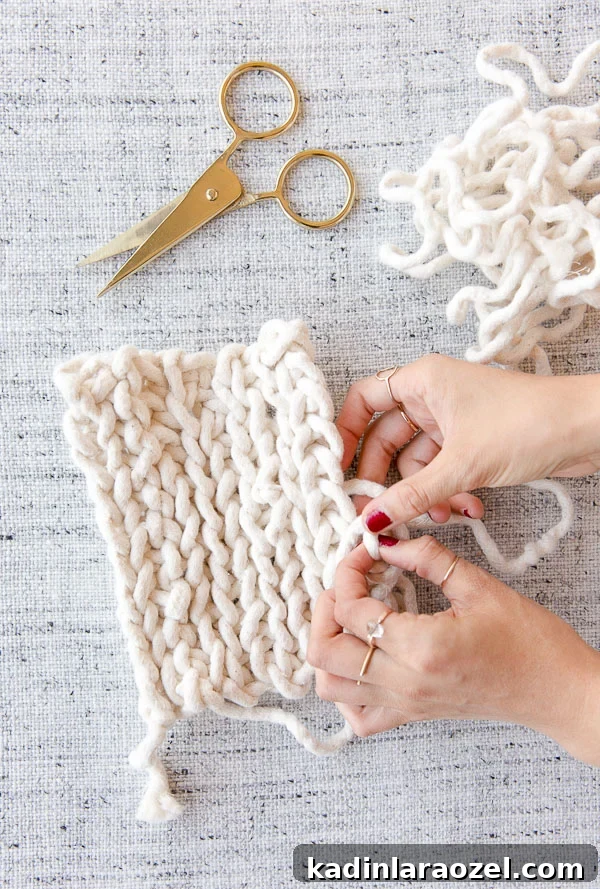
Step-by-step: Make a potholder by hand
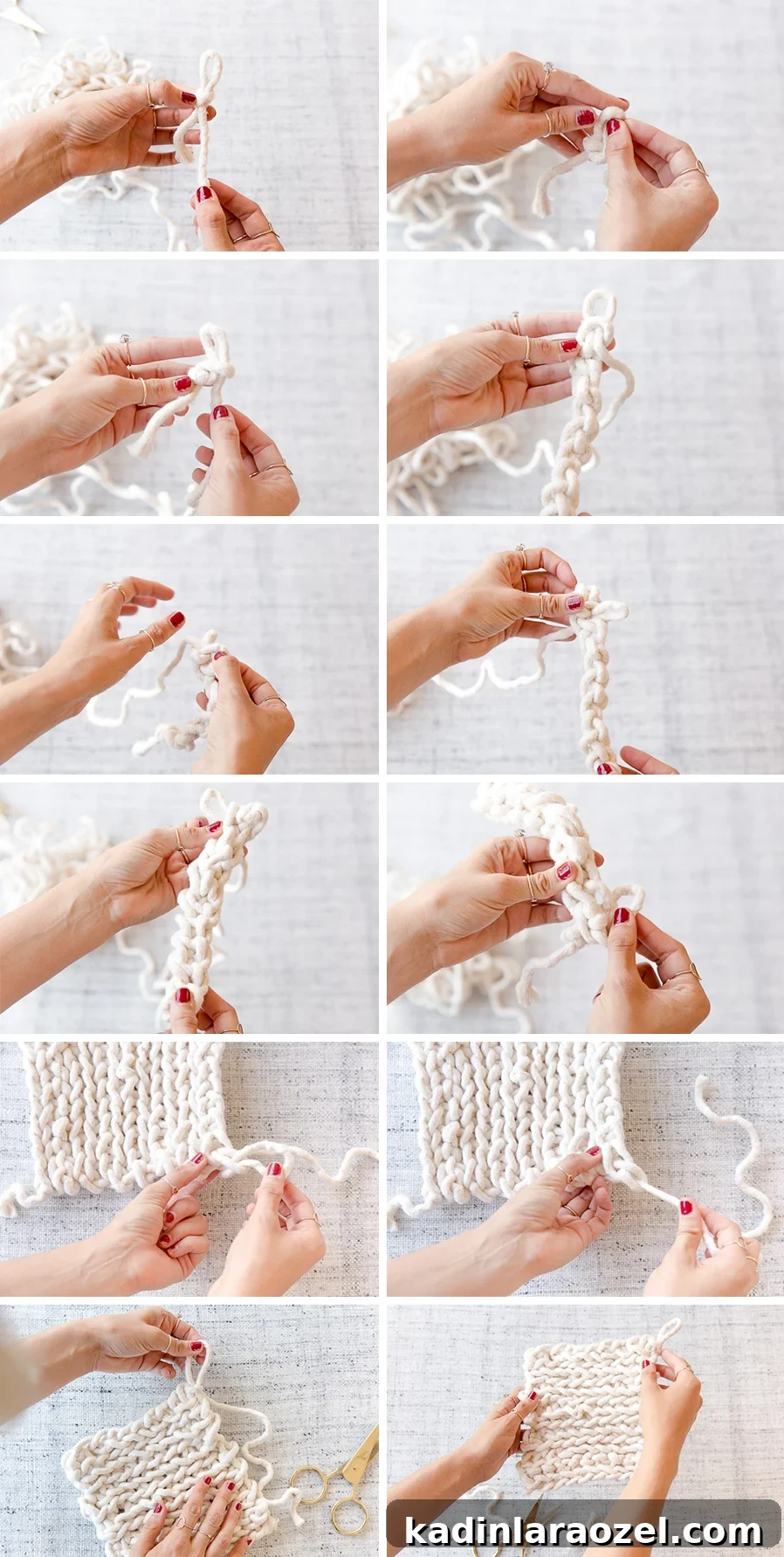
1. Start with a slipknot
Make a slipknot in the end of your piping and tighten it so the knot sits comfortably on your finger. This will be the first loop of your chain.
2. Form a chain of loops
Pull the working end of the piping through the slipknot to form another loop the same size as the first. Continue drawing loops through the previous loop until your chain measures roughly 8 inches long. This forms the base length for your potholder.
3. Build additional rows
To thicken the piece and create rows, thread the piping through the second-to-last loop and then through the last loop, repeating this pattern along the chain. When you reach the end, make a single loop through only the last loop—this starts the next row and keeps the stitching consistent.
4. Keep creating rows
Repeat the row-building technique—working loops through the holes created in the previous row—until the square reaches about 8 inches wide by 8 inches high, or your desired potholder size.
5. Finish the edge
When your potholder is the correct size, pull the piping completely through the final loop and tighten to secure the last stitch. This closes the working edge.
6. Add a hanging loop
Leave a short tail of piping and feed it through the nearest loop to form a hanging loop about 1 inch in diameter. Wrap the remaining tail around the base of that loop a few times and tie a secure knot. Trim any excess piping close to the knot.
7. Trim the excess
Carefully cut off the leftover piping as close to the base of the hanging loop as possible so the knot stays tidy and secure.
That’s it—your hand-crocheted potholder is complete.
Because the cotton piping is fairly thick, the finished potholder provides good protection from heat when handling hot dishes or protecting countertops. If you want to customize, these potholders can be dyed or painted to match your kitchen decor.
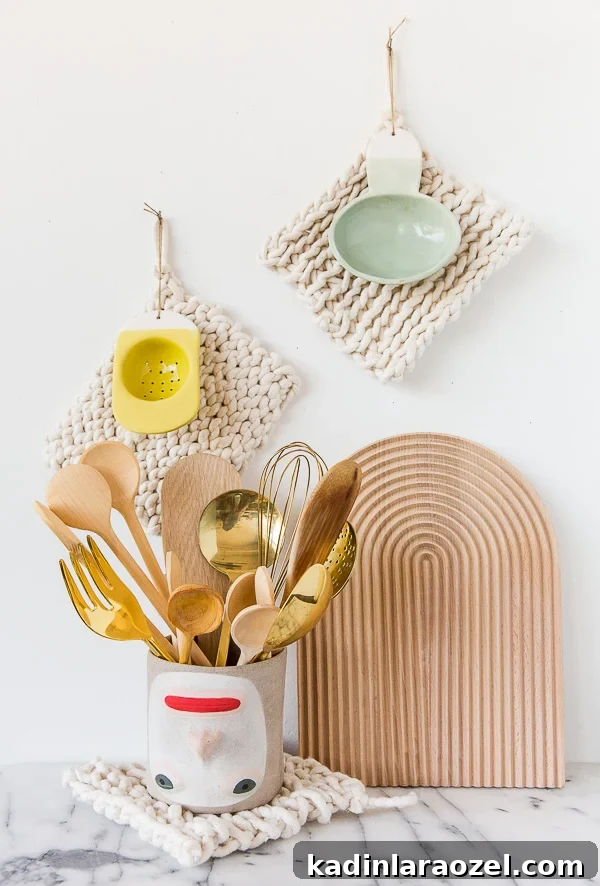
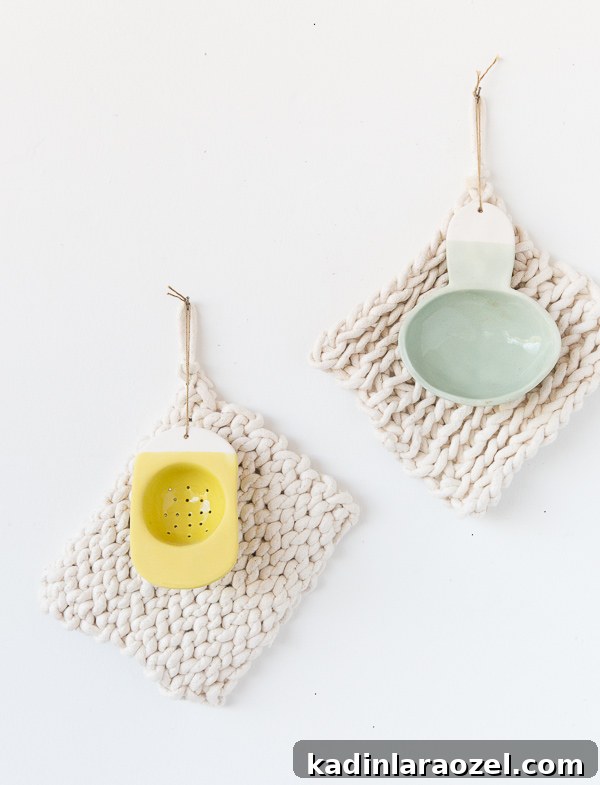
How to Make a Potholder
Ingredients
- 20 yards of 3/8 inch cotton piping (or width of your choice)
- Scissors
Instructions
Start with a slipknot.
Form a loop.
Make additional rows.
Continue creating loops.
Pull the piping through.
Add a loop.
Cut off excess piping.
Notes
Photos by Jess Smith. DIY by Cori Maass.
Have you tried hand crochet or made potholders before? Would you make these for your kitchen? They’re quick, customizable, and a great beginner-friendly craft to keep or gift.