Modern Studio Makeover: DIY Seating and Storage Before & After
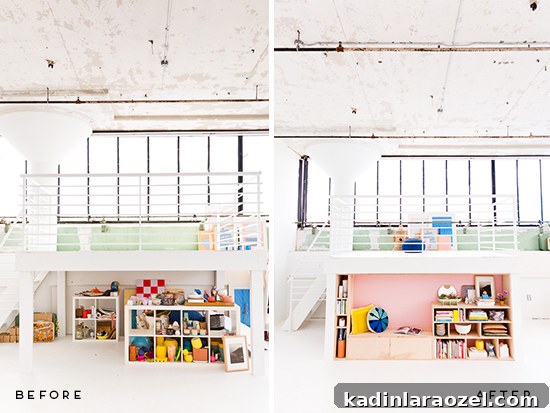
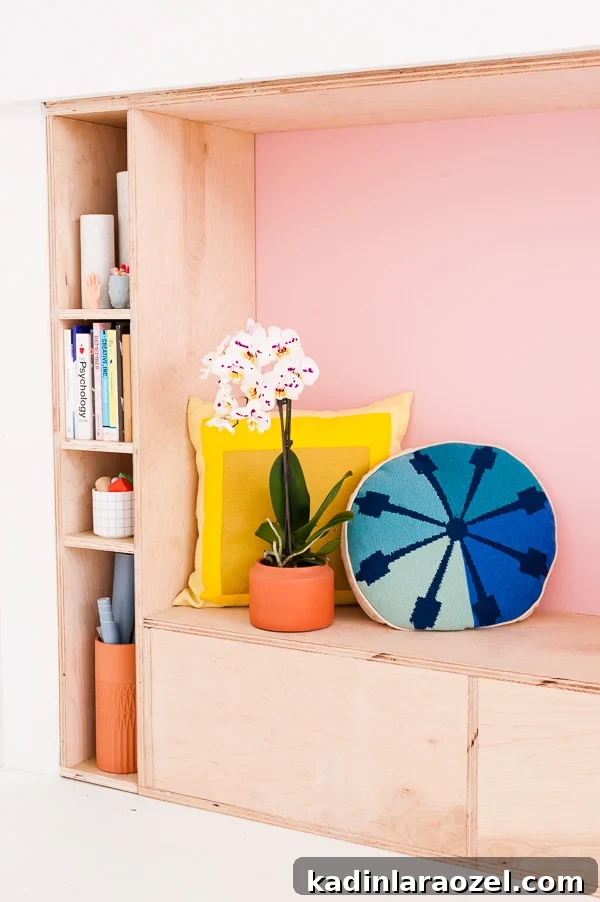
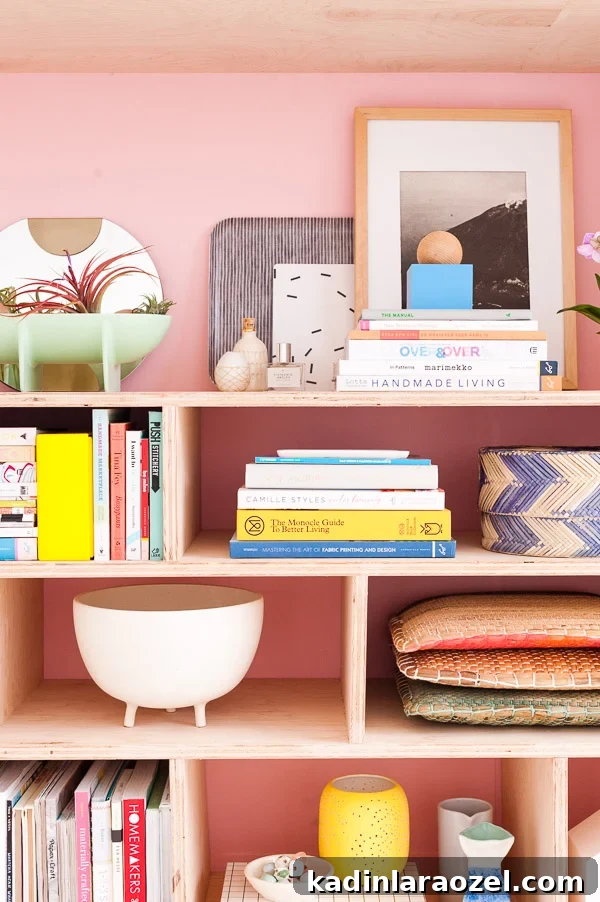
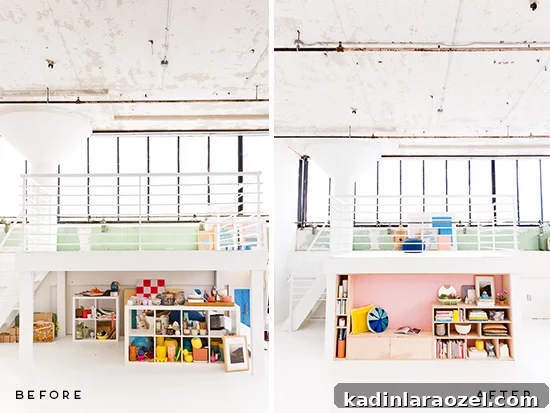
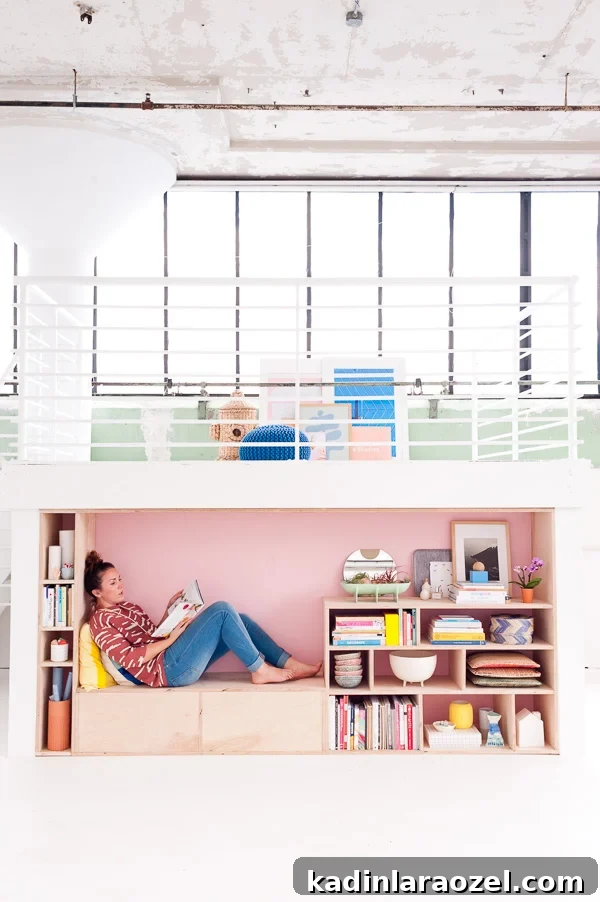
I’ve been slowly progressing through studio renovations, and the biggest change so far is finally complete: built-in shelving and seating. That might not sound dramatic at first, but I promise it’s more exciting than it seems.
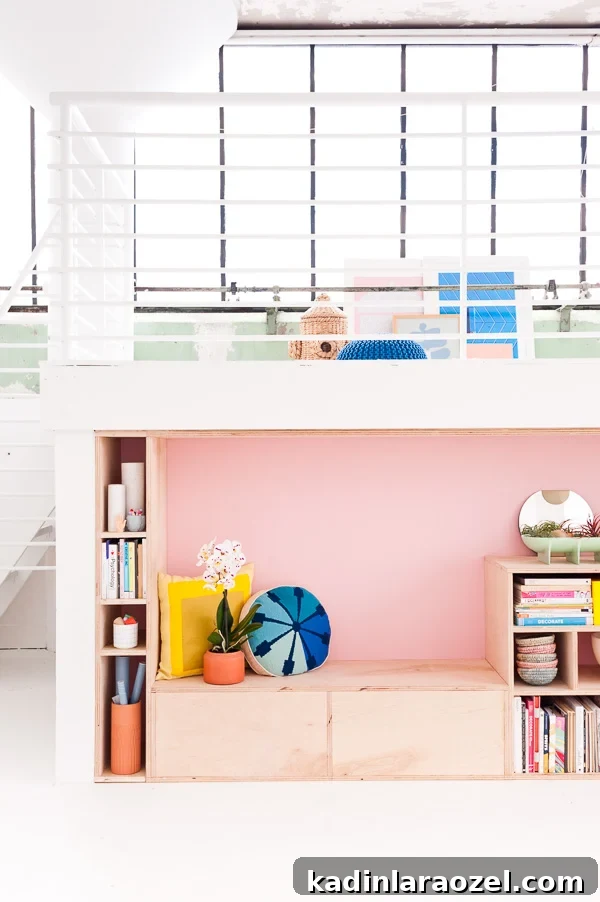
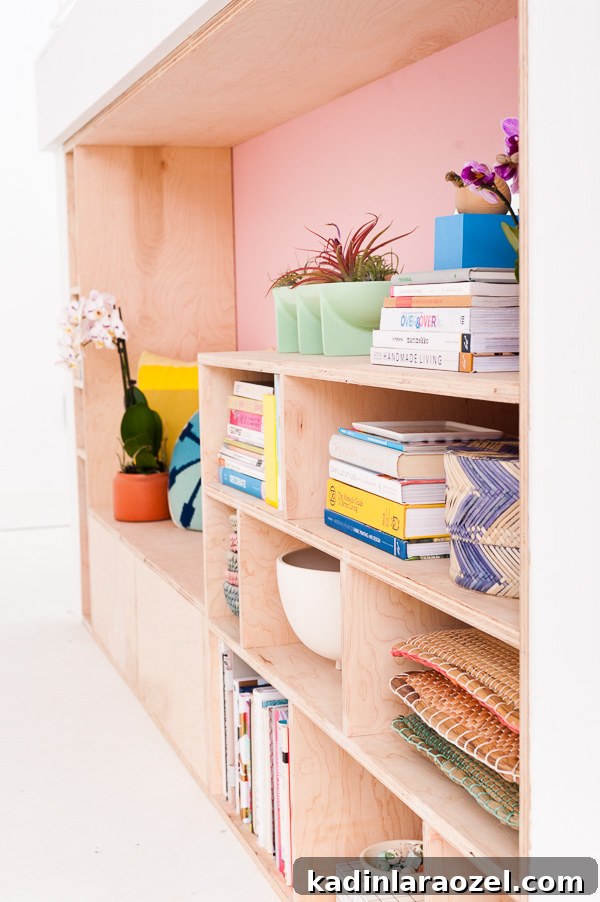
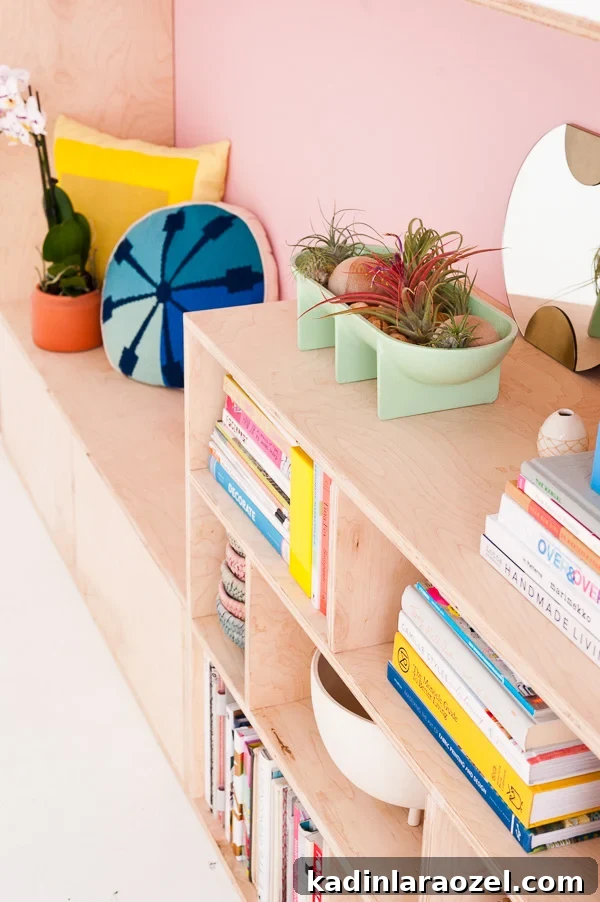
This project yielded colorful, modern, DIY-friendly built-ins that offer a ton of storage and integrated seating. I’m thrilled to share the full process and photos today—this post was created in collaboration with HGTV HOME™ by Sherwin-Williams.
I worked closely with a contractor to construct the unit, but I was deeply involved in every stage—from design to build—and documented the process so others can take on a similar weekend project. With the right tools, this is completely doable as a DIY. The result provides abundant display space for books, seating for hanging out, and hidden storage behind a faux wall for larger props and items I don’t want on display.
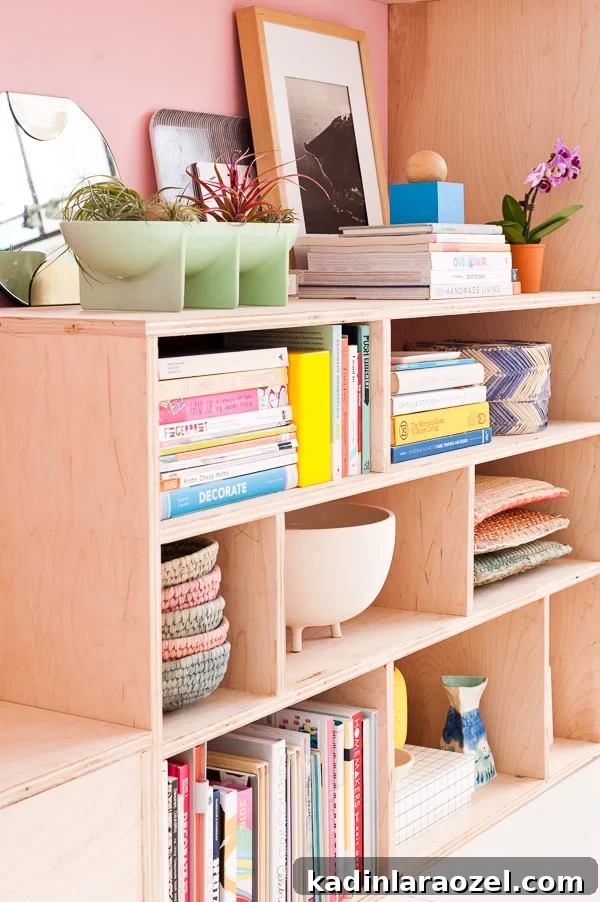
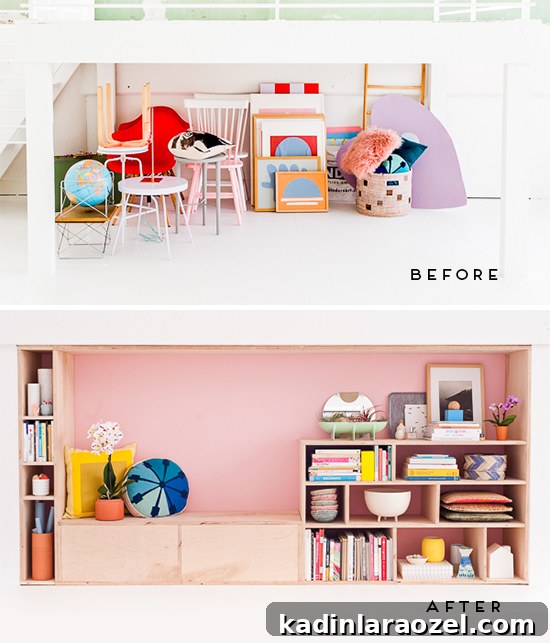
Curious how the custom seating and storage unit was built? Read on for the DIY tutorial, design decisions, materials, and step-by-step instructions.
The plan was straightforward: create a faux wall to conceal clutter, add ample shelving and a built-in bench, make the unit feel original to the space, and ensure the result looked modern and stylish.
We chose maple plywood sheets to achieve a raw, contemporary look while keeping costs reasonable—plywood is affordable and structurally sound for a project like this. Even with a larger budget, I would have picked plywood for its aesthetic and practicality.
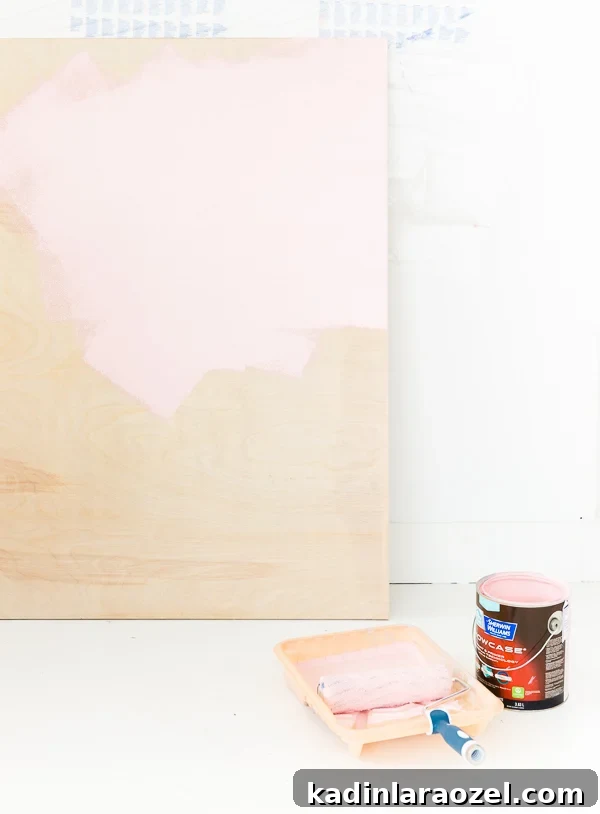
Materials + Tools
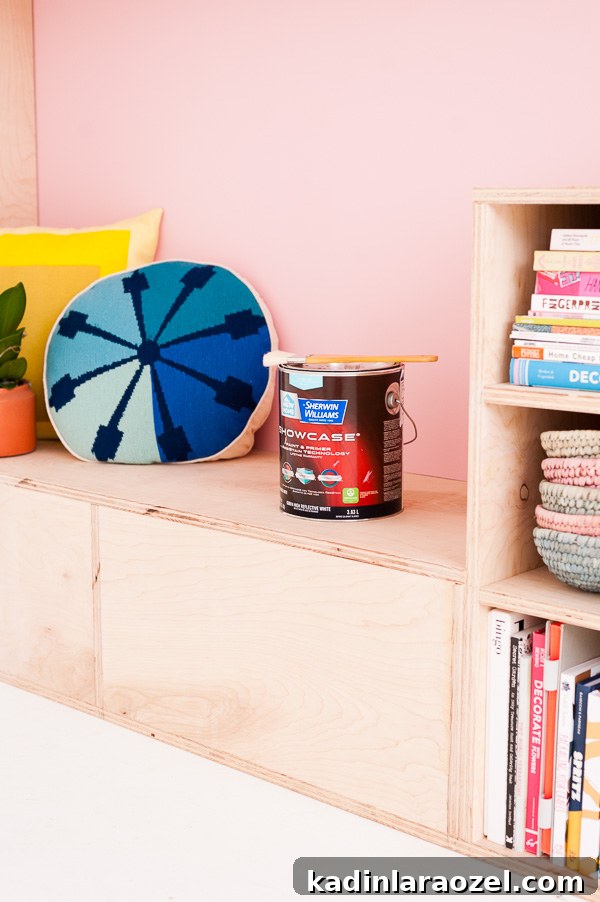
- HGTV HOME™ by Sherwin-Williams Showcase Interior paint (available at Lowe’s)
- Paint roller, brush, and pan
- 3–4 sheets of 3/4″ maple stain-grade plywood (amount depends on the size of your build)
- 2 1/2″ interior finish nails or brad nails
- 2 1/2″ finish nailer / nail gun
- Table saw
- Sander or sanding block
- Natural wood filler
- Tape measure
- Small framing square
- Drill and countersink drill bit
- 1 5/8″ coarse thread drywall screws
- Soft clamps
- Sawhorses (optional)
- Level (2 ft or torpedo level)
- Eye and ear protection
Instructions
1. Measure the opening. Record the height, width, and depth where the built-in will sit. For our studio, the opening between columns measured 107″ wide, 50″ high under the platform, and 16″ deep. Check that the space is level from left to right and front to back, and adjust your plan if it’s not.
2. Sketch a layout on graph paper to plan shelving, supports, and the seating area. Remember that supports should be spaced no more than 24″ apart to prevent bowing. Typical bench height ranges from 17″ to 19″. After deciding on the layout, subtract at least 1/2″ from each dimension you measured to allow a bit of clearance for fitting the unit into the opening.
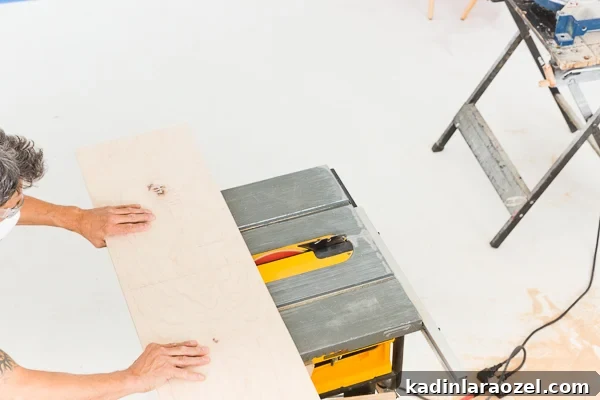
3. Buy materials once your design is finalized and calculate how much plywood you’ll need. Paint the largest sheet(s) for the faux wall first so they have time to dry. If you’re attaching the unit directly to drywall instead of using a faux wall, paint the wall behind the future built-in first—this saves time because you won’t need to cut in paint after assembly.
For this project I chose Lotus Flower (HGSW2046) from the Vintage Finds Color Collection by HGTV HOME™ by Sherwin-Williams. I used their Showcase Paint and Primer in One in a flat finish; it provided excellent coverage over wood, covering the grain in a single coat.
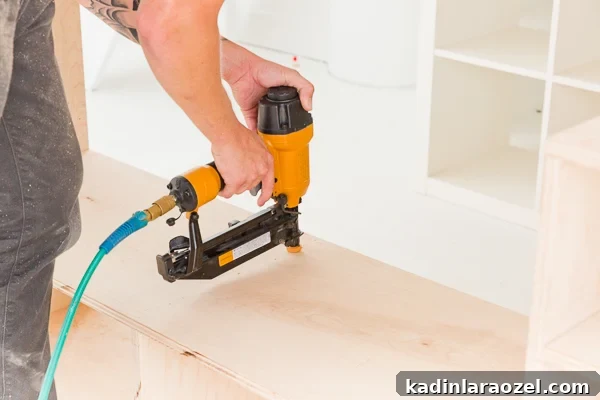
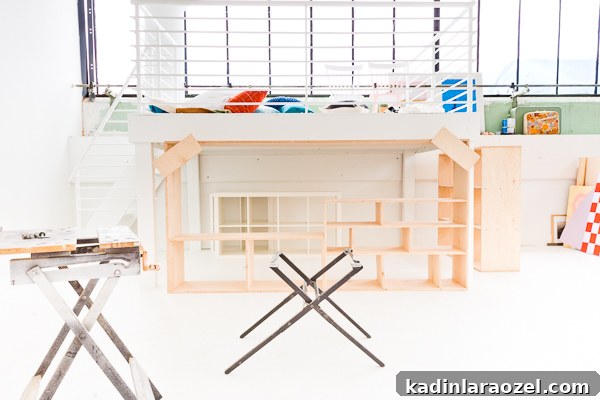
4. Build the frame that will house the built-in. Use a framing square to ensure corners are square and use scrap wood for temporary support while assembling. Pre-drill holes with a countersink bit for frame and shelf assembly to prevent the wood from splitting.
5. Start assembling from the bottom of the frame, using your design as a guide. Mark locations for supports, shelving, and the seat with a pencil. Cut supports to length, attach bottom supports first to secure the frame, and then build upward, adding horizontal shelving pieces. Use a nail gun and place nails approximately every 6 inches along each support. Measure carefully and always wear safety goggles when cutting.
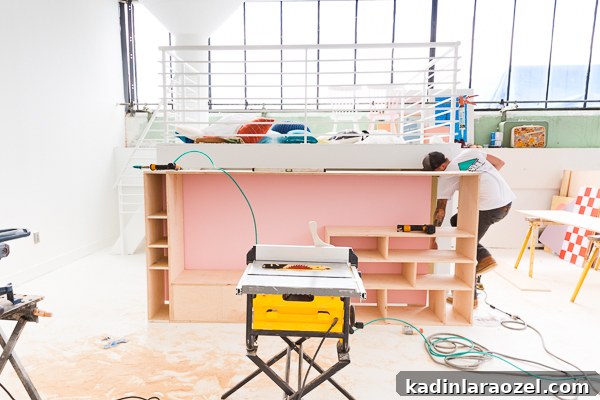
6. After the frame, shelves, and seat structure are complete, attach the painted faux wall to the back of the unit. If you didn’t prepare a faux wall, skip this step.
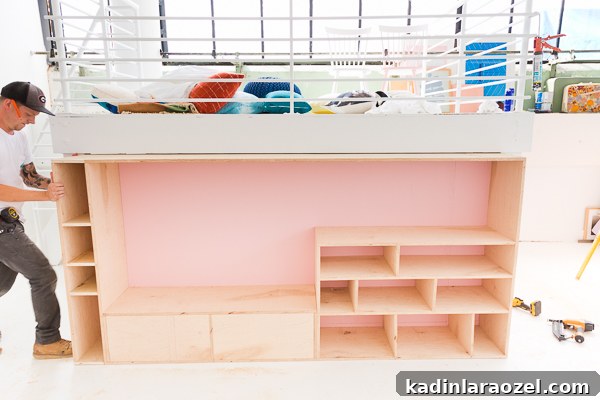
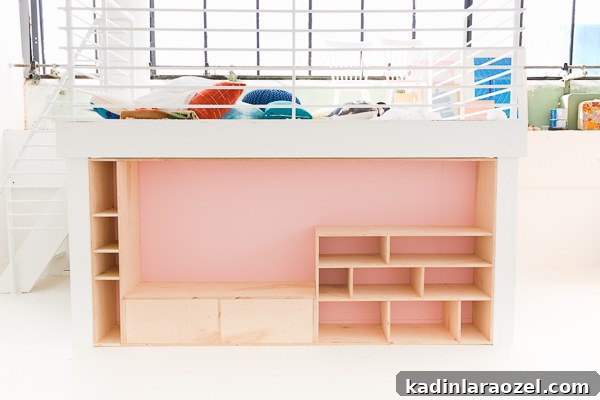
7. Slide the completed unit into the opening and check again for level along the top, sides, and bottom. If necessary, use wood shims to level the unit. Once level, secure the frame to the wall or platform beams using a nail gun.
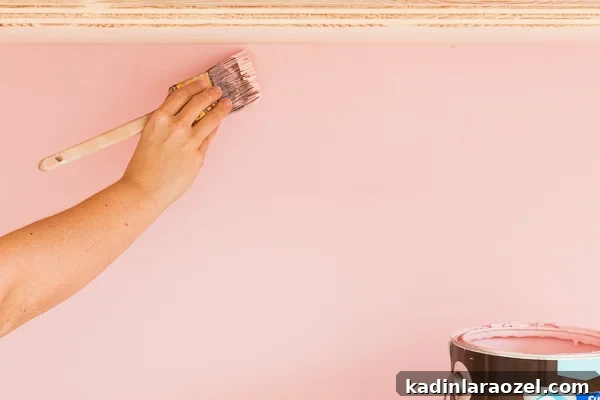
8. Finish the project by sanding any rough edges and erasing pencil marks. Fill nail holes with wood putty and sand smooth, then touch up any paint scuffs. If there are gaps between the frame and surrounding opening, use caulk to seal them for a clean, built-in look.
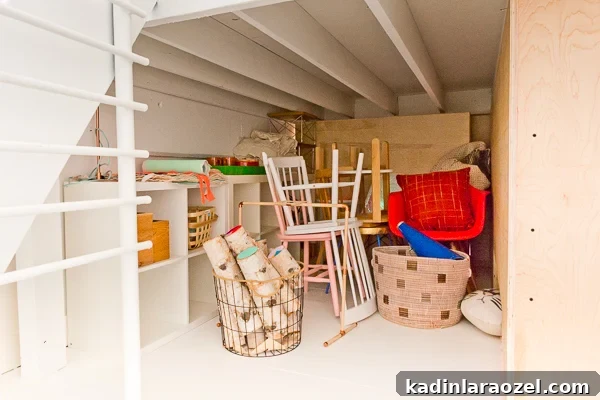
And that’s the build! The faux wall hides a surprising amount of storage space—you’d never guess how much is behind it. There’s also a second faux wall on the opposite side that houses display props; I’ll share that portion of the build another day.
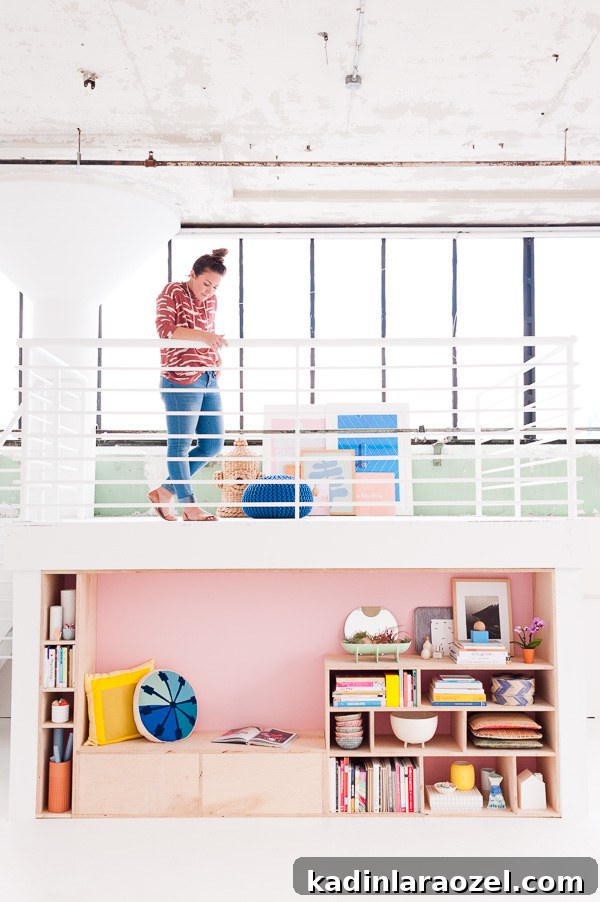
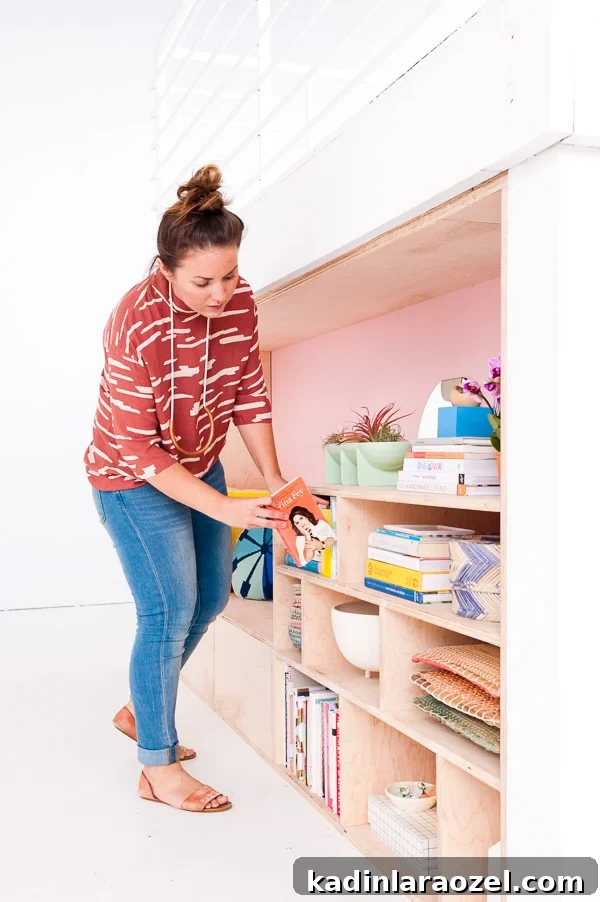
Photography: Amelia Tatnall + Brittni Mehlhoff
What do you think? Could you use a built-in like this in your home? I’d love to hear your thoughts.
—
This post was created in partnership with HGTV HOME™ by Sherwin-Williams. If you liked the paint used here, try the product to see how it performs and consider sharing a review. Thank you for supporting the brands that help keep Paper & Stitch running.