Why Sage Green Is Trending: 9 Reasons to Love the Shade
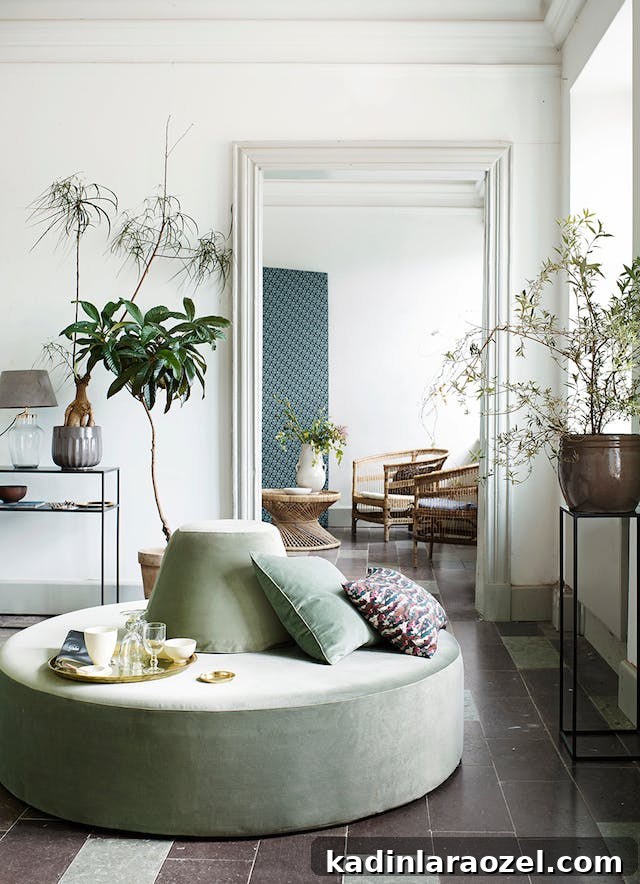
What do you think of the sage color trend?
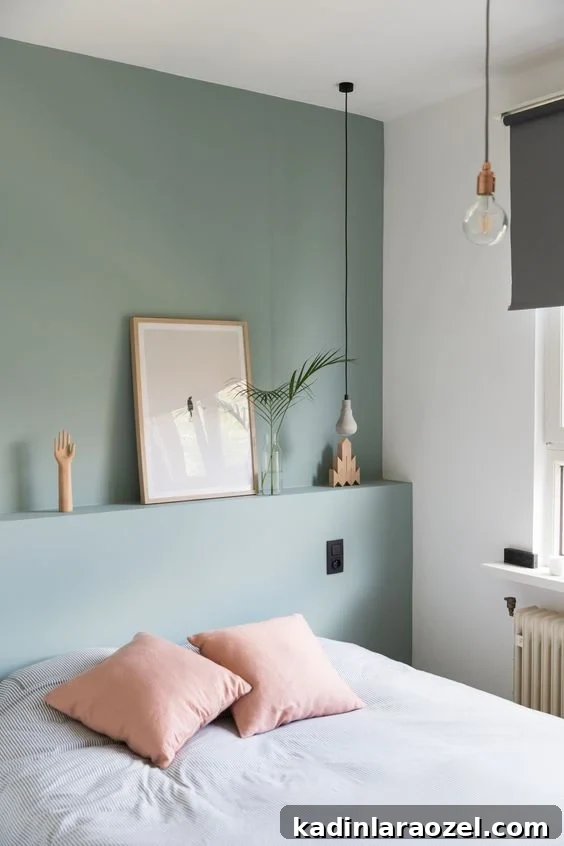
Pinterest has declared sage the new neutral, and I’m curious: what do you think of this trend?
Sage is an intriguing choice for a “neutral.” It sits between a classic neutral and a subtle color statement, which makes it surprisingly versatile. You can integrate it seamlessly into modern, Scandinavian, traditional, Craftsman, or even builder-grade homes. In short: it’s easy to work with and looks great in many contexts.
9 Reasons to Love the Sage Color Trend
What’s remarkable about sage is how well it translates across rooms and design styles. Whether your home is sleek and modern or comfortably traditional, sage finds a way to fit in. Below are nine ways I’ve seen sage used to great effect.
1. Sage headboard in the bedroom
A sage headboard emphasizes the color’s neutral side when it has strong gray undertones. That makes it ideal for bedrooms, where calm and relaxation are priorities. The muted tone soothes without feeling bland.
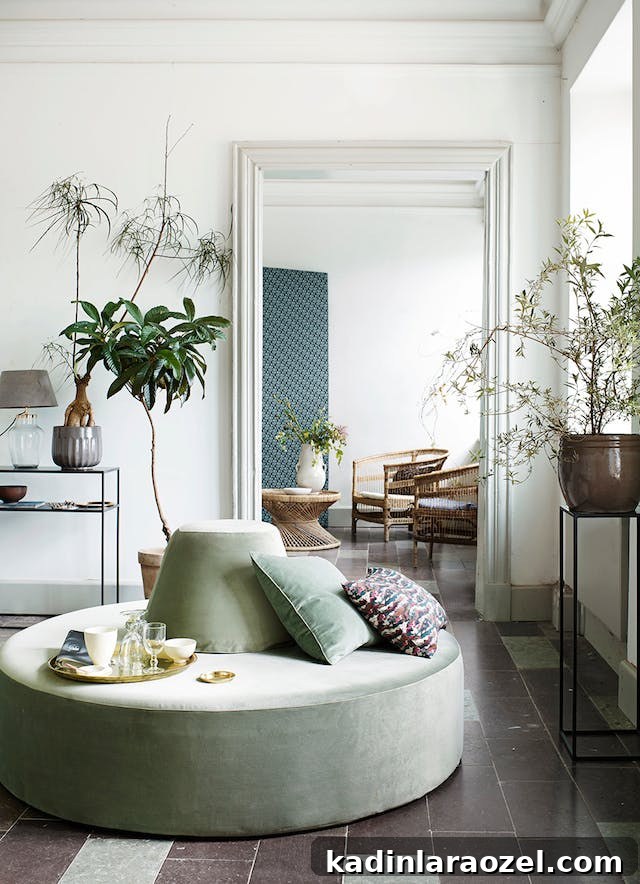
2. Sage color accents in every room
If you’re not ready to paint walls, add sage through furniture and textiles—velvet sofas, pillows, or an accent chair can bring in just the right hint of green. These pieces feel elegant and calming without overwhelming a space.
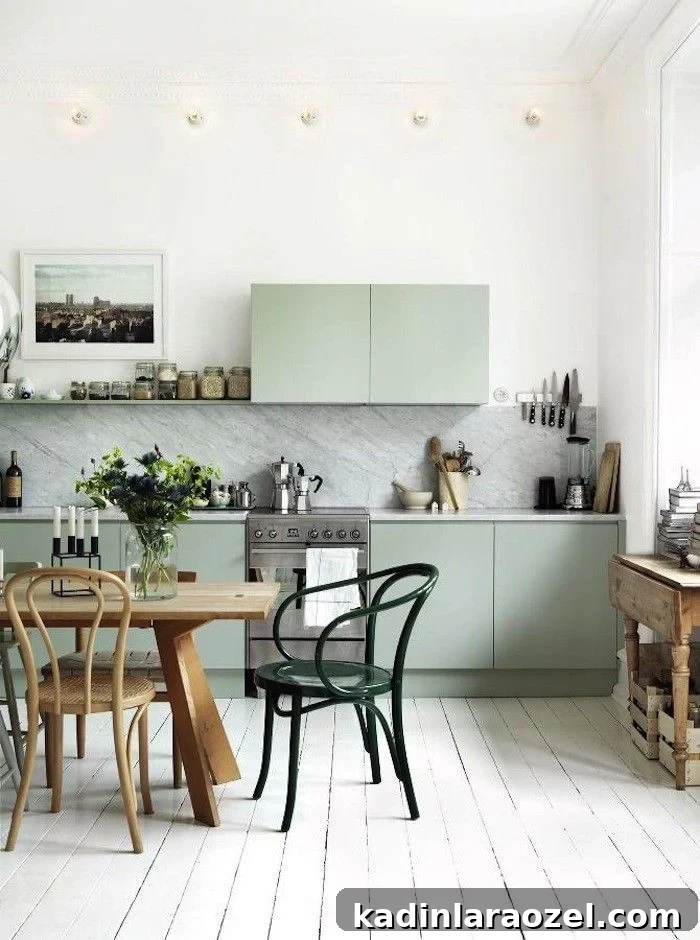
3. Sage cabinets in a modern kitchen
Sage cabinets are everywhere right now. The soft green tone provides a subtle pop that pairs beautifully with marble, wood, and other neutrals. It’s a designer-friendly choice that still feels approachable for homeowners.
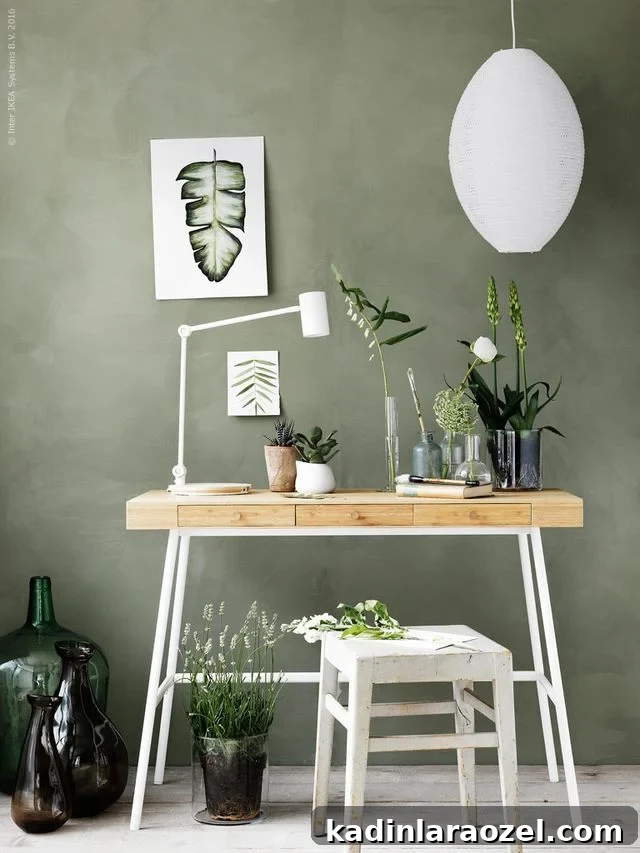
4. Sage green walls with texture
Painting walls sage is an obvious move, but adding texture—through plaster, paneling, or subtle finishes—deepens the color’s earthy quality. Combined with bright white, modern furnishings, textured sage walls look contemporary rather than overly rustic.
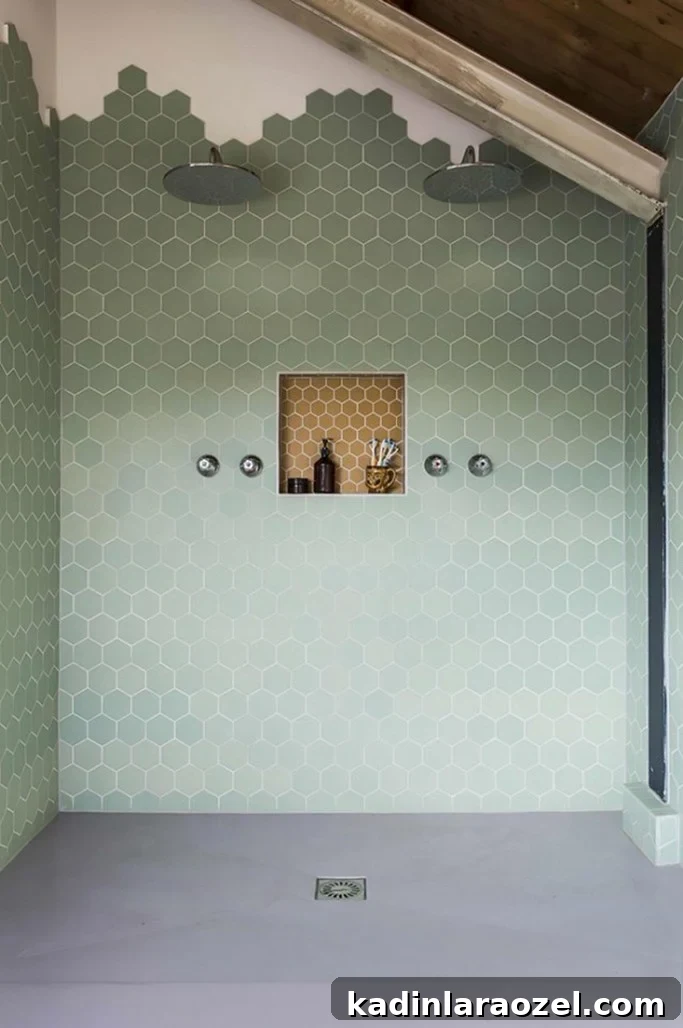
5. Sage tile in the bathroom
Sage tiles—whether hexagon backsplash tiles or subway tiles—bring a fresh, artistic touch to bathrooms and showers. The color reads timeless and lively at once, so it’s less likely to feel dated a few years down the line.
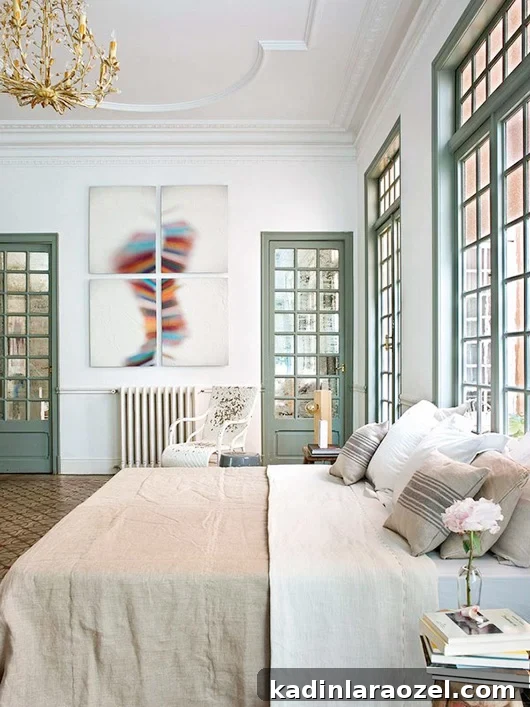
6. Sage on windows and doors
If a full wall of sage feels too obvious, paint your trim, doors, or window casings. Using sage in moulding or trims creates a statement without overwhelming the room and adds a thoughtful, unexpected detail.
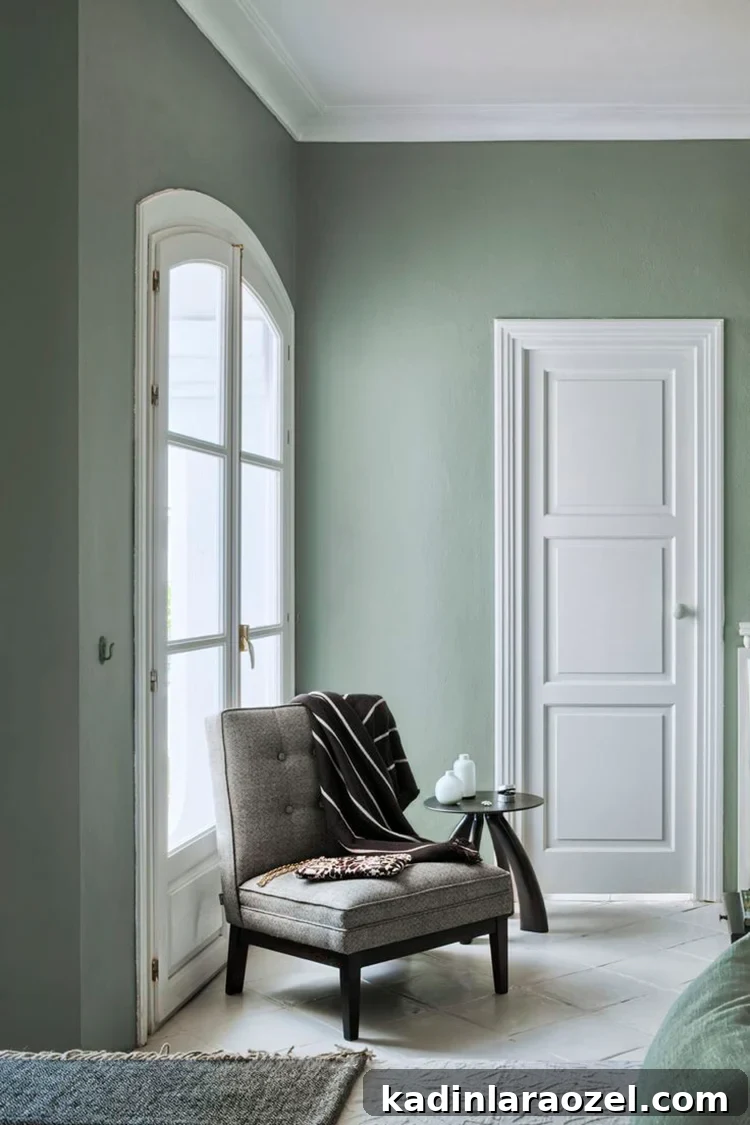
7. Sage paint on walls for a classic look
Sage wall paint can feel traditional and calm, especially when paired with bright trim. Because sage often leans lighter and has reflective undertones, it keeps rooms feeling airy while still providing character.
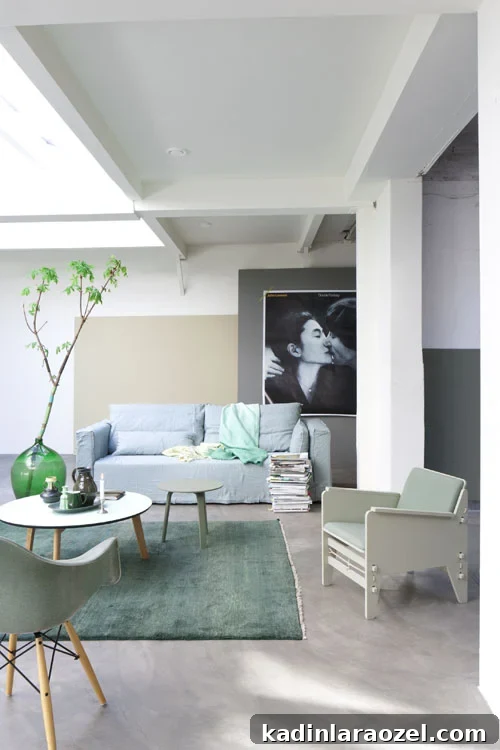
8. Sage furniture and rugs
Layering sage across furniture and rugs creates a cohesive, soothing palette. Mixing different shades and materials—velvet, wool, painted wood—keeps the look dynamic while maintaining a calm mood.
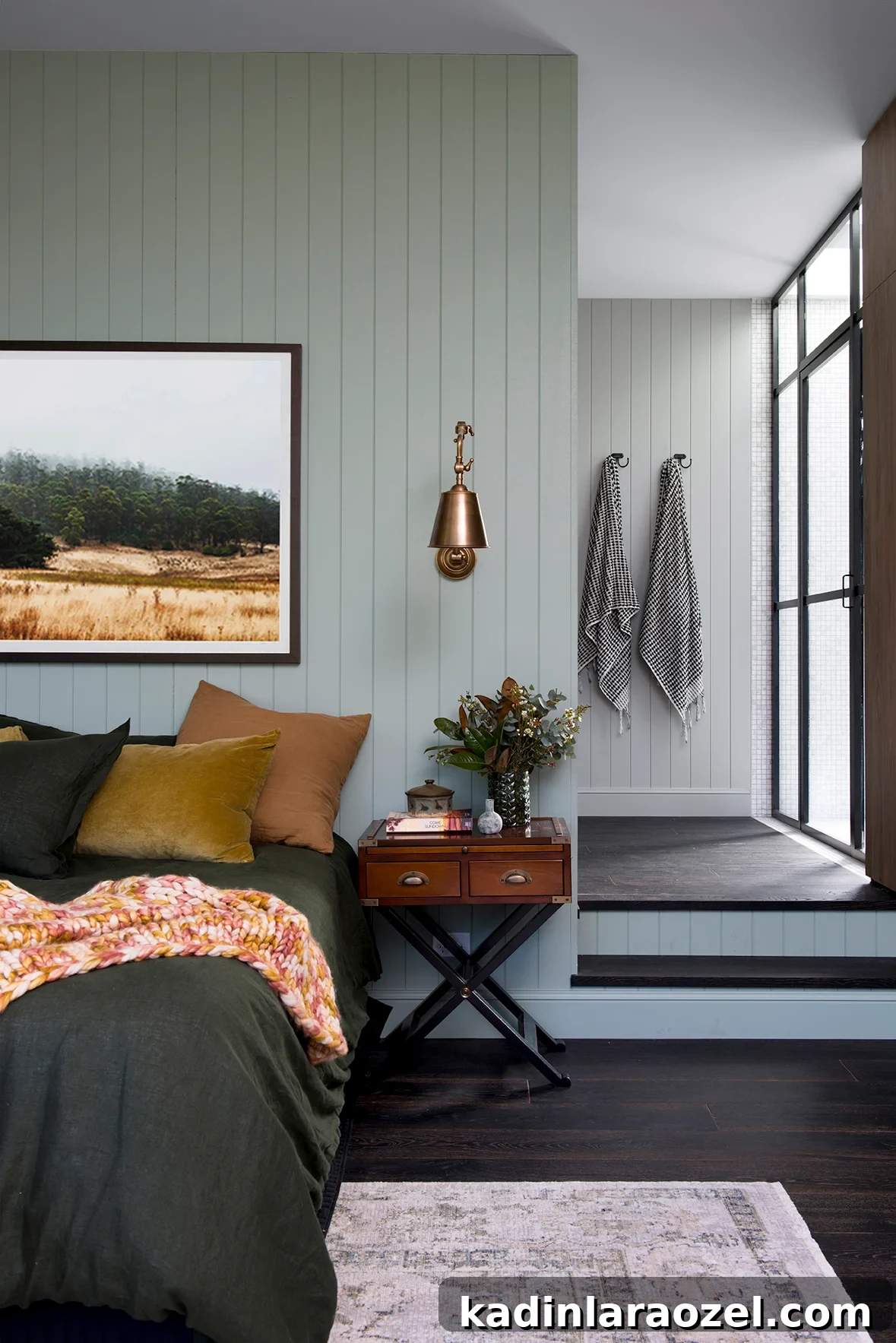
9. Sage-painted wood paneling
Painted wood paneling in sage adds depth and a refined, cozy atmosphere. It’s an elegant way to introduce color without being too trendy—plus, subtle details like matching towels or textiles complete the layered look.
So, what do you think? Is sage the new neutral? Whether you love it or aren’t convinced yet, I’d love to hear your thoughts and how you might use sage in your home.