Modern Fall Wreath: Step-by-Step Guide for Stylish Front Door Decor
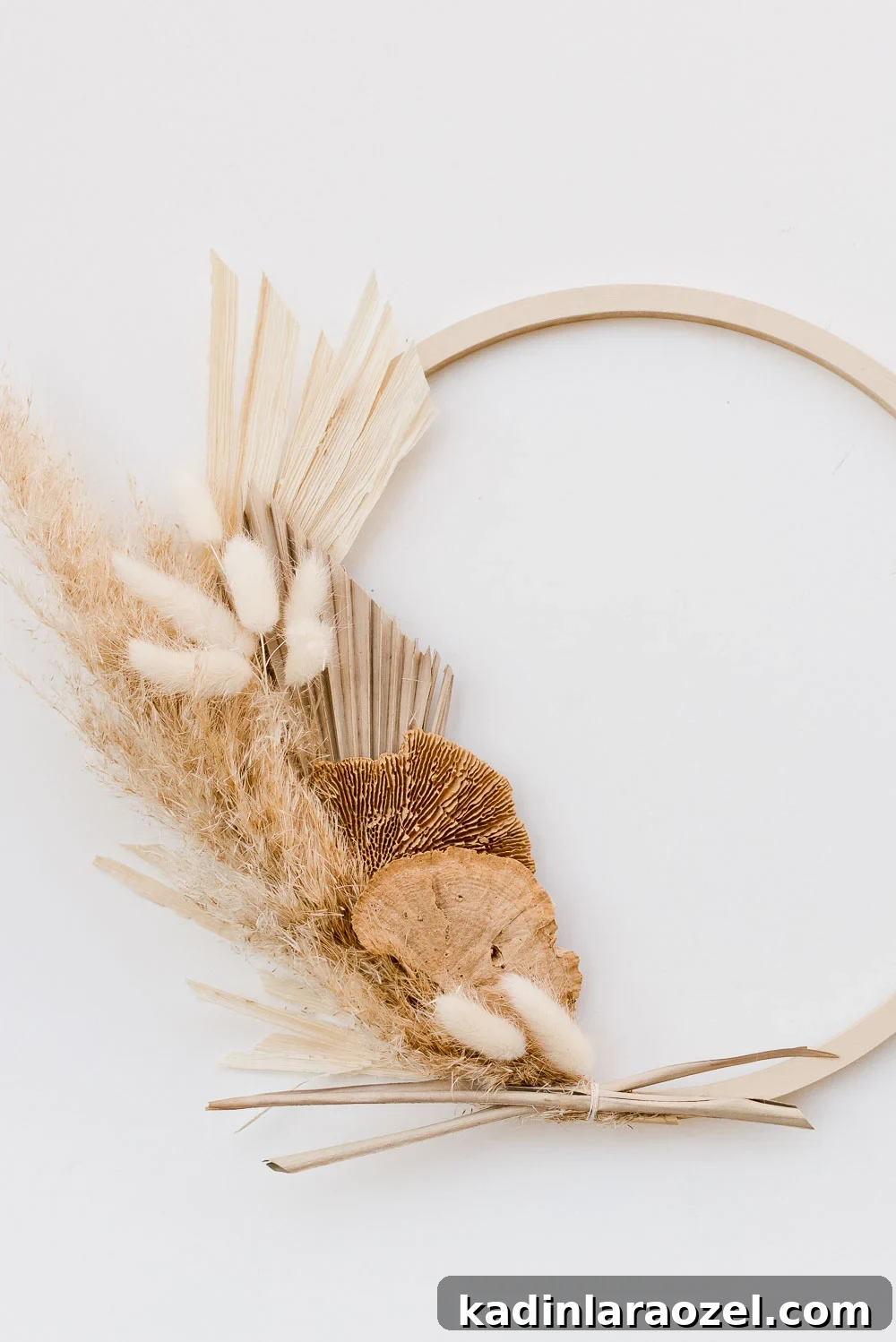
A fall wreath that feels modern and stylish? Count me in!
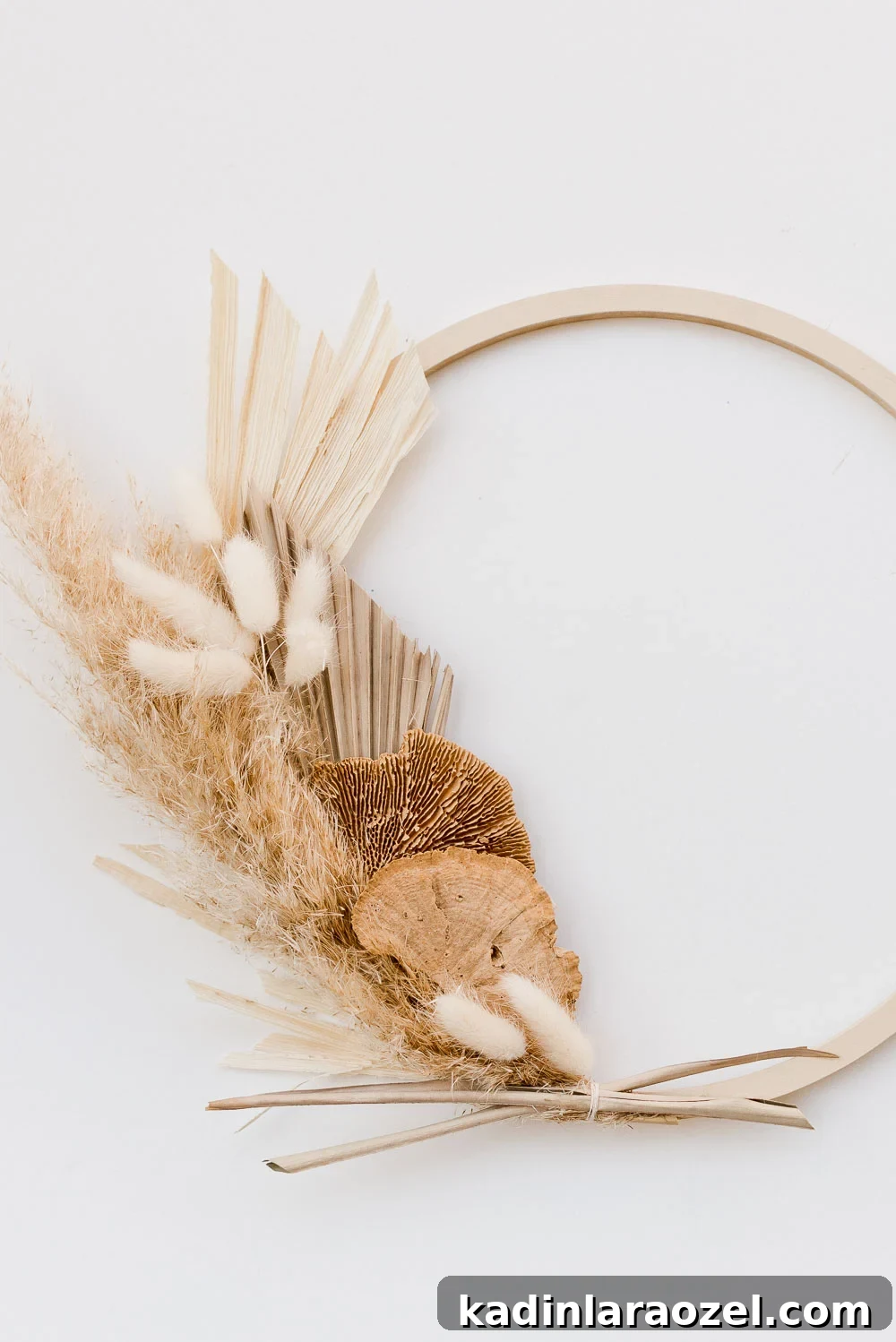
Over the years I’ve shared a lot of DIY wreath projects, most often geared toward winter and holiday seasons. Last year I finally tried a fall wreath and I’m hooked—mostly because it gave me an excuse to work with dried grasses and florals.
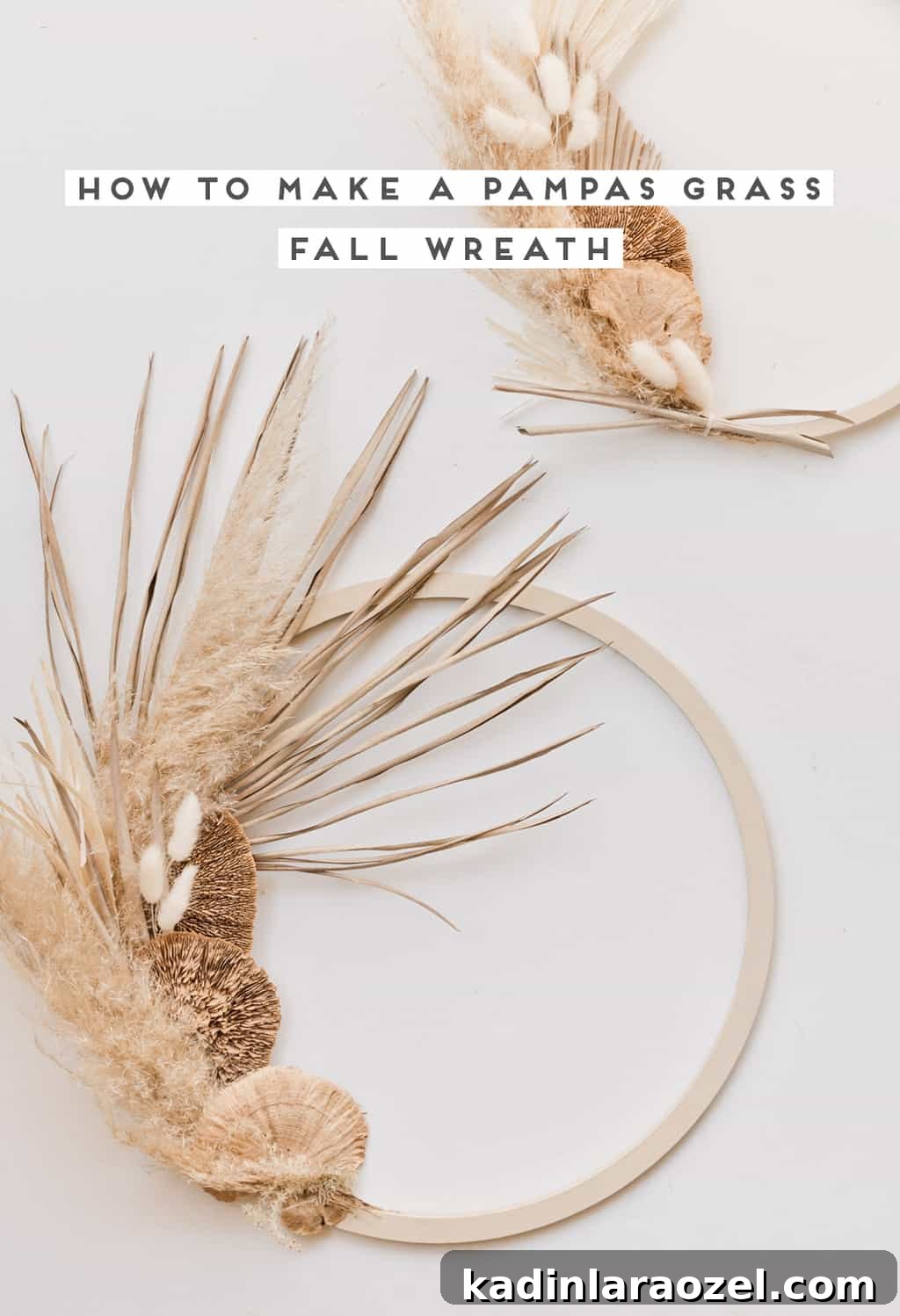
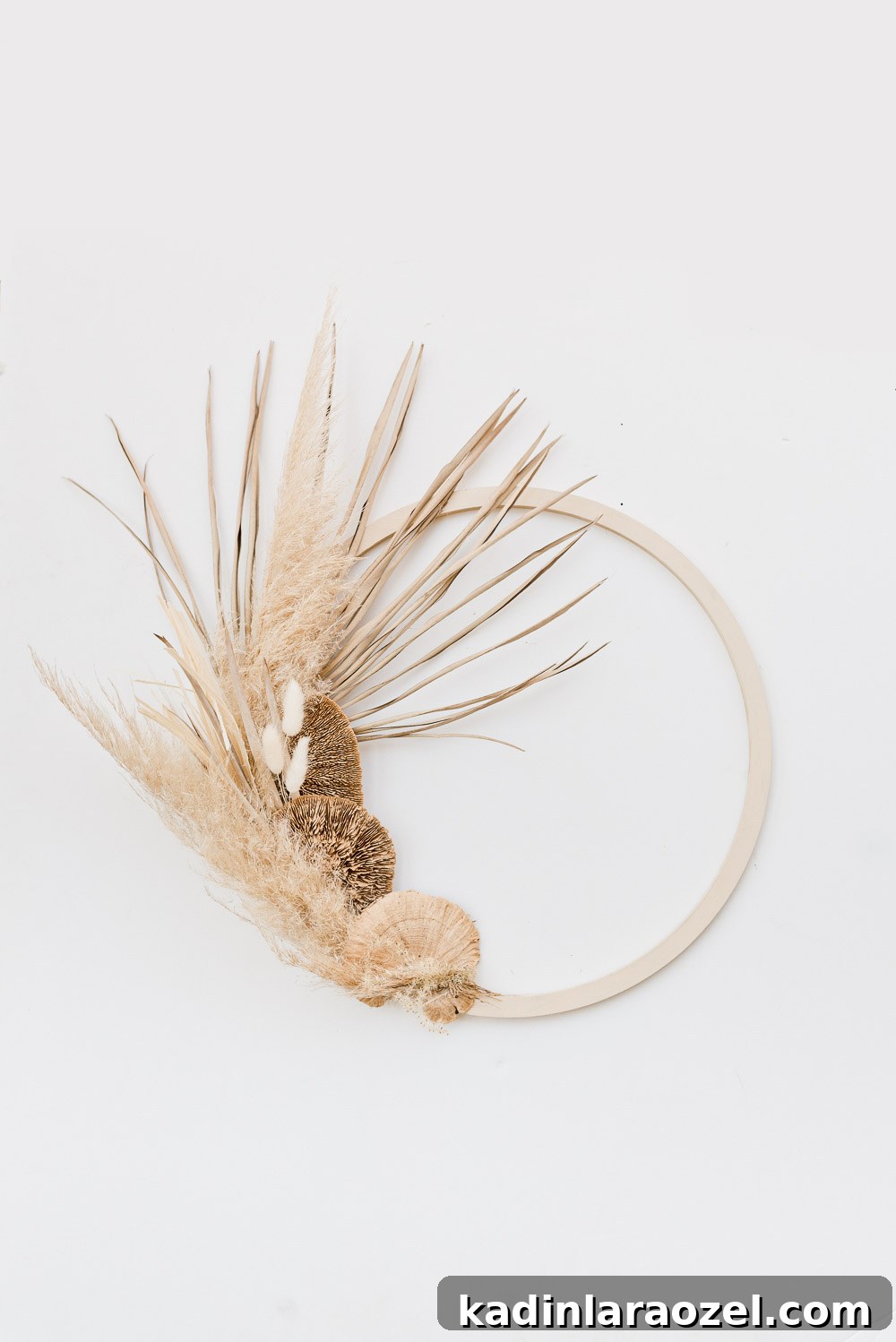
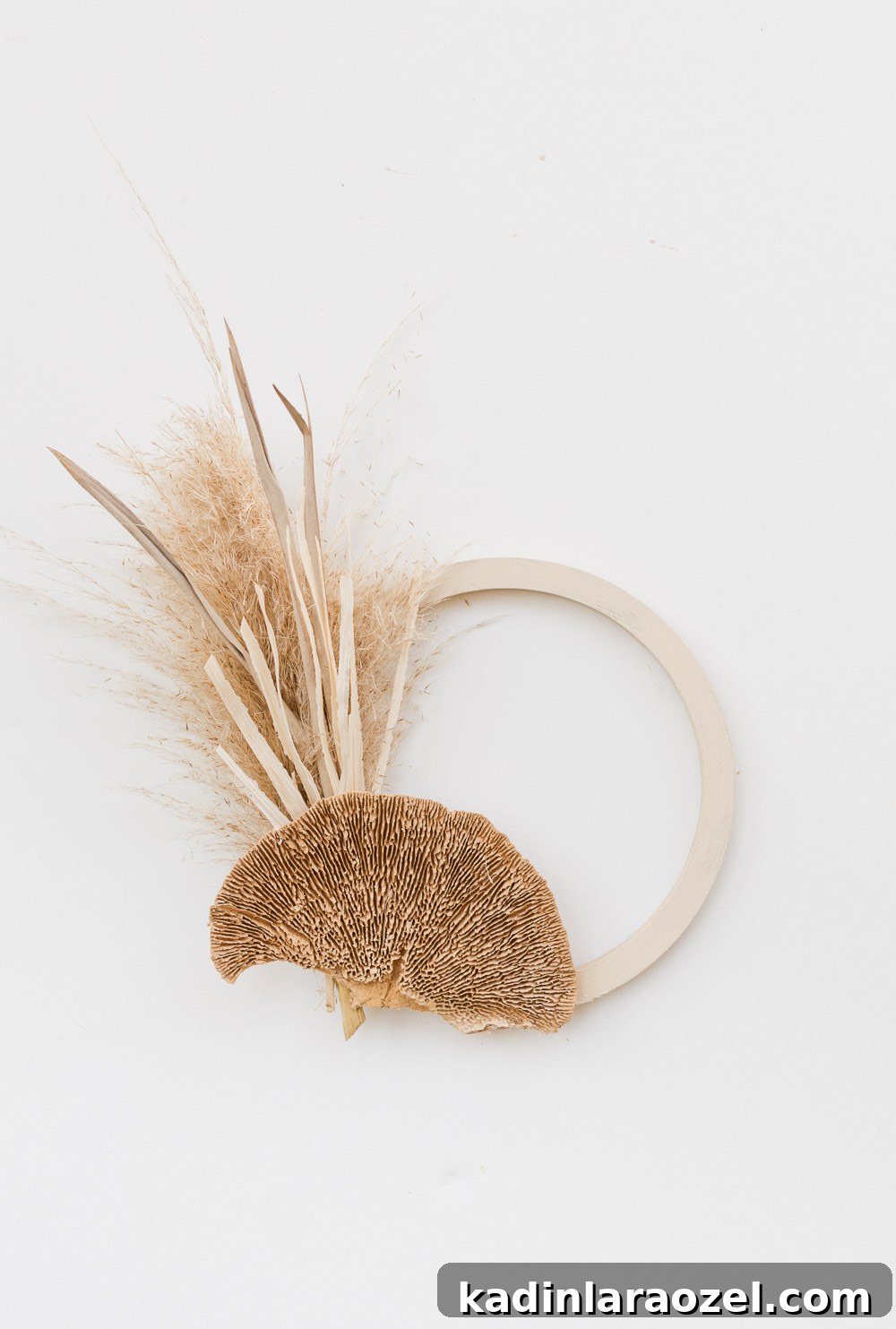
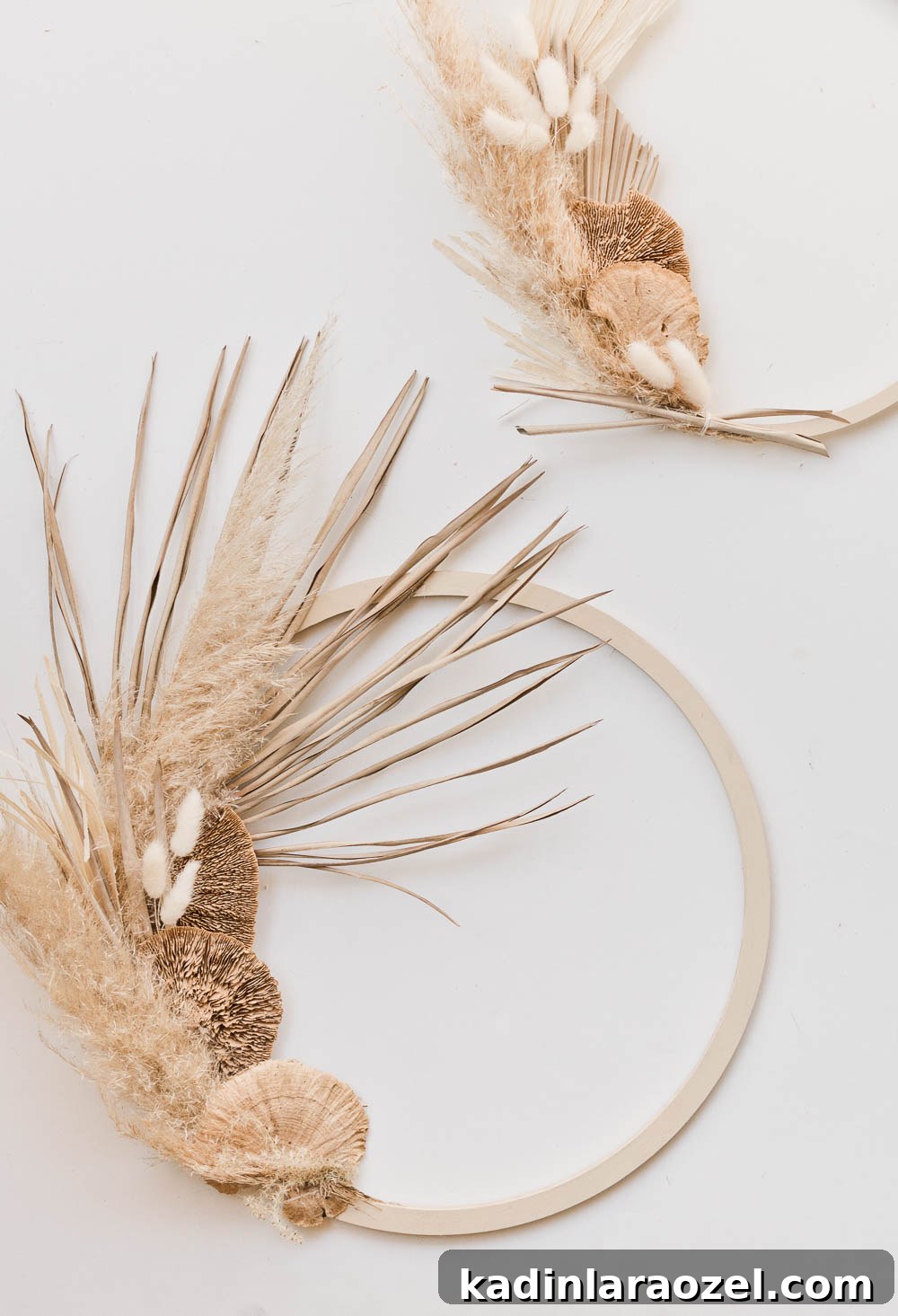
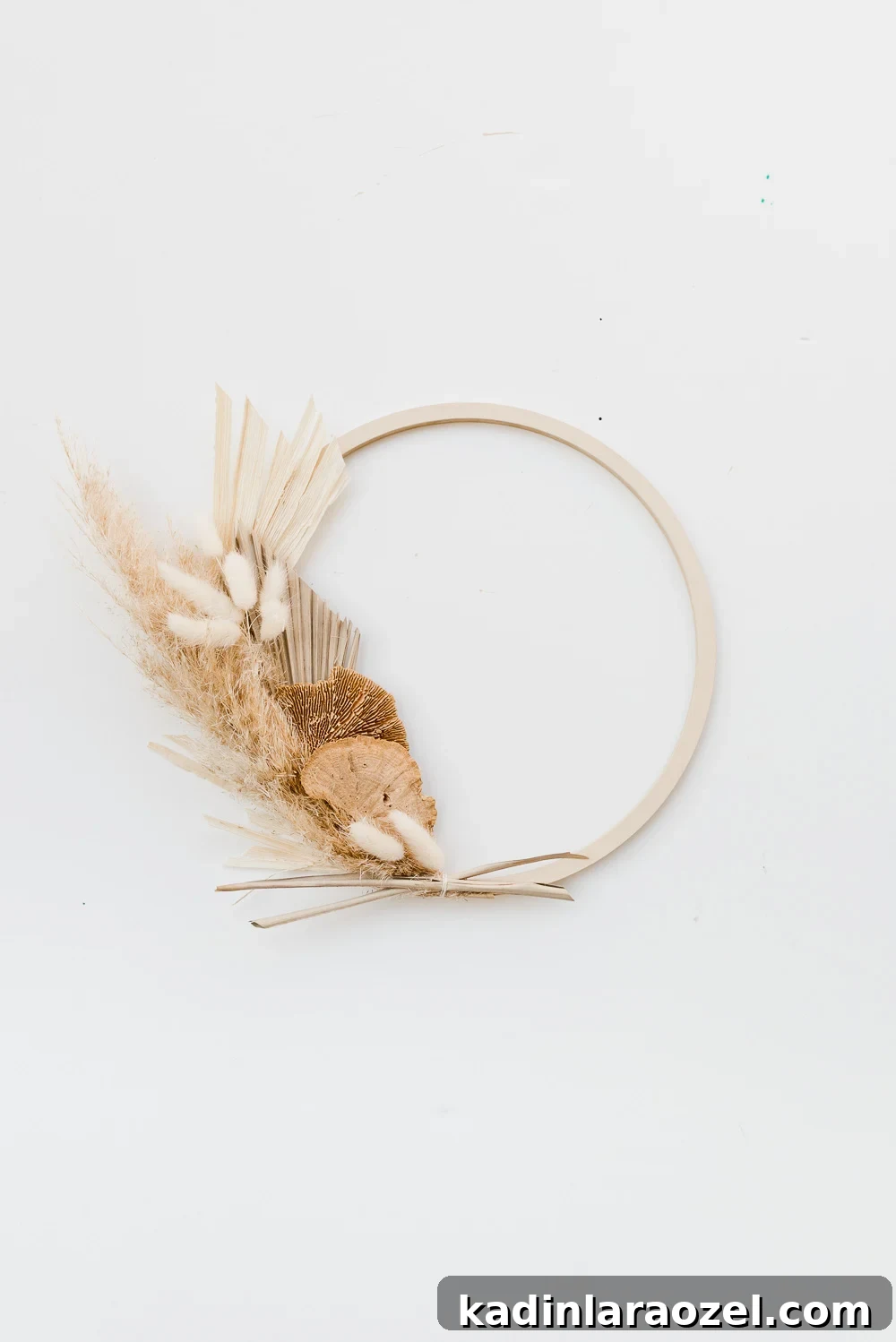
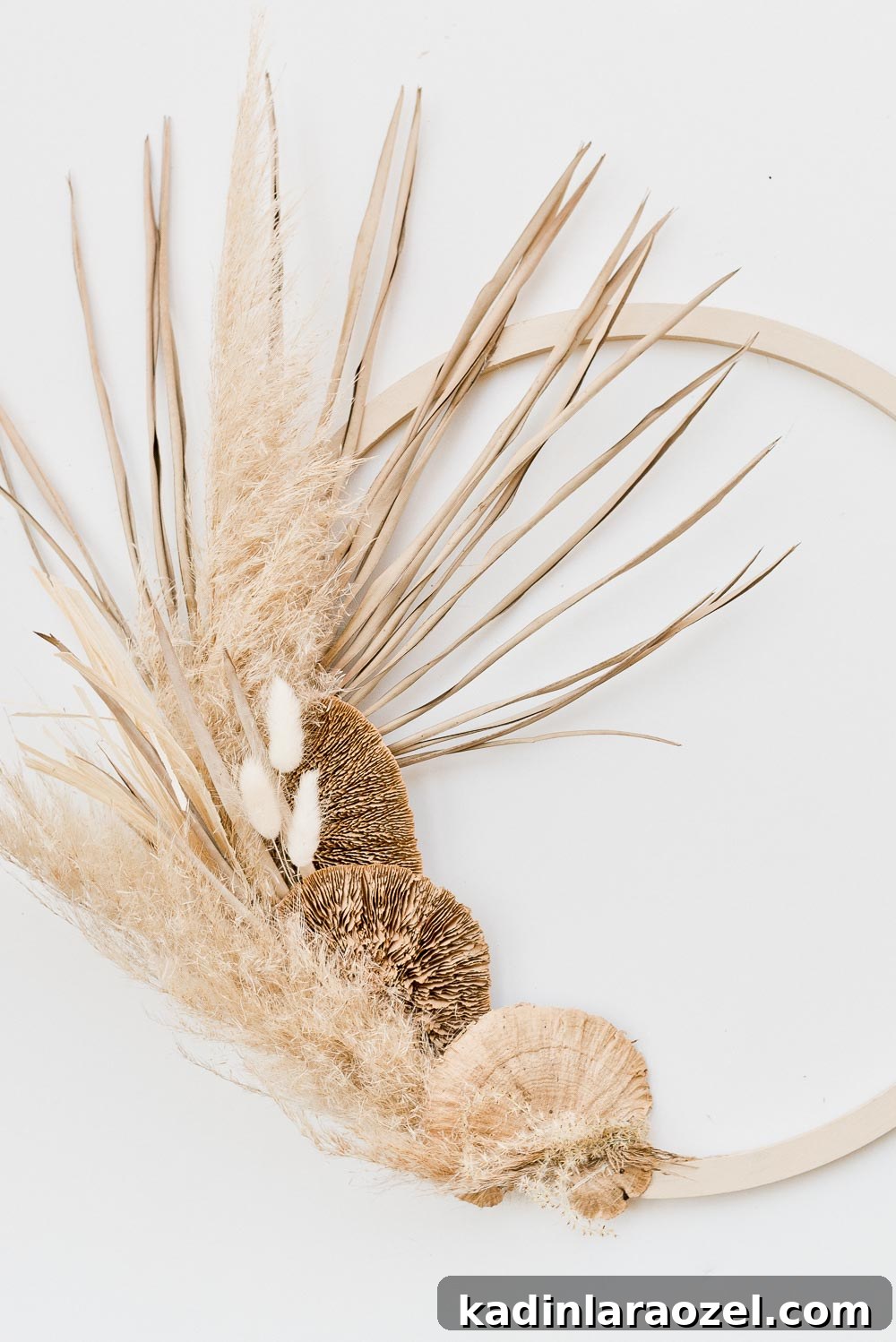
I foraged some pampas grass, used a few treasured dried palm leaves, and even found some delicate dried mushrooms to incorporate. The result: simple, modern fall wreaths that are a world away from traditional pinecone wreaths.
No shade to traditional wreaths—if grandma wants to keep hers, she absolutely should.
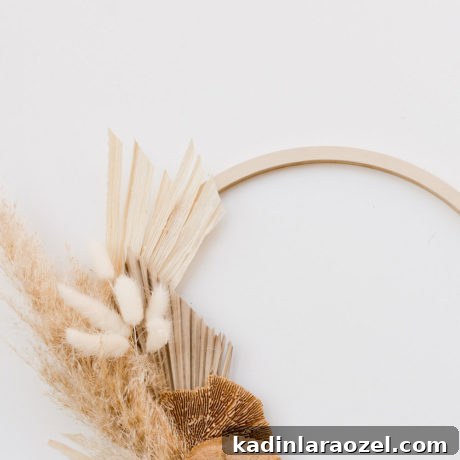
These wreaths are versatile: hang one on a blank wall in an entryway, use it on a front door, or combine several to make a bigger statement. A small wreath also works beautifully as Thanksgiving table décor, even as a tiny wreath place setting for each guest.
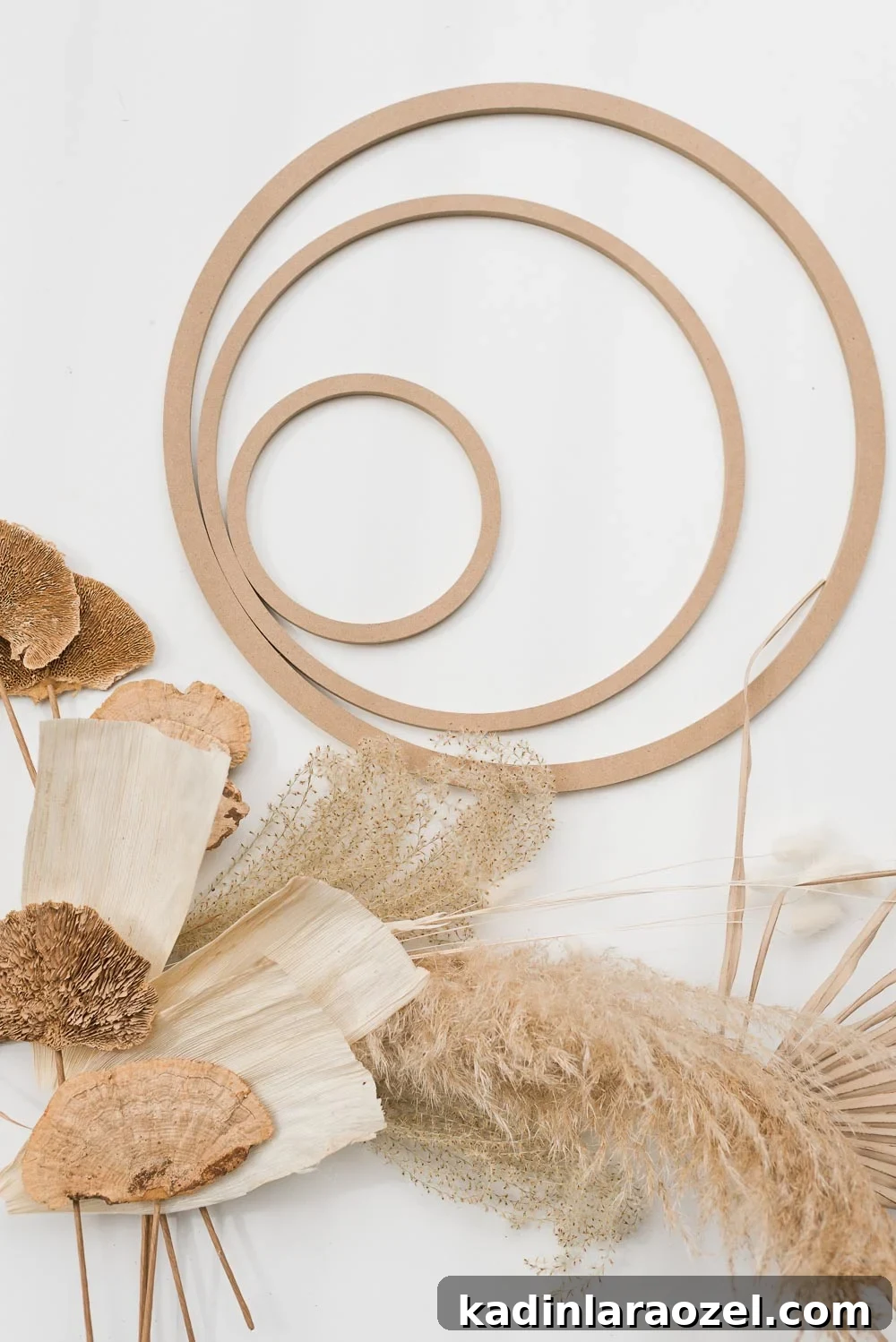
Materials Needed for Pampas Grass Wreath
- Floral craft rings in various sizes (I used 6″, 12″, and 16″)
- Acrylic paint and a paintbrush
- Dried plants and florals (pampas, palm leaves, wheat, mushrooms, etc.)
- Corn husks (optional)
- Hot glue gun and glue sticks
- Yarn (optional)
- Scissors
Material Notes
The floral rings I used are standard craft rings—choose sizes that suit your space. For paint, a neutral antique white or unbleached titanium works well to keep the look modern and minimal. I sourced most dried pieces locally and foraged some pampas grass, but you can also find dried florals at florists and online marketplaces.
How to Make Fall Wreaths
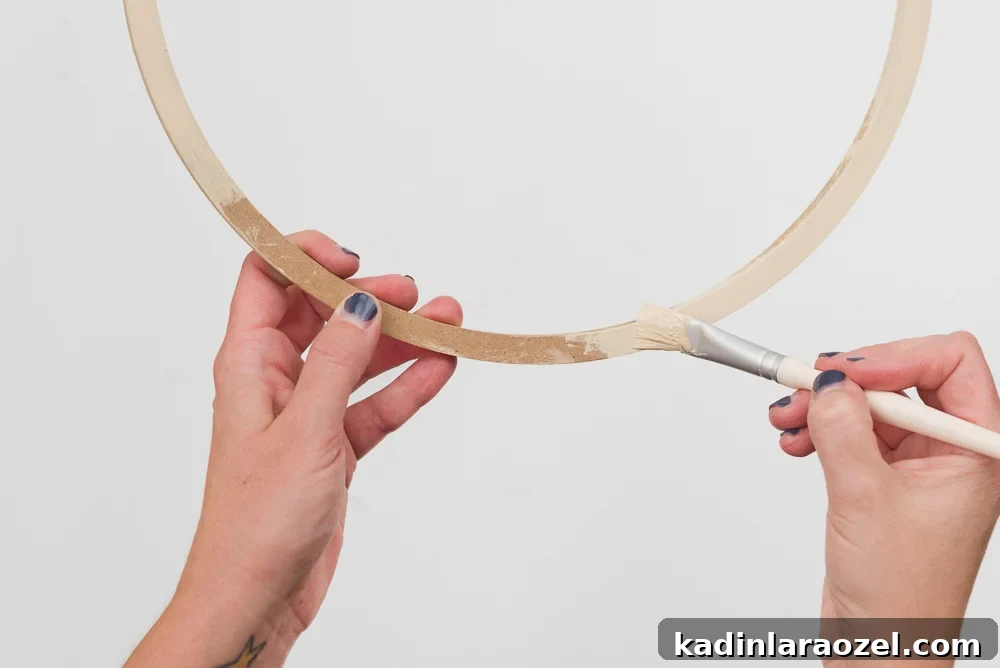
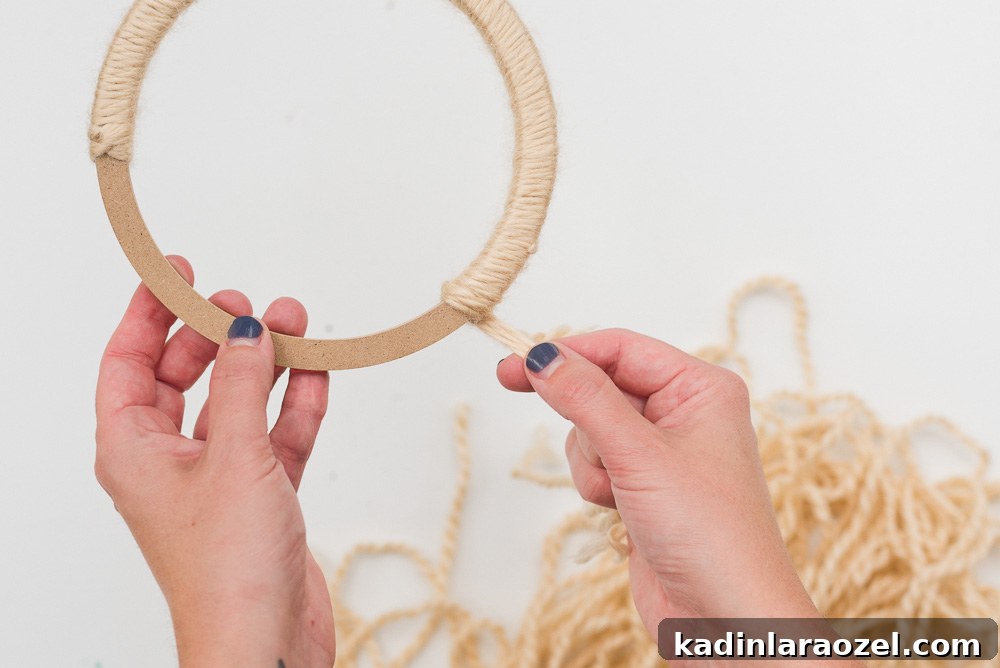
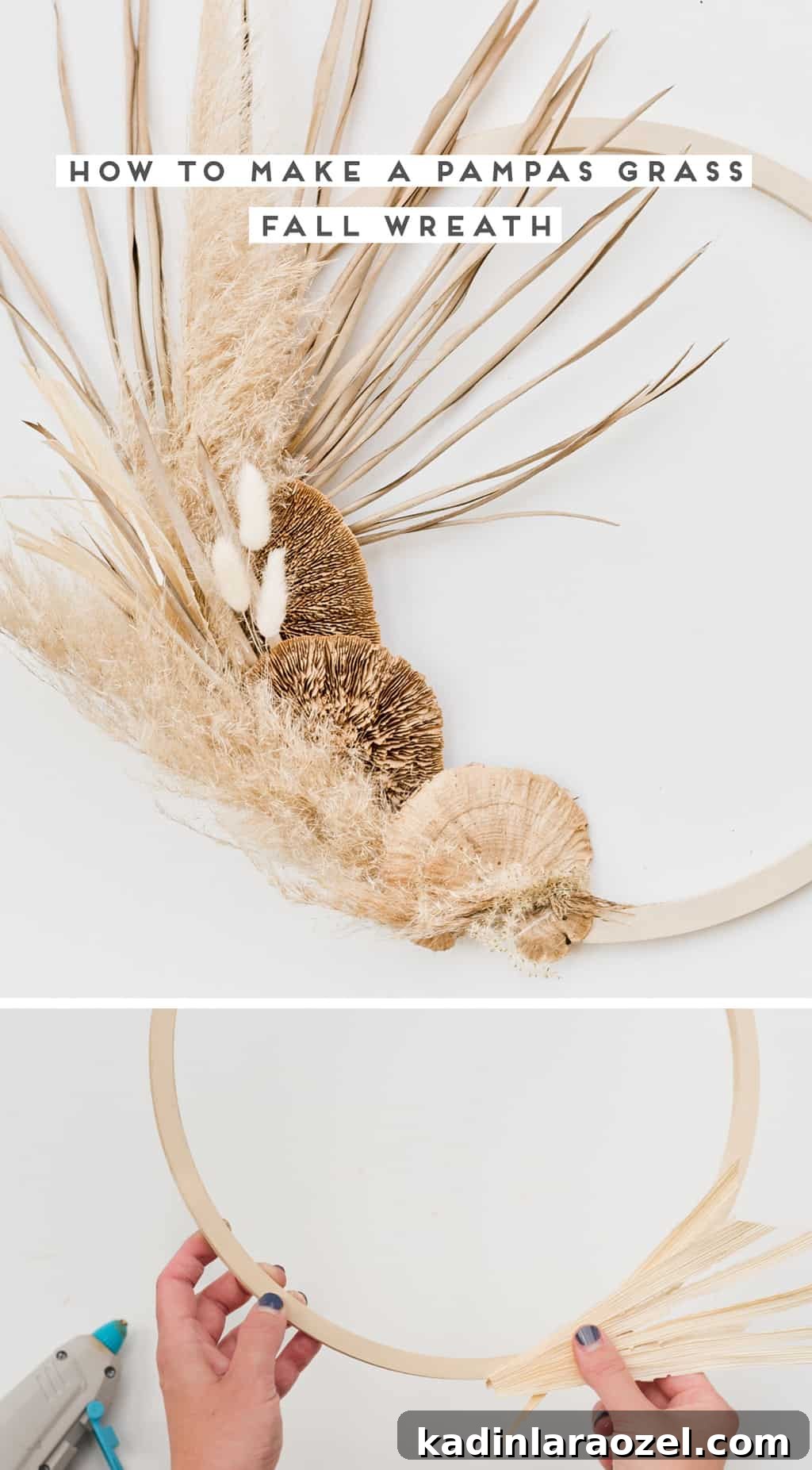
1. Prepare the ring: Paint the craft ring with a thin, even coat of acrylic paint around the visible edges. Let it dry and apply a second coat if needed. If you prefer a softer look, wrap the ring in yarn instead—double-knot the yarn to start, wrap until covered, then knot and secure with glue.
2. Lay out your design: Arrange the dried pieces before gluing. Begin with the largest elements (dried palms, pampas) for the base, then layer medium pieces (dried mushrooms, smaller grasses, corn husks), and finish with small accents like wheat. Trim any stems or leaves that are too large so the pieces sit nicely on the ring.
Design tip: asymmetry
I prefer asymmetrical arrangements because they feel more modern and unexpected, but you can make a symmetrical wreath or cover the full ring if you prefer a traditional look.
Working with corn husks
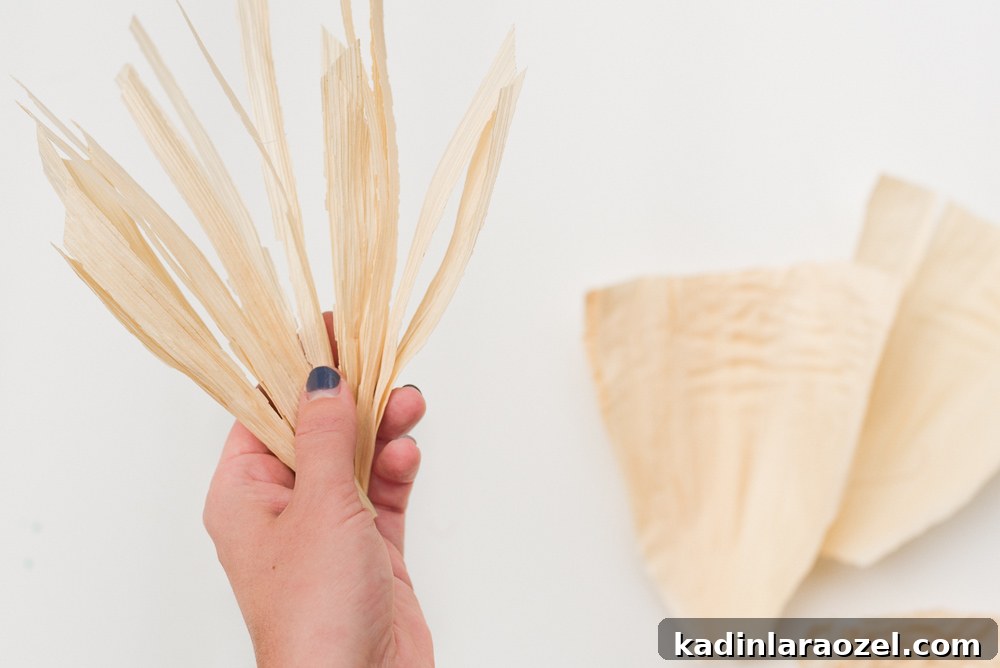
Corn husks are great for texture. To use them, tear thin strips from the top toward the center to create a fringe. This fringe makes an excellent filler for gaps and adds depth to the design.
3. Glue the pieces: Once your layout is finalized, attach the pieces starting with those that touch the ring (the back layer). Apply a bead of hot glue along the flat part of the ring and press the dried stems into it. Be cautious—hot glue can burn.
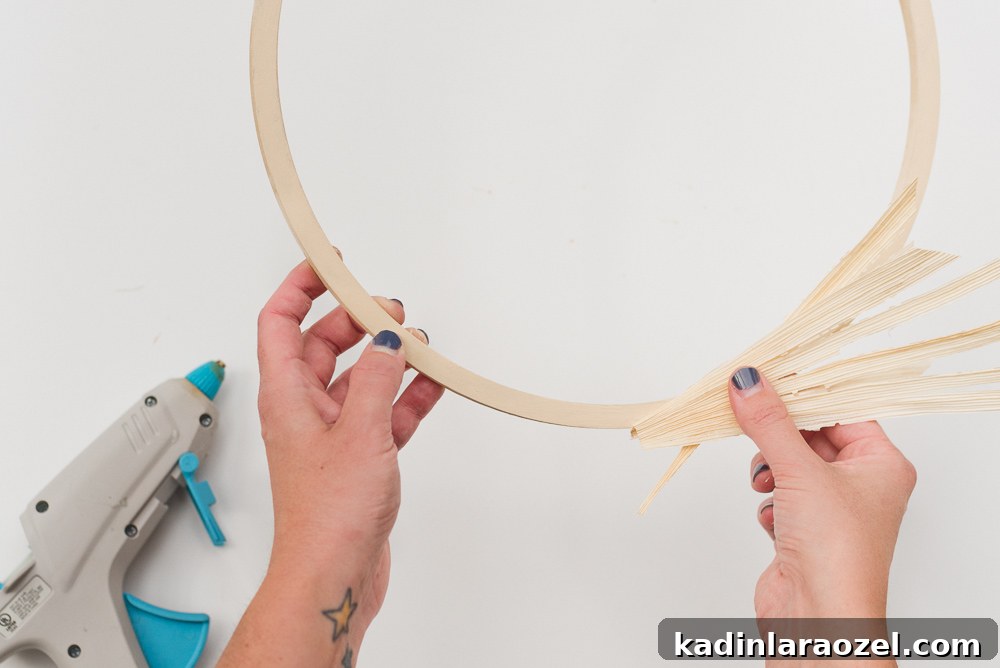
Continue layering and gluing until the design is complete. When possible, glue directly to the craft ring for the strongest hold; if you must attach to another piece, look for a flat, stable area beneath. Let glue set a few minutes between layers so each layer has time to firm up before adding more weight.
If any areas need extra reinforcement, use thin string or floral wire discreetly beneath the layers. You can tuck and fluff surrounding elements to hide fastenings so they remain invisible in the finished piece.
How to Hang Your Fall Wreath
To hang, use a single hook or nail for balanced wreaths. For heavier, asymmetrical arrangements, add a small finishing nail, Command hook, or push pin near the lower edge of the wreath’s weighted side to prevent shifting. The added support will be hidden by the dried florals.
More Fall DIY Ideas
If you enjoyed this project and want more seasonal inspiration, consider exploring simple fall decorating ideas, seasonal recipes like pumpkin muffins or comforting soups, or other craft projects to complement your wreaths.
More Wreath Inspiration
For additional wreath projects, try a large statement wreath or other asymmetrical designs—there are plenty of creative directions to explore depending on your style and space.
How to Make a Fall Wreath
Brittni
Ingredients
- Floral craft rings in various sizes (6″, 12″, 16″)
- Acrylic paint and paint brush
- Dried plants and florals (pampas, palms, wheat, mushrooms)
- Corn husks (optional)
- Hot glue gun and glue sticks
- Yarn (optional)
- Scissors
Instructions
Prepare the ring
- Paint the visible parts of the floral ring with a thin, even coat. Let dry and add a second coat if necessary. Alternatively, wrap the ring in yarn for a softer look.
Wrap with yarn (optional)
- Double knot the yarn to start, wrap continuously until the ring is covered, then knot and secure with glue if needed.
Layout and layering
- Arrange large pieces first, then medium, then small accents. Trim stems as needed to help pieces fit.
Note about design
- Asymmetrical designs feel contemporary, but symmetrical or fully covered wreaths work just as well.
Working with corn husks
- Create a fringe by ripping small pieces toward the center—use as filler to add texture and cover gaps.
Glue the pieces
- Glue the back layer to the ring first, then add layers on top. Aim to glue to the ring whenever possible for the strongest hold.
- Allow glue to set a few minutes between layers. Use thin string or floral wire where extra support is needed and conceal fastenings with surrounding florals.
Finish
- Once everything is secure and the glue has fully set, your wreath is ready to display.
Notes
Photography: Amelia Lawrence
Have you made a fall wreath before or worked with dried florals and grasses? What do you think of this modern fall decor project?