DIY Upholstered Headboard: Step-by-Step Project Guide
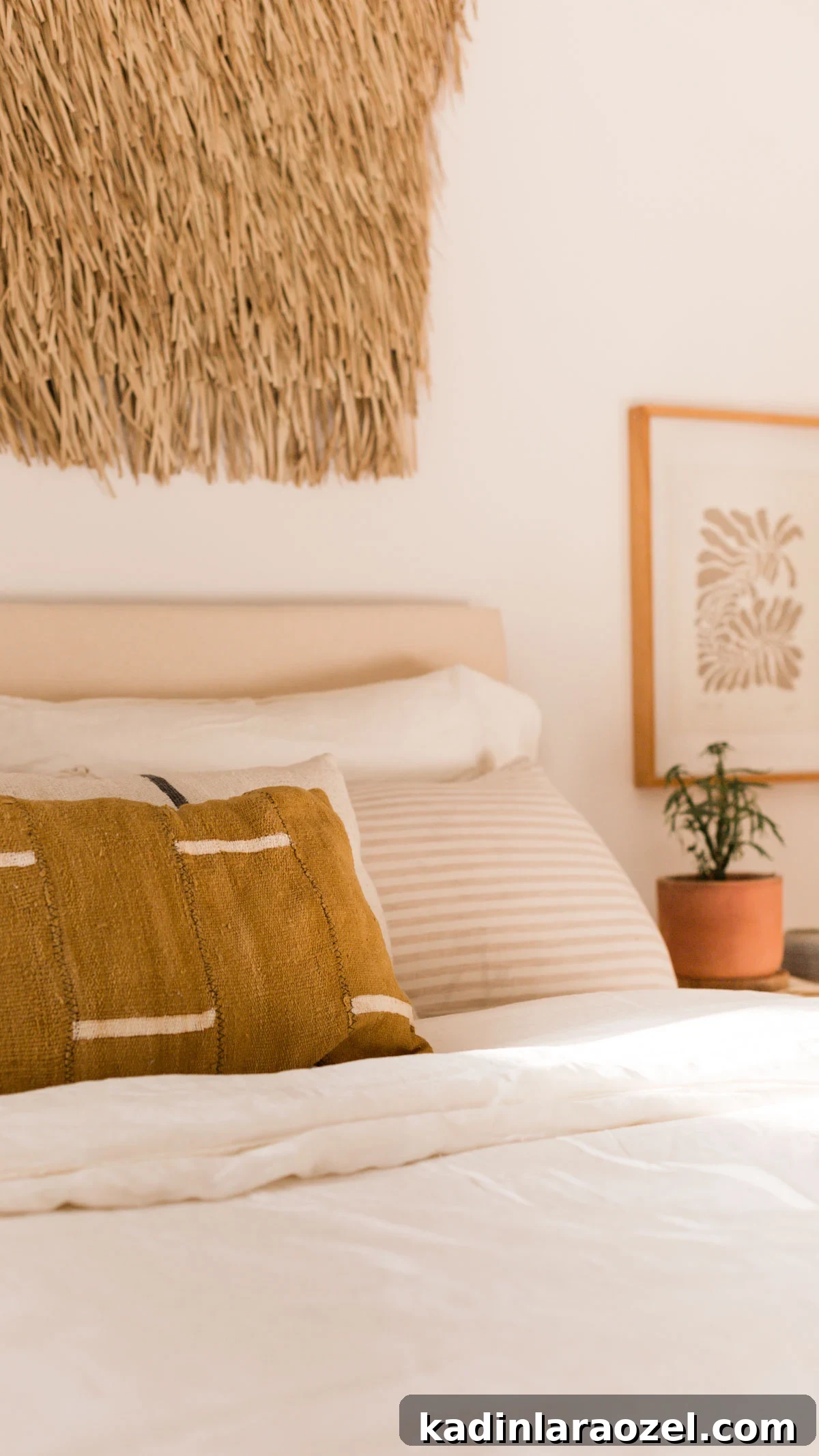
I made another DIY headboard, this time with a classic, minimal silhouette that works with many decor styles. This upholstery project takes less than two hours and costs under $100.
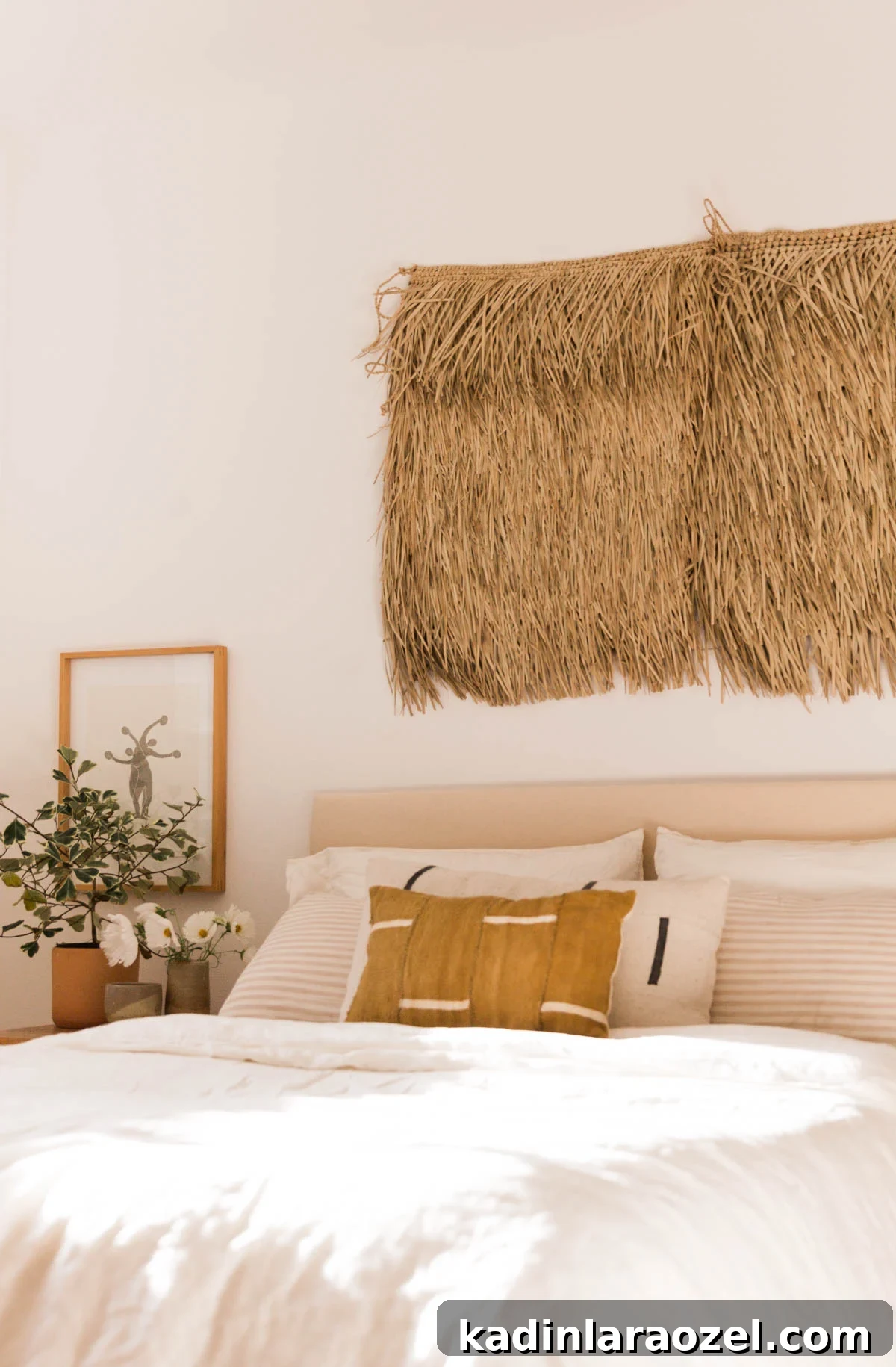
Minimal upholstered headboards and bed frames are everywhere lately, but they can be expensive and are often only available in queen or king sizes. Our guest bed is a full, so I decided to build one myself.
My previous DIY headboard had an arch shape. This time I chose a simpler, rectangular design to keep the look classic and versatile. I also made sure not to skip an important step I missed on my earlier project.
How much does it cost to upholster a headboard?
The total cost depends on the bed size and materials you choose. There are several easy ways to save: use thinner upholstery foam, select an affordable fabric instead of heavy-duty upholstery textiles, and use economical wood or MDF for the base.
For this full-size headboard I used linen fabric, 1-inch upholstery foam, a layer of batting, and birch plywood. My total came in under $100—about $82. If you already have some materials or shop carefully, you could realistically bring the cost down to $40–$50.
How thick should an upholstered headboard be?
A thickness between 1 and 2.5 inches works well for a simple DIY headboard. Thicker foam can look bulky unless you add decorative details such as piping.
How much wider should a headboard be than the bed?
Generally, 2 to 6 inches wider than the bed is a good range, depending on the style you want. My headboard is 6 inches wider than the bed frame to give it a bit more visual presence.
Materials
- Lightweight wood panels or plywood for the backer. For a full-size headboard you may find one single panel large enough; otherwise join two panels together.
- Fabric yardage—amount depends on your headboard size. You can use any fabric store for this.
- Upholstery foam—available in many thicknesses. Foam determines most of the headboard’s depth; I used 1″ foam, but 3/4″ to 2″ will work.
- Batting—a thin layer softens the foam and prevents any foam color from showing through the top fabric.
- Scissors or fabric shears.
- D-rings or other hanging hardware for mounting the finished headboard to the wall or bed frame.
Equipment
- Staple gun and staples—this project is much easier with a reliable staple gun.
- Iron—to remove major wrinkles from the fabric before upholstering.
- Drill—only required if you install D-rings or other hardware.
- Saw—a circular saw or other saw to cut the wood panels to the correct size.
- Electric knife or a sharp kitchen knife to cut the foam (optional but helpful).
How to make a headboard
Here’s the step-by-step process I used to make an upholstered headboard for under $100 in less than two hours.
1) Build the backer panel
Cut a sheet of lightweight plywood or paneling to the size you want. I made mine 6 inches wider than the bed frame to add visual weight. I used 1/4″ birch plywood and cut it to size with a saw.
2) Cut the foam, batting, and fabric
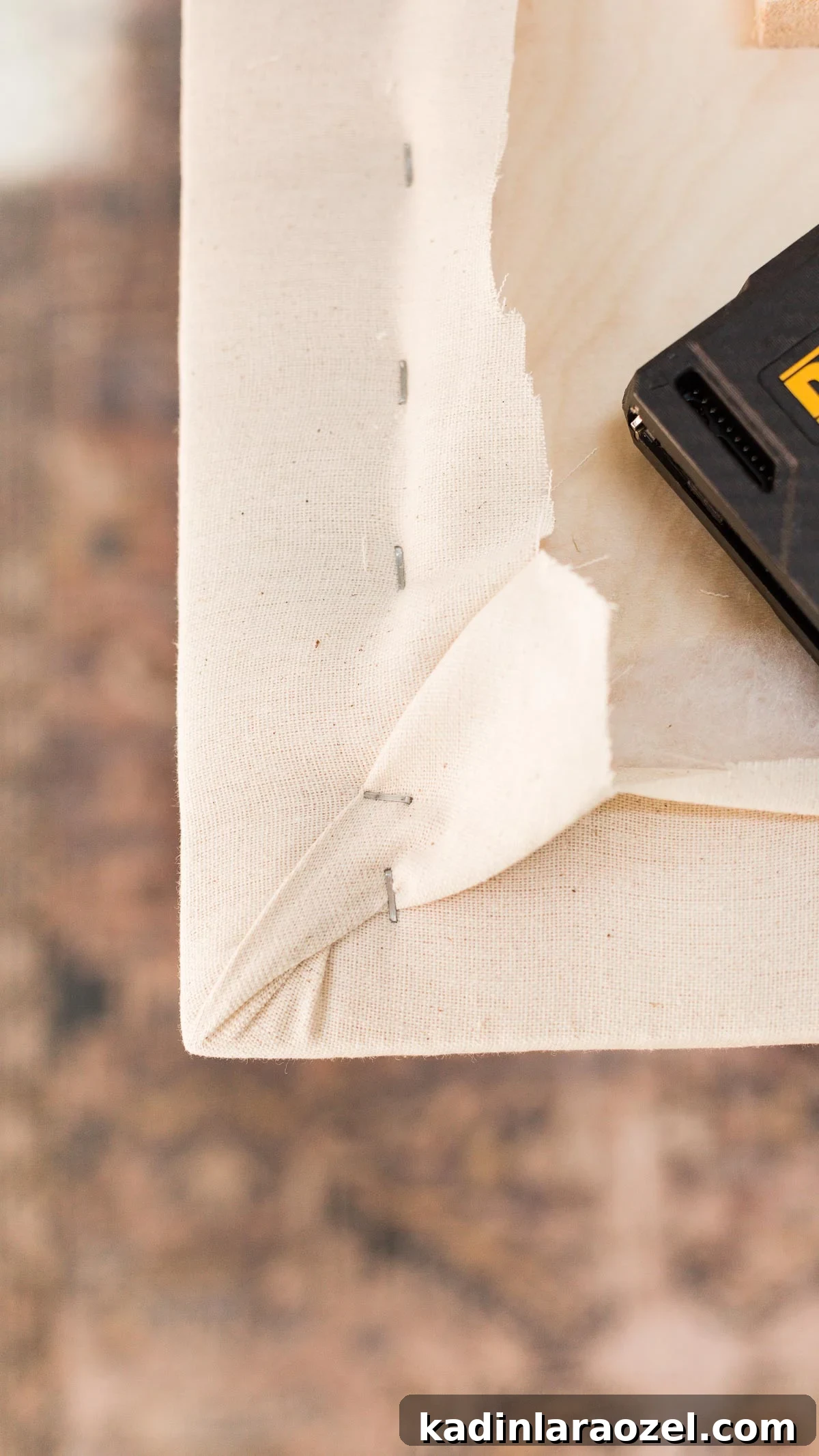
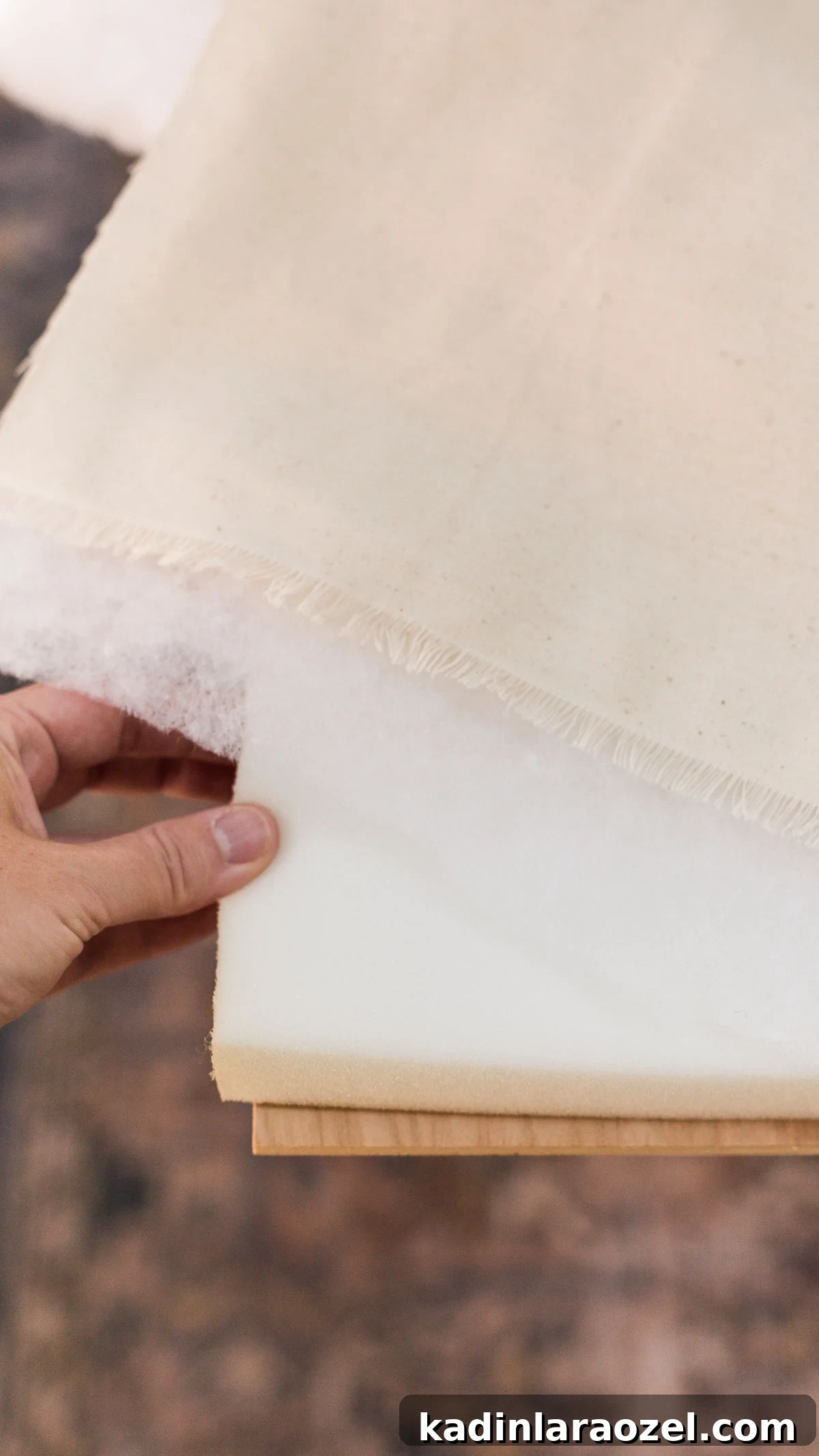
Cut upholstery foam to match the exact size of the wood backer. Cut batting and fabric at least 3 inches larger than the backer on all sides so you have plenty of material to staple around the edges. Stack the layers: wood backer on the bottom, foam on top of that, batting next, and fabric on top.
3) Iron the fabric
Ironing removes major creases. Small wrinkles will usually pull out when you stretch and staple the fabric, but any pronounced folds should be steamed or ironed out first.
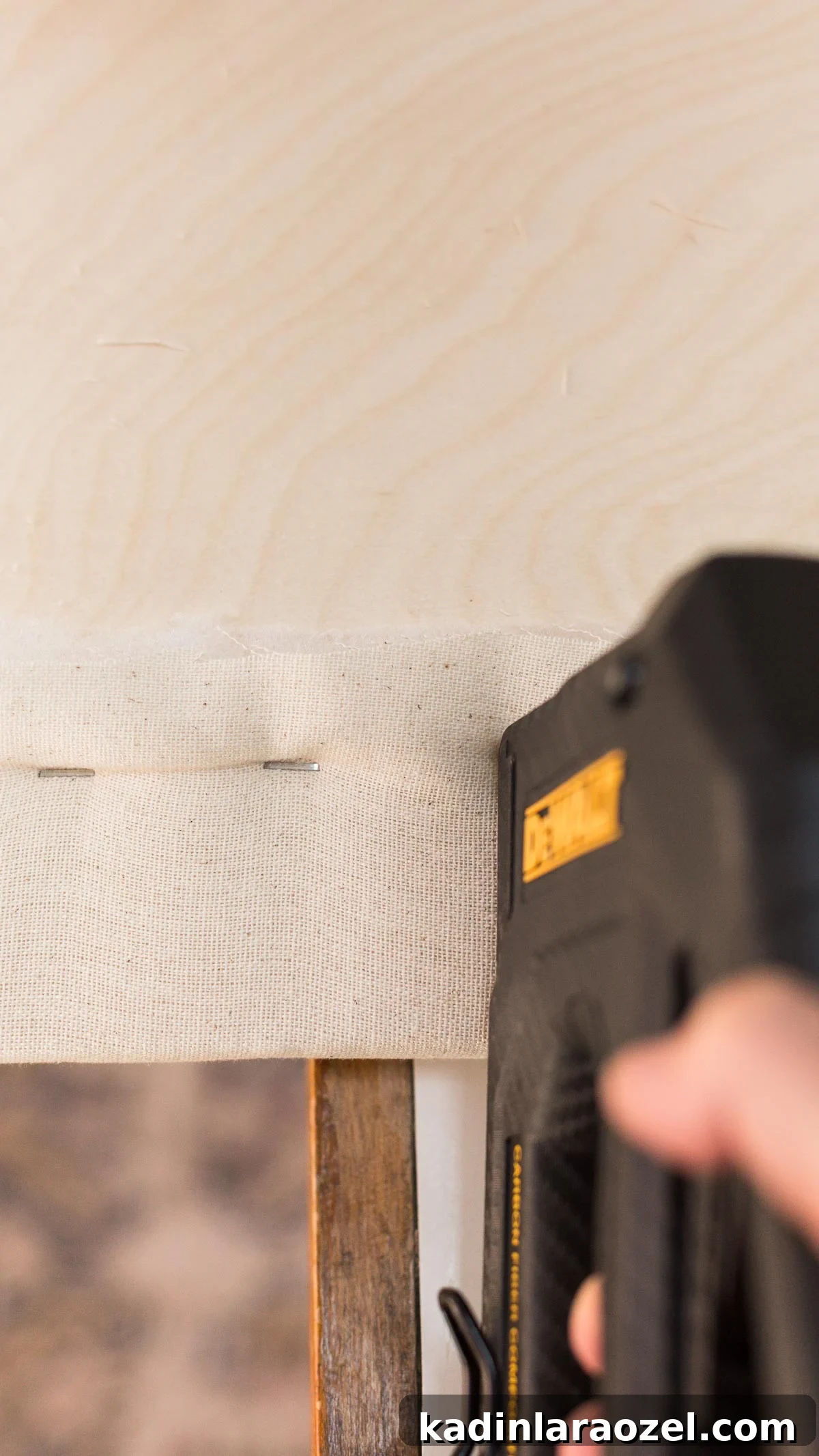
4) Flip and staple
You can use spray adhesive to hold the foam in place, but an easy approach is to assemble the stack, flip the whole panel over, then stretch and staple the fabric and batting around the back in one pass. Pull the material tight as you staple to avoid sagging. Trim any excess fabric and batting after stapling.
5) Attach hanging hardware and mount
Install D-rings or your preferred hanging hardware and mount the headboard to the wall or attach to a bed frame. I used three D-rings spaced evenly across the back at the same height to make hanging simple. Mounting method is flexible—pick what works for your bed and wall.
What I learned from my previous headboard
On a past arch-shaped headboard I skipped batting to save money and the green foam tint showed through the thin fabric. I ended up living with a slight greenish cast because I didn’t want to reupholster the piece. Lesson learned: always add at least one layer of batting between the foam and the top fabric. Batting softens the edges and prevents foam color from showing through.
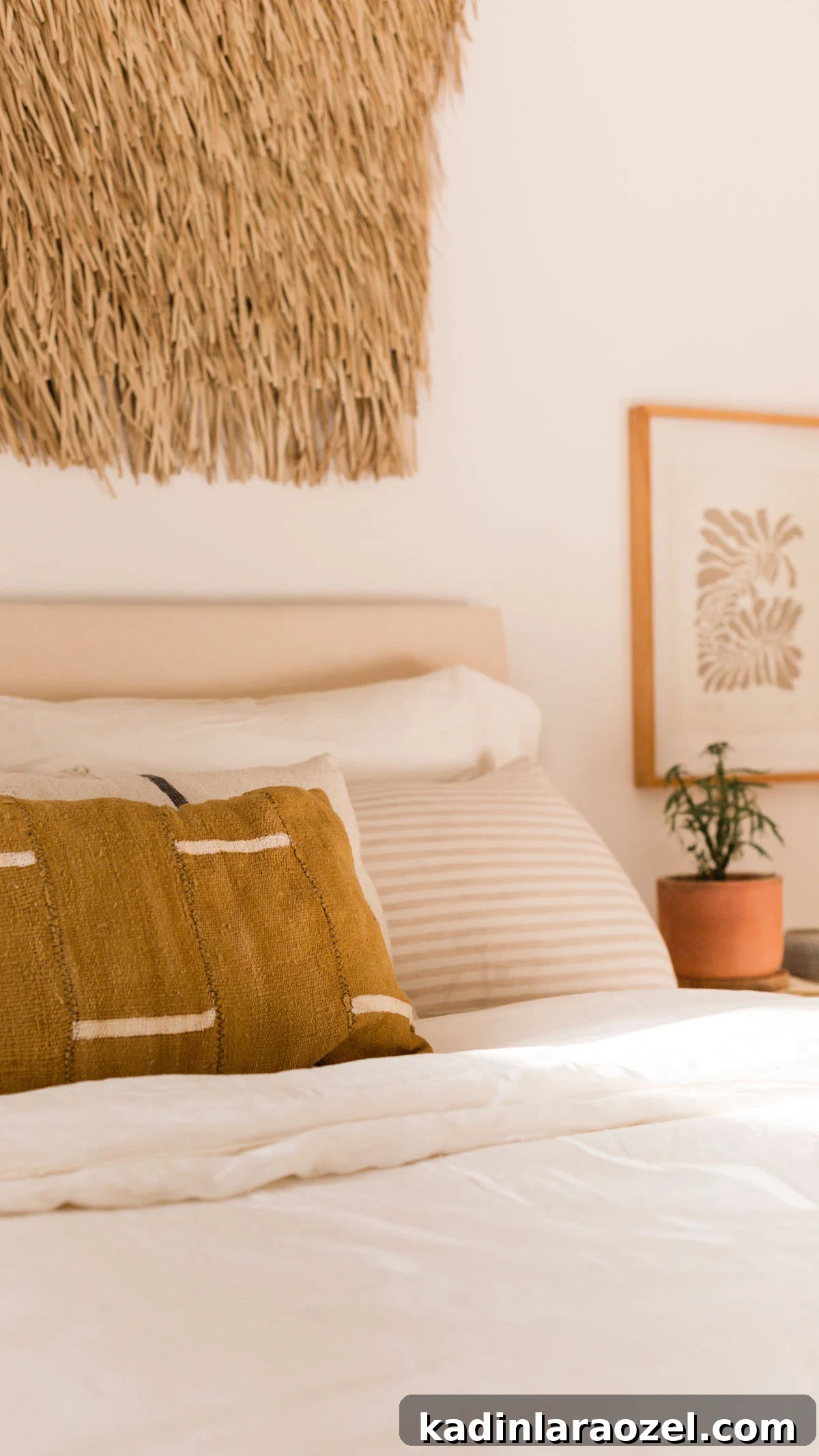
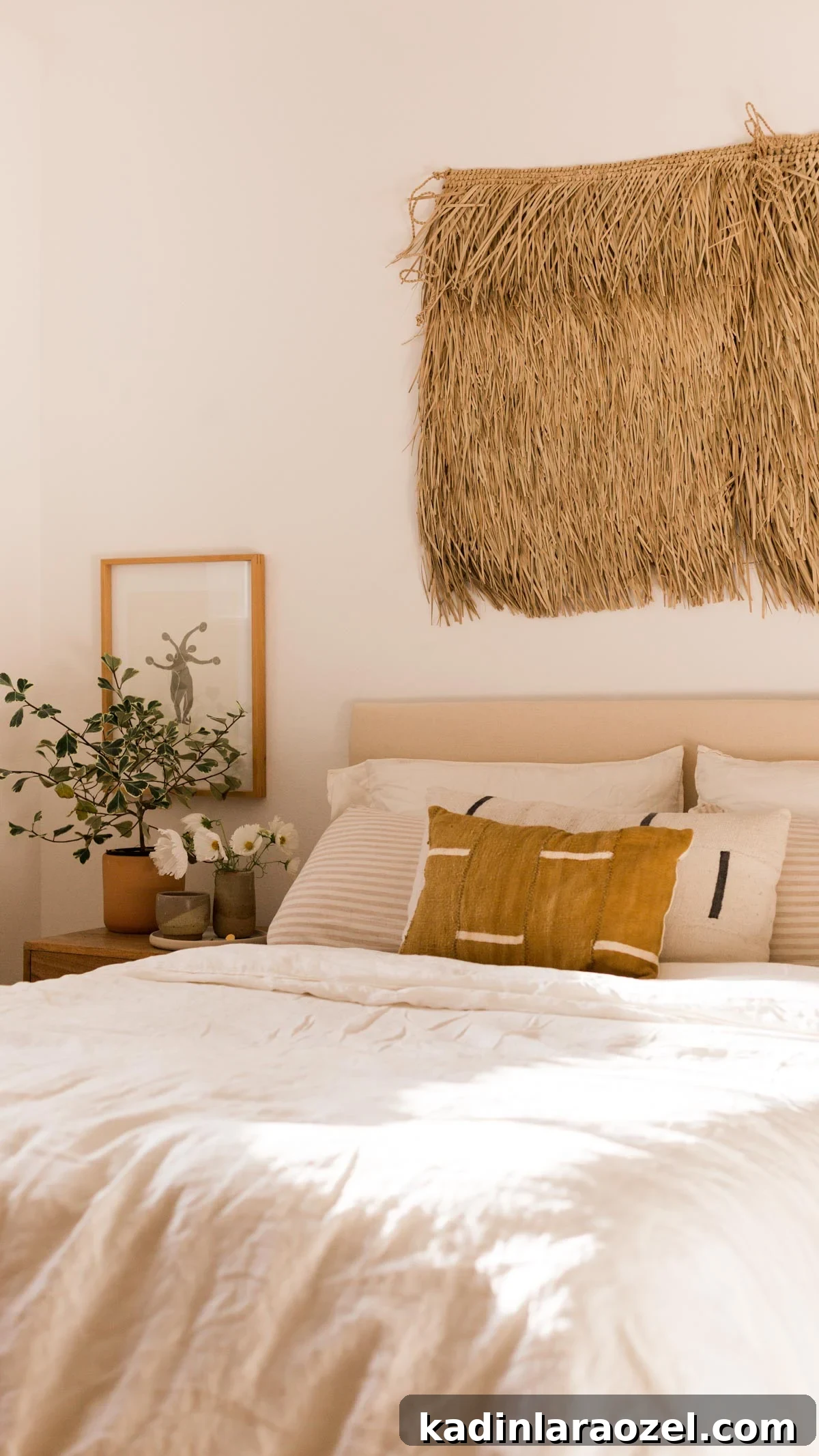
For this headboard I used batting and made sure the finish looked neutral and soft.
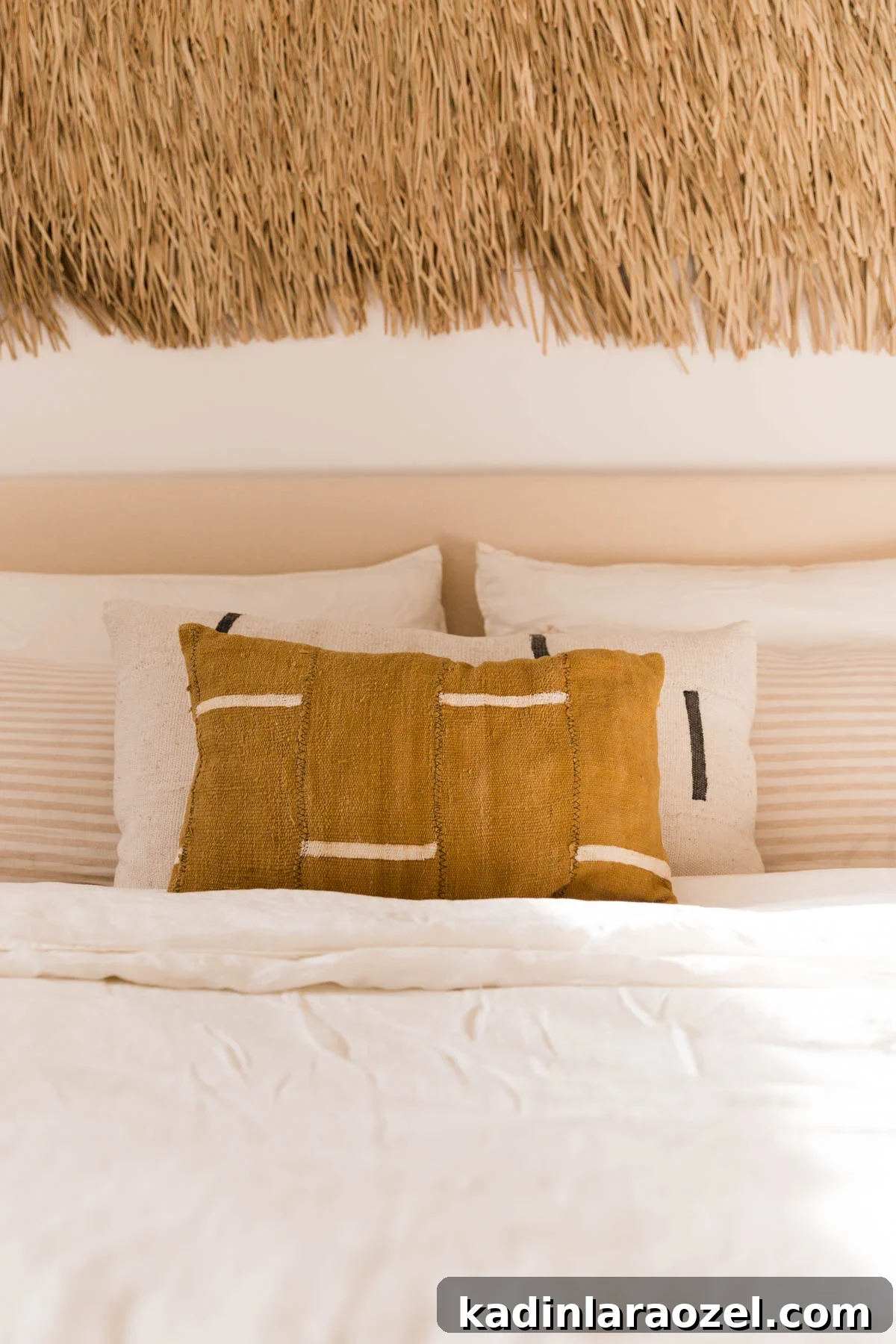
Overall I’m very happy with the result. The simple upholstered headboard elevates the room and pairs nicely with a vintage Moroccan rug I recently added.
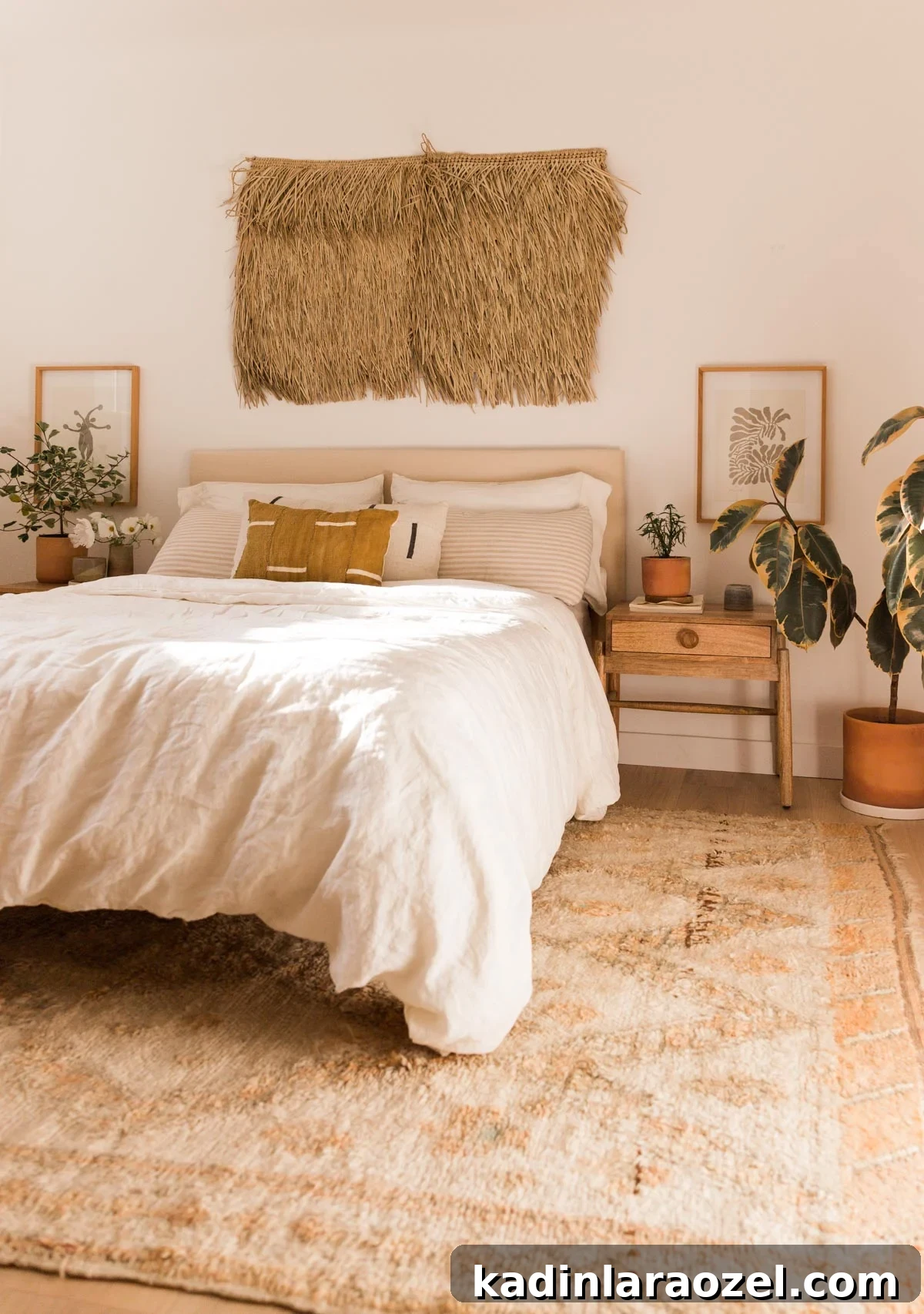
DIY Headboard Idea
Equipment
- Staple gun and staples
- Iron
- Drill (for D-rings)
- Saw (for cutting plywood)
Materials
- Lightweight wood panels or plywood
- Fabric yardage
- Upholstery foam (3/4″–2″ recommended)
- Batting
- Scissors
- D-rings or hanging hardware
Instructions
- Build a backer panel sized to your bed, making it 2–6 inches wider than the bed. I made mine 6 inches wider and used 1/4″ birch plywood.
- Cut foam to the backer size. Cut batting and fabric at least 3 inches larger on all sides.
- Iron the fabric to remove major wrinkles.
- Stack the layers, flip the panel, then stretch and staple fabric and batting to the back. Trim excess material.
- Attach D-rings or other hardware and mount the headboard to the wall or bed frame.
Looking for more DIY projects like this?
Try a budget-friendly DIY wall sconce, a painted headboard for an easy bedroom refresh, or a simple wood console table that doubles as a bedroom accent.