Natural Dye Guide: How to Color Almost Any Material Naturally
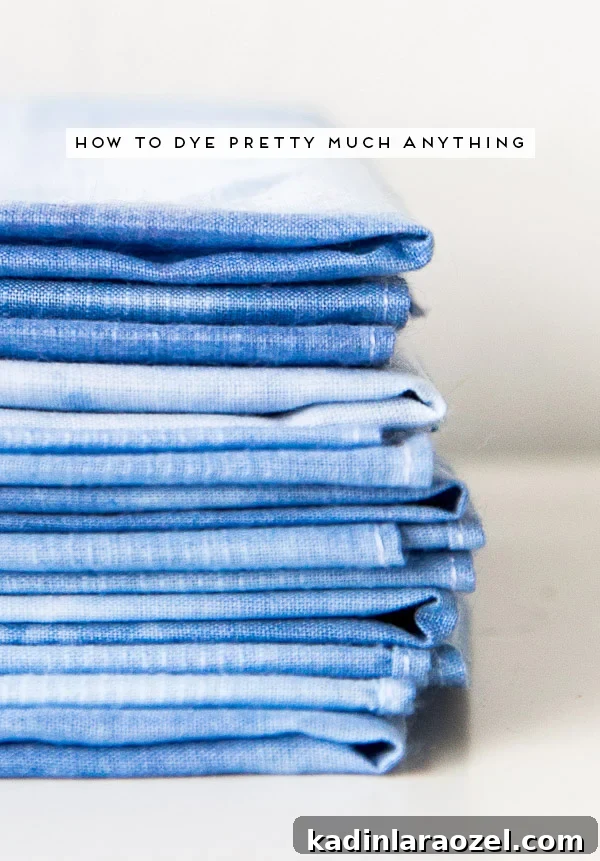
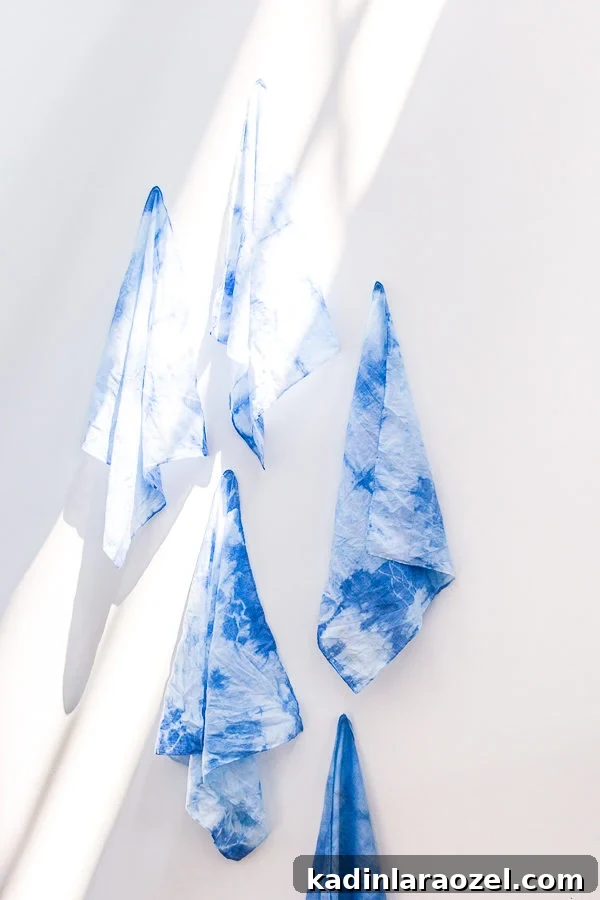
Some time ago I posted a guide on dyeing synthetic materials while working on a faux fur rug project, and many readers asked for a companion post about dyeing natural materials. After experimenting with dyeing everything from napkins and cardstock to handkerchiefs and woven baskets, I’ve gathered practical tips and clarified the steps that consistently work. This guide covers dyeing common natural fibers—cotton, linen, wool, silk—and even approaches for materials like paper and unfinished wood. It’s a straightforward method I use for most projects, and I’ll walk you through the essentials so you can achieve even, lasting color at home.
Before we begin, two quick notes:
- If you are working with synthetic fabrics, follow a dedicated synthetic-dyeing tutorial instead. This article focuses on natural fibers.
- There are several ways to dye natural materials, from stovetop pot methods to immersion vats and tie-dye techniques. I favor a simple immersion method—think tub dyeing without a tub—using a large plastic container (5–10 gallons) to create an even dye bath that’s easy to manage and clean.
Materials Needed
- Natural fiber material: cotton, linen, wool, silk, rayon, paper, or unfinished wood (note: different substrates accept dye differently; follow substrate-specific tips below)
- Fiber-reactive or all-purpose liquid fabric dye (Rit and similar brands work well for many home projects)
- Salt (1 cup) for enhancing dye absorption on cellulose fibers such as cotton and linen
- Large quantity of hot water (about 3 gallons for the proportions listed in this guide)
- Large nonreactive container for the dye bath (5–10 gallon plastic tub)
- Stirring spoon or stick that won’t stain or react with dye
- Disposable or reusable gloves and protective clothing
- Metal sink or plastic basin for rinsing
Proportions: For approximately 1 pound of dry fabric (roughly 3 yards of woven fabric), I use about half a bottle of liquid dye with around 3 gallons of hot water. Powdered dye can be used instead; follow package instructions for dilution. These quantities are a guideline—adjust for more or less fabric and for stronger or lighter colors.
Step-by-Step: How to Dye Natural Materials
1. Prepare the material. Wet the fabric or item thoroughly and wring out excess water so it is evenly damp. Pre-wetting helps the dye penetrate consistently.
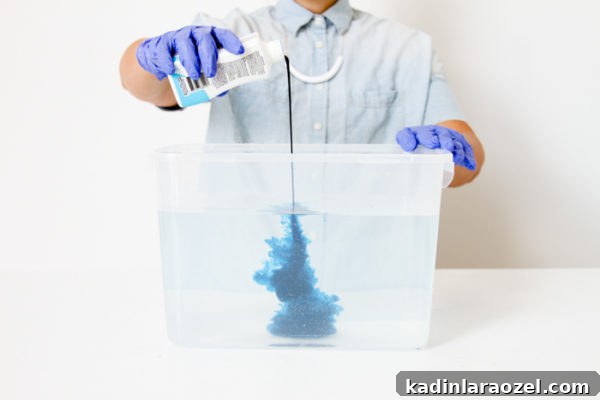
2. Prepare the dye bath. Put on gloves. In your large container, fill about 3 gallons of the hottest water available (tap water works; boil water first if your tap runs cool). Add liquid dye to the hot water and stir thoroughly until the color is evenly dispersed. If you use powdered dye, dissolve according to the product instructions.
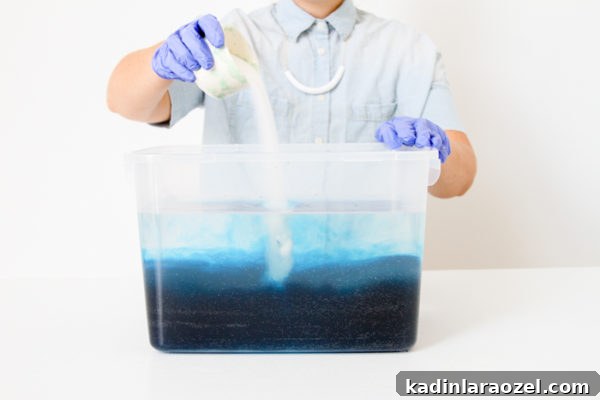
3. Add fixative for cellulose fibers. If dyeing cotton or linen, add 1 cup of salt to the bath and stir until dissolved; salt helps the dye bond to cellulose fibers. For protein fibers like wool or silk, skip the salt and consider adding a small amount of mild acid (such as diluted white vinegar) only if the dye manufacturer recommends it for better uptake.
4. Immerse the material. Submerge the damp material completely in the dye bath and gently move it to remove air pockets. Allow it to soak, stirring or agitating every 5–10 minutes to promote even color. Typical soak time is 20–30 minutes. The longer the material remains in the dye bath, the deeper and richer the resulting color will be—monitor frequently to reach your desired shade.
Tip for special techniques: If you want to dip-dye, ombre, or create shibori effects, modify how you introduce the fabric into the bath—partially submerge, clamp, or bind before dyeing. For tie-dye and shibori patterns, follow specific folding and binding methods before loading the fabric into the dye. These creative techniques require shorter or staged immersions and may benefit from concentrated dye in certain zones.
5. Remove at desired shade. When the color looks right, slowly lift the item from the bath. Keep in mind raw, wet dye often appears darker; colors usually lighten slightly once washed and dried.
6. Rinse thoroughly. Squeeze out excess dye-water and rinse under running water in a nonporous sink or basin until the rinse water runs clear. Start rinsing with warm water and gradually transition to cooler water to avoid shocking natural fibers, particularly wool or silk.
7. Wash and dry. For washable fabrics, launder in your washing machine on a gentle cycle with a mild detergent to remove residual dye and excess mordants. Dry according to the fiber’s care instructions. If you’re dyeing non-fabric items—paper, wood, baskets—skip machine washing and allow the item to air dry after rinsing or blotting; unfinished wood may need sealing after it dries to lock in color.
Practical tips and troubleshooting
- Evenness: Pre-wetting, continuous gentle agitation, and avoiding overcrowding in the tub help prevent streaks and uneven color.
- Color variation: Expect the wet fabric to look darker immediately after dyeing. Always sample with a small scrap if you need an exact match.
- Fiber differences: Protein fibers (wool, silk) often take dye more readily at lower pH, while cellulose fibers (cotton, linen) benefit from salt and higher temperatures. Use dyes formulated for your fiber for the best results.
- Protect surfaces: Work on a covered, easy-to-clean surface and wear gloves and old clothes—dye can stain porous materials.
- Non-fabric items: Paper and wood absorb dye differently—paper may warp if soaked too long; use brief dips or dilute baths and press flat to dry. Unfinished wood takes color well but may need sanding and sealing after dyeing for a uniform look and durability.
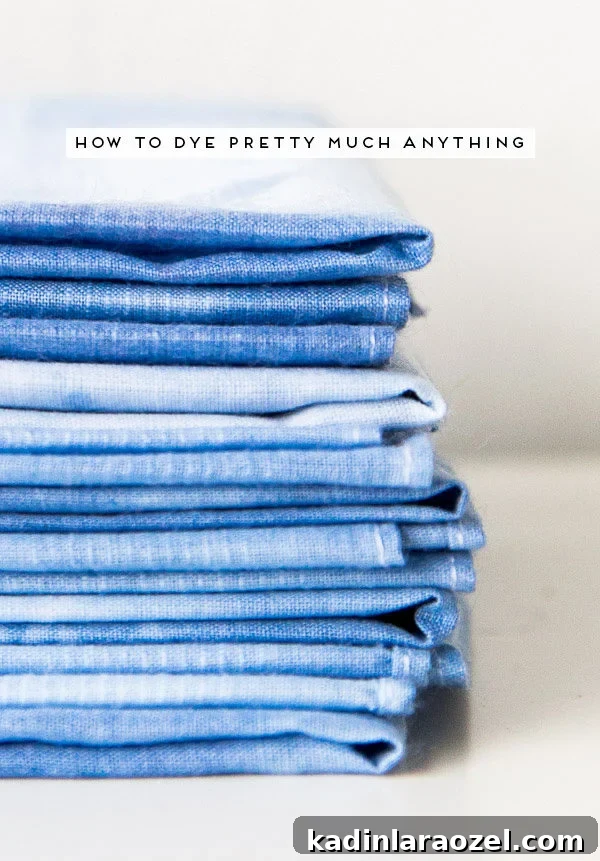
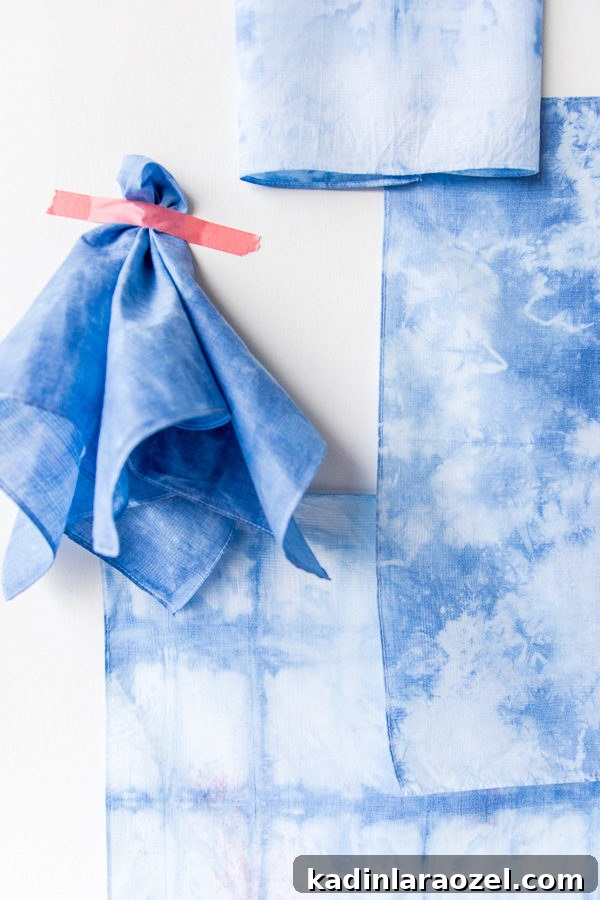
Dyeing natural materials is accessible and fast, making it a great DIY project whether you’re refreshing old textiles or experimenting with creative finishes on paper and wood. With a little practice, you’ll learn how different fibers respond and how to control shade and saturation for consistent, pleasing results.
Have you tried dyeing fabric, yarn, wood, or paper? Do you have any specific dyeing questions or a project you want advice on? Share your experience or questions in the comments.