Practical Backyard Garden Ideas You Can Actually Build

Easing into spring with a backyard refresh focused on plants (one of my absolute favorite things) and gardening, in partnership with Lowe’s.

Temperatures are warming up here in Southern California, which means it’s time to return to the backyard and tend the plants. I love this season: it’s not too hot yet and, after winter rains, much of the yard looks green and refreshed. Of course, some plants didn’t survive the winter and needed to be removed, and a few required extra attention, but overall the space is coming back to life.
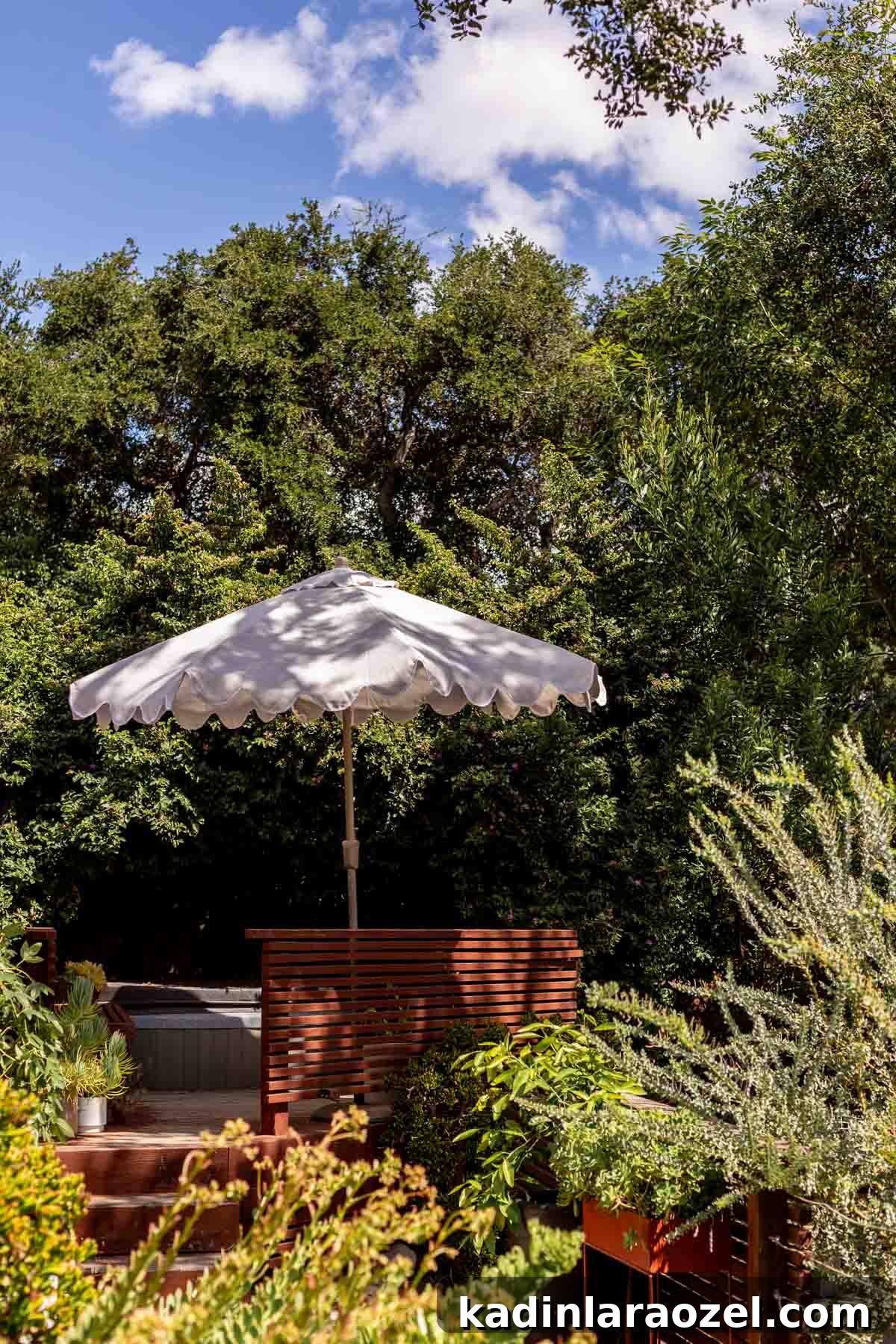
If starting a backyard refresh feels overwhelming, you’re not alone. I’ve been there. For this project I ordered everything I needed—including a new umbrella for warm days—through Lowe’s. They carry a wide variety of items for home improvement and outdoor living at reasonable prices, which made pulling this refresh together simple and affordable.
I’ll walk through what I bought, how I reused plants and containers I already had, and how I got the yard looking presentable in just a few afternoons.
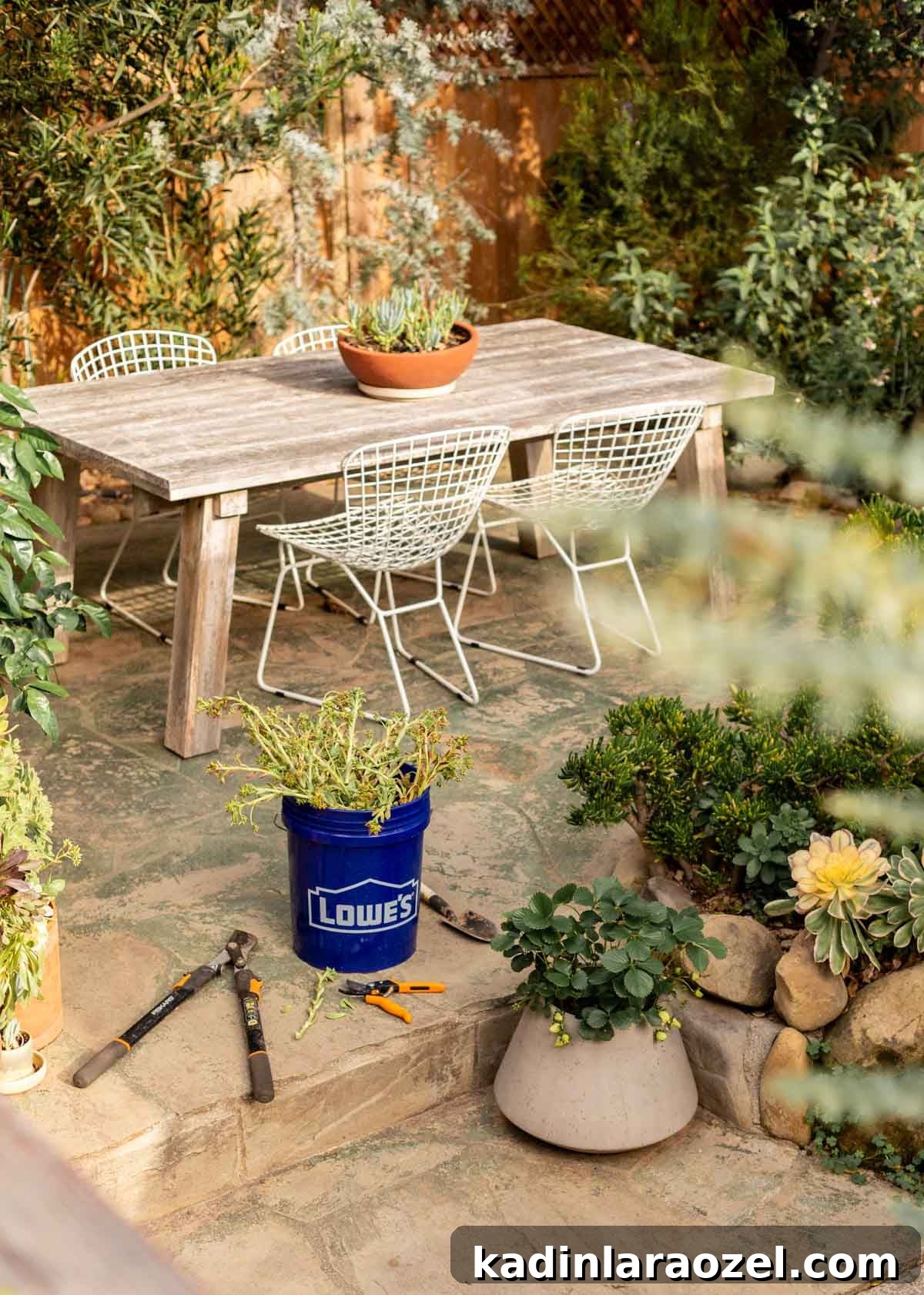
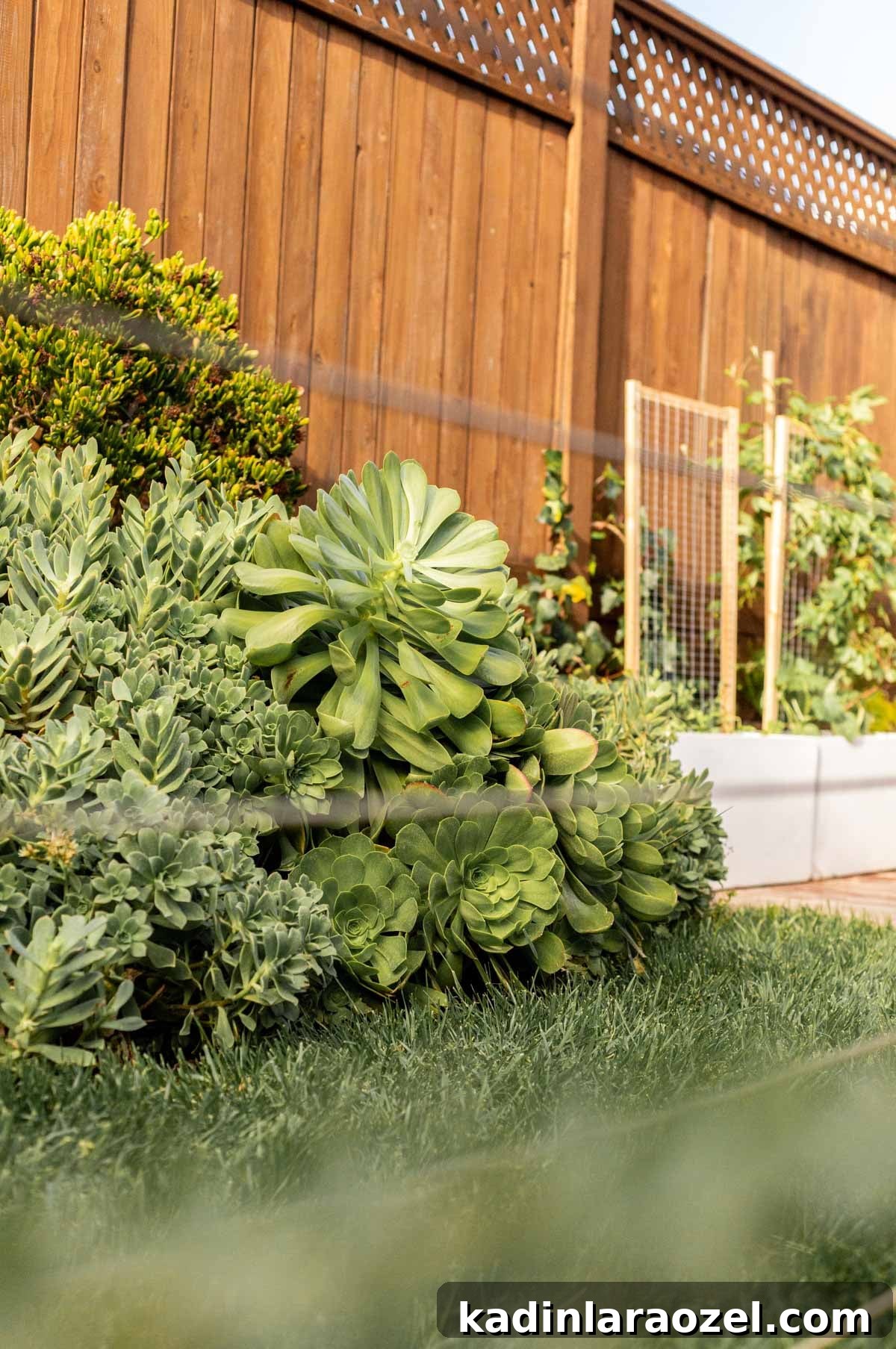
Backyard Garden Landscape Ideas
I prefer to approach landscaping in stages—small, manageable projects rather than attempting everything at once. That way I avoid burnout and can enjoy the process. Since I do most of the work myself, breaking tasks into shorter sessions keeps it realistic and fun.
My parents worked in the yard when I was young, and that sparked my love of gardening. I enjoy working with my hands and creating something beautiful outdoors, but I also know to pace myself. A little here and there makes the work sustainable.
For convenience, I ordered most items online from Lowe’s and picked them up in-store. Shopping this way was quick and relaxing—one evening I placed an order while watching TV and picked everything up the next day. You can also choose same-day delivery for eligible items if ordered by mid-afternoon.
Now that the logistics are covered, let’s get into the plants.
Planting and Replanting
What I’m Planting
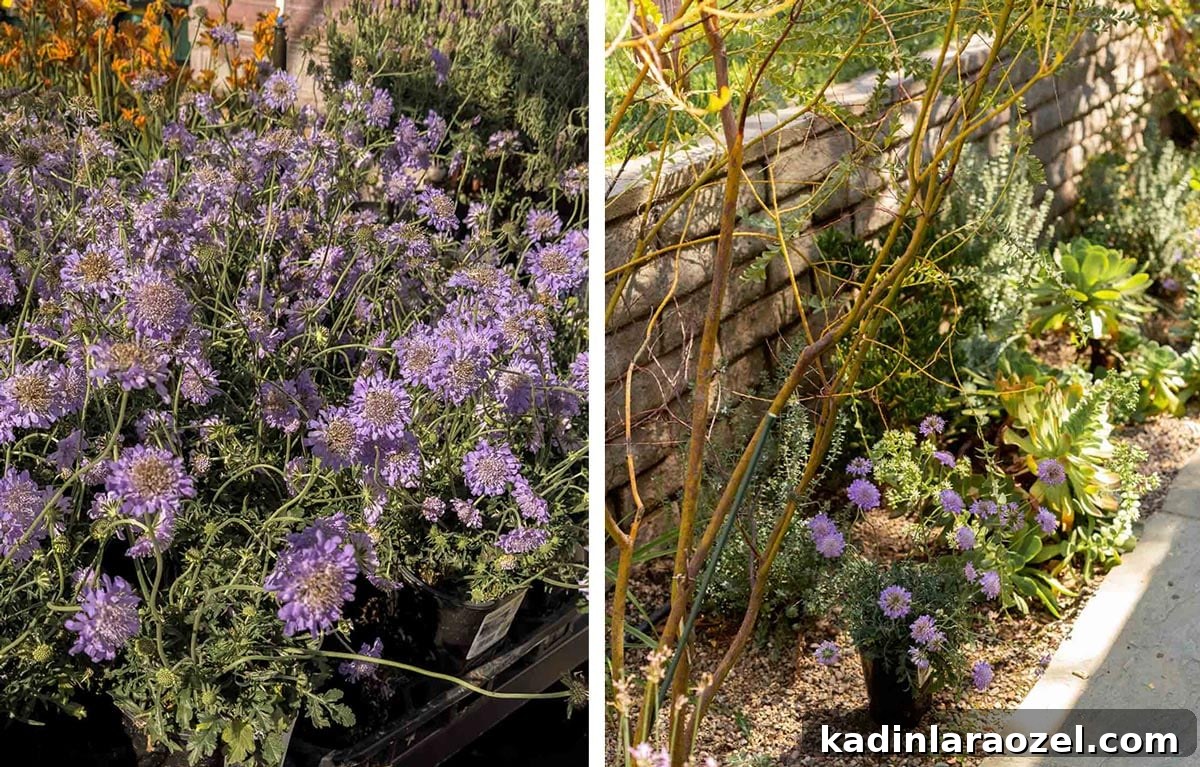
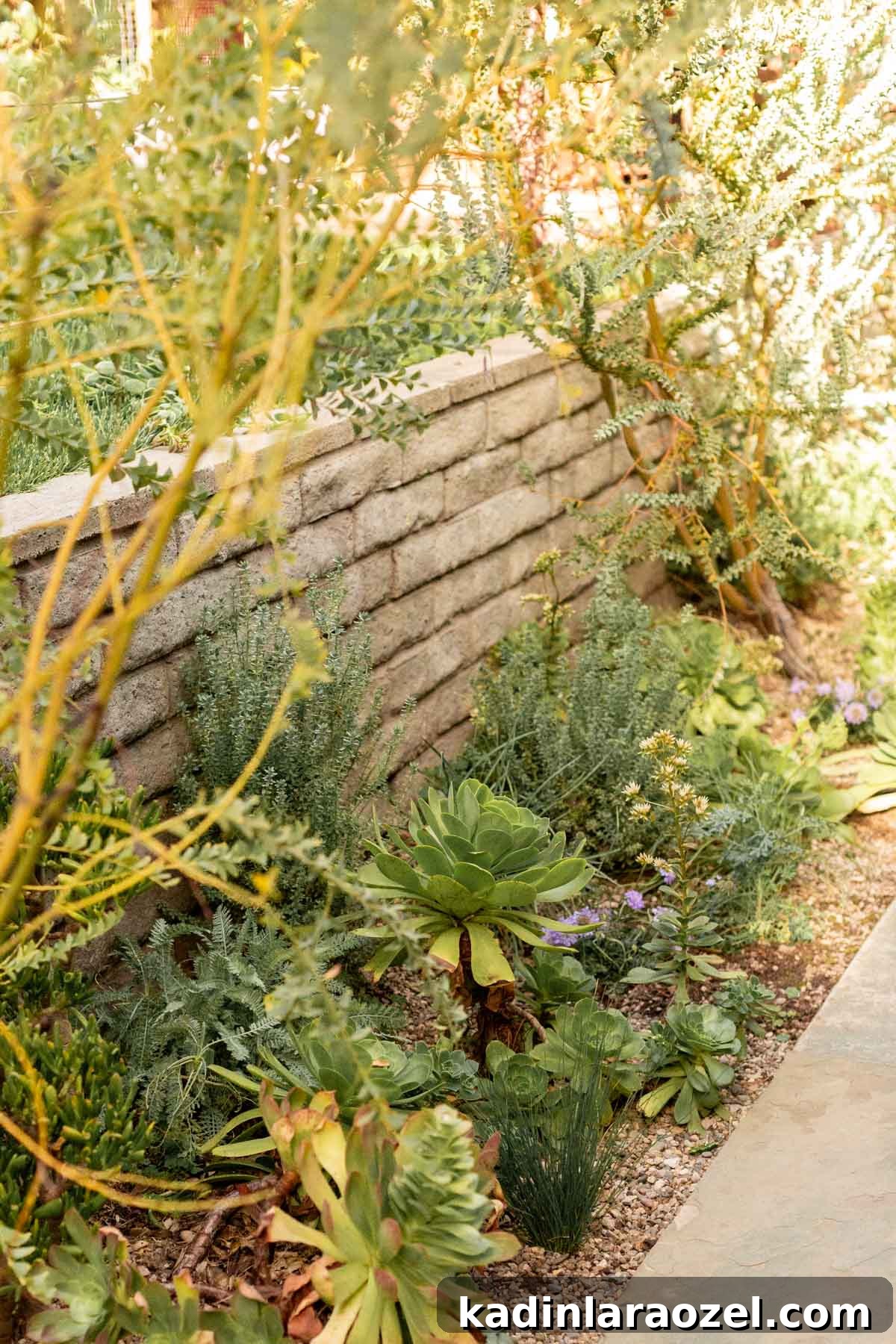
Several plants didn’t make it through the winter, so my first task was to fill those gaps with resilient replacements. I chose scabiosa (a favorite of mine), small ornamental grasses, and society garlic—everything for under $70. These plants filled most of the empty spots, and I added a few extras for interest.
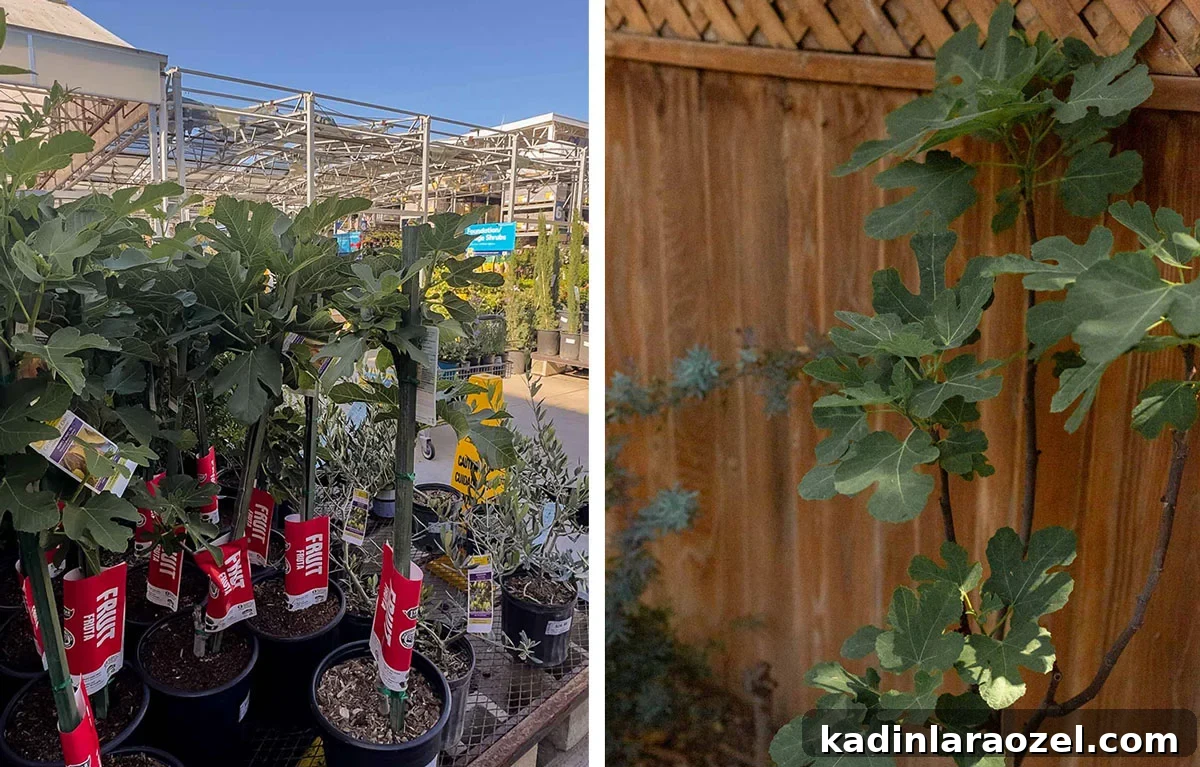
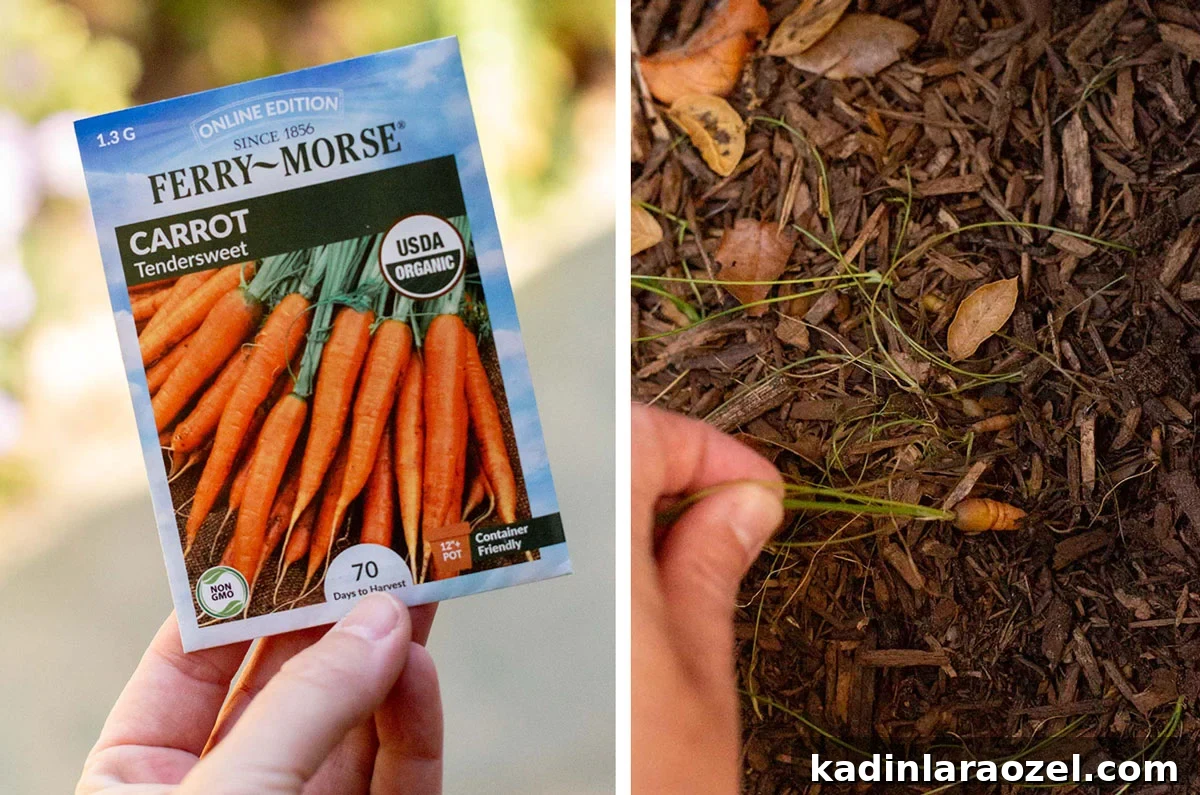
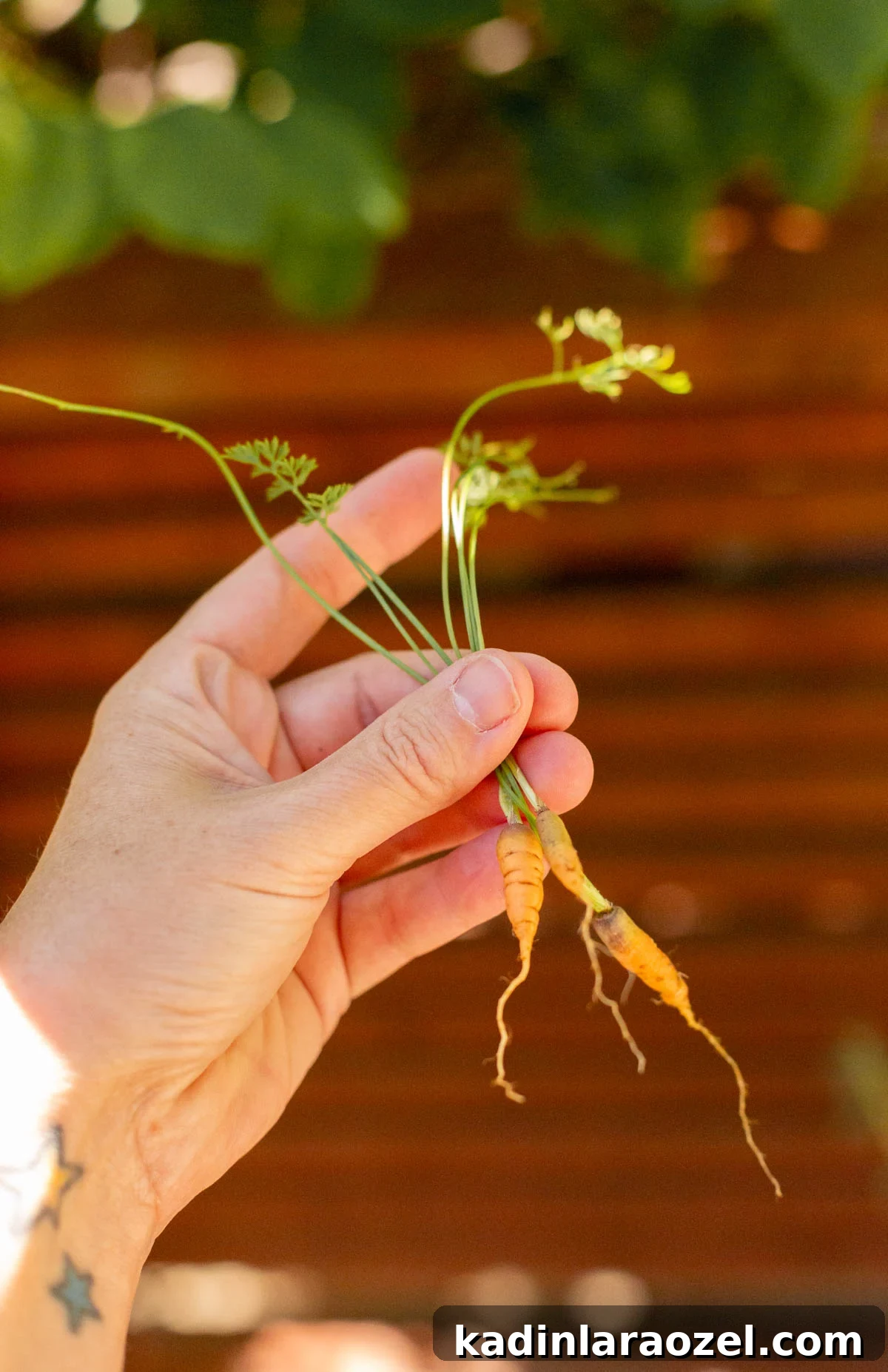
While picking up the order in-store I found a healthy fig tree and couldn’t resist bringing it home. It’s settled in nicely, with soft, velvety leaves. I also started carrots from seed—no full-sized roots yet, but the tiny baby carrots I pulled were encouraging and a reminder that patience pays off in the garden.
Tools I Use for Planting
I keep planting tools simple: a small garden trowel, a larger digging shovel for deep holes, and a pair of gardening gloves when needed. Fewer tools mean less fuss, and the ones I use regularly are durable and effective for routine tasks.
Replanting
Next, I focused on relocating volunteer plants and repotting specimens that had outgrown their containers. Not all volunteers need moving—some are fine where they sprouted—but others benefit from being planted in a more appropriate spot.
What are plant volunteers?
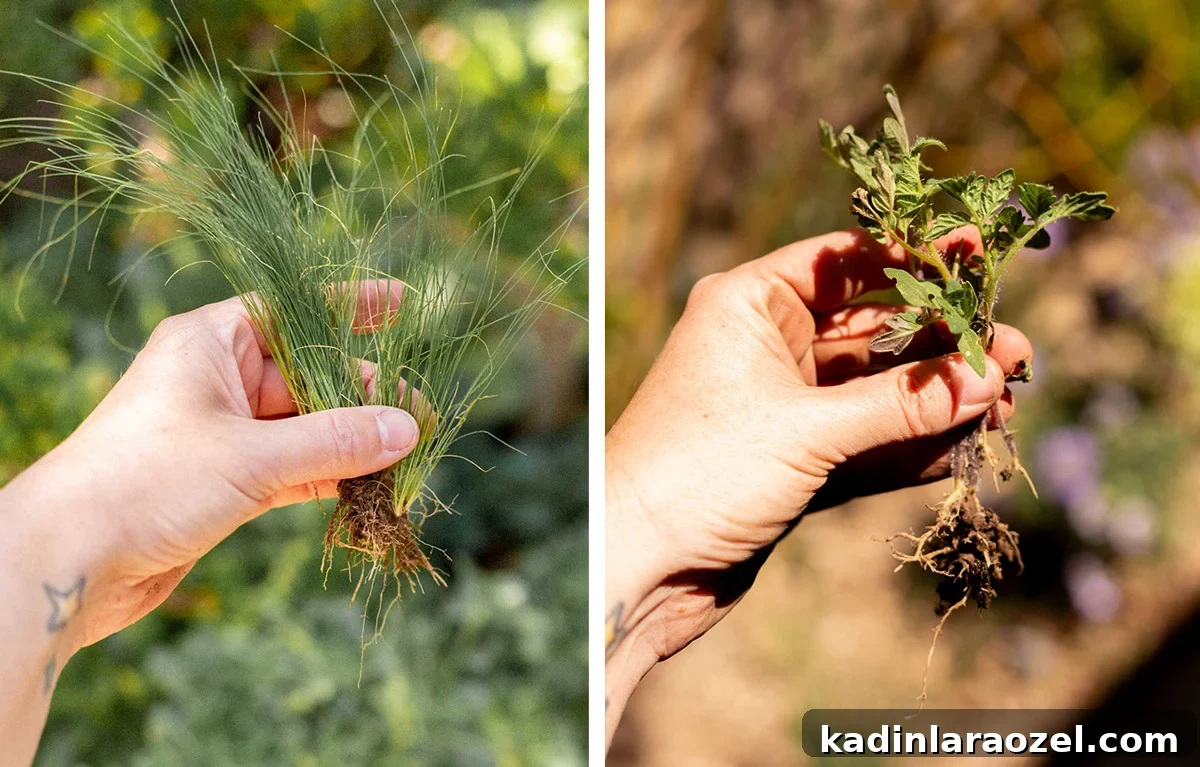
Plant volunteers are self-sown plants that germinate without deliberate planting. They’re often the offspring of nearby plants, previous years’ crops, or seeds dispersed by animals. This year I found many tiny tomato plants popping up—likely helped along by my dog, who enjoys grabbing and tossing fallen tomatoes. I also found volunteer Mexican feather grass; because it can be invasive here, I move those to spots where I’m less worried about overgrowth.
Potting and Repotting
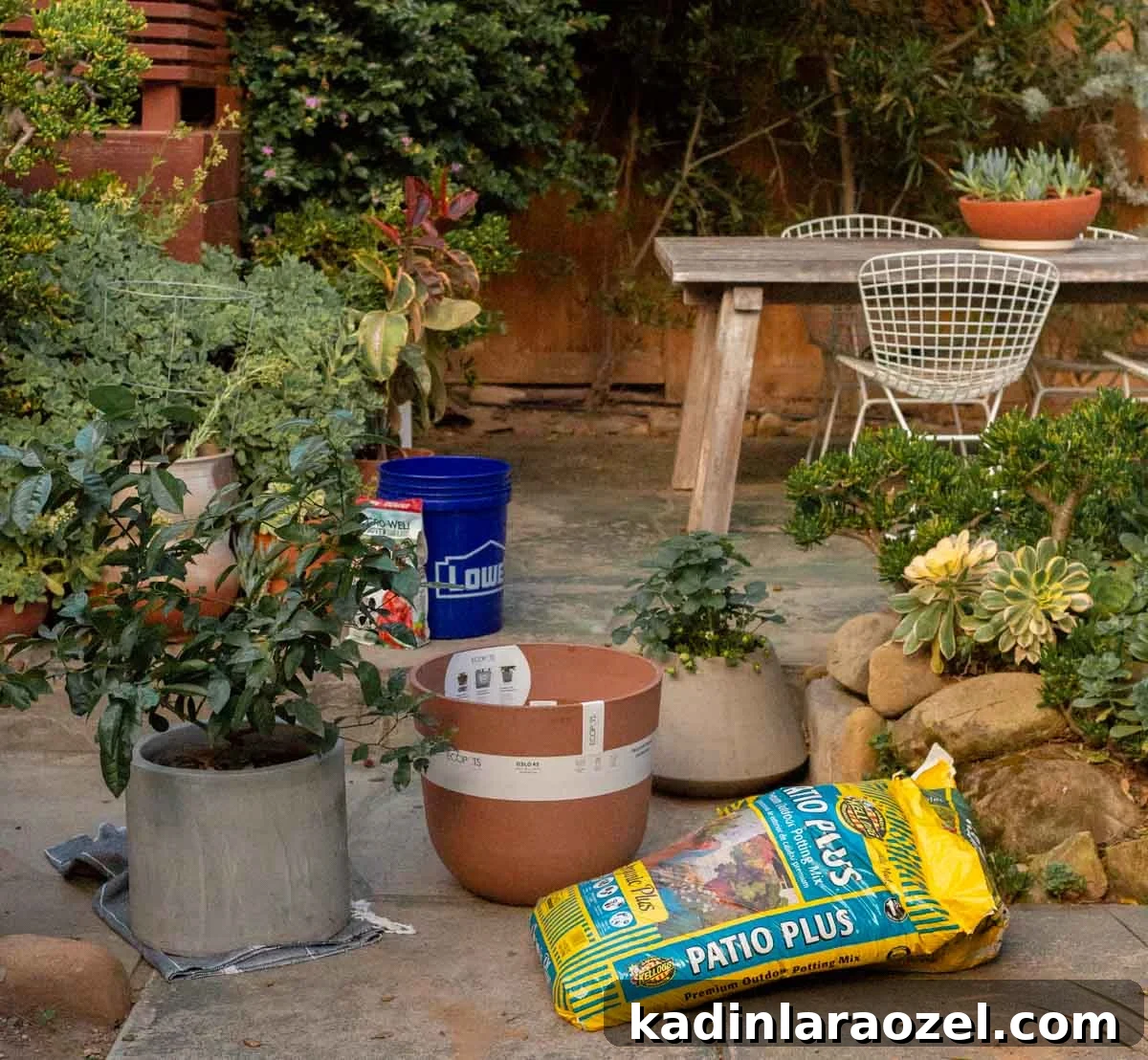
One of my citrus trees needed a larger container, so I chose a bigger planter that’s UV and frost resistant, made from recyclable materials, and lightweight—important once it’s filled with soil. A good, durable planter helps reduce how often you need to repot as the tree grows.
Pruning and Propagating
Pruning
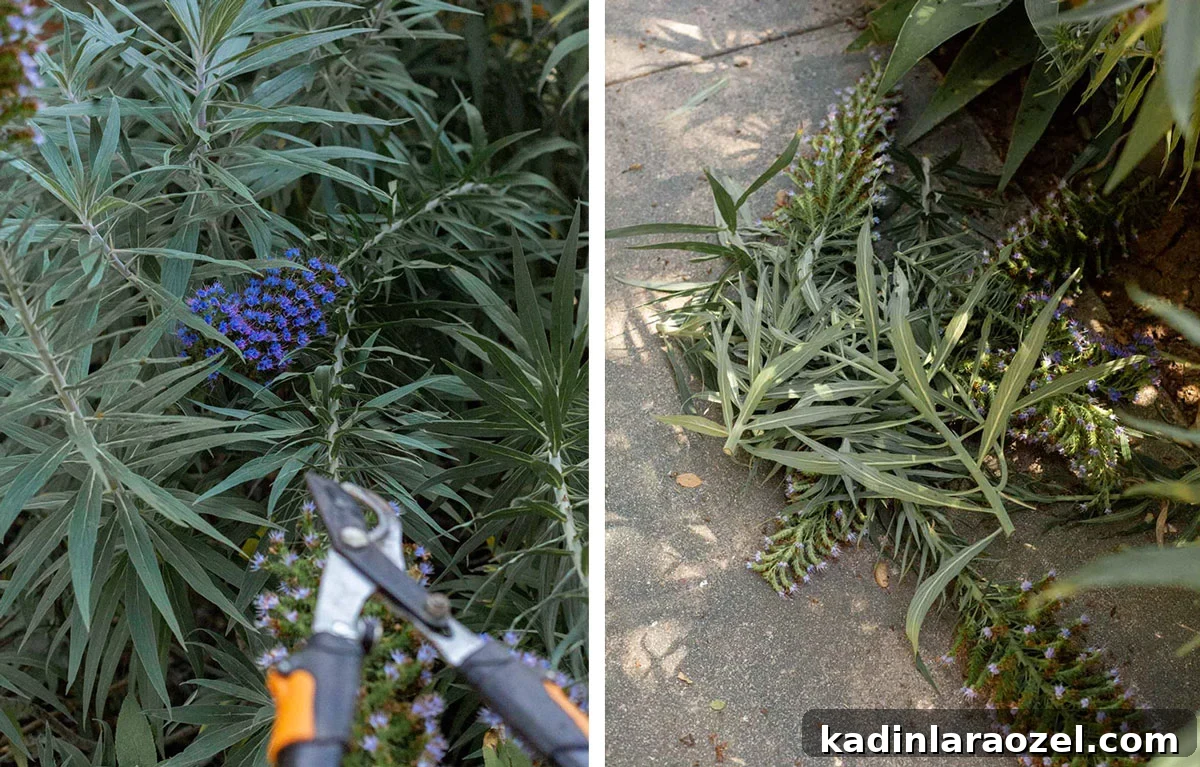
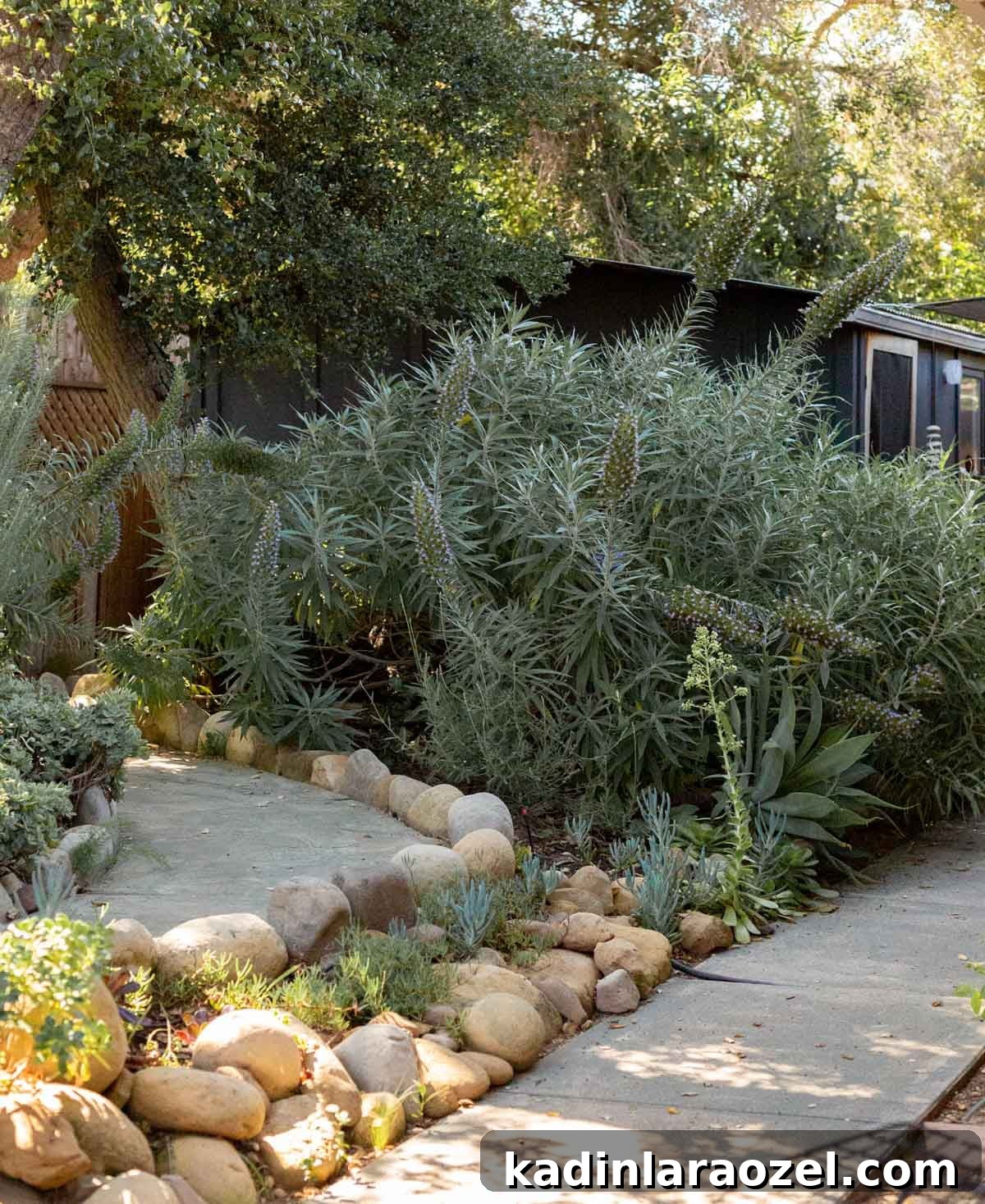
I typically prune trees and large shrubs in early spring, then as needed through the season. Pride of Madeira plants grew dramatically this year, so I trimmed them back, removing at least a foot from the top and planning additional pruning as they continue to recover. Regular pruning keeps plants healthy and manageable.
Tools I Use for Pruning
For pruning I use a pair of loppers for thicker stems and sharp hand pruners for smaller cuts. Clean, sharp tools make neater cuts and promote faster healing for the plants.
Propagating Succulents
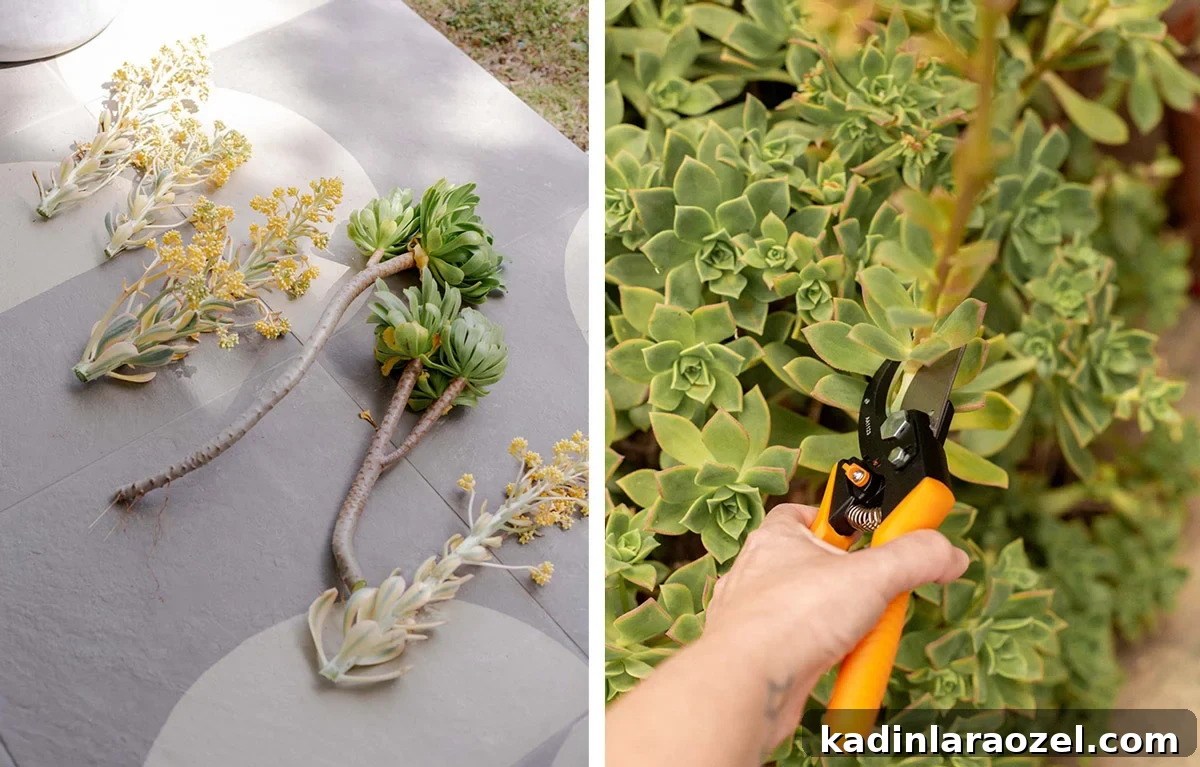
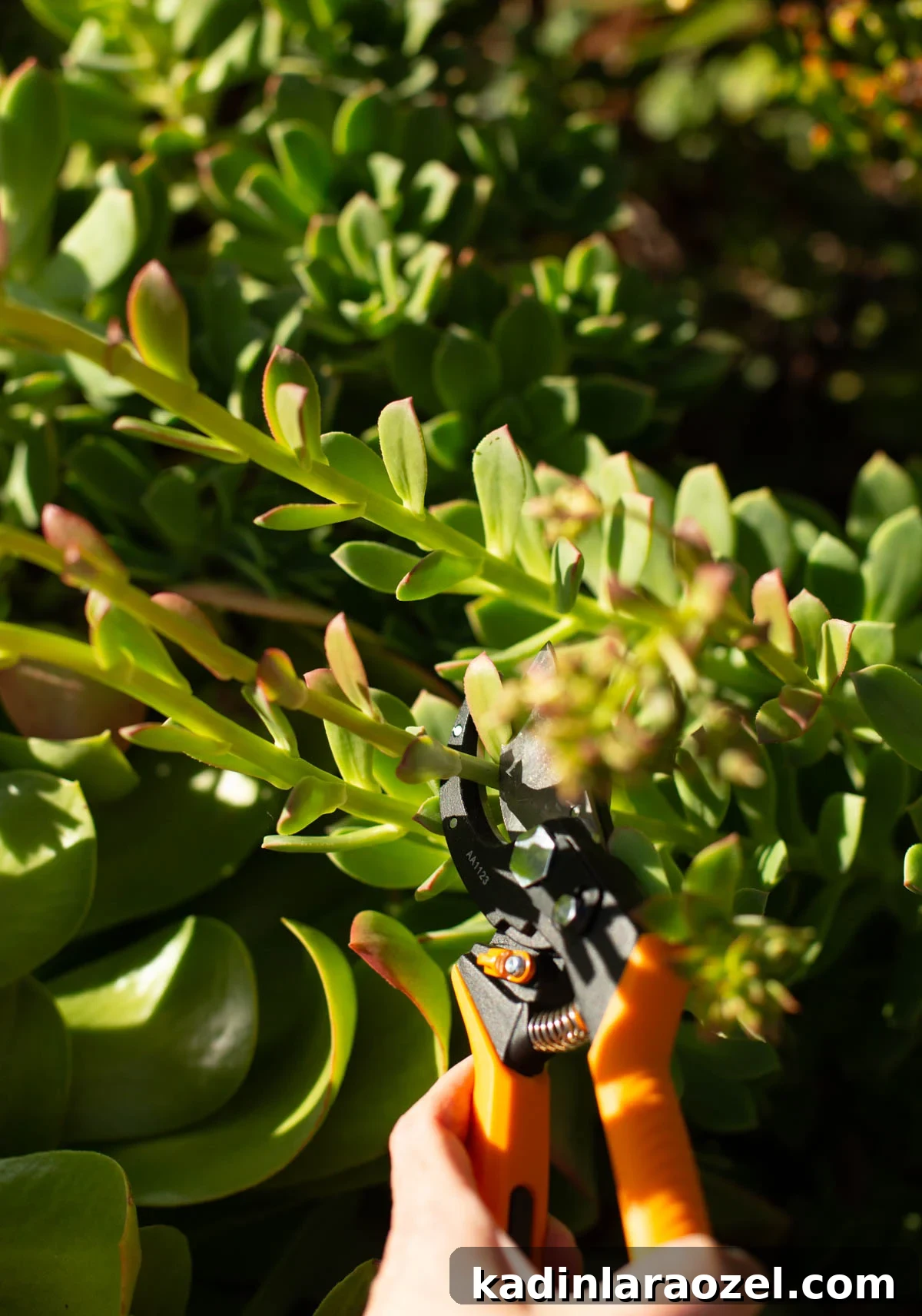
Succulents are some of the easiest plants to propagate, and I take full advantage of that. When succulents become leggy or start to flower, I trim them back and use the clippings to start new plants. Removing lower leaves and placing cuttings in fresh soil encourages rooting; if I take a cutting close to the root, it almost always establishes itself. That’s how I’ve ended up with so many succulents around the yard.
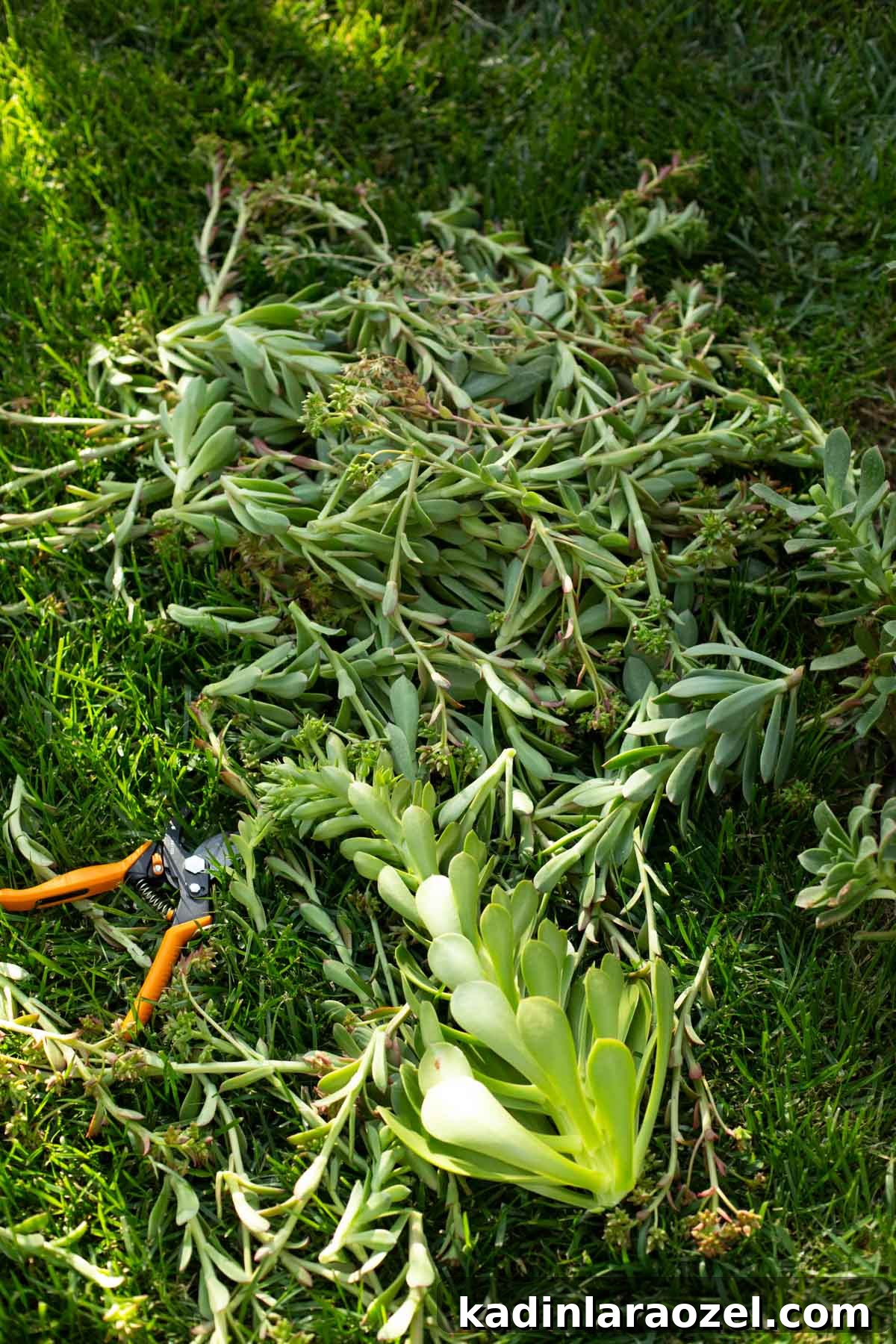
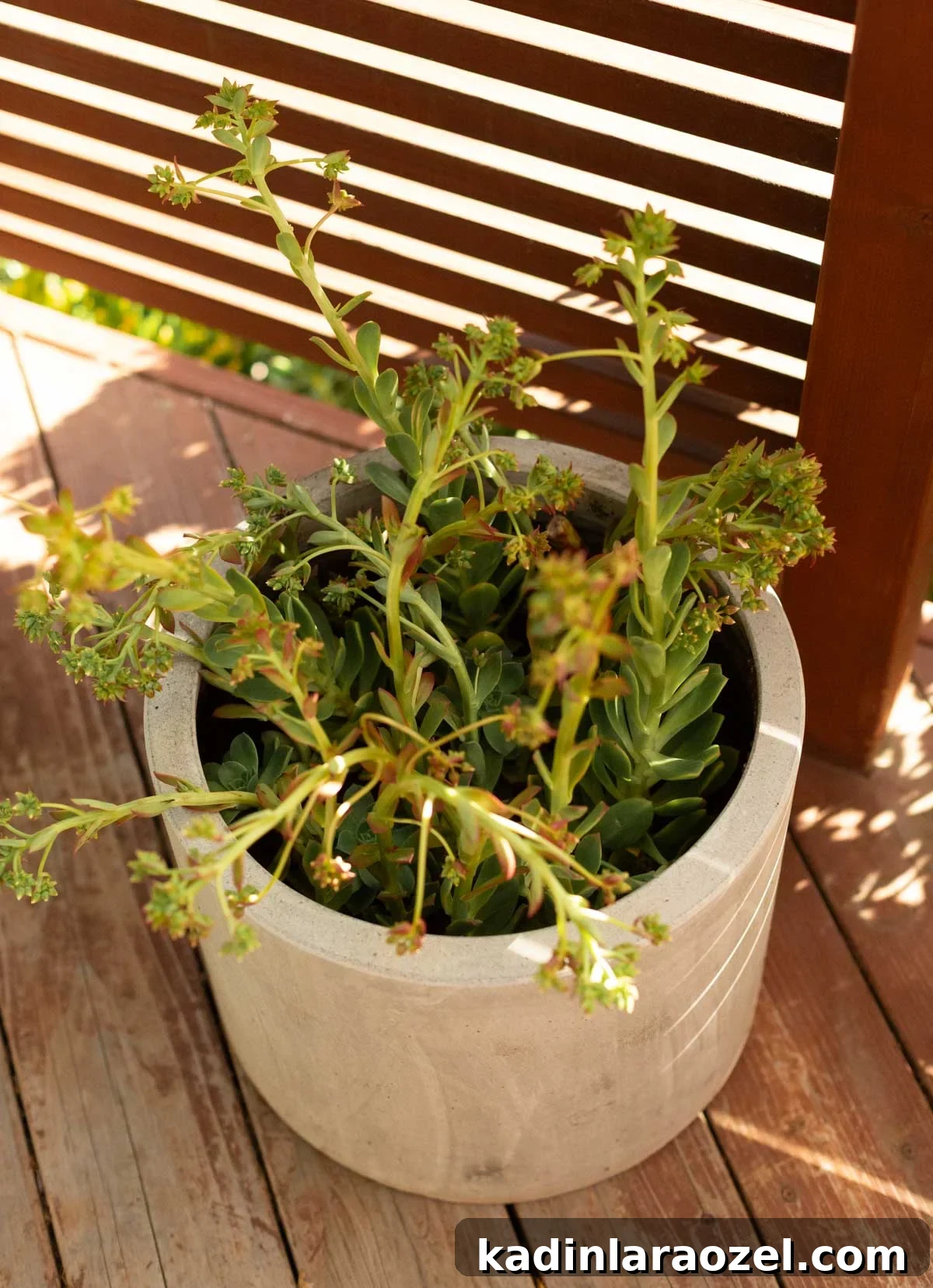
Succulent tip: A clean cut close to the root with hand pruners or loppers is often all you need for successful propagation.
Supporting Plants
Staking
Staking is a simple, practical way to support taller or heavier plants. While not always the most decorative solution, stakes prevent breakage and encourage vertical growth, protecting plants from wind and heavy rain.
Adding a Trellis
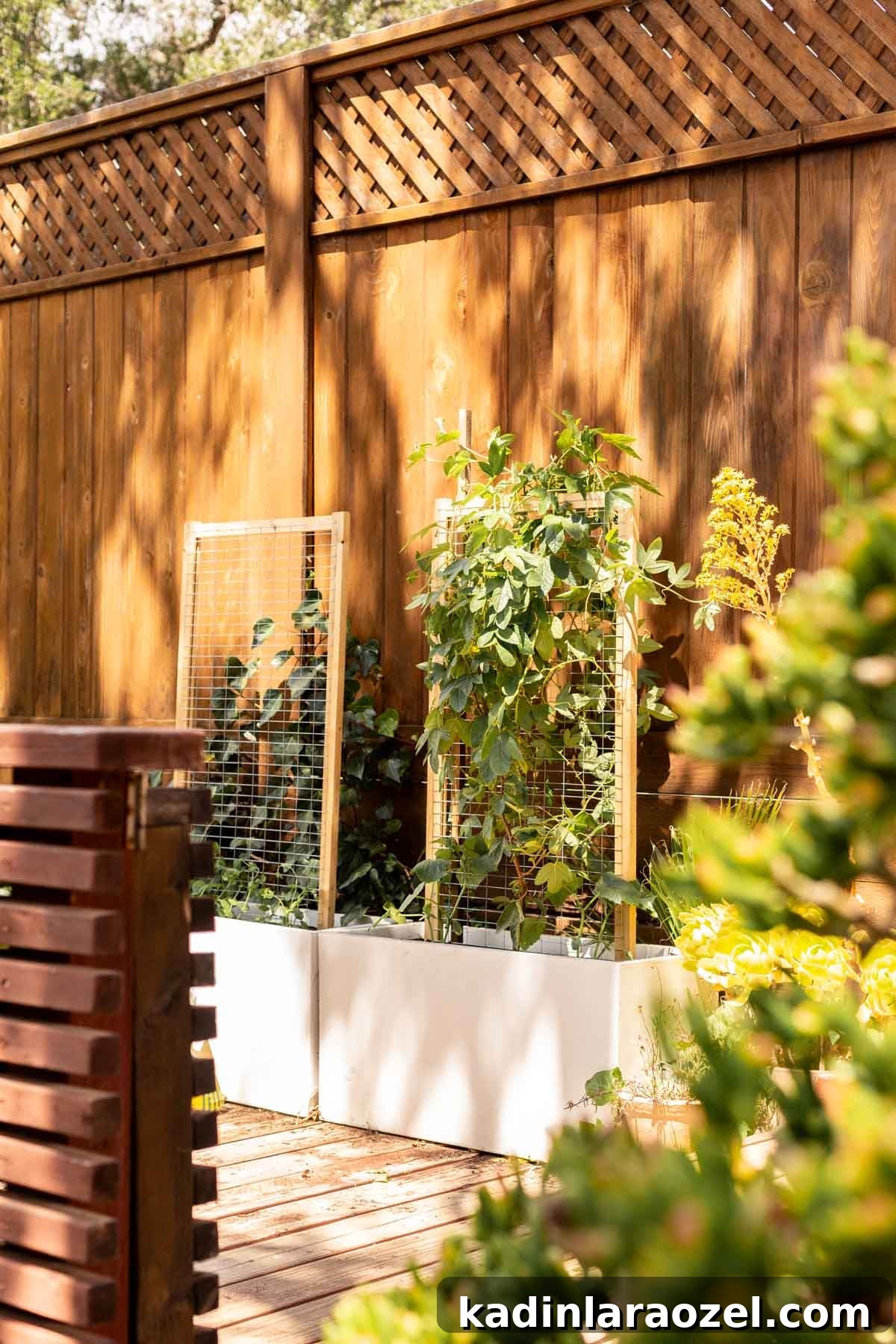
A trellis is a more decorative option that offers structure and beauty. I installed a set of minimal trellises to support snap peas and a newly planted passionfruit vine. As the snap peas climb, they’ll help hide part of a worn fence—an inexpensive way to mask an eyesore when a full fence repair isn’t in the budget.
Besides aesthetics, trellises improve air circulation and sun exposure, which can reduce disease and pest problems. They’re also a great way to maximize vertical space in a small garden.
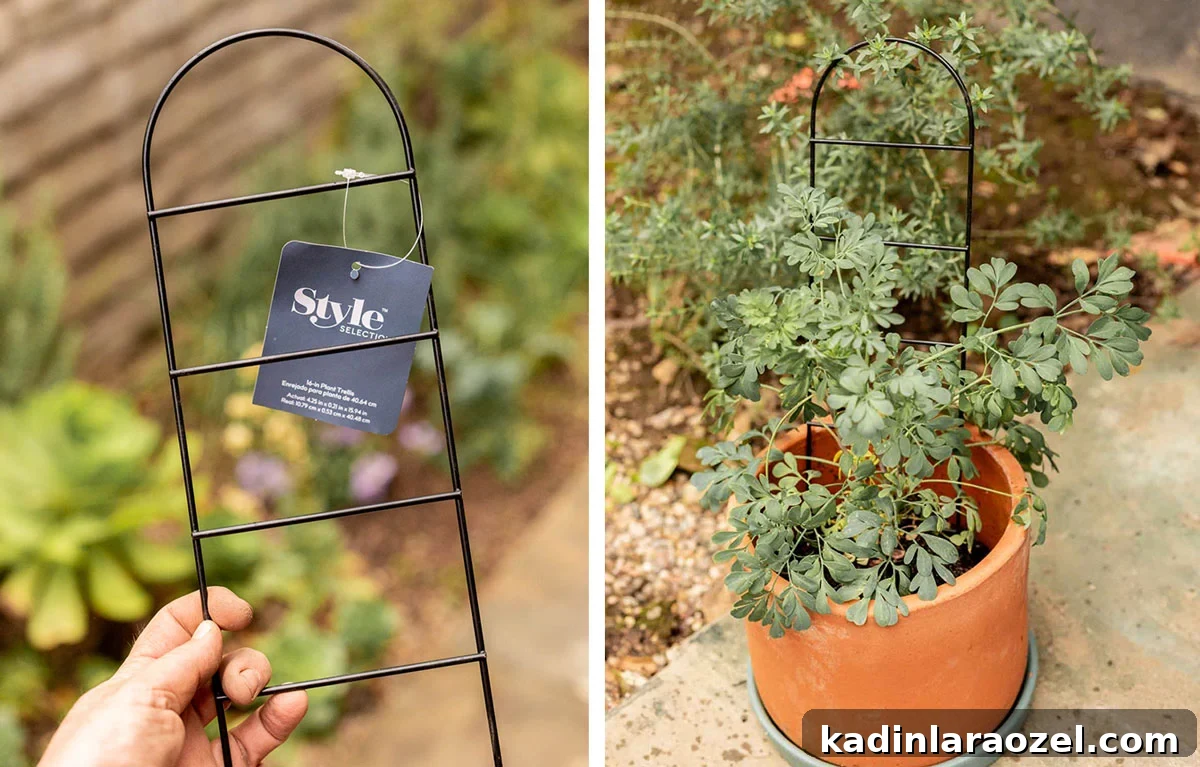
I also use small trellises for potted climbers—cute, affordable, and versatile for indoor or outdoor use.
That’s the spring refresh for my backyard. If you made it this far, you’re a true plant lover—let’s celebrate the small wins of gardening together. Thanks to Lowe’s for partnering on this post and making it easy to shop for garden and home essentials.