DIY Wooden Serving Board: Step-by-Step Guide to Make One at Home
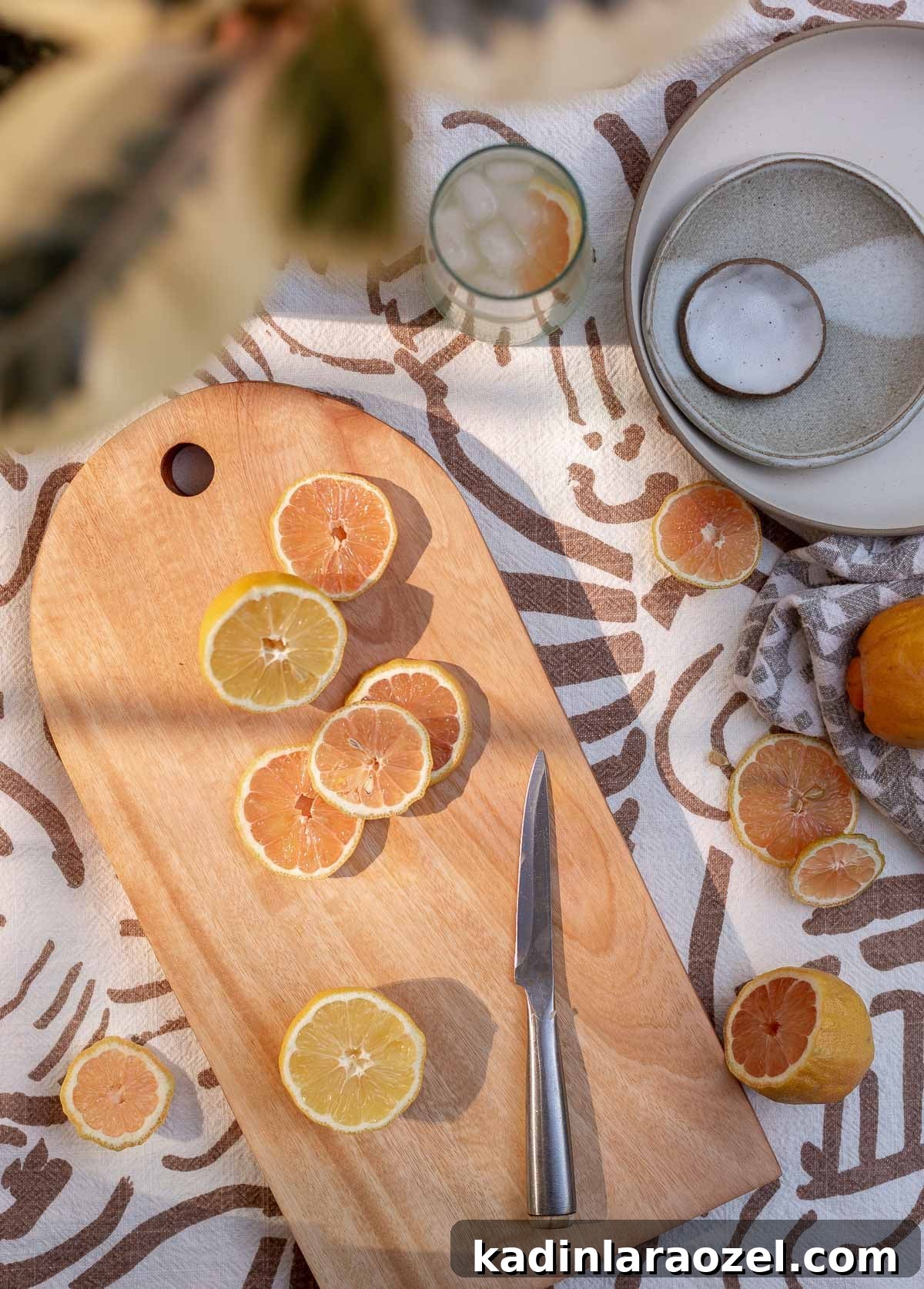
This wooden serving board was a hidden gem.
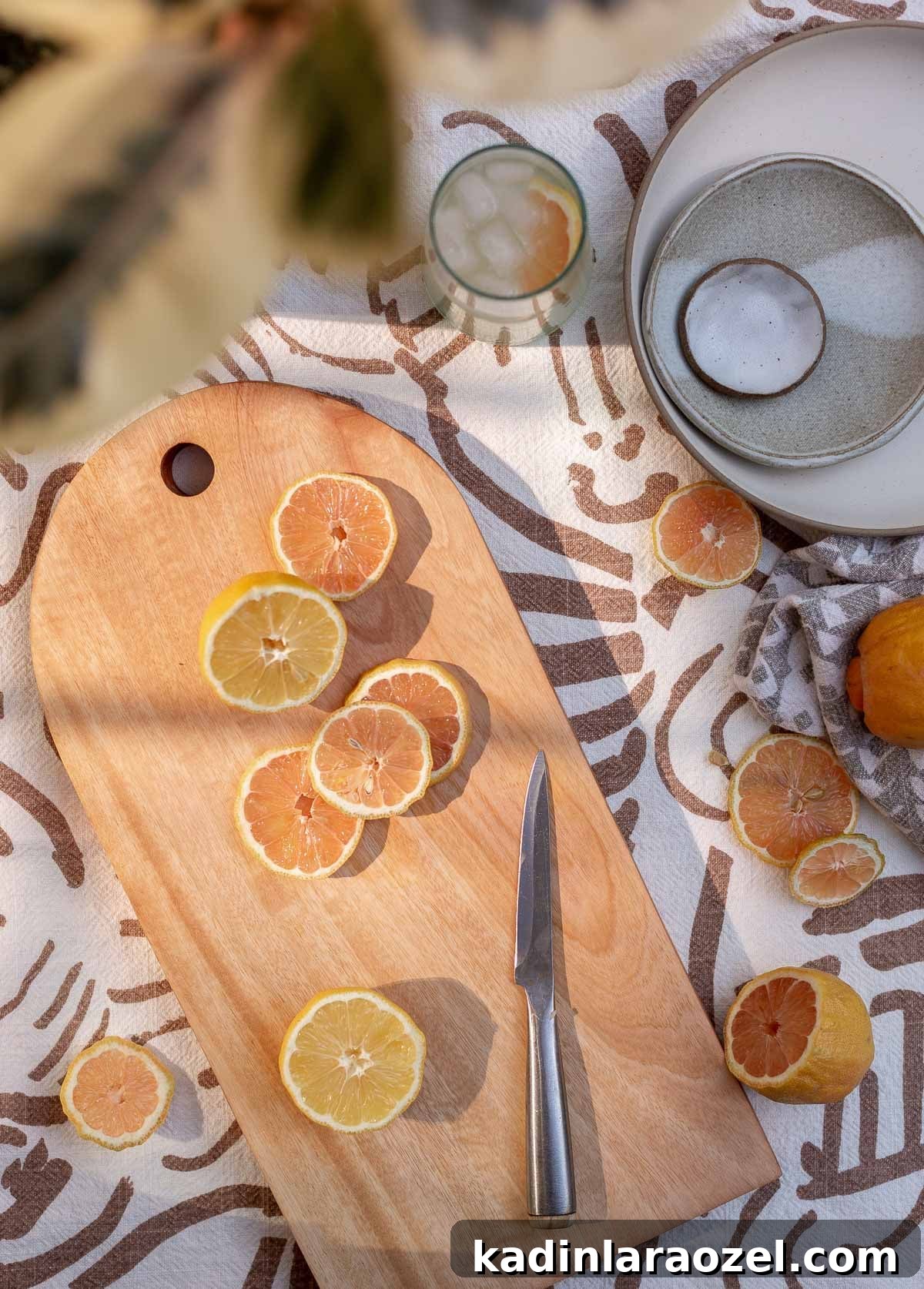
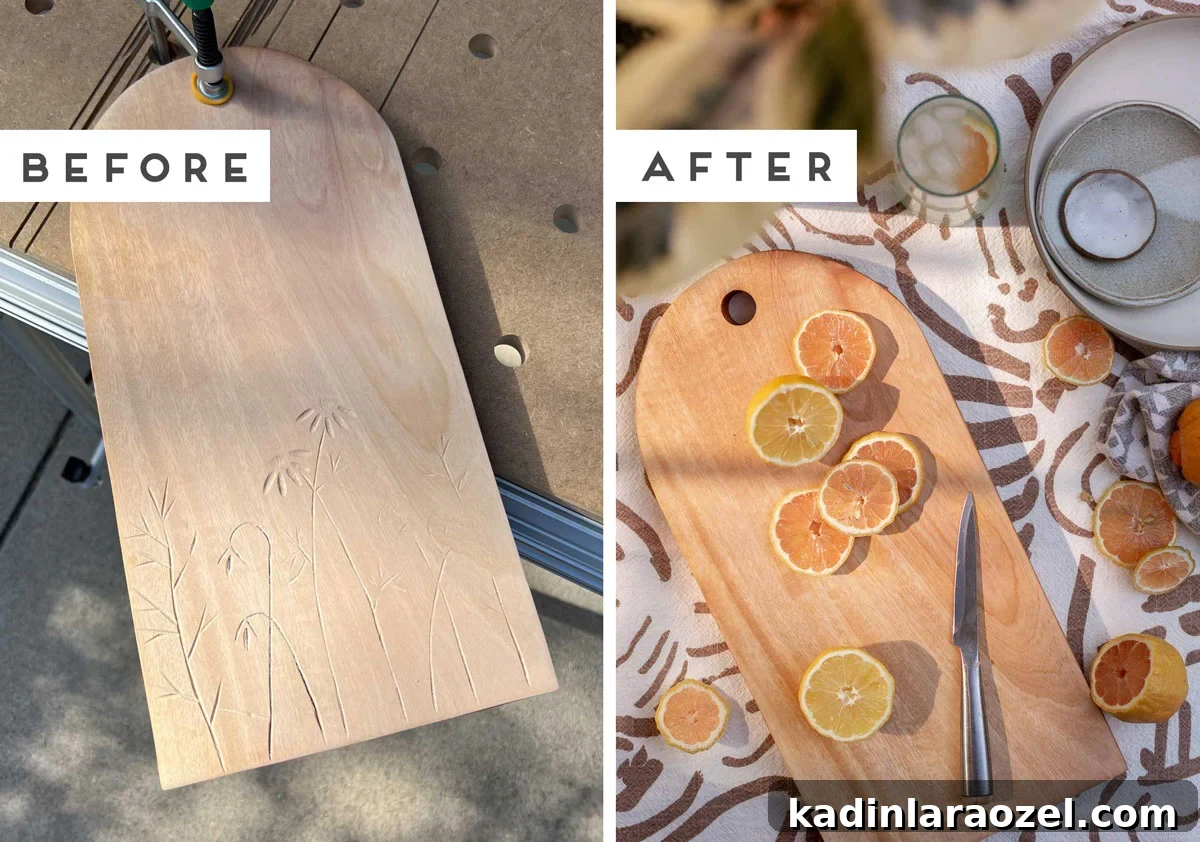
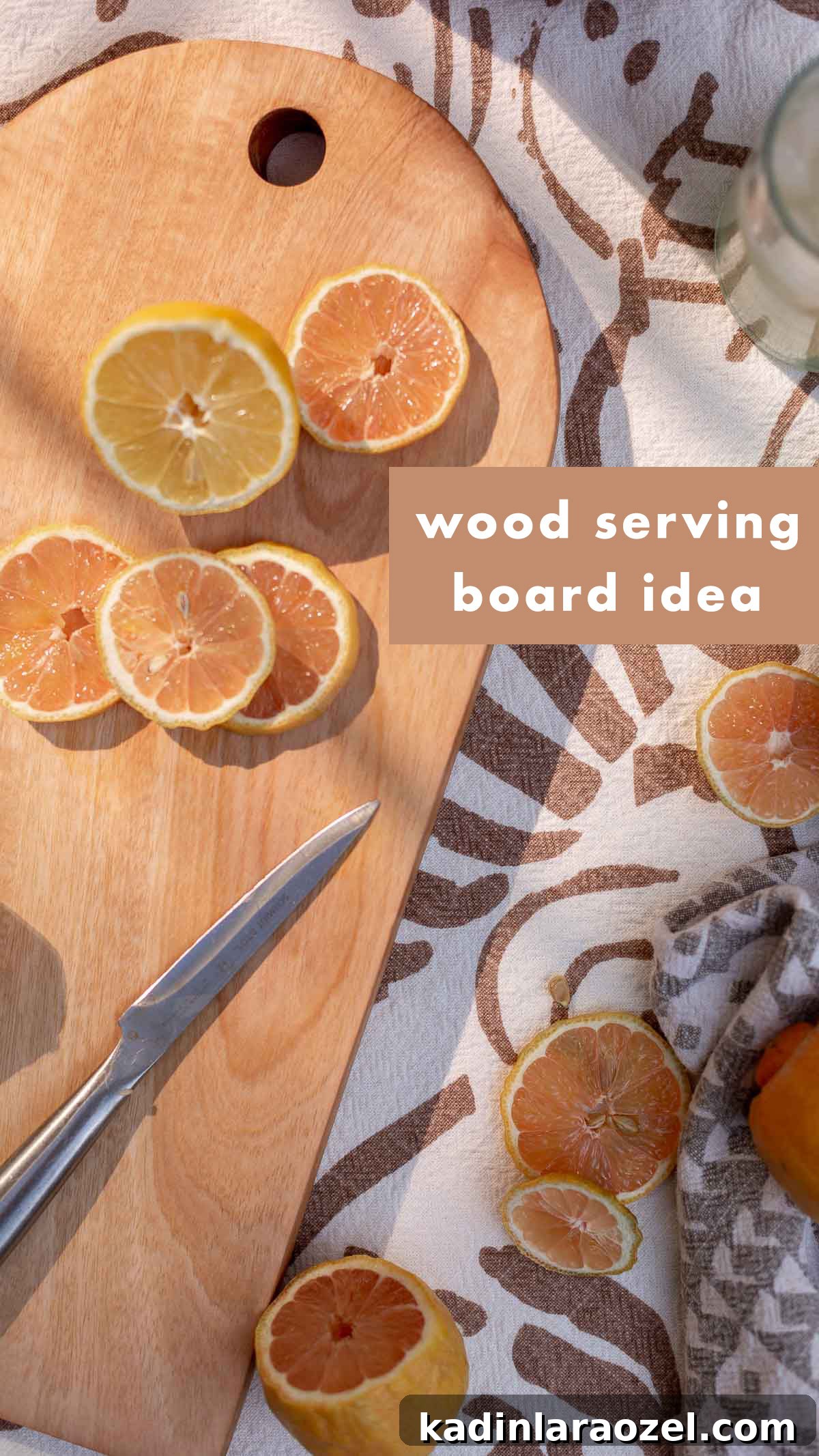
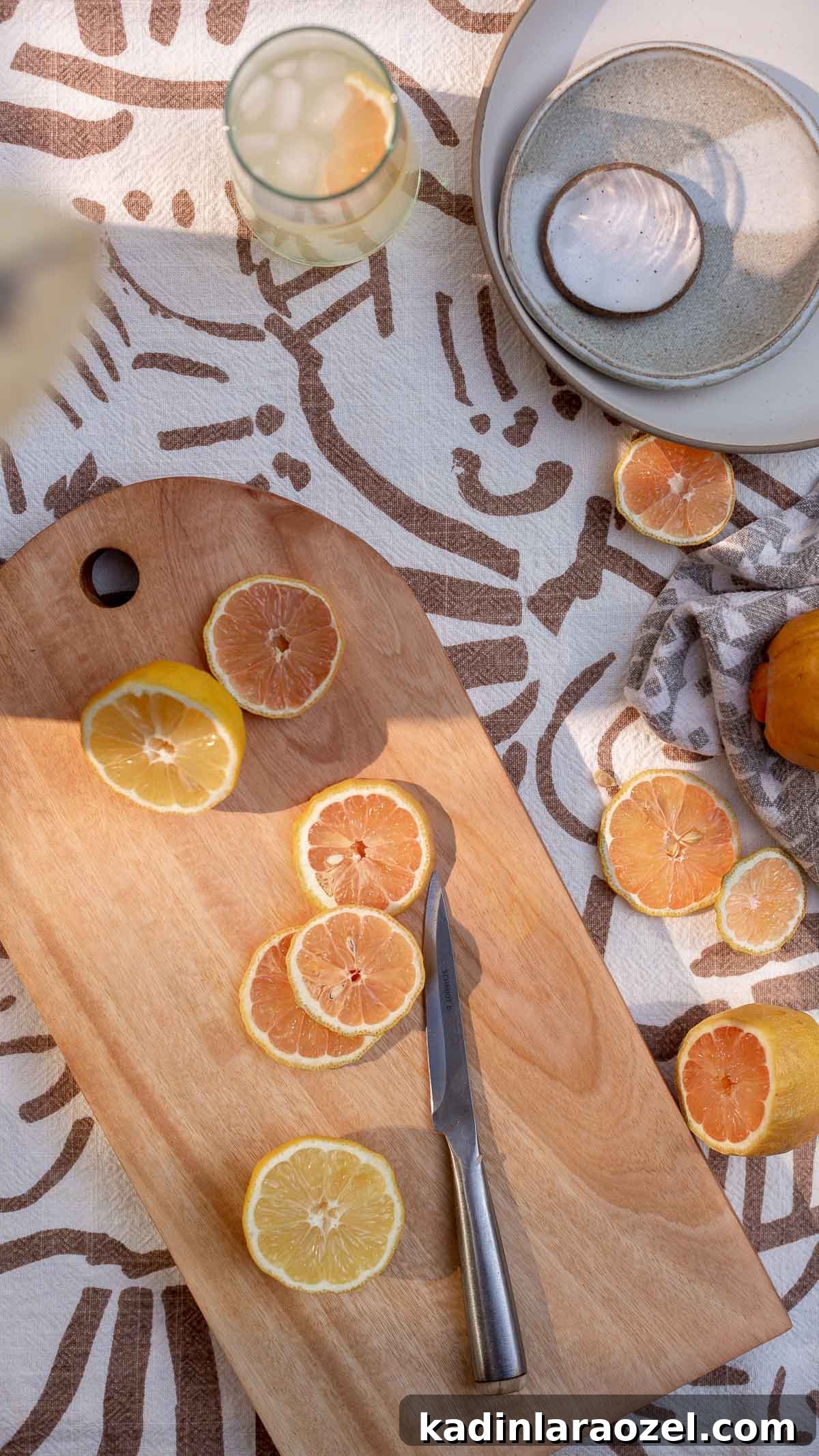
I picked up this wooden serving board at TJ Maxx for $6. I loved its arch shape, but the engraved flowers and a pen mark on the surface weren’t my style. I suspected that with a bit of elbow grease I could sand the engraving away, so I brought it home to try. It required more work than I expected, but it paid off. The result is a clean, minimal serving board in the perfect shape—no flowers, no pen marks.
This is an approachable makeover you can try on thrift-store finds too. Below I share what I used, how I removed the engraving, and a few tips to make the process easier.
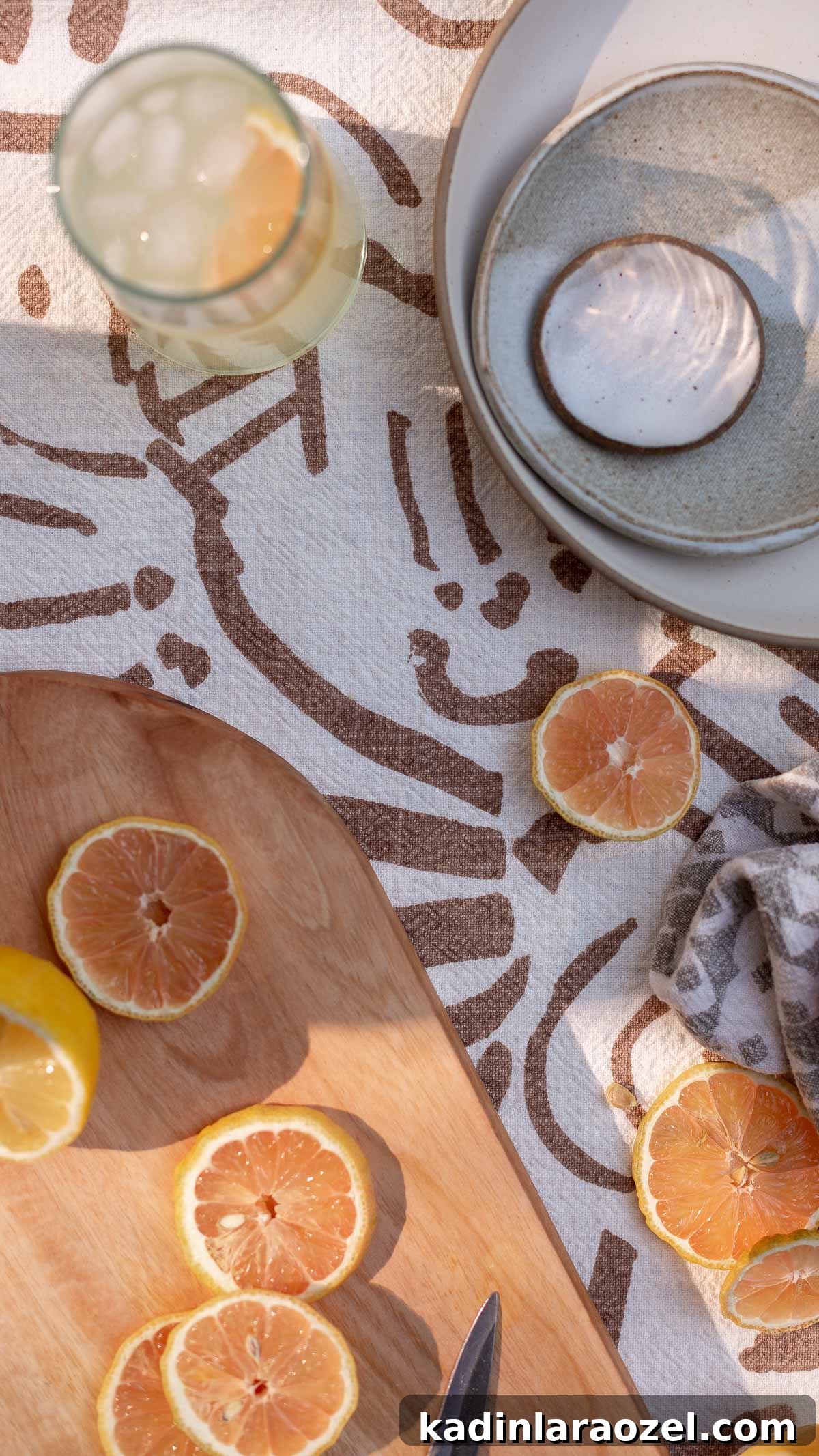
Wood Serving Board DIY
Thick wooden serving boards usually come with a higher price tag, which is why this $6 find caught my eye. I almost hesitated at checkout, worried the engraving was too deep to remove. But I convinced myself to try—and it worked.
Tools and materials I used
- Power sander
- Sandpaper discs (I used 80-grit; for deeper engraving you could use 60- or 40-grit)
- 1–2 clamps
- Cutting board oil and a clean rag
That’s all. I used a powerful sander because this project required removing a noticeable amount of material. If you have a less powerful model you can still do it, but it may take longer.
Important: plan for a suitable work surface for sanding. If you can move a worktable outside, that’s ideal—sanding produces a lot of dust unless your sander has a vacuum attachment.
How I removed the engraving
First I set up an outdoor work surface and clamped the board firmly in place. A stable surface prevents the board from shifting and helps you sand evenly. Attach the sanding disc, turn on the sander, and begin removing the engraved area.
Shallow marks and surface stains take only a few minutes to sand away. For a deep engraving like mine, expect to spend more time—mine took under 30 minutes total. To avoid an uneven finish, sand the entire top surface rather than just the engraved area. This keeps the board flat and consistent in appearance.
When you’ve removed the engraving and the surface is smooth, wipe away the dust with a clean cloth. Apply a food-safe cutting board oil across the whole board using a rag or an old T-shirt. Let the oil soak in and dry—24 hours is a good buffer to ensure it’s fully cured.
After that the board is ready to use. It functions well as a cutting board or a serving board. Reapply cutting board oil whenever the wood begins to feel dry—typically once or twice a year depending on use and climate.
Wood Serving Boards to Buy
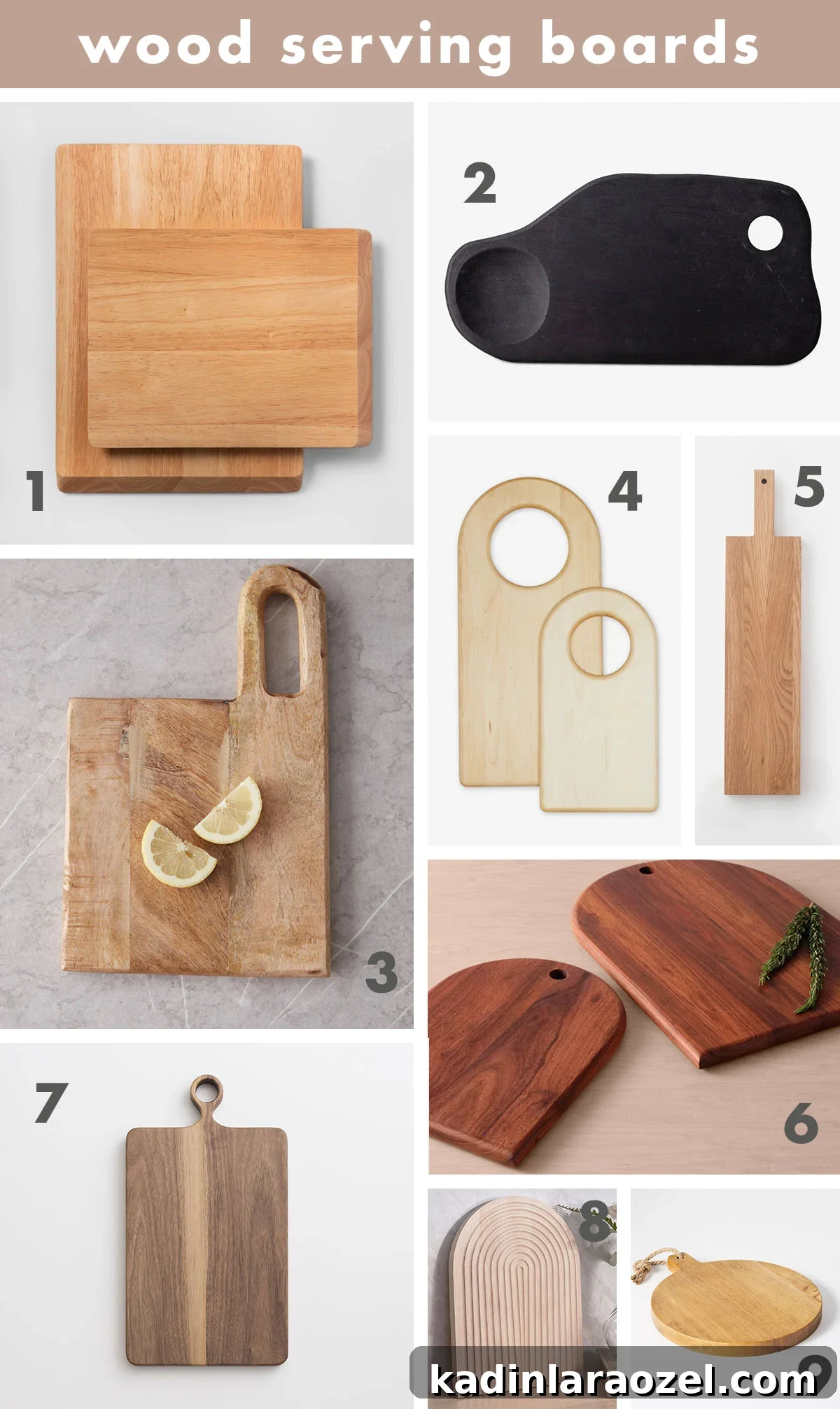
If you’d rather skip the sanding, here are some attractive ready-made wood serving boards in a range of price points. These are solid options when you want a board that’s ready to use without a makeover:
1. Two-piece wood cutting board set — budget friendly and practical for everyday use.
2. Rosala serving board — a simple, elegant option.
3. Reyes cutting board — an affordable, well-priced choice.
4. Simple arch cutting board — clean modern shape and one of my favorites.
5. Oak serving board — sturdy and classic.
6. Tikal wood serving board — comes in multiple colors for a personalized look.
7. Walnut cutting board — rich, dark wood with a premium feel.
8. Wooden arch serving board — an inexpensive arch-shaped option.
9. Rubber wood serving board — durable and cost-effective.
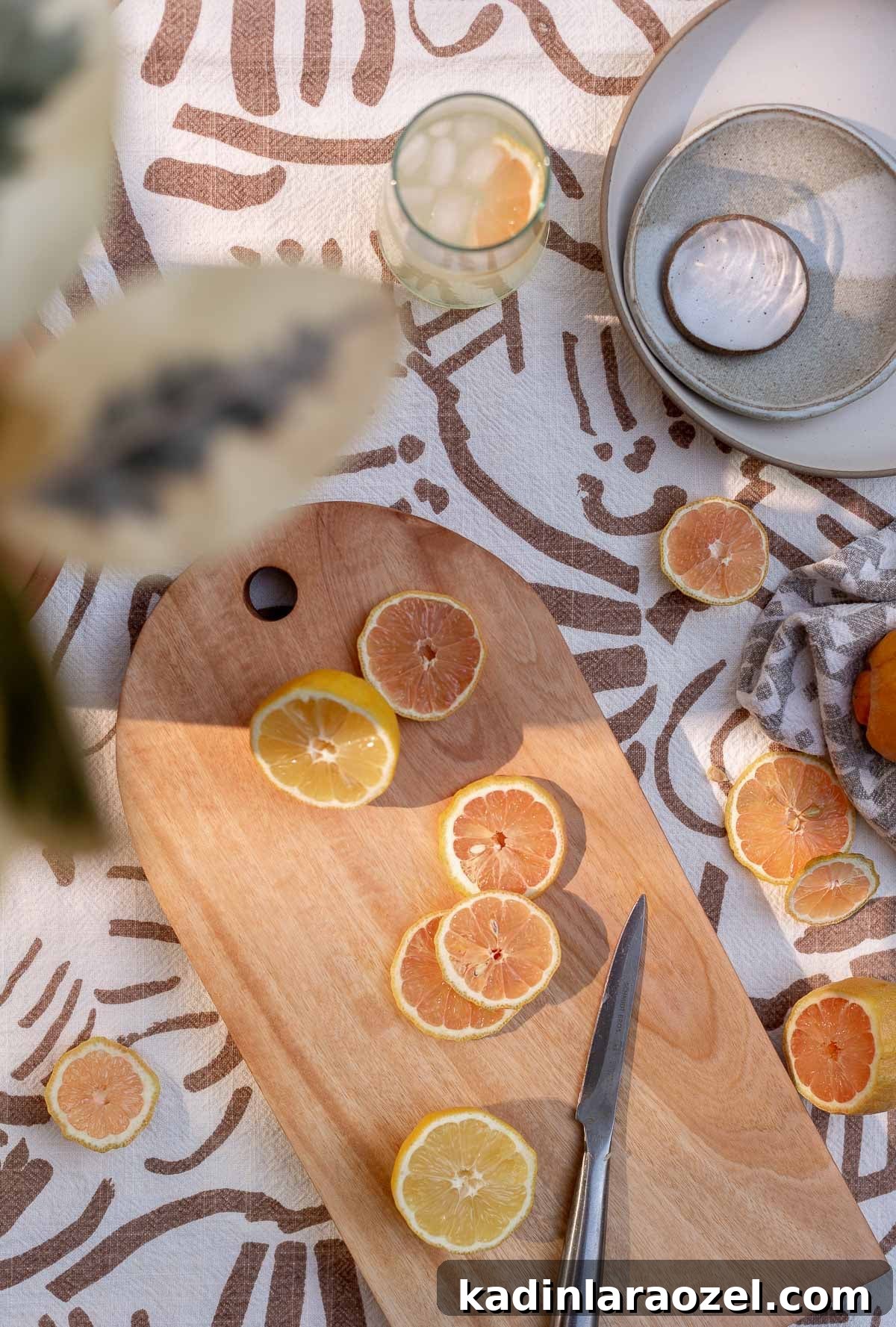
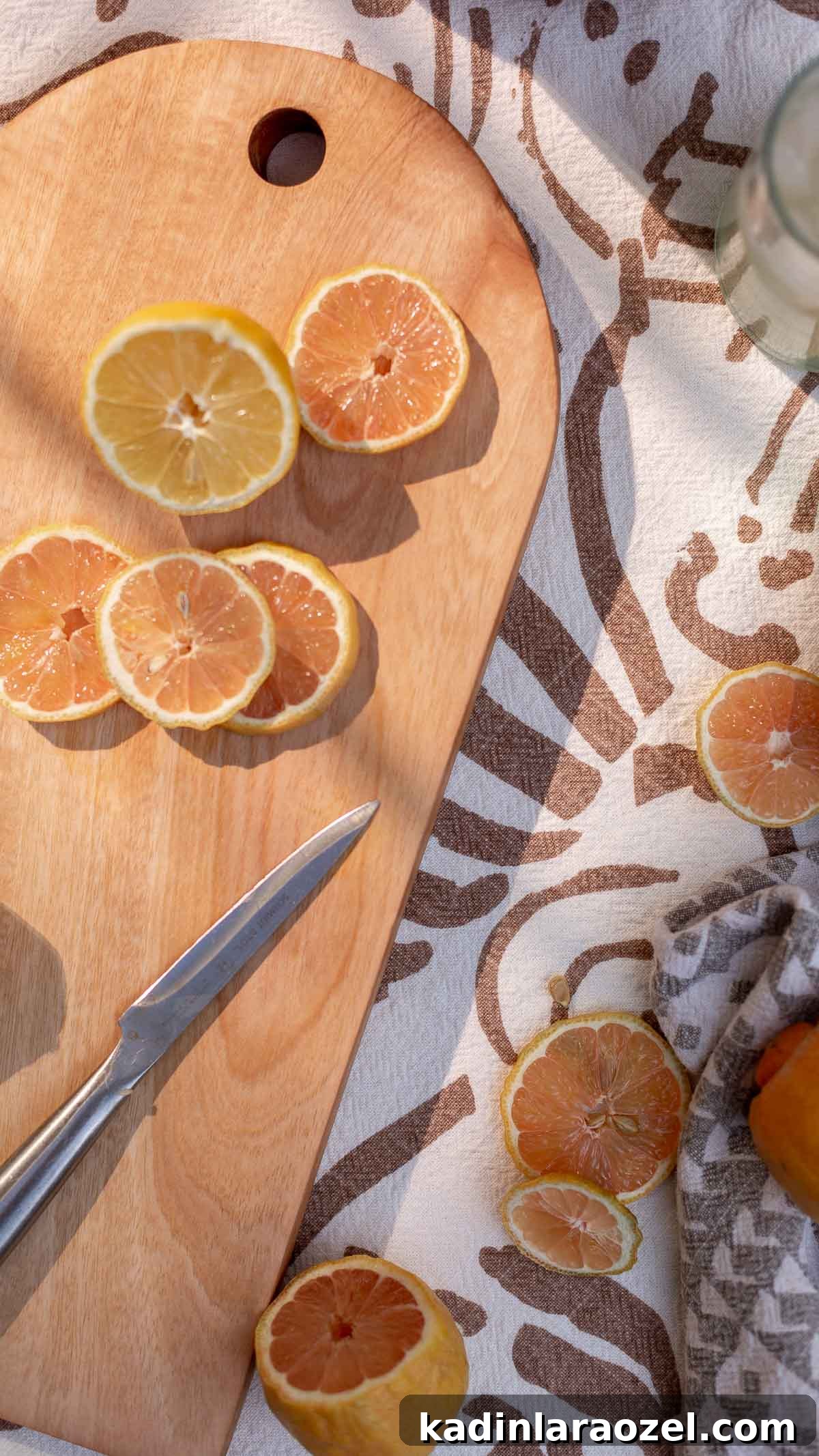
Want more serving board ideas? Consider these creative directions: try DIY cutting boards in interesting shapes, repurpose an inexpensive board into a custom piece, add a leather handle for a modern touch, or use a board in unexpected ways for summer entertaining.