Find the Perfect Plants and Planters for Your Home: 4 Tips
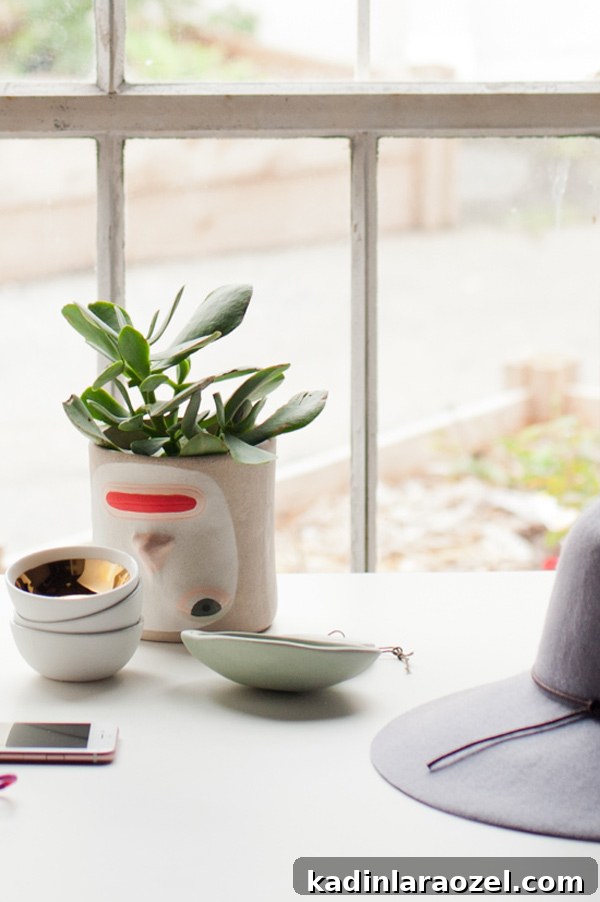
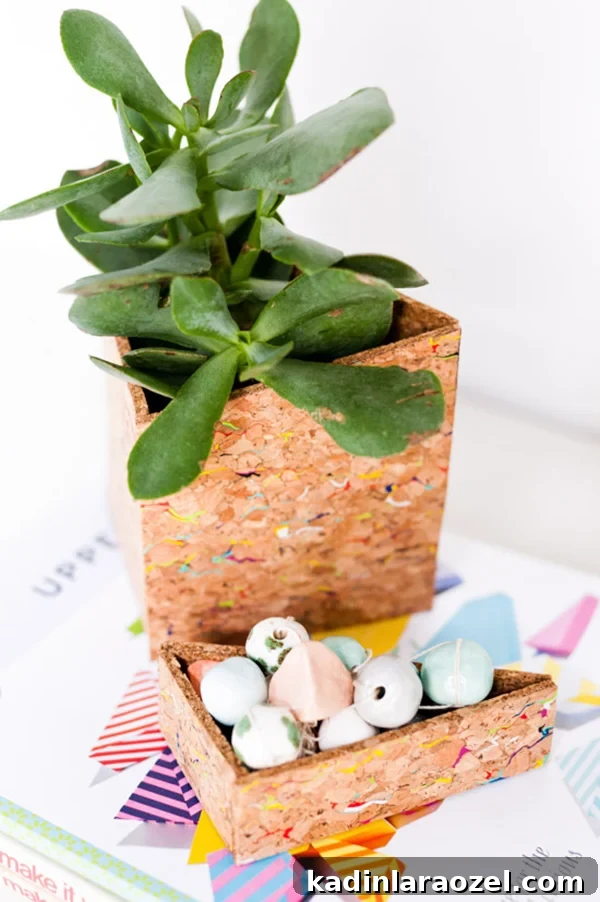
If you’ve seen photos of our home, you probably noticed I absolutely love plants. They bring warmth, texture, and life to any room — and they’re an affordable way to refresh your space. Over the years I’ve learned a few simple strategies for choosing the right plants and planters, and here are four practical tips to help you pick combinations that look intentional and thrive.
1) Choose the planter first, then pick the plant
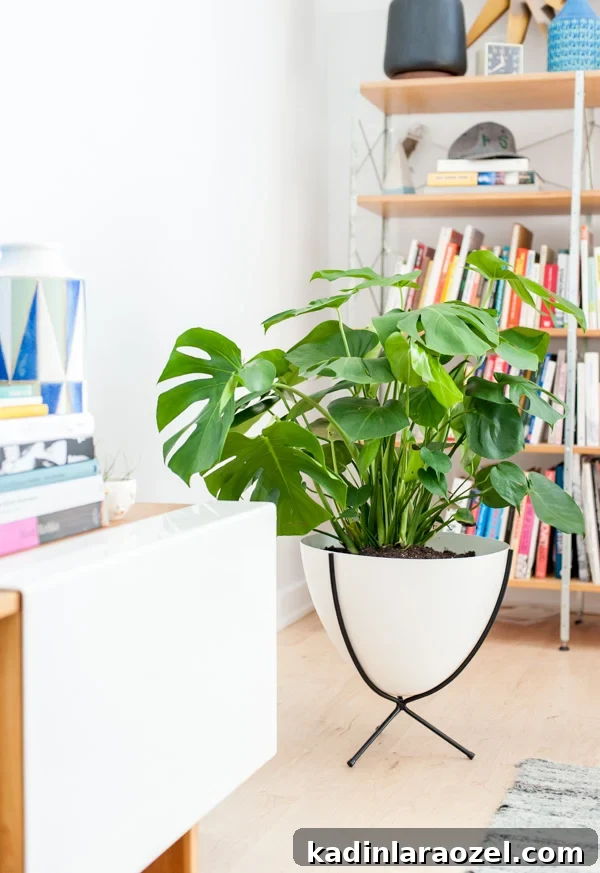
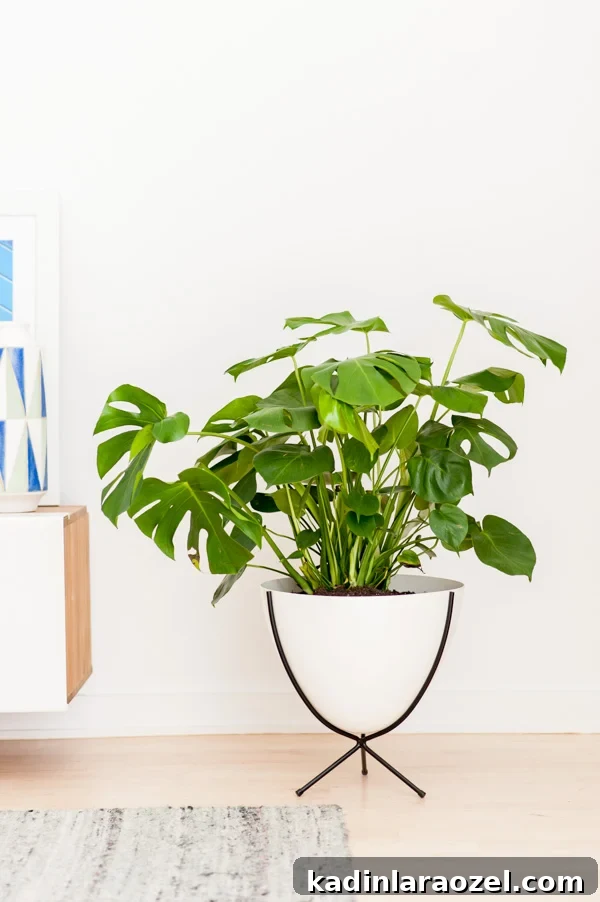
It’s common to buy plants and then hunt for pots that fit them, but that approach can limit your options. If you fall in love with a specific planter first, it’s usually easier to find a plant that complements its size and shape. Planters come in endless styles, and many plants will adapt to different containers, so starting with the pot helps you create a cohesive aesthetic without forcing a compromise.
For example, I adore the short bullet planter my mom gave us. Its shape accommodates most medium-sized houseplants and works well with many styles. I eventually moved it to my studio after learning philodendrons can be toxic to cats, but the planter itself is a great example of picking the vessel first and finding a plant to match.
2) Let the plant be the star
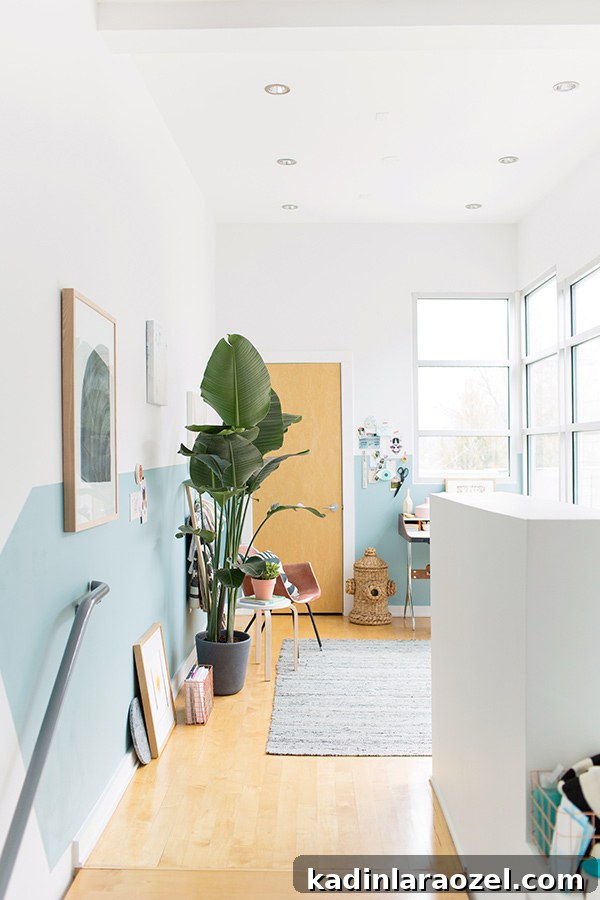
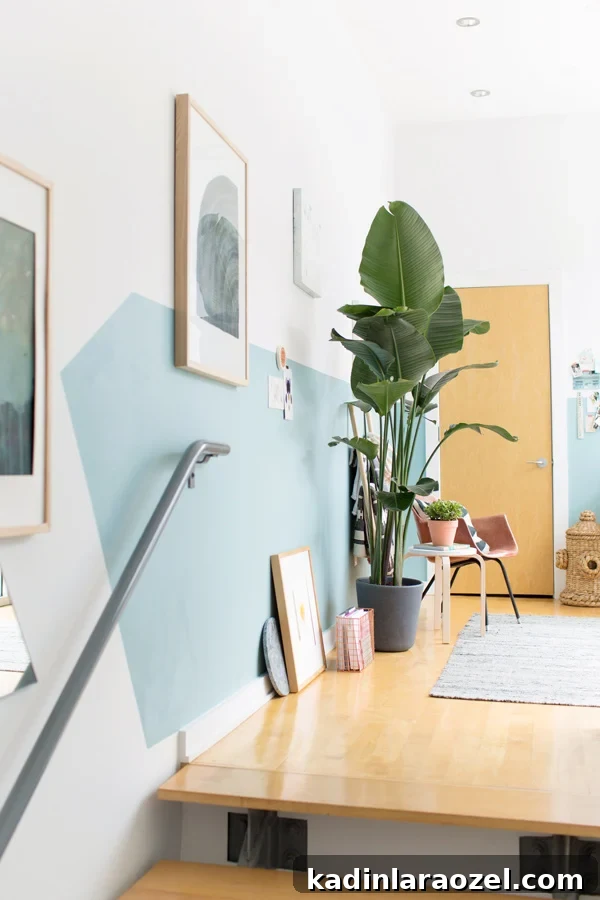
Sometimes the plant itself deserves the spotlight, especially if it’s a large specimen or an architectural indoor tree. In that case, a simple, inexpensive planter keeps attention on the plant’s shape and foliage rather than the container. This is an easy way to make a striking statement without spending a lot on decor.
For instance, I placed a tall plant with broad leaves in my home office and paired it with a plain, budget-friendly pot. The dramatic foliage became the focal point, while the understated planter quietly supported the look. It’s a cost-effective strategy that emphasizes the plant’s presence rather than the container’s design.
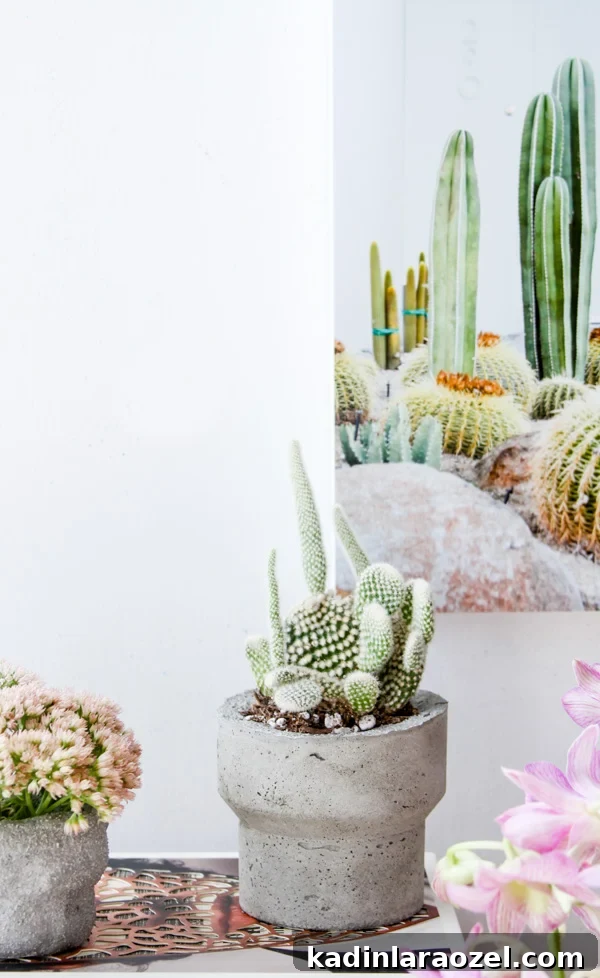
3) Keep it small and grouped
A grouping of smaller plants can be just as impactful as one large specimen when arranged thoughtfully. Clusters of three work particularly well on surfaces like coffee tables, shelves, or sideboards. Try to avoid overcrowding; three small planters in one area usually provide balance without overwhelming the space. If you already have other decor items nearby, even a single small plant can add the right touch.
Smaller groupings also allow for variety in texture and height, which creates visual interest. Mixing succulents, trailing plants, and a compact leafy specimen provides contrast and keeps the arrangement dynamic without feeling cluttered.
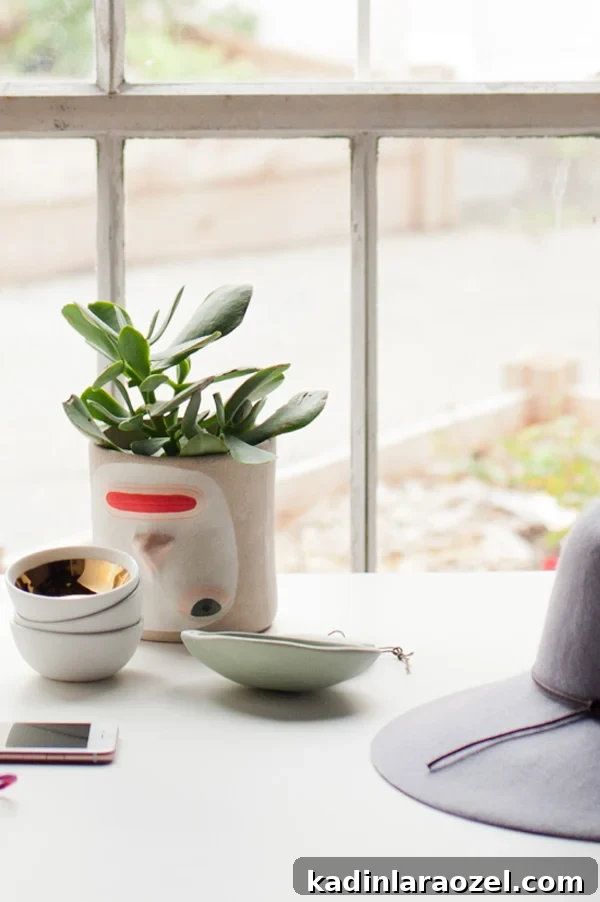
4) Let personality show through
Plants with unique shapes, unusual foliage, or expressive branches instantly inject character into a room. Look for varieties with interesting silhouettes or textured leaves if you want the plant itself to read as decor. Alternatively, choose a quirky or sculptural planter to convey personality while keeping the plant relatively simple.
I’m always on the lookout for unusual vases and containers that do double duty as art. A vessel with personality can transform even an ordinary plant into a conversation piece. Conversely, a plant with bold form can bring life to minimal containers and neutral interiors.
Office photography Kimberly Murray
Living room + studio photography Amelia Tatnall
All other photography Brittni Mehlhoff
Those four tips cover the basics of pairing plants and planters: pick a pot first to shape the look, let a plant be the focal point when appropriate, use small groupings for flexibility, and bring in personality through form or container. Plants refresh a space stylistically and sensorially, so choose combinations that reflect your style and the care you can realistically provide.
I’d love to hear how you incorporate plants into your home—do you prefer big statement pieces, small clusters, or quirky planters? Share your approach in the comments.
P.S. A quick note of celebration: Paper & Stitch was recently named one of the best design blogs for 2016 by Domino. It’s an honor to be included among so many talented creators.