Refresh Old Linens: DIY Bleaching Technique to Restore Whites
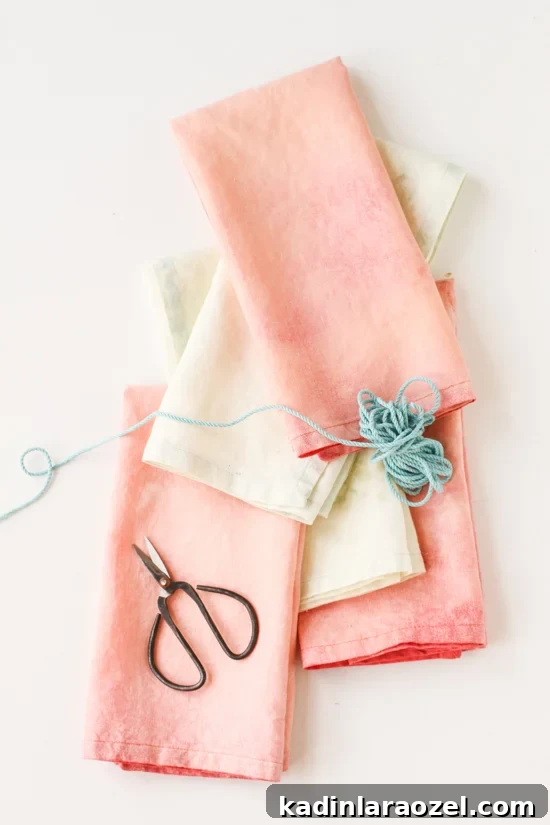
Have you ever bleached linen intentionally? It might sound like an accident, but bleaching can create subtle, beautiful results—and it’s very easy to do.
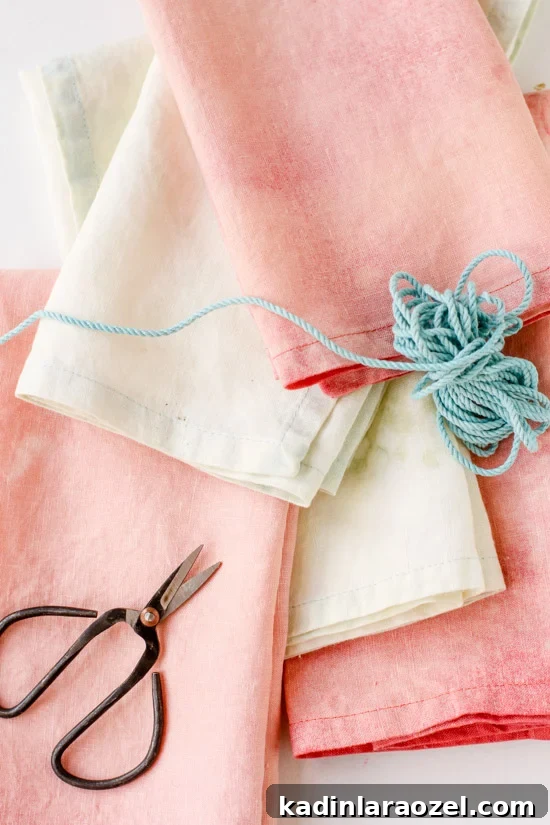
Sometimes a DIY experiment doesn’t go as planned. It happens often—projects get abandoned when the materials or method aren’t right. I recently had that experience with bleached aprons: I bought inexpensive aprons that didn’t absorb the bleach, so the technique failed.
Instead of giving up, I switched to linen napkins and the bleach worked beautifully. I used leftover colorful linen napkins from a workshop, and the results were exactly what I hoped for. Below is a simple, step-by-step guide if you want to try this subtle bleaching technique yourself.
The effect you’ll achieve with this method is different from dramatic tie-dye or full-on bleaching. It produces a delicate, acid-wash–style look—soft, understated, and slightly mottled. If you like that washed-out, vintage feel, this technique is perfect.
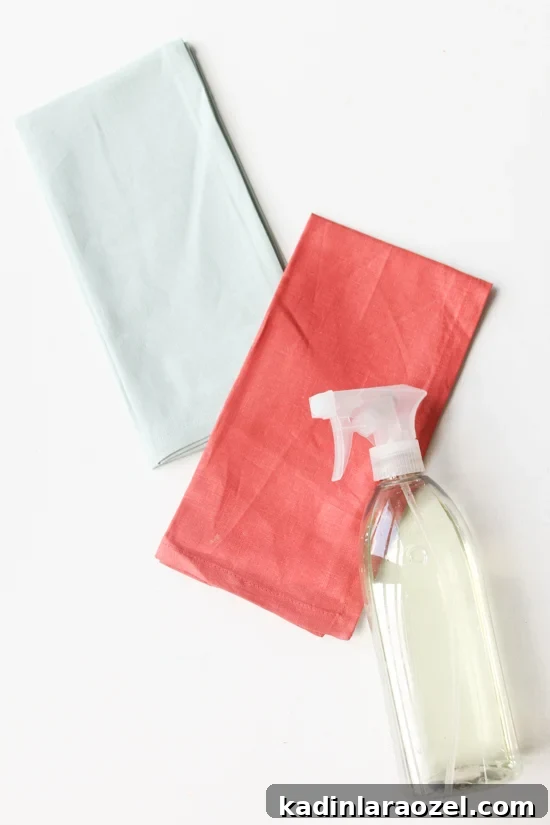
Materials for Bleaching Linen
– Colorful linen napkins (or any other textile)
– Bleach
– A spray bottle
– Rubber gloves
How to Bleach Linen
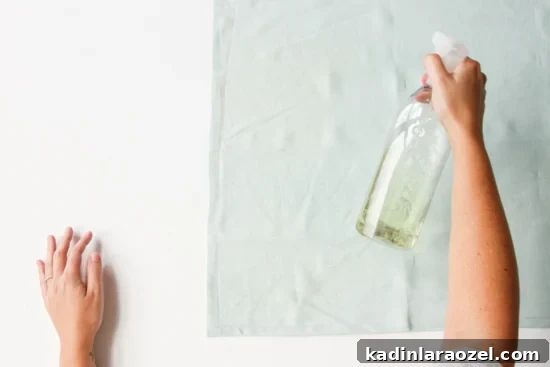
1. Pour a small amount of bleach into a clean spray bottle. You don’t need a large quantity—just enough to mist the surface.
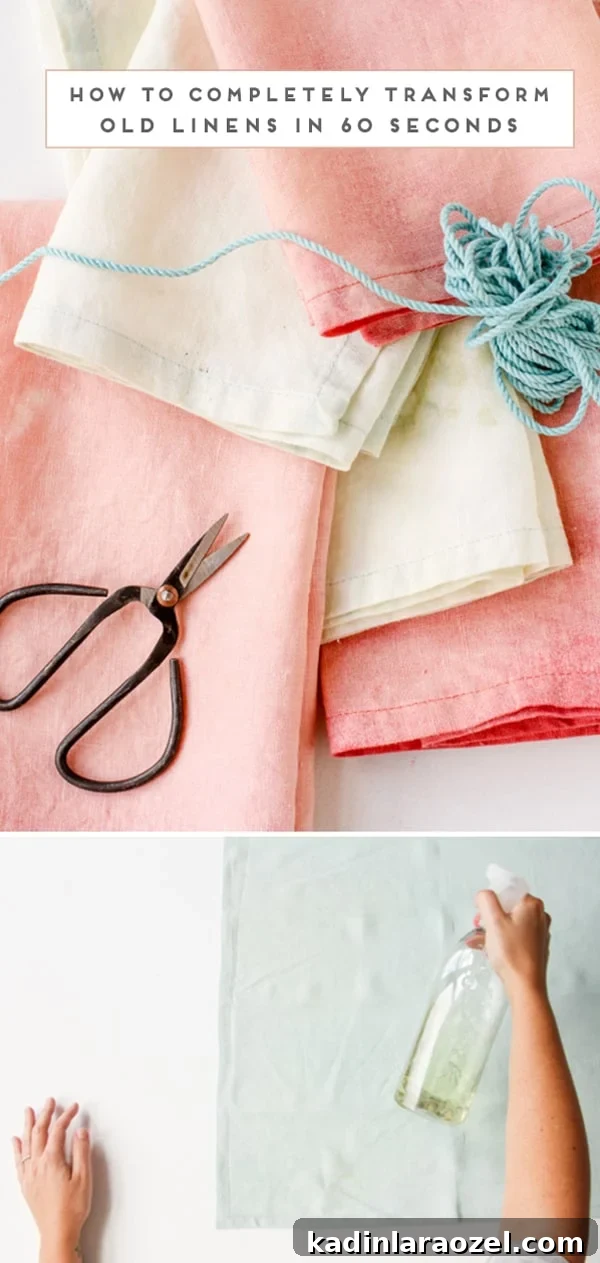
2. Put on gloves. Lay the napkin flat and spray bleach directly onto areas you want to lighten. You can mist lightly for a subtle change or spray more heavily for stronger contrast. The color will begin to lift almost immediately on some fabrics.
On my linen napkins, the color started to fade in about 15 seconds. The speed of the reaction varies by fiber and dye type—cotton, linen, and blends will behave differently.
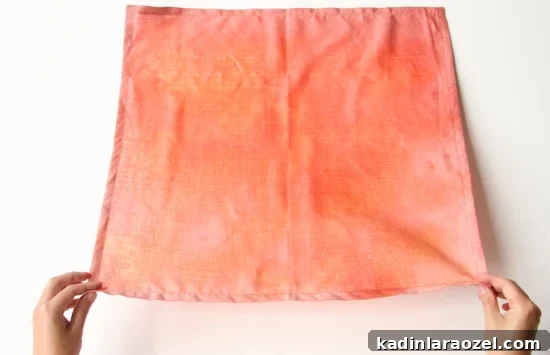
3. As soon as the color has lifted to your liking, rinse the entire napkin thoroughly under running water for at least 60 seconds to remove any residual bleach. Wring out excess water, then dry according to the fabric’s care instructions—tumble dry or line dry. Finish with an iron if you prefer a crisp look.
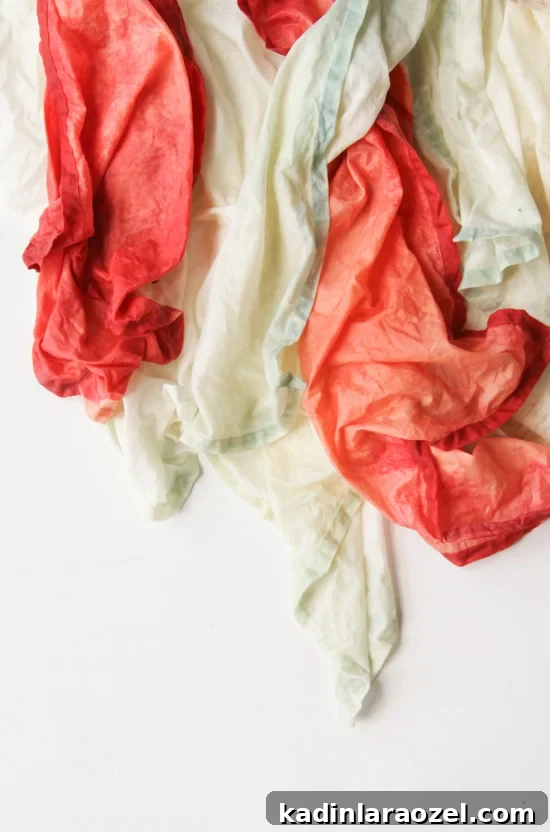
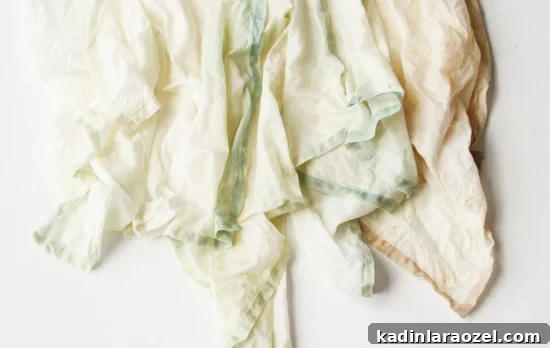
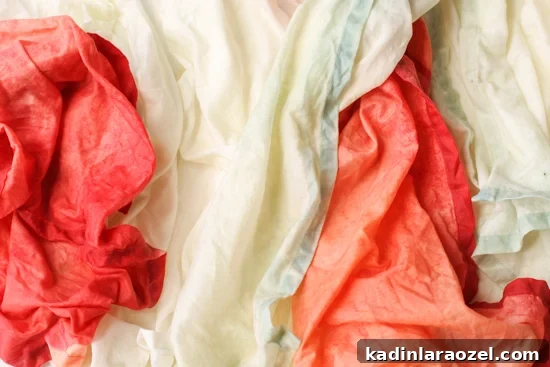
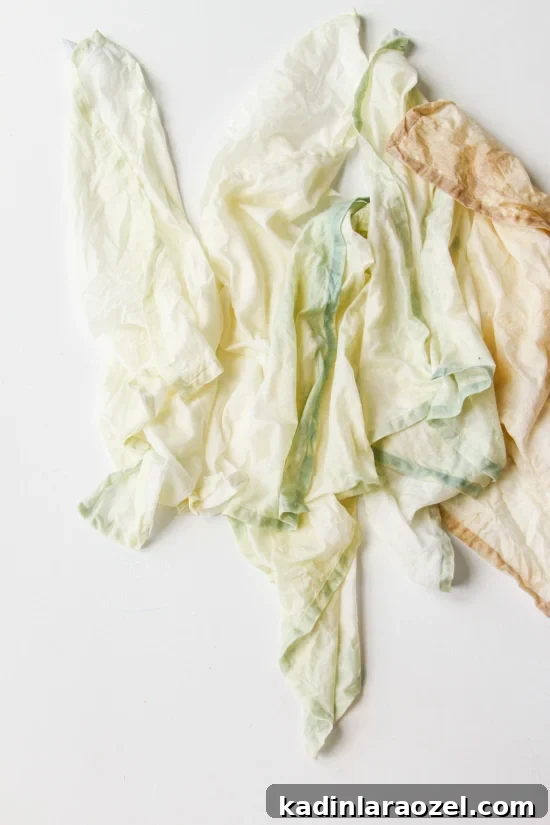
It’s a quick, very doable process. Here are photos showing the napkins after bleaching and washing but before drying—colors often appear more saturated while fabric is still wet.
What kind of color change can I expect?
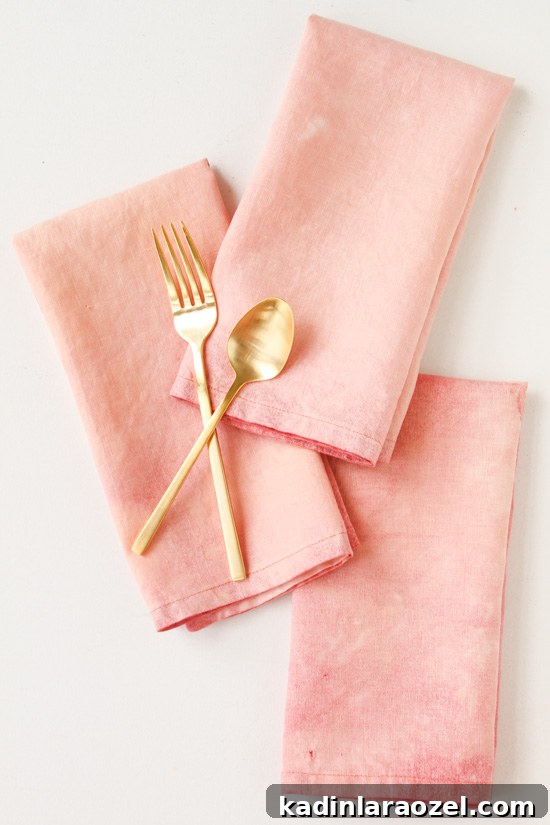
After rinsing and running the napkins through the dryer, the final colors become clearer. Wet fabric often looks more intense, so drying and pressing reveal the true result.
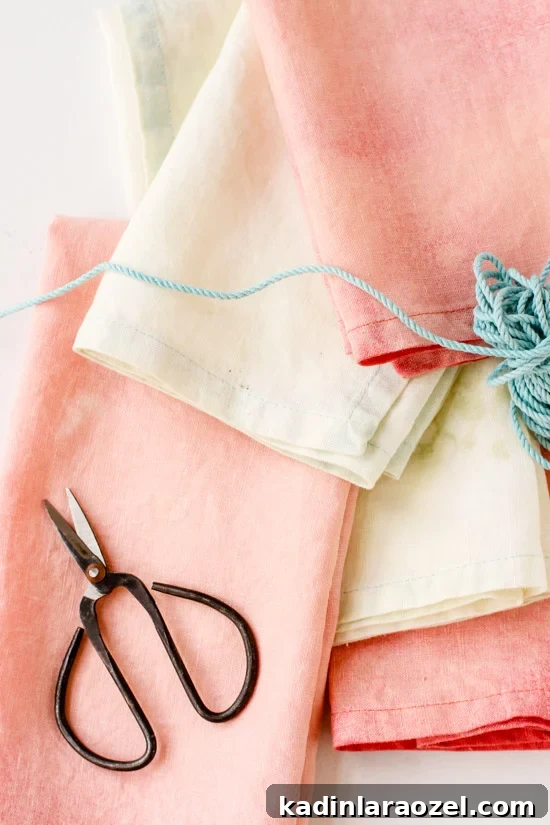
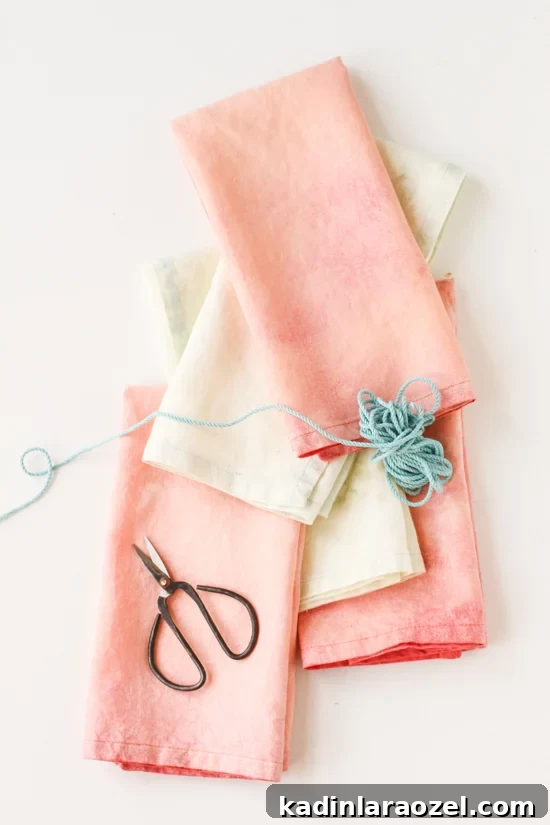
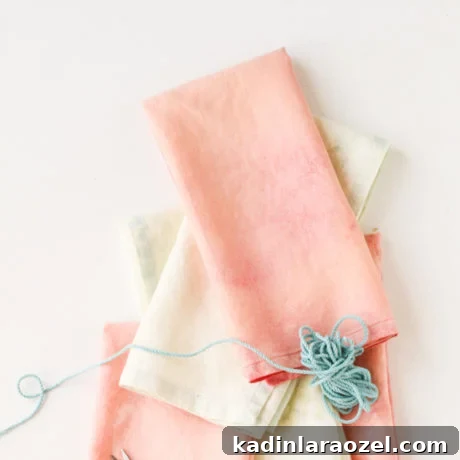
On the mint napkins I bleached, some areas turned white or off-white depending on how long the bleach sat. In places, faint greens and blues remained near edges or seams, creating depth. Terra cotta red napkins faded to a delicate pale pink with a soft acid-wash pattern.
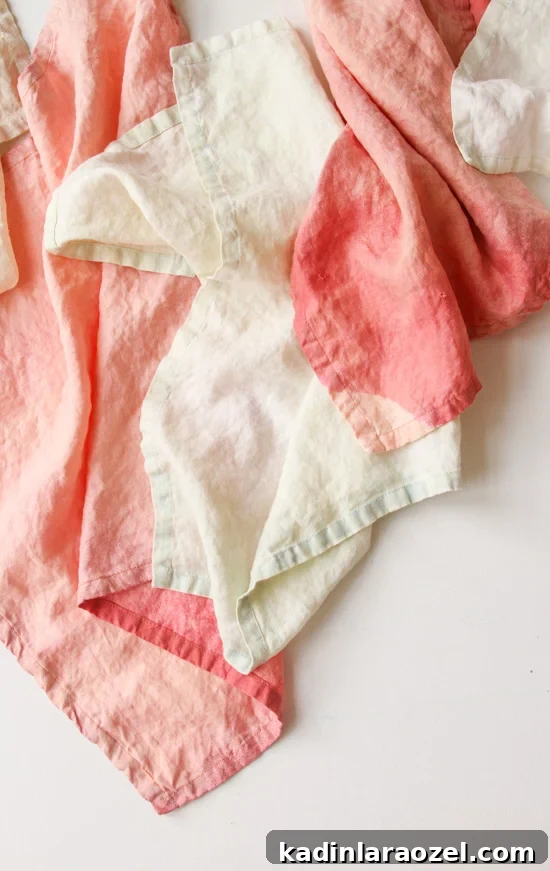
Ironing the napkins after they’re dry makes a big difference: colors settle and the texture looks polished.
How to Bleach Linen (and Other Textiles)
Brittni
Ingredients
- Colorful napkins or another textile
- Bleach
- Spray bottle
Instructions
-
Pour a small amount of bleach into a spray bottle.
-
Put on gloves and spray the bleach onto the surface of a colorful napkin.
-
Watch the color lift—some textiles will react within seconds, others may take longer.
-
Rinse the napkin thoroughly under running water for at least 60 seconds to remove all bleach. Wring out excess water, dry, and iron as desired.
Notes
Mint tones may shift to white, off-white, or faint green-blue hues at the edges. Rich reds and terracotta shades can soften to pale pinks with an acid-wash look.
Did you make this?
Share your version on social media and tag the creator if you’d like to show your result.
Photography and styling by Brittni Mehlhoff
Which do you prefer? Do you like the saturated, even color before bleaching, or the softer, more organic look after? Both styles have their charm—bleaching simply gives you another way to refresh and personalize your linens.