Reupholster an Ottoman for a Kid’s Room: Step-by-Step Guide
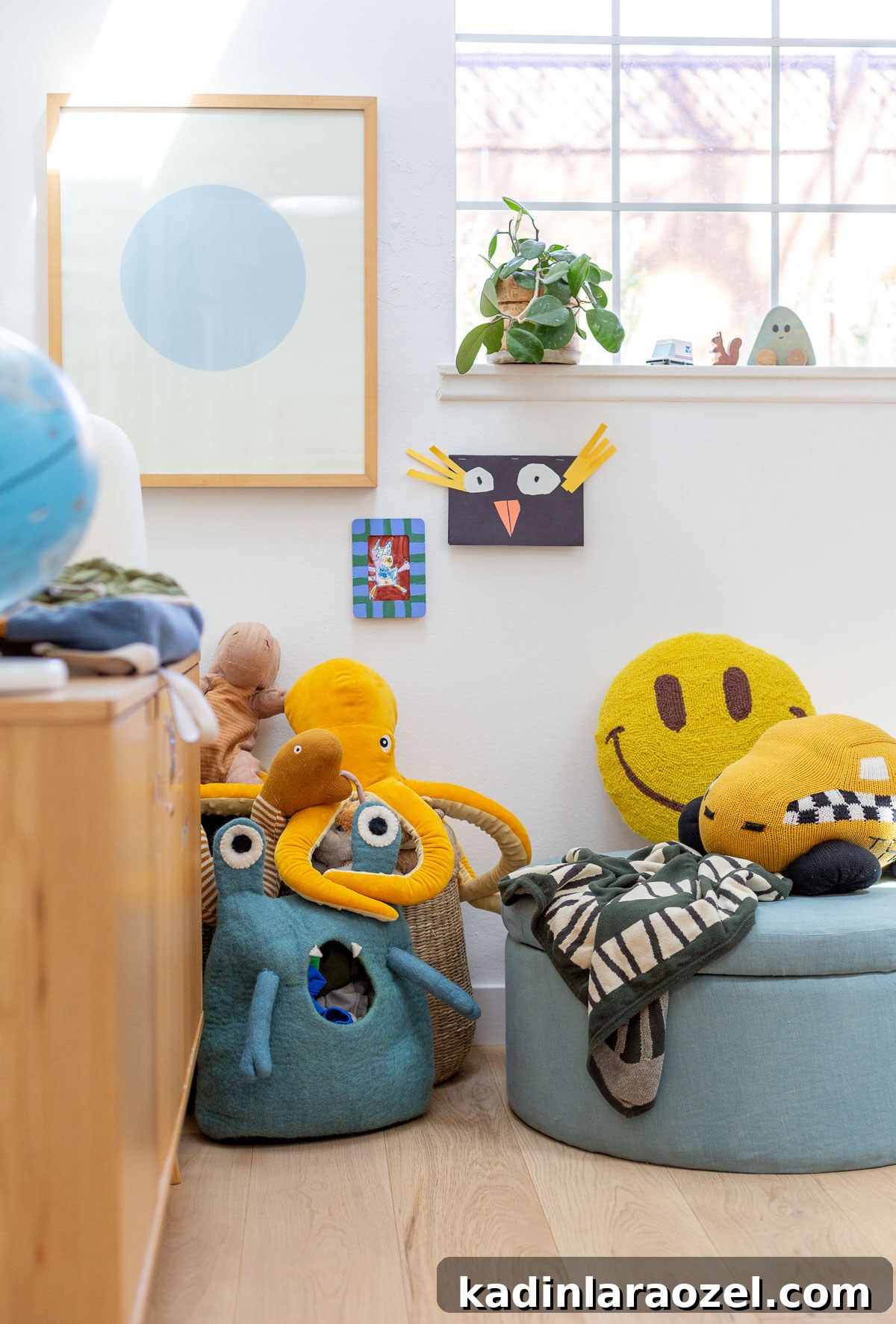
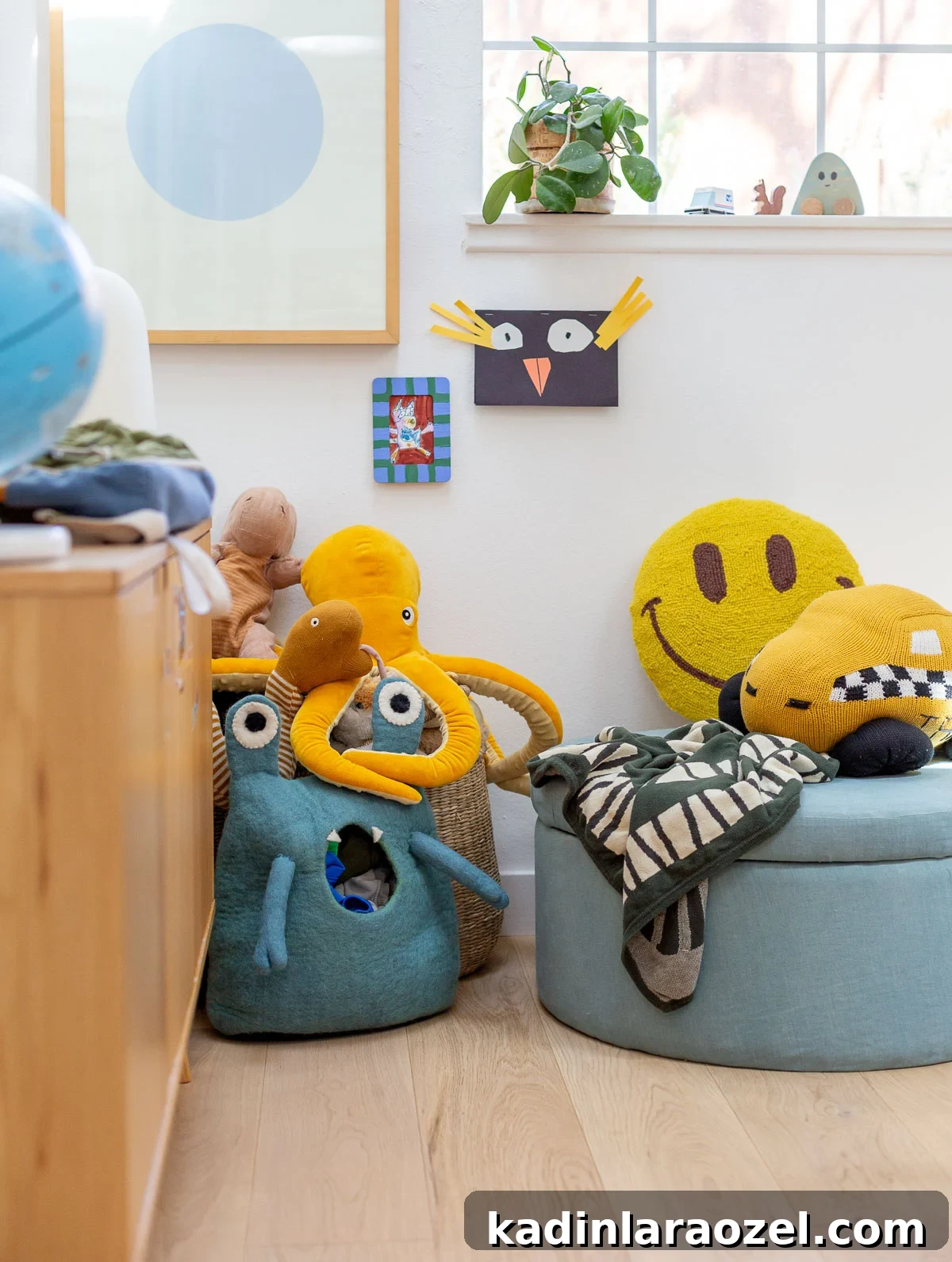
I owned a white boucle storage ottoman for several years, and with a child and a dog it had become noticeably stained and worn. When I moved it into my son’s room to serve as both seating and toy storage, I decided to refresh it by reupholstering the piece.
The round shape made this project a bit more challenging than my previous upholstery work, but it was entirely doable in an afternoon. I used what I had on hand when possible, and the result feels fresh and functional for a child’s room.
Below I walk through the steps I followed to reupholster the round ottoman, from patterning the lid to stapling the base fabric in place. If you’re considering repurposing an existing piece, this approach can help you get a neat, practical finish without hiring a professional.
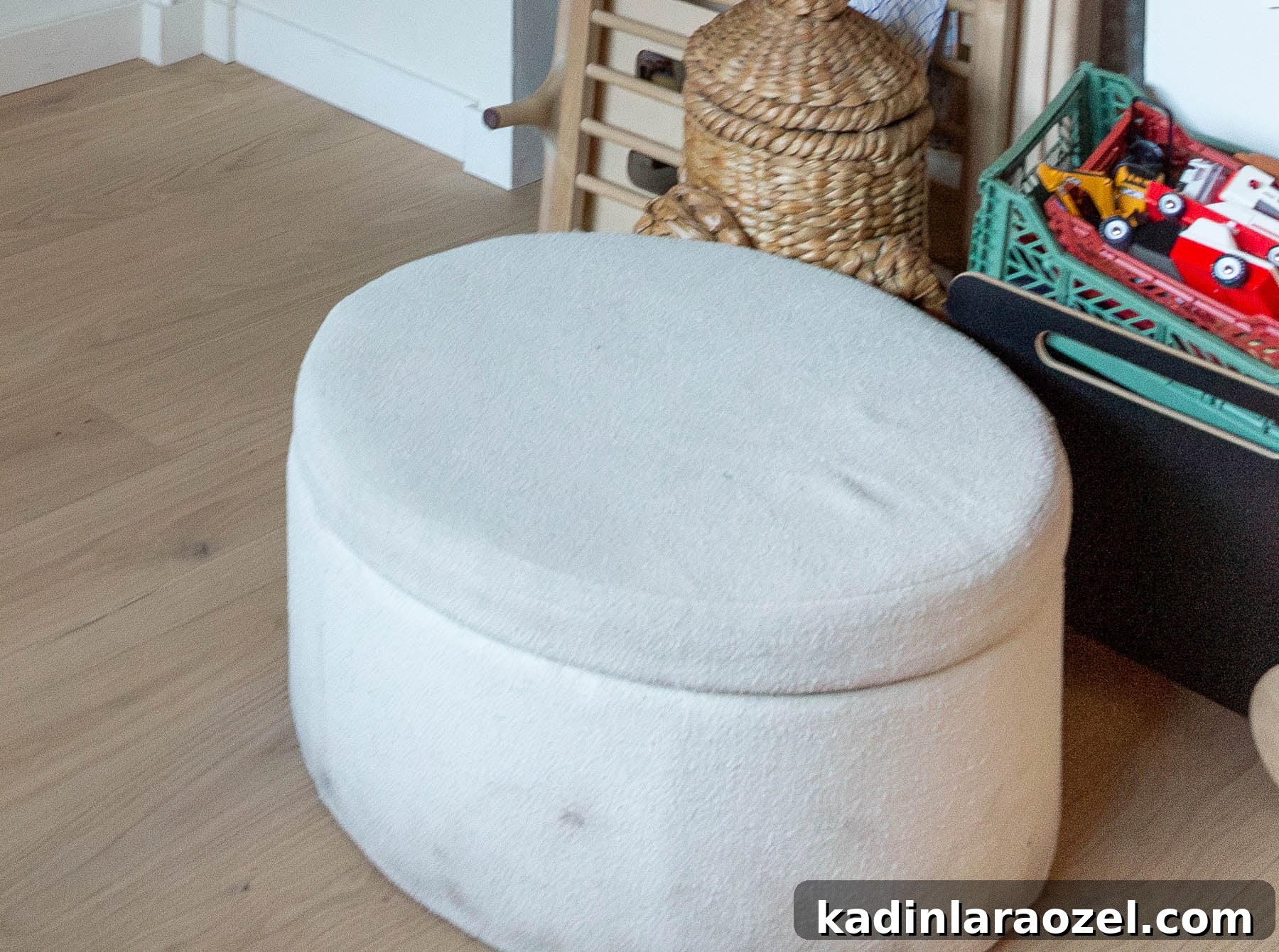
Before starting, here’s the ottoman as it looked: stained around the lower edge and generally tired in appearance, but still structurally sound and perfectly useful with a little attention.
Reupholstering a round ottoman
I adapted a technique similar to previous DIY storage ottoman projects but focused on the circular shape and used a staple gun for much of the assembly. The materials and tools I used included fabric (I used linen scraps), a sewing machine, straight pins, an iron, and a heavy-duty stapler.
Begin by pressing your fabric so it’s smooth—this applies to both the lid cover and the fabric for the base. Using well-pressed fabric makes fitting and stapling much easier and reduces puckering.
Sewing the round lid cover
1. Rather than stripping the original fabric off the lid, I traced around the ottoman to create a circular pattern, leaving a half-inch seam allowance all the way around. Tracing on top of the existing lid avoids removing the old fabric while giving you an accurate size for a new cover.
2. Cut the traced circle including seam allowance. Fold the circle in half twice and trim the edge slightly so the shape is perfectly round after unfolding.
3. For the skirt of the lid, cut a strip of fabric that is taller than the finished height by about 2.5 inches. I intentionally left extra width so there would be enough material to pull under and staple securely. If your fabric isn’t long enough, join two strips by sewing their ends together before continuing.
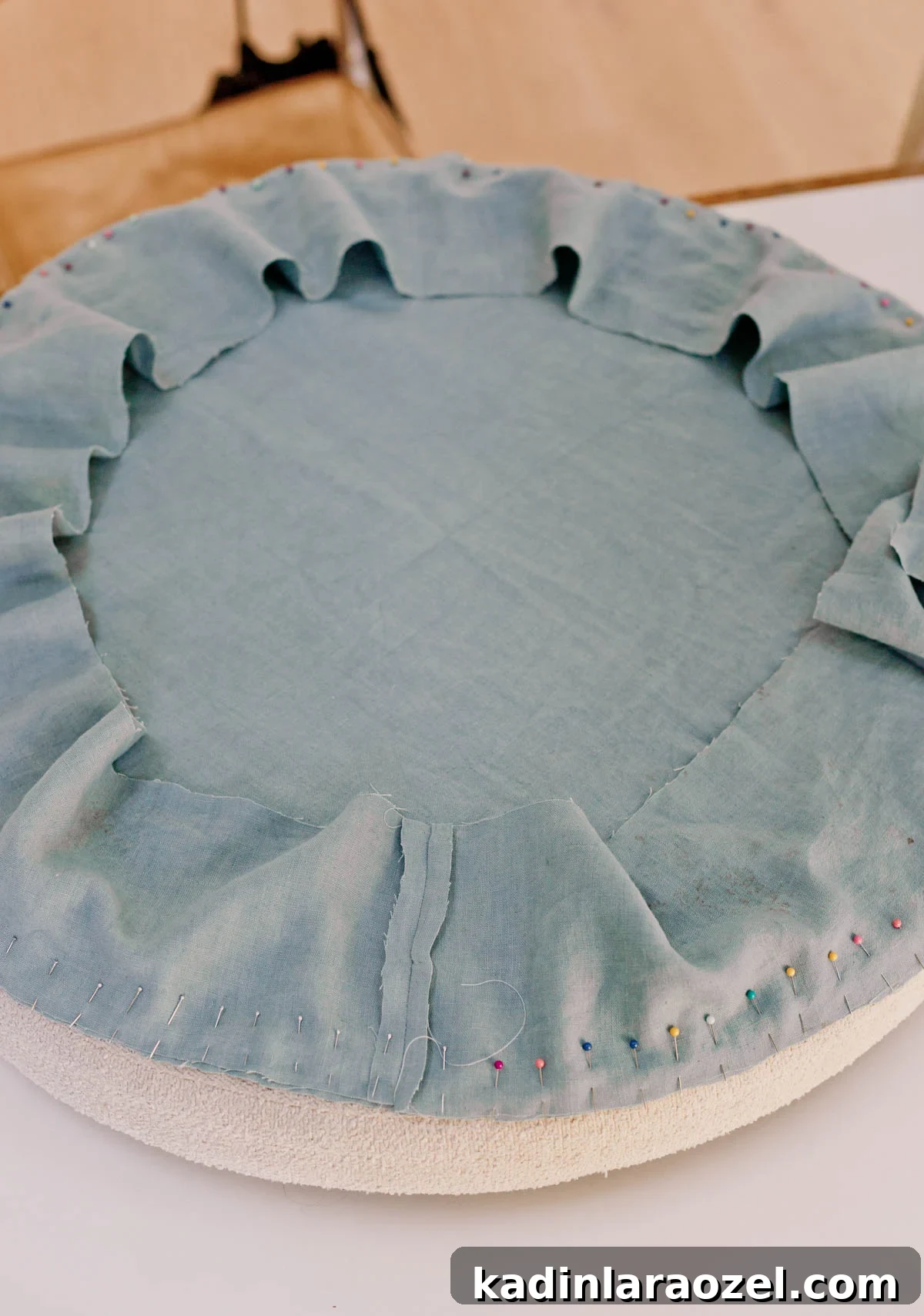
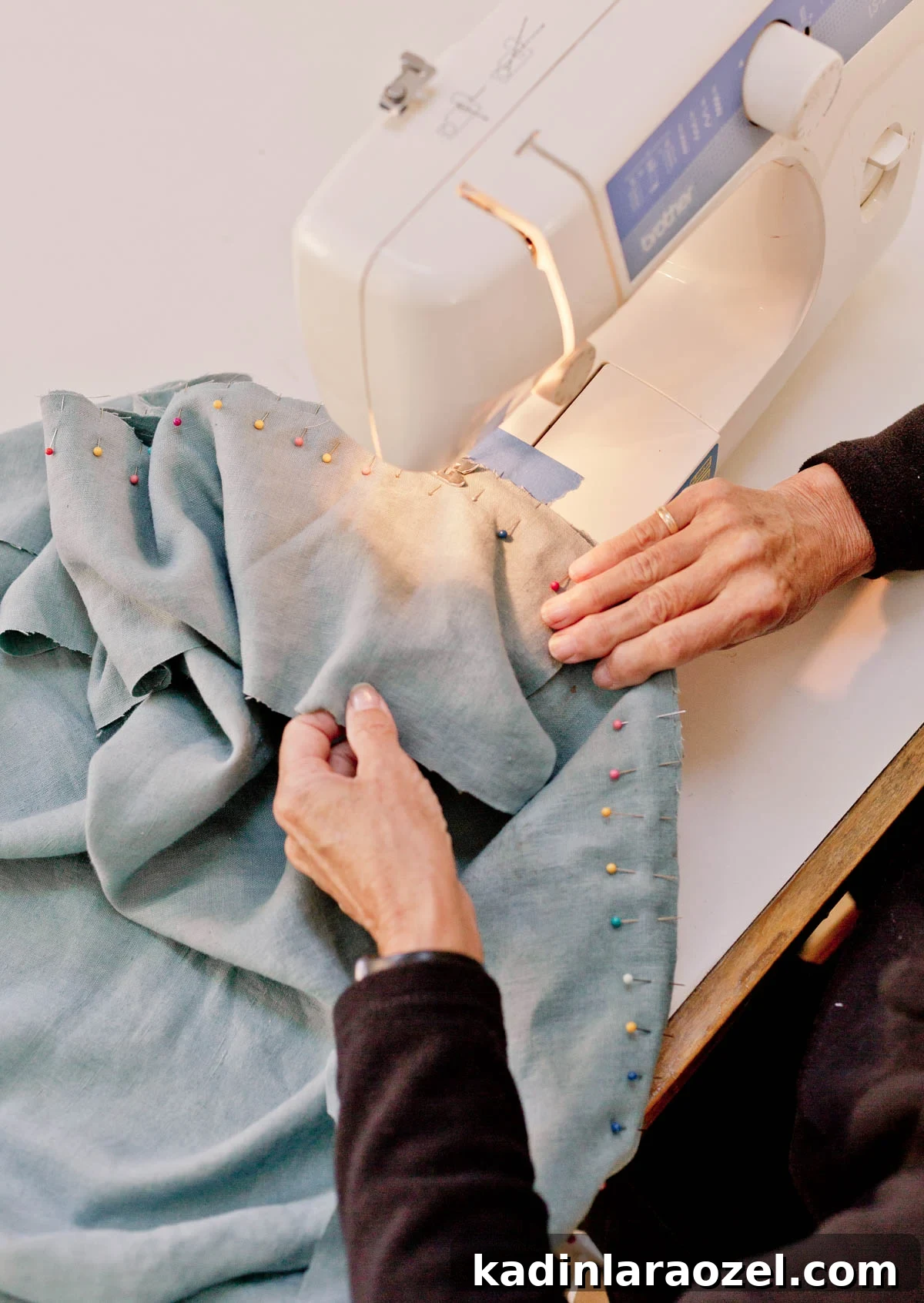
4. Pin the right sides of the circle and skirt together (right side to right side) around the perimeter, using plenty of pins to prevent puckering as you sew.
5. Sew the circle and skirt together with a half-inch seam allowance. A sewing machine with a presser foot around that size helps maintain a consistent seam allowance, but you can use any guide you prefer.
6. Fit the sewn cover over the lid to check the alignment and mark where the skirt ends meet. Remove the cover and sew those ends together so the skirt forms one continuous band.
Attaching the lid cover
1. Press the seam flat with an iron and position the cover on the ottoman lid.
2. I found an existing backing fabric under the lid, so I removed a few staples from that backing to access the underside and create a place to attach the new cover securely.
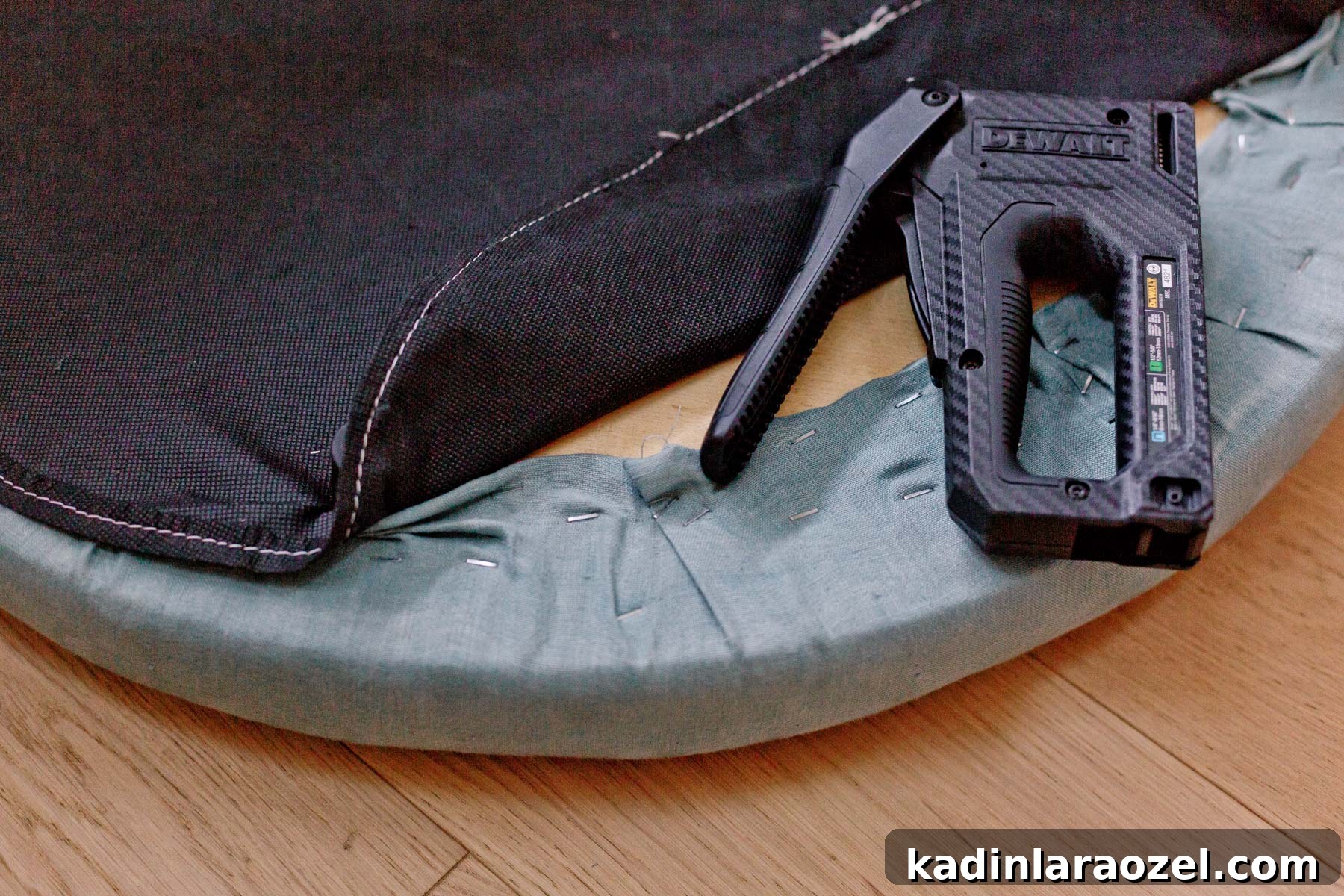
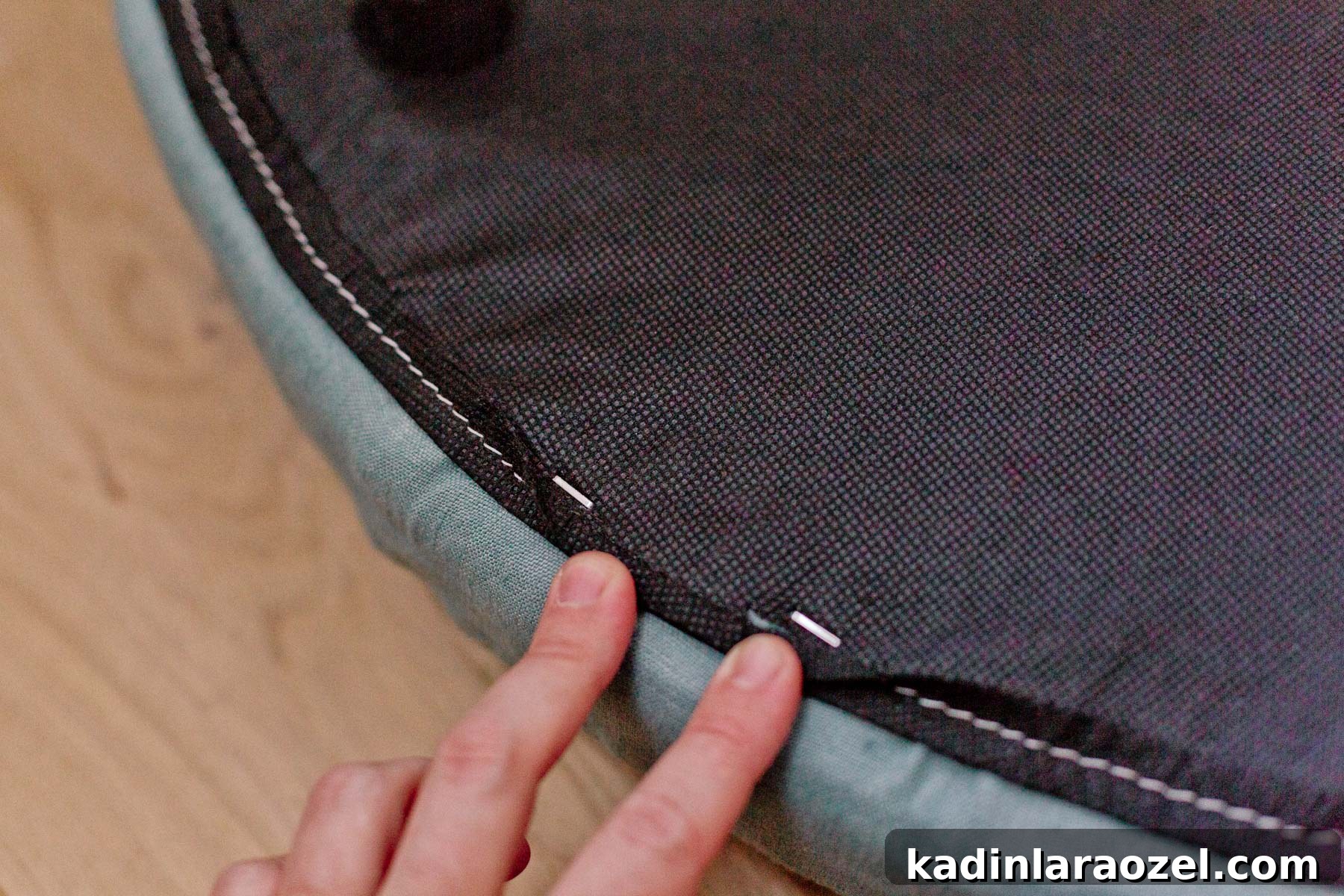
3. Pull the fabric taut and staple it to the underside of the lid. I positioned the staples so they are hidden beneath the lip of the backing fabric, keeping the underside neat and concealing the hardware from view.
Recovering the bottom of the ottoman
1. Measuring carefully is key. Measure the circumference and height of the base and add extra inches on every side—about 3–4 inches—to allow enough fabric to wrap into the inside and underneath for stapling.
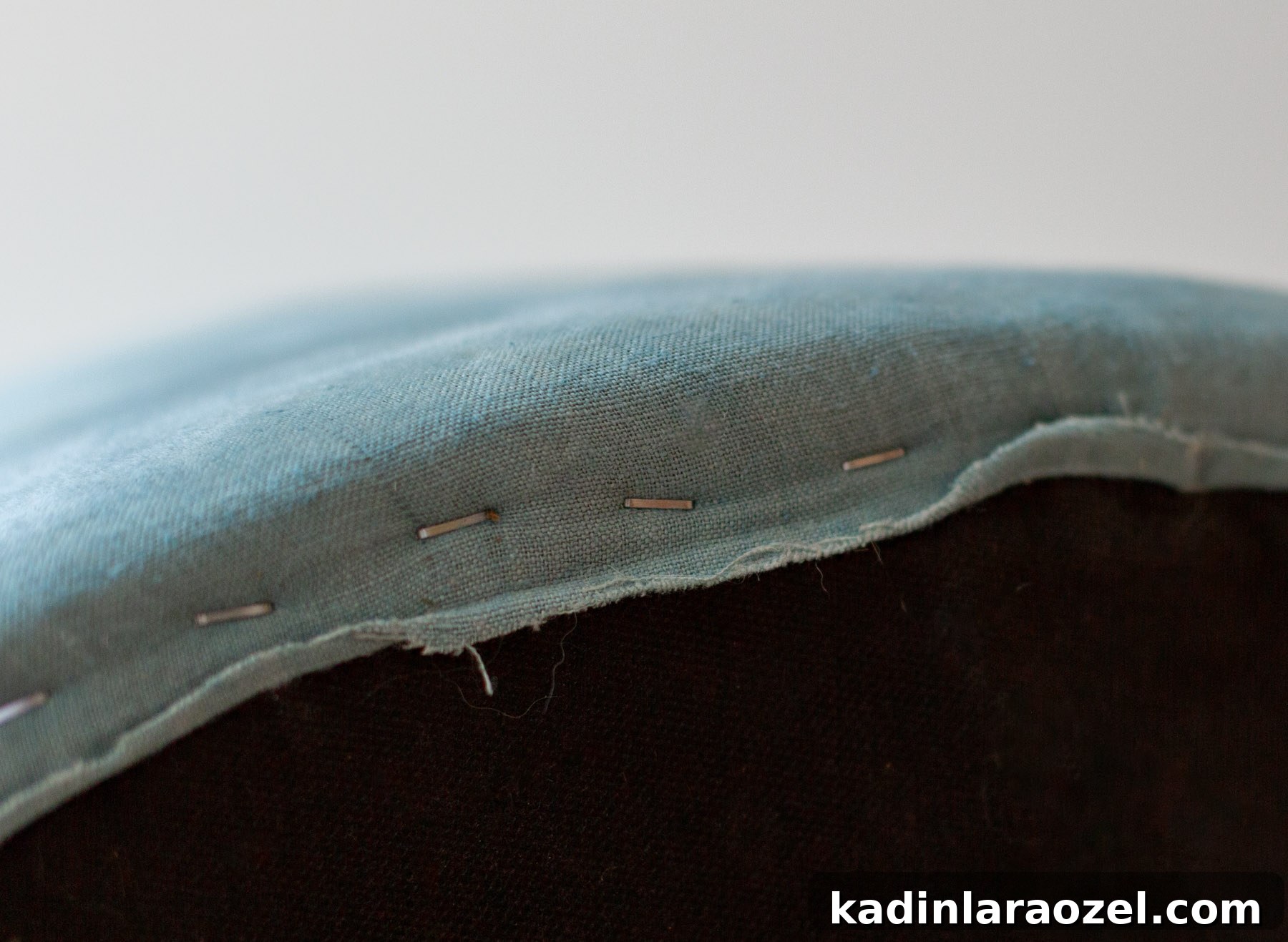
2. Drape the cut fabric over the base so you have a couple of inches at the bottom to wrap and staple underneath. Make sure the remaining material is long enough to reach into the interior sides if you plan to cover them. I left the very bottom interior of the base as-is because I didn’t have enough fabric to cover that area.
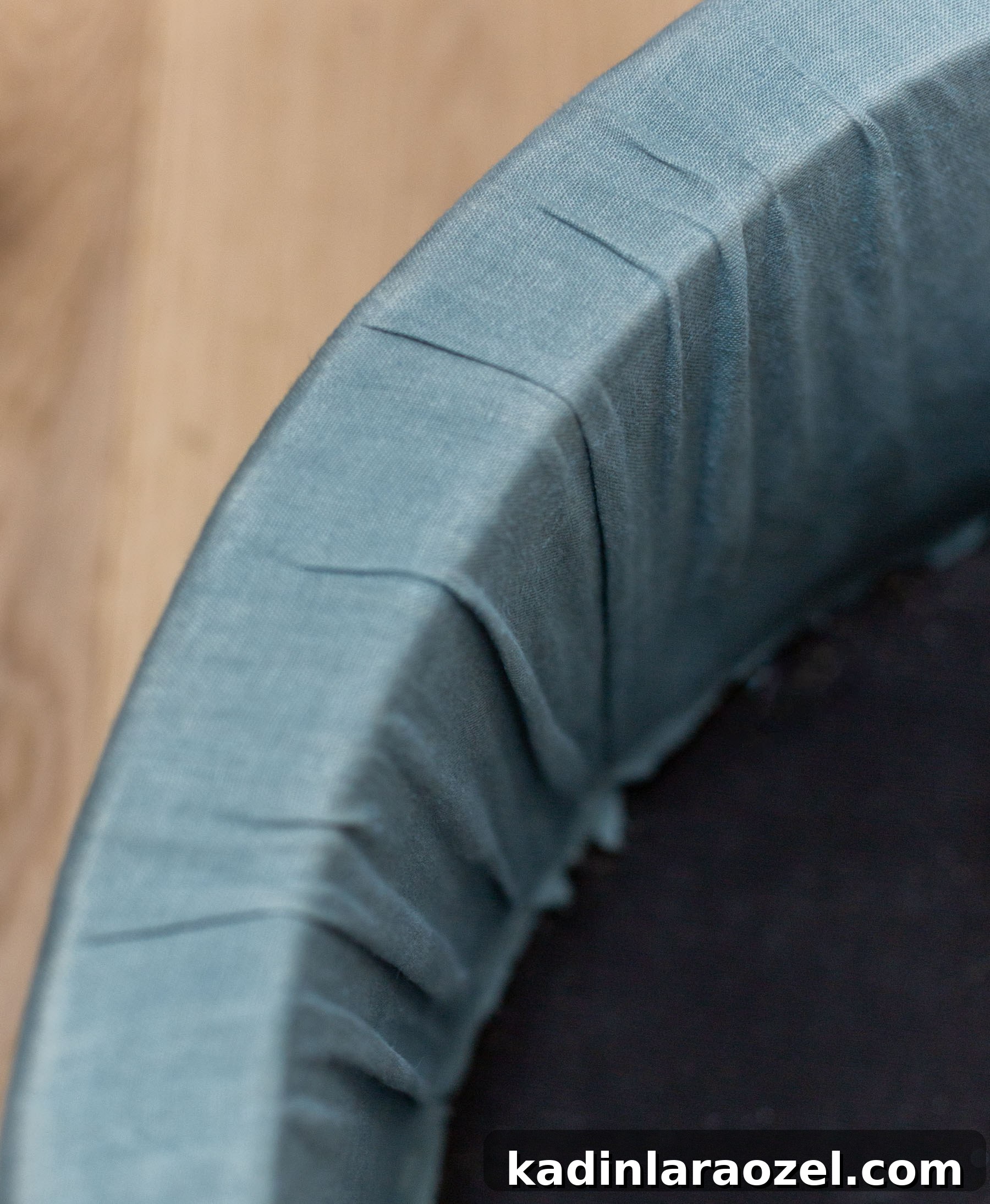
3. Starting at the underside, pull the fabric tight and staple it every inch or two around the bottom rim. Continue pulling and stapling as you wrap the fabric over and into the inside edge to achieve a smooth exterior. Small folds or slight bunching near the interior rim are normal when using excess fabric; they are mostly concealed when the lid is in place.
This won’t look like a factory upholstery finish, but with careful pulling and stapling you can achieve a tidy, durable result suitable for everyday use.
4. For extra strength, hand-stitch the outer seam where the two ends meet on the outside of the base to secure them and keep the fabric edges aligned.
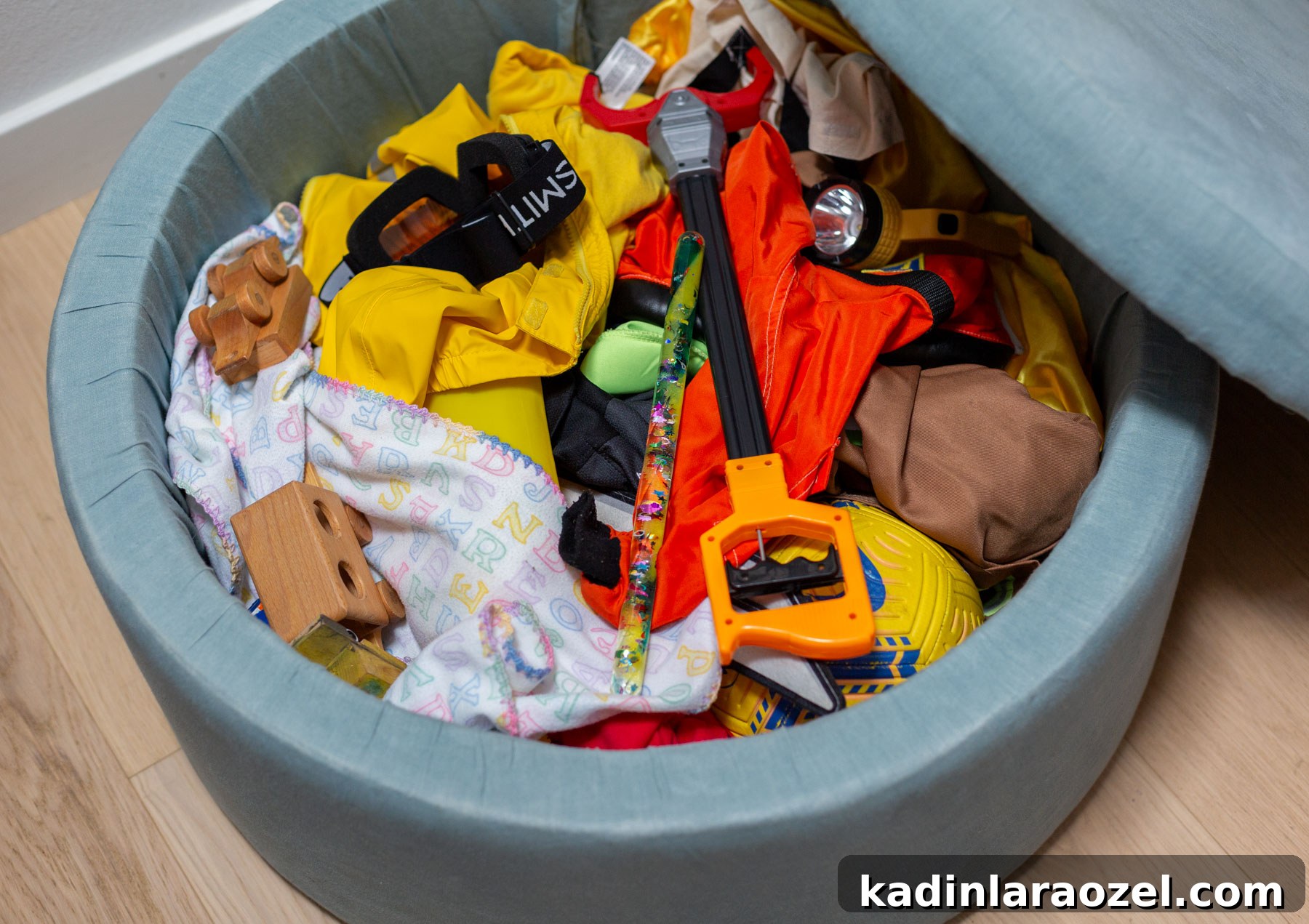
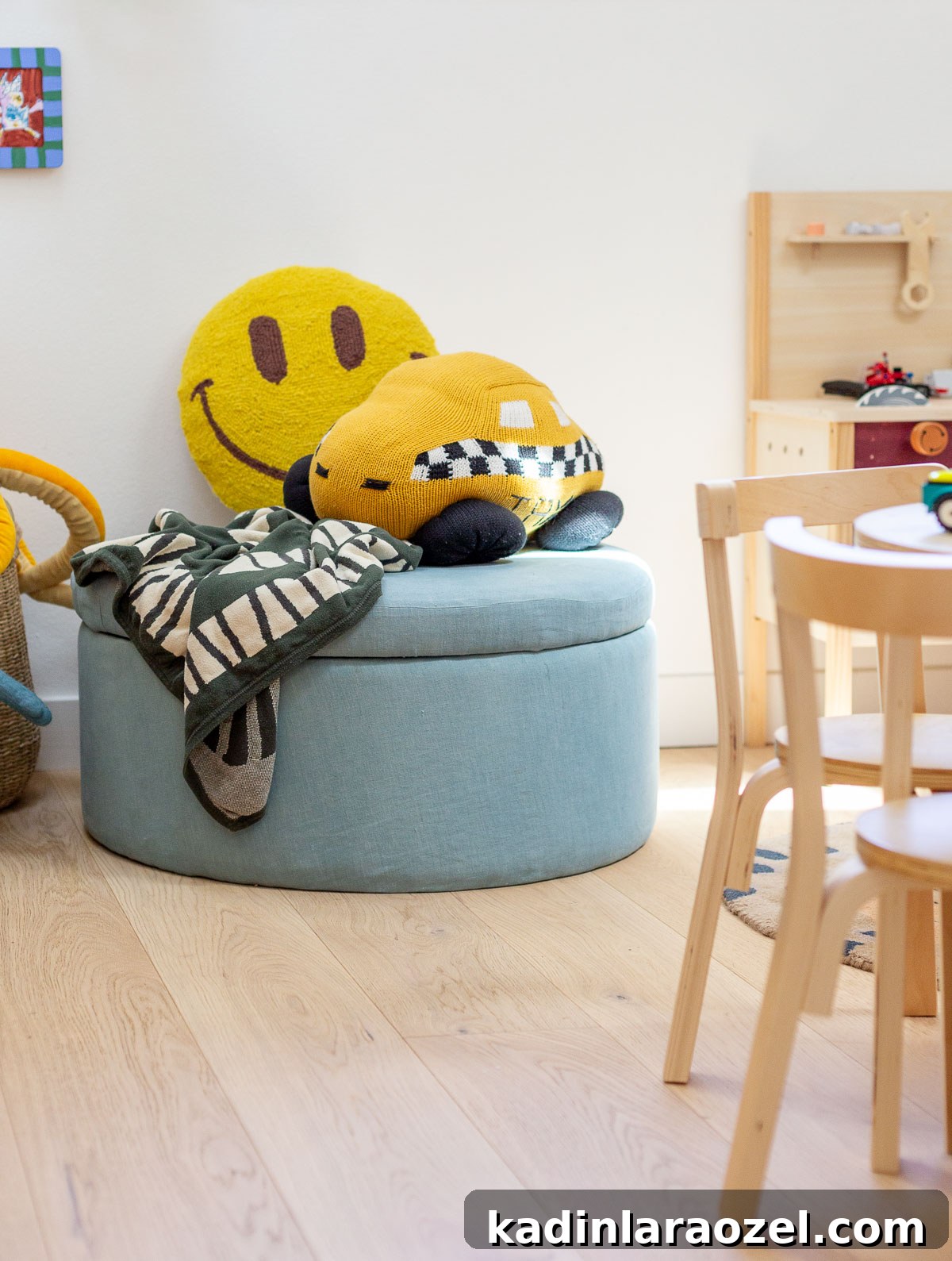
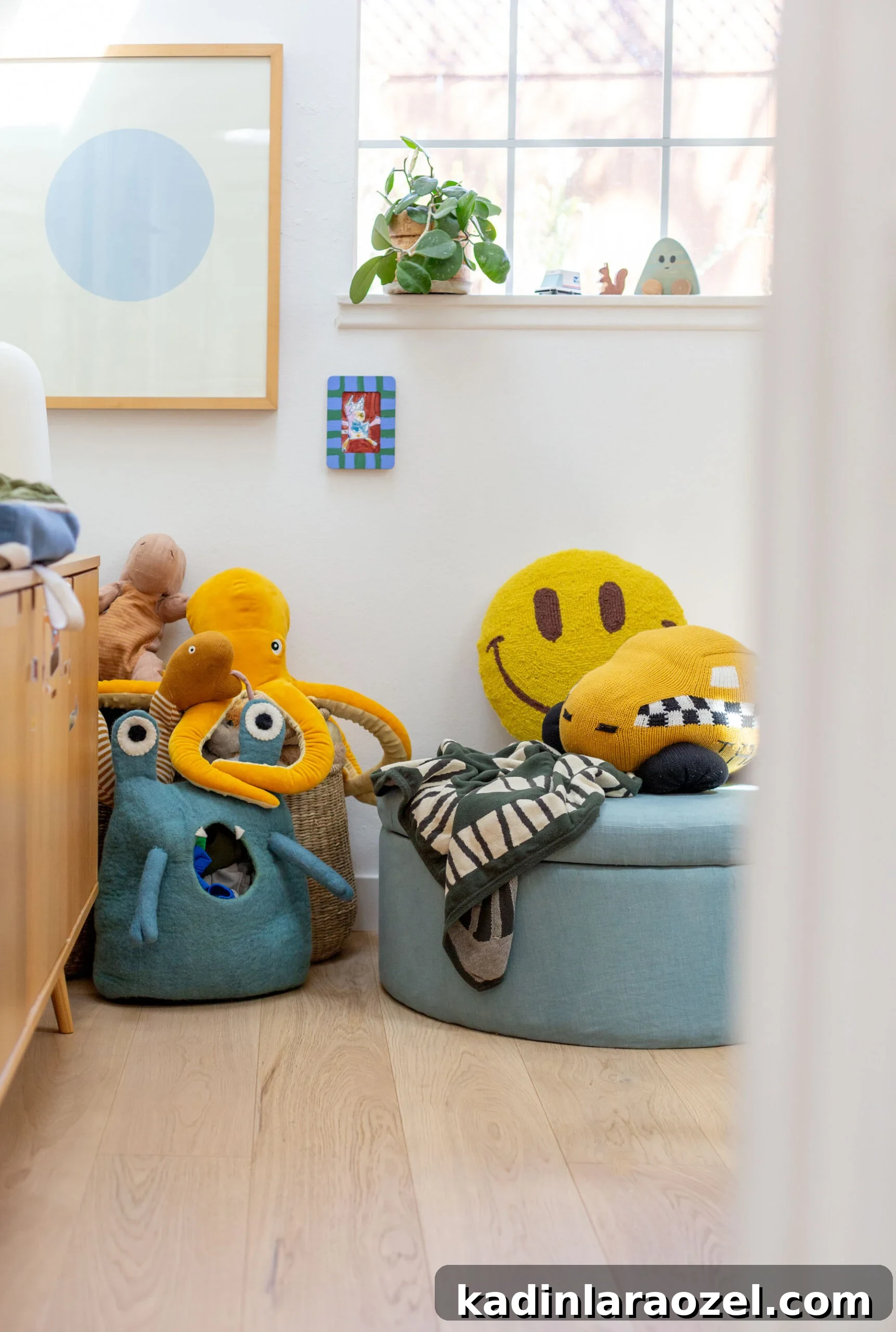
And that’s the finished project. It’s not a perfect professional job, but it’s practical, attractive, and keeps the ottoman useful rather than sending it to a landfill. For our family it serves as excellent toy storage and makes room clean-up effortless—fill it, close the lid, and the room looks tidier instantly.