DIY Fabric Bowls from Scraps: Paper-Mâché Style Tutorial
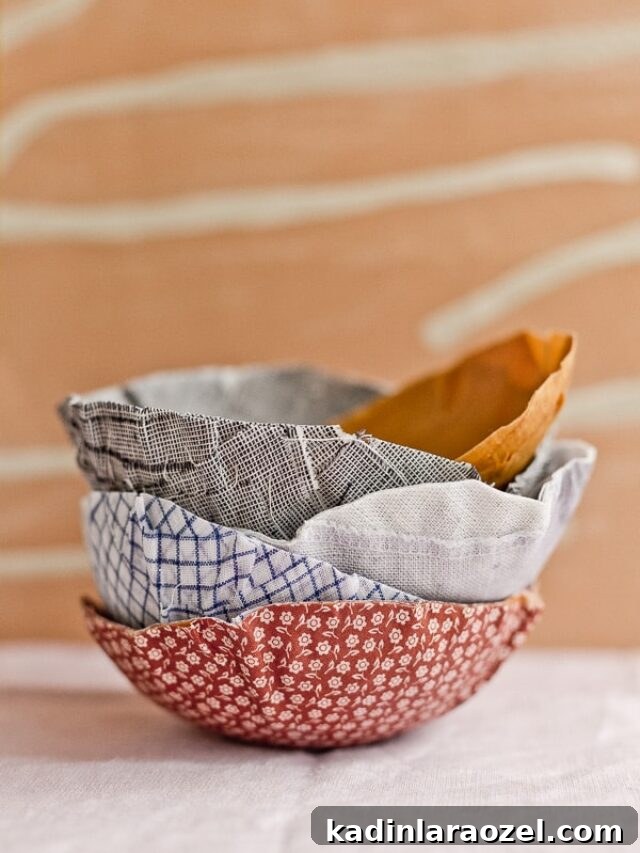
Use leftover fabric scraps to make fabric paper-mâché bowls — charming, practical housewares that breathe new life into small bits of fabric.
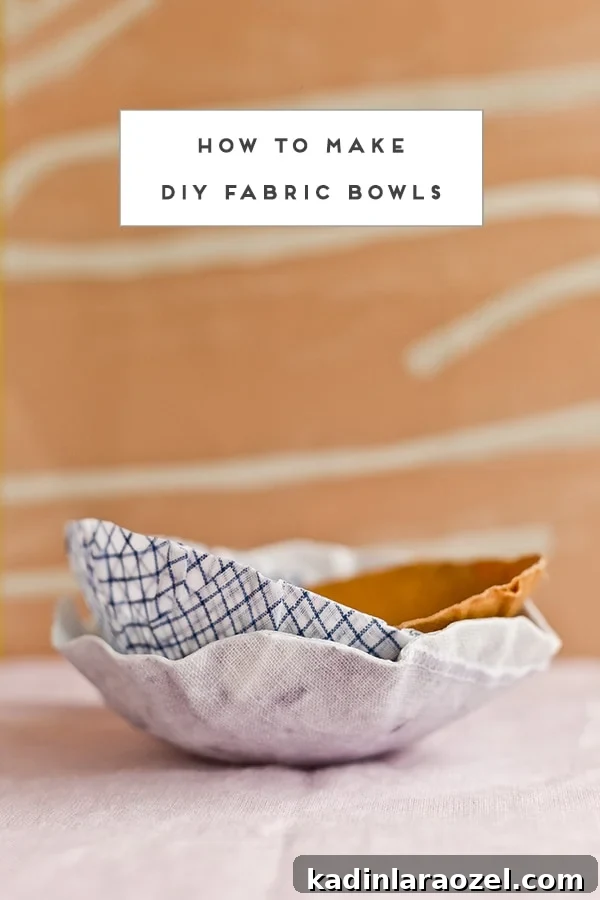
One afternoon when I needed a creative break, I made several fabric bowls using only a few supplies and leftover fabric scraps. I loved the results and shared them on Instagram, and readers liked them too — so here’s a step-by-step guide to make your own.
These fabric bowls look soft and layered, but once dry they become surprisingly sturdy. They’re perfect for holding office supplies, jewelry, makeup, and other non-food items. Below is a clear, practical tutorial for making fabric paper-mâché bowls that are attractive, functional, and eco-friendly by using scraps you already have.
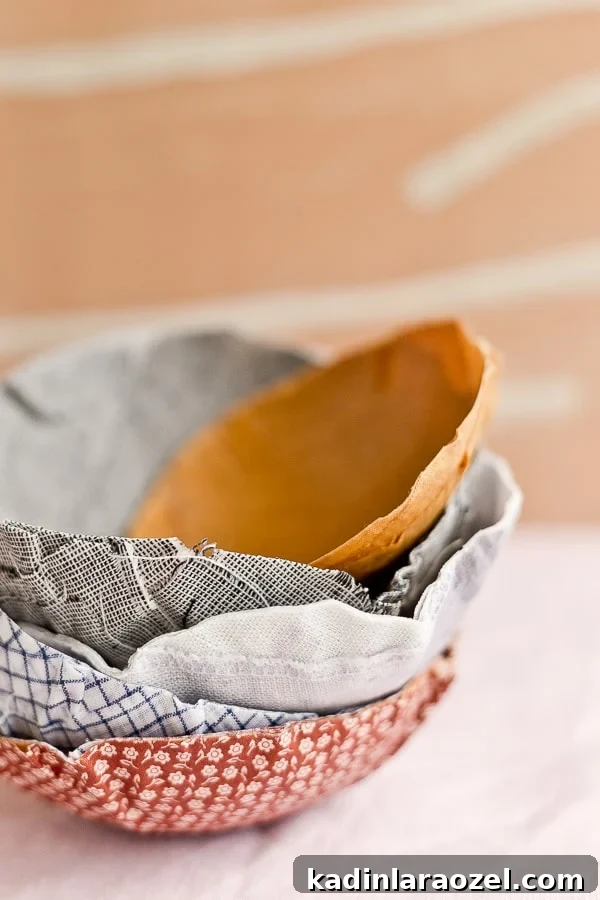
How to Make Fabric Bowls with Fabric Scraps
This technique follows the same basic idea as paper mâché, but replaces paper with fabric scraps for a different texture and look. The process is simple and the finished bowls have a unique, tactile surface that looks handmade and modern.
Materials Needed
- Balloon (one per bowl)
- Mod Podge or another decoupage glue
- Paint brush
- Fabric scraps
- Scissors
Fabric Paper Mâché Bowls (Instructions)
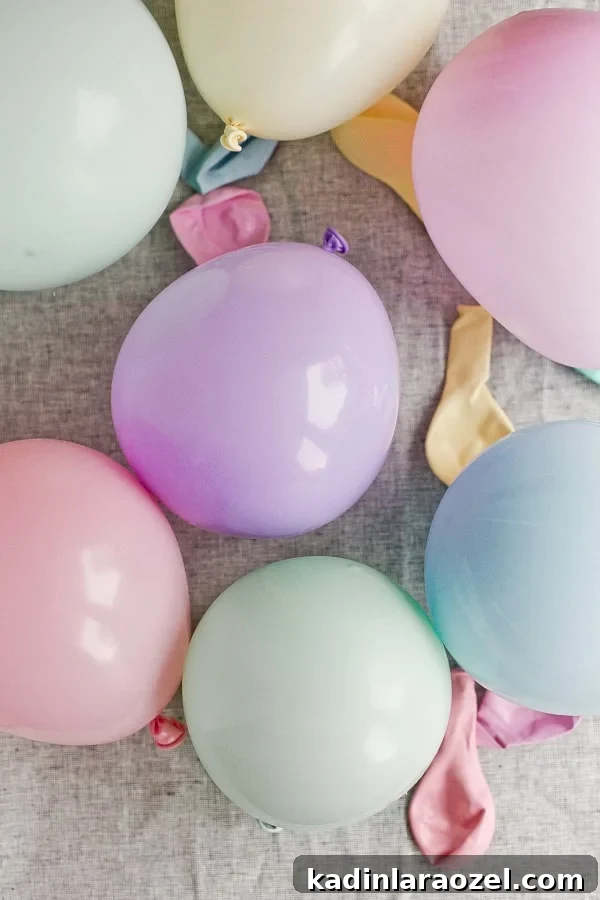
Step 1: Blow up the balloons.
Inflate one balloon for each bowl. Don’t blow them up too large unless you want oversized bowls — refer to the photos for the size used here.
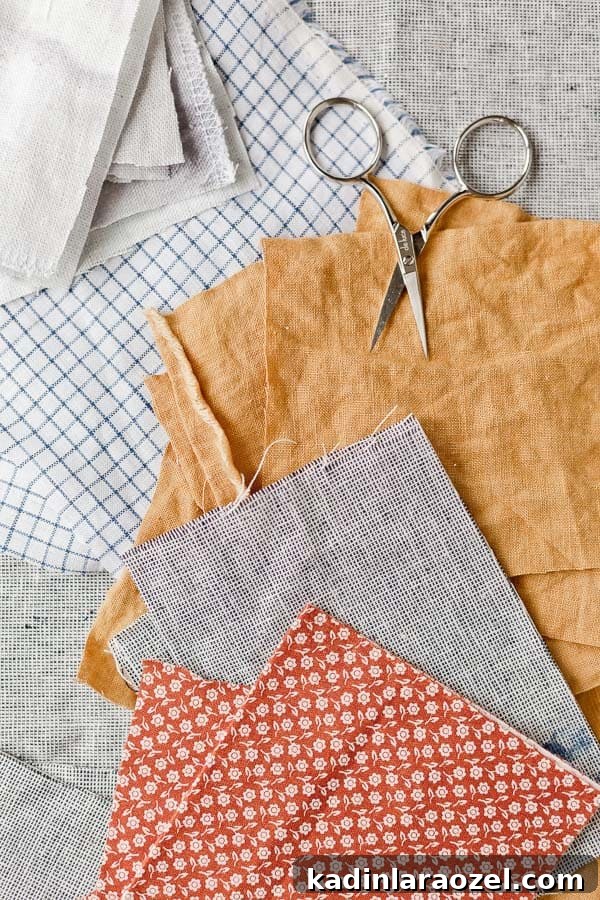
Step 2: Collect and cut fabric.
Cut fabric scraps into squares and rectangles roughly 3 to 6 inches across. Exact measurements aren’t critical; pieces in this range are easy to work with and layer nicely.
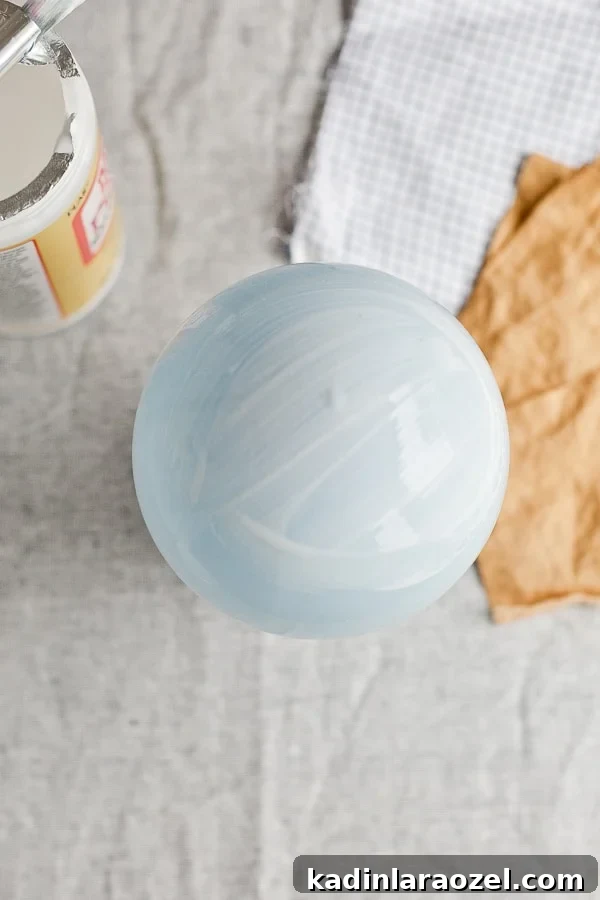
Step 3: Position the balloon and apply Mod Podge.
Place the balloon in a cup or small container so it won’t roll. Brush a layer of Mod Podge over the area you plan to cover with fabric.
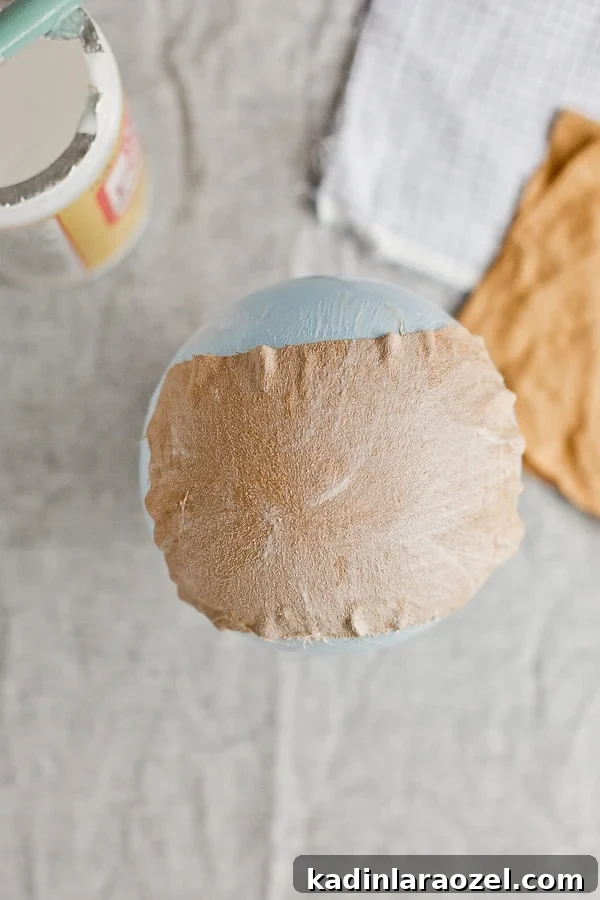
Step 4: Add the first piece of fabric.
Lay the first fabric piece onto the glued area. If you want a finished interior pattern, place the right side of the fabric facing down so it becomes the inside surface of the bowl.
Step 5: Apply Mod Podge over the fabric.
Brush a generous layer of Mod Podge on top of the fabric, smoothing out wrinkles and ensuring the fabric adheres well to the balloon. Use the brush to press and flatten any creases.
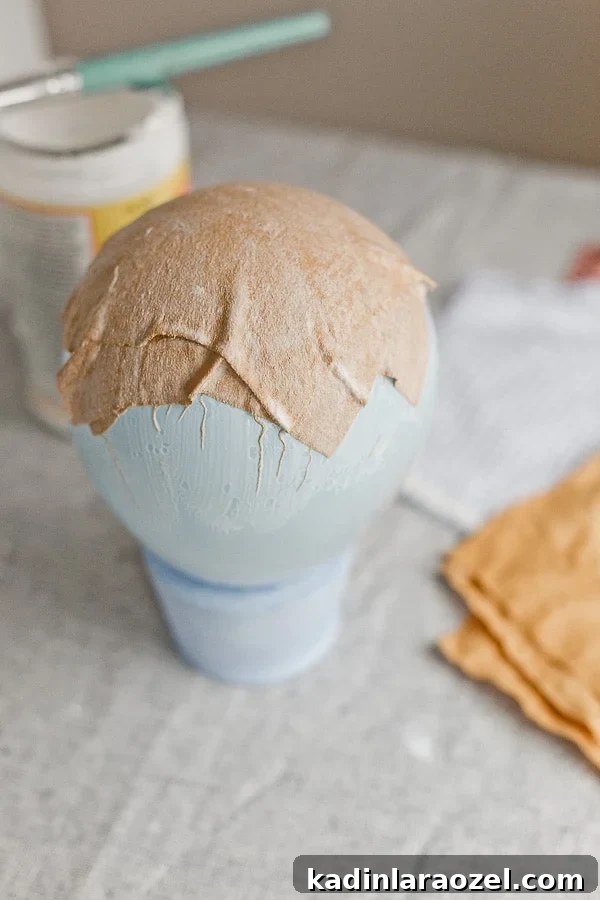
Step 6: Add the second fabric layer.
Place a second piece of fabric on top of the first and brush more Mod Podge over it. Laying this piece in a different direction than the first can increase the bowl’s circumference and create a sturdier shape.
Step 7: Apply another layer of glue.
Brush Mod Podge over the second layer, smoothing and sealing it. Continue alternating fabric pieces and Mod Podge to create an even, secure surface.
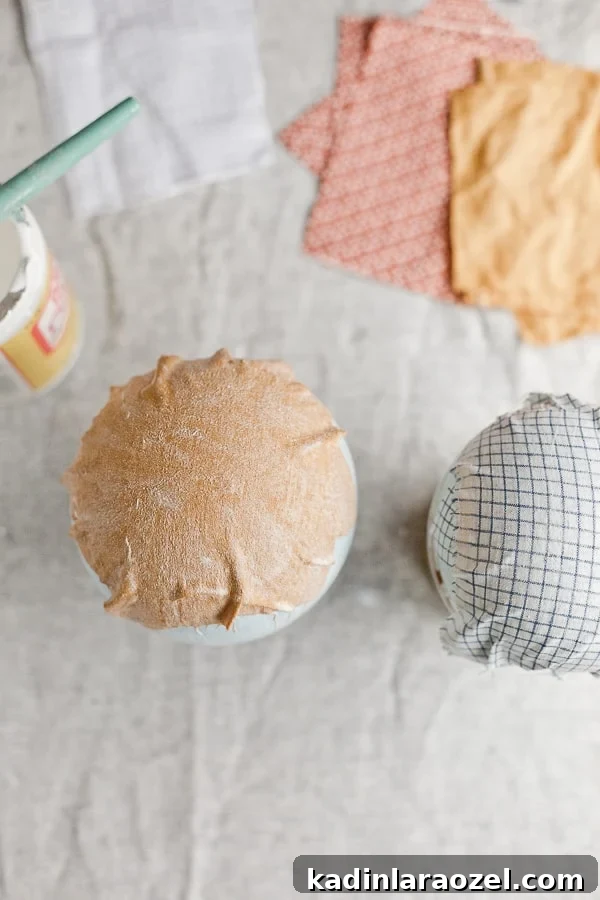
Step 8: Build up layers until the bowl is the desired thickness.
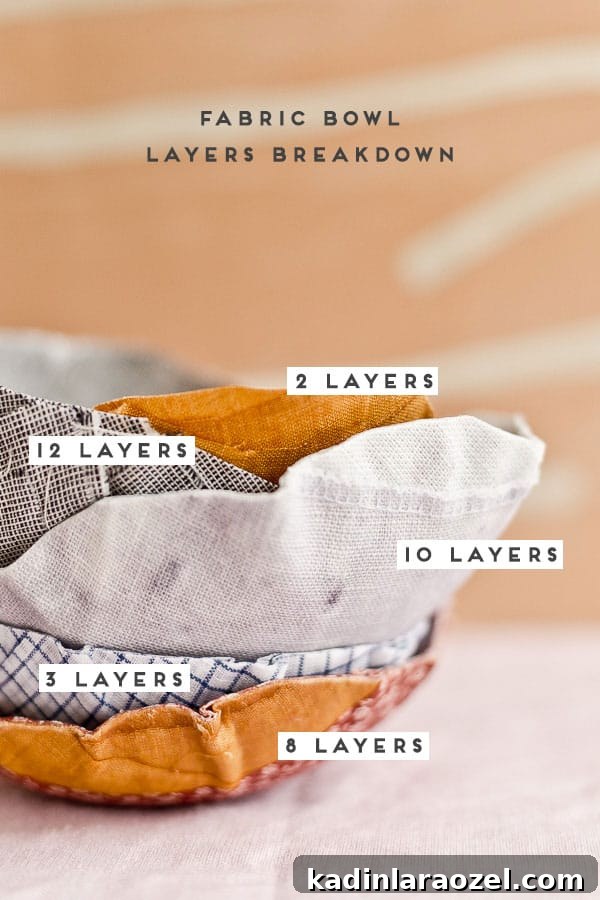
Layer at least four pieces of fabric for a light bowl, and up to 12–15 layers for a thicker, stiffer bowl. The ideal number of layers depends on the weight of your fabrics and how rigid you want the finished piece to be. Thinner fabrics will require more layers to achieve the same sturdiness as thicker textiles.
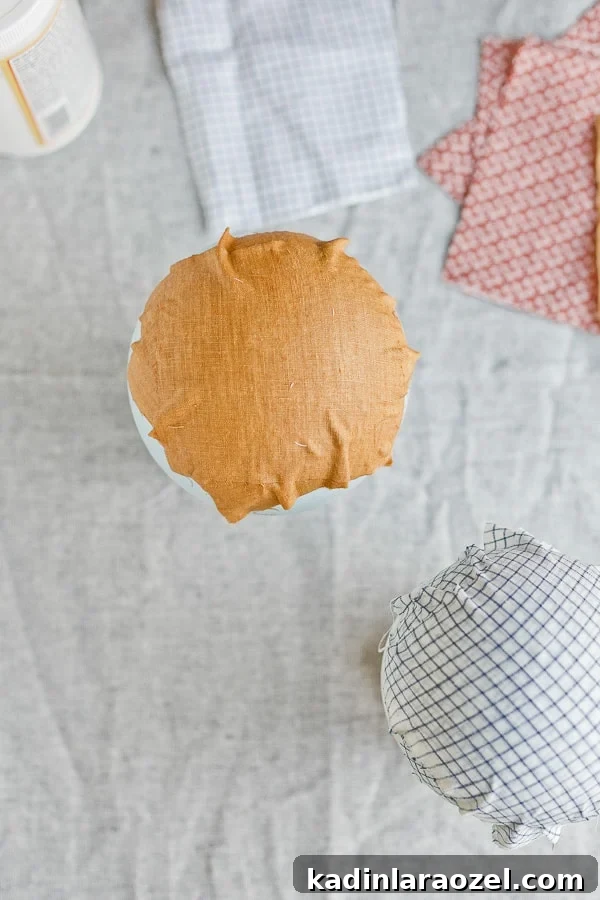
Step 9: Let the bowl dry completely.
Drying time depends on layer count and glue thickness. Lighter bowls can dry in a few hours; thicker ones may take much longer. For reference, a 4-layer bowl took about four hours to harden, while a 12-layer bowl took around nine hours. The bowl is ready when it feels dry and sounds solid when tapped.
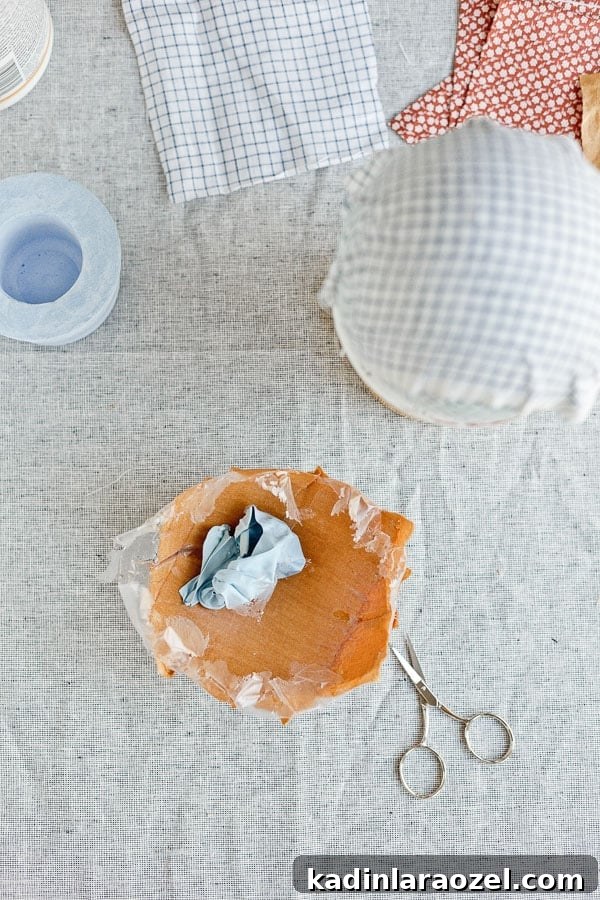
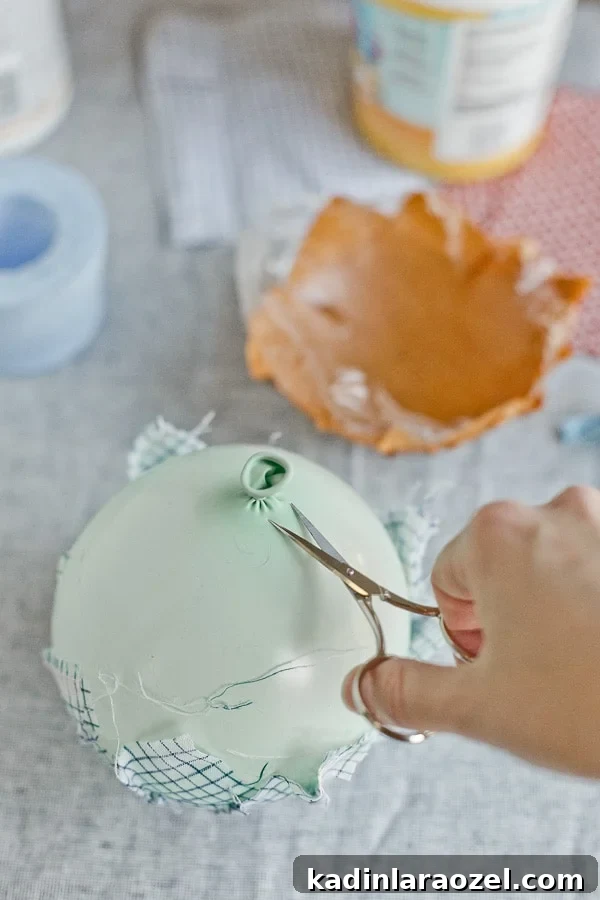
Step 10: Pop the balloon and remove it.
When the bowl is fully hardened, carefully flip it over and pop the balloon with scissors. Gently pull the deflated balloon out of the bowl.
Step 11: Trim and shape the rim.
Use scissors to trim jagged edges and sculpt the rim into the shape you want. After cutting, you can refine the bowl’s silhouette by trimming small sections until you’re satisfied with the final look.
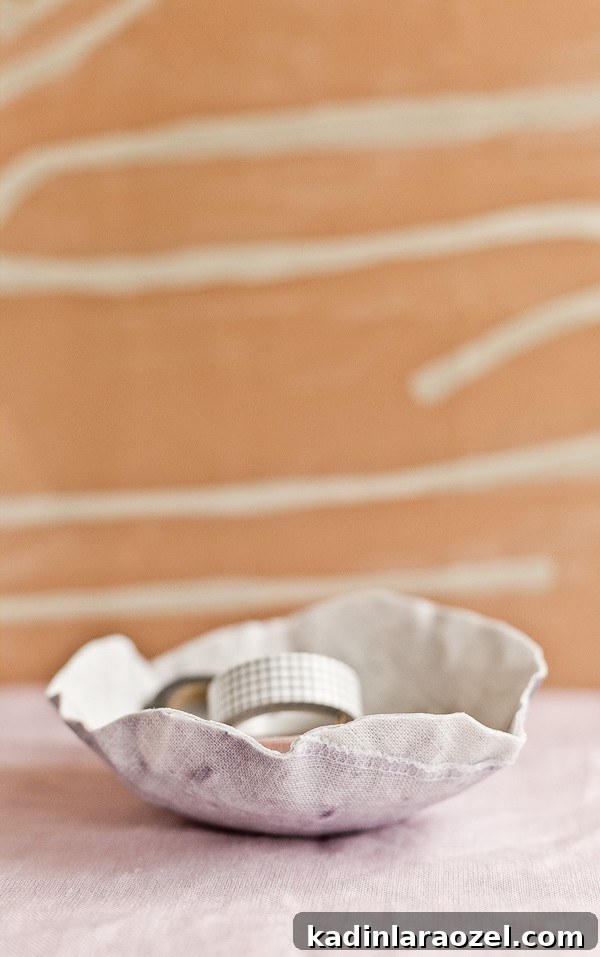
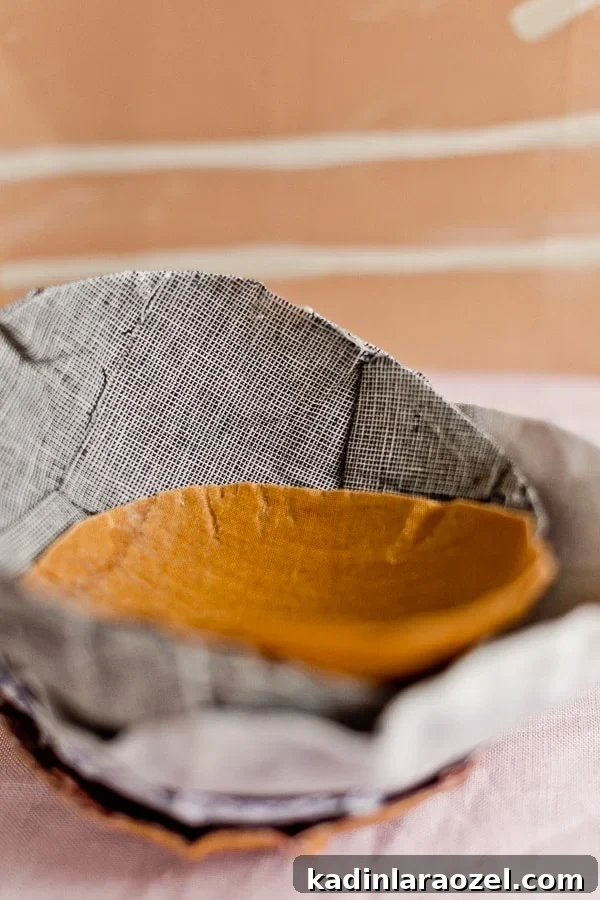
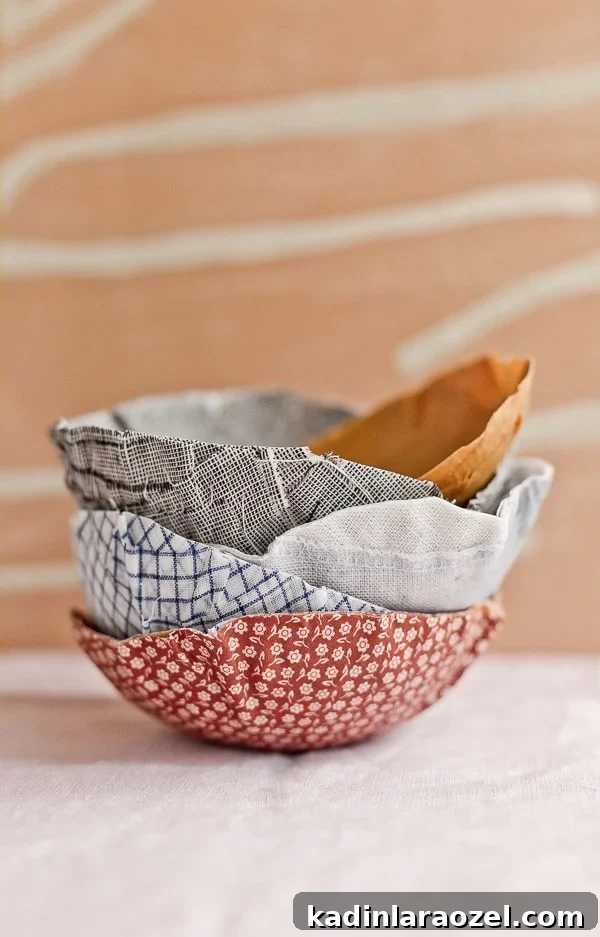
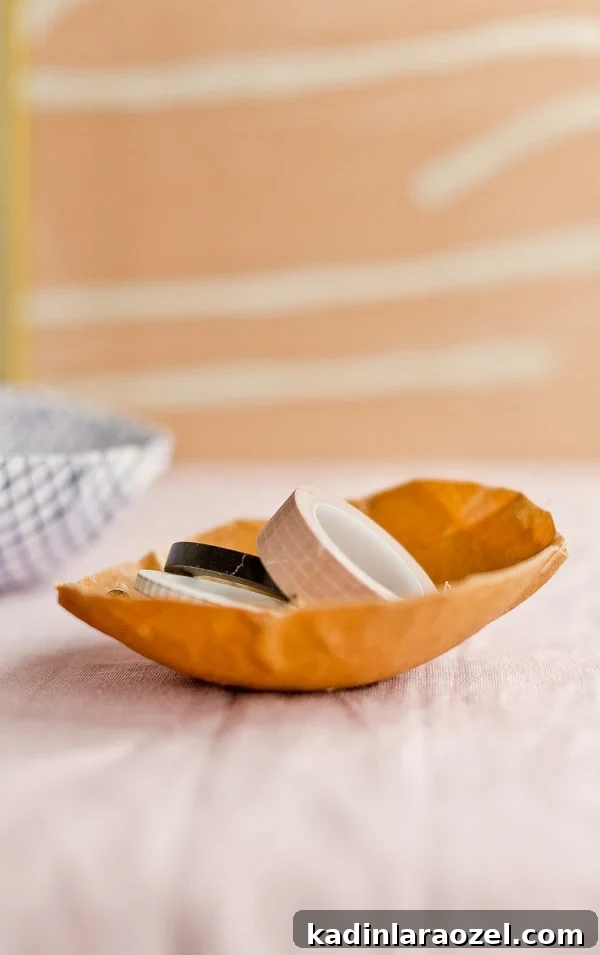
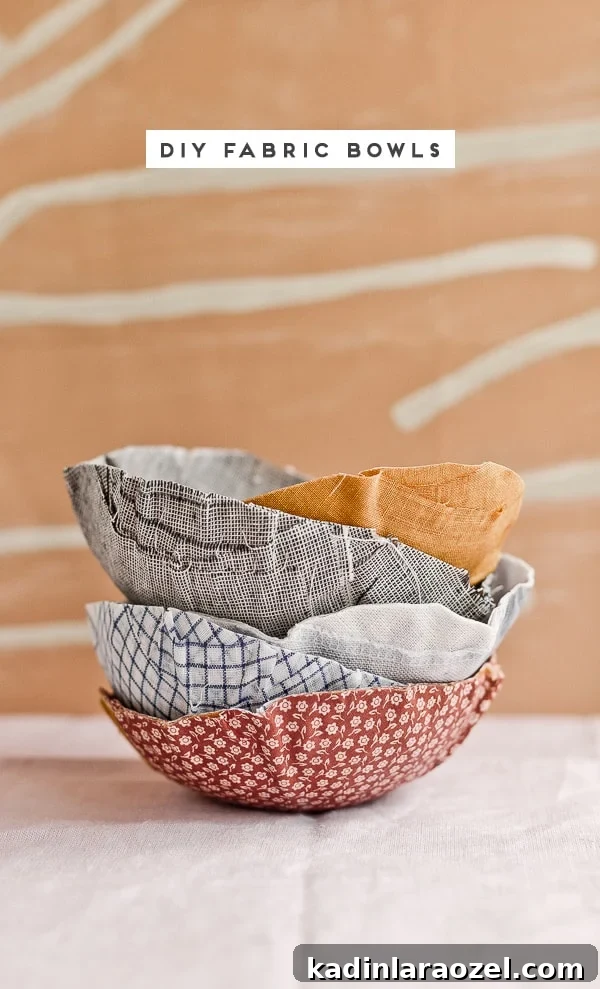
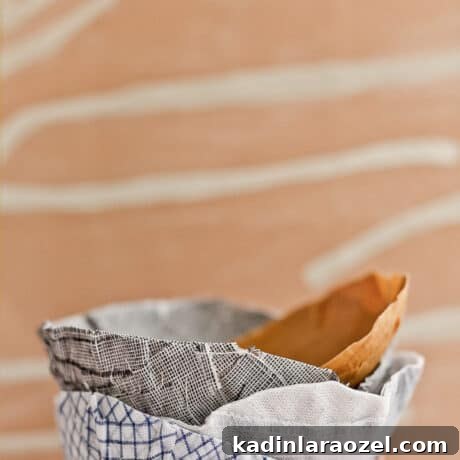
How to Make Fabric Bowls / Stacking Bowls with Fabric Scraps
Brittni
Ingredients
- balloons
- mod podge
- paint brush
- fabric scraps
- scissors
Instructions
- Blow up one balloon per bowl. Keep the size moderate unless you want very large bowls.
- Cut fabric scraps into rectangles or squares about 3–6 inches across. Exact sizes aren’t critical.
- Rest the balloon in a cup so it doesn’t roll. Paint a layer of Mod Podge onto the balloon where you’ll place the fabric.
- Place the first piece of fabric onto the glue with the right side facing down if you want that fabric to form the inside of the bowl.
- Brush a generous layer of Mod Podge over the fabric and smooth out any wrinkles with the brush.
- Add a second fabric piece, optionally oriented perpendicular to the first to increase circumference and strength.
- Apply another layer of Mod Podge and continue layering fabric and glue until the bowl reaches your desired thickness (4–15 layers depending on fabric weight).
- Allow the bowl to dry completely — this can take several hours to overnight depending on layers and glue thickness. It’s ready when it feels dry and sounds solid when tapped.
- When fully dry, flip the bowl, pop the balloon, and gently remove it from inside the bowl.
- Trim and shape the rim with scissors to achieve a smooth, finished edge.
Did you make this?
Share your project on social media and tag the maker if you want to show off your bowls.
Next time you’re tempted to try paper mâché, give fabric a try — it creates a more textured, original finish and is an excellent way to reuse scraps. If you make a set, they stack neatly and make beautiful, functional accents around the home. I’d love to hear how yours turn out, so feel free to share your results in the comments.