DIY Inkodye Napkins for Stylish Fall Entertaining
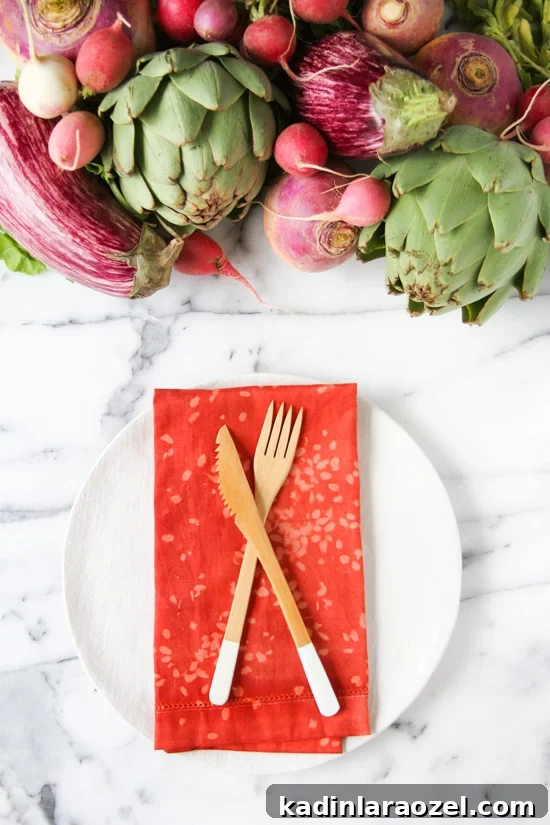
As I dive deeper into food-related DIYs and seasonal entertaining, one unusual obsession keeps resurfacing: napkins. I know it sounds odd, but I genuinely enjoy designing cloth napkins and experimenting with different techniques and patterns.
Over time I’ve tried several approaches and enjoyed each one for different reasons. Inspired by those experiments, I decided to try a new method using Lumi Inkodye — a light-activated dye that creates vivid, permanent color on natural fabrics. If you haven’t used it before, it’s surprisingly fun and produces striking results.
Want to try making these yourself? Below is a clear, step-by-step guide to dyeing napkins with Lumi Inkodye and creating resist patterns.
Supplies:
I assembled a simple kit that includes everything you need: two packages of Lumi Inkodye (choose the color you prefer) and cloth napkins made from natural fibers like cotton or linen. Natural materials accept the dye best and yield the most vibrant results.
How to:
1. Prepare the dye: Shake the Lumi Inkodye package for about 20–30 seconds as instructed. Work in low light when opening the package. Once opened, pour or spread the dye evenly over the napkin using the packaging edge like a squeegee. If small areas remain uncovered, you can touch them up with a paintbrush, but use a brush sparingly — it tends to absorb some dye, which reduces how much transfers to the fabric.
2. Arrange your resist items: Place objects on top of the dyed napkin to act as resists. These items block sunlight and create negative-space patterns where the dye won’t develop. I experimented with different materials: pressed flowers produced a soft, organic silhouette but looked less crisp when exposed late in the day. Rolled oats gave a clean dotted pattern when applied and exposed at peak sunlight.
3. Expose to sunlight: Move the napkin outdoors on a bright, sunny day and let the light activate the dye. For best results aim for the brightest part of the day—typically between noon and 2 p.m. Let the piece develop for around 20 minutes before removing the resist elements and bringing the fabric back inside.
4. Rinse and wash: After exposure, remove the resist and launder the napkin with detergent to set the color and remove any remaining residue. Dry and press as usual, and the pattern will remain as a permanent part of the fabric.
Troubleshooting tips and ideas:
- Sun intensity matters: Strong midday sun gives the most reliable, high-contrast results. Low light or late-day exposure can produce softer, less defined edges.
- Choice of resist: Experiment with organic shapes (leaves, flowers) for soft silhouettes, or use small granular items (rolled oats, rice, small washers) for dotted or stippled effects.
- Layering: Try multiple exposures with different resists to create layered patterns and more complex designs.
- Fabric choice: Stick to natural fibers—cotton and linen work best. Synthetic blends may not take the dye as well.
These dyed napkins make a great addition to fall dinner tables and seasonal gatherings. They’re a simple way to add personalized, handmade charm to your entertaining setup without a lot of expense or time.
Have you started planning fall dinners or Thanksgiving entertaining yet? Which DIY projects are you considering for your next gathering?