DIY Easter Egg Painting Ideas: Creative Ways to Decorate Eggs
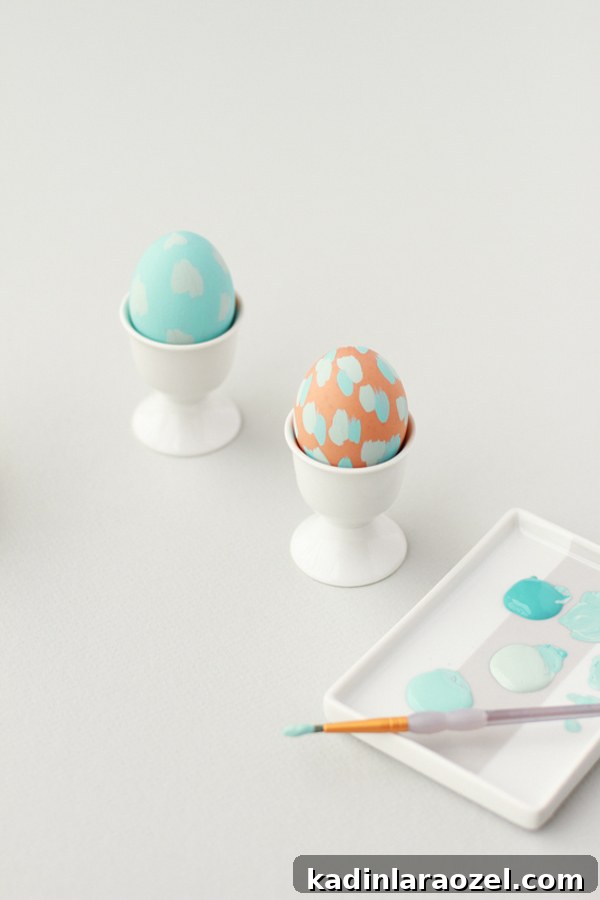
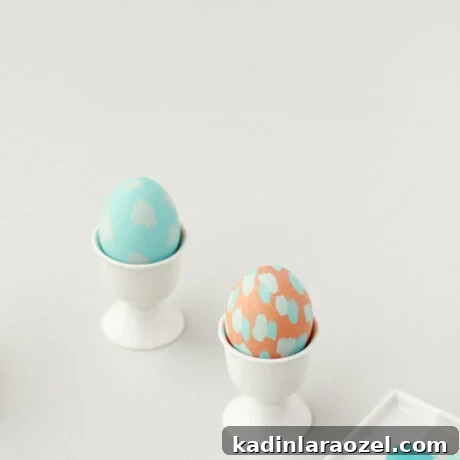
I’m channeling my inner impressionist with an Easter DIY that’s as easy as pie. Painting eggs feels more fun to me than dyeing them, so I created these painterly Easter egg designs that look charming and effortless. You can keep them simple or add more detail—just grab a paintbrush and get started.
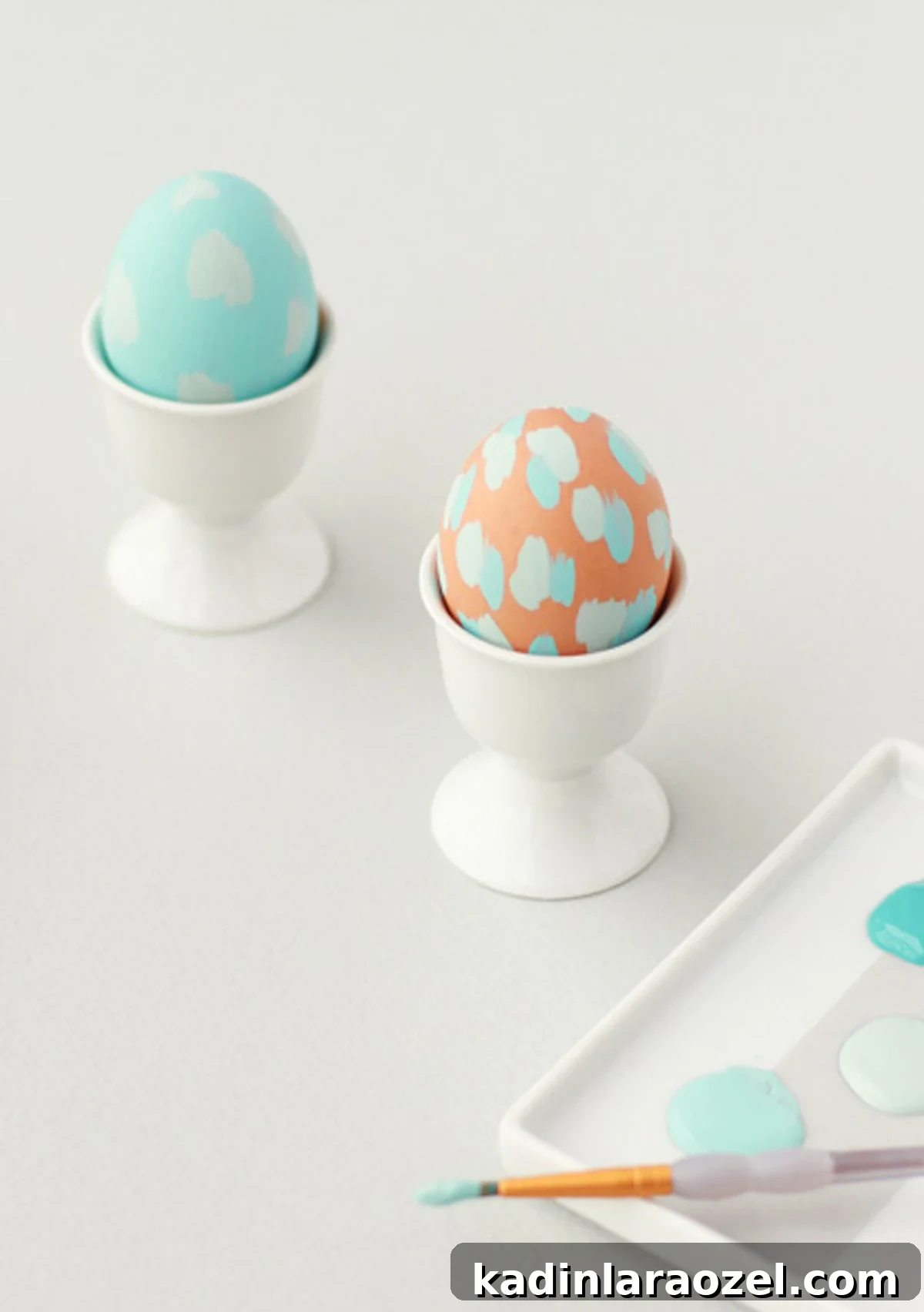
I began painting eggs as a child because dyeing couldn’t give me the fine lines and painterly marks I wanted. It’s just as quick and satisfying now as it was then.
Here’s a simple, step-by-step approach to making these impressionist-style Easter eggs in just a few minutes.
Can you use acrylic paint on boiled eggs?
If you plan to decorate hard-boiled eggs that you intend to eat, I recommend avoiding acrylic paint. While many acrylics are labeled non-toxic, they are not food safe. For eggs you’ll eat, choose edible options instead.
What food-safe alternatives can I use for painting Easter eggs?
A reliable edible paint is made from gel food coloring mixed with a small amount of vodka. Vodka evaporates faster than water and helps the paint dry cleanly; the alcohol burns off as it dries. Another option is lemon extract mixed with gel food coloring, though this can impart a slight citrus flavor if an egg shell is cracked.
For blown eggs or faux eggs (wooden, plastic, or ceramic), acrylic paints are an excellent choice because they adhere well and offer vibrant colors.
*Blown eggs are shells with small holes at the top and bottom through which the contents are removed, leaving only the hollow shell.
Materials
- Wooden eggs, blown eggs, or hard-boiled eggs (for display only if painted with non-edible paint)
- Acrylic craft paint (for faux or blown eggs) or edible gel food coloring mixed with vodka/lemon extract (for eggs you will eat)
- Paint palette or paper plate
- Paint brushes in small round or flat sizes
How to Make Painterly Easter Eggs
1. Mix paints
Pick a color palette and squeeze small amounts of each color onto a palette or plate. Mix hues to create softer, more customized shades if you prefer something less like straight-from-the-tube paint.
2. Begin painting
With quick, confident brushstrokes, add short lines or dashes across the egg—think of polka dots rendered as painted strokes. Leave gaps between the marks so you can layer additional colors later.
3. Let the first layer dry
Allow the initial layer to dry completely before moving to another egg or adding more layers. Drying times will vary depending on paint and humidity, but using vodka in edible paint helps it dry faster.
4. Add additional layers
After the first layer is dry, apply a second set of brushstrokes in a different color. When that layer has dried, add a third color if desired. Layering creates depth and an effortless, impressionistic effect.
Egg Painting Tip
To create larger, more abstract marks, paint two or three short strokes right next to each other. This builds a wider brushmark that reads like an abstract polka dot and adds visual interest.
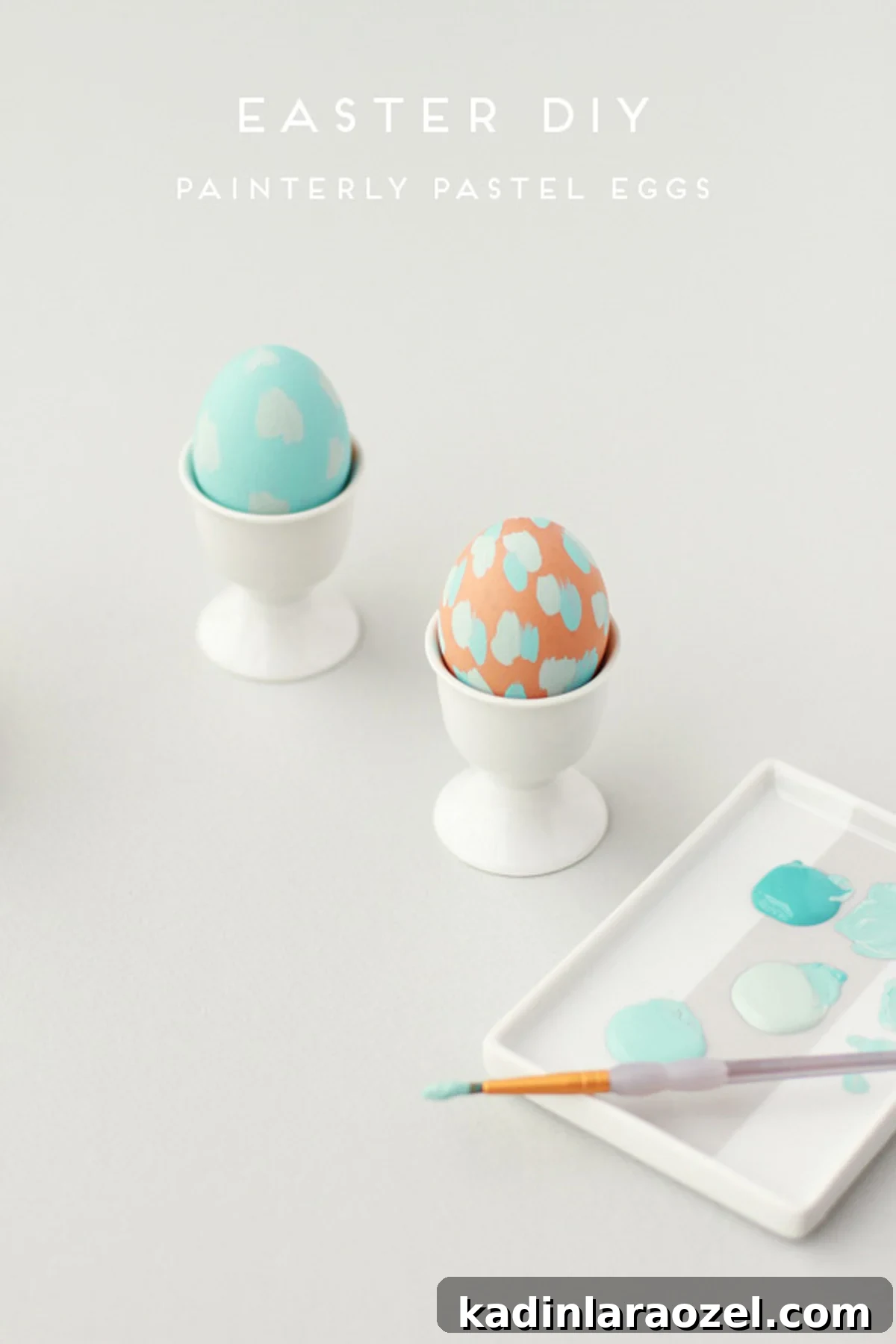
More Easter Egg DIYs to Try
- Moon-inspired painted eggs for subtle, celestial designs
- Rothko-inspired color-blocked eggs for a modern art look
- Balloon-dipped eggs for soft, blended patterns
- Mini artist-portrait eggs for fun, personalized creations
- Graffiti-inspired eggs for bold, graphic marks
- Tips for dyeing brown eggs and how colors differ on darker shells
There are many creative directions to explore—if you enjoy this painterly approach, you’ll likely find several other egg-decorating ideas that appeal to you.
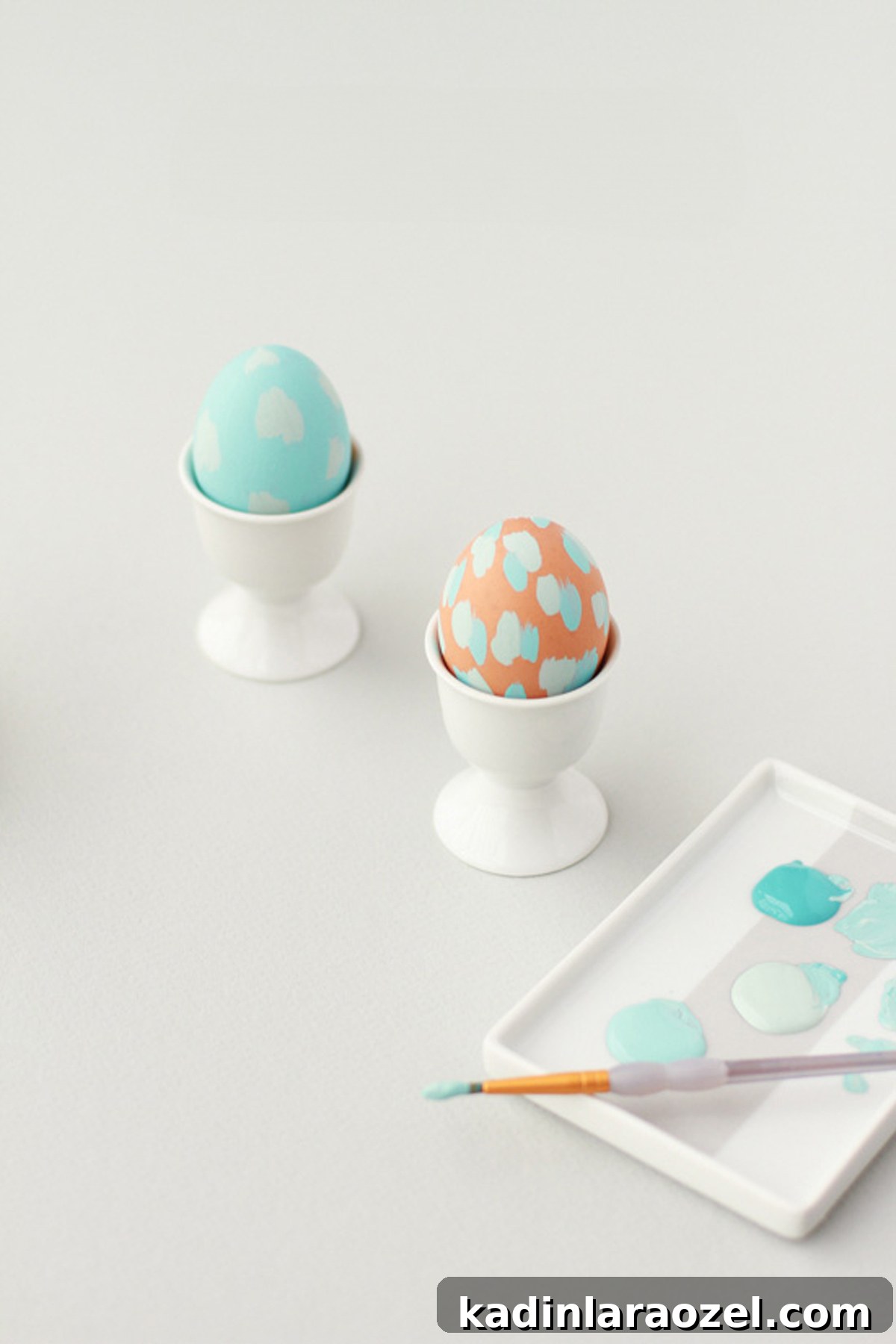
Easter Egg Painter (DIY Egg Decorating Idea)
Brittni
Equipment
-
Paint palette or paper plate
-
Paint brush
Ingredients
- Blown eggs, wooden eggs, or hard-boiled eggs (use edible paint for eggs you’ll eat)
- Acrylic craft paint (for faux or blown eggs) or gel food coloring + vodka/lemon extract (edible option)
Instructions
-
Choose a color scheme, pour small amounts of each color, and mix to create the shades you want.
-
Using quick brushstrokes, add short lines across the egg, spacing them so you can layer more marks later.
-
Set the egg aside to dry, then start another egg while it finishes drying.
-
When the first layer is dry, add a second color, allow it to dry, and add a third color if desired.
-
To make larger marks, paint two or three short strokes next to each other to create an abstract polka-dot effect.
Looking for more Easter DIYs to try? Explore other seasonal projects under the Easter tag for fresh inspiration.