DIY Wall Art from a Cereal Box: Zero-Cost Craft Project
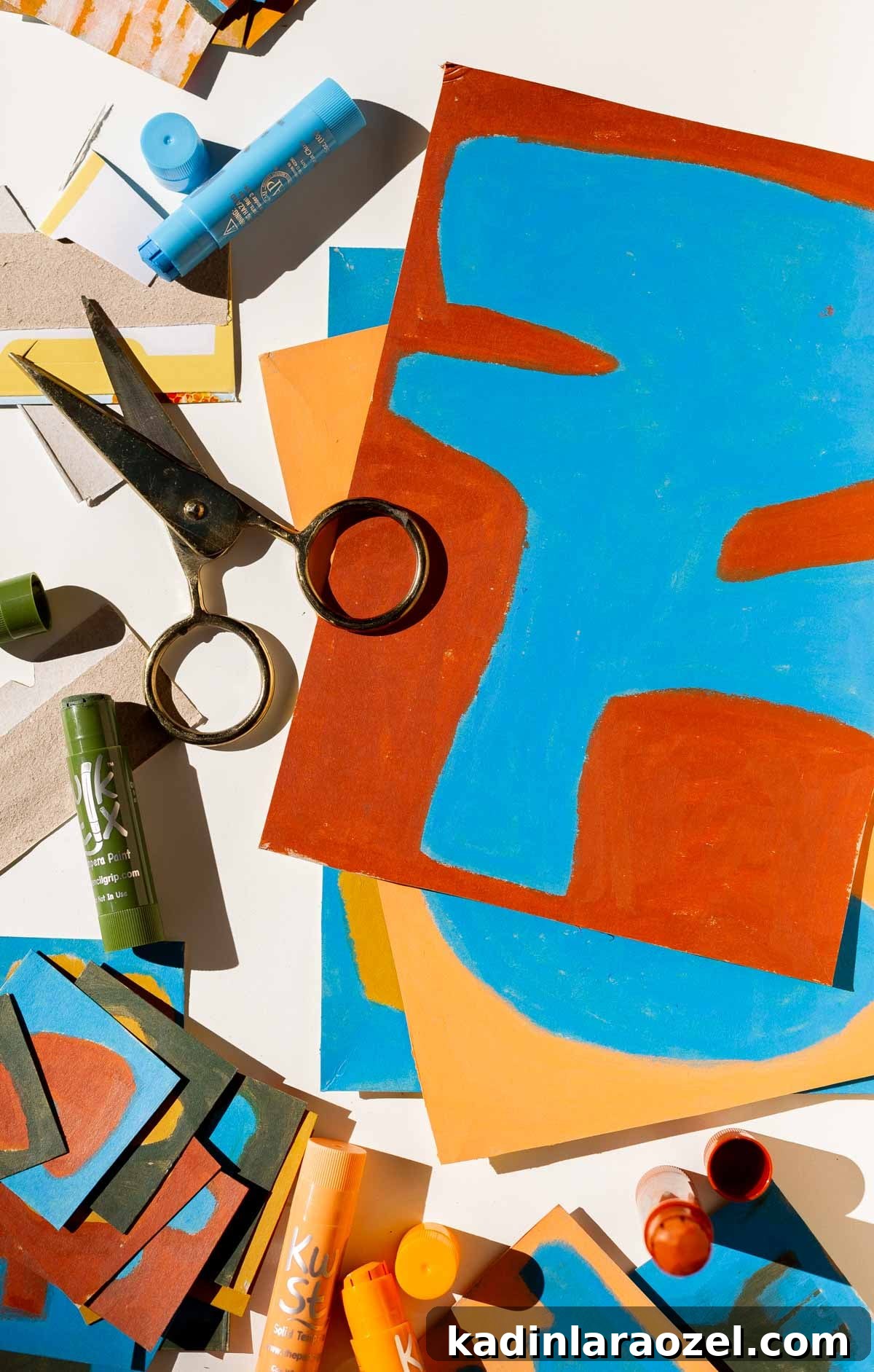
DIY wall art that costs absolutely nothing to make? Yes—it’s possible.
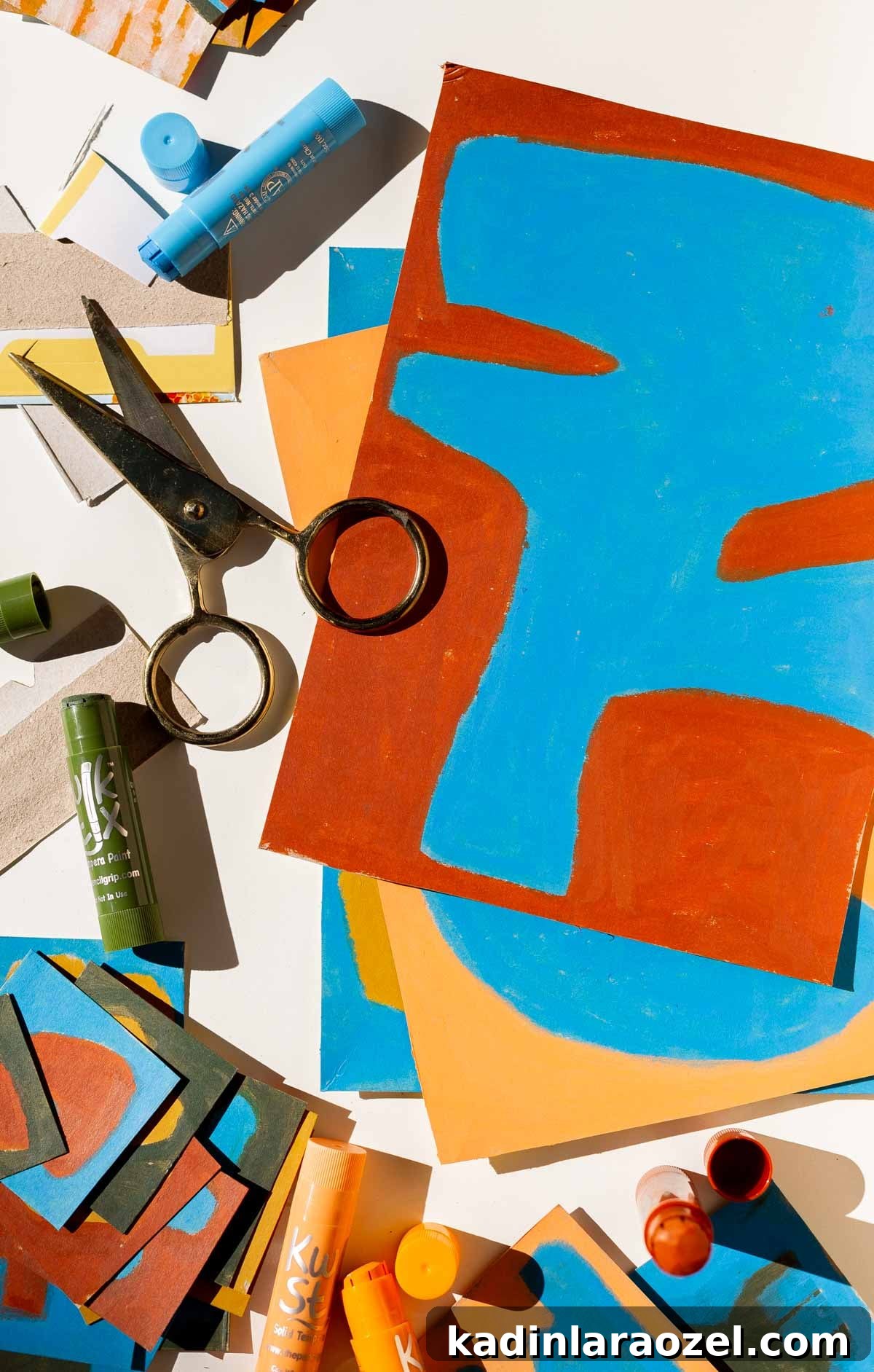
Welcome to the first project in a new series I’m calling Zero Dollar DIY. The goal is simple: create attractive, frame-worthy wall art using only materials already in your home. For this project I used cereal boxes and one other supply I found in my child’s craft basket.
The point of this series is to prove you don’t need to buy new craft supplies to make something beautiful. The rules are strict: only reuse items you already have around the house and avoid purchasing anything new. Most households will have cardboard from cereal, crackers, or snack boxes in the pantry or recycling bin, making this idea accessible to almost everyone.
Because of the materials, most pieces will be smaller in scale, but you can mix and match sizes, layer pieces into collages, or combine many small fragments into a larger patchwork composition. My four-year-old even made several pieces independently—so it’s an easy, kid-friendly project that produces satisfying results.
Materials
- Cardboard from cereal boxes, cracker boxes, or other thin food packaging
- Scissors or a craft knife (use adult supervision for kids)
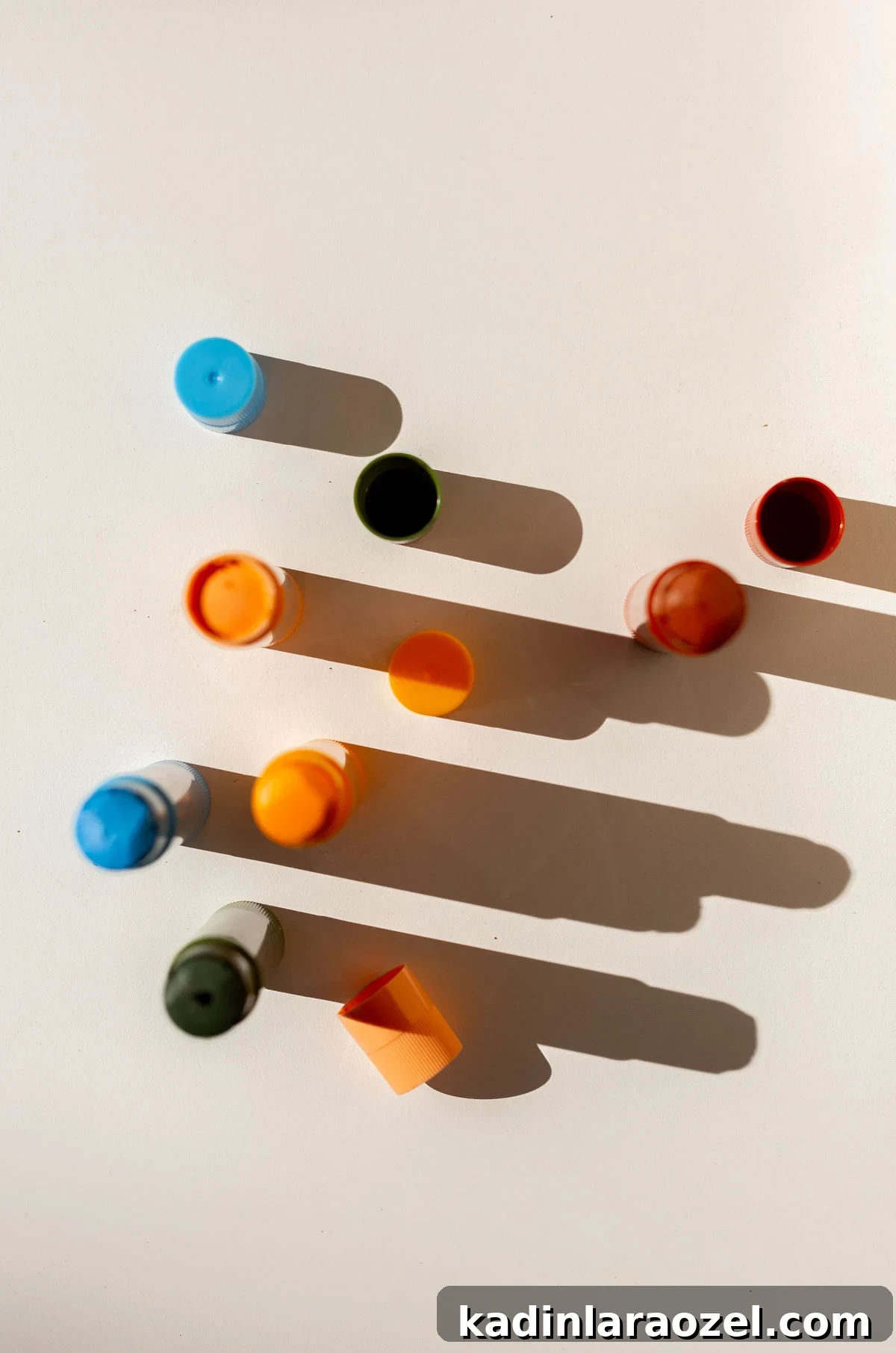
- Something to color or paint with (I used kids’ tempera paint sticks)
- Optional for hanging: blue painter’s tape
- Optional for collages: glue or a glue stick
How to Make Zero Dollar DIY Wall Art
1. Choose your cardboard.
Thin, flat cardboard works best—cereal and cracker boxes are ideal because they’re smooth, lightweight, and easy to cut. Other snack boxes, frozen food boxes, or even larger shipping boxes can also be used; just be aware that thicker corrugated cardboard shows ridges and a different texture. Use whatever you have on hand—the point is to repurpose.
2. Cut pieces to size.
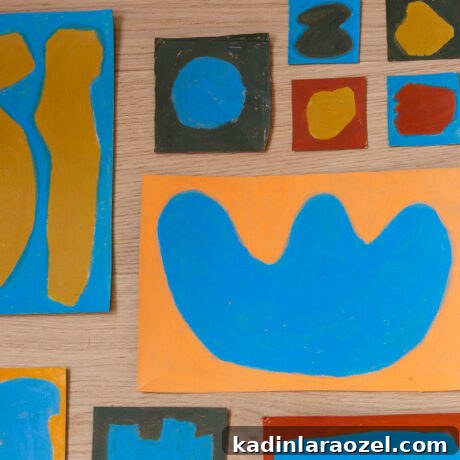
Trim the cardboard into the shapes and sizes you want. I kept some panels full-size and cut others into small squares to build patchwork collages. Avoid the narrow side flaps of boxes, which are often too small to paint on.
3. Add color and shapes.
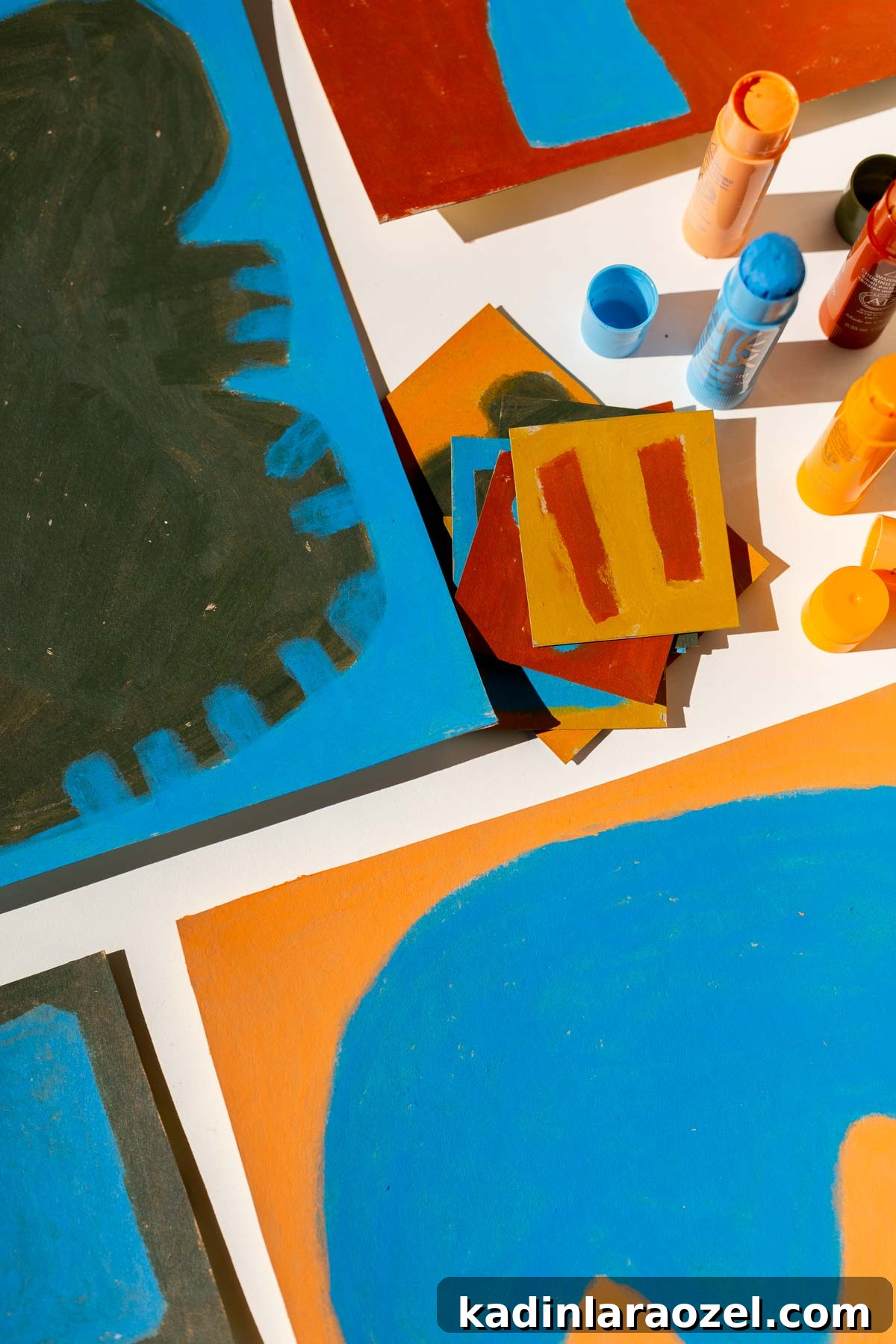
Use any craft medium available—markers, crayons, leftover wall paint, gouache, or paint sticks—to block in color and create simple abstract shapes. Look for inspiration in aerial landscape photos or nature; those organic contours translate nicely into abstract compositions. You can also stylize letters or make repeated geometric forms for a graphic look.
I used tempera paint sticks because they layer easily and dry fast, but the idea is to make something cohesive by limiting your color palette. Choose a few coordinating hues so a group of pieces will read as a set.
4. Finish and display.
Once the paint is dry, you can display the pieces immediately. For a temporary, damage-free hang, roll blue painter’s tape into loops and stick them on the back so the tape isn’t visible from the front. If you prefer a more finished presentation, glue smaller pieces together into a larger collage or frame individual panels using repurposed frames or DIY scrap-wood frames if you already have the materials on hand.
Because this series is all about zero-dollar solutions, I left everything unframed for now. If you do decide to frame later, try reusing an old frame or building a simple frame from scraps.
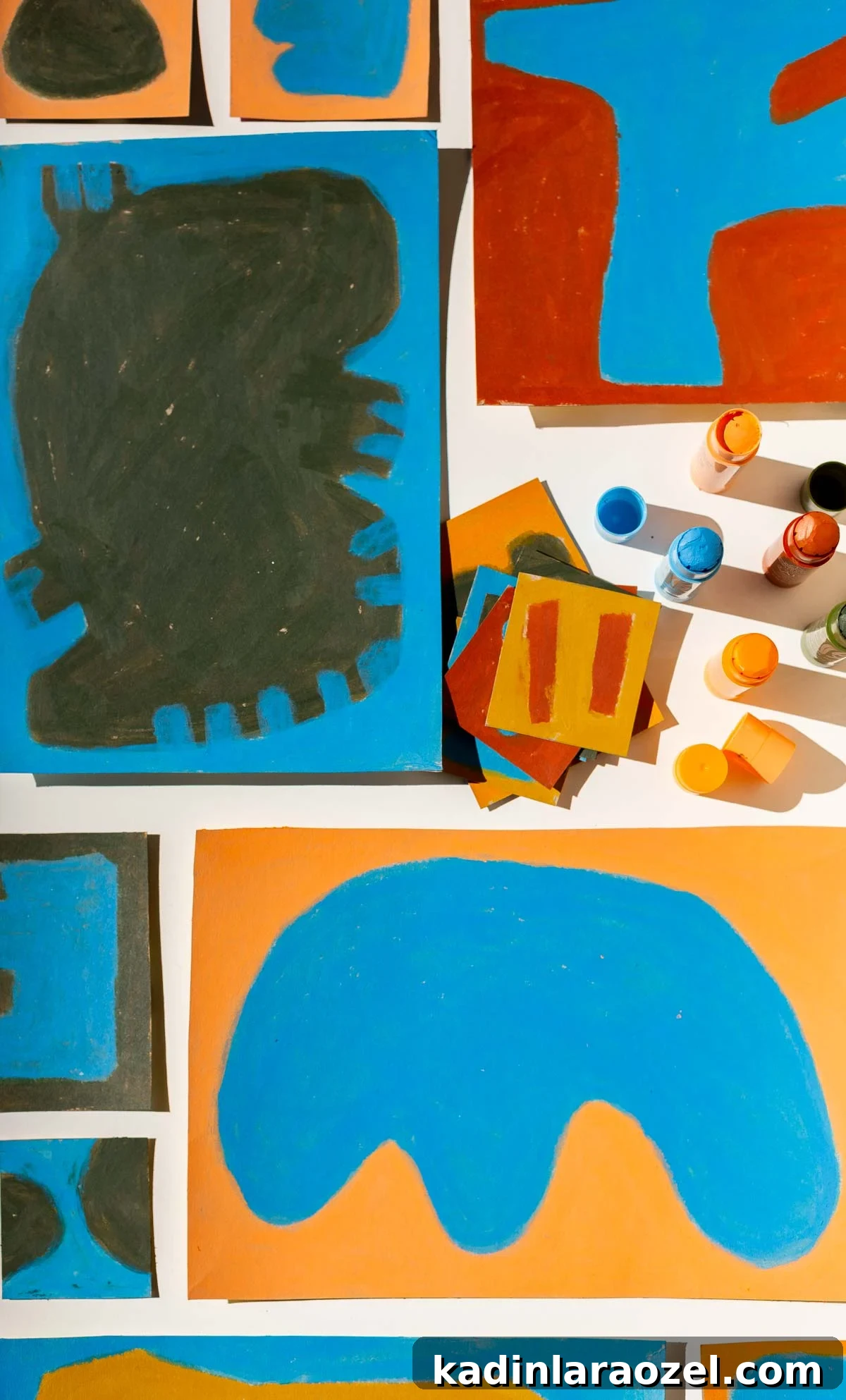
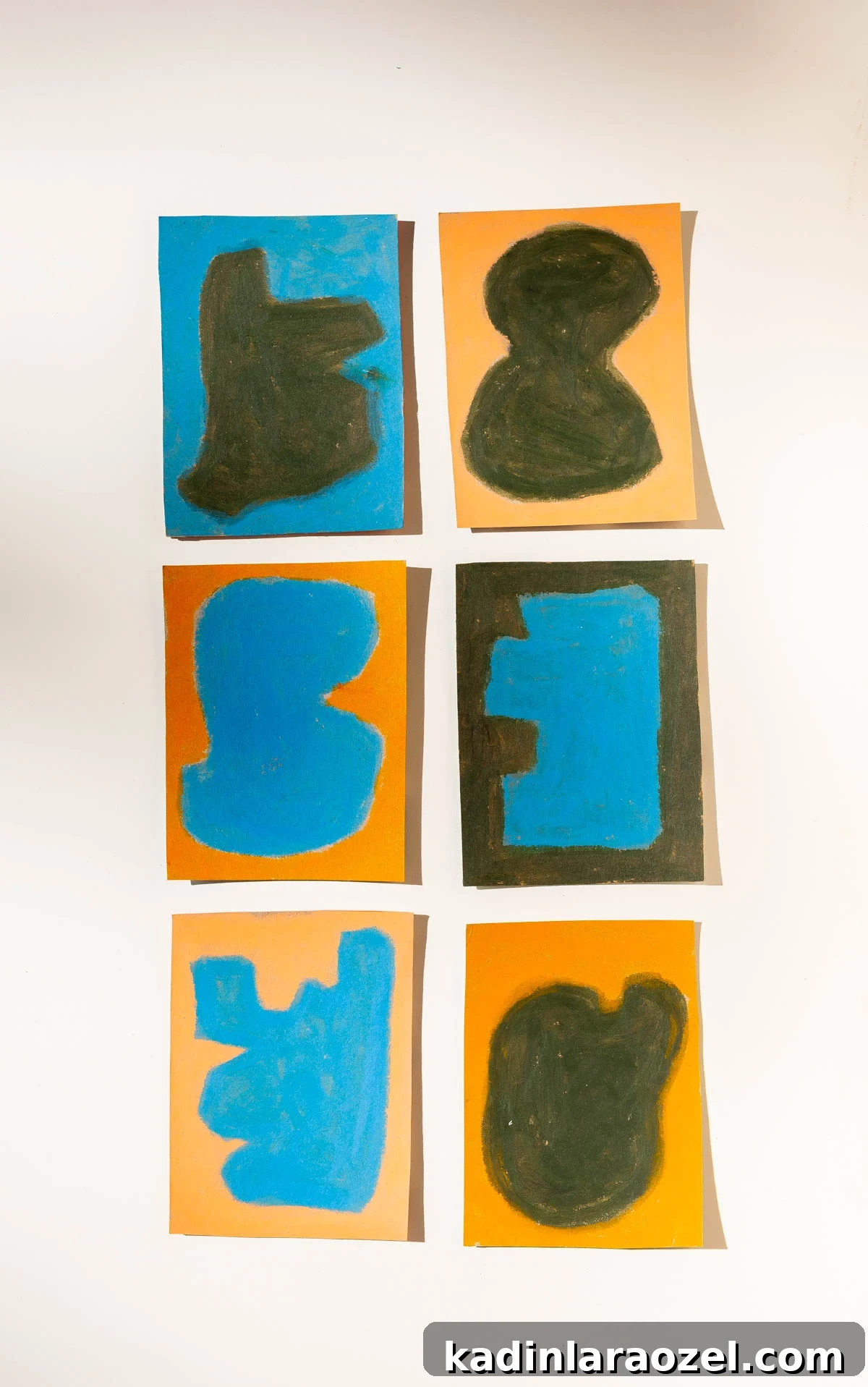
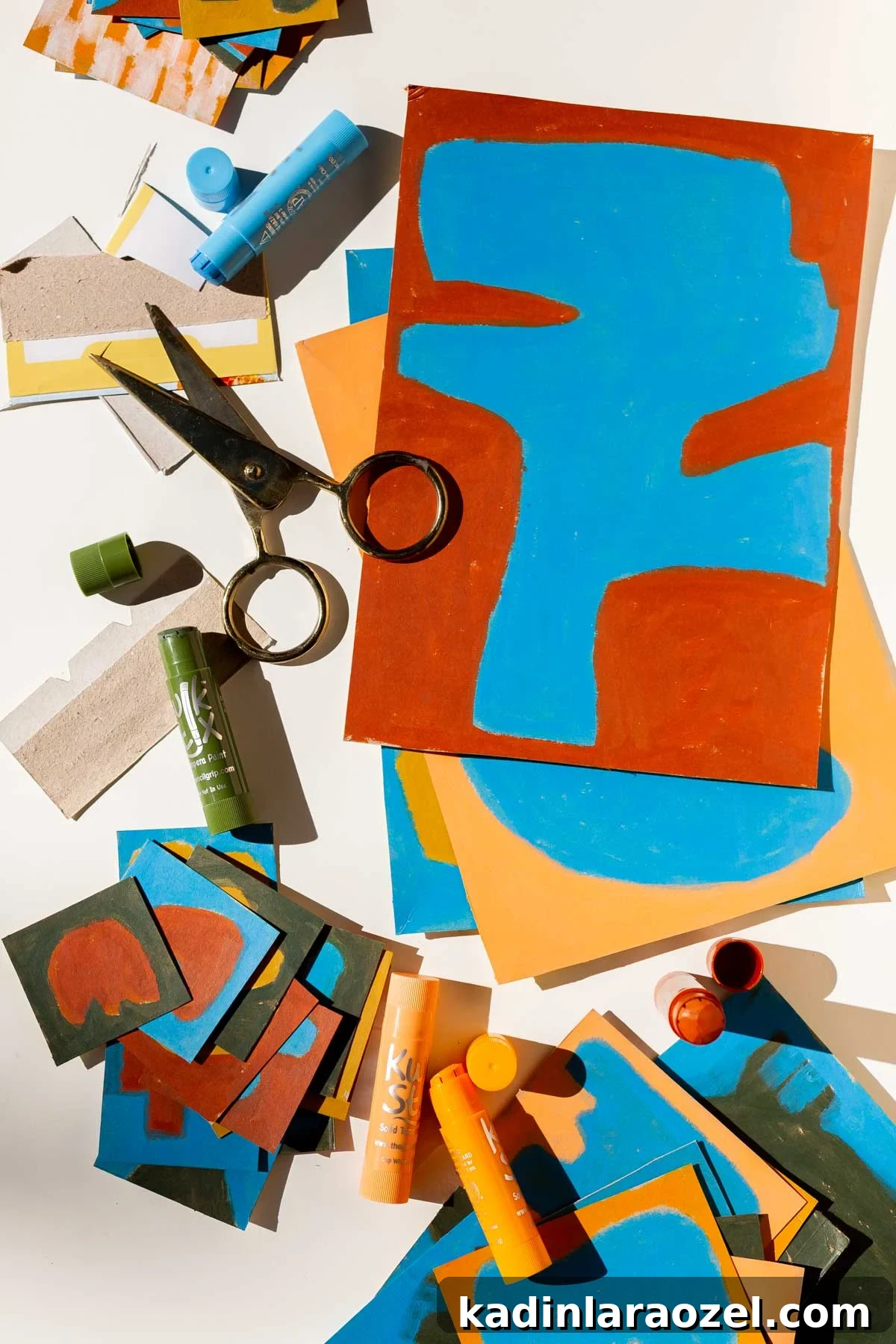
This project is ideal for families and works well as an after-school activity or a rainy-day craft. Young children can help choose cardboard and color the panels while adults handle any cutting. Older kids and teens will enjoy exploring shape, color, and composition and can create pieces that work together as a gallery wall.
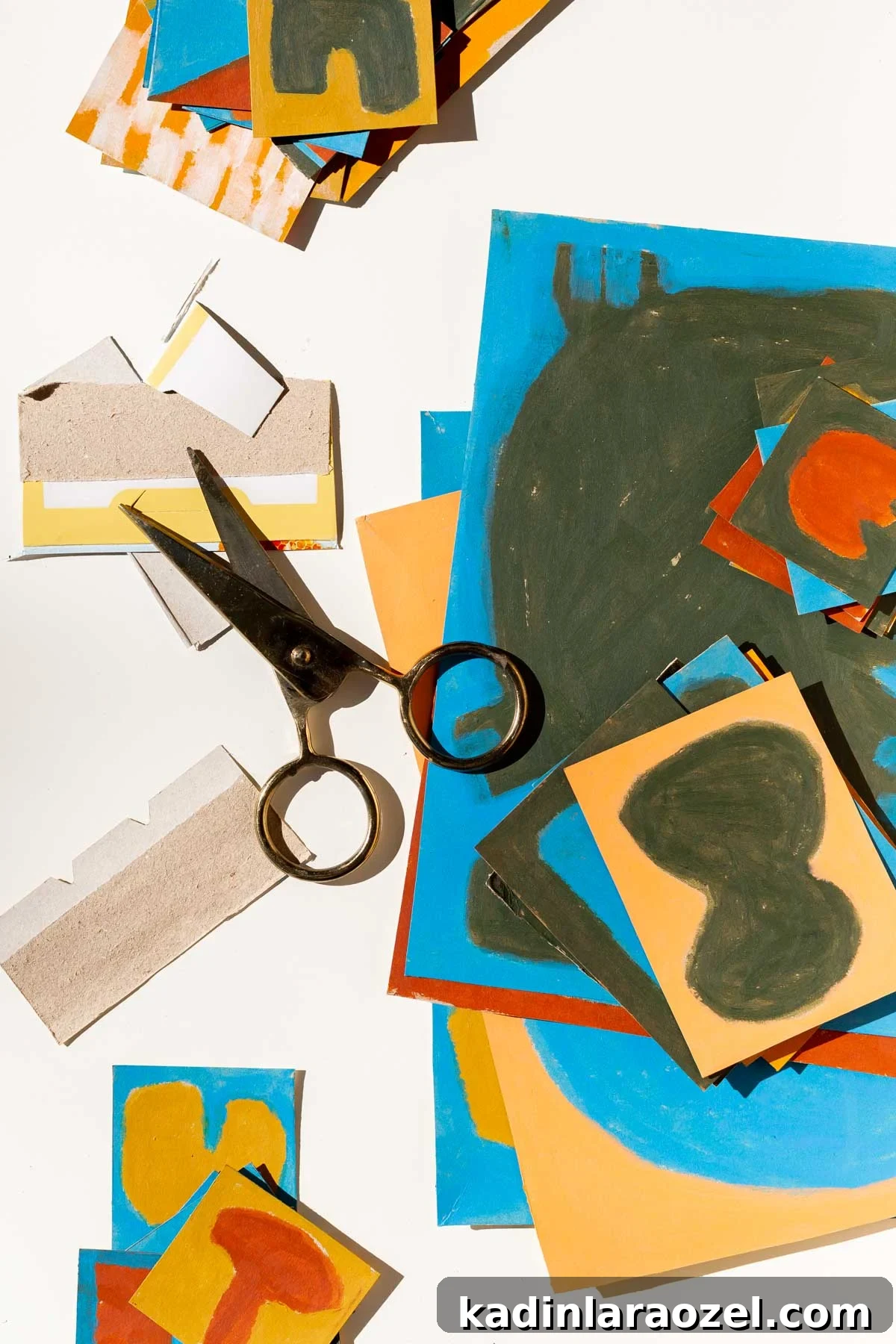
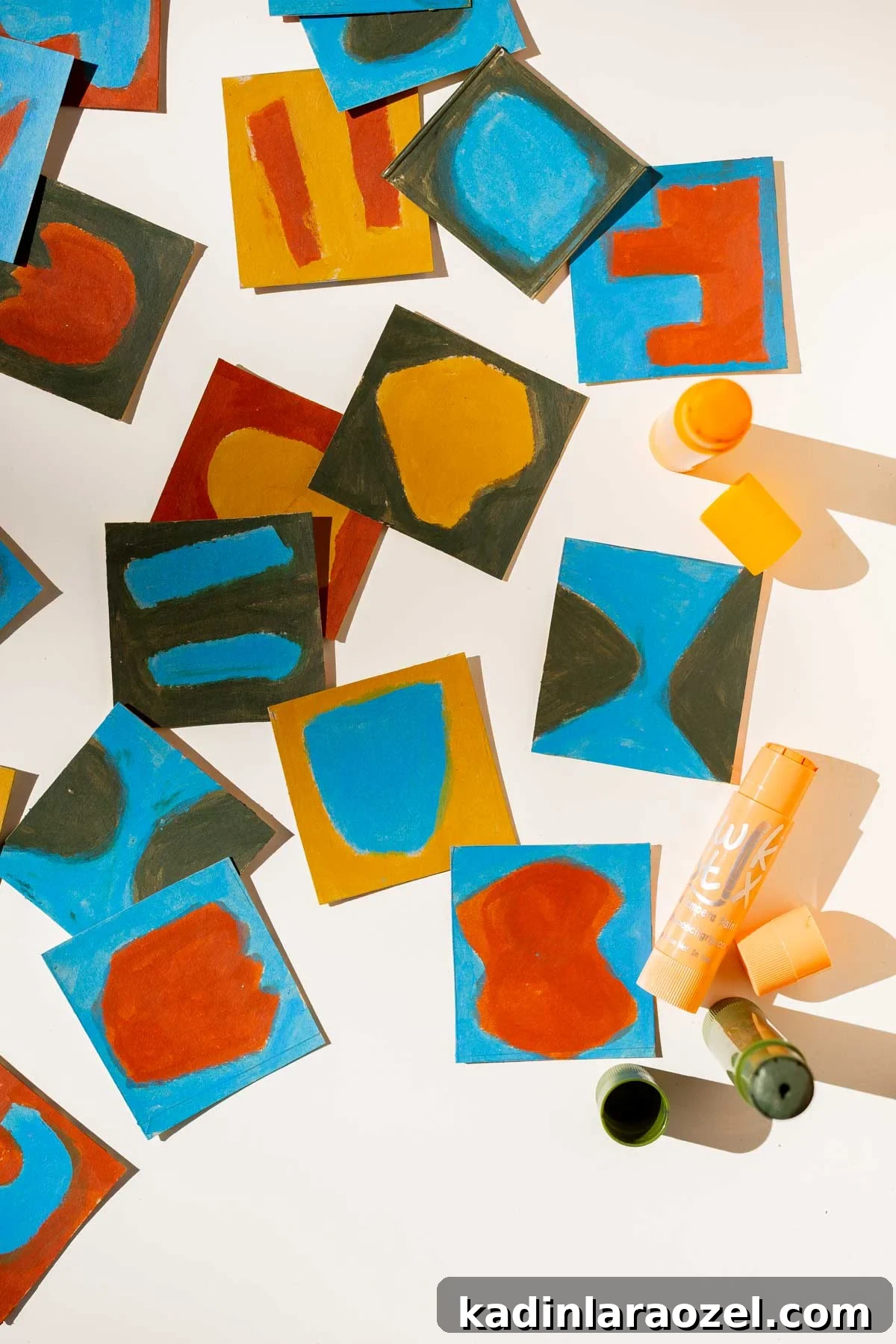
If you enjoy this zero-dollar approach, try these other no-cost or low-cost craft ideas using materials you likely have at home: make reusable “unpaper” towels from fabric scraps, bind simple notebooks using your artwork as covers, or experiment with fabric-based papier-mâché bowls for a tactile, sculptural project.
How to Make DIY Wall Art (Zero Dollar DIY)
Artwork—and DIY wall art in particular—is a favorite subject here, so this zero-dollar project felt like a natural place to start the series. I made a variety of sizes and colors from just a few boxes pulled from the recycling bin. The process is quick, fun, and accessible to almost anyone.
Equipment
- Cereal boxes, cracker boxes, or similar thin cardboard
- Scissors or a craft knife (adults only for the knife)
- Something to color with (paint sticks, markers, crayons, or leftover paint)
- (Optional) Blue painter’s tape for hanging
- (Optional) Glue or glue stick for collages
Instructions
Grab your cardboard.
Use thin, flat cardboard panels like the front and back of cereal boxes. They’re the right balance of smoothness and structure for small paintings and collages. Other thin food packaging such as cracker boxes or frozen food boxes will also work.
Cut the cardboard down into flat sheets.
Trim panels to whatever size suits your composition. Keep some panels full-size and cut others into smaller shapes to combine into larger arrangements. Recycle the leftover box sides and flaps if they’re too narrow to work with.
Choose your coloring tools and paint shapes.
Create simple abstract forms—organic contours, stylized letters, or geometric blocks of color all work well. Limit your palette to a few hues to make a cohesive set. Paint sticks are great because they layer quickly and dry fast, but use whatever supplies you already have.
Finish and hang.
Display the pieces directly on the wall with blue painter’s tape formed into small loops on the back to protect surfaces. Alternatively, glue smaller panels together into a single larger collage or repurpose an existing frame to give a polished finish. The beauty of this project is in its flexibility and zero-cost approach—use what’s already in your home and have fun experimenting.
Did you make this? Share your work and tag your photos to show how you reused everyday packaging to make art.