How to Dye Synthetic Fabrics (Including Faux Sheepskin)
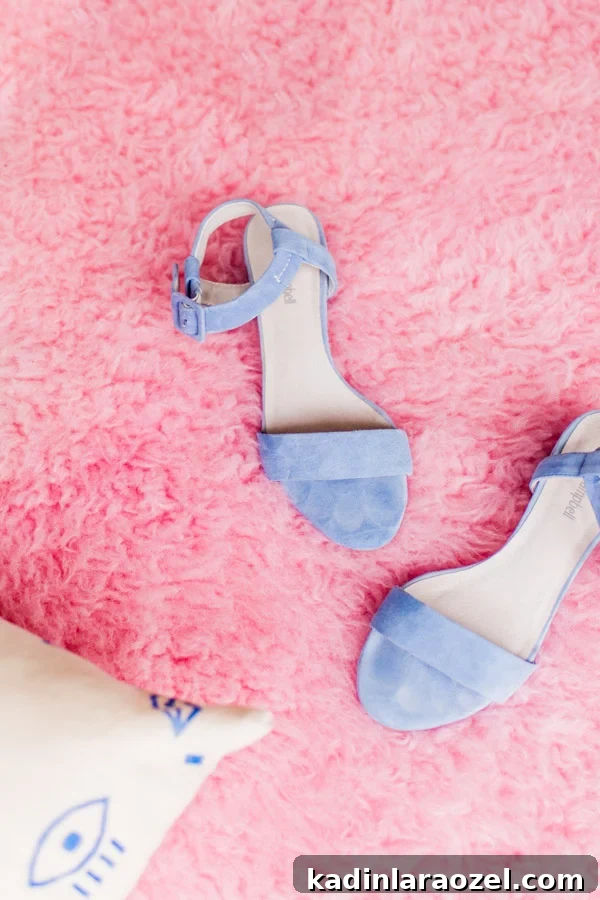
Learn an easy method to dye synthetic materials at home.
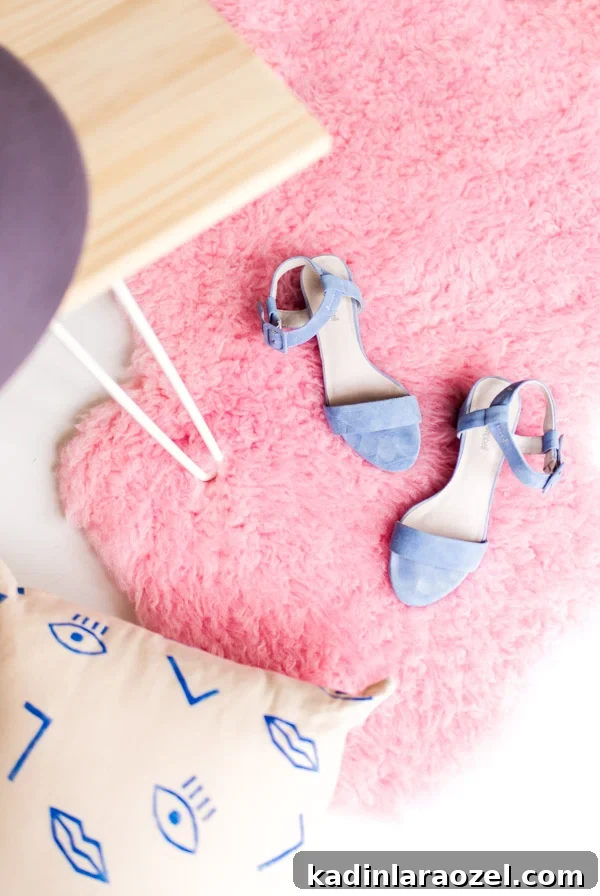
I’ve dyed a surprising variety of items over the years — napkins, shoes, woven baskets and even hangers — but one small project kept nagging at me until I finally tried it: a $13 faux sheepskin rug from Ikea. It felt like a simple idea that might easily fail, so I waited. When I finally tested it, the result surprised me: synthetic fibers can be dyed effectively with the right product and technique.
Because synthetic fabrics don’t accept traditional fiber-reactive dyes the way natural fibers do, you need a dye formulated for synthetics. I used a synthetic fabric dye and a simple bucket method that worked well. Below is a clear, step-by-step guide so you can update an inexpensive faux fur piece without complicated equipment.
Materials
- TEJN faux sheepskin mini rug from Ikea (or another small synthetic rug)
- Synthetic fabric dye (I used a brand formulated for synthetic fibers)
- Large bucket or plastic tub that will hold the rug and dye bath
- Rubber gloves
- Dowel rod, long spoon, or similar tool to help push and stir the rug in the dye
How to Dye Synthetic Material
1. Wet the rug first.
Begin by fully submerging the faux sheepskin in water and then wringing out the excess. Wetting the fibers helps the dye penetrate more evenly.
2. Prepare the dye bath.
Fill your bucket with about 3 gallons of the hottest tap water available. Pour a full bottle of synthetic fabric dye into the hot water and mix to dissolve the dye evenly.
Use the hottest water your tap provides — it helps the dye activate and attach to the synthetic fibers.
3. Stir thoroughly.
Stir the solution with a dowel or large spoon until the dye is evenly distributed in the water. This prevents streaks and uneven patches.
4. Submerge the rug in the dye.
Lower the rug into the dye bath so it is completely submerged. Keep it immersed for 60 to 90 minutes, stirring and moving the rug every few minutes with the dowel rod to ensure even coverage. Synthetic fibers often need a longer soak time than natural fibers when using the bucket method.
5. Remove, rinse, and dry.
When the color looks even and fully developed, lift the rug from the bath and gently squeeze out excess dye and water while wearing gloves. Lay the rug flat to dry. You can heat-set the color in a dryer if the dye manufacturer recommends it.
Note: Running the rug through a dryer can change its texture — it may become fluffier. If you prefer the original texture, let the rug air-dry instead of using heat. Test a small section first if texture is a concern.
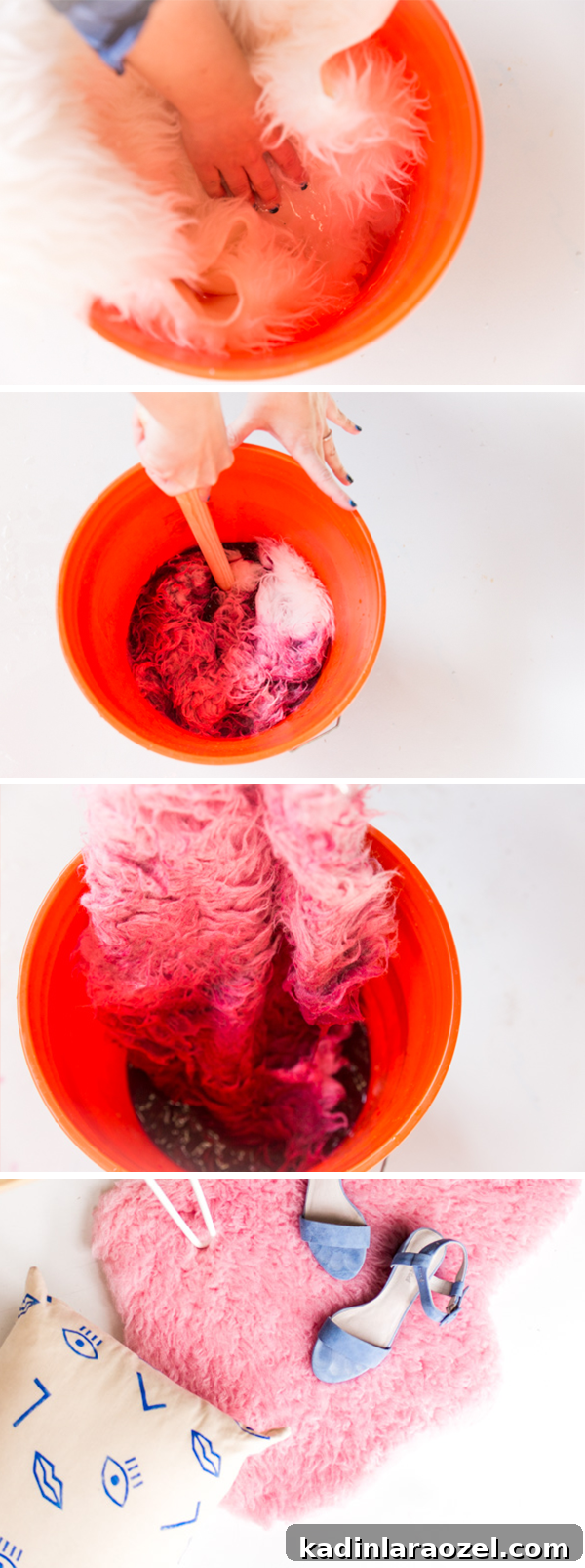
That’s it — a simple, inexpensive way to change the look of a synthetic rug. Using a synthetic-specific dye and hot water, plus regular stirring, gave me an even, lasting color on faux sheepskin without stovetop equipment.
Quick tips
- Always follow the dye manufacturer’s safety and usage instructions, including ventilation and protective gloves.
- Test a small, inconspicuous area first if possible to check color and texture changes.
- If you want a deeper shade, you can increase dye concentration or extend soak time, but monitor the rug to avoid uneven saturation.
- Avoid overcrowding the dye bath — the rug needs space to move so dye penetrates uniformly.
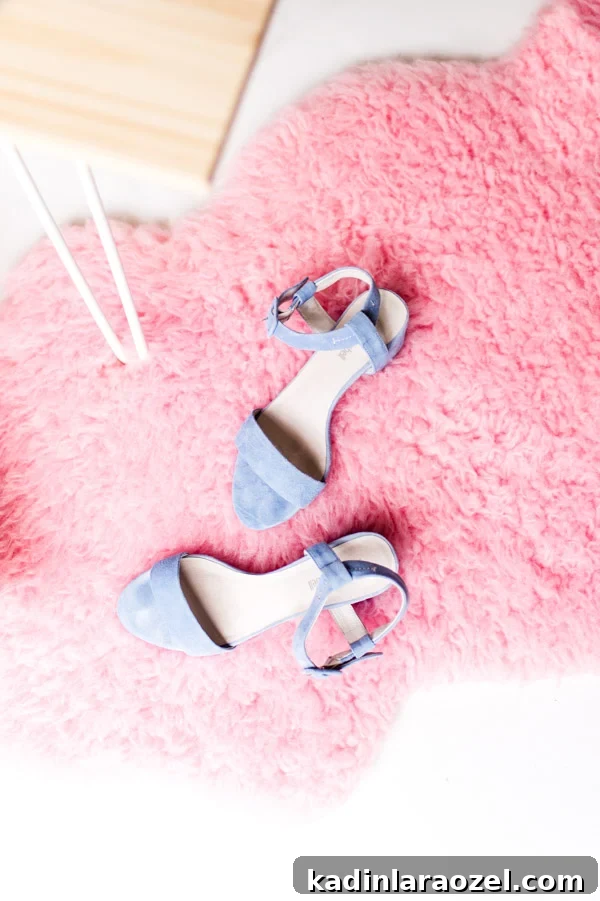
Recipe: How to Dye Synthetic Material
Ingredients
- TEJN faux sheepskin mini rug from Ikea (or similar synthetic piece)
- Fabric dye designed for synthetic materials
- Large bucket
- Rubber gloves
- Dowel rod or large spoon for stirring
Instructions
- Submerge the rug in water, then wring out excess water and set aside.
- Fill a bucket with about 3 gallons of the hottest tap water available. Add a full bottle of synthetic dye and mix until dissolved.
- Stir the dye bath thoroughly with a dowel rod or large spoon.
- Lower the rug fully into the dye, ensuring it is submerged. Keep it in the dye for 60–90 minutes, stirring every few minutes to maintain even saturation.
- Remove the rug, squeeze out excess liquid, and lay it flat to dry. Optionally heat-set in a dryer if desired, being aware that heat can alter texture.
Notes: The dryer can make the rug fluffier; if you prefer the original feel, air-dry instead.
Photography by Rachel Brewer and Amelia Tatnall
Concept and styling by Brittni Mehlhoff
Have you ever postponed a small project for no real reason? I’m curious — did you eventually try it, or is it still on the shelf?