How to Make Paper Snowflakes: Simple Step-by-Step Craft Tutorial
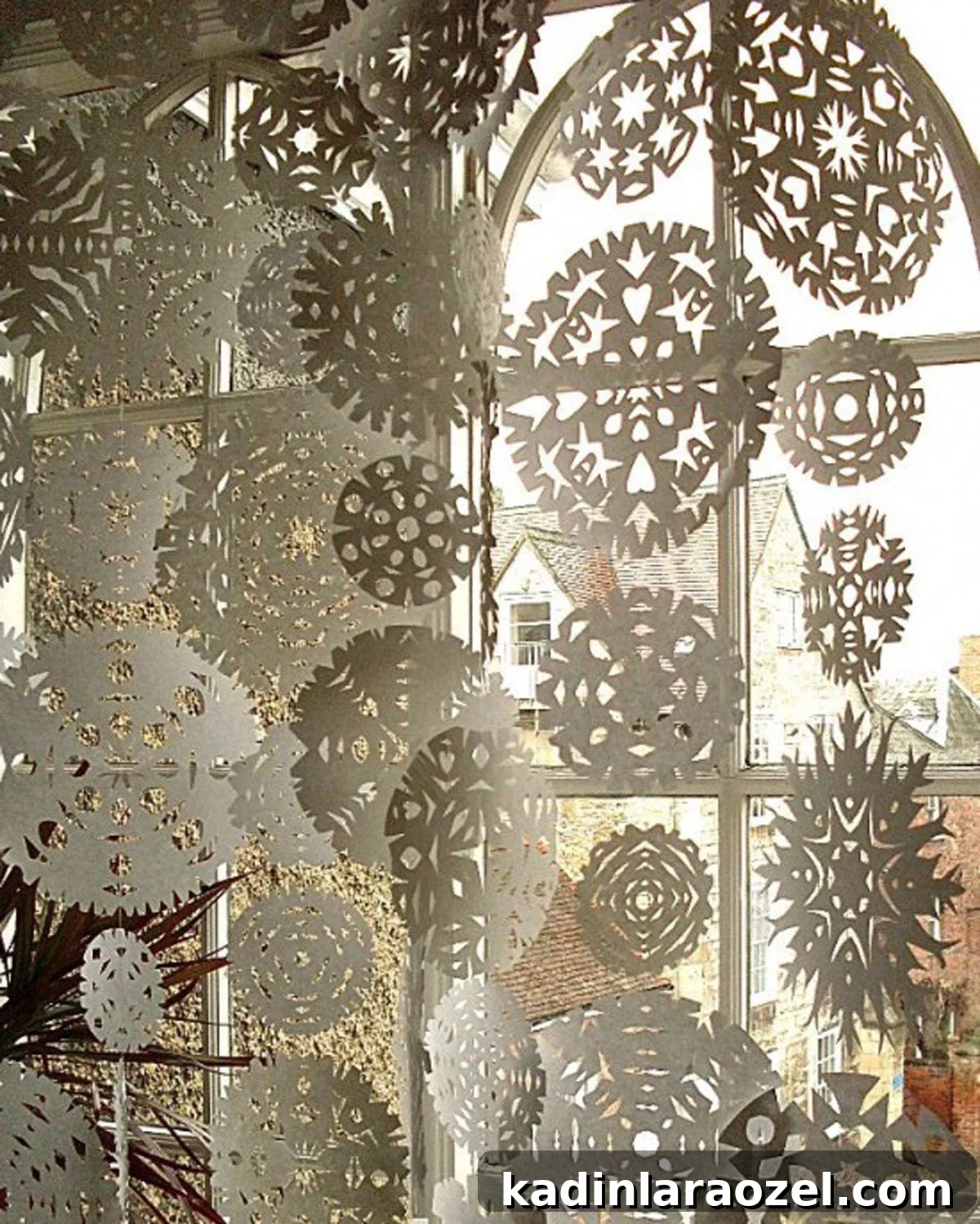
DIY paper snowflakes are a timeless Christmas decoration. Here’s a clear guide to creating your own snowflake curtain to brighten windows and add festive privacy.
This stunning snowflake curtain was made by Laura of Lupin and it’s a beautiful example of how paper decorations can transform a room. The effect is dramatic: a full, airy curtain of white snowflakes that both celebrates the season and softens the view from the outside.
Laura created this display because she’s replacing kitchen curtains with blinds and was left with bare windows, curtain rails and hooks. Traditional snowflakes taped to the glass were not practical in her flat because single-glazed windows produce heavy condensation, which ruins paper decorations. So she adapted the idea into a hanging snowflake curtain that avoids contact with the glass.
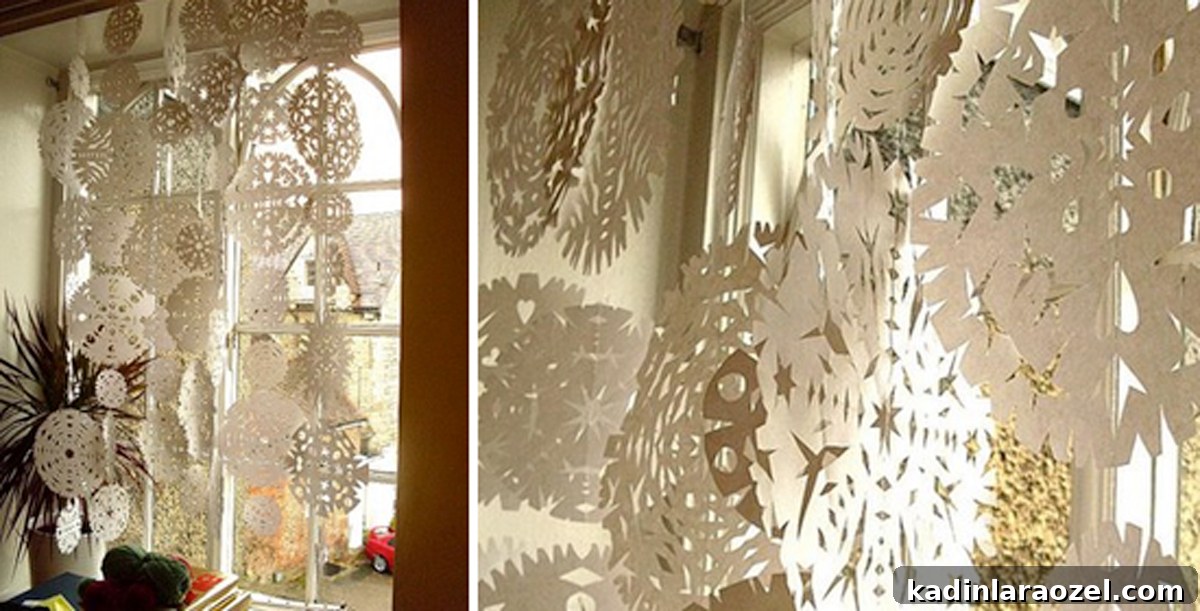
The concept is simple but does require a bit of time and patience. It’s a great project for a chilly evening and works well as a family activity: children can help cut and decorate snowflakes while adults assemble the curtain.
All the snowflakes are made from white paper circles. Use everyday kitchen items—plates, saucers, cups—as templates to trace and cut circles in several sizes. Fold each circle and snip the edges to form individual snowflake shapes. If you haven’t made paper snowflakes before, there are many step-by-step tutorials available online that explain folding and cutting techniques.
Once you have a pile of snowflakes in assorted sizes, join them into strands. Laura sewed them together, using a standard sewing needle and thread to stitch several times through each snowflake, spacing them on the thread to create the strand. This continues the delicate, lightweight look and makes the curtain durable enough to handle.
Vary the sizes and spacing to achieve a natural, random appearance instead of a rigid pattern. Hang each strand as you finish it so you can step back and judge the overall balance and coverage before adding more. That way you build up the curtain gradually and avoid overcrowding one area while leaving gaps elsewhere.
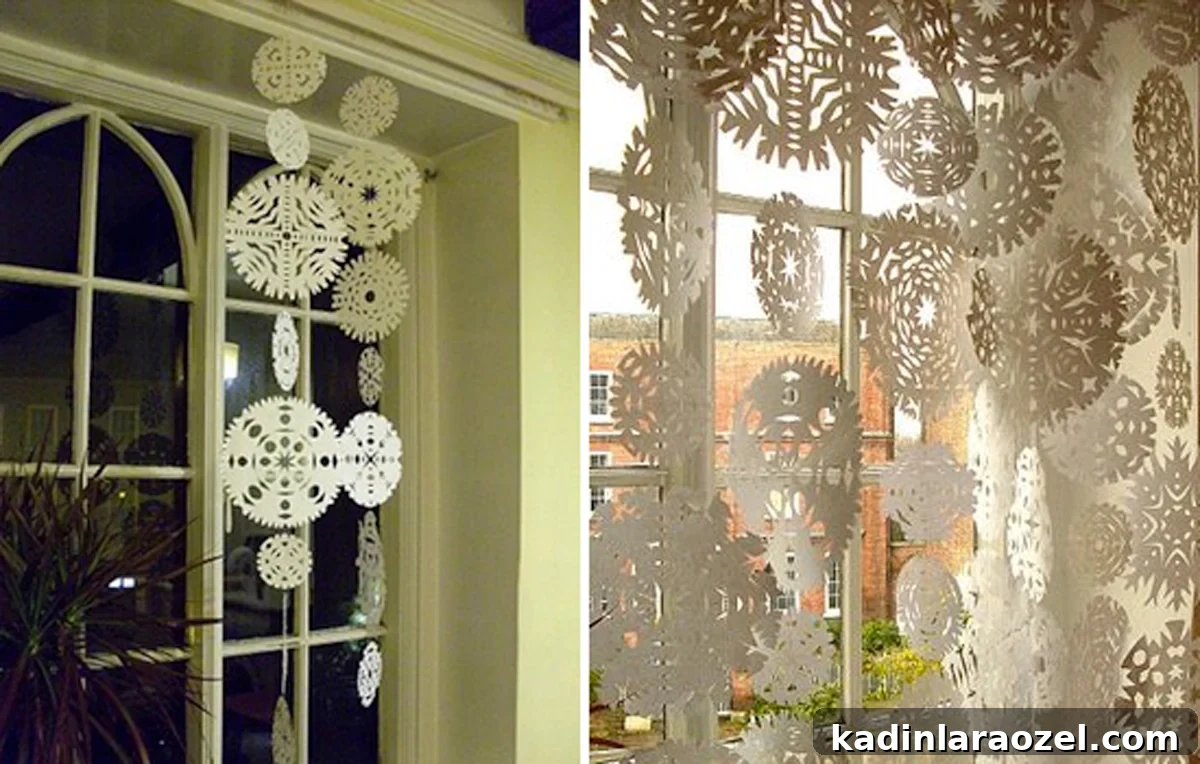
For hanging, Laura tied each strand to the existing curtain rail hooks so she can slide and rearrange the strands for different looks. If you don’t have rails, you can attach strands to a piece of string, a rod, or secure them with pins or removable adhesive like blu-tack. Grouping several strands together creates a fuller curtain effect; spacing them out produces a lighter, airy installation. A few clustered strands can also serve as a charming mobile over a table or in a doorway.
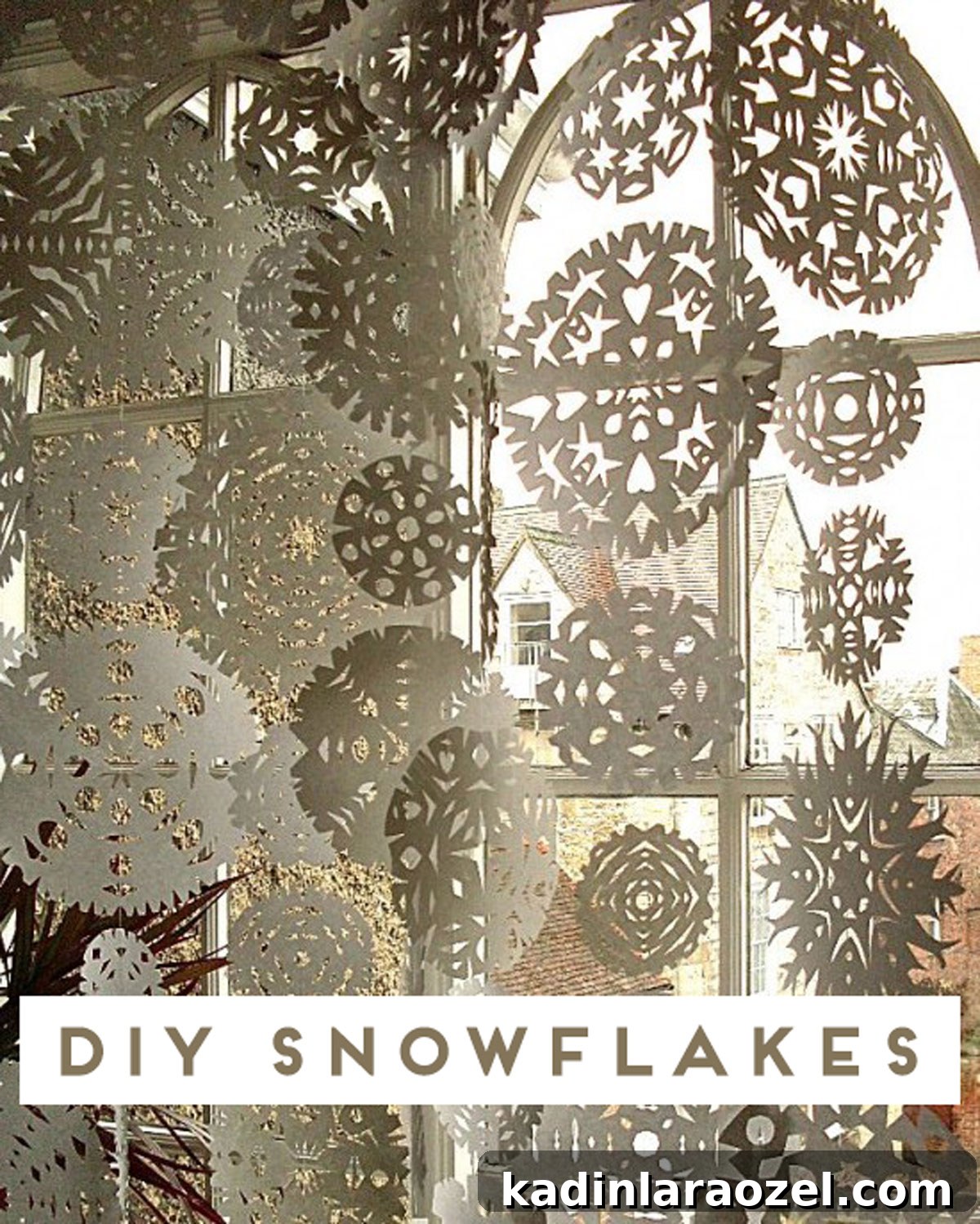
Practical tips:
- Use varying paper weights: lighter paper drapes and moves gently, while a slightly heavier paper keeps its shape well.
- If you expect drafts, secure the bottom of longer strands with small weights or attach them to a lower rail so they hang straight.
- To protect the paper from damp windows, keep the snowflake curtain a few inches away from the glass; the stitching on the strands makes this easy to arrange.
- Test different lengths and groupings by hanging a single strand first, then add more until you reach the desired density.
This snowflake curtain idea is a flexible, low-cost way to add seasonal charm to a window without relying on fragile taped decorations. It creates privacy, softens incoming light, and produces a striking holiday display that’s easy to customize. Whether you make a full floor-to-ceiling curtain or a few festive strands, it’s an approachable craft that rewards the time you put into it with a memorable result.
Enjoy making your snowflake curtain, and involve family or friends to make the process faster and even more fun. It’s a lovely personal touch that brings winter indoors in the most celebratory way.