Minimal Modern Entryway Makeover: Stylish Small-Space Ideas
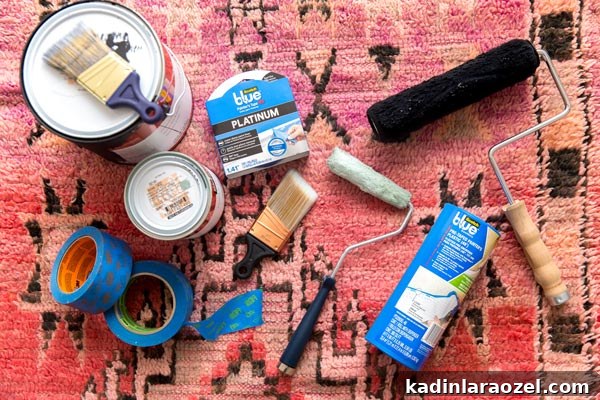
This post is sponsored by 3M. All opinions are my own and additional products used in the project were selected by me.
I’m finally making progress on our new place, and next up was the entryway and the interior side of our front door. After finishing the bathroom refresh, I wanted to tackle the entry right away—because it’s the first thing we see when we come home and the last thing we see when we leave.
This makeover involved a lot of paint and even more painter’s tape, so I partnered with 3M and used ScotchBlue™ Painter’s Tape (my go-to) to make sure every line stayed clean and crisp. The contrast between very dark walls and bright trim made sharp paint lines essential.
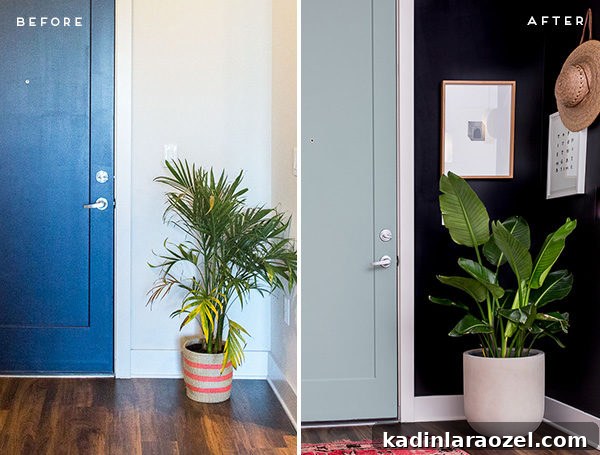
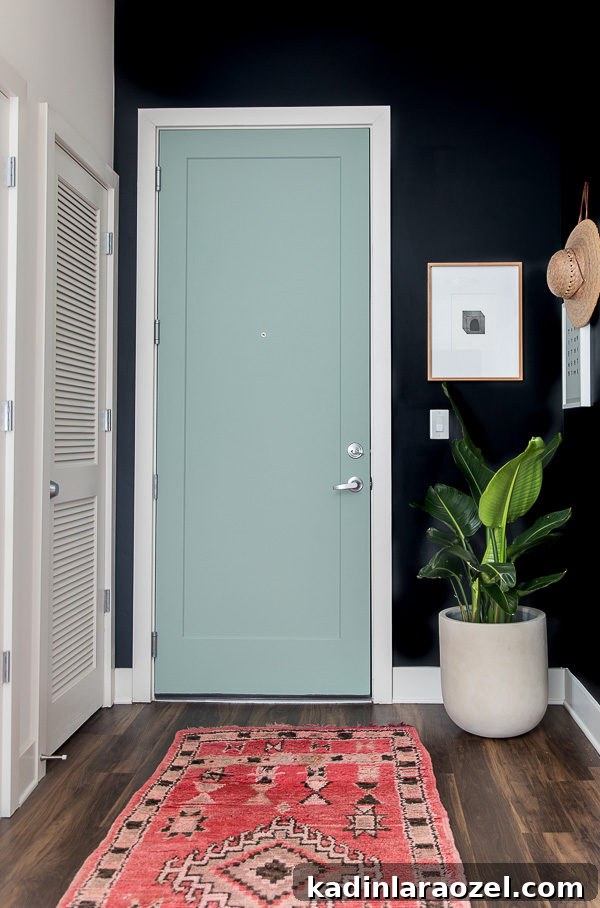
The finished entryway makes me smile. It’s a big transformation—going from white walls to nearly black—and I love the drama it brings. While I usually prefer lighter interiors, dark and moody works beautifully for this small entry, creating a striking welcome. Below are the before-and-after details and a step-by-step guide to painting a metal door and surrounding walls while keeping the white trim pristine.
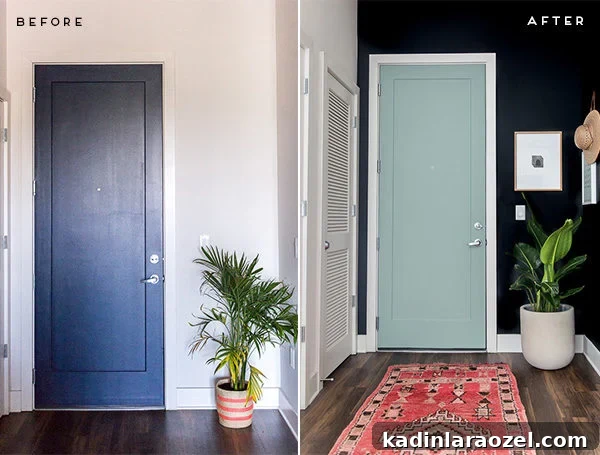
First, let’s talk about painting the inside of the front door. I hadn’t considered painting an interior door until we moved here. The glossy navy door had started to feel out of place against the white walls, so I decided to change it. While sampling colors, I tested several shades and settled on a soft minty-gray-green for the door and a deep charcoal (almost black) for the walls. My partner, Jeff, was surprisingly on board, and we agreed to leave the trim white for contrast—which meant lots of careful taping.
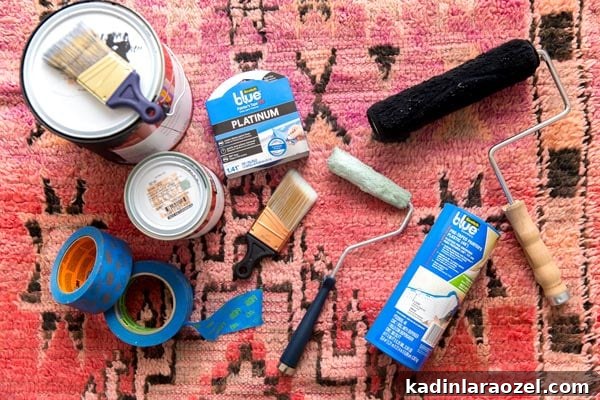
Materials
- ScotchBlue™ PLATINUM Painter’s Tape (for the metal doorframe)
- ScotchBlue™ TRIM + BASEBOARDS Painter’s Tape (for the trim where it meets the wall)
- ScotchBlue™ Pre-Taped Painter’s Plastic (to protect baseboards and floors from paint splatters)
- ScotchBlue™ WALLS + WOOD FLOORS Painter’s Tape (for taping along the ceiling)
- Damp cloth for cleaning baseboards and trim
- Screwdriver to remove outlet and switch plates
- Paint roller (standard size for walls, smaller roller for the door)
- Paint brush (2-inch short-handle brush)
- Flat interior paint in two colors—one for the door, one for the walls
*I typically buy ScotchBlue™ Painter’s Tape from online retailers or local home improvement stores.
Quick note: I used several ScotchBlue™ tapes because different surfaces—metal, trim, ceiling, baseboards—require different adhesion levels for the sharpest paint lines. The right tape for each surface helps prevent bleeding and ensures cleaner edges.
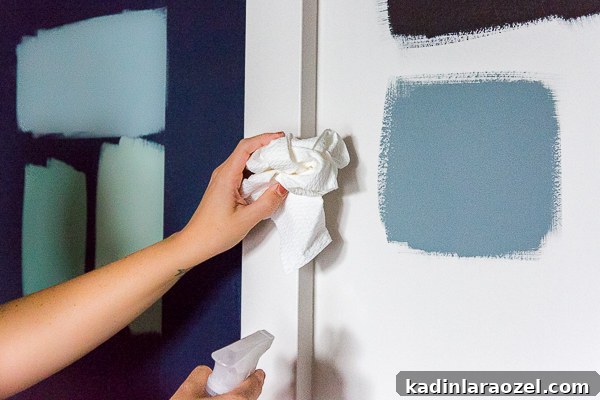
Instructions
1. Clean all baseboards and trim with a damp cloth to remove dust and dirt. Avoid heavy household cleaners, which can affect tape adhesion. Allow surfaces to dry completely before taping.
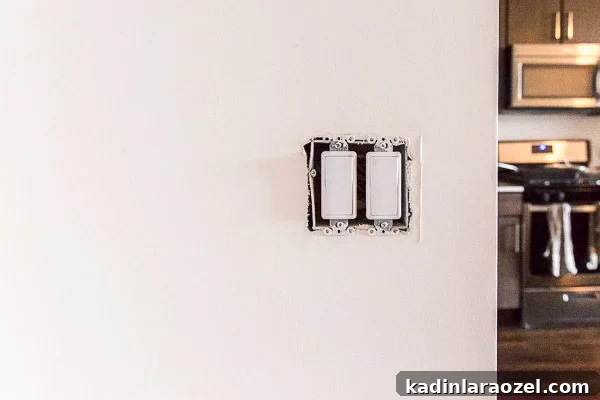
2. Remove outlet and switch plates with a screwdriver and keep screws and covers together so nothing gets lost. I usually store them in a small bag.
3. Time to tape. There’s a lot to cover, so I worked section by section:
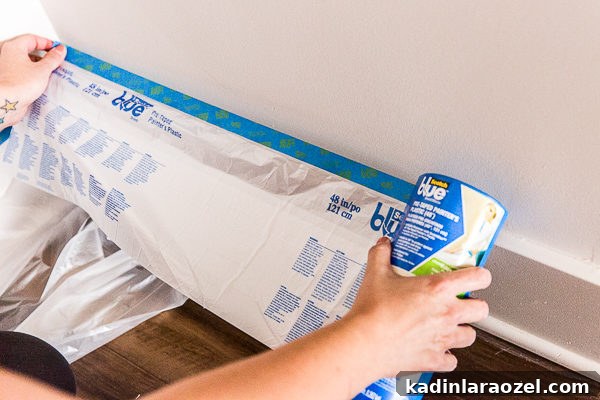
Baseboards: I used ScotchBlue™ Pre-Taped Painter’s Plastic to protect floors and baseboards from drips. It applies like regular tape—press it at the joint where the baseboard meets the wall, tear with the built-in cutter, and unfold the plastic to cover the floor.
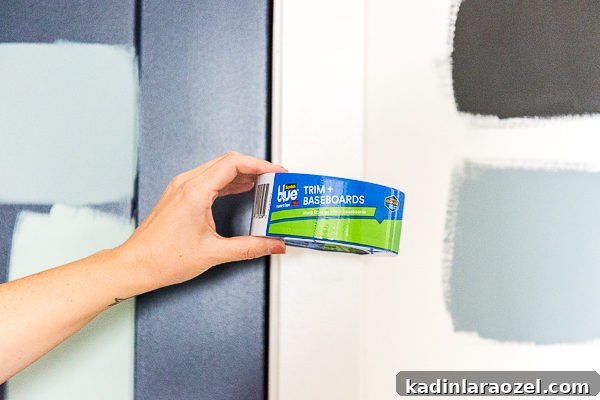
Trim that meets the wall: For the trim that touches the wall, I used ScotchBlue™ TRIM + BASEBOARDS Painter’s Tape. Run the tape along the trim edge and press firmly to secure it.
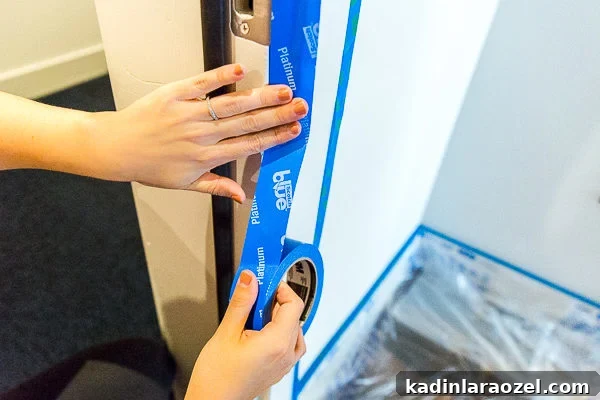
Trim that meets the door: Because the door has a metal frame, I used ScotchBlue™ PLATINUM Painter’s Tape on the metal surfaces. This tape’s poly backing tears cleanly at 90 degrees, making it ideal for corners and edges. Press it down firmly as you apply. I also used the PLATINUM tape to cover the metal hinges.
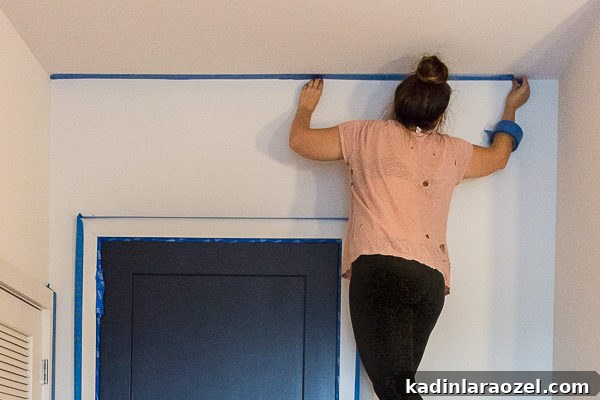
Ceiling: For the joint between wall and ceiling, I used ScotchBlue™ WALLS + WOOD FLOORS Painter’s Tape. Apply it close to the seam and run your finger along the tape to ensure a good seal on smooth surfaces.
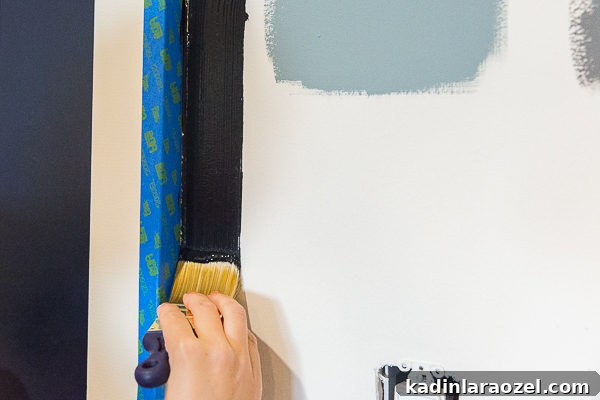
4. With everything taped, I started painting. I used a standard roller with a 3/8″ nap for the wall surfaces and a 2-inch brush for edges, corners, and around outlets. The walls needed two coats and about half a gallon of paint.
For the metal door, I painted edges, locks, and hardware areas with a 2-inch brush, and used a small roller for larger door panels. The door took three thin coats and a little over half a quart of paint. Follow the paint manufacturer’s drying recommendations between coats.
Note: Allow sufficient drying time between coats—check the paint can for guidance.
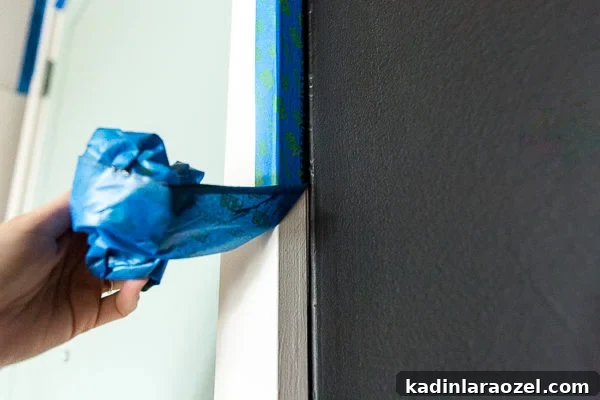
5. After the paint is fully dry, remove the painter’s tape and plastic. If paint has built up along the edge, score the paint film where it meets the tape with a sharp blade to prevent peeling. Then slowly remove the tape at a 45° angle, pulling it back onto itself for the cleanest line.
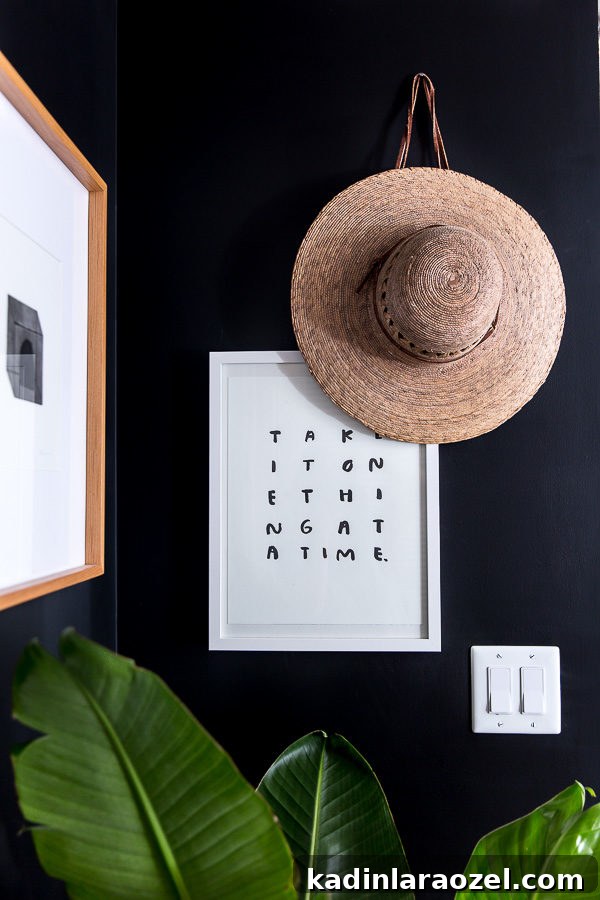
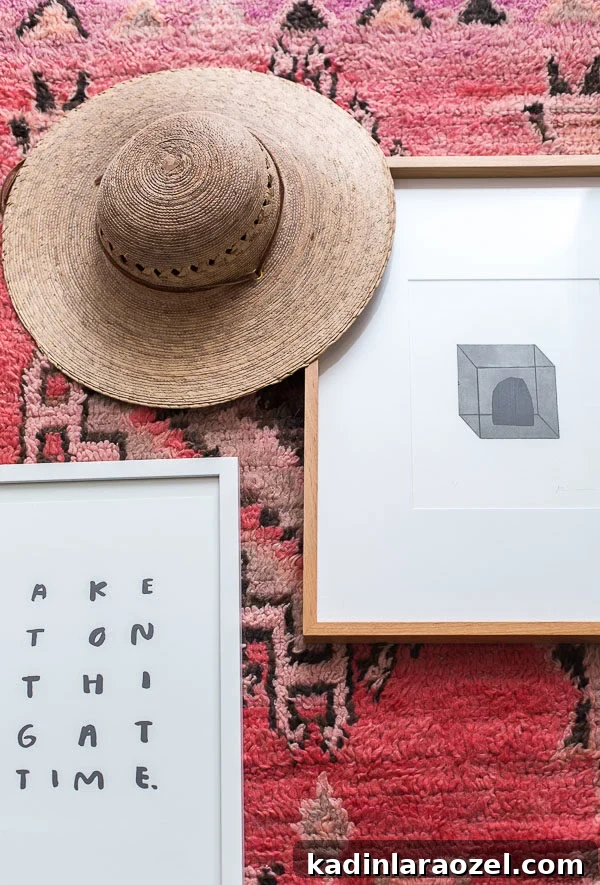
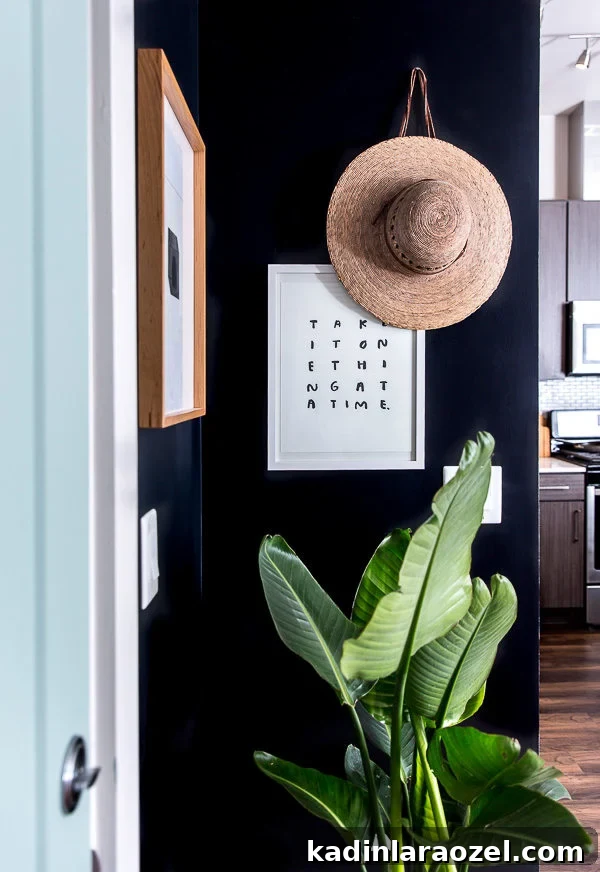
6. Reattach outlet covers and switch plates. Then bring in decor. I added a large plant, simple artwork, and a colorful rug, keeping the styling minimal so the small space feels curated rather than cluttered.
How long did it take? The hands-on work took about three to four hours, not including drying time between coats. Because the outside of the door remains navy, the change is private to our apartment. The project is renter-friendly and easy to reverse before moving out—just confirm painting is allowed with your landlord first.
What do you think of the results? I’d love to hear your thoughts about painting an entryway (or any room) dark and dramatic, and whether you’d consider painting the interior side of a rental door. Share your ideas and experiences in the comments.
—
This post is in partnership with 3M. All opinions are my own and additional products used in the project were selected by me. Thanks for supporting the brands that help keep Paper & Stitch running.