DIY Crossbody Bag for Under $10: Step-by-Step Guide
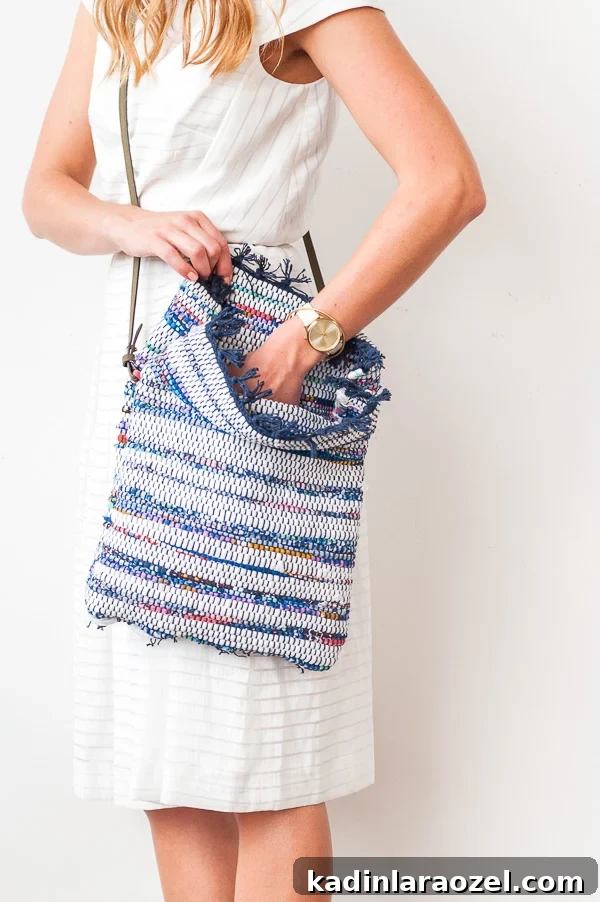
A budget-friendly DIY crossbody bag!
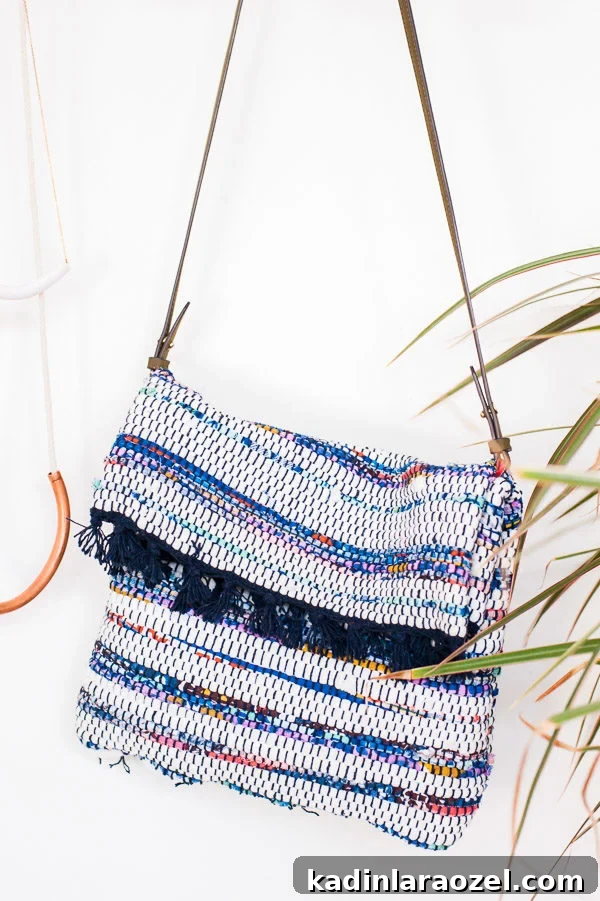
I picked up two thick, colorful woven placemats on sale and stashed them in my craft closet. They sat there for a while until Amelia transformed them into a stylish little crossbody bag. The result is simple, practical, and very affordable—the whole project costs under $10 if you already have a few basic tools.
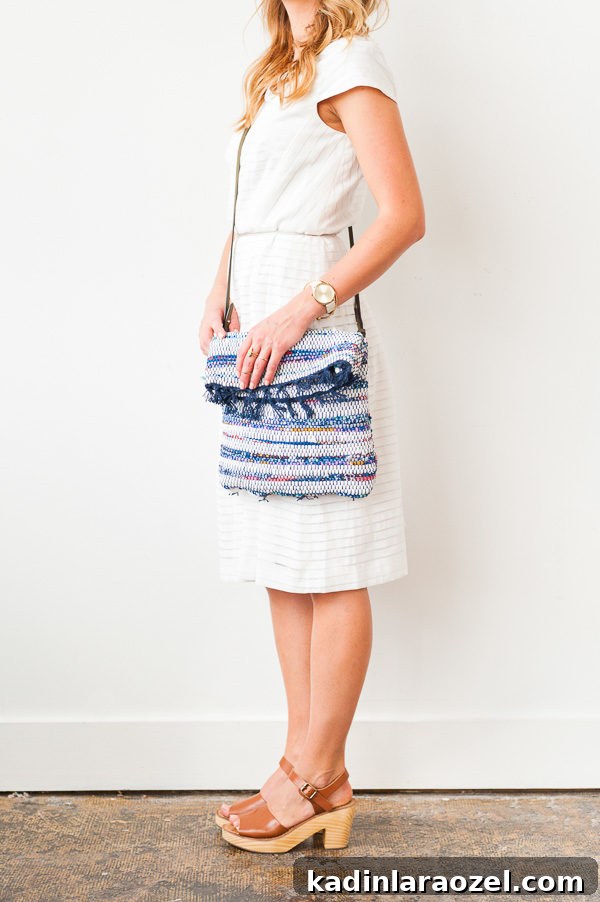
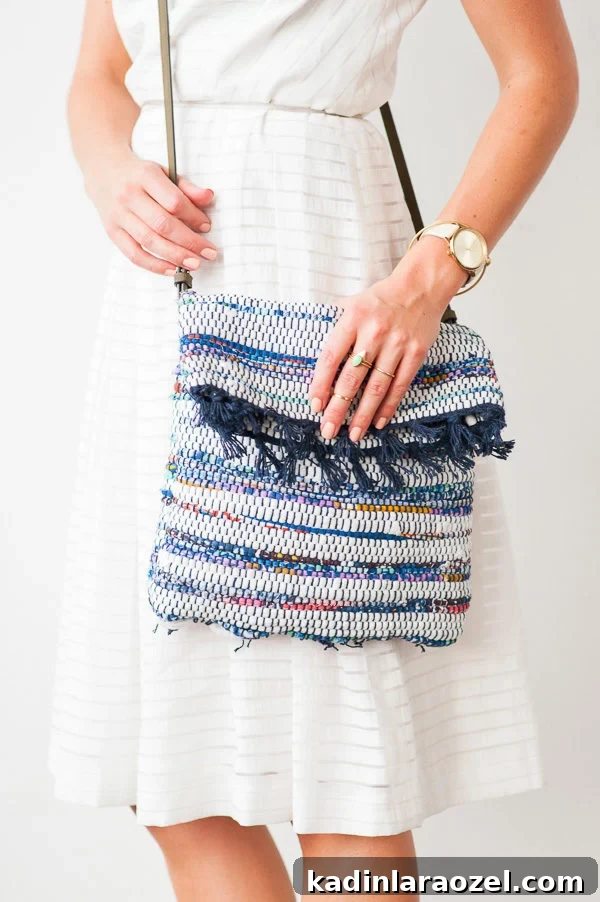
Follow the step-by-step instructions below to make your own crossbody bag from two placemats.
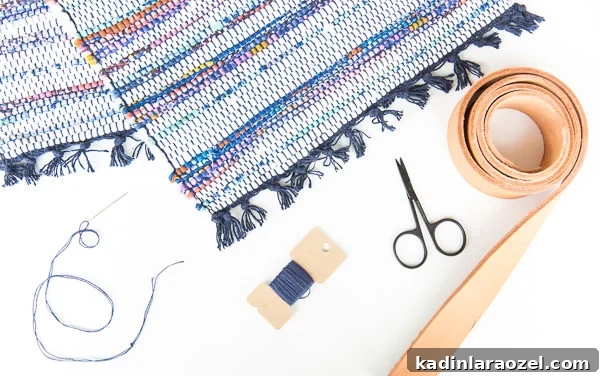
Materials for Crossbody Bag
- 2 matching placemats (woven are best for thickness, texture, and easy hand stitching)
- embroidery floss in a coordinating color
- a large needle
- a leather purse strap (or any strap you like)
- scissors
How to Make a Crossbody Bag
1. Place the two placemats together with their wrong sides facing out. Thread a large needle with embroidery floss.
2. Begin stitching along the bottom edge about 1 inch in from the edge, using a blanket stitch or backstitch. A blanket stitch gives a decorative, strong finish; a backstitch is a good alternative for a clean, sturdy seam.
Tip: Keep the placemats aligned as you stitch so the edges match up evenly.
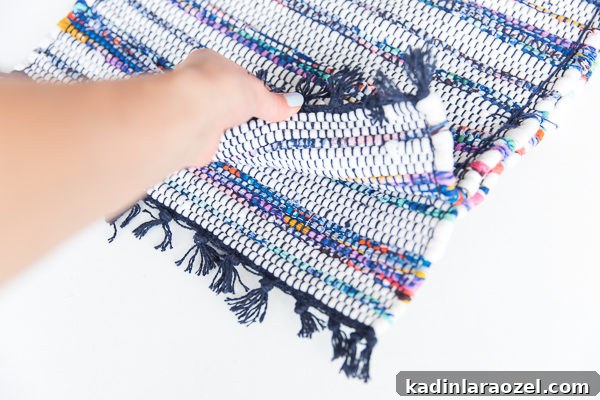
3. Sew up both side seams, but stop each side stitch roughly 8 inches from the top. These openings mark where you’ll attach the strap loops.
4. After sewing the bottom and the sides, gently turn the bag right side out so the stitching is hidden on the inside.
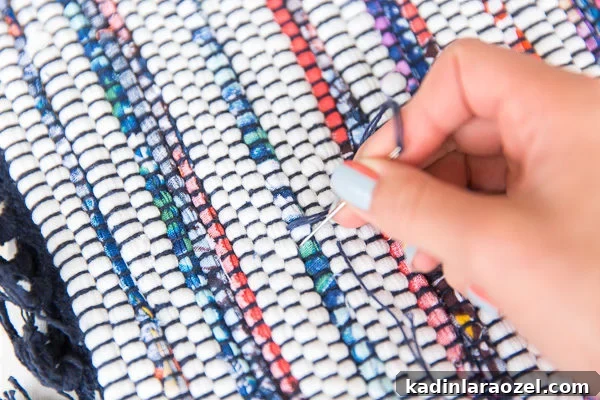
5. For the strap loops, cut two 3-inch strips of durable material. You can use trimmed pieces from the placemats, scrap leather, or another sturdy fabric. The strips don’t need to be wide—just strong enough to hold the strap.
6. Fold each strip into a loop and tuck it between the open seams at the top of the bag so it sits just above the point where you stopped stitching (about 8 inches from the top). Position the loop so, when the top edge is folded over, the strap will sit correctly.
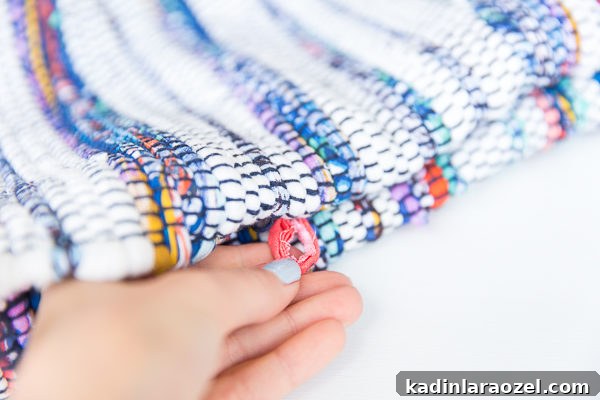
7. Pull each loop so it just peeks out on the exterior. Securely stitch over the loop—double up your backstitch where the loop attaches for extra strength—then continue stitching up to the top edge to close the seam. You may need to stitch from inside the bag to match the existing seam and keep a neat finish.
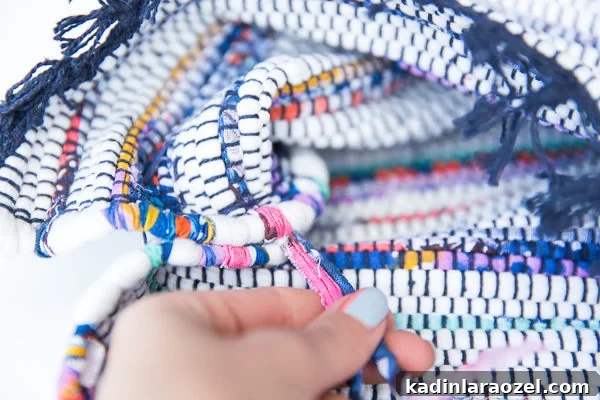
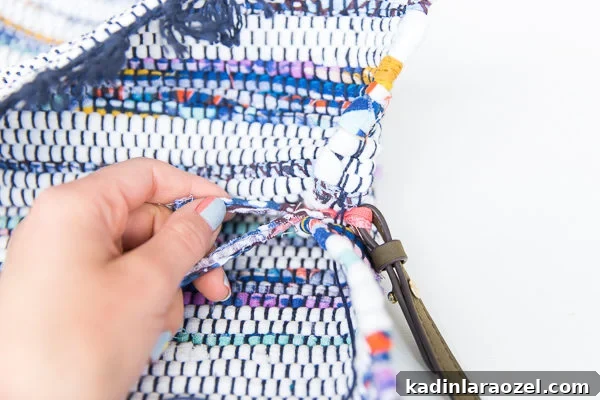
8. Once the loops are firmly stitched, thread your purse strap through them and fasten with the strap’s buckle or button. If your strap doesn’t have a closure, attach the strap to the loops before stitching them into the bag—plan ahead so you can secure the strap easily.
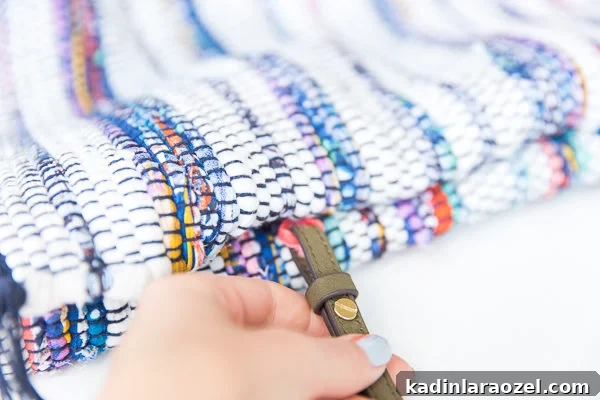
9. Push out the bottom corners so the bag lays flat and folds neatly. Fold the top over if desired, and your crossbody bag is ready to wear.
Notes: Different placemat materials may need slight adjustments. Thinner placemats can be sewn on a machine, and you can add a fabric liner, clasp, pockets, or other custom details to make the bag your own.
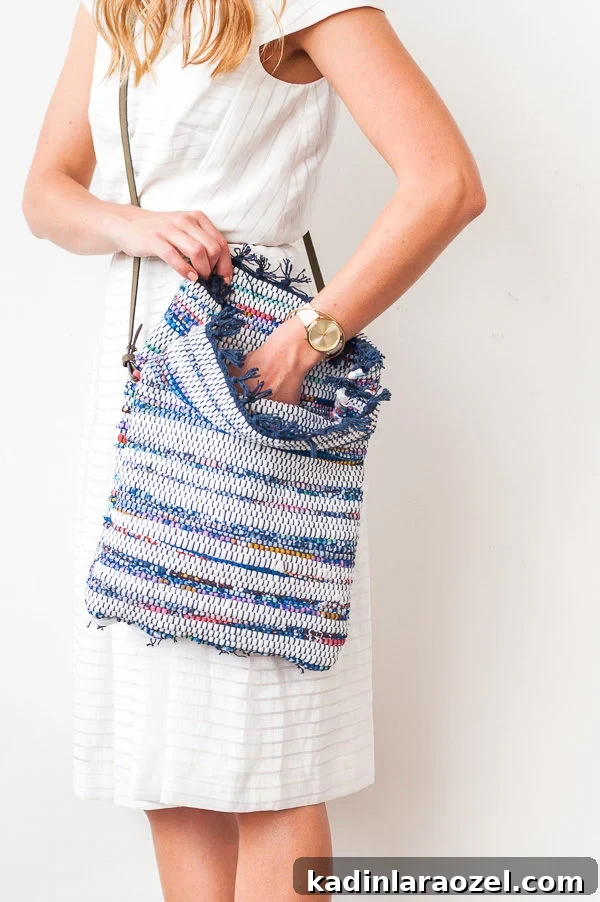
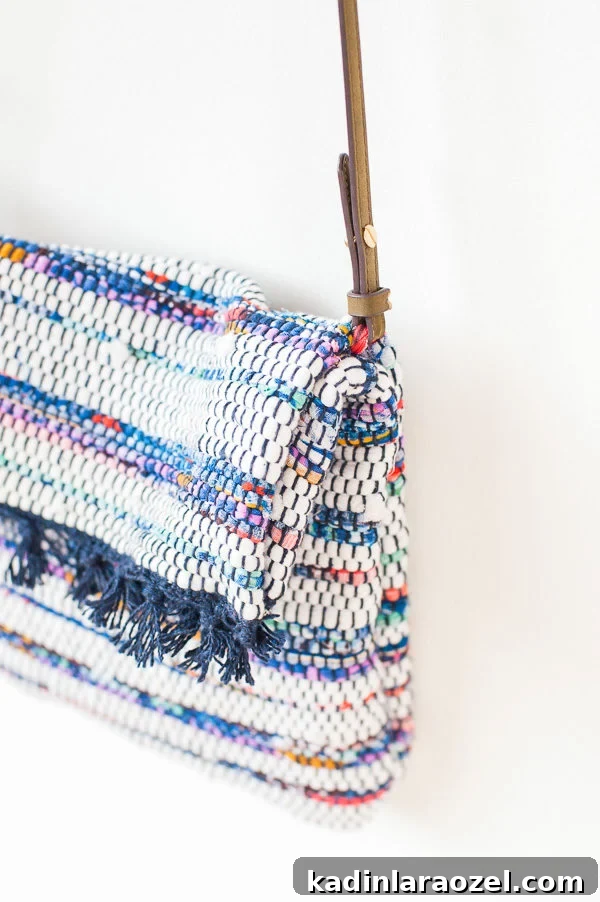
Make a DIY Crossbody Bag from Placemats
Author: Brittni
Summary: Two inexpensive woven placemats, some embroidery floss, and a strap are all you need to create a durable, attractive crossbody bag. The project is quick, inexpensive, and customizable—perfect for a beginner-friendly craft or a small gift.
Ingredients
- 2 matching placemats (preferably woven for thickness and easy hand stitching)
- embroidery floss in a coordinating color
- large needle
- leather or fabric purse strap
- scissors
Instructions
- Place the placemats together with the wrong sides facing out and thread a large needle with embroidery floss.
- Stitch the bottom edge about 1 inch from the edge using a blanket stitch or backstitch. Keep the placemats aligned as you sew.
- Sew up the sides, stopping about 8 inches from the top to allow space for the strap loops.
- Turn the bag right side out after sewing three sides.
- Cut two 3-inch strips for loops from scrap fabric or leather.
- Fold each strip into a loop and tuck it between the open seams so it sits just above the stitch line where you stopped.
- Pull the loops so they barely show outside, stitch them securely (double-backstitch for strength), and finish sewing up to the top edge.
- Thread the strap through the loops and fasten with the strap’s hardware.
- Push out the bottom corners so the bag lays flat; fold the top if you like, and it’s ready to use.
Craft production and photography by Amelia Tatnall