DIY Wood Workspace Tables: Studio Build Progress and Tips
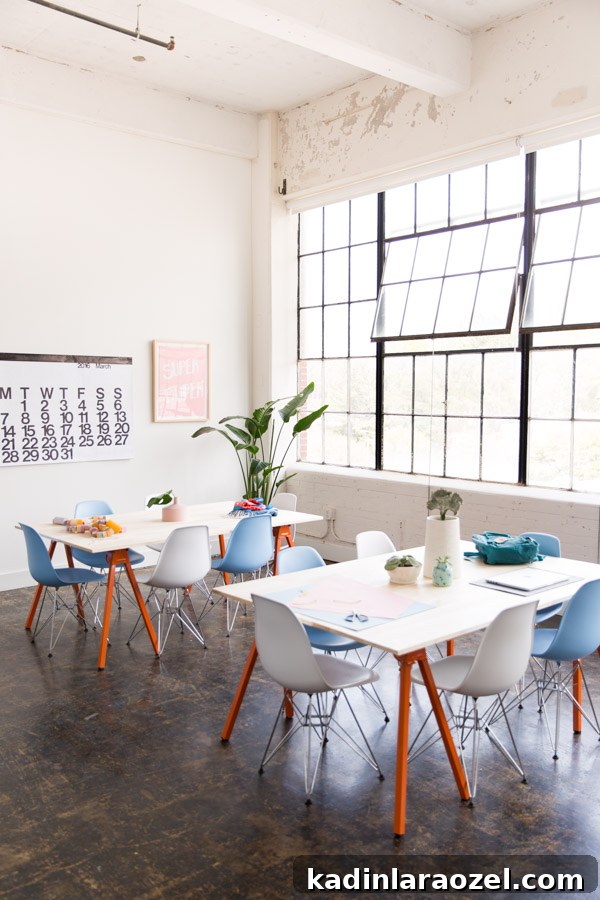
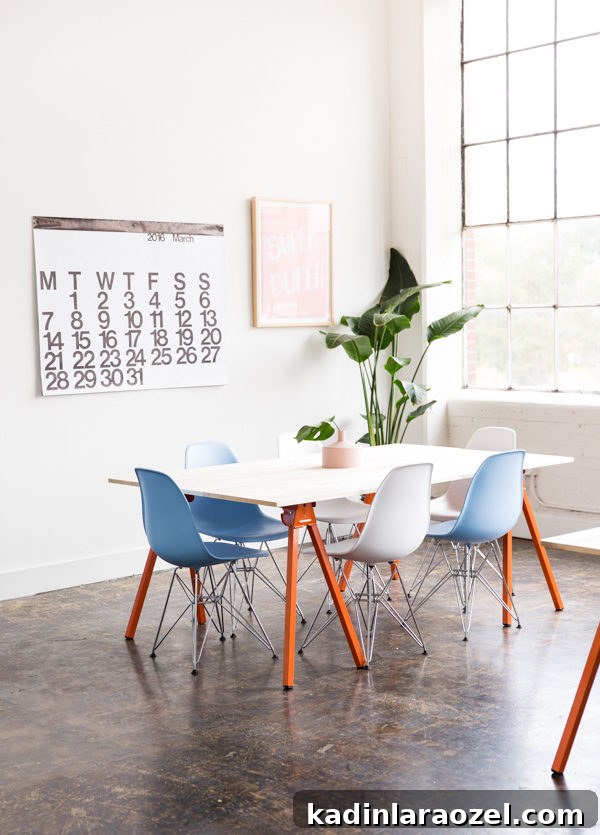
I mentioned in a previous post that I was working on several DIY projects for our new studio space. Today I’m excited to share that the largest of those projects is finished: custom DIY workspace tables that we now use for crafting, computer work, and — soon — in-person workshops. I partnered with Lowe’s on this build and I’m sharing the full tutorial below in case you want to make your own.
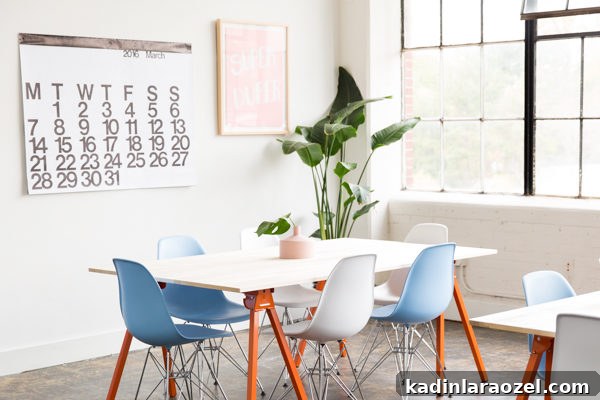
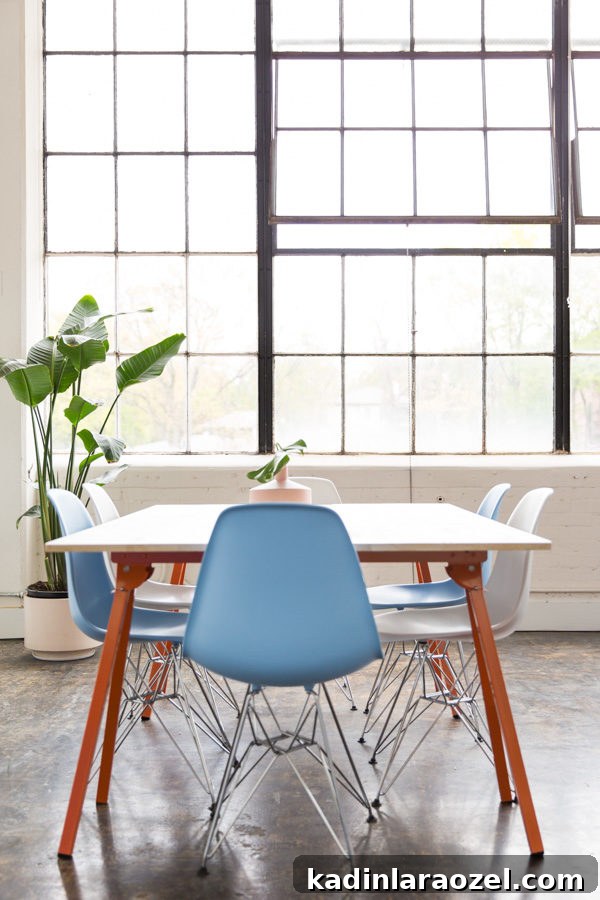
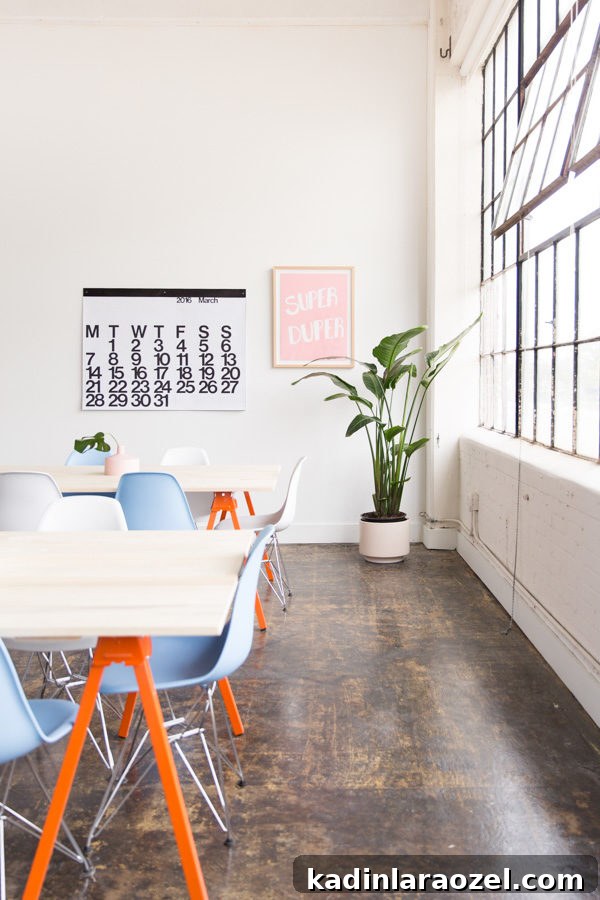
Before this update we were using old white Ikea tables in the main work area, but they lacked the size and sturdiness we needed. These new tables are bigger, stronger, and provide a much more useful work surface for a busy creative studio.
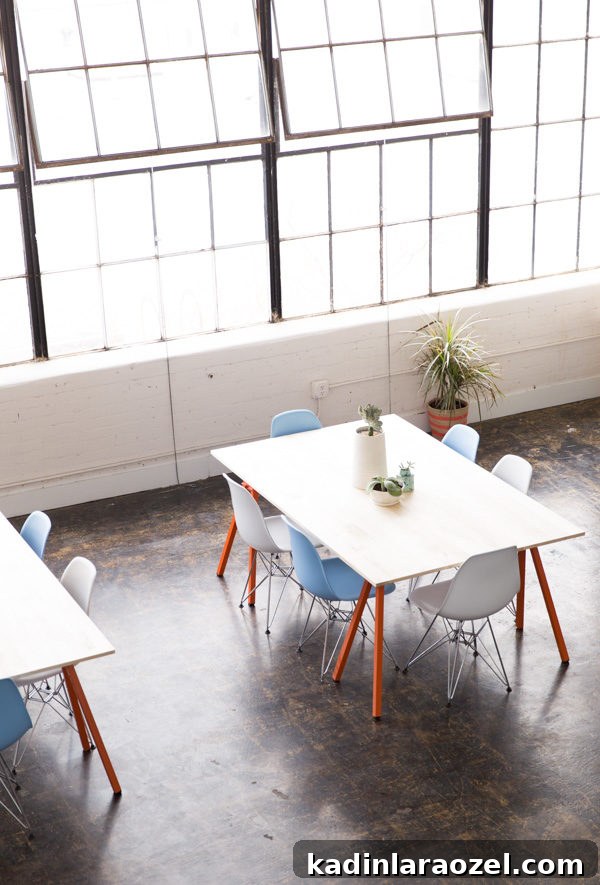
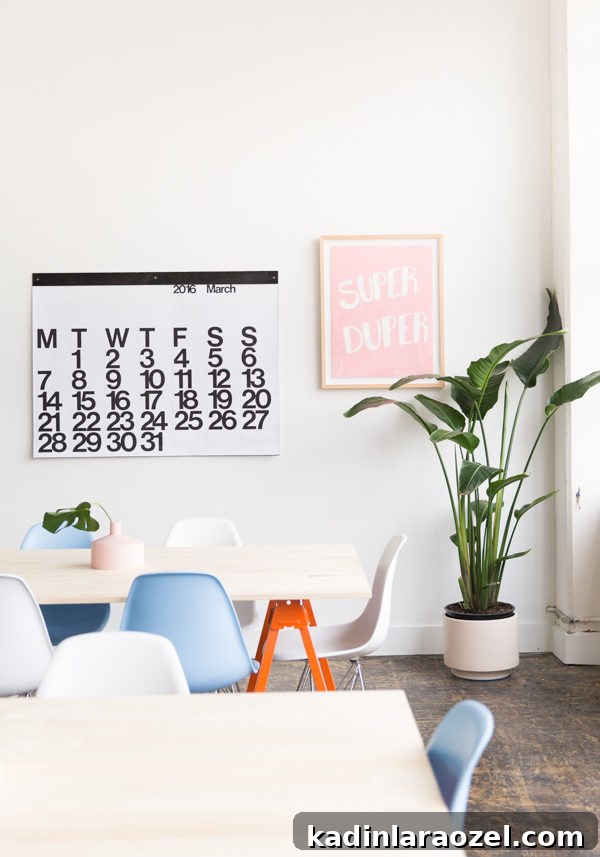
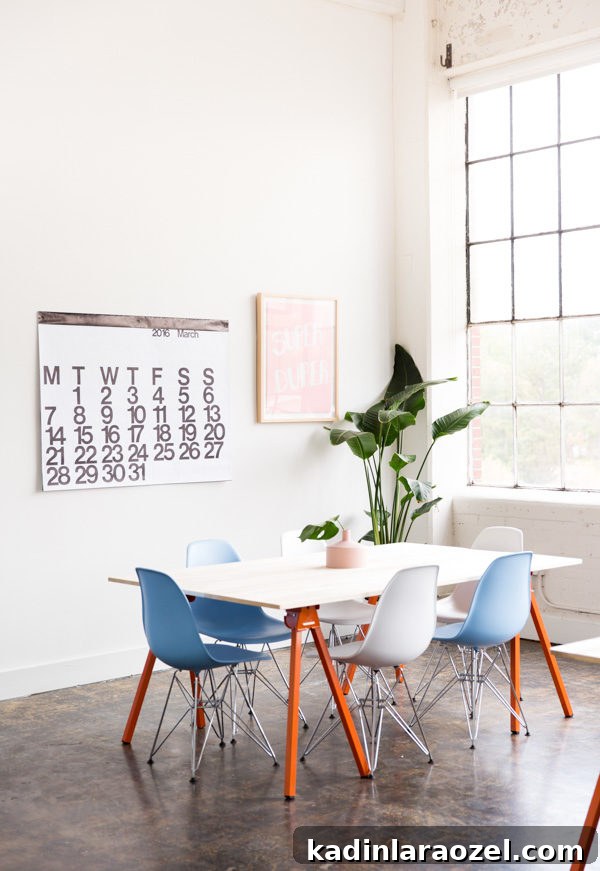
The tabletop surface is ideal for all the projects that happen here daily: ample room to spread out, far more than a standard desk, and the warm wood tops are a nice contrast to the previous all-white surfaces.
Although furniture DIYs can feel intimidating, this build is fairly straightforward and well within reach for a weekend DIYer. It’s more involved than placing a plank on sawhorses, but completely doable with basic tools and attention to the steps below.
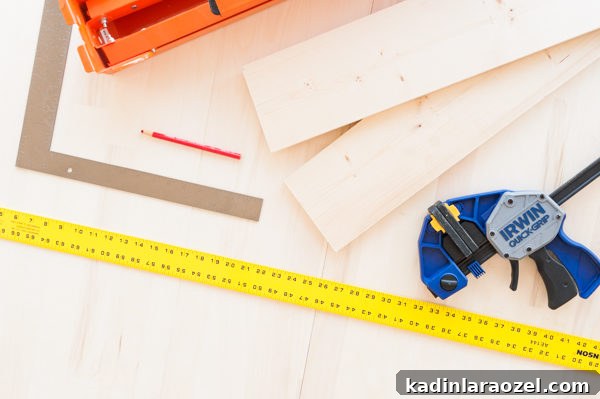
Materials (makes 2 tables):
- 5 sheets of 18 x 72 kiln-dried Aspen panel (makes two tables; for one table you need 3 sheets)
- 2 pieces of common board, each 1″ x 6″ x 8′ (makes two tables; for one table you need 1 board)
- 2 pairs of Portamate sawhorses (makes two tables; for one table you need 1 pair)
- Circular saw
- Orbital sander
- Drill and drill bits
- 1 1/4″ wood screws
- Wood glue
- 4–6 bar clamps
- Large straightedge and a long level
- Wood filler and a spatula
- Pencil for marking
Step-by-step instructions:
1. Choose your legs: I used modified sawhorses for the table legs because they’re sturdy, foldable, and easy to move. Standard sawhorses are taller than a typical table, so have the legs cut down to a normal table height — I had them trimmed to 29″ total height. This also would have been the right time to powder-coat them if you want a custom finish.
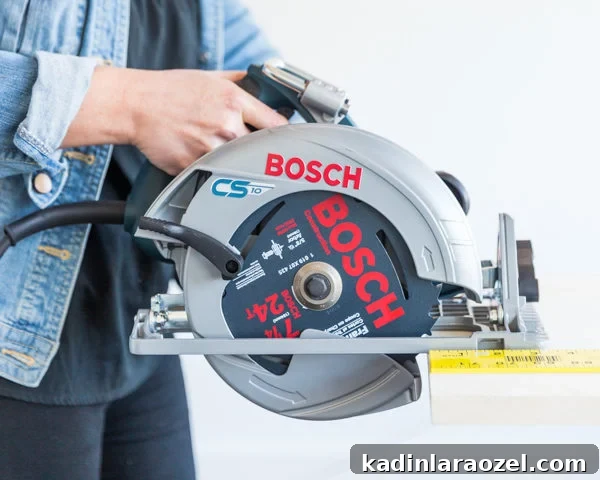
2. Table size and cutting: Each finished table measures 72″ long x 45″ wide. For that, use two 72″ x 18″ Aspen panels and one additional Aspen panel cut lengthwise to yield a 9″ x 72″ strip. That combination gives a 72″ x 45″ tabletop. If building two tables, you’ll be able to use the remaining 72″ x 9″ piece to build the second tabletop. Using a circular saw, cut one Aspen sheet in half lengthwise to create the 9″ strip, marking carefully first.
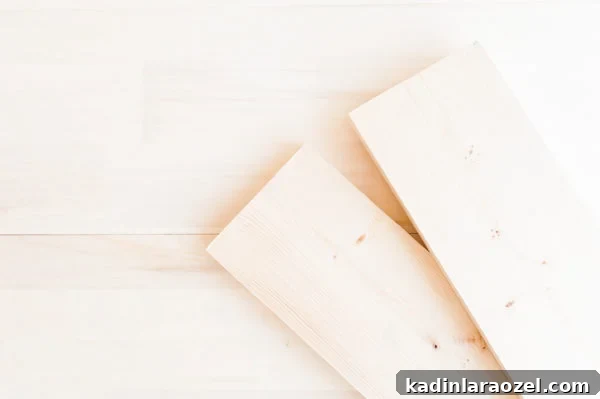
3. Cut support pieces: Cut the common boards into 34″ lengths. These will act as reinforcement supports on the underside of each tabletop. You need two support pieces per table (four total for two tables). Set them aside for now.
4. Join the tabletop panels: Lay the three tabletop boards (two 72″ x 18″ and one 72″ x 9″) together across two sawhorses. Arrange them so the least amount of gap appears between seams and clamp the joints with bar clamps. Place the “ugly” sides face-up while clamping so that when you flip the tabletop later the visible top will be the nicer faces. Small gaps can be filled with wood filler later.
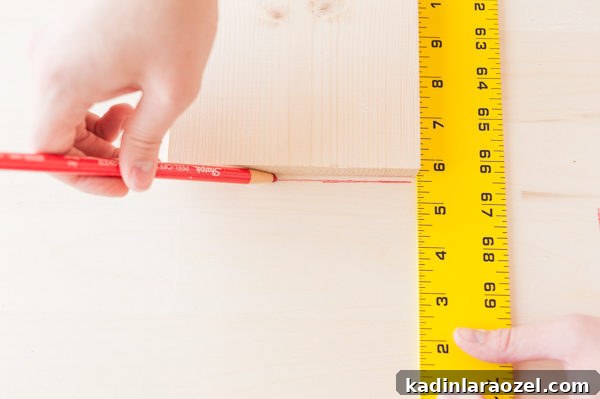
5. Mark sawhorse placement: The lengthwise top of a sawhorse is typically 36″. To position them under the finished tabletop, place another sawhorse on top of the assembled boards and measure 8″ in from the tabletop edge, then center the sawhorse there. Butt one support piece up to the sawhorse and make sure it’s centered — the support should leave approximately 5.5″ on either side. Trace around the support piece as a placement guide and repeat on the other side.
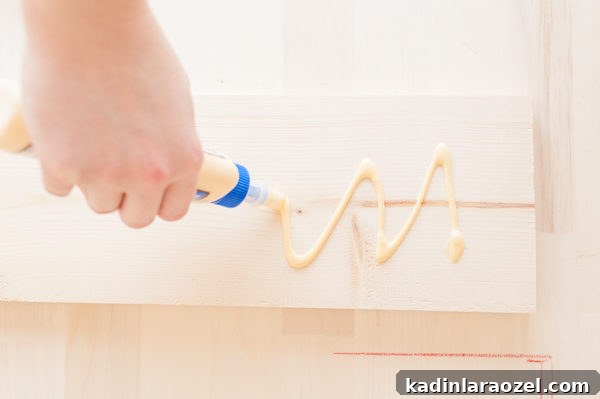
6. Glue and clamp supports: Apply wood glue to one side of each reinforcement support and place it on the tabletop where you traced the guide. Use a right angle to make sure the support is square and aligned with the edge, then clamp or weight it down. Repeat for the second support. Allow the glue to dry fully per the manufacturer’s instructions.
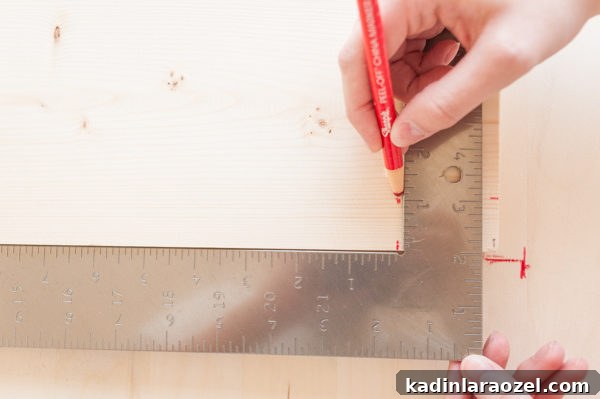
7. Mark screw locations: For each support, mark screw holes 2″ in from the sides of the support and 1″ from the bottom. Repeat these marks across each board seam and on both ends of the table. We used a total of 12 screws per reinforcement joint for a secure attachment.
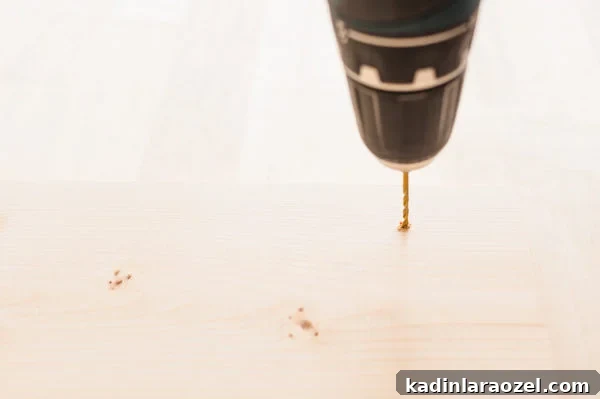
8. Drill starter holes: Drill pilot holes at your marked screw locations, taking care not to drill completely through the tabletop.
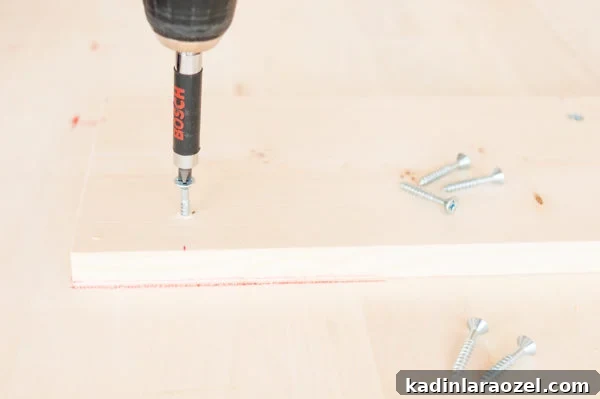
9. Insert screws: With the supports clamped or held in place, drive the screws into the pilot holes to securely fasten the supports. Keep the clamps in place while you screw to maintain alignment.
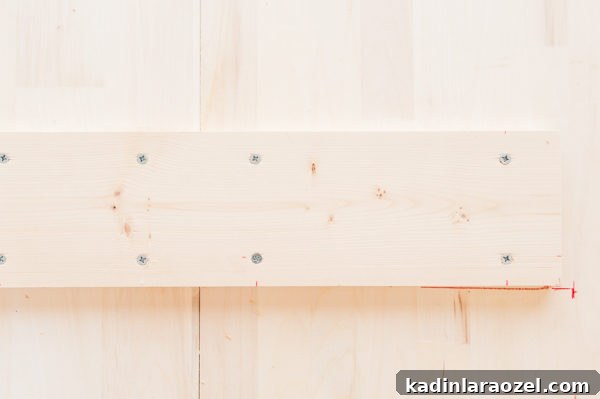
10. Set the legs: Flip the tabletop and position the sawhorses beneath so they butt up against the support pieces. If centered properly, you do not need to screw the sawhorses to the tabletop — the weight and fit will hold them in place — but you can fasten them through existing holes in the sawhorses if you prefer a permanent connection.
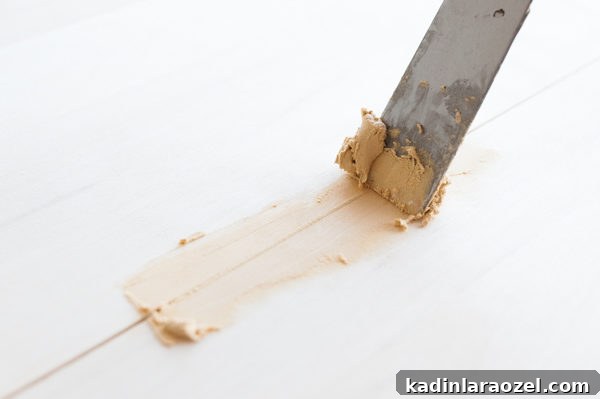
11. Fill gaps: Use wood filler to smooth any remaining gaps between boards, following the filler’s drying instructions.
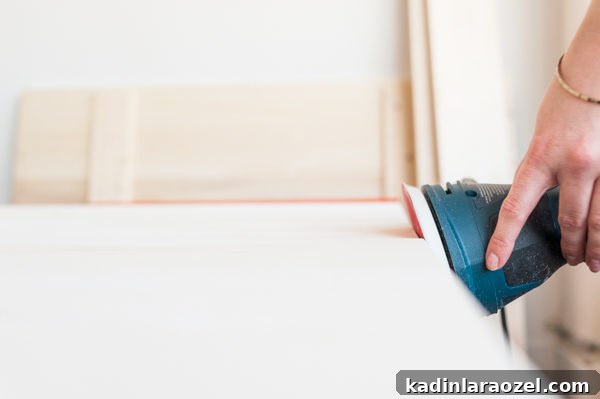
12. Sand the tabletop: Once filler is dry, sand the tabletop and edges with an orbital sander for a smooth finish. Wipe away dust with a clean cloth.
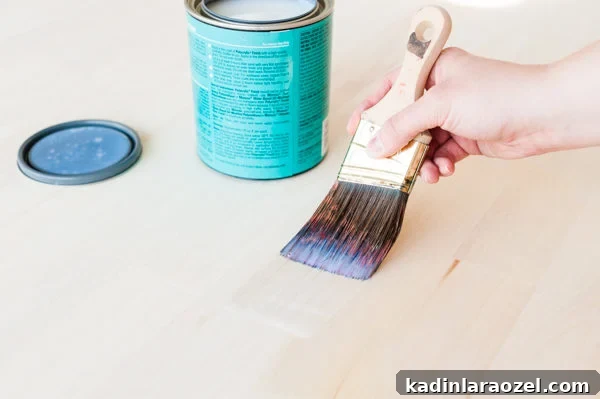
13. Finish with polyurethane: Apply 2–3 coats of polyurethane, sanding lightly between coats for a durable, attractive finish. Allow final coat to cure fully before heavy use.
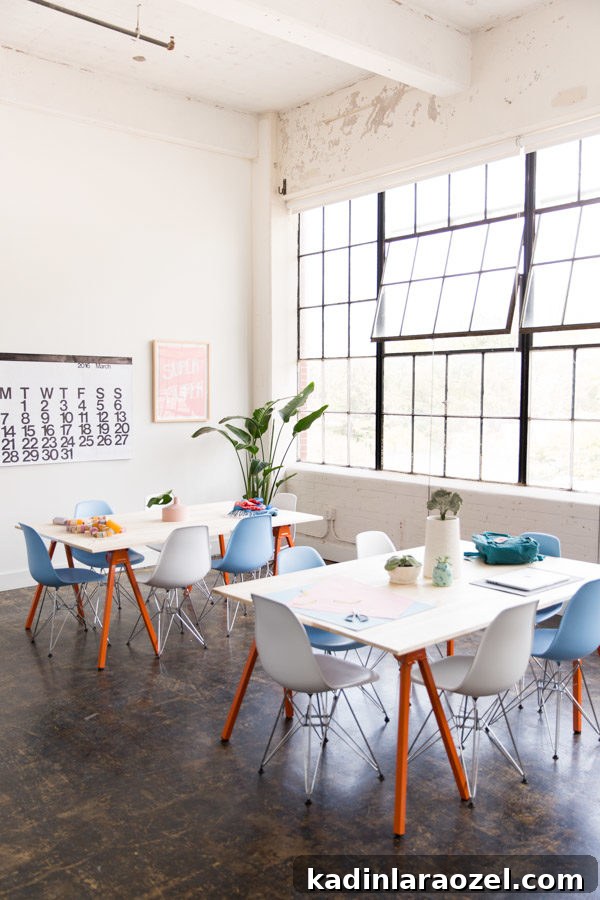
Because the sawhorses are not permanently attached, the tables are easy to move and reconfigure — you can lift the tabletop, reposition the legs, and set it back down to create a longer table for gatherings or change the layout for different projects.
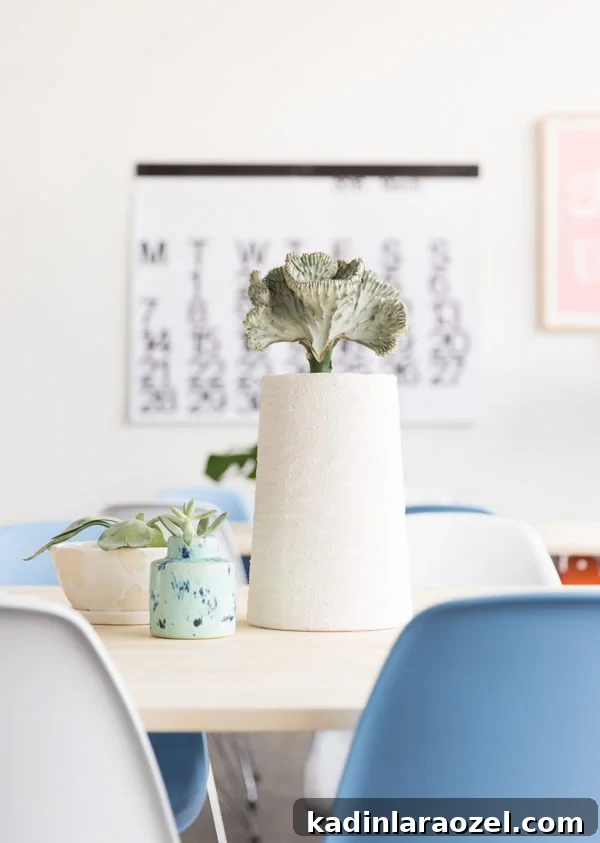
P.S. For those curious: the chairs and the distinctive coral cactus seen in the photos are from Lowe’s as well. The coral cactus makes a fun centerpiece, and the chairs come in both blue and white.
Step photos by Amelia Tatnall
Styled photos by Brittni Mehlhoff
It’s been a while since I built a piece of furniture, so this project was a fun return to that kind of work. I’d love to hear what you think — do you enjoy larger DIY projects like this, and can you see yourself building a table like this in the future?
—
This post was created in partnership with Lowe’s. Thank you for supporting the brands that help keep Paper & Stitch running.