DIY Wooden Cutting Boards: Step-by-Step Guide to Make Your Own
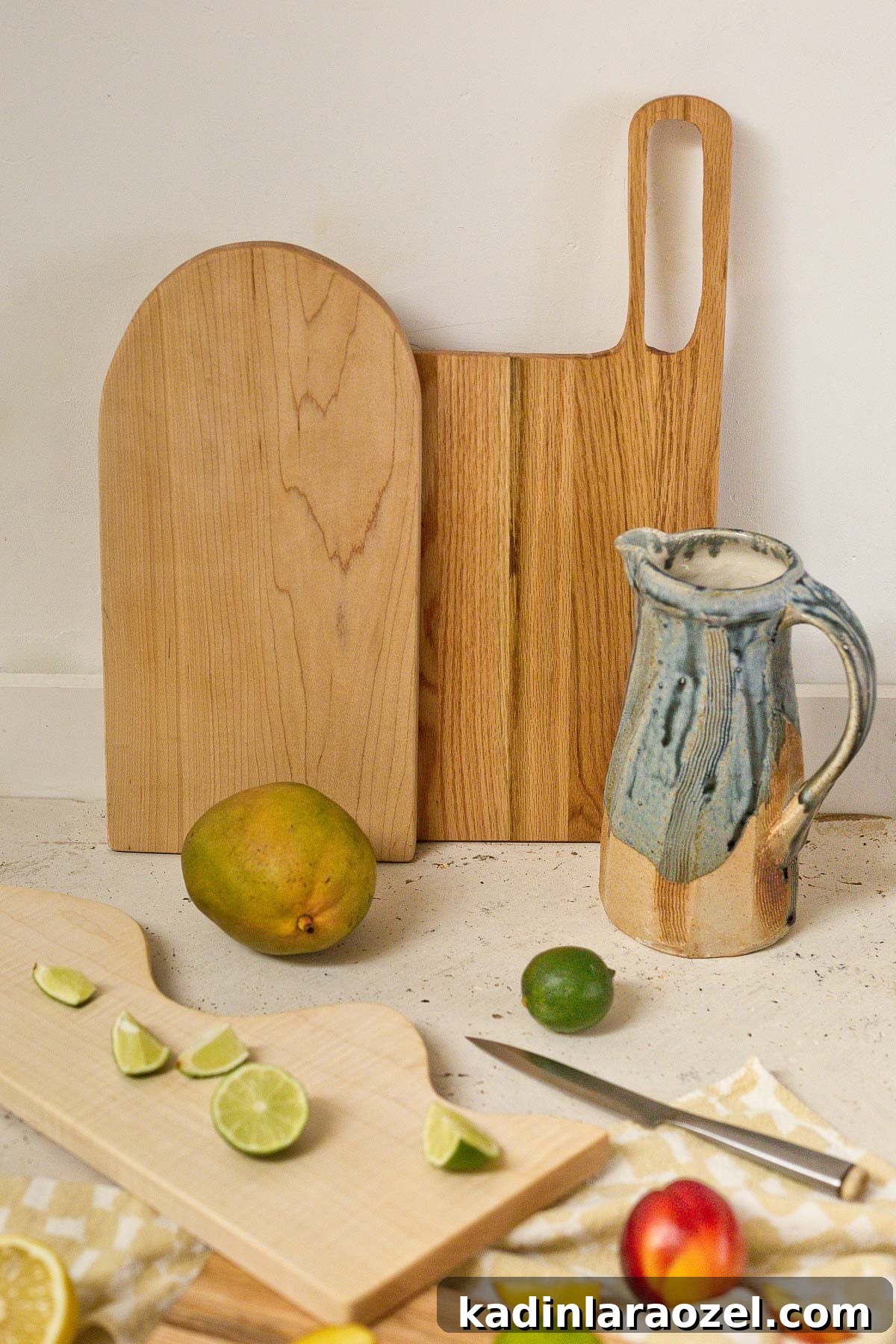
DIY cutting boards for the win!
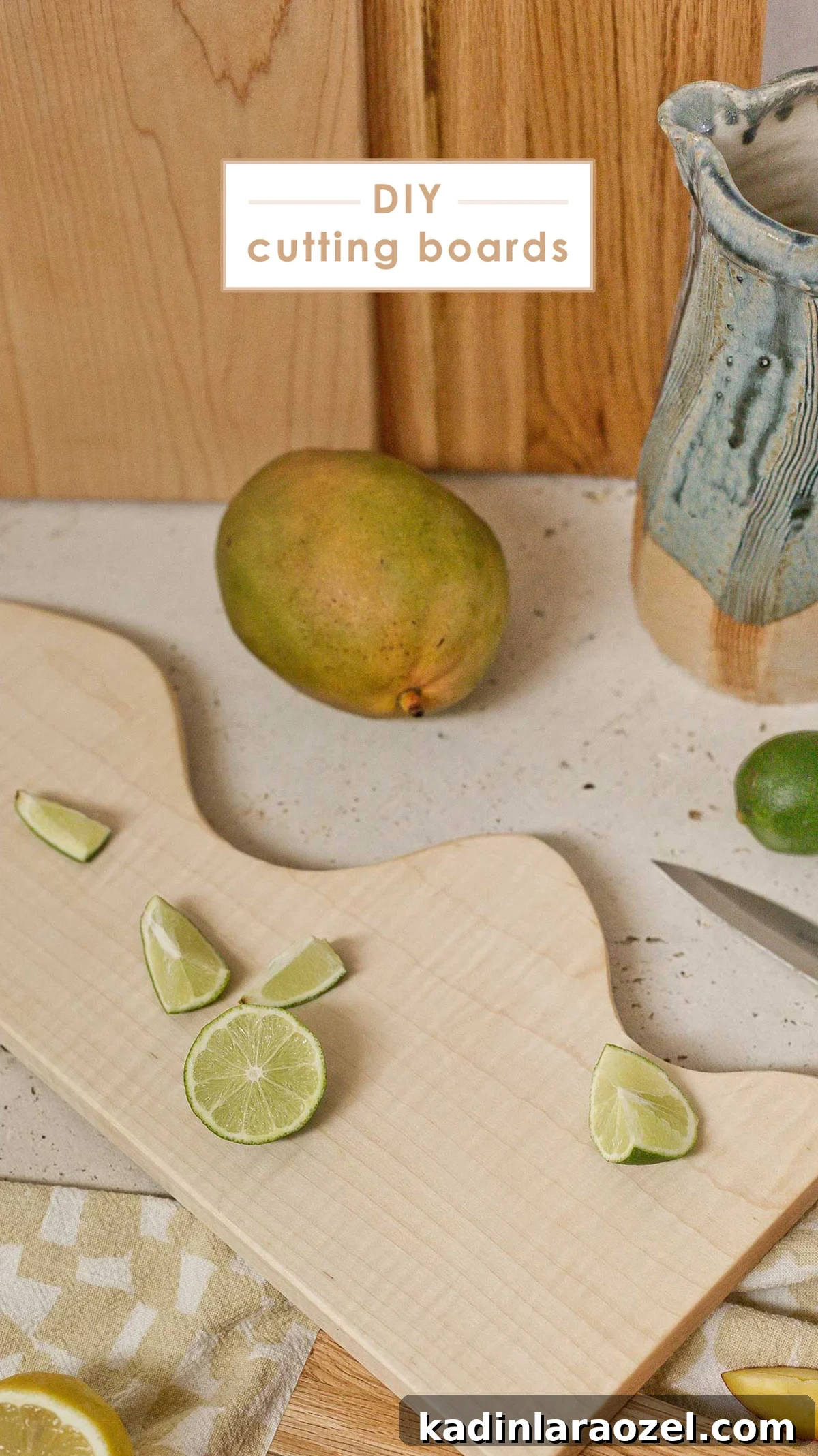
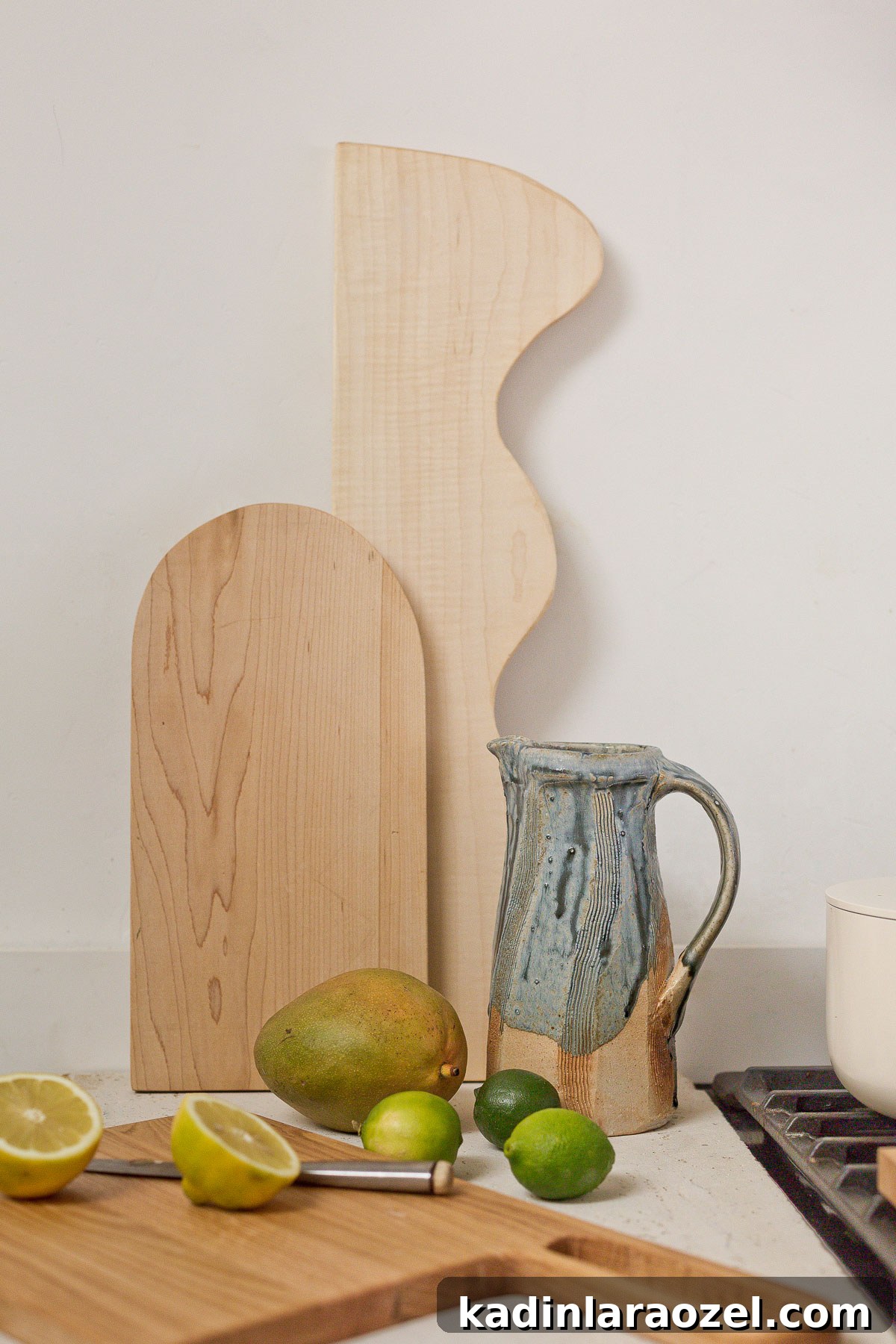
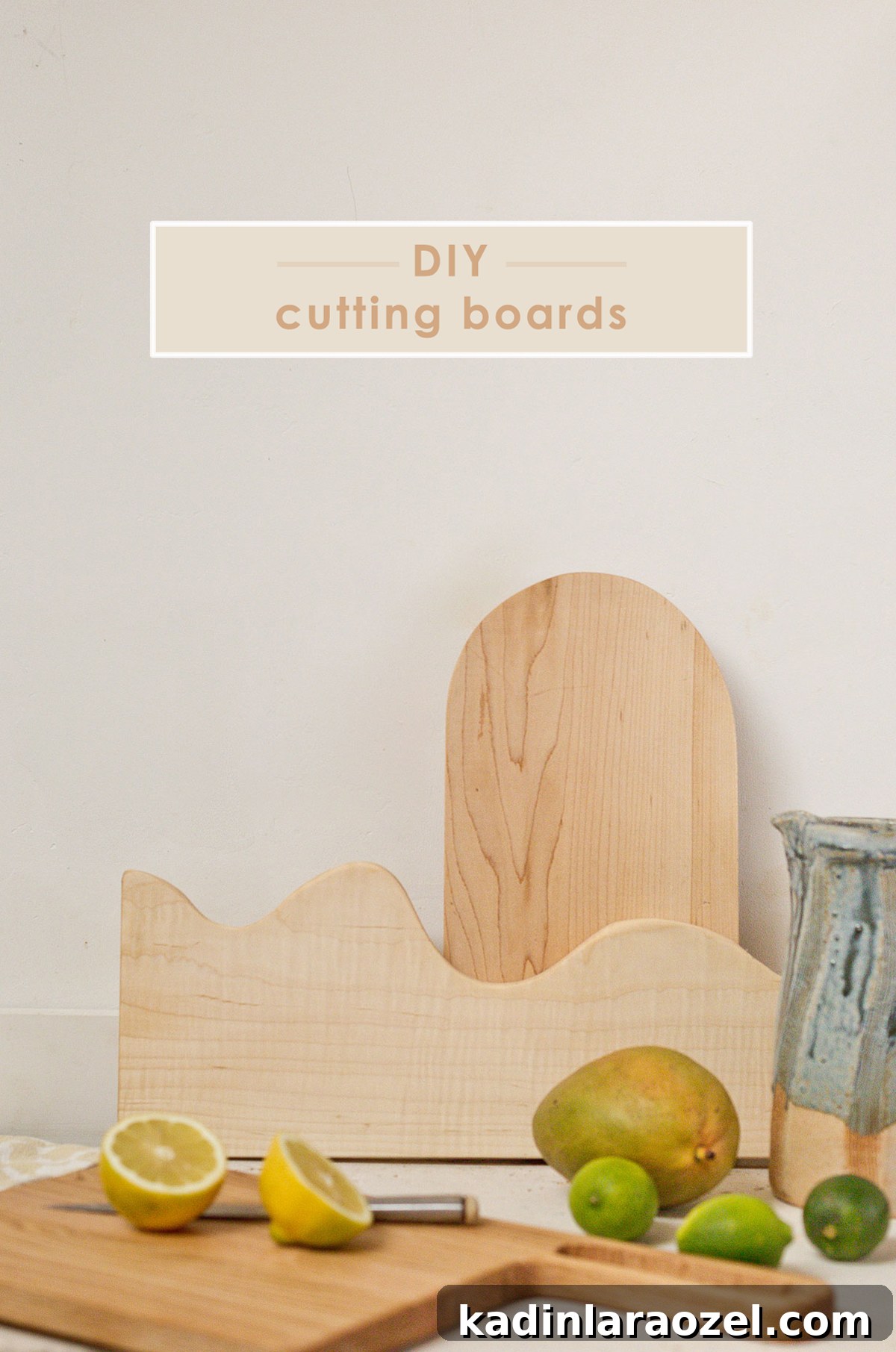
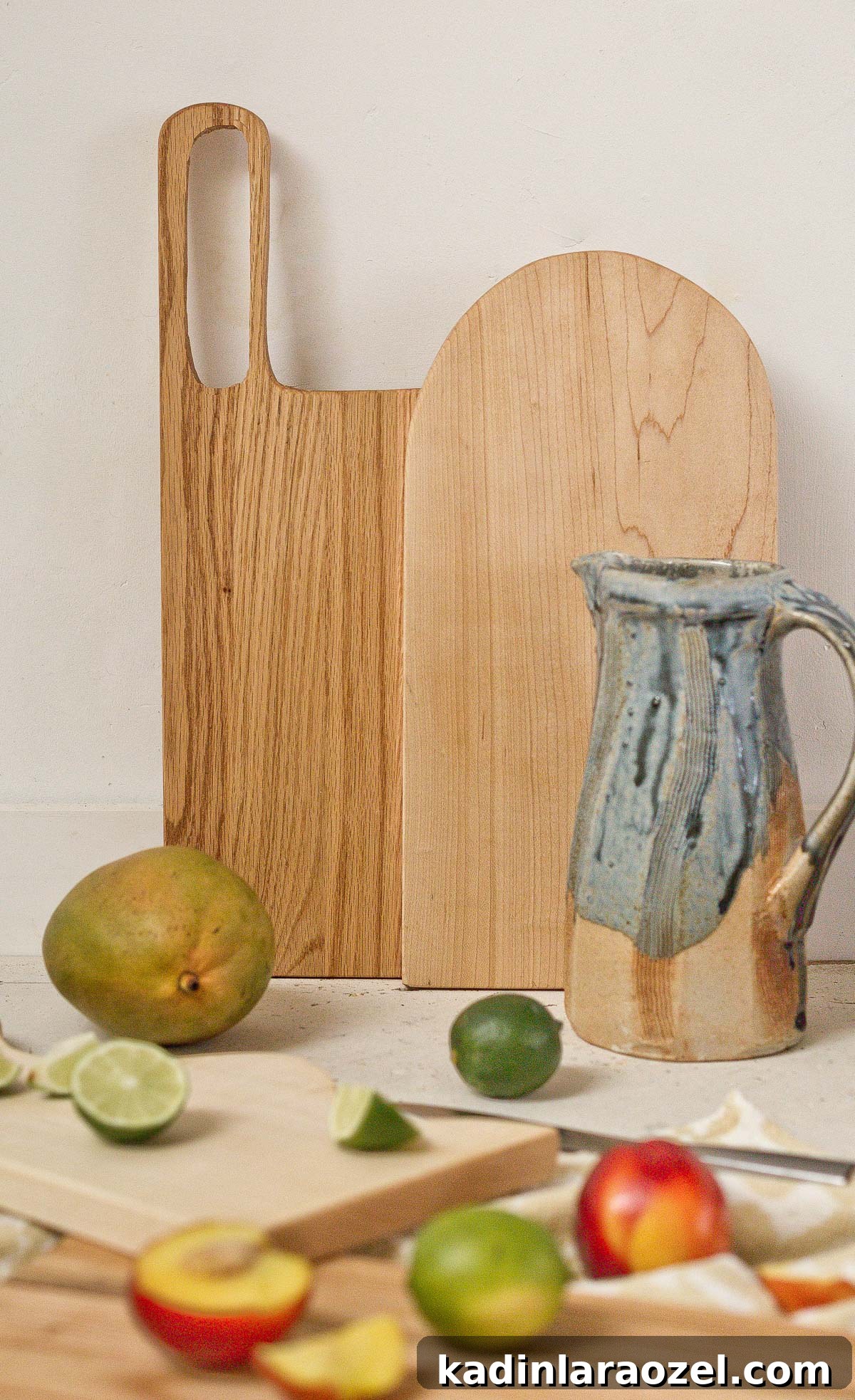
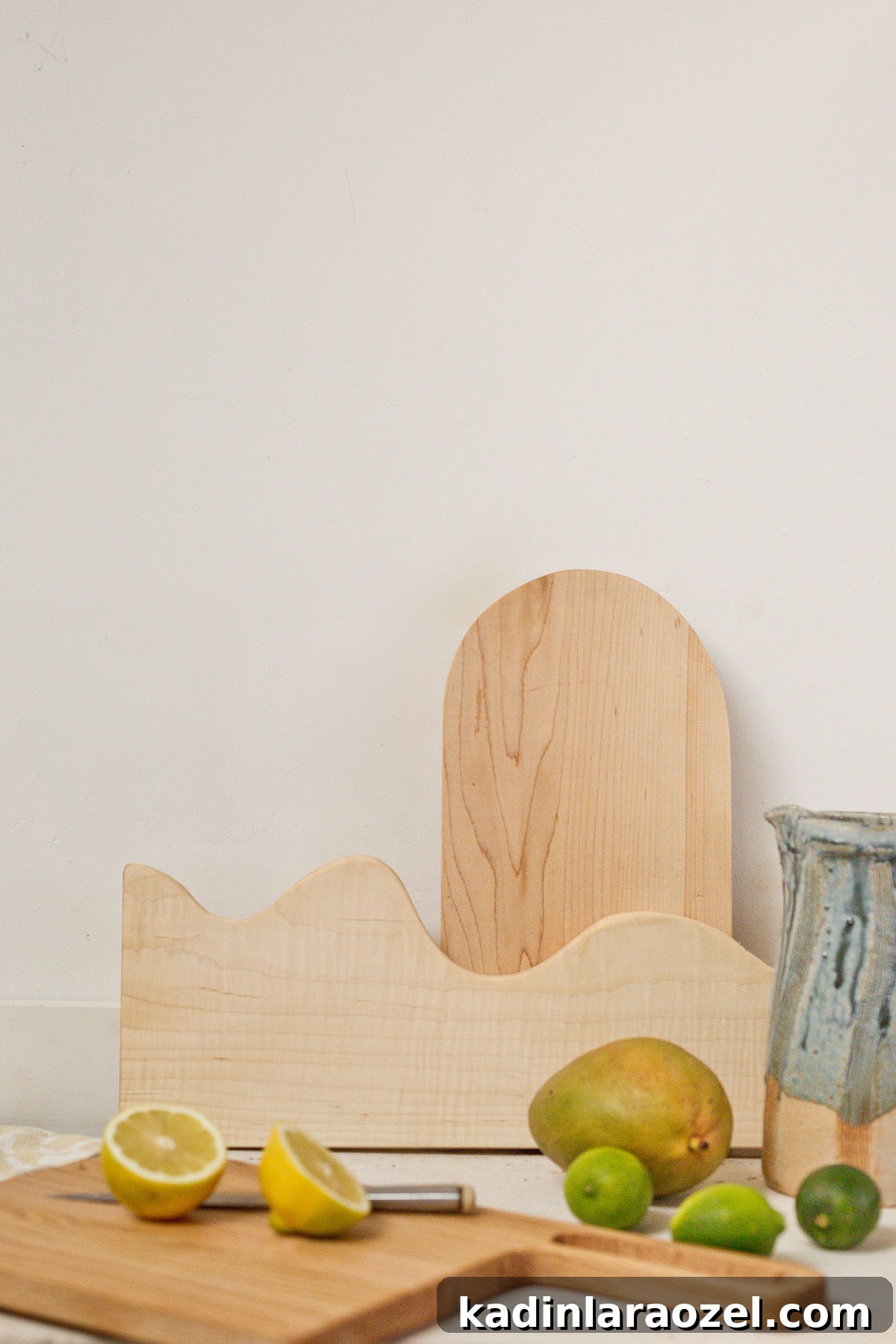
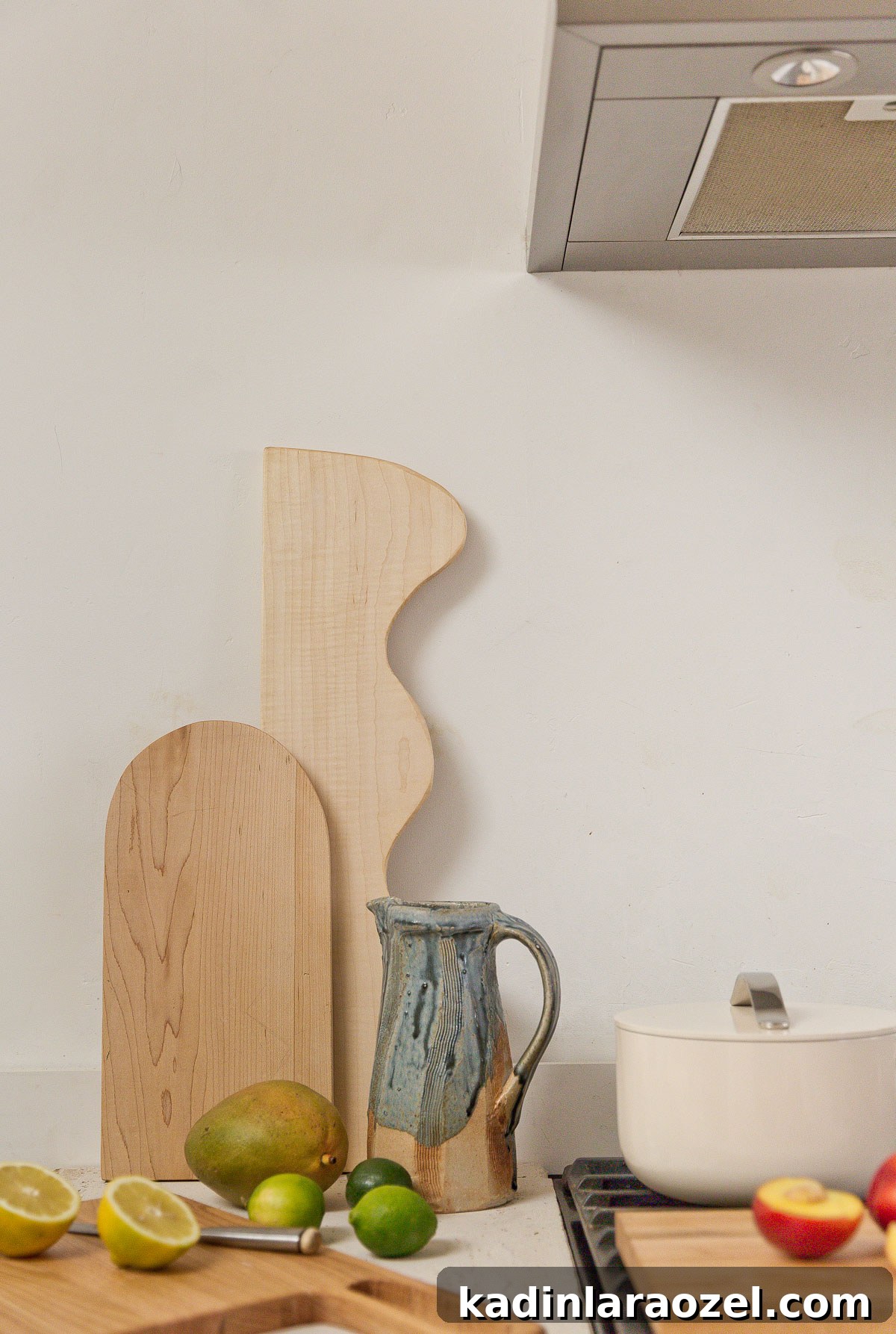
I’ve made DIY cutting boards before. This time I wanted to make something more distinctive—cutting boards that double as attractive serveware and look great sitting on the countertop, while still being fully functional and food-safe.
I focused on using the right hardwood, preparing and oiling the boards properly, and following construction steps that ensure durability. I learned a lot during the process, so I’ve put together a clear, practical tutorial to share those tips and techniques.
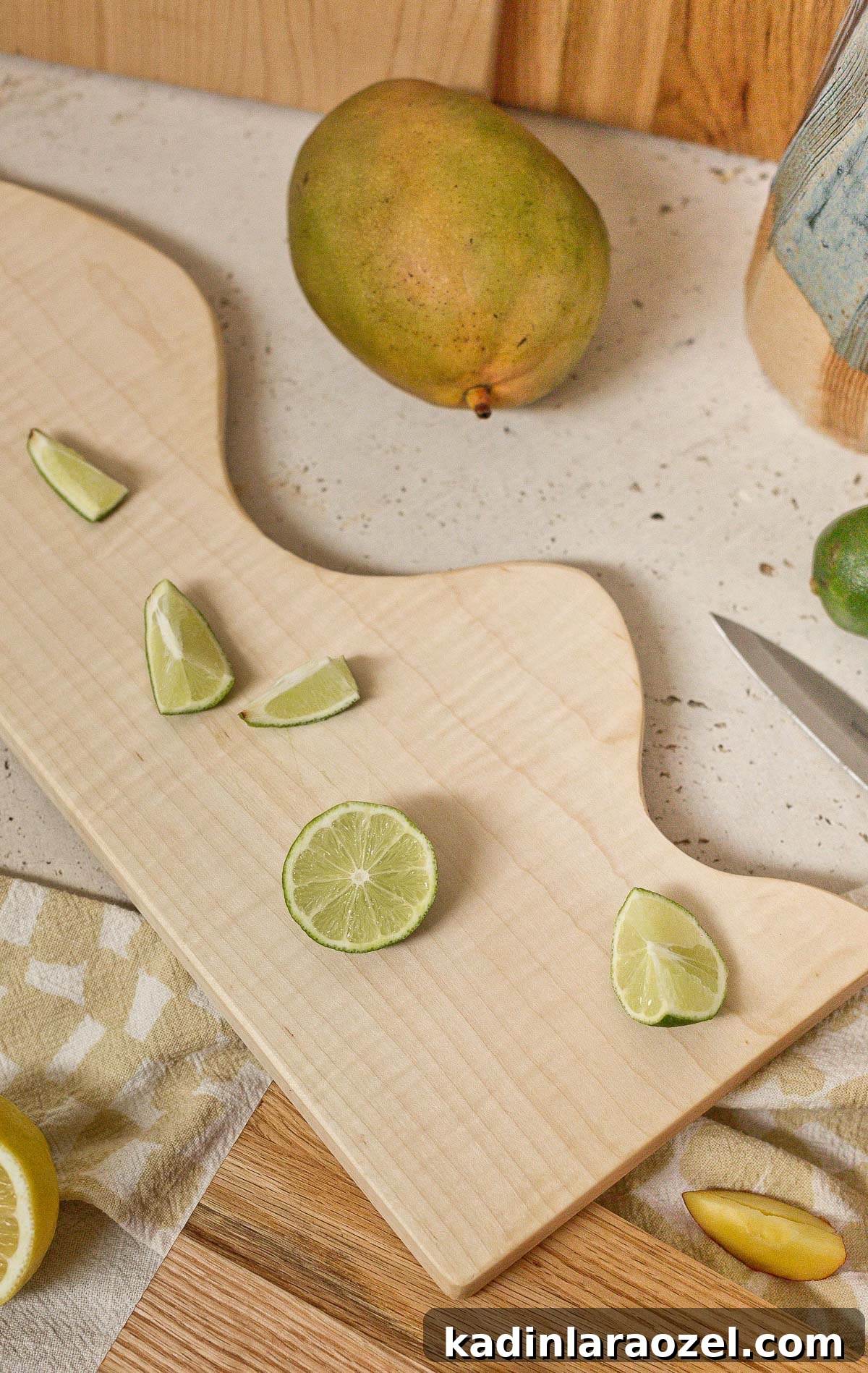
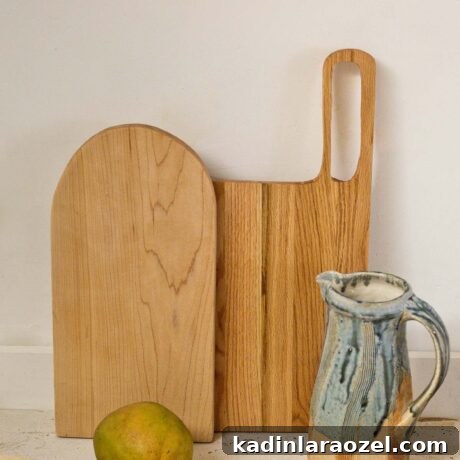
My favorite of the three boards I made is the long scalloped one, but I love them all. Below is the step-by-step process for making your own cutting boards using a few basic tools and hardwood from the lumber store.
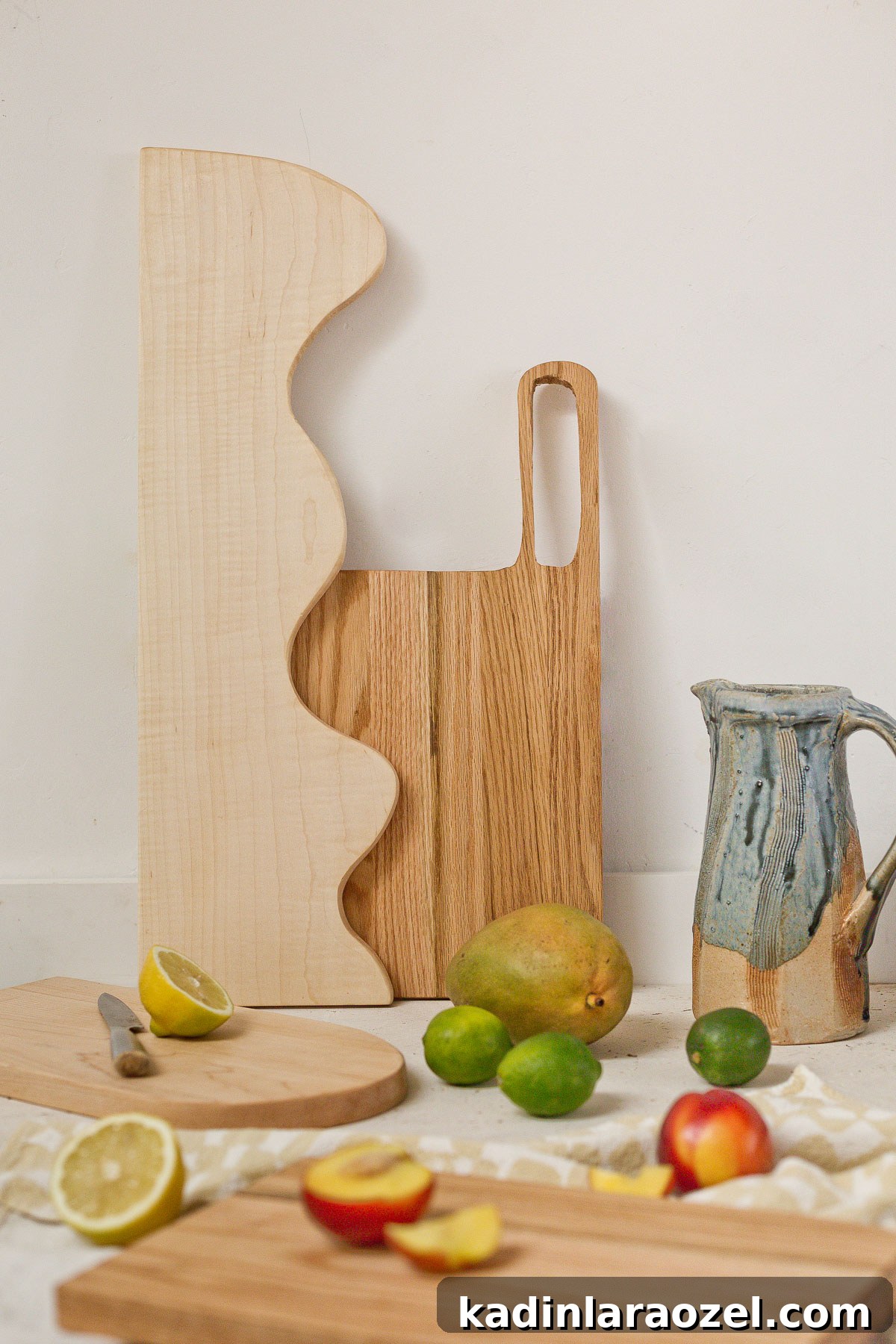
Why choose a wooden cutting board?
Wood cutting boards are preferred by many chefs and home cooks because they are durable, age well compared to many plastics, and are gentler on knife blades. They’re also easy to clean when maintained properly. Beyond function, wooden boards make attractive serving pieces for fruit, cheese, and charcuterie.
While wood is excellent for most kitchen prep, I generally avoid using wooden boards for raw meat. For everything else—vegetables, bread, cheese, fruit—wood is an excellent choice.
Which wood is best for cutting boards?
For cutting boards, choose a closed-grain hardwood. Closed-grain woods have very small, tight pores that resist moisture and bacteria. Open-grain woods with visible pores can trap moisture and bacteria and are not ideal for food-contact surfaces.
Also look for species that are considered food-safe—many hardwoods that produce edible fruits, nuts, leaves, or sap fall into this category.
I used maple for two of my boards and was very happy with the results. Maple is plentiful at quality hardwood stores and tends to be reasonably priced, durable, and attractive—making it my top pick. Other excellent choices include walnut, cherry, beech, and teak.
DIY Cutting Board Materials
- Food-safe hardwood of your choice
- Jigsaw
- Pencil
- Bar clamps
- Sander or sandpaper (various grits)
- Food-safe cutting board oil (or oil + beeswax)
- Clean cloth or rag
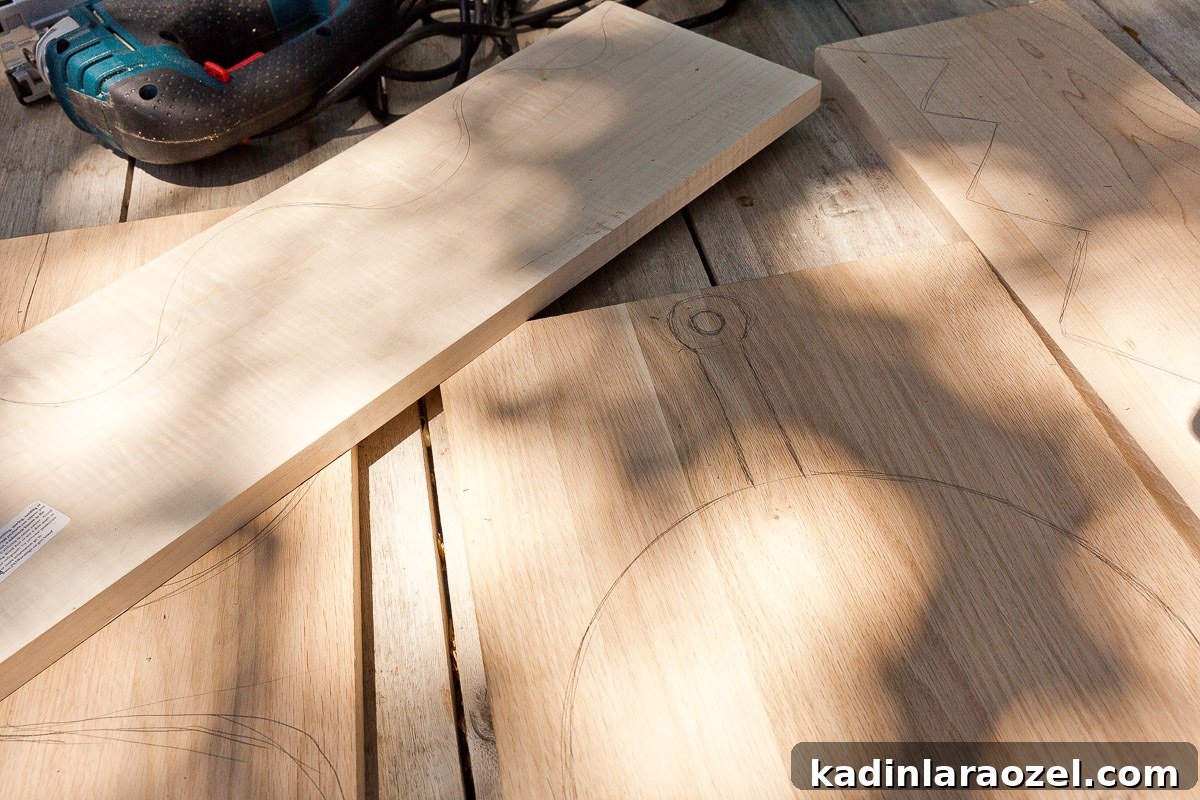
How to make a cutting board
1. Draw the design
Begin by sketching the shape you want with a pencil on the wood. The drawing serves as a guide and helps you visualize the final shape. I didn’t follow my sketch precisely while cutting, but it was useful to have an initial plan.
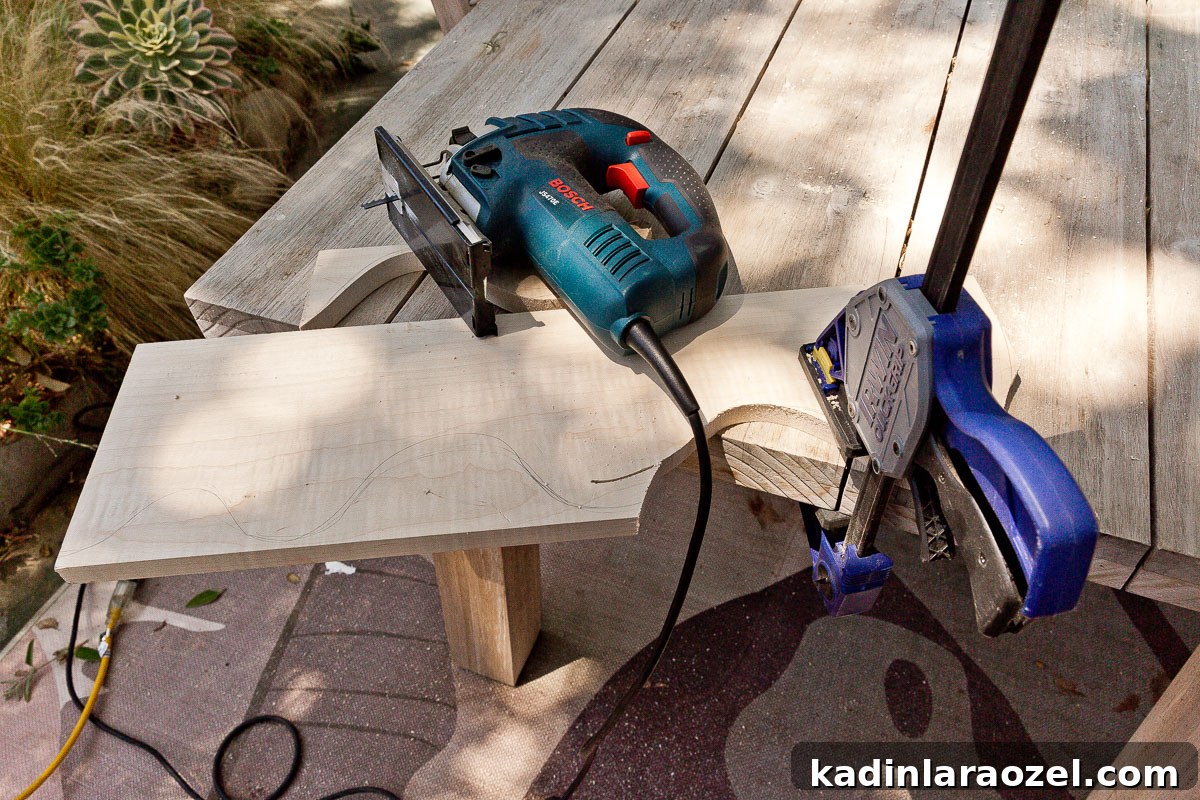
2. Clamp the wood
Secure the board to a stable work surface with bar clamps so it won’t move while you cut. A stable setup improves accuracy and safety.
3. Cut the shape with a jigsaw
Use a jigsaw to carefully cut along your drawn line. Go slowly and steadily—pausing to check your progress will help you maintain a clean, accurate cut, especially on curves and complex shapes.
Move slowly with the jigsaw to keep control and precision.
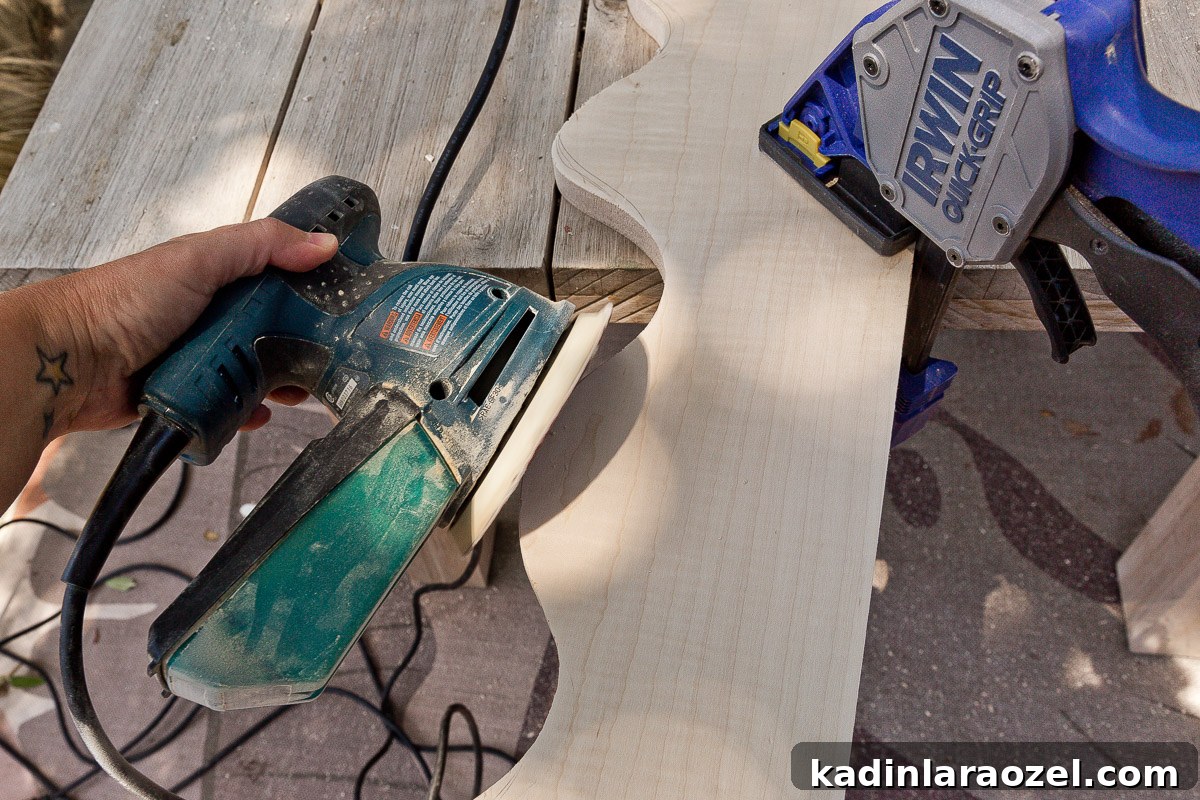
4. Sand the board
After cutting, sand every surface thoroughly, including the sides and any interior curves or handle openings. Start with coarser grit to remove tool marks and progress to finer grits for a smooth, food-safe finish.
Sanding by hand works, but using a power sander speeds the process. A small detail sander is especially helpful to smooth tight curves or interior edges that larger sanders can’t reach.
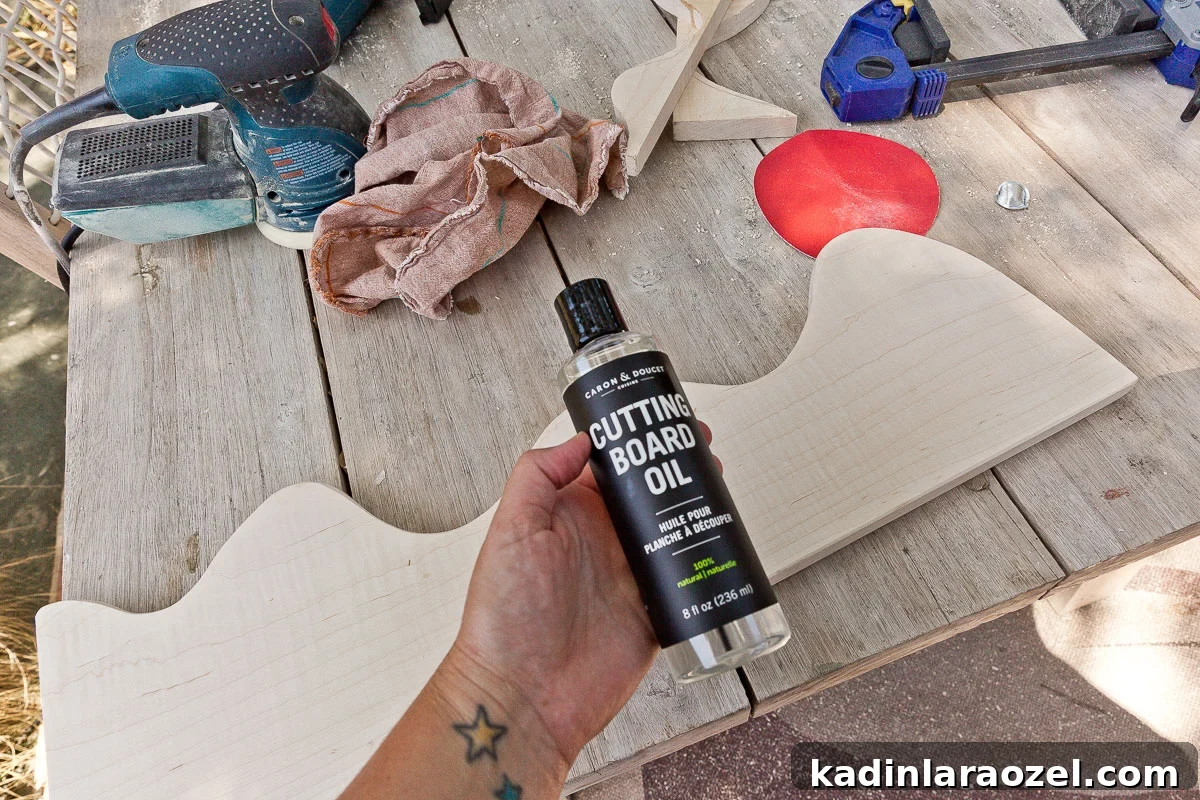
5. Oil and/or wax the board
Remove dust with a clean cloth, then apply a food-safe cutting board oil evenly to the board’s front, back, and edges. Allow the oil to soak in and wipe away any excess. Two coats are commonly recommended to ensure the wood is well-protected.
Many people apply oil first and then a beeswax or oil-wax blend for extra surface protection. Wax provides a slightly more water-resistant outer layer, while oil penetrates deeper into the wood.
How often should you oil or wax a cutting board?
Reapply oil or wax whenever the board looks dry, uneven in color, or starts to absorb liquids instead of repelling them. Other signs it needs attention include stains or an off smell. Regular maintenance keeps the wood stable and sanitary.
Oil or wax—what should I choose?
It’s largely a matter of preference. Oil penetrates deeper and nourishes the wood, and waxing after oil can add a protective surface finish. You can use wax alone, but warming it slightly makes application easier. Popular choices include mineral oil, food-grade cutting board oils, and a beeswax-coconut oil blend.
DIY Cutting Board
Brittni
Below are the materials, equipment, and step-by-step instructions to make your own.
Pin Recipe
Equipment
-
Food-safe hardwood of your choice
-
Jigsaw
-
Pencil
-
Bar clamps
-
Sander or sandpaper (assorted grits)
-
Food-safe cutting board oil
-
Clean cloth or rag
Instructions
Drawing a design.
-
Start by sketching your cutting board shape on the wood with a pencil. The drawing is a helpful guide even if you adjust it while cutting.
Clamp the wood.
-
Secure the board to a stable work surface with clamps so it won’t move while you cut.
Cut the board with a jigsaw.
-
Carefully cut along your drawn lines with a jigsaw. Move slowly for the best control and cleaner edges, especially on curves.
Sand the board.
-
Sand all surfaces of the board, including edges and any interior curves. Start with a coarser grit to remove tool marks and finish with finer grits for a smooth surface.
Oil and/or wax the board.
-
Wipe the board clean, then apply food-safe oil evenly to the entire surface. Allow it to penetrate, then wipe off excess and repeat as needed. Two coats are commonly recommended. Optionally finish with a beeswax or oil-wax blend for extra protection.
Support note
I’m participating in a pilot program that allows readers to show support for the content I create through small paid virtual tokens. It’s an optional way to say thanks if you enjoy these tutorials. For me, that support helps fund more projects and guides like this one. Thank you for reading and for any support you choose to give.