How to Dry Rose Petals and Make Rose Petal Bath Salts
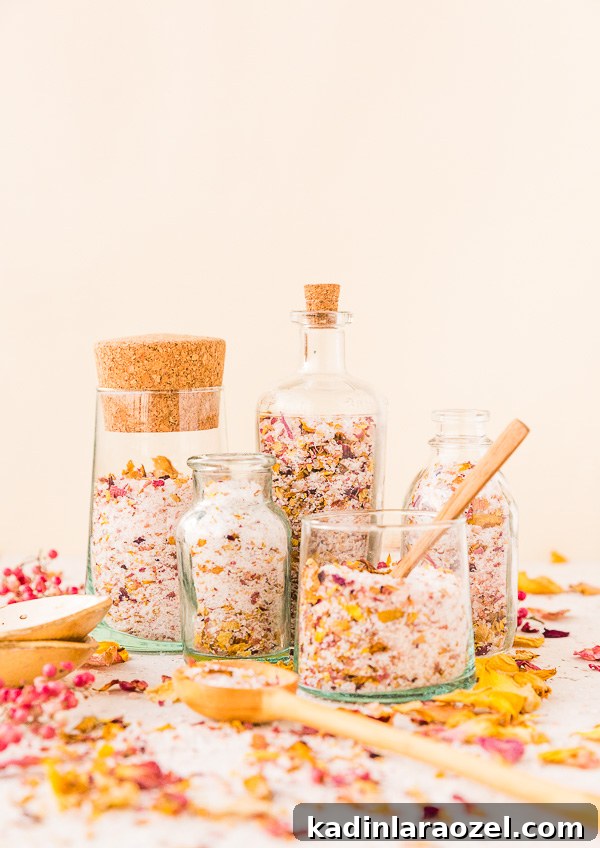
Learn how to dry rose petals for baths, scrubs, potpourri, and other uses with this clear, step-by-step guide. Drying rose petals is simple and satisfying—watching the color and texture change as they dry is part of the fun.
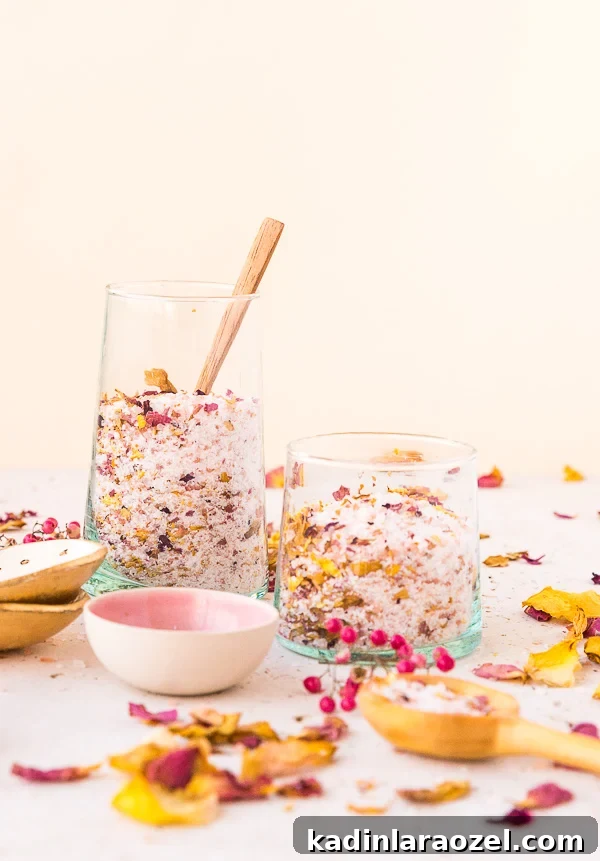
If you’ve enjoyed a rose petal bath, you know how much fragrance adds to the experience. Dried rose petals can be used beyond baths—think bath salts, scrubs, natural confetti, potpourri, and more.
If you like fresh flowers but hate to see them wasted once they start to fade, drying their petals is a great way to give them a second life. I often remove petals from stems when flowers begin to decline and dry them for homemade spa projects and gifts.
After a workshop I hosted, I had extra flowers and decided to dry the petals and turn them into a spa-inspired DIY. Since then I regularly dry petals for a variety of uses. If you want to make rose petal bath salts or other floral items, here’s how to get started.
How to Dry Rose Petals
Drying rose petals is straightforward and you can choose a method based on how much time and effort you want to invest. Below is an easy, low-effort approach I prefer, followed by several alternative methods.
Basic air-dry (hands-off method):
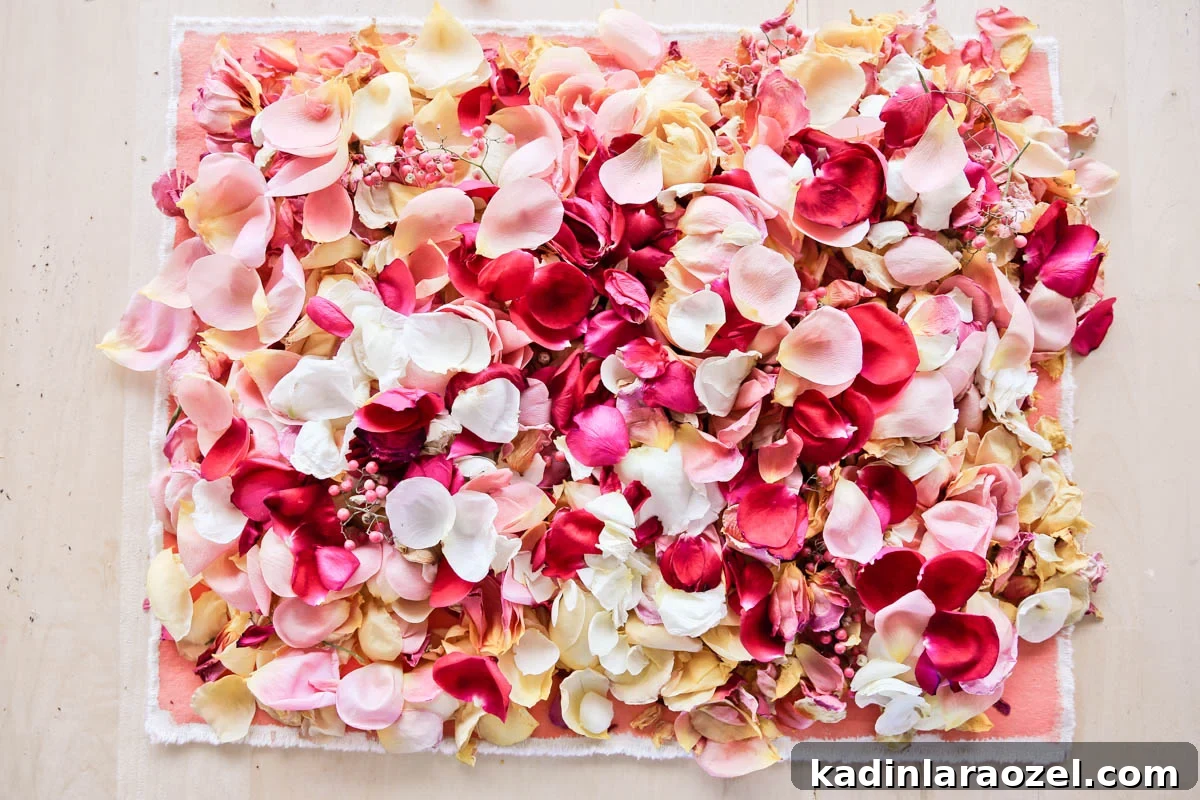
1. Remove petals from stems and lay them in a single layer on a canvas, mesh drying tray, or a clean paper towel. Spreading them out helps them dry faster.
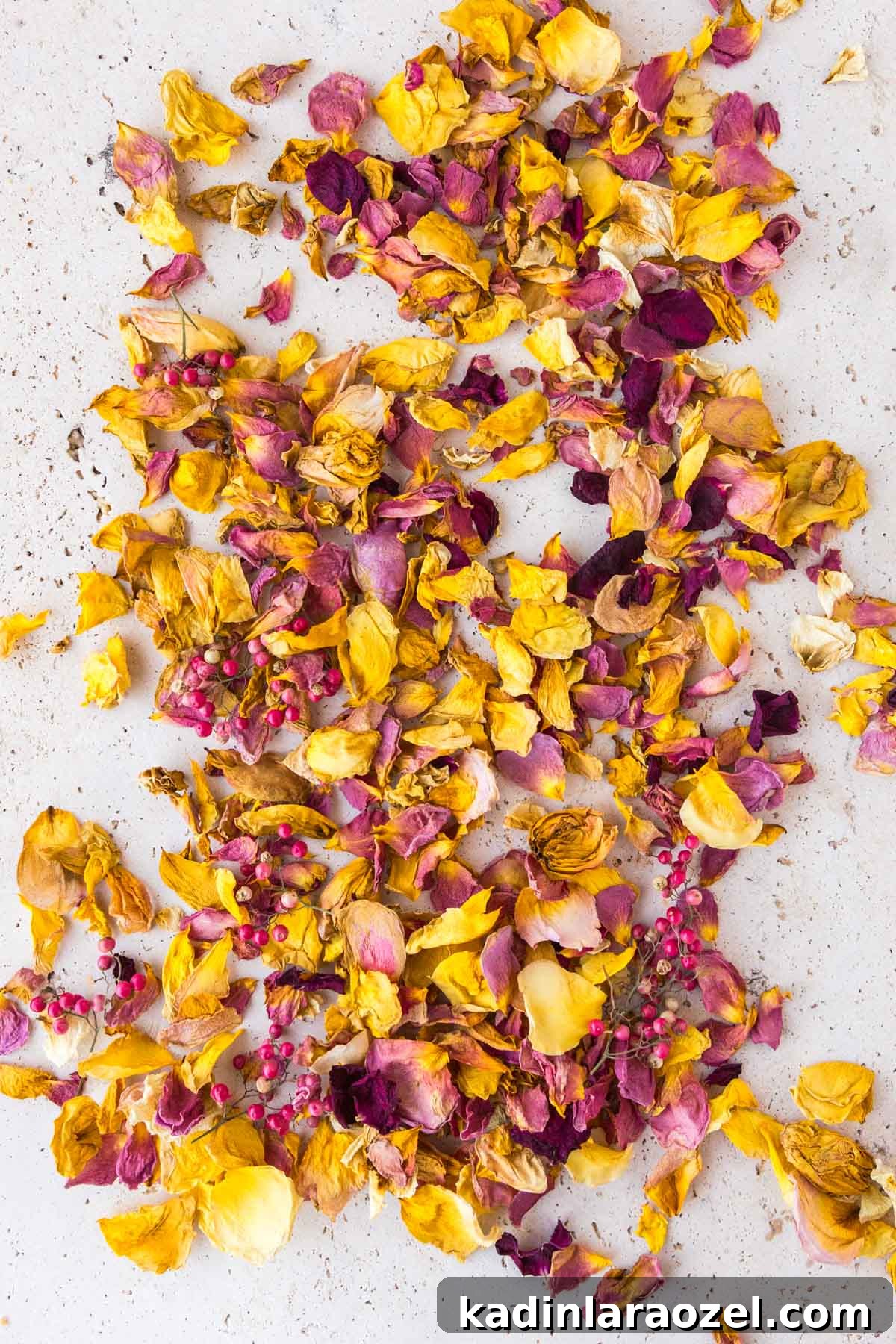
2. Let the petals air dry for 4–5 days, depending on humidity and airflow. They’re ready when they feel crisp and dry.
Tip: Optionally flip petals once a day to encourage even drying. Skipping this step just extends the drying time slightly.
Additional Ways to Dry Rose Petals
1. Microwave drying
The microwave is the fastest method. Place a paper towel on a microwave-safe plate, add a single layer of petals, cover with another paper towel and plate to create a sandwich. Microwave on high for 30–40 seconds. Check petals and continue in 15–30 second intervals until dry. Use caution to avoid overheating.
2. Pressing in a book
Pressing is low-effort but slow. Place petals in a single layer inside a heavy book, close the book, and wait 1–2 weeks for petals to flatten and dry. This method yields flatter, more delicate petals suitable for crafts or framed art.
3. Dehydrator
Spread petals on dehydrator racks and set the machine to a low temperature. Dry until completely crisp. This is an efficient method if you have a dehydrator.
4. Oven drying
Preheat oven to around 180°F (about 80°C). Arrange petals on a baking sheet and heat for roughly 10 minutes, then flip and repeat in 10-minute intervals until dry. Watch closely to prevent scorching and remove immediately if browning appears.
5. Freeze-drying
Freeze-drying preserves color and shape best but requires specialized equipment and expertise, so it’s generally a professional option rather than a home project.
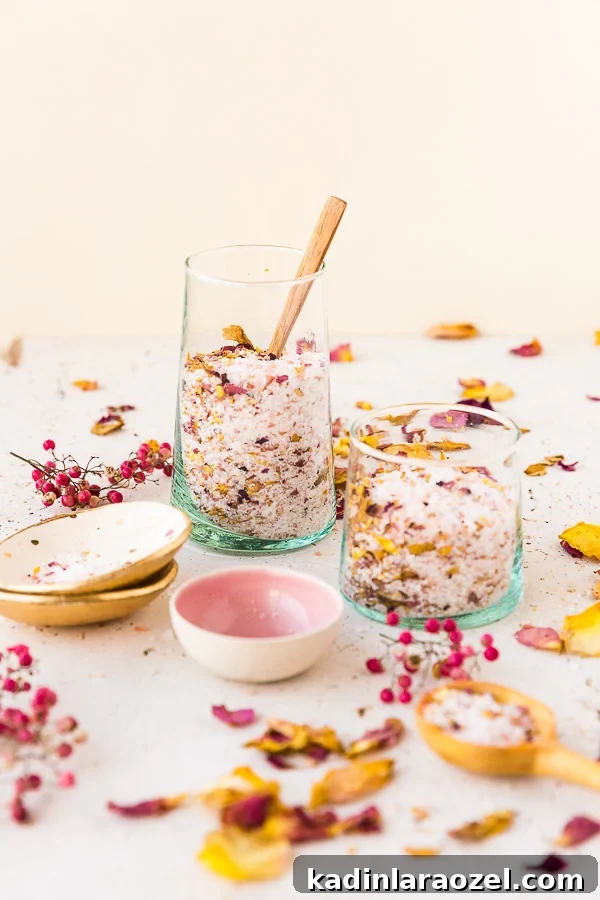
Once petals are dry, you can use them for many projects. Below is a recipe for rose petal bath salts.
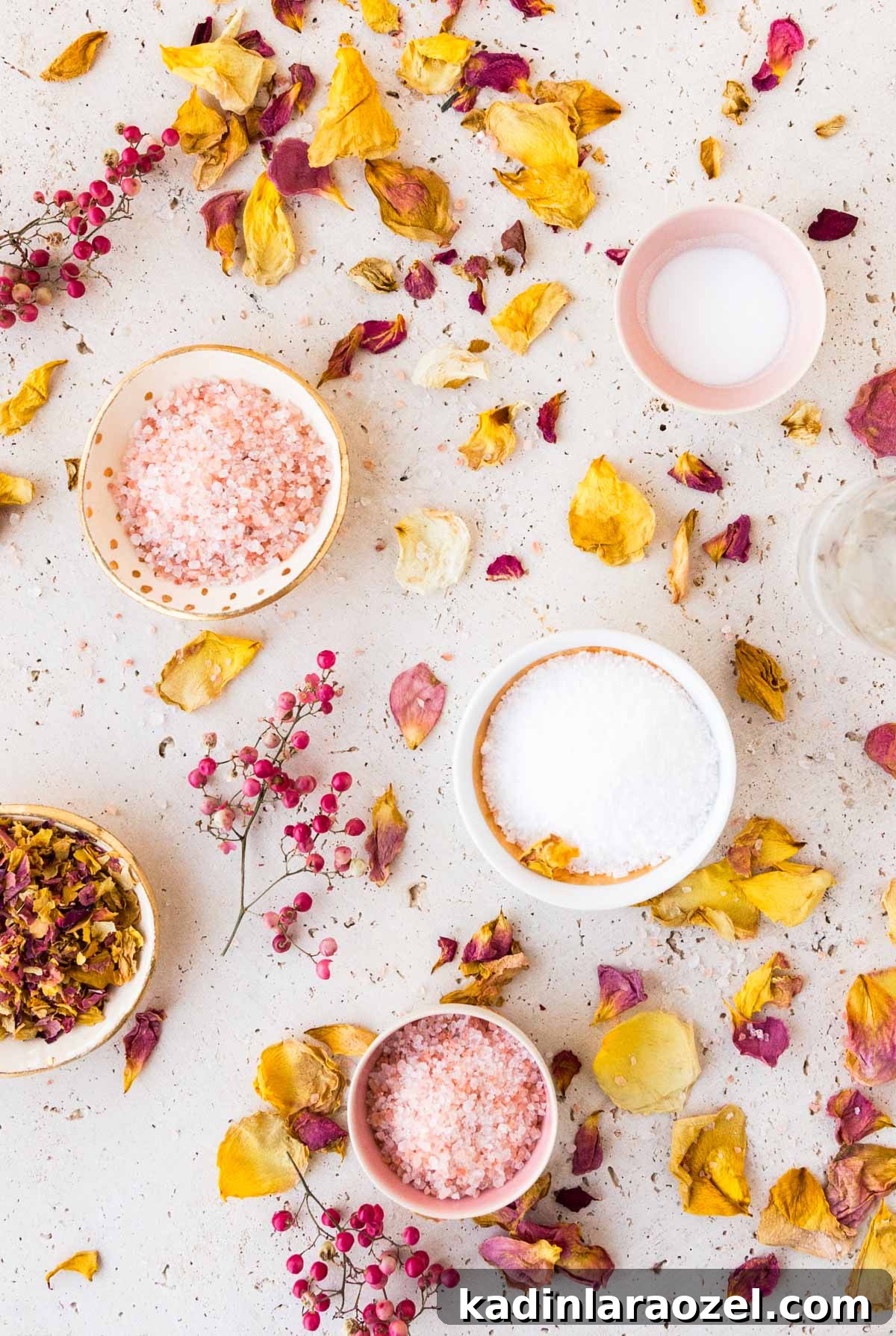
Materials for Rose Petal Bath Salts
- 1 cup Epsom salt
- 1 tablespoon baking soda
- 1.5 cups coarse sea salt or Himalayan pink salt
- Rose essential oil (a few drops to scent)
- Glass jars or airtight containers for storage
- Mixing bowl and spoon or whisk
- Blender or food processor to break petals into confetti
How to Make Rose Petal Bath Salts
1. Dry the petals
Dry 1–2 cups of organic rose petals using one of the methods above. Organic petals are preferable since they’ll come into contact with skin in the bath, but non-organic will work if that’s what you have.
2. Mix salts and baking soda
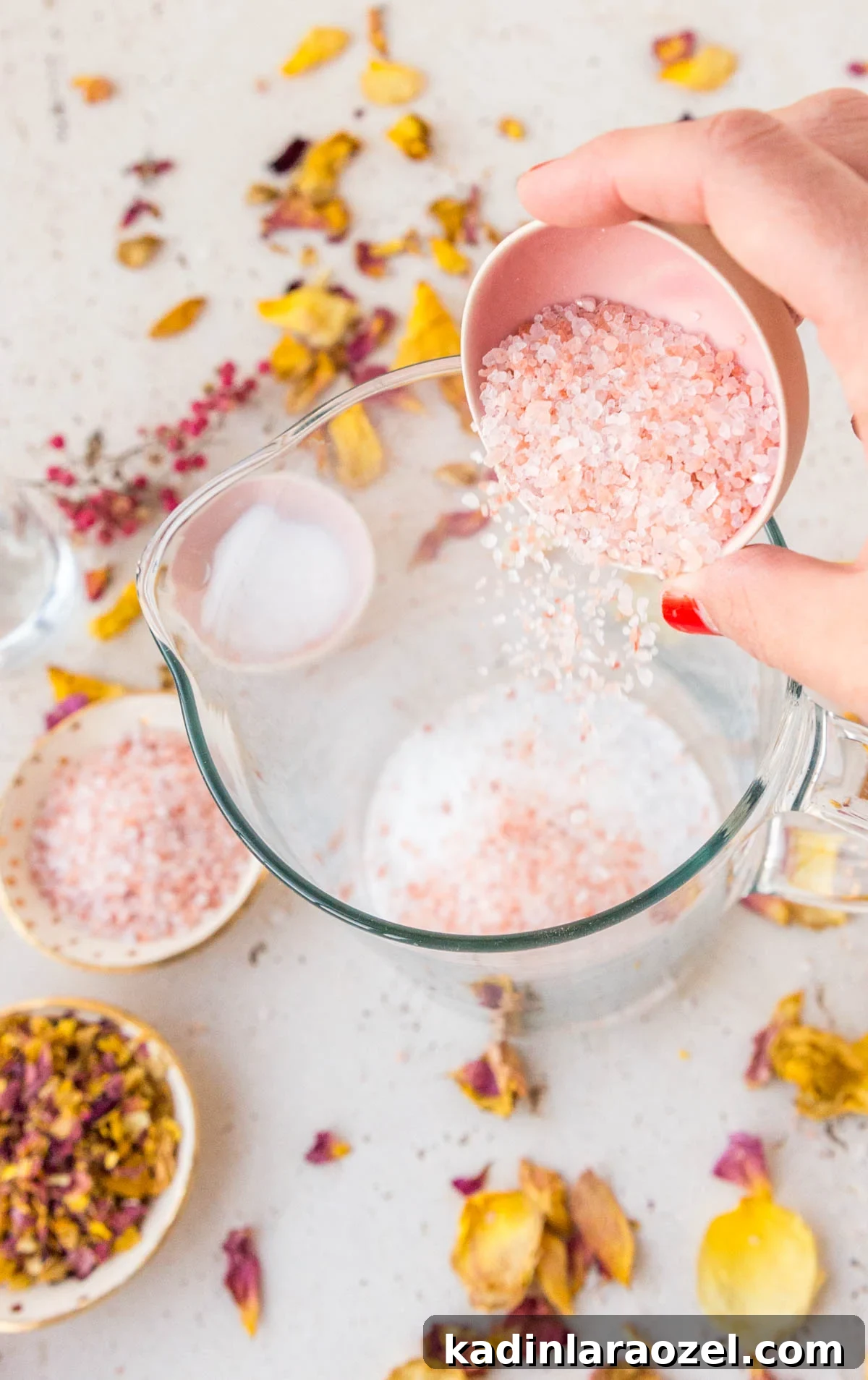
Combine the Epsom salt, baking soda, and coarse sea salt in a large bowl. Add 4–8 drops of rose essential oil, adjusting the amount to your preferred scent strength, and mix well.
3. Blend petals into confetti
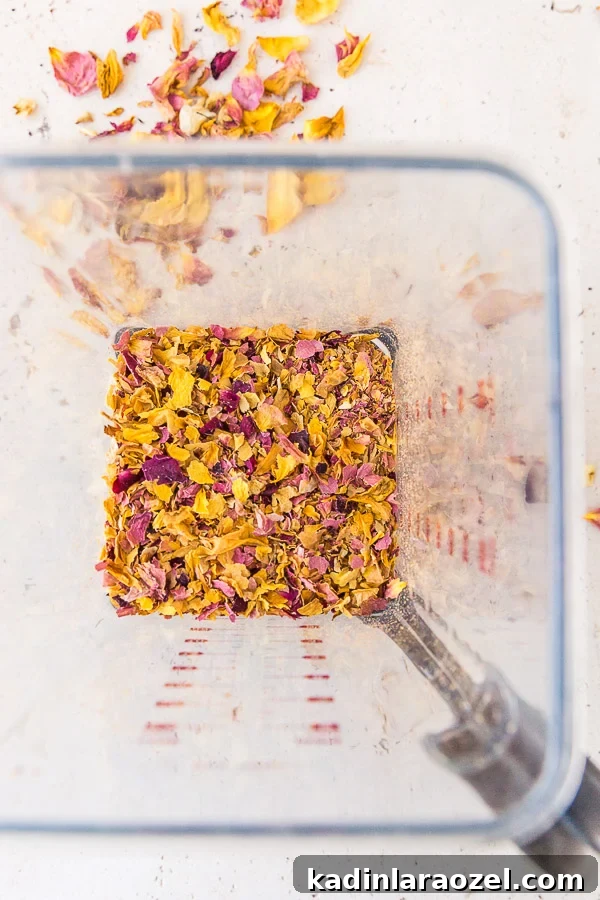
Place the dried petals in a blender or food processor and pulse until they resemble small confetti pieces. Use short pulses to avoid turning petals into powder. This usually takes a couple of minutes.
4. Combine petals and salts
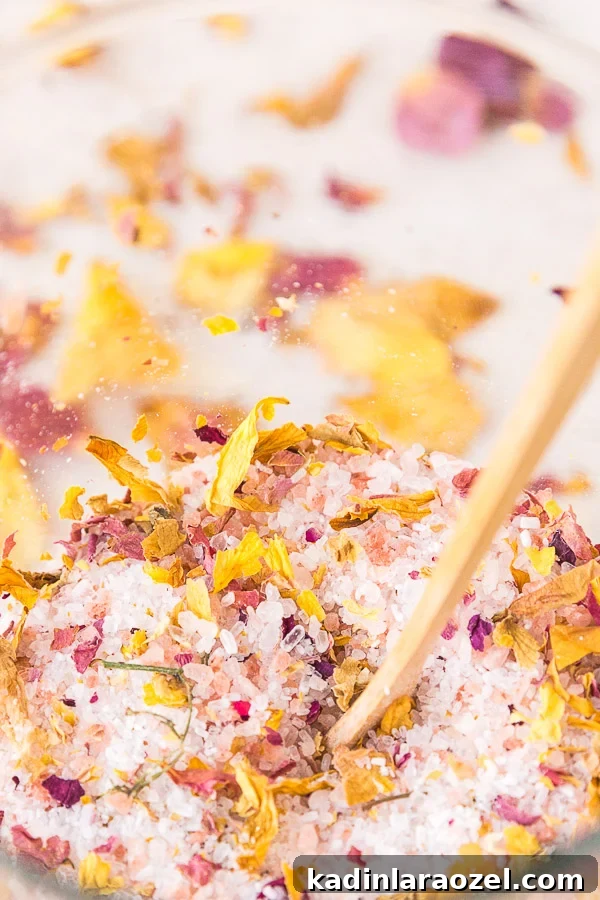
Mix the blended petals into the salt mixture thoroughly, using hands or a spoon to distribute the floral bits evenly.
5. Store in containers
Transfer the finished bath salts to decorative jars or airtight containers. Use about 2 ounces per bath for a fragrant, spa-like soak. These jars make lovely gifts for showers, birthdays, or self-care packages.
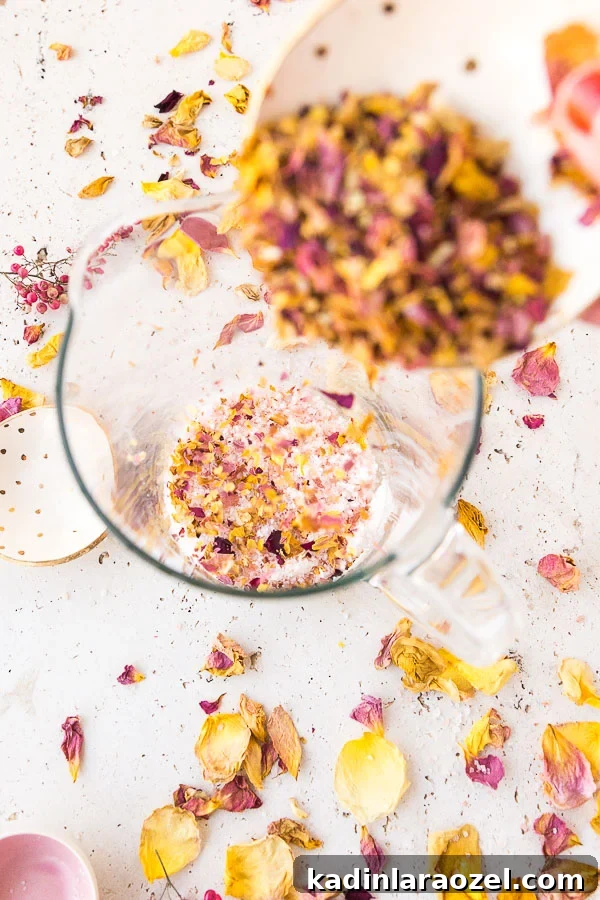
These bath salts look beautiful with petals sprinkled throughout and smell delightful—perfect for a relaxing evening or a thoughtful homemade gift.
Other Uses for Dried Rose Petals
1. Natural confetti for weddings and parties—biodegradable and pretty.
2. Potpourri and scented sachets for drawers or closets.
3. Homemade rose perfumes or room sprays.
4. Infused rose syrup for cocktails and desserts.
5. Garnish for desserts, beverages, or baked goods (ensure petals are food-safe and pesticide-free).
6. Pressed petal artwork—press and frame petals for unique wall decor.
7. Rosewater and other floral extracts for skincare and recipes.
8. DIY beauty products like face masks or body scrubs using rose petals for fragrance and texture.
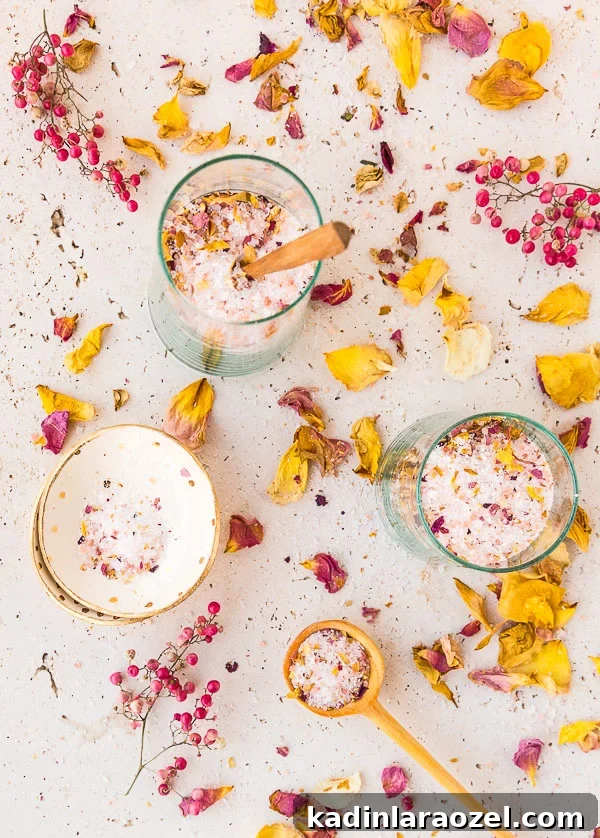
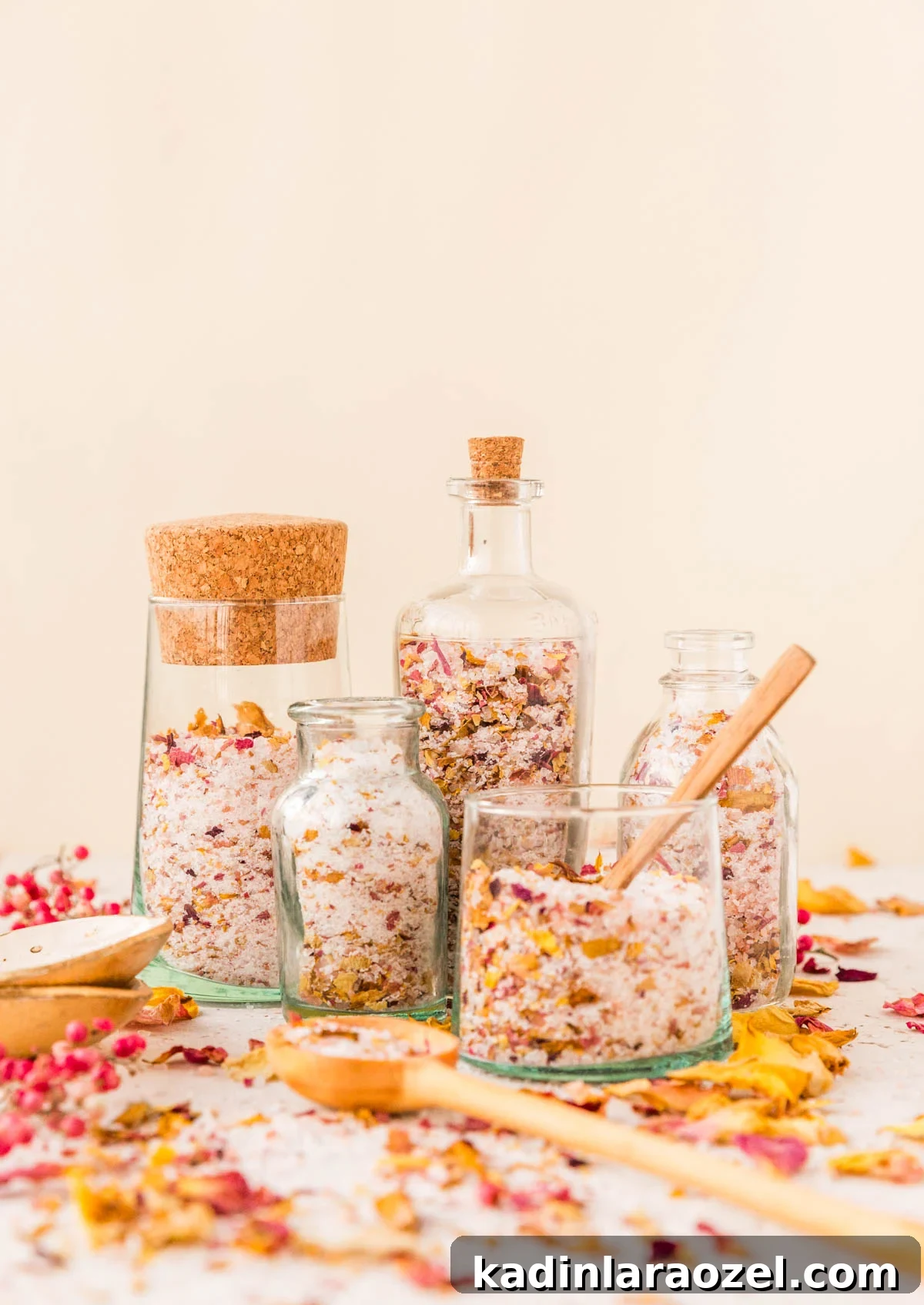
Are you planning more self-care this year? If you try this DIY, dried rose petals and homemade bath salts make lovely, personal additions to your routine or thoughtful gifts for friends.