DIY Wooden Desk Organizer: Step-by-Step Build Guide
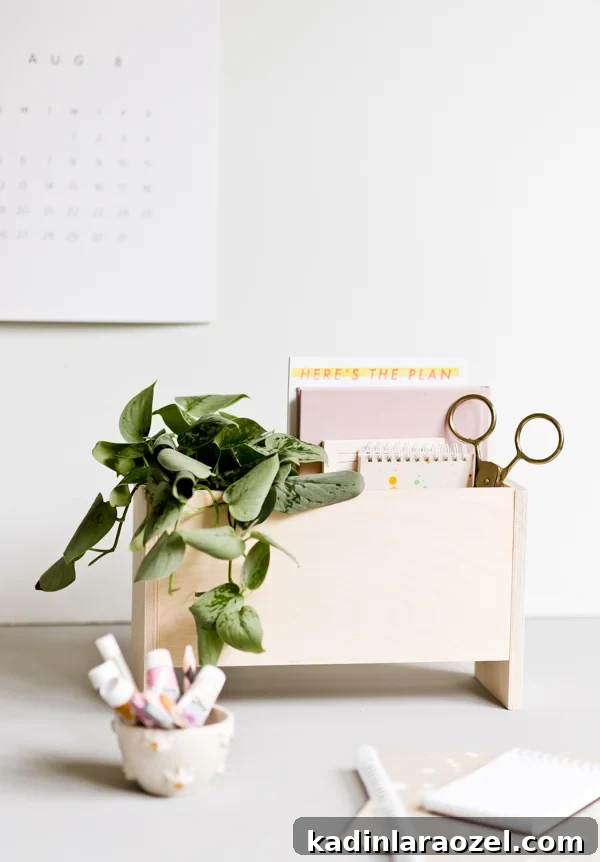
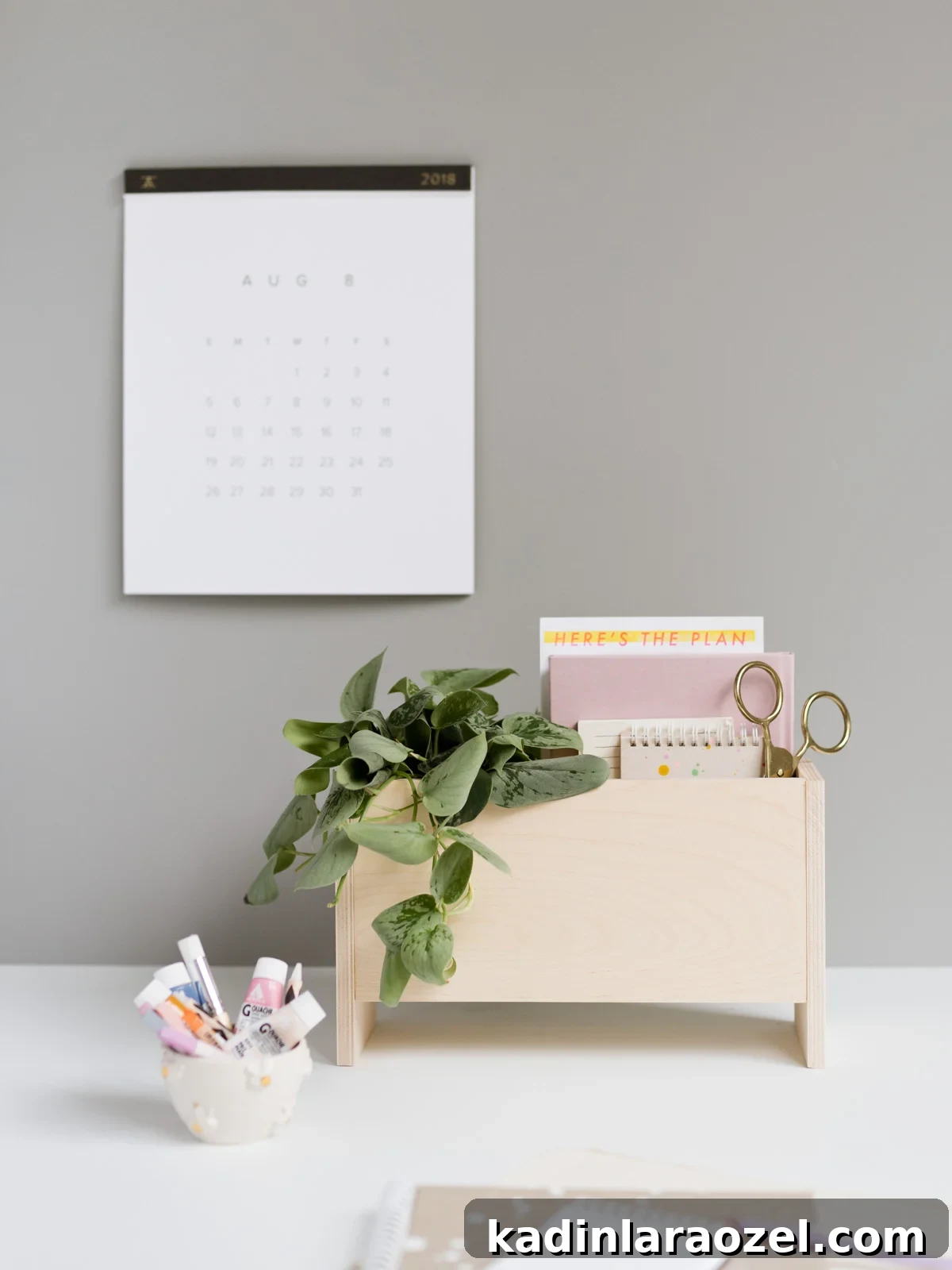
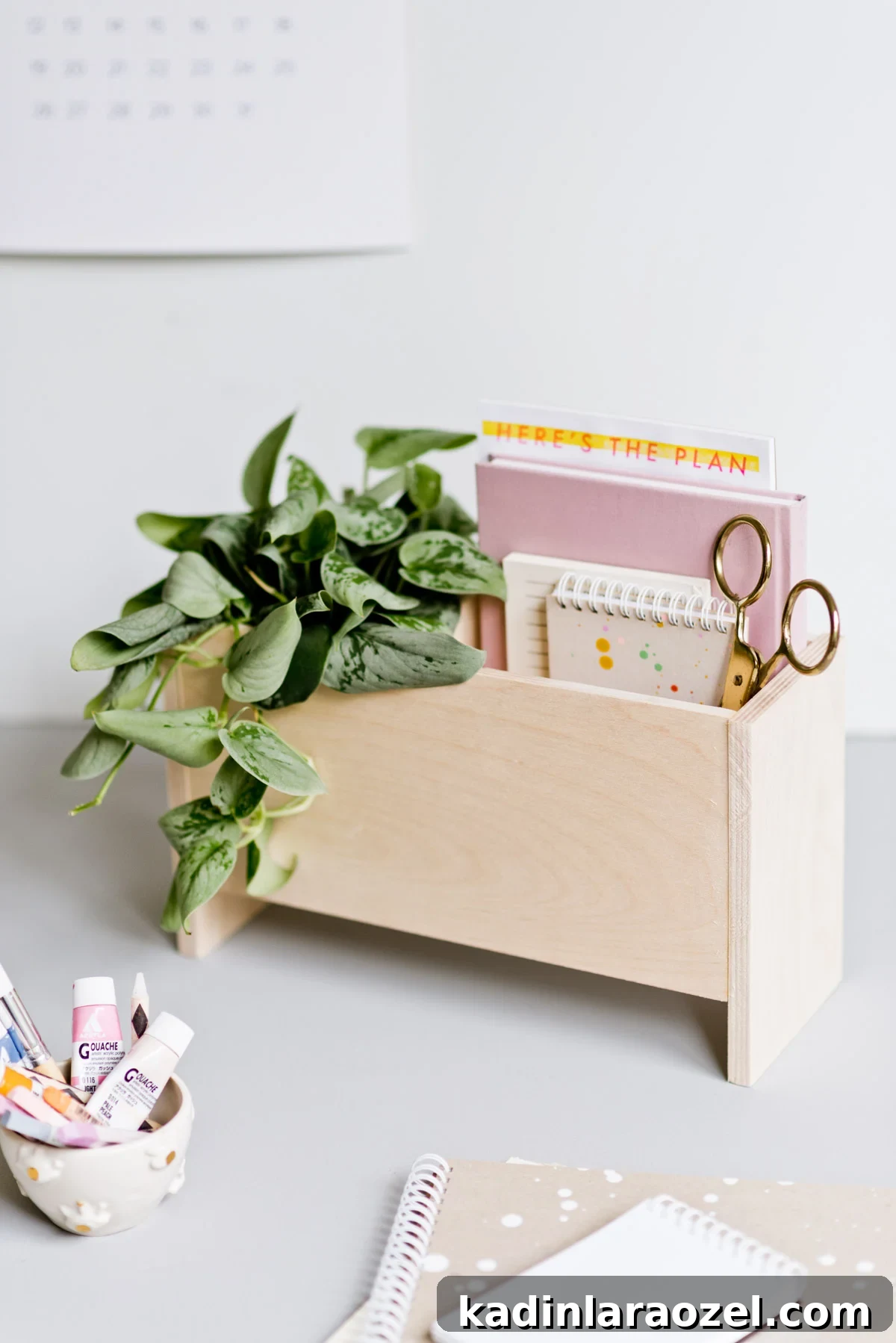
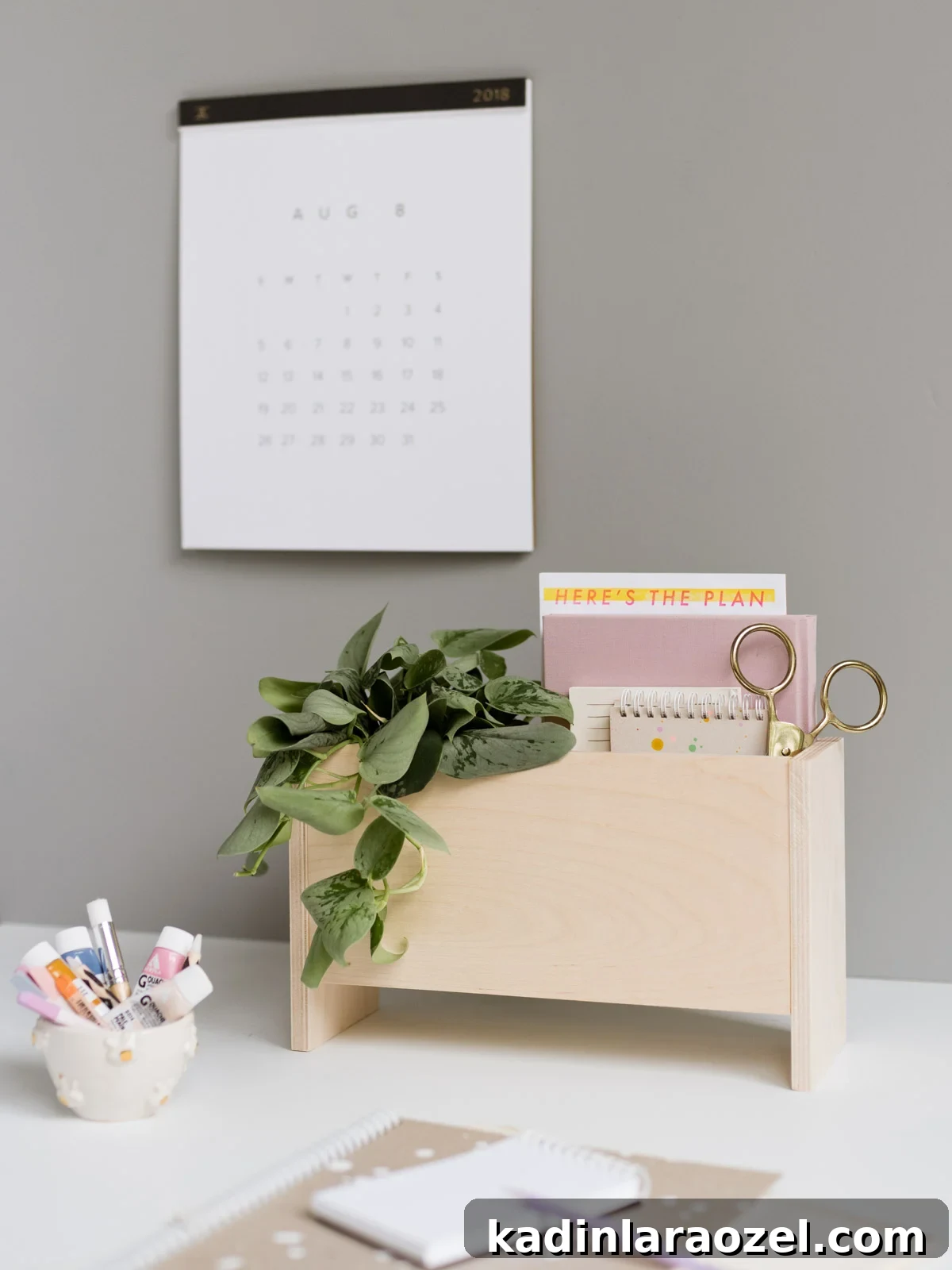
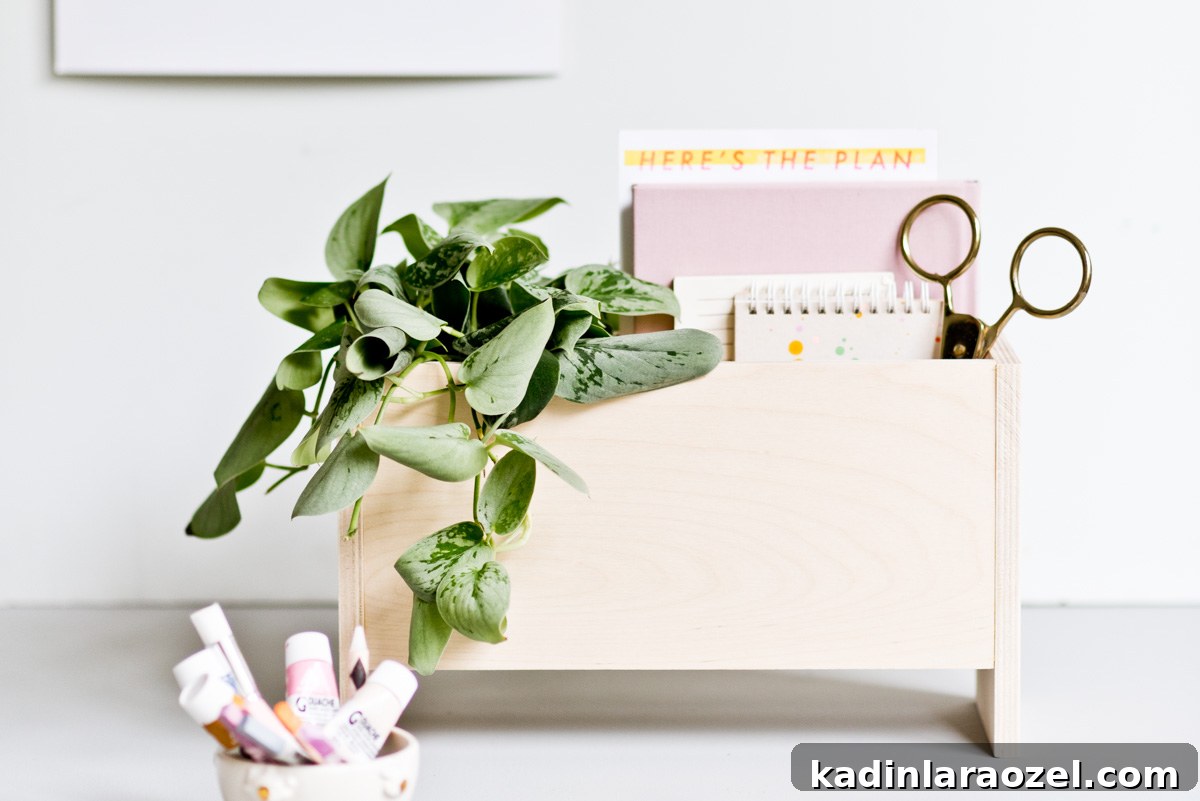
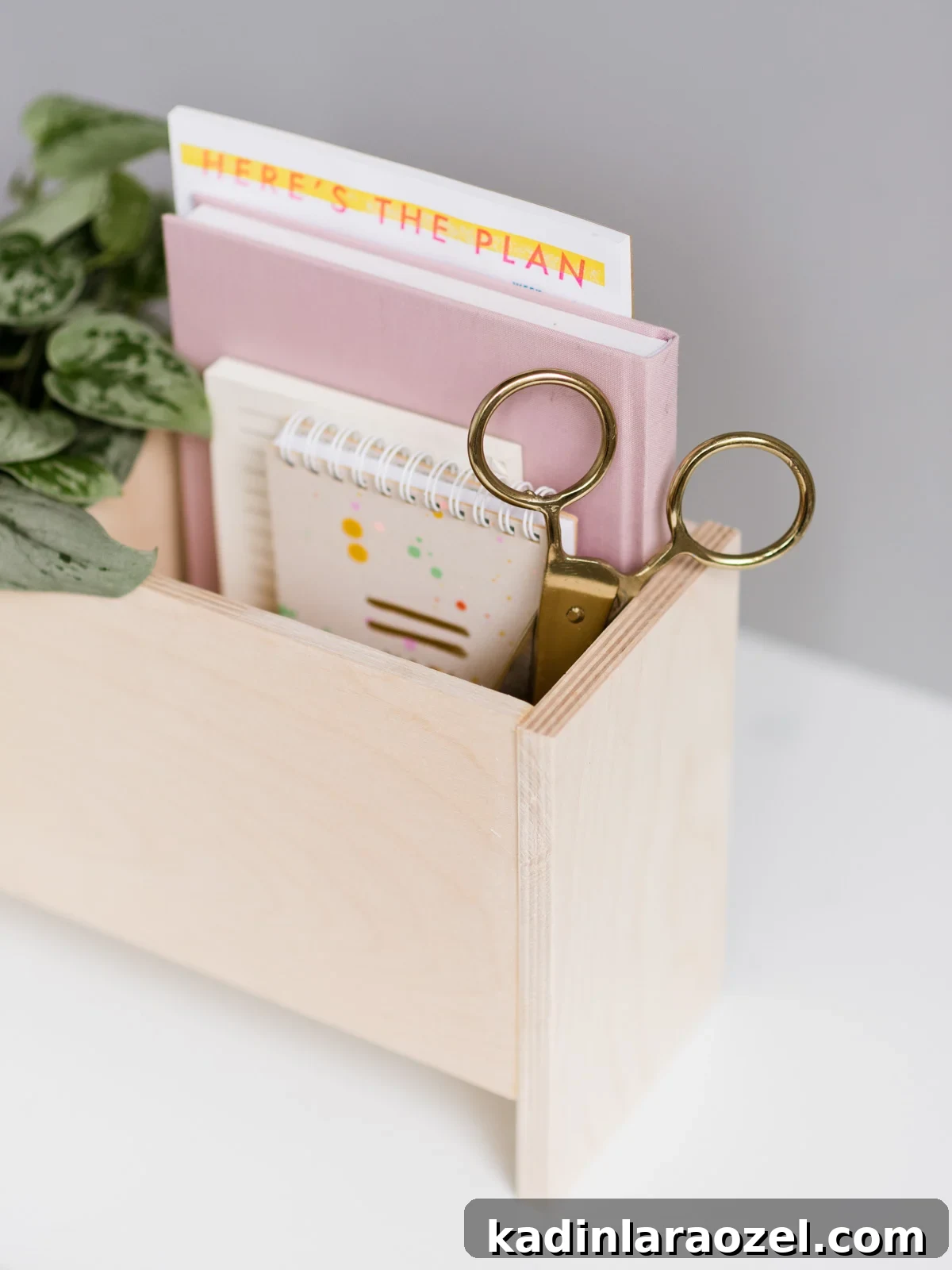
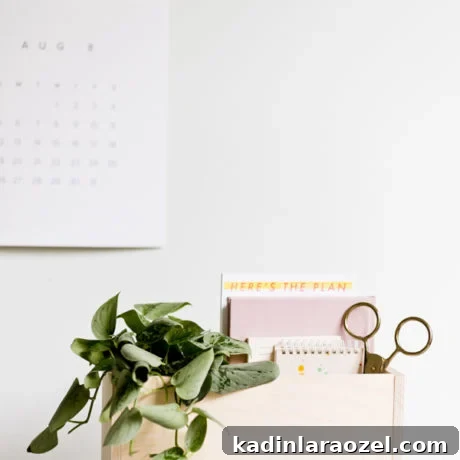
This wooden desk organizer is an ideal beginner-to-intermediate weekend project. It works as a catchall for items you need at hand, a paper and notebook organizer, or it can even be converted into a planter.
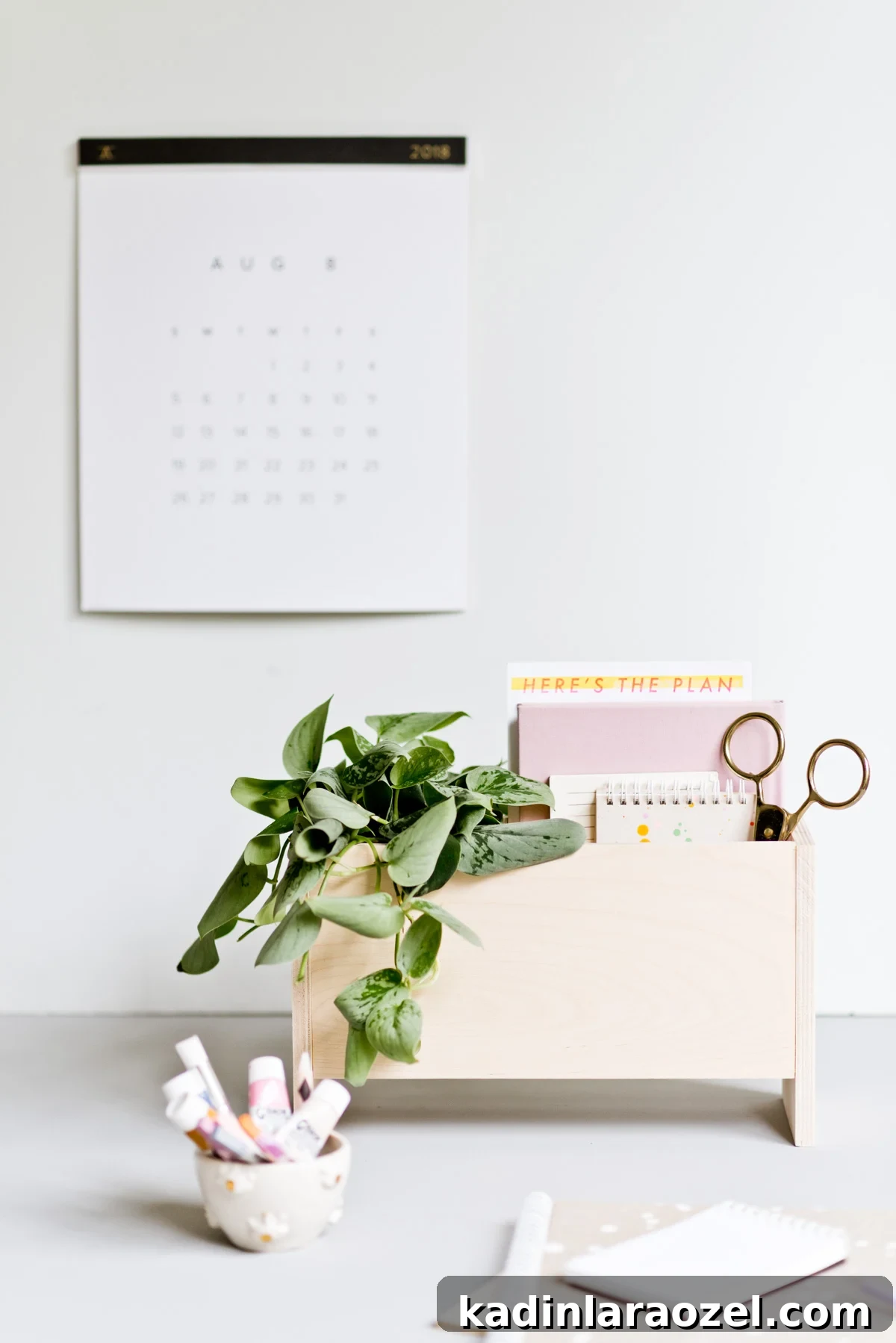
Lately I’ve been focused on getting organized (see my recent hall closet refresh). To clear the clutter on my desk, I built a simple wooden desk organizer to keep papers, notebooks, and scissors within reach without sacrificing surface space. Before this, everything was in loose piles on my desk — useful at first, but quickly annoying.
The build is straightforward, so even if you’re new to power tools you can complete this project. It requires only a few straight cuts and no screws or specialty tools. The steps below will guide you through making a clean, modern organizer that can double as a small planter if you add a liner.
Materials Needed
- Wood pieces (dimensions listed in step 1)
- Compact circular saw (or other small saw)
- Measuring tape or ruler
- Pencil
- Table clamps (two recommended)
- Wood glue
- Damp cloth or paper towels
- Sandpaper or an electric sander (optional)
How to Make a Wooden Desk Organizer
1. Cut the wood to size
Begin by cutting all the wood pieces you’ll need. If you don’t want to cut every piece yourself, some art and hobby stores sell boards in common sizes and you may find pieces that match your needs.
Because all cuts are straight, this is a great project for beginners. A small circular saw or compact power saw makes the work quick and easy. After cutting, sand any rough edges for a smooth finish.
Required dimensions:
- 2 pieces at 4.75 x 7.5 inches — these become the raised side legs
- 2 pieces at 6 x 12 inches — these are the long side panels
- 1 piece at 5.5 x 4 inches — the interior divider
- 1 piece at 4 x 12 inches — the bottom panel
2. Apply wood glue to the bottom
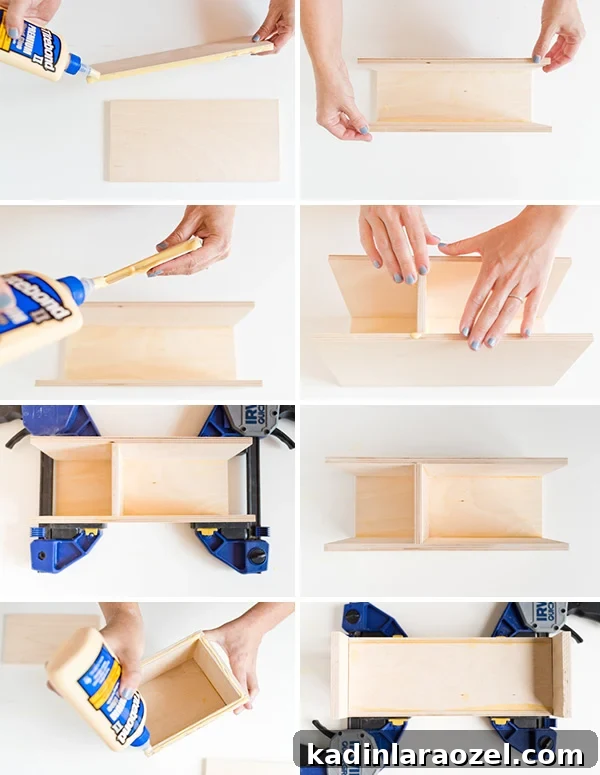
Apply wood glue along the two long edges of the bottom panel (4 x 12 inches). These glue lines will bond to the long side panels.
3. Attach the long side panels
Position and press the two 6 x 12 inch side panels onto the glued edges of the bottom piece so they cover the bottom’s edges for a seamless look.
4. Install the interior divider
Spread glue along the bottom and the spots on the inside of the long sides where the divider will sit. Place the 5.5 x 4 inch divider where you want it — I set mine slightly off-center to create one larger compartment for notebooks and a smaller one for pens or a plant.
5. Clamp and clean excess glue
Use two table clamps to hold the bottom, sides, and divider in place while the glue cures. Wipe away any squeeze-out with a slightly damp cloth or paper towel. Allow the assembly to dry overnight or follow the adhesive manufacturer’s recommended drying time.
6. Add the raised legs
Once the first joint has dried, remove the clamps and ensure the structure is secure. Apply wood glue to the two remaining open edges. Then flip the piece so the bottom faces upward and attach the two 4.75 x 7.5 inch pieces. Orient them so their ends extend upward — those projecting ends will become the organizer’s legs when you flip it back over.
7. Clamp again and let dry
Clamp the whole assembly a second time, clean any excess glue with a damp cloth, and let it dry overnight or for the time recommended by your glue.
8. Final steps and finishing
Remove the clamps and flip the organizer upright. If any surfaces are uneven, sand them smooth with an electric sander or by hand. Wipe away sanding dust before use.
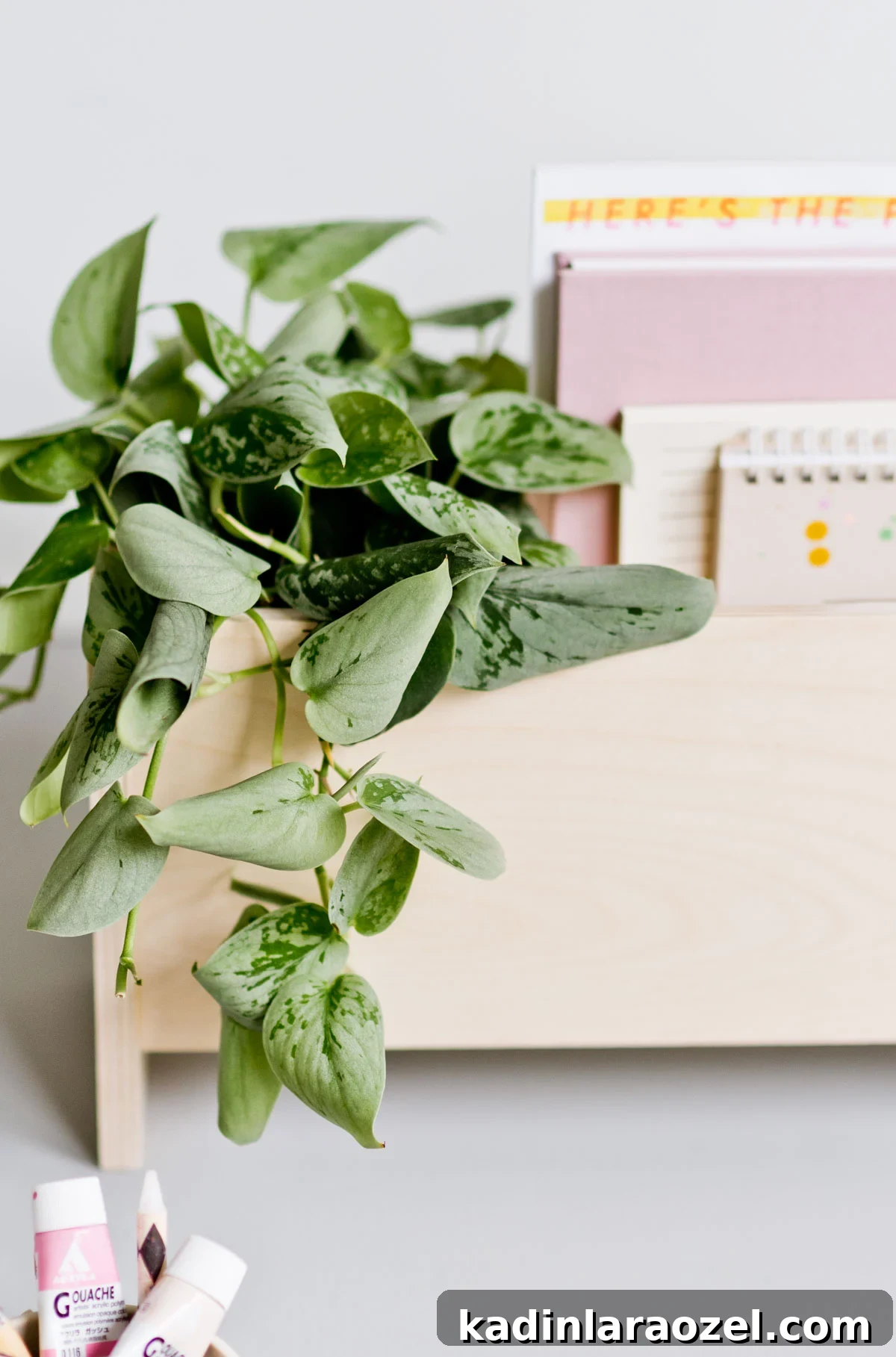
Planter note: If you plan to use one or both compartments for plants, line that compartment with a plastic container or waterproof liner before adding soil and a plant. The liner will protect the wood from moisture and prevent damage.
More DIY Organization Ideas
If you enjoyed this weekend build, try other organization projects to streamline your home. Here are a few ideas you can adapt to different rooms and needs:
- A hanging canvas wall organizer that holds craft and office supplies — versatile and easy to install above a desk.
- A small wooden storage shelf or mini vanity for bathroom or bedside organization.
- Cork-based office organizers that can be used on walls or desks as small containers.
- A wooden pencil organizer that doubles as a makeup caddy — simple to customize and stain or paint to match your décor.
Back-to-School DIY Ideas
This organizer is useful year-round, and it’s a particularly nice back-to-school project. Here are a few more kid-friendly or classroom-ready DIYs you might like to pair with it:
- Canvas lunch bags you can sew and customize for school meals.
- A roll-up pencil organizer that stores supplies compactly and unrolls for easy access.
- A fun cloud-shaped cork board that makes a playful pinboard for notes and artwork.
- Three unique, modern back-to-school projects that add style and function to homework nooks.
How to make a Wooden Desk Organizer
Brittni
Equipment
-
Compact circular saw (or similar)
-
Measuring tape or ruler
-
Table clamps
Materials
- Wood piecesdimensions in step 1
- Pencil
- Wood glue
- Damp cloth or paper towels
- Sandpaper or electric sanderoptional
Instructions
Cut the wood
- Cut all pieces to the listed dimensions. Sand edges as needed for a smooth finish.
Assemble sides and bottom
- Glue the long edges of the bottom panel and attach the two long side panels so they cover the bottom’s edges.
- Glue and place the divider inside where you prefer for compartment sizes.
- Clamp, clean glue squeeze-out, and let dry per glue instructions.
Attach raised sides
- After the first joint dries, glue the remaining two short pieces and attach them so their ends project upward to form legs.
- Clamp again, wipe excess glue, and allow to dry fully.
Finish
- Remove clamps, sand any uneven areas, and dust off the piece before use.
- If using as a planter, place a waterproof liner or small pot inside the compartment to protect the wood from moisture.
Photography: Amelia Lawrence
What do you think of this DIY desk organizer? Would you use it as a notebook and pencil caddy, a plant holder, or for another purpose?