Make a Summer Shift Dress from a Tablecloth: Step-by-Step Guide

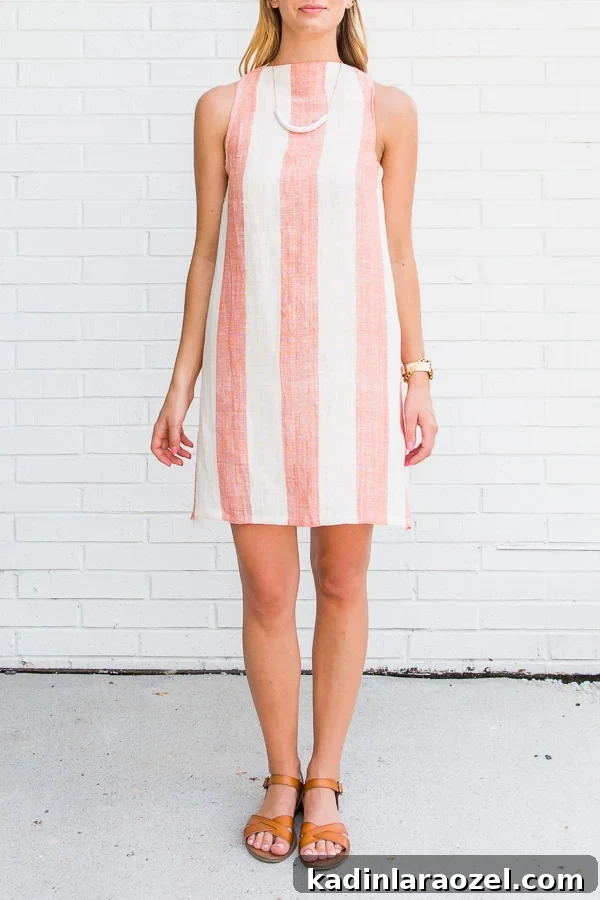
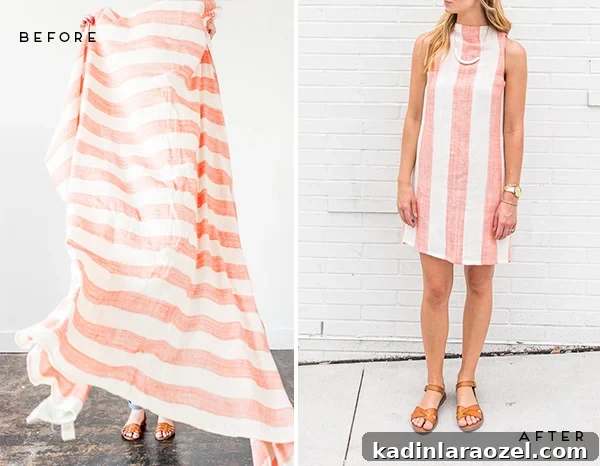
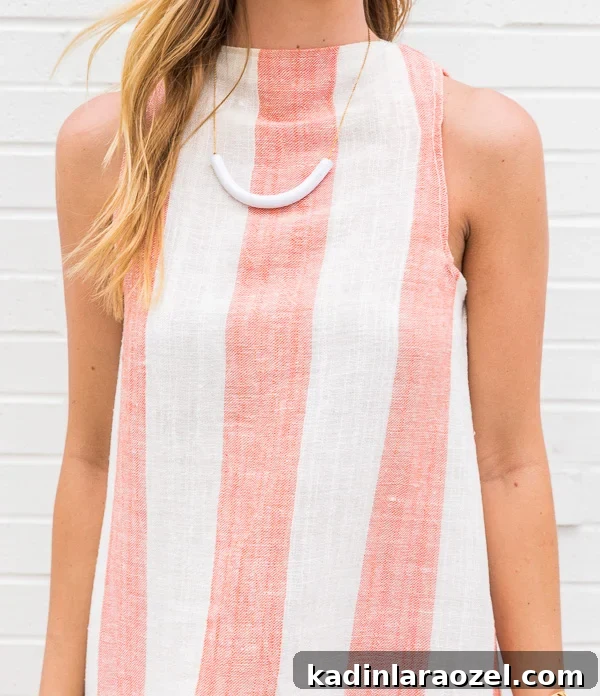
I’ve had this tablecloth sitting around since a Galentine’s Day shoot about a year and a half ago. I loved the pattern, but it wasn’t being used much, so I decided to give it a new life as a summer shift dress. A tablecloth turned into a wardrobe piece—maybe a little unconventional, but the finished dress looks nothing like a table textile.
Below you’ll find the before-and-after and step-by-step instructions so you can try this upcycle yourself.
Materials
- Standard tablecloth or 2–3 yards of fabric
- Sharp fabric scissors
- Iron
- Sewing chalk or fabric pencil
- Straight pins
- Sewing machine (or needle for hand sewing)
- Button
- Elastic string (about 4–6 inches)
Instructions
1. Select a dress you already own to use as a base pattern. Measure its width to estimate the fabric you need, and allow an extra half yard. Small to medium dresses generally require about two yards.
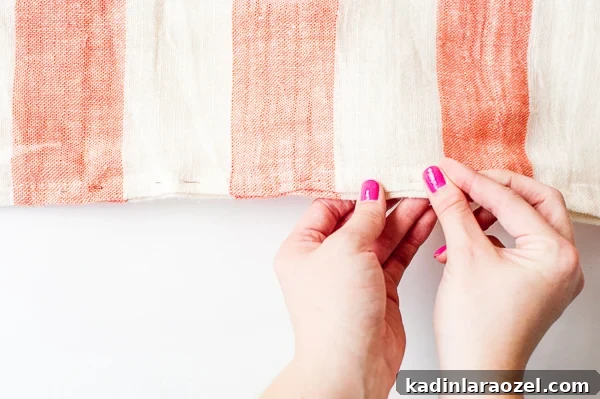
2. Fold your fabric with the right sides together (you will be marking on the inside). Lay the base dress flat on top to trace your pattern. If using a tablecloth with a finished hem that you like, position the dress so you can reuse that hem as the new dress hem.
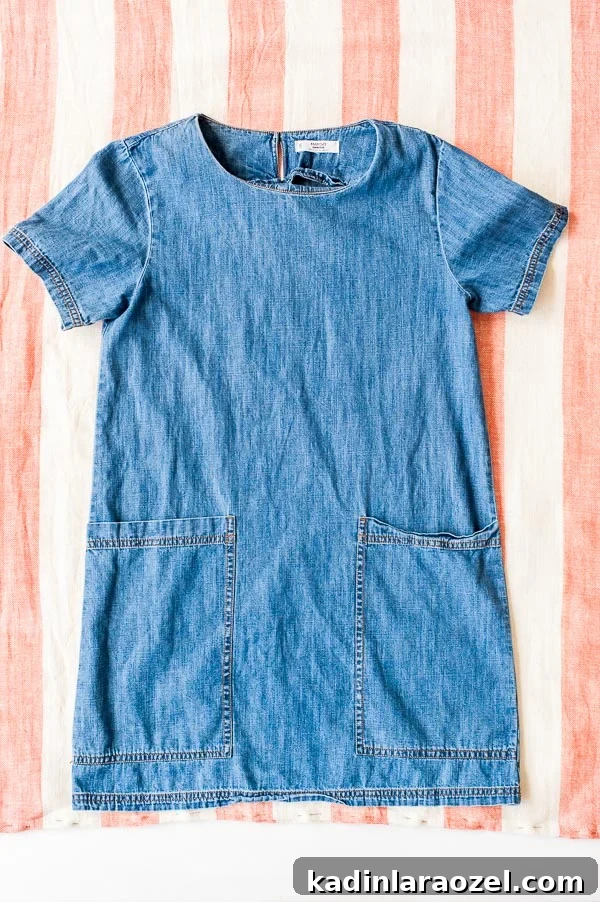
3. Trace around the dress with fabric chalk, adding 1.5–2 inches allowance on each edge for seams and hems. If you’re keeping the original hem, you only need extra on three sides. To create a slightly flared skirt, gradually widen each side by about 1 inch below the waist.
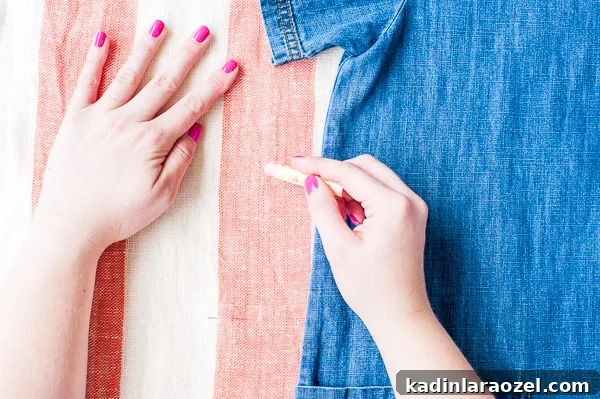
4. Cut one half of the pattern first, then fold the fabric and cut the mirrored side to ensure symmetry. Do not cut into the neckline yet—leave a straight cut across the shoulder line for now.
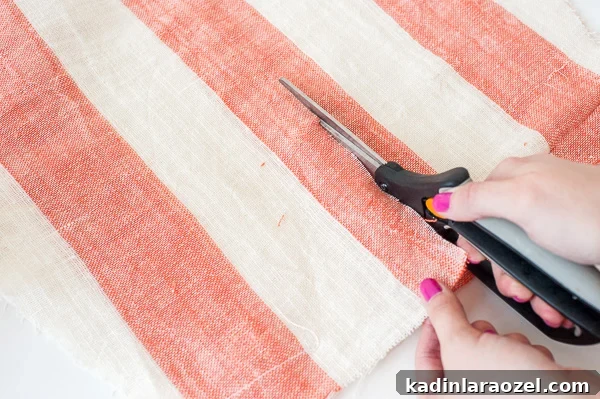
5. Sew the side seams from the hem up to the underarm, leaving 1/2 to 1 inch at the top for finishing the sleeve area. For durability, consider double-stitching this section.
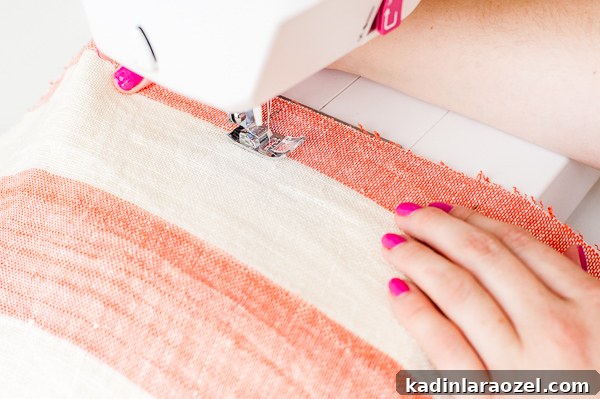
6. Pin and stitch the shoulder seams, again leaving enough fabric allowance for the armholes and neckline finishing.
7. To refine the shape, scoop the armholes slightly more than on the original dress while keeping the neckline straight across. Roll the fabric inward to the desired curve, pin in place, and stitch around, leaving a 1/2 inch hem. If you need shaping at the bust or waist, sew darts as necessary.
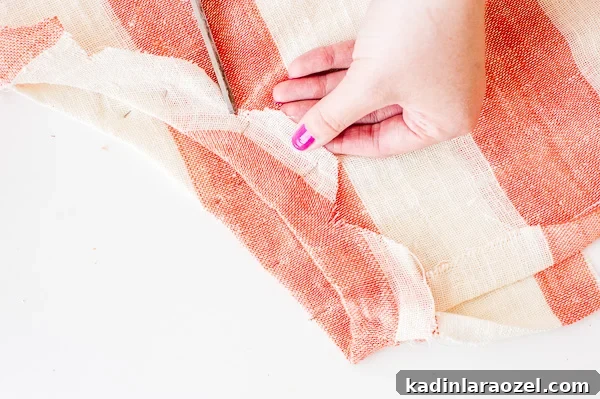
8. To keep the neckline neat, fold the edge under and stitch across the front. You can adapt this same technique to create different necklines if you prefer.
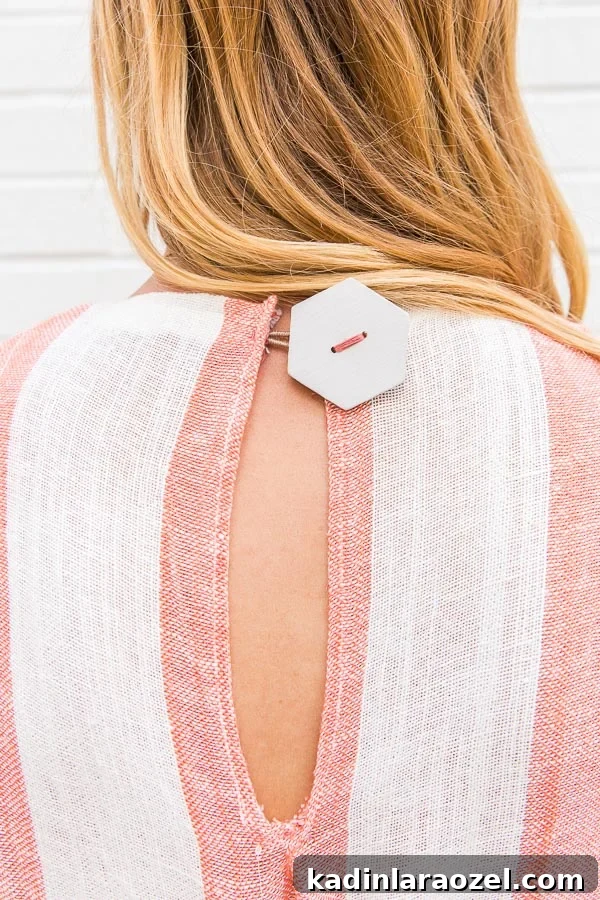
9. For an easy over-the-head fit, cut a keyhole opening in the back. Cut straight down the center back to the length you want, turn under the edges, and stitch from bottom to top to finish the keyhole. Finish the back neckline the same way you finished the front.
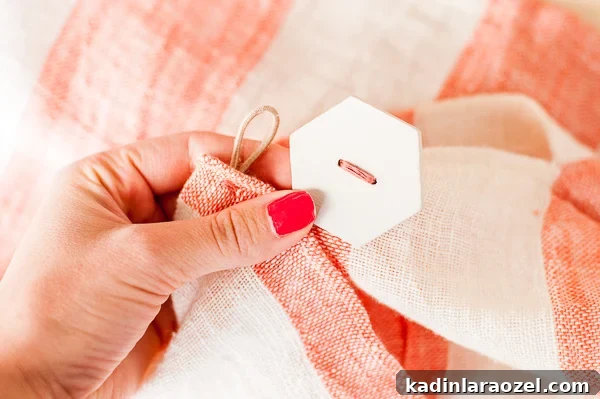
10. Attach a button and a small loop of elastic to fasten the keyhole closure. These can be hand-stitched for a subtle finish.
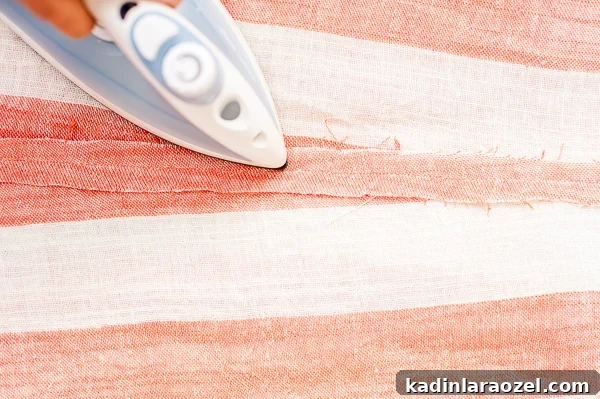
11. Press the entire dress with an iron, paying special attention to inside seams and any areas that need to lie flat.
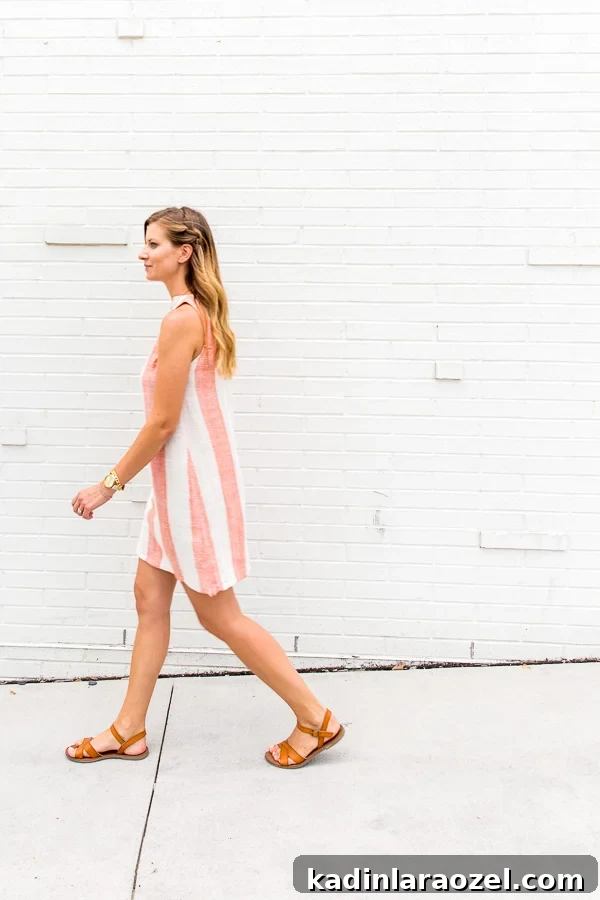
And that’s it—the dress is finished.
I particularly love the back detail. We made a simple wooden button from a flat block with two drilled holes, which adds a small, unexpected handmade touch. It gives the dress a unique finish that doesn’t scream “tablecloth.” What do you think—can you tell it started as a tablecloth?

Sewing: Rachel Brewer
Step photos and modeling: Amelia Tatnall
Art direction and final photos: Brittni Mehlhoff
Would you try this upcycle? Share your thoughts—do you think it still reads as a tablecloth, or as a fresh summer dress?